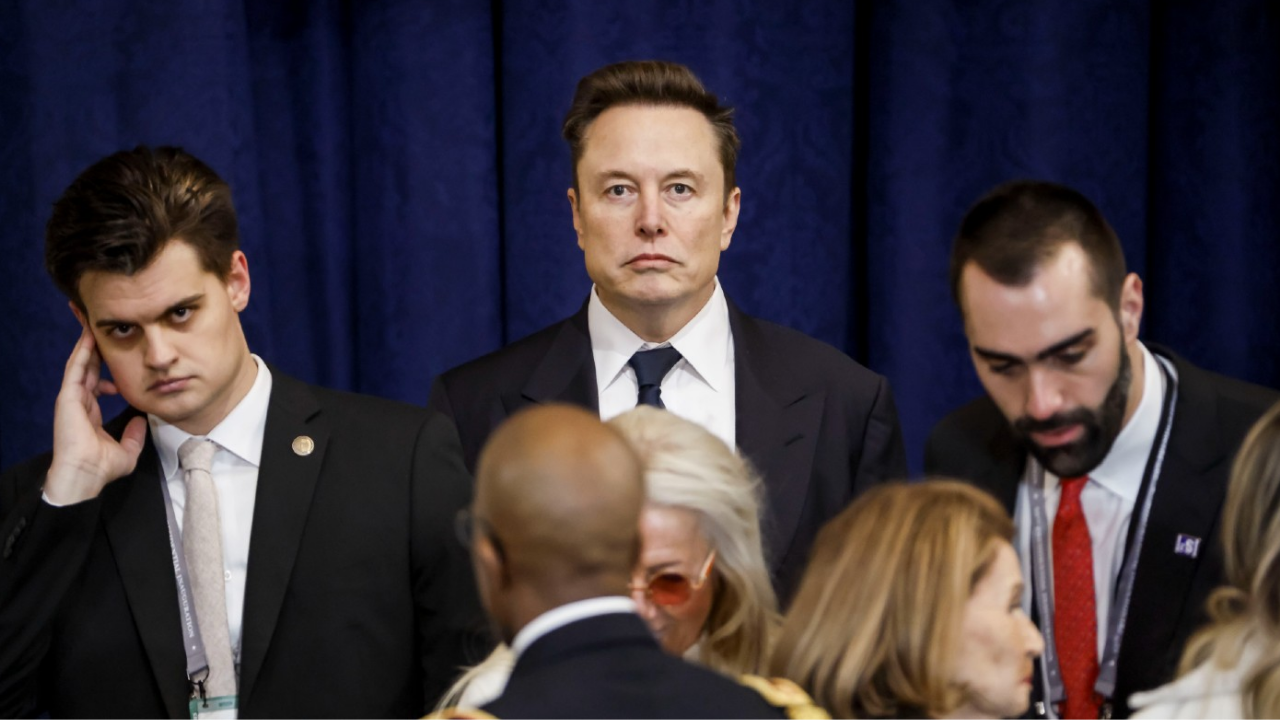
Elon Musk’s companies, including Tesla, xAI, and X, are experiencing high executive turnover due to burnout, demanding work conditions, and strategic disagreements.
This trend has worsened since Tesla’s April 2024 layoffs of 14,000 employees, prompting concerns about workforce retention and management sustainability.
High-Profile Tesla Departures
In April 2024, Tesla saw key leadership changes with the resignations of Drew Baglino, Senior Vice President of Powertrain and Energy Engineering, and Rohan Patel, Vice President of Public Policy.
Their exits coincided with mass layoffs affecting over 14,000 employees, approximately 10% of the global workforce, suggesting deeper organizational issues beyond routine turnover.
xAI Leadership Turbulence

xAI recently experienced notable leadership changes, with CFO Mike Liberatore departing after about four months, having joined in April 2025 and leaving in late July.
The Financial Times reported he worked “102 days — 7 days” before joining OpenAI in September 2025. Additionally, General Counsel Robert Keele left the company to focus on achieving a better work-life balance and spend more time with his young children.
X Platform Staff Exodus

Since Elon Musk acquired X (formerly Twitter), the platform has seen significant staff departures, particularly in engineering and content moderation.
Many employees cite policy disagreements, increased workloads, and uncertainty about the platform’s future as reasons for their exit.
Work Culture Intensity
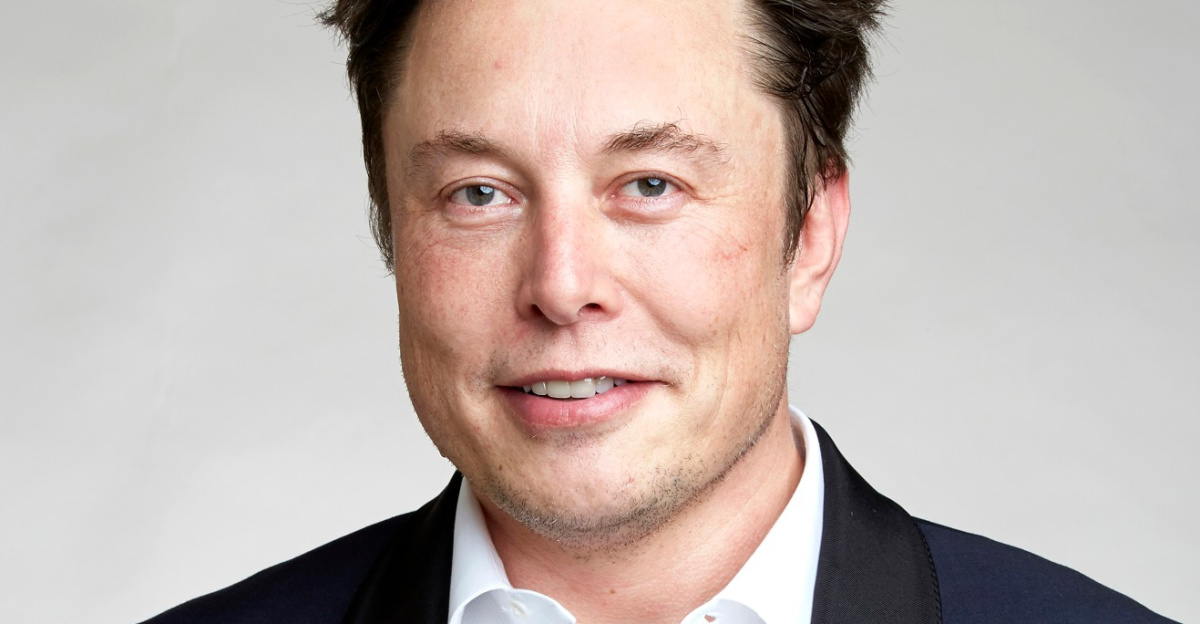
Former employees of Elon Musk’s companies report high work demands, which can lead to burnout. Departing executives often cite exhaustion and the impact on their families as key reasons for leaving.
The culture prioritizes rapid execution and intensive schedules, contributing to leadership turnover.
Strategic Disagreements
Strategic conflicts have led to key departures at Tesla and xAI. At Tesla, executives raised concerns about Elon Musk’s decision to cancel the $25,000 affordable electric vehicle project, which he publicly denied.
At xAI, disagreements emerged over AI development priorities and resource allocation among competing projects.
Personal Toll on Executives

The demanding work environment at xAI has had a significant impact on employees’ personal lives. Former General Counsel Robert Keele noted that he made significant sacrifices, including missing time with his toddlers.
Many executives have cited family concerns, health issues, and an unsustainable work-life balance as reasons for leaving the company.
Global Operations Impact
Leadership departures have disrupted Tesla’s international operations, particularly at its Berlin and Shanghai facilities, resulting in production delays and coordination issues.
The April 2024 layoffs also weakened established teams and resulted in a loss of institutional knowledge across global locations.
Competitor Talent Acquisition
Competitors in the tech industry are actively recruiting talent from each other. For example, Waymo hired Daniel Ho from Tesla in September 2024, and Mike Liberatore moved from xAI to OpenAI in September 2025. According to MSNBC reporting Musk “bragged that his new government task force is clocking in 120-hour work weeks”
These companies emphasize their traditional work cultures and offer a better work-life balance to attract skilled professionals.
Financial Performance Context
In 2025, Tesla’s stock has been volatile, trading around $435 as of October. The market capitalization is around $1.4 trillion.
Earlier this year, the stock dropped 45-50% before recovering, influenced by political controversies and increasing competition in the electric vehicle market.
New Leadership Appointments
Musk appointed Anthony Armstrong, a former Morgan Stanley banker, as xAI’s CFO in October 2025, overseeing finances for both xAI and X.
The appointment followed Liberatore’s departure and represents efforts to stabilize financial leadership across the AI and social media ventures after several months without a permanent CFO.
Industry Turnover Comparisons
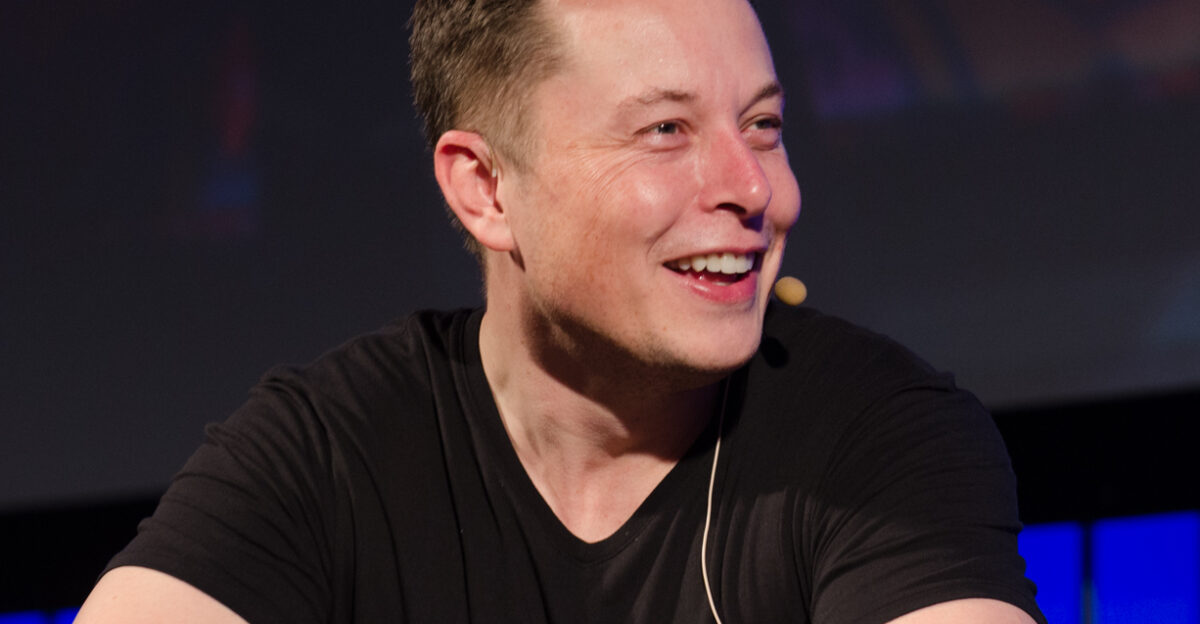
Wall Street analysts and industry researchers have noted elevated executive turnover at Musk’s companies compared to industry standards.
A 2019 Bernstein Research analysis found that Tesla executives reporting directly to Musk had higher departure rates than those at typical tech companies. While current comparative data is limited, recent departure patterns suggest this trend continues across Tesla, xAI, and X.
Operational Consequences

Executive departures disrupted project continuity. Tesla’s Cybertruck production faced delays, partly attributed to leadership changes and the April layoffs, while xAI’s AI development timeline encountered challenges with frequent leadership transitions.
Remaining staff report increased workloads and pressure to maintain ambitious schedules.
Strategic Initiatives Moving Forward
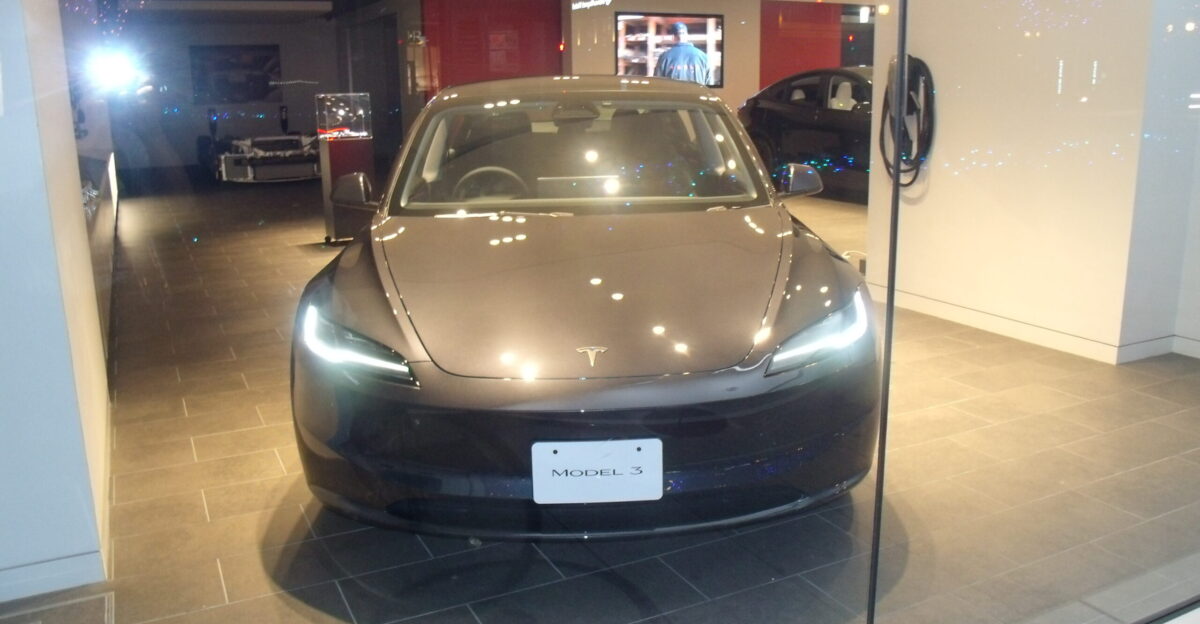
Despite leadership challenges, Musk’s companies pursue ambitious goals. Tesla advances autonomous driving and robotaxi services for 2026 deployment.
xAI continues to scale its Grok AI platform, competing with ChatGPT while raising significant funding rounds, including a $6 billion Series B in May 2024, which valued the company at $24 billion.
Management Evolution Outlook
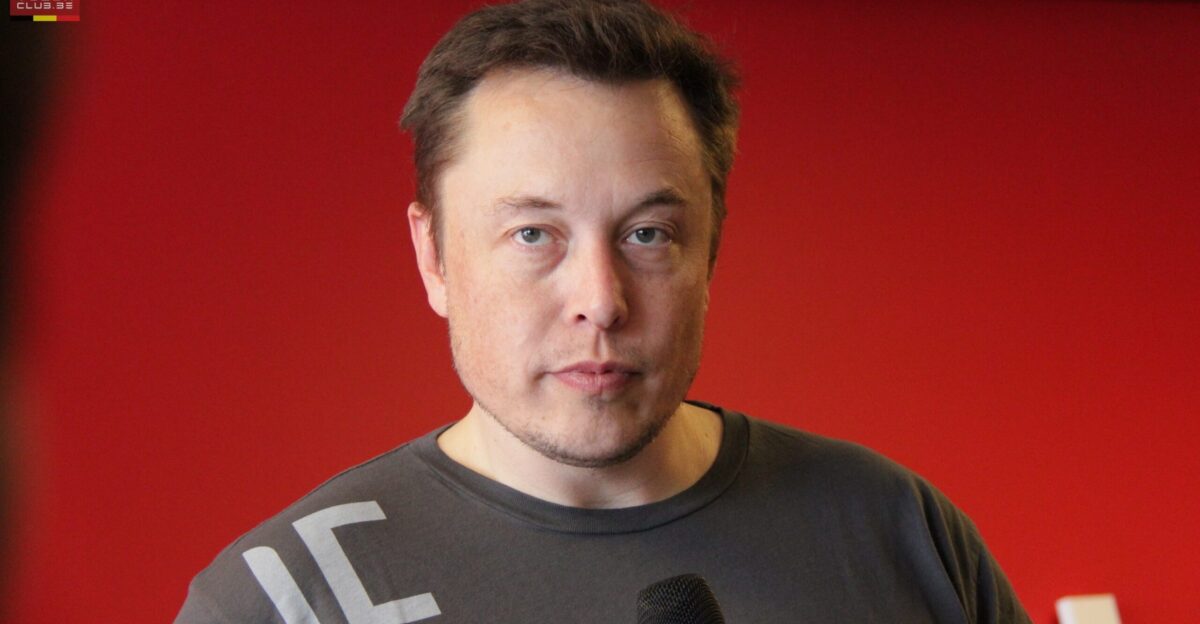
The executive exodus highlights tension between Musk’s demanding leadership approach and sustainable management practices. Success in future initiatives requires striking a balance between innovation ambitions and employee retention.
Industry analysts suggest that companies may need to adopt more evolved approaches to maintain a competitive advantage while addressing documented workforce concerns and leadership stability challenges.