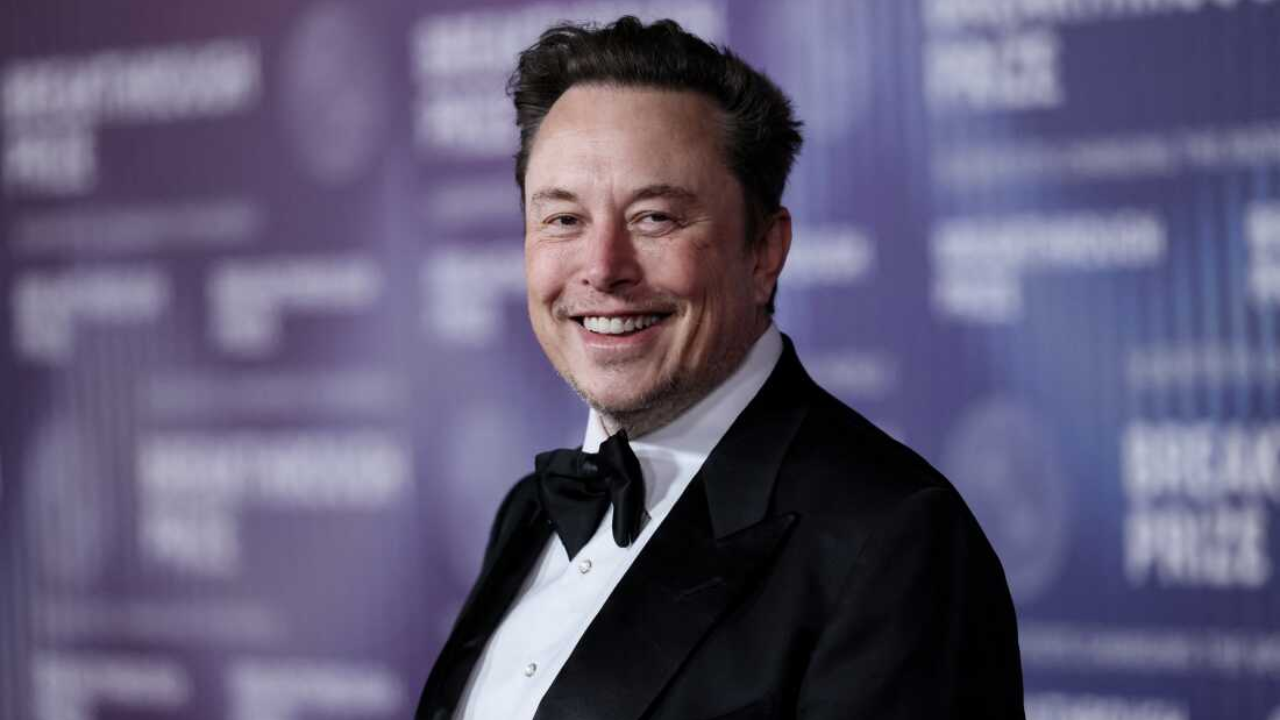
Tesla shareholders have approved a record-setting compensation plan for CEO Elon Musk, valued at up to $1 trillion. This historic package, confirmed by mainstream outlets and public filings, rewards Musk only if Tesla reaches several massive goals in electric vehicles, robotics, and market value over the next decade.
Notably, while Tesla’s pay plan originally referenced producing 20 million electric vehicles annually, recent company reports and analyst commentary indicate that this number has been deemphasized or omitted in official statements, reflecting a shift to broader ambitions in production and autonomy.
Shareholder Support and Compensation Structure
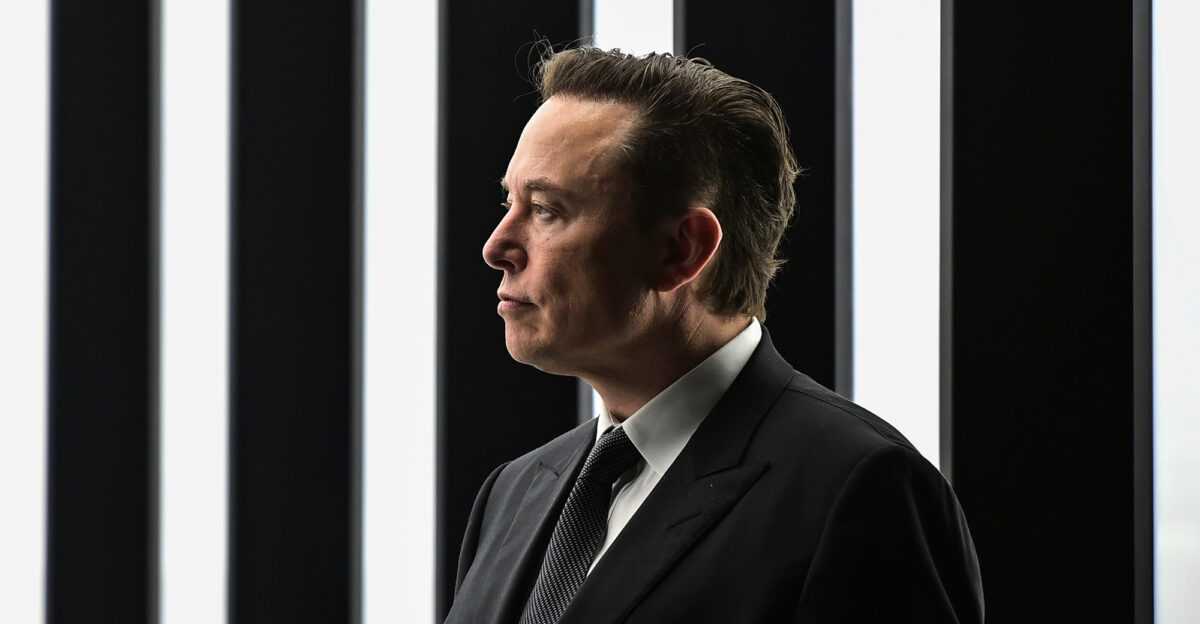
At Tesla’s annual meeting, over 75% of voting shareholders supported Musk’s performance-based pay plan. Unlike traditional CEO pay, Musk’s arrangement does not include salaries or bonuses. Instead, the package is made up of stock tranches: Musk earns blocks of shares only when Tesla hits specific operational and financial milestones. Chief among these are cumulative production benchmarks (previously 20 million vehicles, now broadly defined), 1 million humanoid robots deployed, and huge jumps in market value, potentially raising Tesla’s worth to as much as $8.5 trillion.
Tesla’s board describes this as a strategy to directly align Musk’s compensation with shareholder interests and tangible company growth. Every tranche is contingent on reaching an exacting target, such as a market cap increase by $500 billion increments and operational achievements in vehicles, robots, and software. The package includes contingency clauses to adjust the targets if global events like wars or new regulations affect Tesla’s operations.
Unmatched Scale, Robots, and Market Value
The full payout could make Musk not only the world’s richest person but the first ever trillionaire. The size of the package highlights Tesla’s ambitions. For context, the original milestone called for 20 million vehicles per year, double that of any current automaker, but as of late 2025 Tesla has dropped the annual target and focuses more on ramping up production broadly alongside autonomy and robotics. Tesla’s cumulative deliveries stand at over 8 million to date, meaning Musk must help scale output at a rate far above historic levels to realize the rewards.
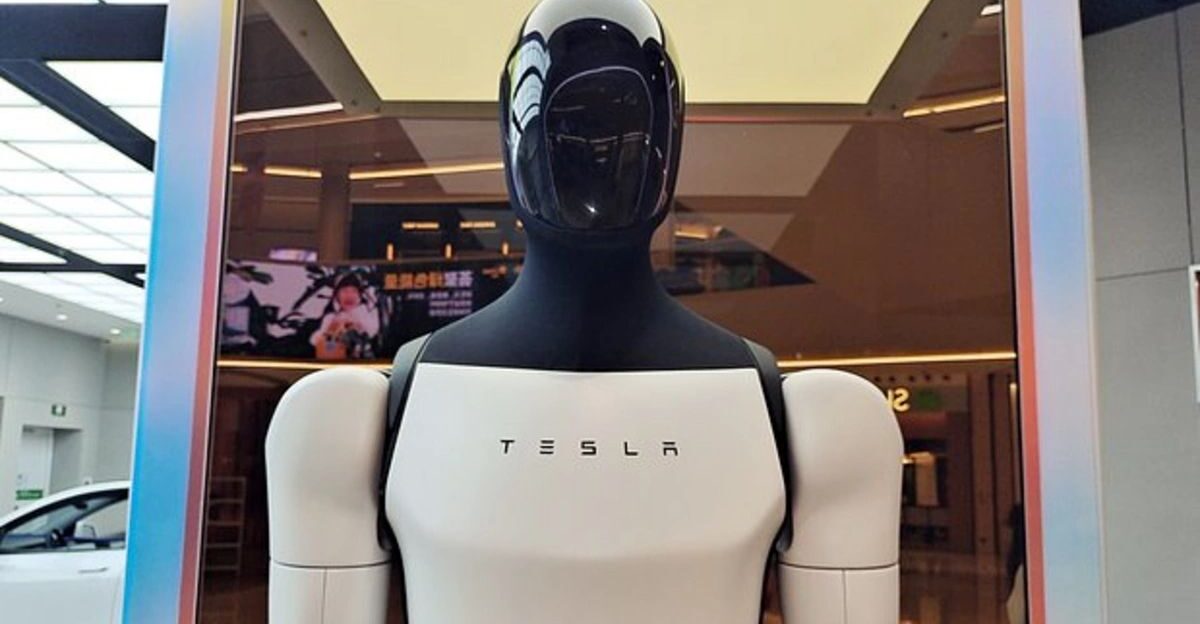
Another headline target is the deployment of 1 million Optimus humanoid robots. Tesla’s leadership envisions these robots moving quickly from prototype to working in factories, logistics, and perhaps even assisting with everyday tasks or supporting plans for lunar and Martian outposts. Independent coverage notes the feasibility of these targets is uncertain and largely aspirational, but the compensation is structured to only unlock when such outcomes are verified.
Risks, Rewards, and Industry Impact
The package remains all or nothing. Musk earns nothing if Tesla falls short of its milestones. Analysts view this as a massive risk but also a push for relentless innovation, rewarding results over effort. Reaching the goals would require continual investment, breakthroughs in manufacturing, competitive battery supply, and navigating changing global regulations. Musk’s track record, overseeing rapid growth and driving the company beyond industry limits, is cited by supporters as justification.
Investor reaction is mixed. Many approved the deal, seeing Musk’s vision as vital to Tesla’s future, while others, including major funds, voiced worries about precedent, risk, and fairness. Tesla’s industry leadership in robotics and next-generation vehicles, if achieved, could reshape global markets and change what is considered standard in executive compensation. Contingency language lets the board adjust for major disruptions, showing an awareness of real-world uncertainties.