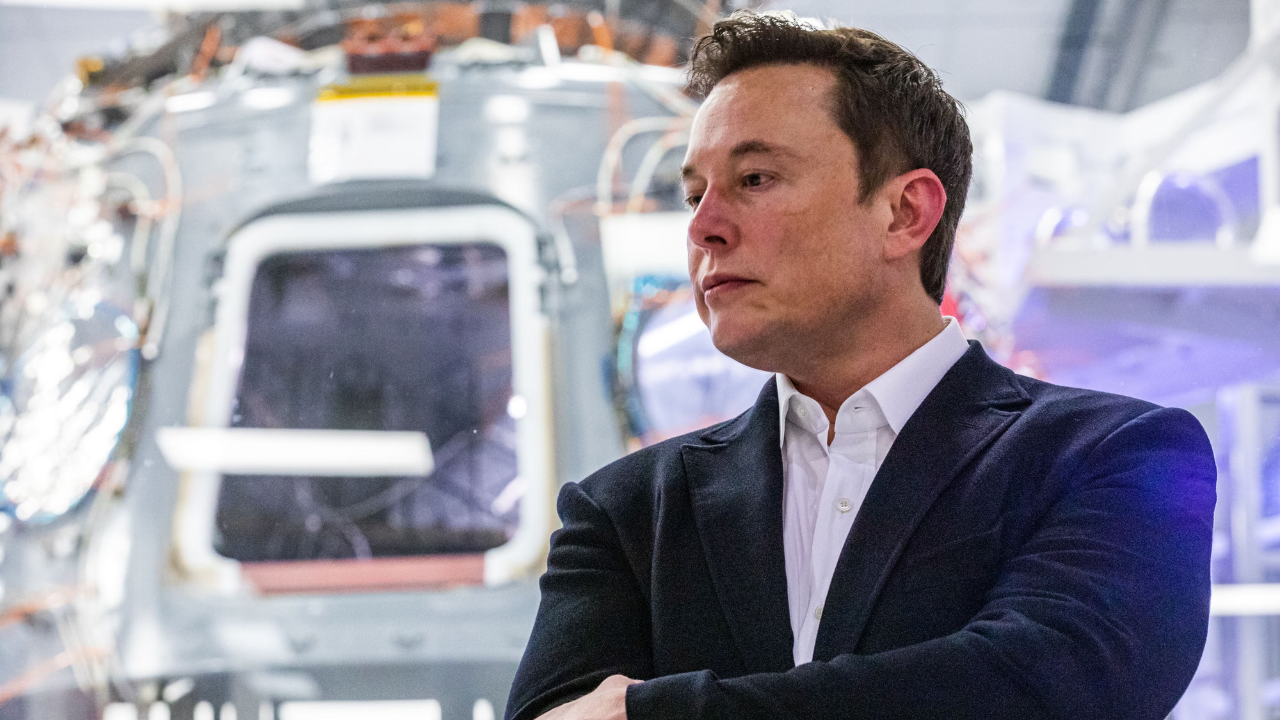
A sensational headline claims Elon Musk wants to block the sun—supposedly engineering humanity’s “biggest energy shift in 5,000 years.” Yet the actual proposal is far more modest: solar-powered AI satellites making tiny climate adjustments.
The “blocking sun” framing and “5,000 years” claim appear to be fabricated entirely. No credible sources support these dramatic assertions, raising critical questions about the accuracy of the media and the potential for AI-generated misinformation in modern news cycles.
What Musk Actually Said
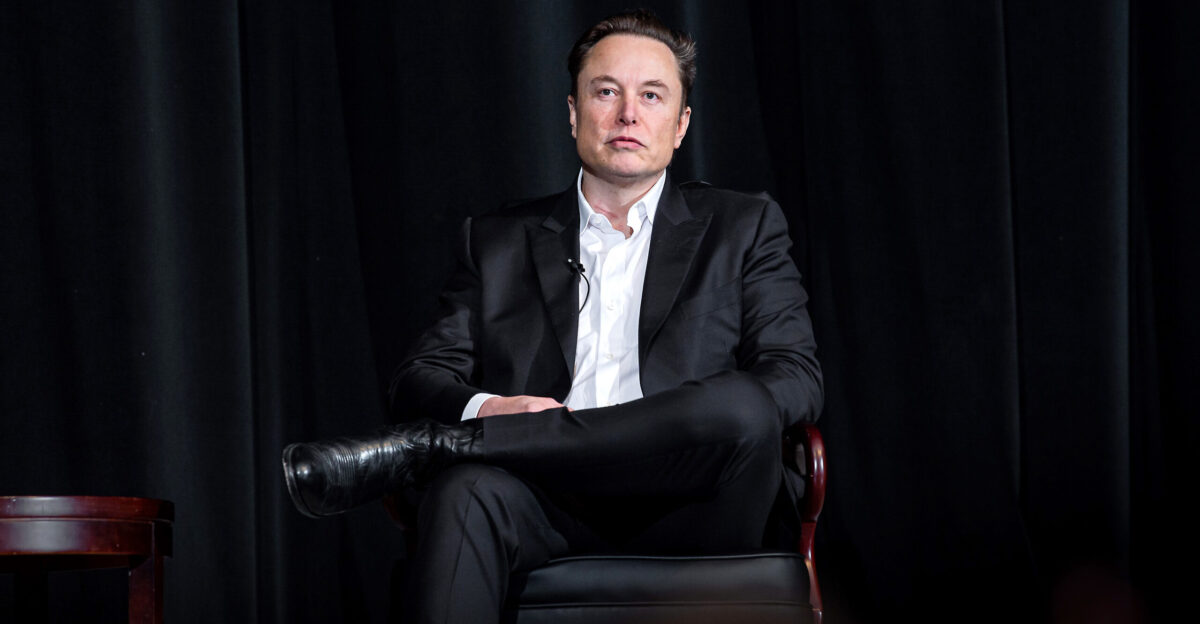
On November 3, 2025, Musk posted on X that “a large solar-powered AI satellite constellation would prevent global warming by making tiny adjustments in how much solar energy reached Earth.” When questioned about hemispheric precision and geopolitical conflicts, he responded simply: “Yes.”
He suggested that Earth has been a snowball multiple times in its historical past. This speculative social media comment, viewed 23.5 million times within 24 hours, sparked a sensationalized narrative that circulated globally.
Solar Geoengineering Explained
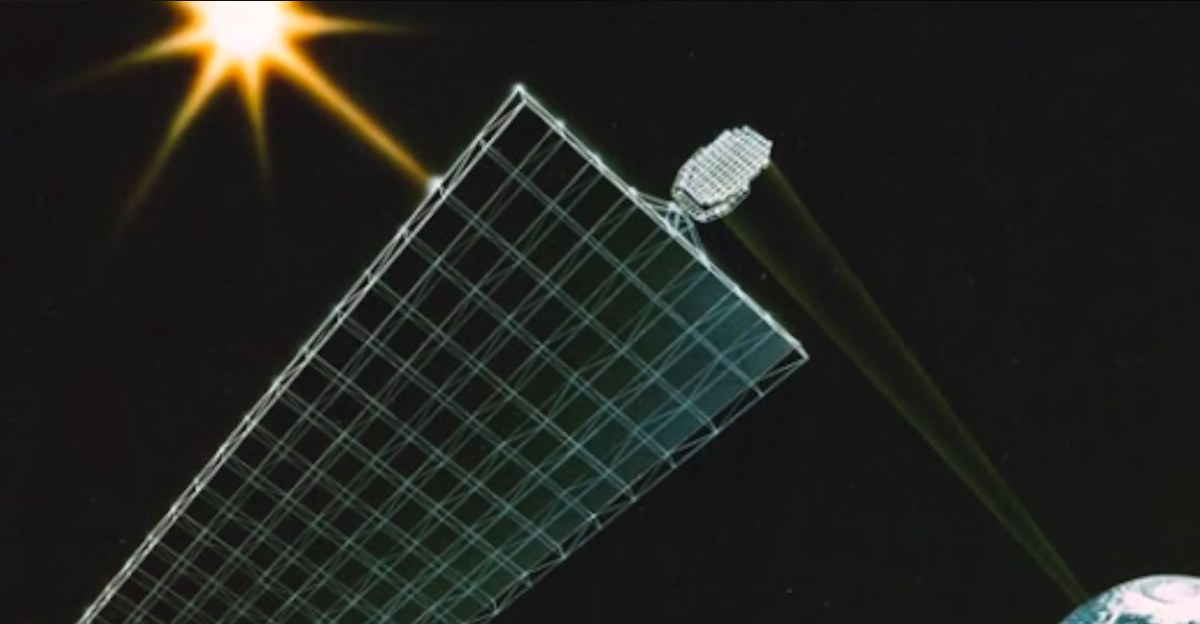
Musk referenced space-based solar radiation management, which involves reducing incoming solar radiation by reflecting sunlight back into space. Theoretical calculations suggest a 1.8–2% reduction could offset doubled CO₂ warming.
The concept involves placing structures at the Lagrange Point L1, located between Earth and the Sun. While physically plausible, experts emphasize that this remains theoretical with enormous technical and practical challenges ahead. Space-based approaches have never been deployed or seriously funded on a large scale.
The 20-Year Problem

Scientific consensus has dismissed space-based solar geoengineering as impractical for decades. The National Academies stated that timeline challenges exceeded 20 years. UNEP declared “developmental timescales appear prohibitive.”
Expert surveys confirm scientists are “unsure about ultimate workability.” The technology faces unprecedented engineering obstacles involving millions of square kilometers of orbital structures. Unlike renewable energy deployment, which occurs over years, space-based climate intervention remains firmly in the speculative realm.
Astronomical Costs Nobody Mentions

Feasibility studies estimate that space-based solar radiation management would cost over $100 billion for initial deployment. Compare this to atmospheric approaches, which cost $10 billion annually, or renewable energy, now cheaper than fossil fuels in most markets. Musk provided zero-cost analysis or budget proposals.
For context, the entire NASA annual budget approximates $25 billion. This proposal would consume years of global space industry output, yet Musk presented it casually without financial grounding whatsoever.
The Real Problem: Radiation and Hardware

High-performance AI processors cannot operate reliably in geostationary orbit without extensive radiation shielding, which dramatically reduces computational speed. This fundamental physics problem undermines Musk’s dual vision of space-based AI data centers simultaneously controlling Earth’s climate.
The “solar-powered AI satellites” concept faces critical hardware limitations that nobody is addressing. Deploying thousands of vulnerable satellites that coordinate complex climate adjustments presents an entirely different engineering challenge than terrestrial data centers.
Termination Shock: The Ultimate Risk

If space-based solar reflection were to fail or be discontinued, suppressed warming would occur rapidly—potentially faster than gradual climate change, resulting in severe ecological damage. This creates dangerous lock-in: once deployed, the system cannot be safely abandoned without catastrophic consequences.
Ecosystems would experience unprecedented rapid shifts. Agriculture, fisheries, and natural systems depend on stability.
Whose Hand Controls Earth’s Thermostat?
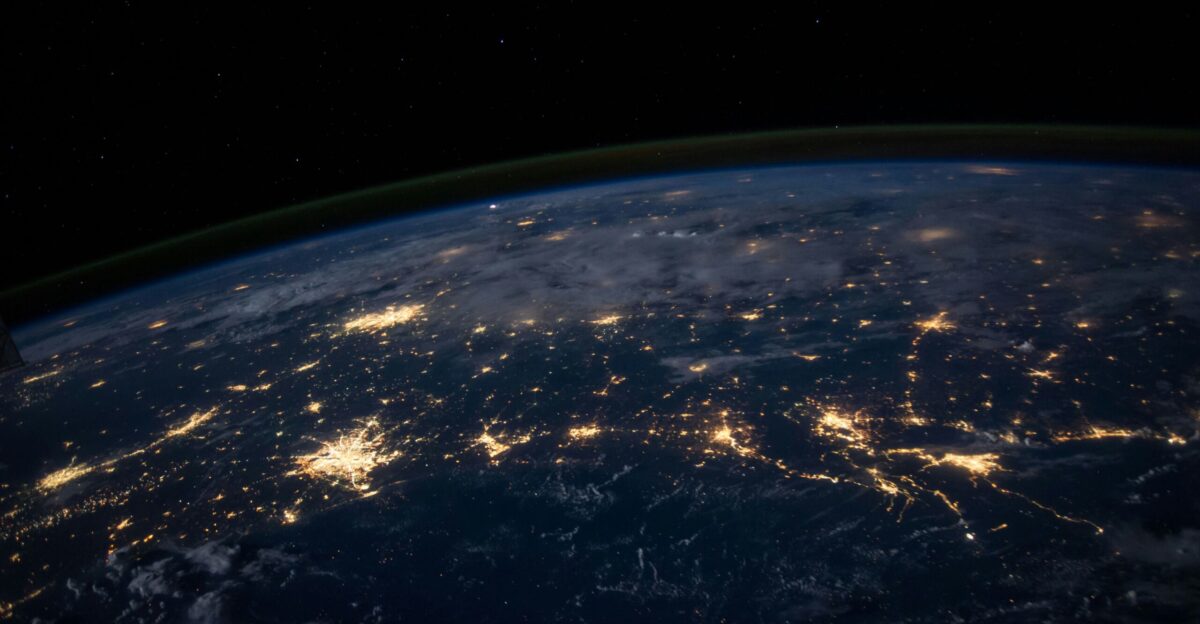
Different regions prefer different temperatures and precipitation patterns. Who decides the global climate setting? No international governance framework exists for space-based climate modification. Current informal proposals lack specificity, enforcement mechanisms, and participation from climate-vulnerable nations.
One X user noted: “Geopolitical tensions could escalate into solar blockade wars.” A single nation could theoretically deploy systems unilaterally, creating unprecedented sovereignty conflicts exceeding current international disputes.
The “Energy Shift” That Isn’t

The headline claims this represents “the biggest energy shift in 5,000 years.” Historical analysis shows energy transitions occur over decades to centuries: coal dominance took 140 years, oil transitions 70 years.
Current renewable transitions occur in 50 years. Musk’s proposal wouldn’t change energy production, sources, or consumption—merely atmospheric reflection. It’s a climate intervention, not an energy shift. This fabricated comparison reveals intentional sensationalism designed purely for engagement metrics and viral social sharing.
What Scientists Actually Say

The solar geoengineering research community itself remains deeply divided. Some argue climate risks justify continued research; others contend it distracts from emissions reduction and creates moral hazard justifying continued fossil fuel use.
A Harvard Salata Institute assessment found “imperfect climate responses” and “unknown unknowns.” University of Chicago modeling suggested benefits outweigh risks for atmospheric methods, but space-based approaches face uniquely severe governance and technical challenges without comparable supporting analysis.
The Moral Hazard Trap

If geoengineering becomes publicly perceived as a viable climate solution, political will for emissions reductions could evaporate. Fossil fuel interests could weaponize geoengineering research to justify continued extraction and atmospheric carbon accumulation.
Musk’s speculative proposal already sparked discussions treating it as inevitable, even though scientific consensus emphasizes it remains highly uncertain. This psychological framing potentially undermines the most effective climate solution: transitioning energy infrastructure to renewables generating immediate health improvements.
Unintended Environmental Consequences

Even theoretically successful geoengineering would disrupt global photosynthesis and agricultural yields. Precipitation patterns would shift unpredictably across regions. Ocean ecosystems adapted to current light levels face unknown impacts. Some nations may experience beneficial climate outcomes, while others may suffer reduced rainfall or altered growing seasons.
The complexity of the Earth’s climate system means that interventions designed to cool the planet could trigger cascading ecological disruptions that nobody can predict accurately beforehand.
The Actual Musk Agenda: Space AI

Examining Musk’s November 2025 statements reveals the primary goal: deploying 300–500 gigawatts of solar-powered AI satellites annually via Starship for computational data centers. Unlimited solar energy in space eliminates battery constraints facing terrestrial AI infrastructure.
He suggested manufacturing satellites on the Moon using mass drivers. Climate control appears secondary—potentially added to justify the infrastructure’s massive resource requirements.
Why Musk’s Track Record Matters

Musk has a pattern of announcing speculative technologies via social media without concrete implementation plans. Mars colonization timelines have repeatedly been extended. Hyperloop remains largely unfunded. Tesla Robotaxi promises have been consistently delayed.
This history suggests treating his space satellite climate control proposal with appropriate skepticism. While some Musk ventures succeed spectacularly, many don’t materialize as announced.
Proven Solutions Waiting Now

Renewable energy costs have plummeted below fossil fuels in most markets, enabling rapid deployment. Energy efficiency improvements reduce consumption immediately. The electrification of transportation, heating, and industry continues to progress with available technology.
Grid-scale battery storage solves intermittency challenges. These solutions generate massive co-benefits: millions of prevented deaths from pollution, energy independence, and job creation. Carbon removal technologies, though currently expensive, are improving. All exist today—unlike speculative geoengineering, which requires a minimum of 20 years.
The Governance Crisis Nobody Discusses
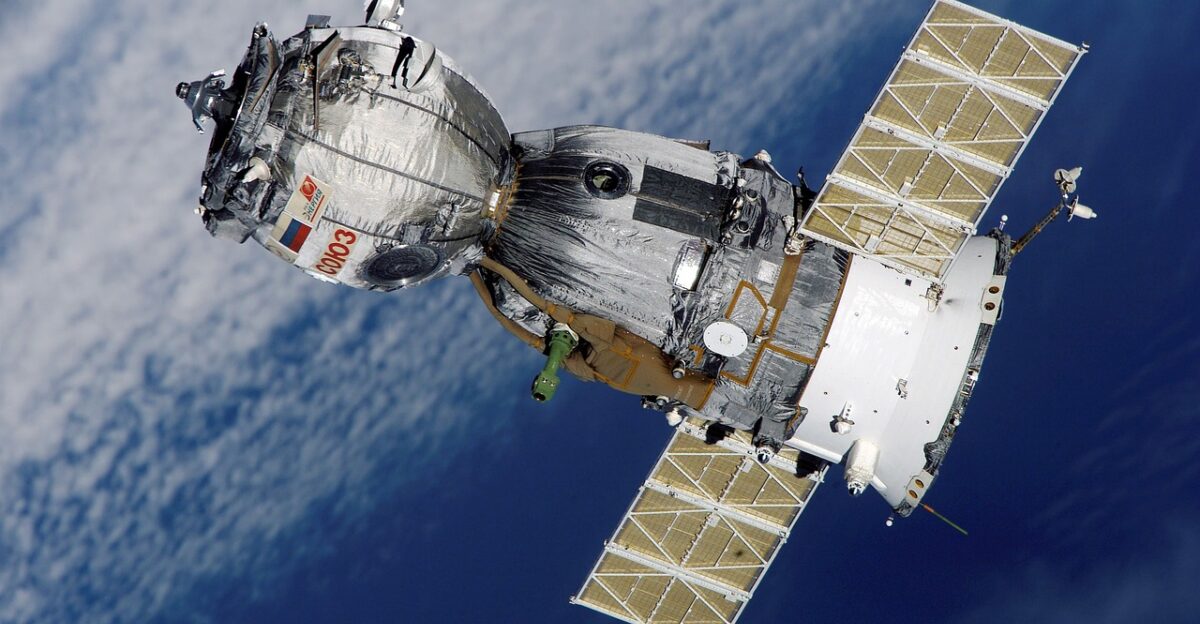
Current international law provides zero framework for regulating space-based climate modification. The Outer Space Treaty and Environmental Modification Convention predate these technologies. Who has the authority to authorize deployment? Who compensates nations experiencing negative climate impacts?
How does accountability work across borders? These existential questions remain unanswered. Creating governance frameworks typically requires a decade or longer. The gap between technological possibility and regulatory readiness represents a critical vulnerability point that is not being adequately addressed.
Media Literacy in the AI Age

This headline exemplifies how AI-generated or AI-amplified sensationalism infiltrates mainstream news. The fabricated “5,000 years” claim and “block the sun” framing didn’t emerge from Musk’s actual statements or credible scientific analysis.
They represent editorial embellishment designed to maximize engagement metrics. Readers increasingly must fact-check extraordinary claims independently. When headlines make revolutionary assertions about planetary engineering, verify them against primary sources and expert consensus before sharing or believing.
Comparing Geoengineering Approaches
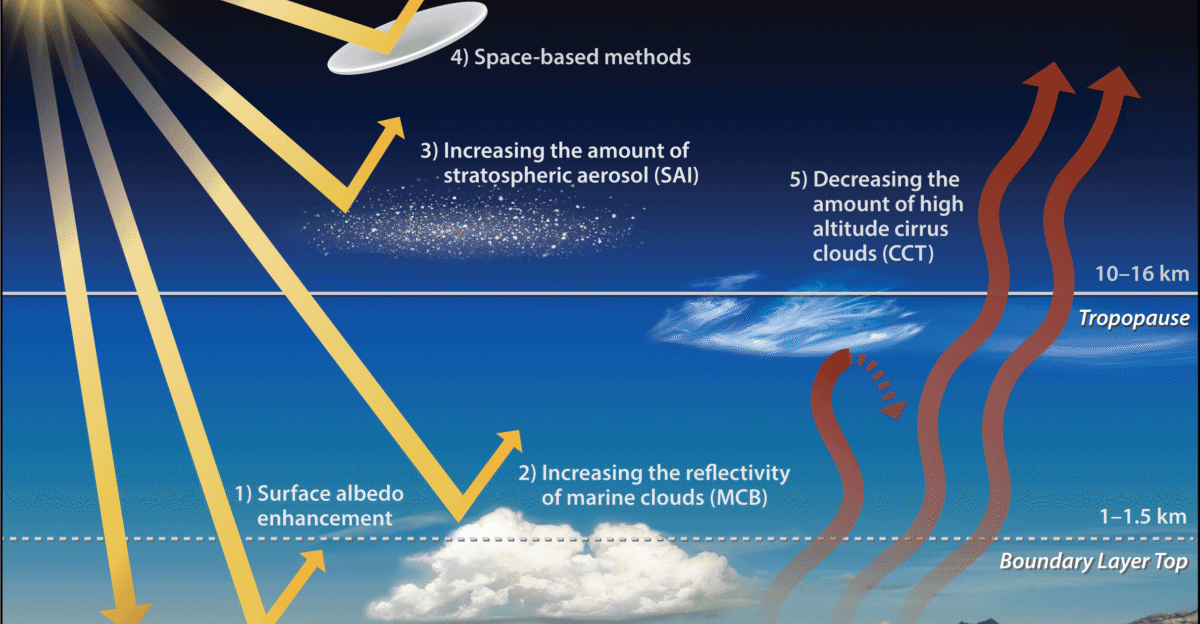
Stratospheric aerosol injection—injecting particles into the atmosphere—costs $10 billion annually, with decades of atmospheric research. Space-based approaches cost 10 times more and have virtually no research foundation. Direct air capture removes CO₂ permanently, but it currently costs over $ 500 per ton.
Renewable energy costs $50-100 per megawatt-hour installed. From a cost-effectiveness standpoint, geoengineering fares poorly compared to conventional climate solutions.
What Happens If We Do Nothing?

Climate change continues unchecked, causing catastrophic ecological collapse, mass migration, economic disruption, and geopolitical conflict. Estimated costs reach hundreds of trillions of dollars across sectors. This devastating scenario is why continued research into all climate interventions—including controversial geoengineering—continues.
However, the optimal strategy prioritizes proven solutions: emissions reductions, adaptation infrastructure, and carbon removal.
The Bottom Line: Questions Over Answers
Musk’s social media speculation doesn’t constitute a plan. No budget, timeline, technical specifications, or implementation details exist. Space-based solar geoengineering remains theoretically interesting but practically unrealistic for decades, if ever. Significant environmental, geopolitical, and governance risks outweigh speculative benefits.
Meanwhile, proven climate solutions exist now at lower cost with immediate co-benefits. The honest answer: can space satellites cool Earth? Possibly, eventually, with enormous risks and no governance framework. Quality journalism should reflect this uncertainty.
Sources:
National Academies of Sciences, Engineering, and Medicine — Solar Geoengineering Research and Development Assessment
United Nations Environment Programme (UNEP) — Geoengineering and Climate Interventions Report 2025
Harvard Salata Institute for Climate and Sustainability — Solar Geoengineering Scoping Study
Council on Foreign Relations — Anticipatory Governance of Solar Radiation Management
University of Chicago — Comparing the Benefits and Risks of Solar Geoengineering
NOAA Climate Science Division — Space-Based Solar Radiation Management Feasibility Studies
Vaclav Smil — World History and Energy (energy transition analysis)