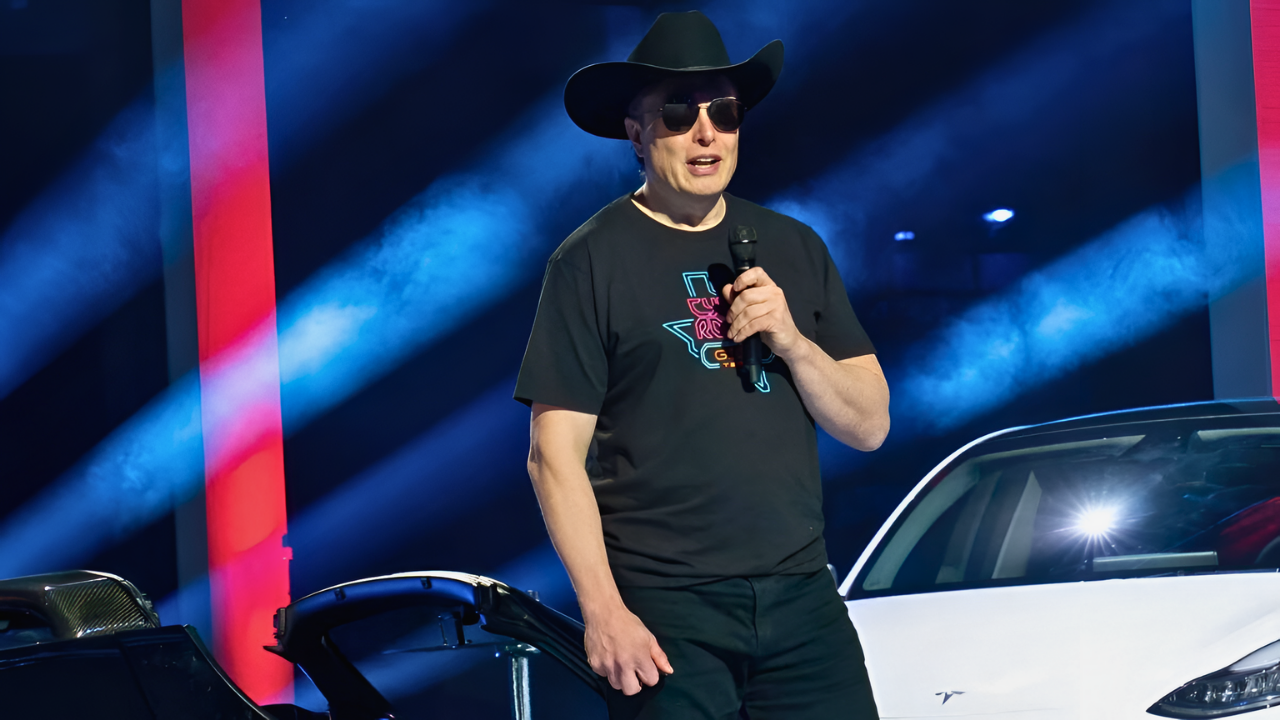
For nearly a decade, Tesla promoted Full Self-Driving as an investment that would only grow in value, a promise Musk made repeatedly, claiming it would turn every Tesla into a robotaxi worth hundreds of thousands of dollars. Customers paid thousands upfront, believing they were locking in value. But that narrative is now officially dead, and the timing makes the shift impossible to ignore.
The One-Time Deal Disappears For Good
Tesla’s Full Self-Driving system, long framed as an “appreciating asset” worth buying upfront, is about to vanish from the company’s sales menu. Starting February 14, 2026, Tesla will stop accepting one-time $8,000 purchases for FSD, forcing future customers into a subscription model costing $99 per month. The countdown is real, and the reasoning behind it looks more strategic than technical.
Musk Set A 30-Day Deadline
On January 14, 2026, Elon Musk posted on X: “Tesla will stop selling FSD after Feb 14. FSD will only be available as a monthly subscription thereafter.” With 30 days remaining, the window to purchase lifetime FSD access is closing. After February 14, the $8,000 option vanishes, replaced by a $99-per-month subscription, while existing owners keep purchases. Why make it so abrupt?
The Pricing Math Finally Broke
At $99 per month, breaking even against a one-time $8,000 purchase takes 6.7 years of continuous payments, longer than most buyers keep a car. CFO Vaibhav Taneja framed $99 as “like having a personal chauffeur for $3.33 a day.” Flexibility wins: pause, cancel, restart. The upfront model got weaker once $199 fell to $99.
Adoption Stayed Stuck In The Middle
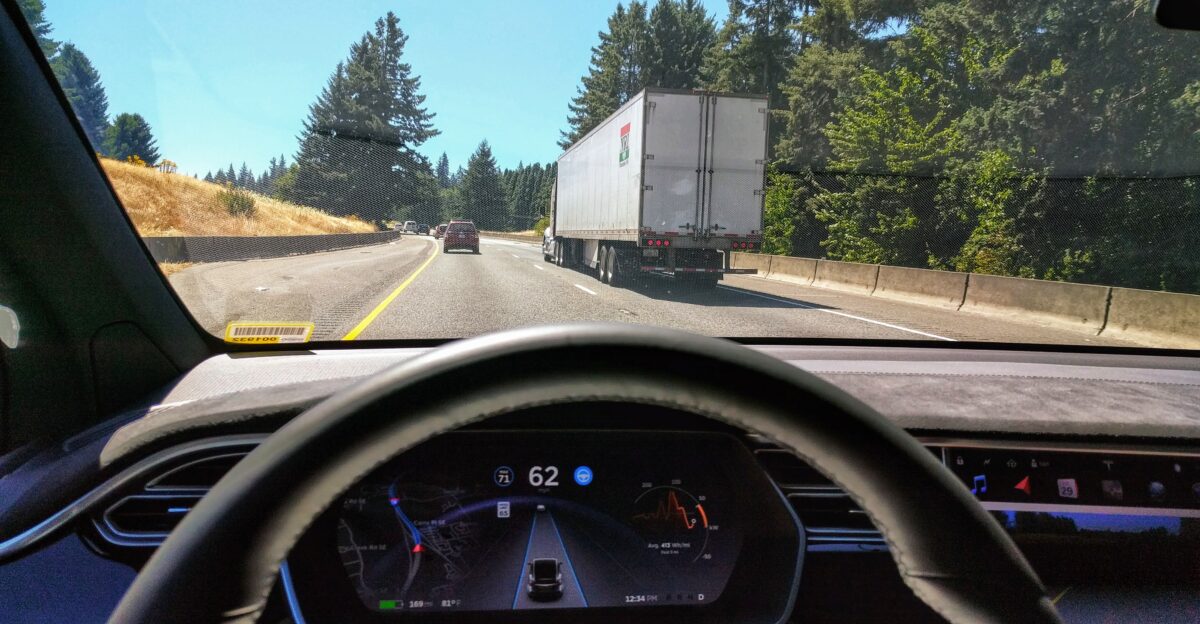
Tesla’s FSD adoption hovered around 12-15% in early 2025, according to CFO Vaibhav Taneja, despite years of hype and price cuts. Among Model S and Model X customers, adoption reached 50-60%, suggesting only wealthier buyers saw value. Model 3 and Model Y buyers stayed skeptical. The fix Tesla chose removed the choice entirely.
Musk’s Bonus Plan Shapes The Pivot
“Elon Musk must achieve a series of ambitious operational milestones, including 10 million active FSD subscriptions, over the next decade for his stock awards to vest,” under Tesla’s 2025 CEO Performance Award approved in November 2025. The package is worth nearly $1 trillion if targets are hit. Subscriptions lower friction and push recurring payments, which also neatly support that milestone path.
Hardware 3 Made Big Promises Harder
During Tesla’s Q4 2024 earnings call, Musk said, “The honest answer here is we are going to have to upgrade people’s Hardware 3 computers for those who bought full self-driving and that is going to be painful and difficult but we’ll get it done”. Older Hardware 3 cars struggle with newer FSD versions. Subscriptions let owners cancel instead of demanding retrofits.
Court Pressure Changed The Risk Equation
In December 2025, a California judge found Tesla guilty of “deceptive marketing” over FSD, ordering changes within 60 days or a 30-day dealer license suspension. The ruling cited Tesla’s claim that “the system is designed to be able to conduct short and long distance trips with no action required by the person in the driver’s seat”. Ending purchases limits new liability.
Owners Keep FSD, But The Mood Shifts
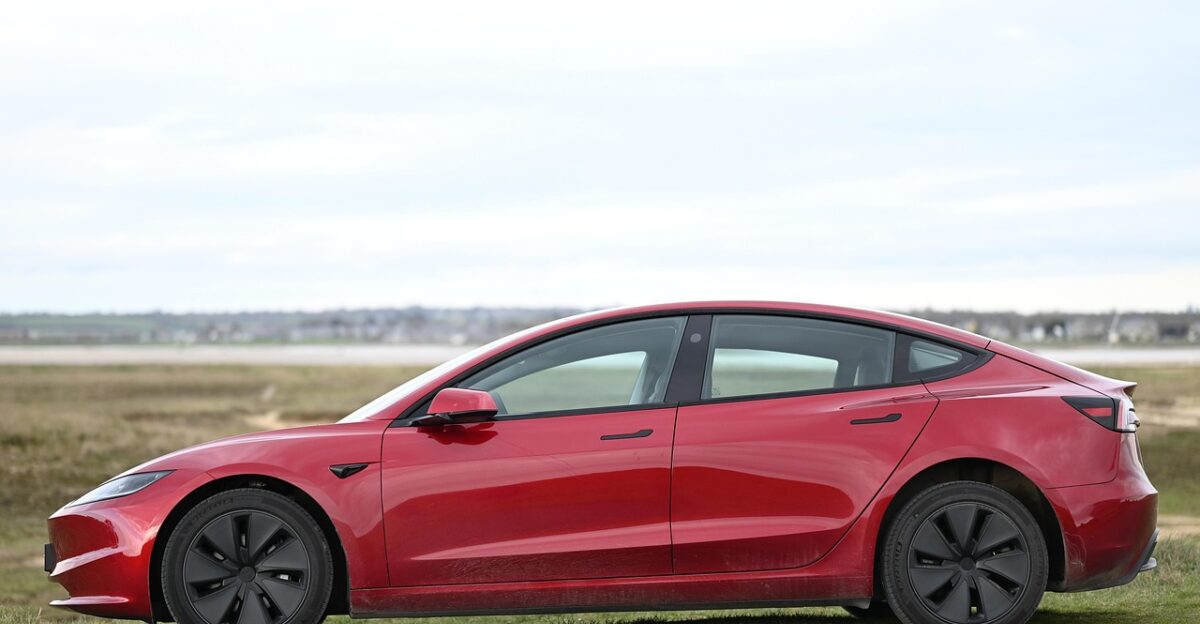
Existing Tesla owners who already purchased FSD outright retain lifetime access. The change targets new buyers after February 14, 2026. Still, transferability and long-term support remain unclear. Tesla previously ran limited-time FSD transfer programs, helping trade-in value and buyer confidence. With subscription-only for new customers, that transfer story may fade, creating two different ownership experiences.
Rivals Undercut Tesla On Monthly Cost
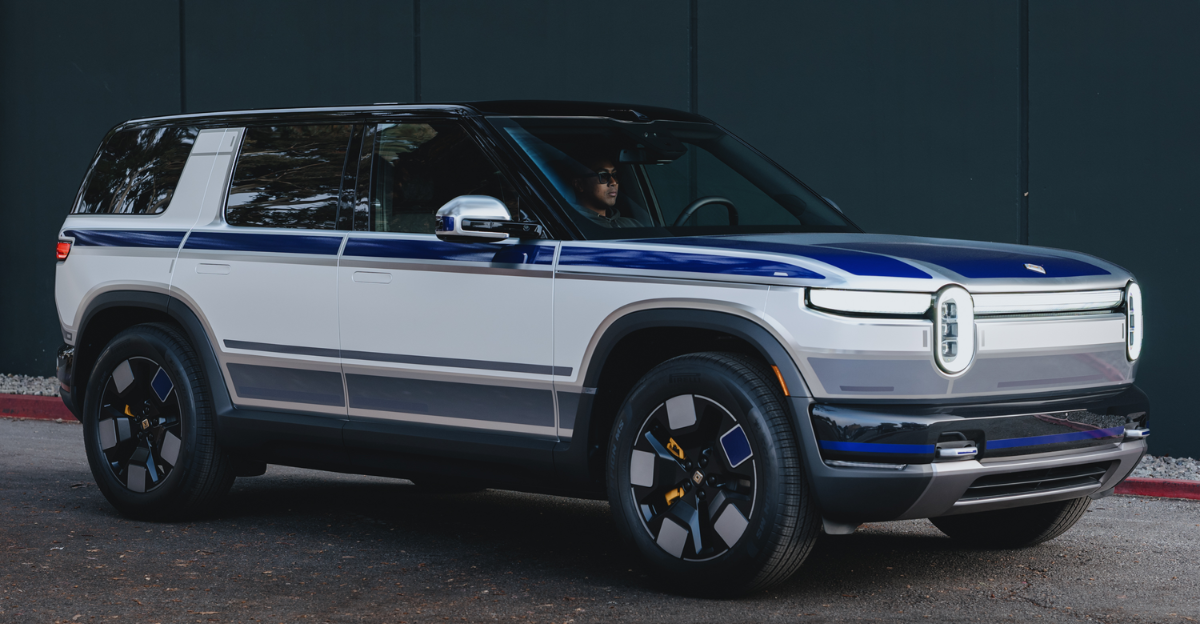
Rivian’s Autonomy+ costs $49.99 per month or $2,500 lifetime, far below Tesla’s $99 subscription and past $8,000 buy-in. Ford’s BlueCruise runs $49.99 monthly or $2,495 one-time. GM’s Super Cruise is around $40 per month or $400 annually on many models. Tesla’s pricing now looks premium, but does it feel premium?
FSD Still Sits At Level 2
“Despite these impressive advancements, Tesla still classifies its FSD system as a Level 2 autonomy system, requiring the driver to remain attentive and ready to take control at any moment,” according to industry classification standards. That keeps FSD in driver-assistance territory, not true autonomy. Marketing has blurred the gap for years. Subscription-only does not resolve confusion, it risks deepening it.
Safety Numbers Face Growing Pushback
Tesla says “vehicles with FSD engaged experience 7x fewer major and minor collisions and 5x fewer off-highway collisions” versus manual driving. Analyst Phil Koopman cited issues in Tesla’s comparisons, timing windows, and exclusions. NHTSA has received 58 safety violation reports tied to FSD, including red-light running and lane changes into opposing traffic. Scrutiny rises as subscriptions expand.
Robotaxi Plans Need Paying Testers

Musk has framed FSD subscriptions as a bridge to Tesla’s robotaxi future, including the Cybercab. Tesla runs limited robotaxi services in Austin, San Francisco, Los Angeles, Phoenix, and Atlanta with safety drivers present. Subscriptions create a funnel: more users, more data, more AI training, and more recurring revenue. But revenue pressure is immediate, autonomy is not.
A Delivery Slump Made Margins Matter
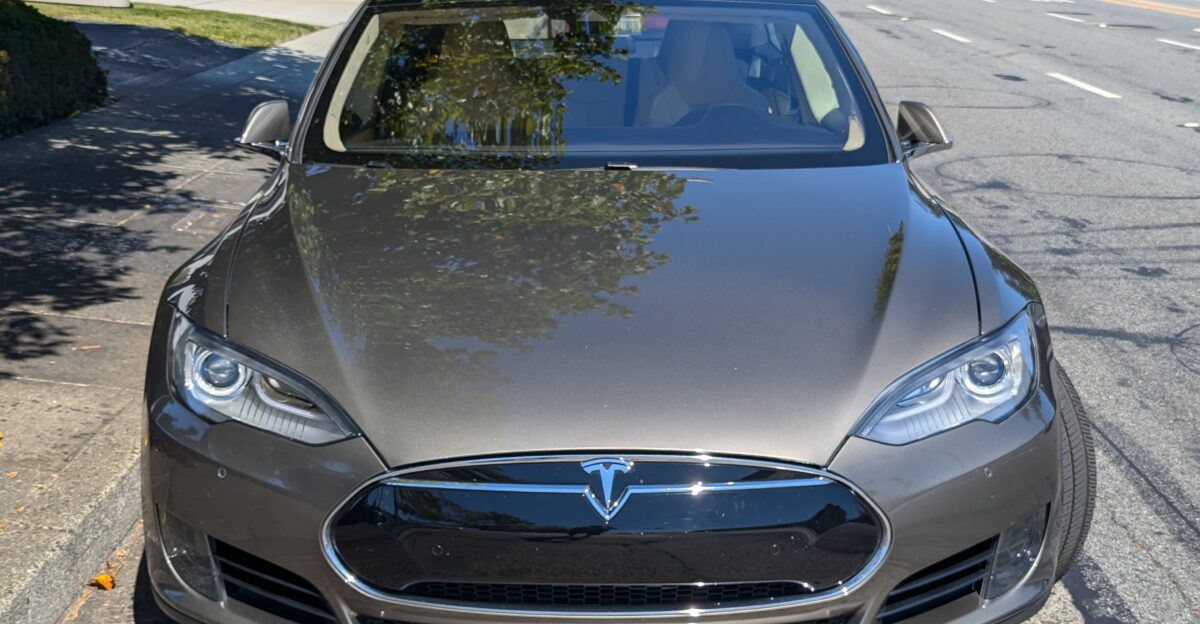
“Tesla’s vehicle deliveries in 2025 amounted to 1,636,129 units, a decline of 8.6% from 2024’s 1,789,226 deliveries,” marking a second consecutive annual decline. Q4 2025 deliveries of 418,227 units fell 16% year-over-year. Competition and subsidy shifts squeezed demand and margins. FSD subscriptions offer high-margin revenue without needing more car sales, and that matters now.
Unsupervised Driving Keeps Missing Dates
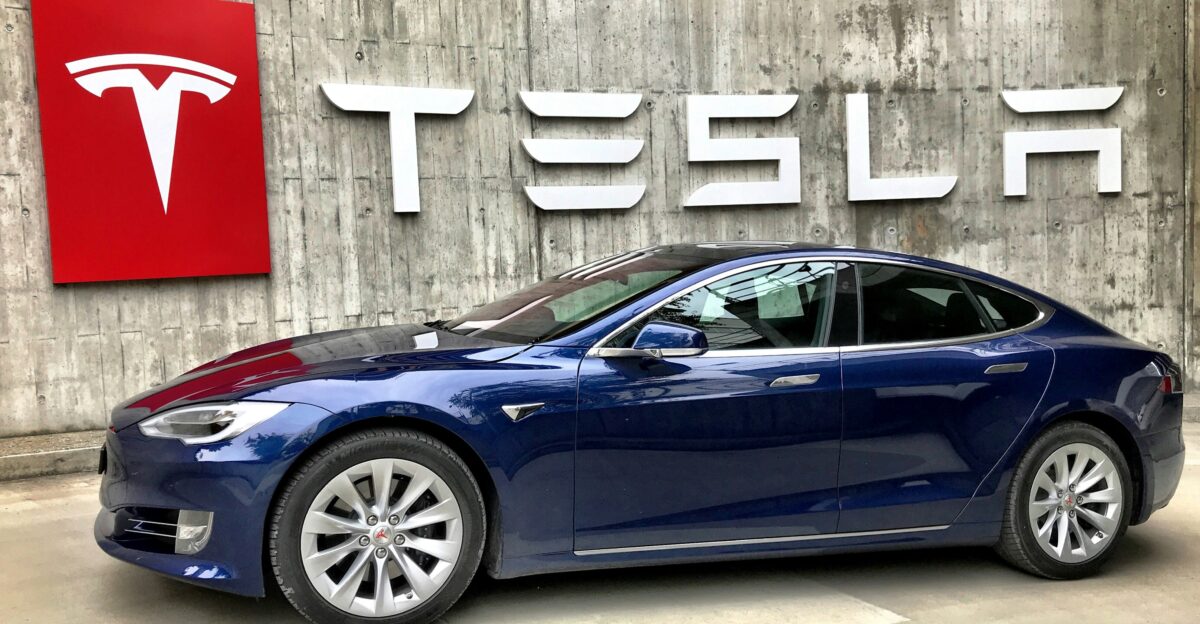
Musk promised unsupervised FSD by late 2025, and it did not arrive. As of January 2026, Tesla had collected about 7 billion miles of supervised FSD data but said it needs 10 billion miles to feel confident deploying truly autonomous capability. At the current pace, that is 5+ months away. Meanwhile, Waymo logged 14 million paid rides in 2025.
The 6.7-Year Break-Even Is A Trap
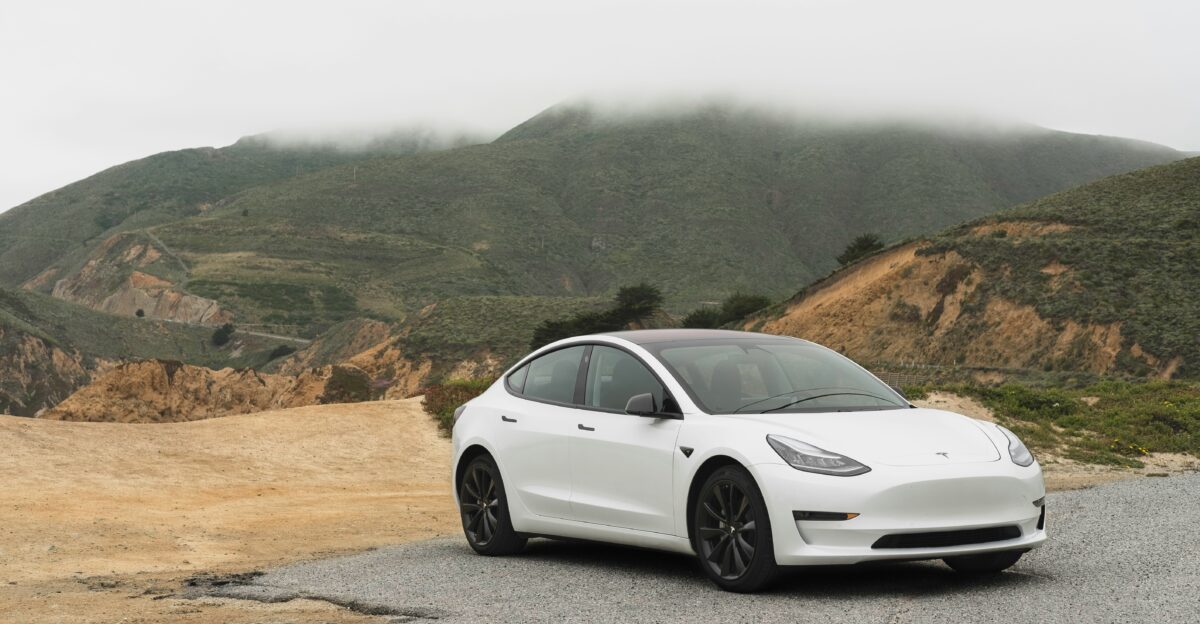
At $99 per month, subscribers pay $1,188 annually, taking 6.7 years to match the prior $8,000 purchase. Most buyers keep cars 4-6 years, and many prefer sporadic use, making subscriptions financially attractive. Long-term owners lose price certainty and can end up paying more than the old buy-in. Tesla can raise rates whenever it wants, and it often does.
Earnings Day Will Expose The Real Results
Tesla’s next earnings report, expected in late January 2026, will be the first test of the subscription pivot. Investors will watch FSD adoption to see if $99 converts skeptics or pushes buyers away. If adoption rises toward 30-40%, the strategy looks smart. If it stays near 12-15%, Tesla trades upfront cash for weak recurring revenue. Which outcome shows up first?
Legacy Owners Suddenly Have A Quiet Advantage
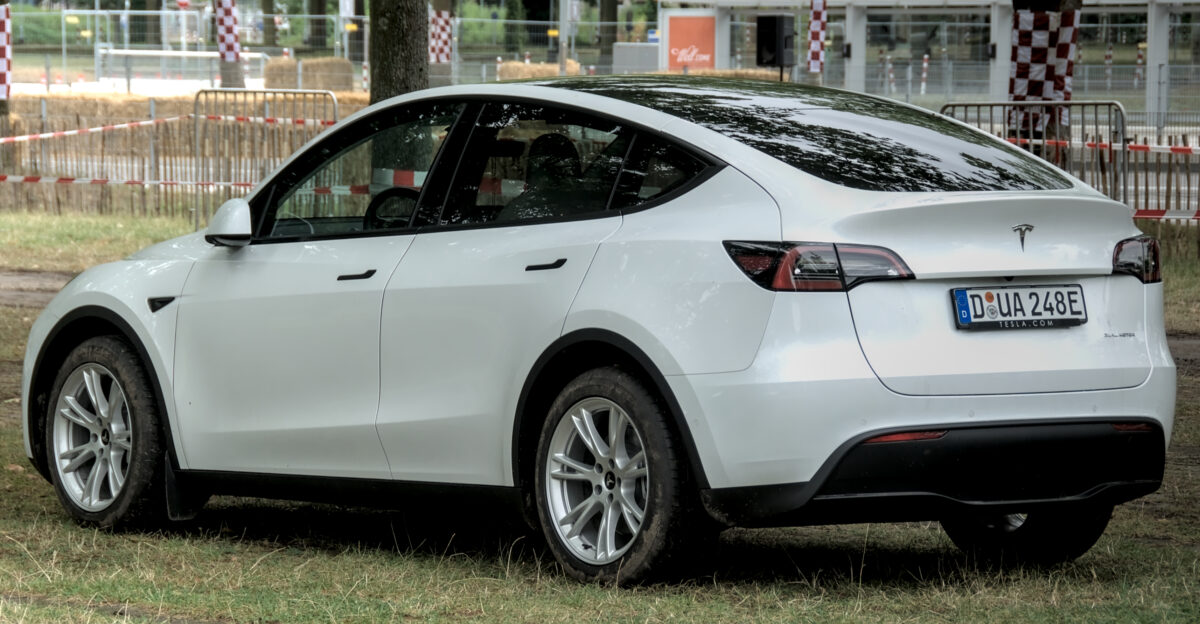
Nearly 6 million Tesla vehicles have been delivered globally, and FSD adoption spans millions of existing owners. Those legacy owners retain lifetime access and may still transfer FSD in certain cases until policy changes. New buyers will face perpetual payments. Over time, that split could fuel resentment, especially if Tesla raises subscription pricing once capability improves. Brand loyalty is tested in strange ways.
“Probably True” And The Optimus Distraction
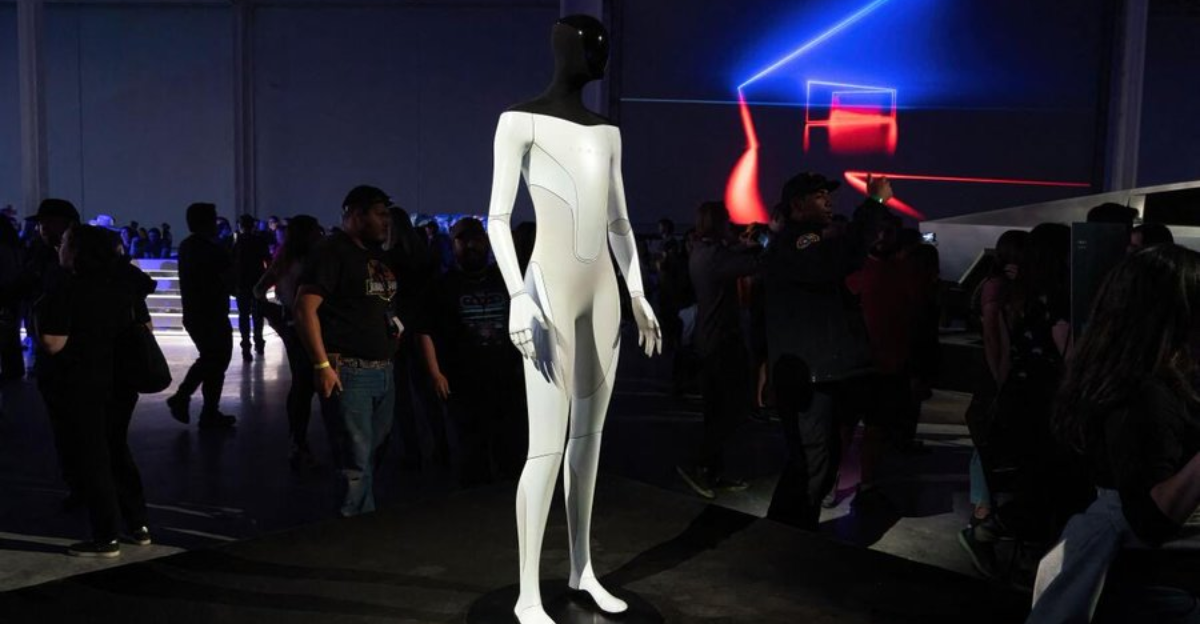
When Jason Calacanis posted on X that Tesla’s Optimus V3 humanoid robot would be so revolutionary that “nobody will remember that Tesla ever made a car,” Musk replied “Probably true”. If Optimus delivers, it could eclipse FSD. But development and manufacturing remain unproven at scale. Tesla is betting on unsupervised FSD, robotaxis, and robots at once, with subscriptions funding the race.
The Deadline Feels Artificial On Purpose
Musk could have extended the deadline or softened the transition, but he chose 30 days to decide, then subscription-only forever. That urgency can pull forward demand as buyers rush to lock in lifetime access, boosting Q1 2026 results. It can also distort adoption data, making real consumer sentiment harder to read. In the end, the market will still answer one question: is FSD worth it?
What Happens If Real Autonomy Arrives?
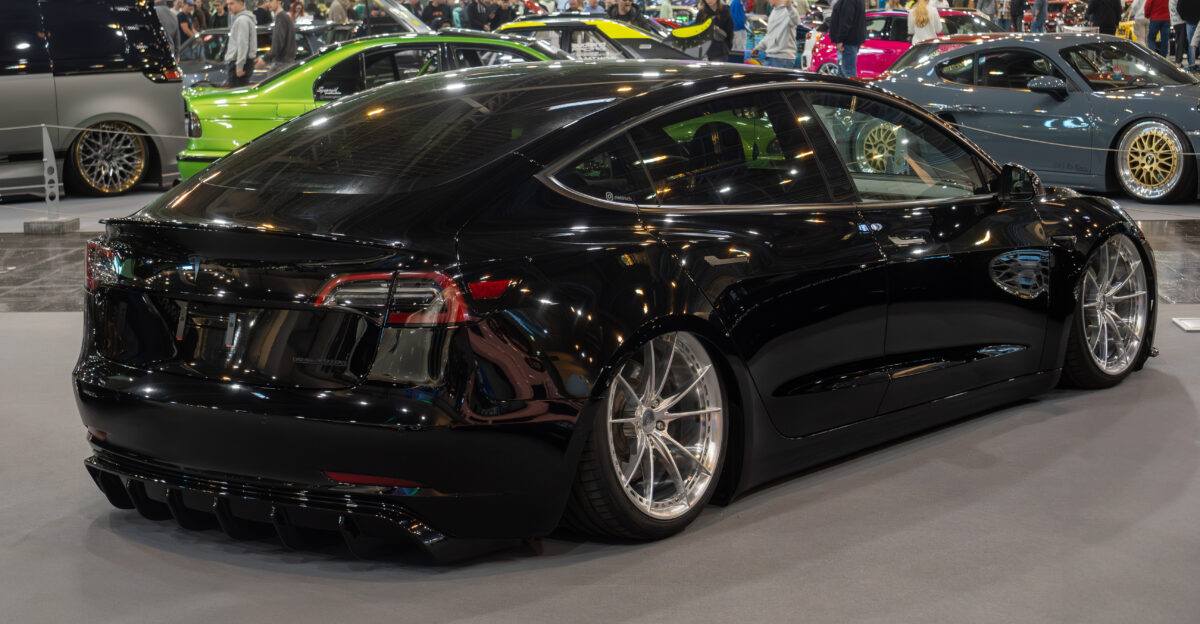
If Tesla reaches true Level 5 autonomy, the subscription model becomes far more valuable. A car generating $50,000 to $100,000+ annually in ride-hailing would make $1,200 per year feel trivial. But today, Tesla is charging subscription rates for a Level 2 system and betting future capability will justify it retroactively. February 14 marks when Tesla stops selling belief and starts selling ongoing access.
Sources
Elon Musk X Announcement Regarding FSD Subscription Transition. X, January 14, 2026
Tesla 2025 CEO Performance Award Shareholder Approval. Tesla Investor Relations, November 6, 2025
National Highway Traffic Safety Administration Investigation Into FSD Safety Violations. NHTSA Office of Defects Investigation, December 2025
California DMV Ruling On Tesla Deceptive Marketing. California Department of Motor Vehicles, December 16, 2025
Tesla Fourth Quarter 2025 Production, Deliveries And Deployments. Tesla Investor Relations, January 2, 2026