A blast ripped through Poland’s vital Warsaw-Lublin railway line early Sunday, shattering the calm near the village of Mika and sending shockwaves across Europe. The explosion, caused by military-grade C4, tore open tracks that serve as a lifeline for weapons and humanitarian aid flowing into Ukraine. Within hours, Polish investigators confirmed what many feared: the attack was deliberate sabotage, marking a dangerous escalation in Russia’s hybrid war against the continent.
Sabotage and Drone Strikes: Escalating Threats
The railway bombing was not an isolated incident. That same weekend, a Russian drone struck the MT Orinda, a Turkish-flagged gas tanker unloading liquefied petroleum gas at Ukraine’s Izmail port on the Danube River, perilously close to Romania. The vessel erupted in flames, forcing all 16 crew members to abandon ship as authorities evacuated nearby Romanian residents, fearing a catastrophic explosion.
Polish security services quickly identified two Ukrainian citizens as the perpetrators of the railway attack. According to Prime Minister Donald Tusk, both had worked with Russian intelligence for an extended period before fleeing to Belarus. Evidence found at the scene, including a camera, suggested the sabotage was filmed for Russian handlers. Poland’s Foreign Minister labeled the incident “an act of state terror,” underscoring the gravity of the threat.
Hybrid Warfare: Russia’s Expanding Tactics
The railway sabotage and drone strike are part of a broader pattern. In mid-September, up to 23 Russian drones penetrated Polish airspace, with 21 confirmed objects crossing deep into NATO territory. Dutch F-35 jets shot down at least three drones, marking the first time NATO destroyed Russian assets over member soil since the invasion of Ukraine.
Elsewhere, Russian fighter jets violated Estonian airspace, flying within striking distance of Tallinn. Estonian officials described the incursion as “unprecedentedly brazen,” highlighting Moscow’s willingness to test NATO’s resolve.
Intelligence agencies have documented at least 70 acts of Russian sabotage across Europe since 2022. Targets include transportation networks, government facilities, critical infrastructure, and defense industry sites. Russia’s military intelligence, the GRU, often recruits civilians—including teenagers—via encrypted platforms like Telegram, maintaining plausible deniability while orchestrating attacks ranging from arson to assassination plots.
European Response: Defensive Measures and Diplomatic Fallout
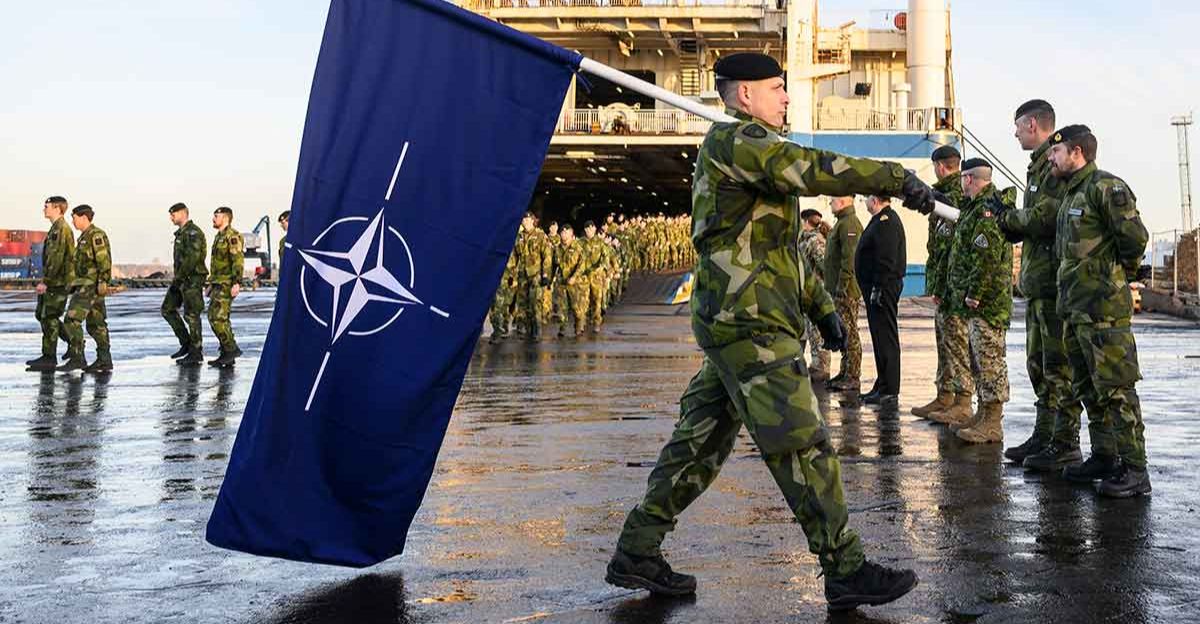
In response to mounting threats, NATO launched “Eastern Sentry,” a coordinated effort to reinforce its eastern flank. France, Denmark, Germany, and the UK pledged military assets to bolster aerial and land-based deterrence along borders with Belarus, Russia, and Ukraine. New initiatives, such as the Critical Undersea Infrastructure Coordination Cell and Baltic Sentry Mission, aim to protect vital pipelines and cables, while the NorthSeal platform enhances maritime security.
Diplomatic tensions have escalated in tandem with military measures. Following the railway sabotage, Poland closed Russia’s last operating consulate in Gdańsk, warning that continued hostile actions would further shrink Russia’s diplomatic footprint. Moscow retaliated by announcing reductions in Poland’s diplomatic presence in Russia, deepening the rift between the two nations.
Meanwhile, Ukraine signed a landmark agreement to purchase up to 100 French Rafale fighter jets, drones, and air defense systems. While hailed as historic, the deal faces logistical hurdles: training pilots will take at least three years, and full delivery is expected by 2035.
The Stakes: Europe’s Security at a Crossroads
Russia’s campaign of sabotage, disinformation, and cyberattacks represents the largest sustained hybrid warfare effort against Europe since the Cold War. By operating below the threshold of open conflict, Moscow forces NATO and EU allies into a strategic dilemma—respond forcefully and risk escalation, or absorb mounting violence and instability.
Experts and officials debate whether certain hybrid attacks should trigger NATO’s Article 5 collective defense clause. The ambiguity surrounding these incidents complicates decision-making and exposes vulnerabilities in Europe’s security architecture.
Beyond physical attacks, Russian operatives have targeted supply warehouses, plotted assassinations, and recruited criminal networks to destabilize European capitals. The scope and coordination of these efforts reveal a systematic approach to undermining public confidence, economic strength, and alliance solidarity.
Looking Ahead: Confronting the Hybrid War Challenge
Europe faces its most severe test in decades as Russia’s hybrid warfare intensifies. Each act of sabotage, drone incursion, and cyberattack erodes defenses and exploits hesitation among allies. Without a shift from reactive measures to strategic counteroffensives, the continent risks deeper vulnerabilities and greater instability.
The stakes are clear: hybrid war, though less visible than conventional conflict, poses a profound threat to European security. As NATO and EU leaders weigh their next moves, the challenge will be to adapt quickly and decisively—before Moscow’s campaign reshapes the balance of power across the continent.