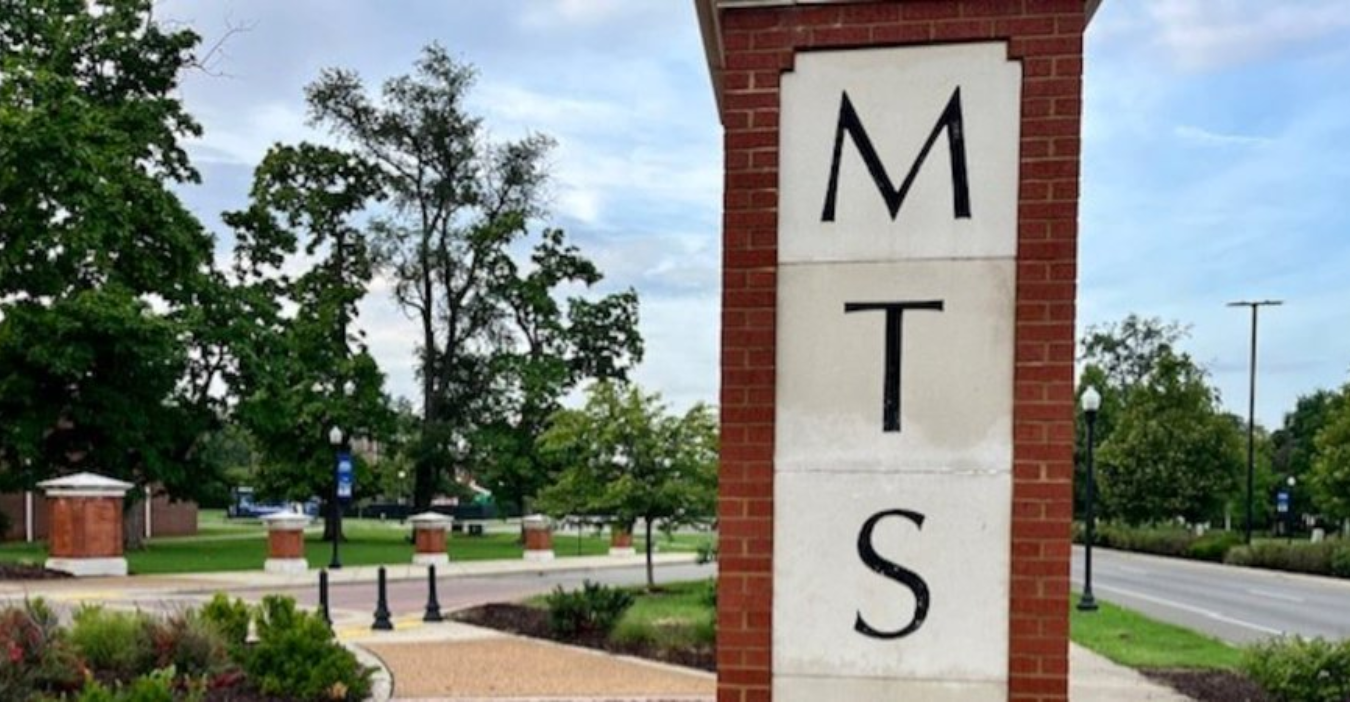
Middle Tennessee State University terminated a longtime administrator within hours of controversial social media comments regarding conservative activist Charlie Kirk’s assassination. Laura Sosh-Lightsy, an associate dean who served the institution since 2004, posted on Facebook expressing “zero sympathy” for Kirk following his death at Utah Valley University. This swift firing has intensified debates over the boundaries of free speech for public employees, particularly when discussing violence against public figures.
Swift Institutional Response

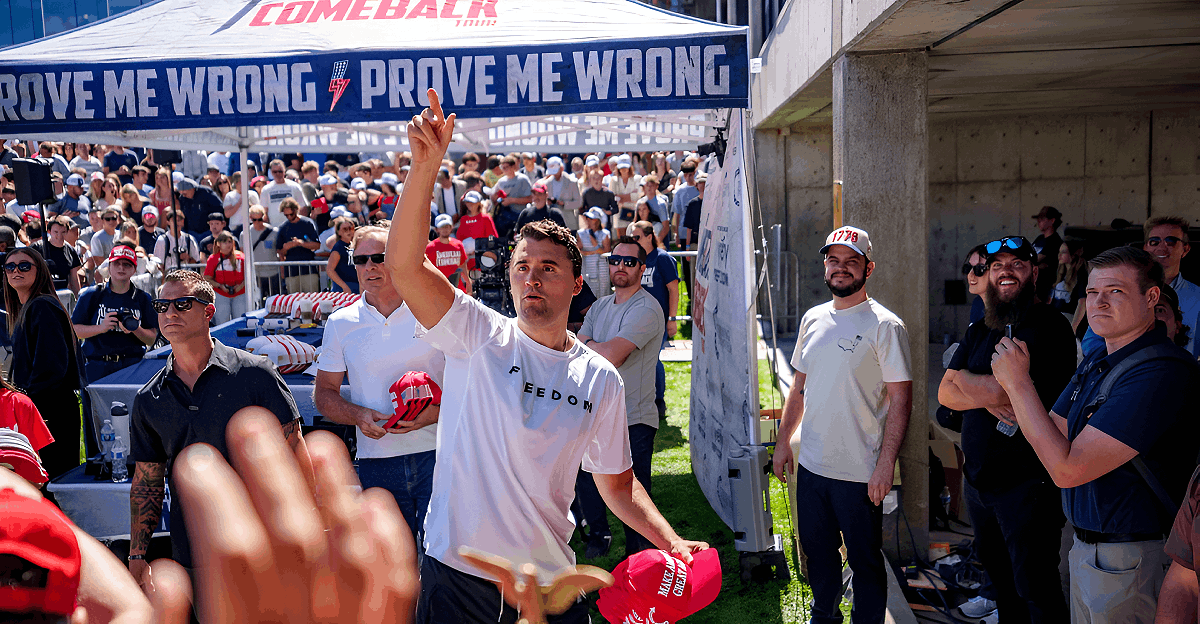
Conservative activist Charlie Kirk, founder of Turning Point USA, was fatally shot during a campus event at Utah Valley University. Hours after the news broke, Sosh-Lightsy posted: “Looks like ol’ Charlie spoke his fate into existence. Hate begets hate. ZERO sympathy.” She subsequently added, “Still no sympathy. You get back what you put into the world tenfold.”
Screenshots of these posts quickly circulated, generating widespread public outrage. MTSU President Sidney A. McPhee responded decisively, announcing Sosh-Lightsy’s immediate termination late Wednesday evening. “The comments by this employee, who worked in a position of trust directly with students, were inconsistent with our values and have undermined the university’s credibility,” McPhee stated.
Political Pressure and Campus Reactions
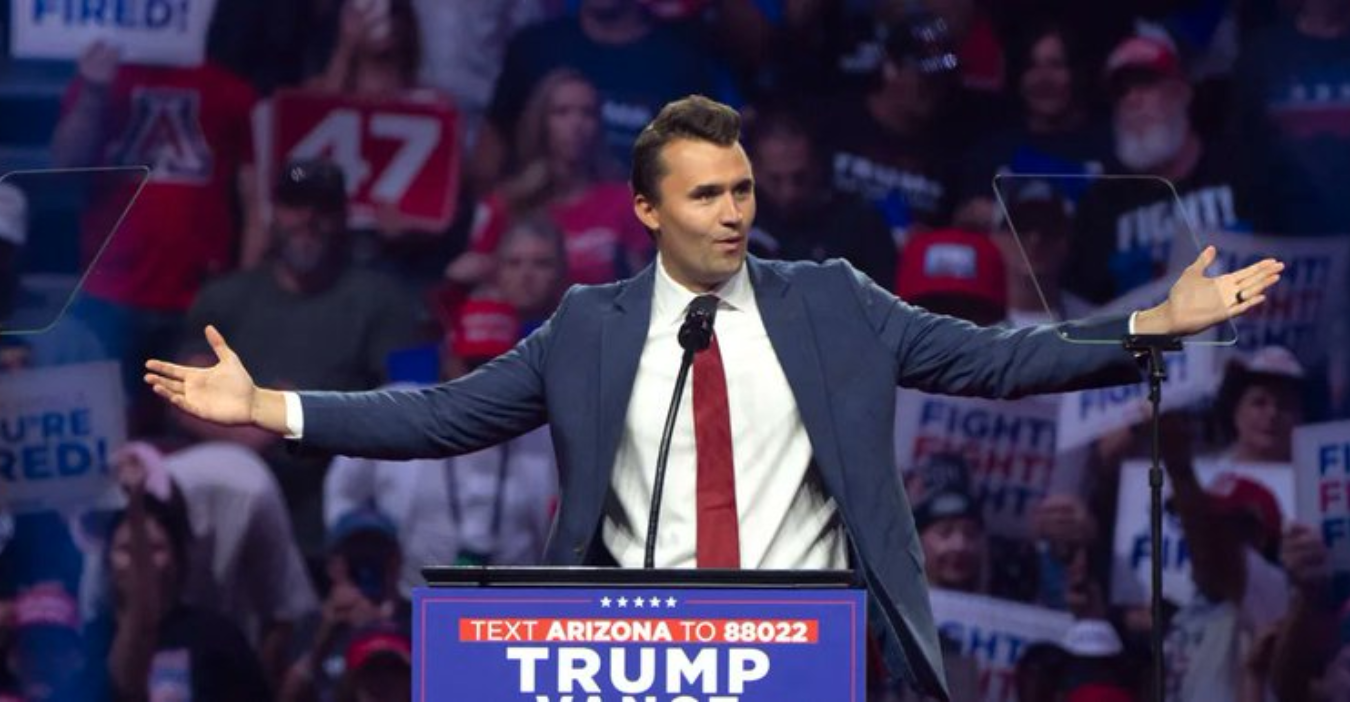
Tennessee Senator Marsha Blackburn amplified calls for disciplinary action through social media, stating, “This person should be ashamed of her post. She should be removed from her position at @MTSU.” Her involvement highlighted how personnel decisions at universities can quickly become political hot topics.
Campus reactions revealed divided opinions on the termination decision. MTSU junior Laci Stoddard supported the university’s action, stating, “That was completely out of pocket to say.” Freshman Cole Phillips noted that the firing increased his trust in the administration. Conversely, senior Makieya Bush suggested the decision warranted further deliberation. Student Government Association president R.J. Ware acknowledged a range of mixed emotions within the campus community, emphasizing the need for respectful dialogue.
Legal Framework for Public Employee Speech

This case highlights complex First Amendment protections regarding public employee expression rights. Legal analyses apply the Pickering-Connick test, balancing employee speech interests against employer operational efficiency. This framework examines if speech addresses matters of public concern and whether it could disrupt the workplace.
Former U.S. attorney Gary Blackburn remarked that “public employees have a First Amendment right to speak out about matters of public concern,” but cautioned that protection hinges on whether such speech affects job performance. The Foundation for Individual Rights and Expression pointed out that while speaking ill of the dead may not be moral, it is protected speech. Sosh-Lightsy’s role working directly with students likely influenced the university’s view that her comments compromised her professional effectiveness.
Broader Implications for Academic Freedom
The termination reflects growing tensions between personal expression and professional accountability in higher education. Social media platforms have blurred the line between private opinion and public consequences, particularly for university employees. This incident falls within wider national discussions about political violence and the appropriate responses to these events.
Universities nationwide are grappling with similar challenges in balancing faculty and staff conduct on social media with institutional reputations. MTSU’s decision may signal a shift towards prioritizing professional standards over expansive speech protections. This case underscores the delicate balance between safeguarding expression rights while upholding the professional expectations necessary for effective educational leadership in an increasingly polarized environment.