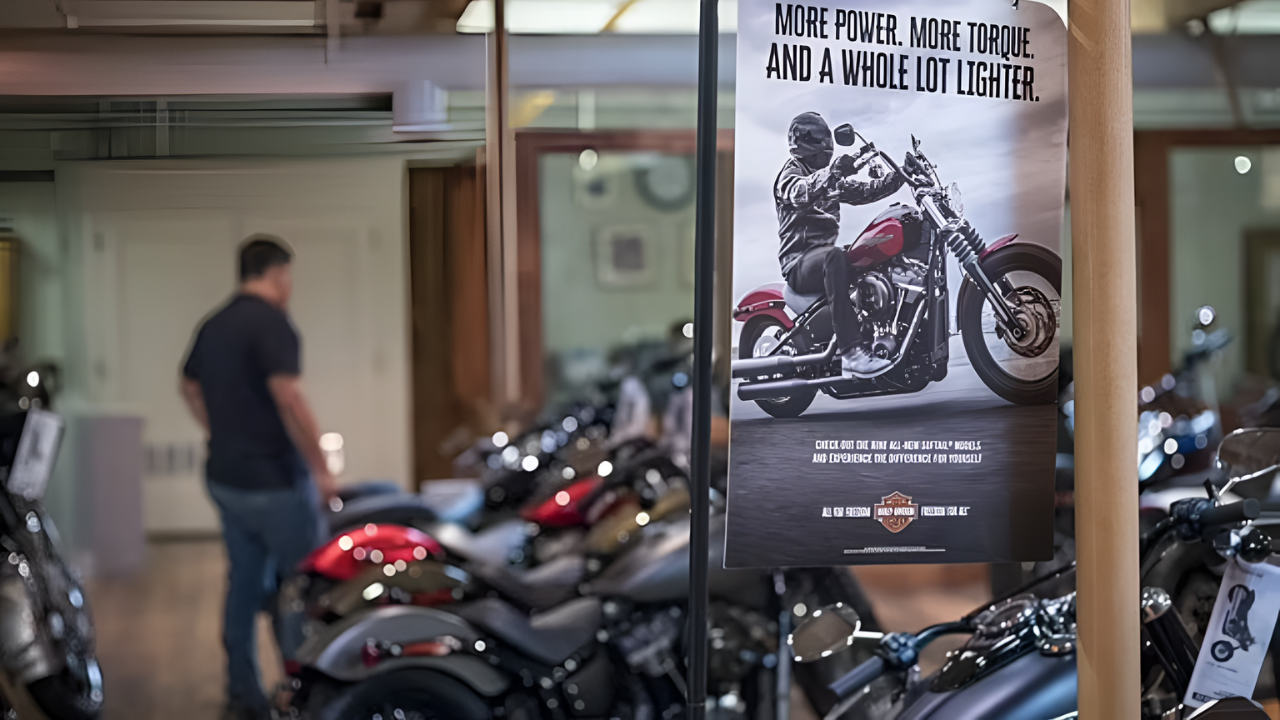
A Utah-based motorcycle retail group once seen as a safe bet for Europe’s most coveted brands has entered Chapter 11 bankruptcy after a single financial crime unraveled its balance sheet. Motos America, which operated 13 high-end dealerships carrying BMW Motorrad, Ducati, Triumph, and Royal Enfield, filed on December 31, 2025 after losing $3 million in a fraudulent lending scheme.
The fallout exposed how fragile dealer financing has become, even at the premium end of the market. The bankruptcy raised immediate questions about fraud, debt, and whether motorcycle retail is entering a deeper structural crisis. Here is what is happening next.
Fraud That Triggered A Cash Spiral

Motos America’s financial collapse accelerated after a $3 million deposit tied to a planned $15 million credit facility disappeared. According to bankruptcy filings, the funds were sent to Prime Capital Ventures as part of a loan arrangement that never closed. Without that liquidity, the company struggled to service variable-rate floorplan loans that funded its inventory.
CEO Vance Harrison retained control of company strategy but was unable to secure replacement financing. Floorplan obligations mounted quickly as interest rates stayed elevated and premium inventory moved more slowly. What initially appeared to be a delayed funding issue soon became a devastating liquidity shock that left the parent company unable to meet corporate-level obligations.
Guilty Plea Confirms Criminal Scheme
The scale of the fraud became clear in November 2025. Prime Capital Ventures CEO Kris Roglieri pleaded guilty to wire fraud conspiracy on November 12, 2025, admitting to defrauding clients of tens of millions of dollars, including Motos America’s $3 million deposit, according to Department of Justice filings.
DOJ documents state Roglieri misrepresented loan procurement and refund promises, then diverted funds to pay earlier clients and finance personal luxury purchases. Acting U.S. Attorney John A. Sarcone III said, “Kris Roglieri brazenly flaunted the proceeds of his scheme—including luxury vehicles, rare watches, and private jet travel—all while feeding his victims bigger and bigger lies to fuel his greed.” Roglieri faces sentencing on March 11, 2026, with forfeiture potentially exceeding $55 million.
Bankruptcy Numbers Paint A Stark Picture

Motos America filed for Chapter 11 protection in U.S. Bankruptcy Court for the District of Utah, Case No. 25-21834, listing assets between $500,000 and $1 million against liabilities ranging from $10 million to $50 million. That imbalance means debts exceeded assets by as much as 100 times.
The petition listed 100 to 199 creditors, signaling broad exposure across lenders and vendors. While the 13 dealership subsidiaries did not file and continue operating, the parent company’s restructuring places all locations under bankruptcy oversight. Harrison said on January 2, 2026, “This Chapter 11 filing is limited to the parent company and is intended to address corporate-level debt and related matters following a difficult period in 2025,” citing debtor-in-possession financing to maintain liquidity.
Dealer Closures Reveal Industry Stress
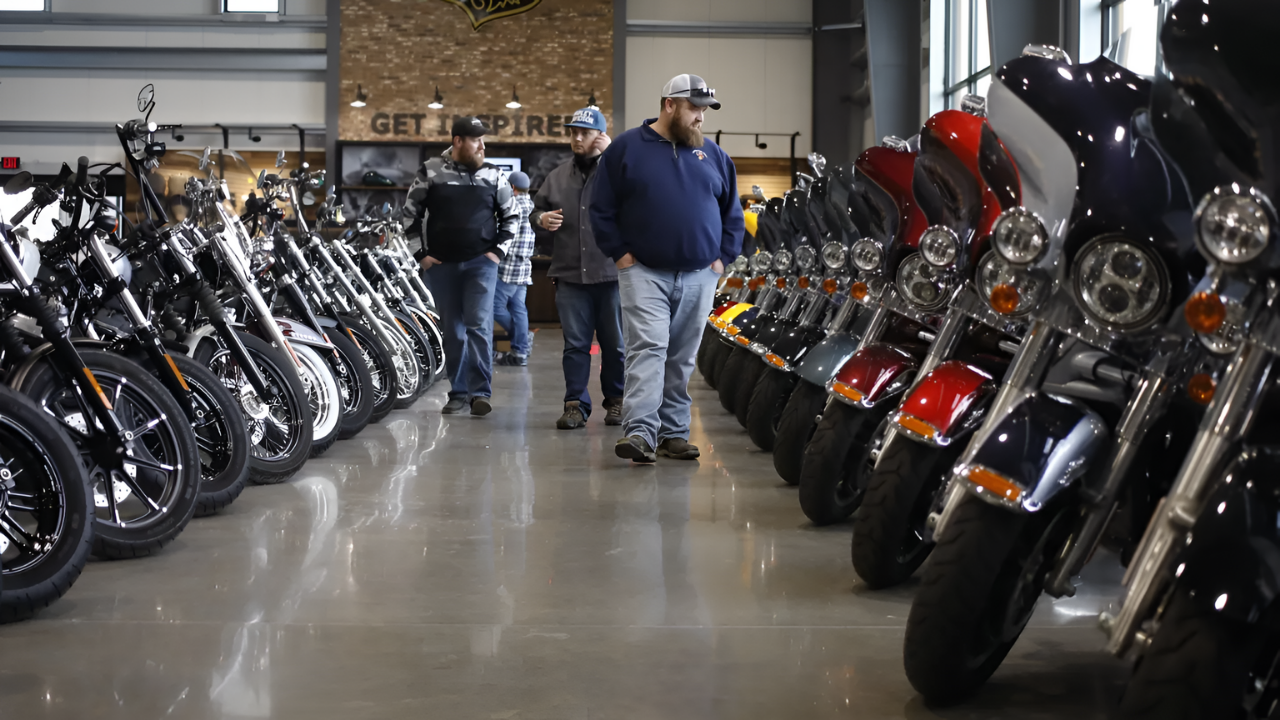
Motos America’s failure unfolded amid a brutal year for motorcycle retail. Industry sources reported 47 dealership closures in a single 30-day period in mid-2025. By December 2025, more than 300 dealerships had shut down nationwide, with projections nearing 400 by the end of 2026.
Rising interest rates increased floorplan costs, while premium models turned more slowly. In the first half of 2025, U.S. motorcycle sales fell 9.2 percent to 271,205 units, the weakest start in over a decade. Major manufacturers faced parallel strain. Harley-Davidson registrations dropped 27.7 percent globally in the first half of 2025, while Polaris faced credit downgrades and tariff exposure. Even strong brands proved unable to shield dealers from tightening economics.
What Chapter 11 Can And Cannot Fix
Chapter 11 offers time, not certainty. Motos America secured debtor-in-possession financing and plans to propose a reorganization strategy, but creditor approval and court confirmation remain hurdles. With liabilities dwarfing assets and demand still soft, recovery is far from guaranteed.
The broader implications extend beyond one company. Dealerships serve as service hubs for warranty work and maintenance, especially in rural markets. When stores close, riders face longer travel distances and uncertainty over service contracts. Manufacturer warranties typically remain valid nationwide, but dealership-backed plans may not.
Motos America’s case now stands as a test of whether premium motorcycle retail can adapt to higher financing costs, slower demand, and rising consolidation, or whether Chapter 11 simply delays further closures across the industry.
Sources:
Prime Capital Ventures CEO Pleads Guilty to Multimillion Dollar Wire Fraud Conspiracy. U.S. Department of Justice, Northern District of New York, November 12, 2025
Motos America Inc. Files for Chapter 11 Restructuring. Morningstar/ACCESS Newswire, January 2, 2026
Motos America, Inc.’s SEC Registration Obligations Revoked. U.S. Securities and Exchange Commission Notice, November 18, 2024
Motorcycle Market Size, Share, Value | Growth Report . Fortune Business Insights, October 2024
Fitch Downgrades Polaris’ IDR to ‘BBB-‘; Outlook Negative. Fitch Ratings, July 9, 2025
Harley-Davidson Delivers Fourth Quarter and Full Year Financial Results. Harley-Davidson Investor Relations, February 2025