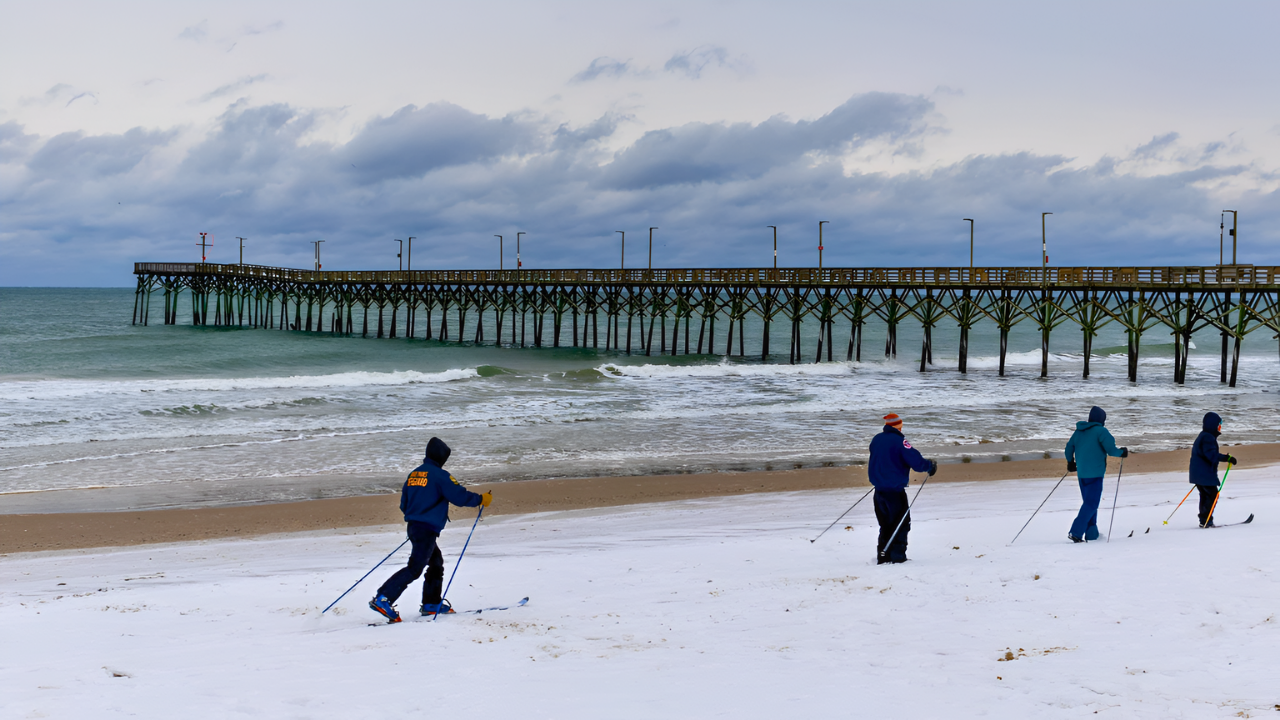
Cold air is already spilling toward North America — the kind meteorologists rarely see on record. On November 27, 2025, the National Weather Service Climate Prediction Center released its December outlook, warning of an unusual collision of atmospheric patterns poised to drive temperatures sharply downward across 20–30 states.
Forecasters say the first wave, described as only an “appetizer,” will arrive within days. But the larger, unnamed system looming behind it is what has scientists uneasy — and no one yet knows how severe it could become.
The Escalation
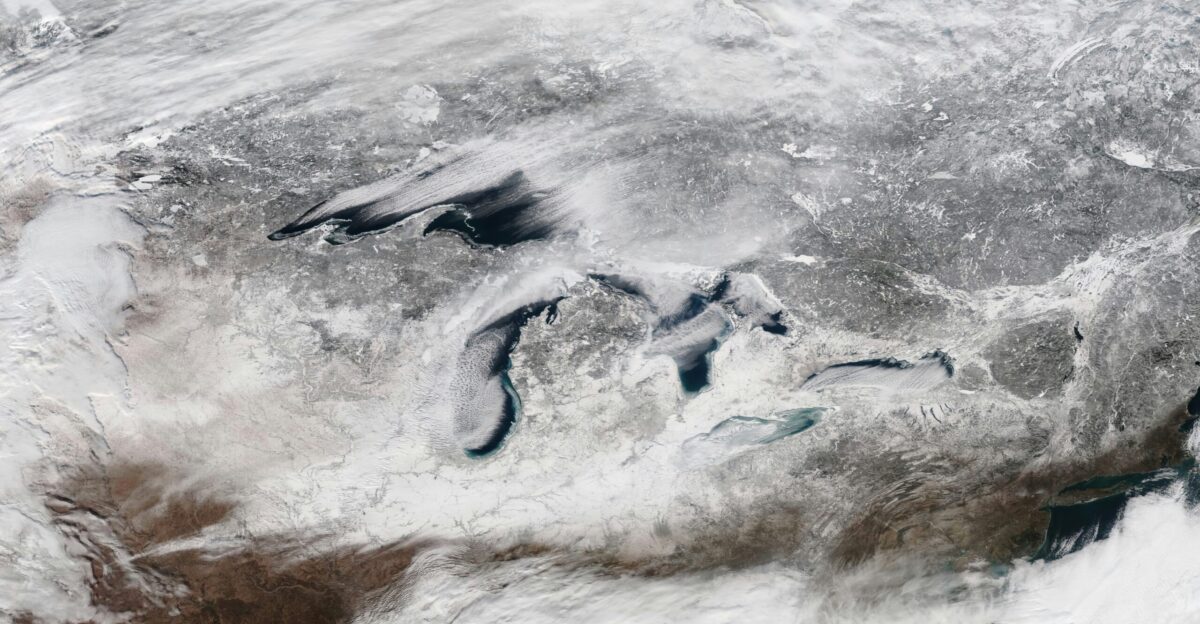
Forecasters now warn that 155–250 million Americans are expected to face sub-zero overnight lows by mid-December. This isn’t routine winter weather.
MIT climatologist Judah Cohen describes the mid-December event as potentially historic. The polar vortex—Earth’s coldest air mass, normally locked over the Arctic—is destabilizing. One meteorologist calls it a “ticking time bomb” waiting to spill south.
Understanding the Vortex
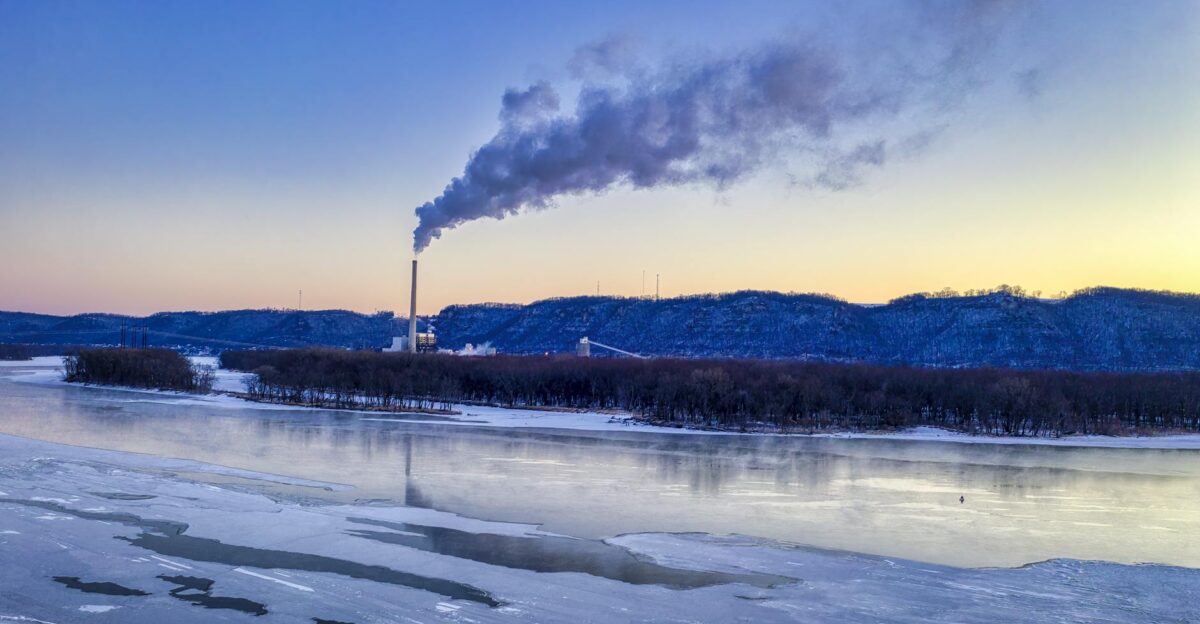
The polar vortex is a semi-permanent circulation of air centered above the Arctic. During winter, it occasionally weakens, allowing frigid air masses to surge southward into the continental U.S.
This phenomenon has caused past extreme cold events—most notably December 2022’s Buffalo blizzard. Today’s atmospheric conditions mirror those deadly patterns, raising concerns among climate specialists.
Stratospheric Tipping Point
A “sudden stratospheric warming” event triggered vortex destabilization in late November 2025. This rare atmospheric phenomenon, occurring 30+ miles above Earth, weakens the polar vortex’s strength within days.
MIT researcher Judah Cohen closely monitors these interactions. The timing is unusual for early December, intensifying forecast uncertainty among meteorologists about severity and duration.
Two-Wave Attack
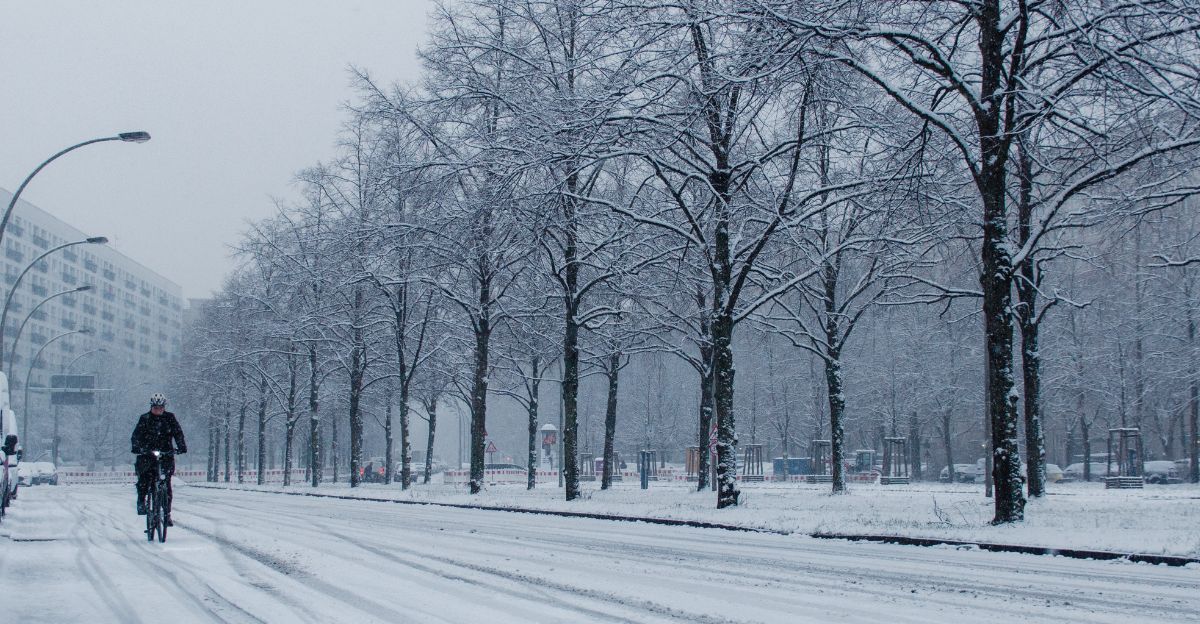
Cohen’s forecast reveals the cold will arrive in two distinct phases. December 1–2 delivers the “appetizer”—highs in the 10s-20s°F across the Midwest, with lows in the 0s reaching Missouri and Illinois.
Mid-December (the third week) brings the “main course”: the most expansive region of extreme cold, stretching from the Canadian Plains to the U.S. East Coast. Duration could extend several weeks.
Regional Deep Freeze
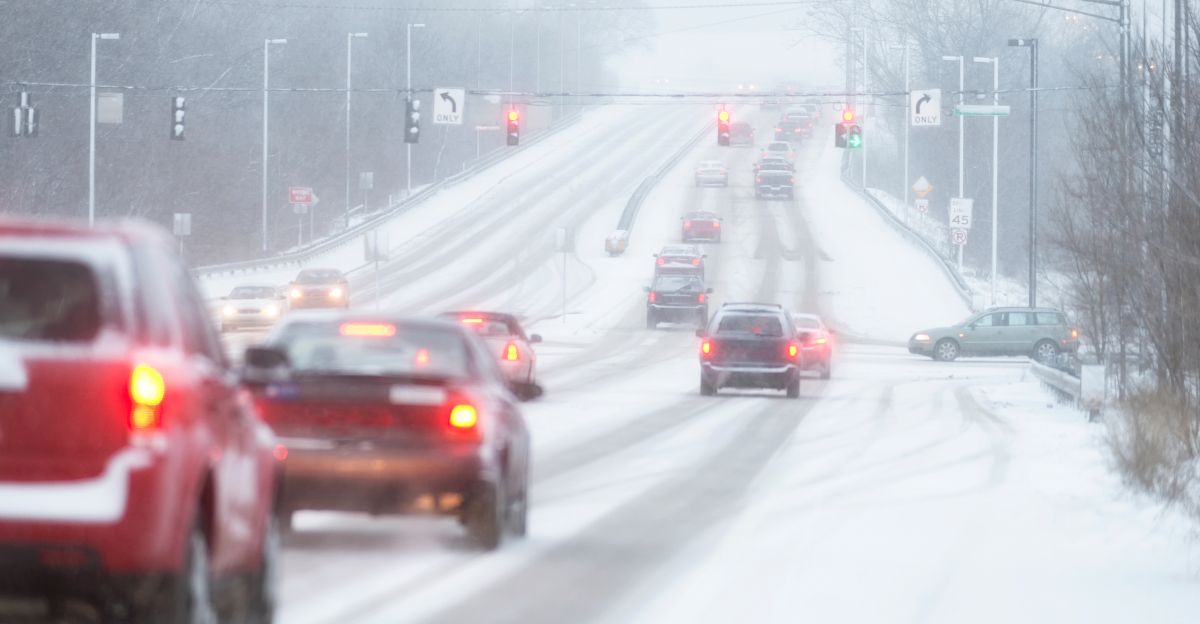
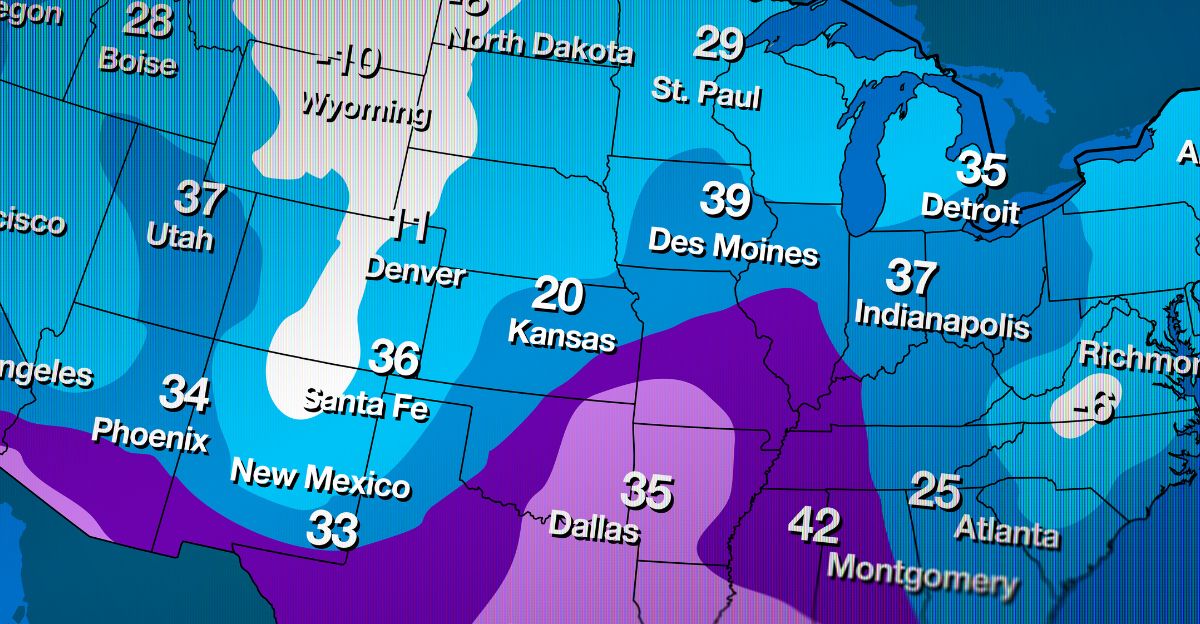
Northern Montana, North Dakota, and eastern Wyoming face sub-zero overnight lows during both waves. The Midwest, from Minnesota through Illinois, will experience persistent temperatures 20–40°F below normal.
The Northeast and mid-Atlantic regions will see December conditions typically reserved for January. Meanwhile, Florida and the Southeast remain near average or warmer, creating a stark geographic contrast.
The Human Cost

Vulnerable populations face life-threatening exposure during extreme cold. The National Weather Service warns that prolonged subzero temperatures increase the risk of hypothermia and frostbite, especially for homeless and elderly populations.
Agencies in affected states are activating warming centers and cold-weather protocols. Public health officials urge families to check on elderly neighbors and ensure adequate heating. Previous polar vortex events (December 2022 Buffalo blizzard) resulted in numerous cold-related deaths.
Energy Grid Under Stress

U.S. electrical utilities face unprecedented demand. Heating loads spike 30–50% during extreme cold, straining regional grids.
The Energy Information Administration warns that if the vortex breaks farther south than currently projected, rolling blackouts become possible across the Upper Midwest and Northeast. Utility companies are pre-staging crews and emergency generators.
Heating Market Surge
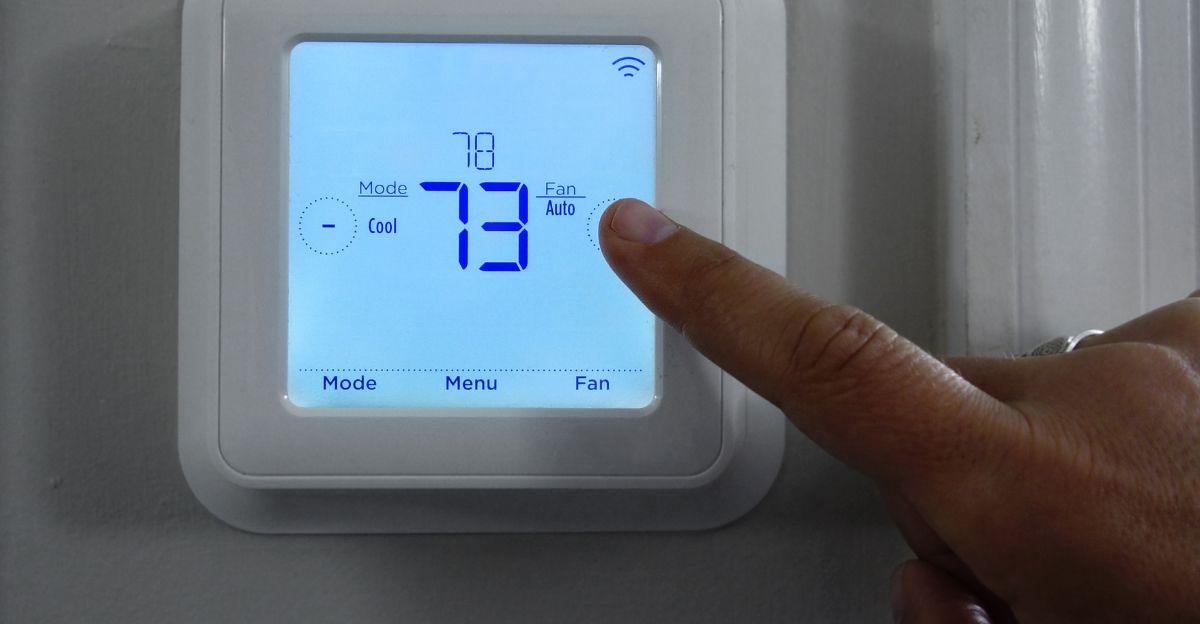
Natural gas and propane suppliers anticipate record winter demand. Energy costs could increase by $150–$300 per month for 50–80 million households in affected zones.
Some regions face propane shortages if demand exceeds supply. Heating oil prices have already risen 12–15% since late November, reflecting market anticipation of the cold wave.
The Forecast Conflict
Despite his “world’s best” AI model, Judah Cohen admits uncertainty. “I am conflicted about exactly what is happening with the polar vortex,” Cohen told forecasters.
Even elite meteorologists cannot pinpoint vortex behavior weeks in advance. This transparency reveals a gap: Americans may face extreme cold while top scientists remain divided on mechanics and timing precision.
Retailer Preparedness

Retailers typically increase winter supply inventory ahead of major cold forecasts. Historical patterns show demand spikes for space heaters, weatherstripping, and thermal clothing during extreme cold events.
The December 2025 polar vortex forecast, which is expected to affect 235 million Americans, may trigger similar consumer purchasing behavior.
Retailers and consumer supply chains prepare for seasonal demand surges. The extent of actual shortages will depend on inventory levels and regional demand concentration.
Transportation Preparedness
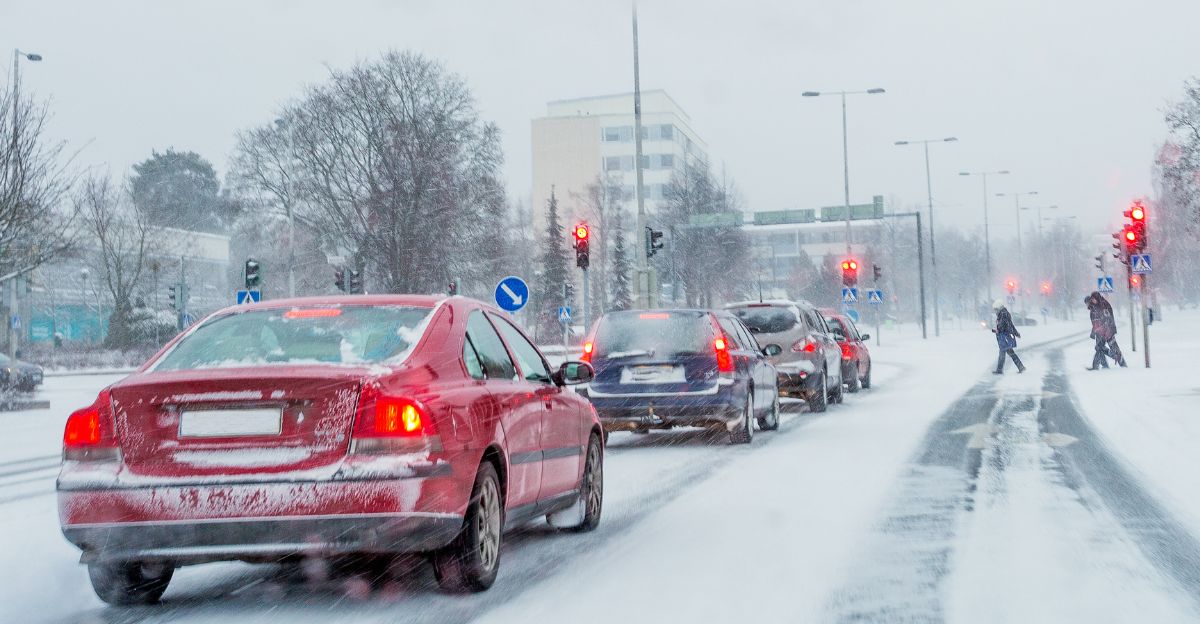
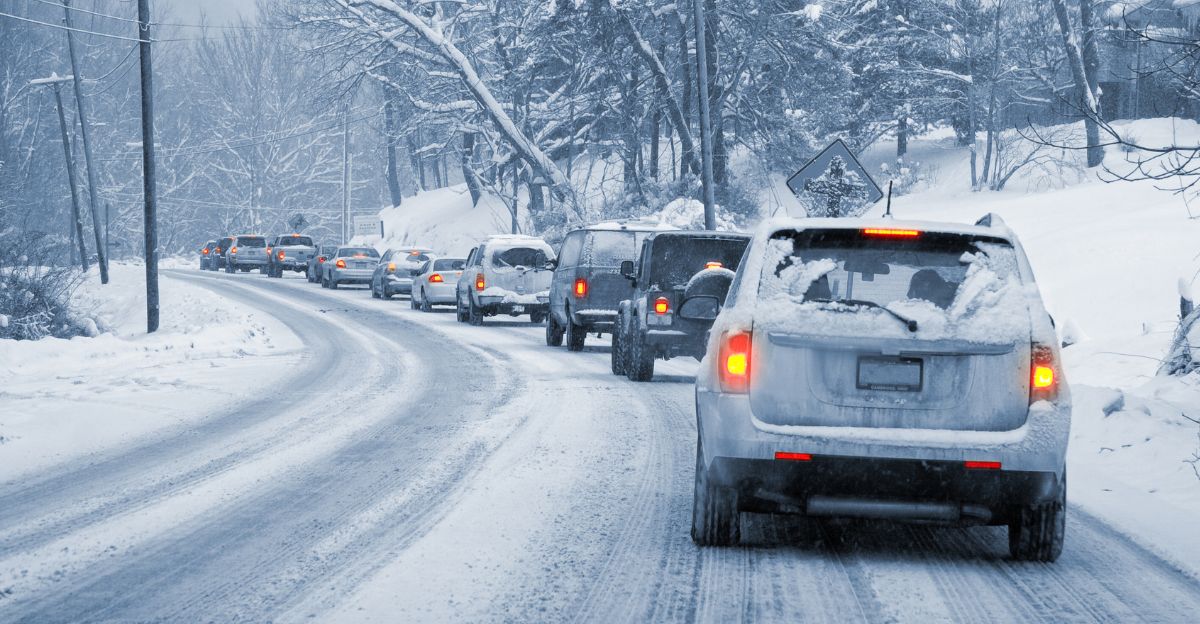
Extreme cold events typically disrupt transportation networks. Airlines have historically canceled or delayed flights during severe winter weather. Regional DOT agencies routinely maintain salt and sand stockpiles for winter road treatment.
The American Trucking Association and rail operators have published general winter weather advisories in the past. December 2025’s polar vortex forecast—affecting 20–30 states and 235 million Americans—may trigger standard weather response protocols similar to those implemented during previous extreme cold events.
Agricultural Risk
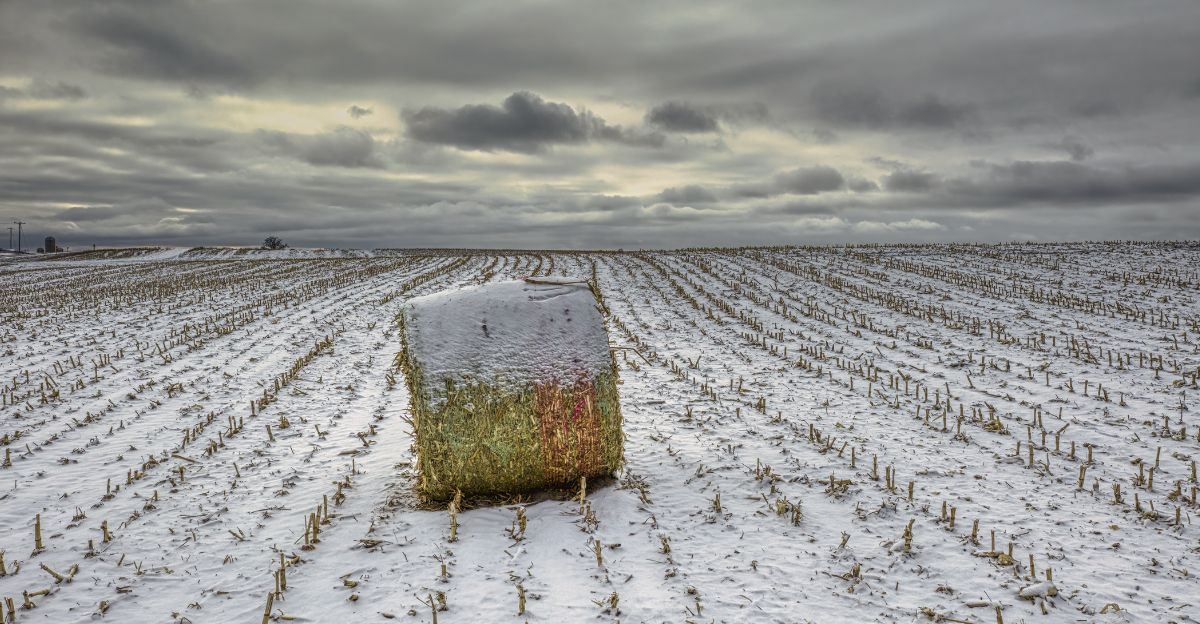
Livestock operations face challenges during extended sub-zero temperatures. Heating, water supply, and feed management become critical. Previous polar vortex events (December 2022) impacted Midwest dairy and livestock production.
Farmers typically increase winter preparations as the seasonal cold approaches. The December 2025 forecast—with prolonged extreme cold potentially lasting “a few weeks”—may compress preparation timelines and increase input costs for heating, feed, and emergency supplies across Wisconsin, Minnesota, and surrounding agricultural regions.
Municipal Readiness
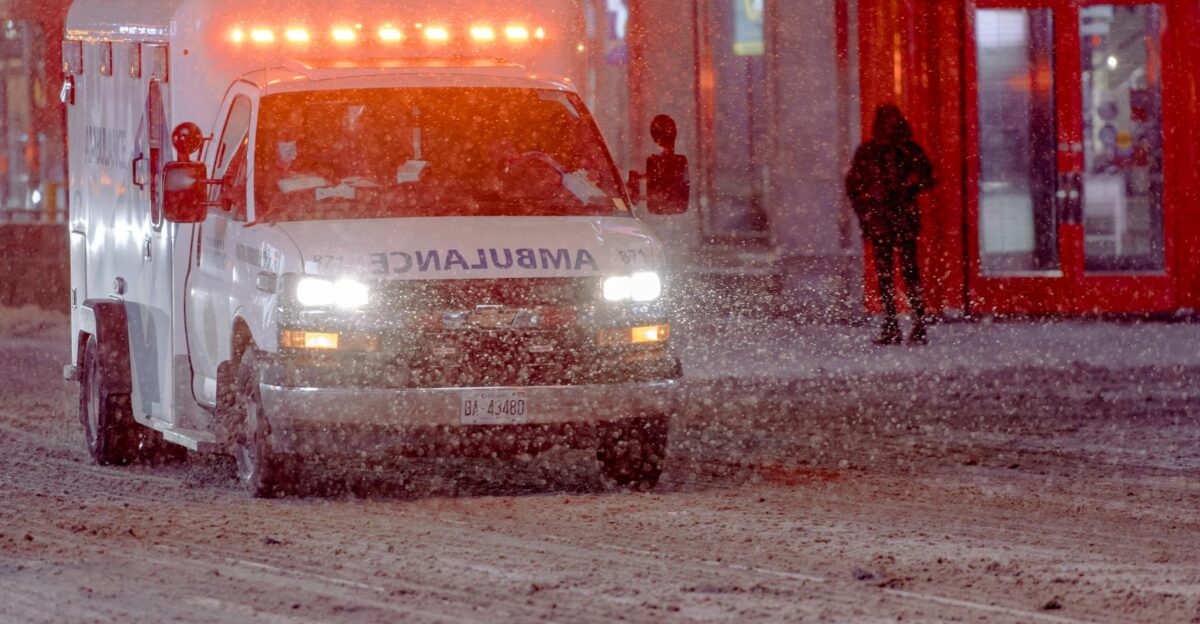
Municipalities in cold-prone regions typically maintain winter emergency protocols. Historical patterns show cities and counties activate warming centers, verify road treatment supplies, and coordinate public works responses during extreme cold forecasts.
Budget constraints in smaller municipalities often limit the scope of services during peak events. Previous polar vortex disruptions (December 2022) strained municipal resources across the Midwest and Northeast.
The forecast—threatening 235 million Americans across 20–30 states—may test municipal capacity for sustained emergency response if extreme cold persists “a few weeks” as MIT climatologist Judah Cohen forecasts.
The Looking-Glass Question
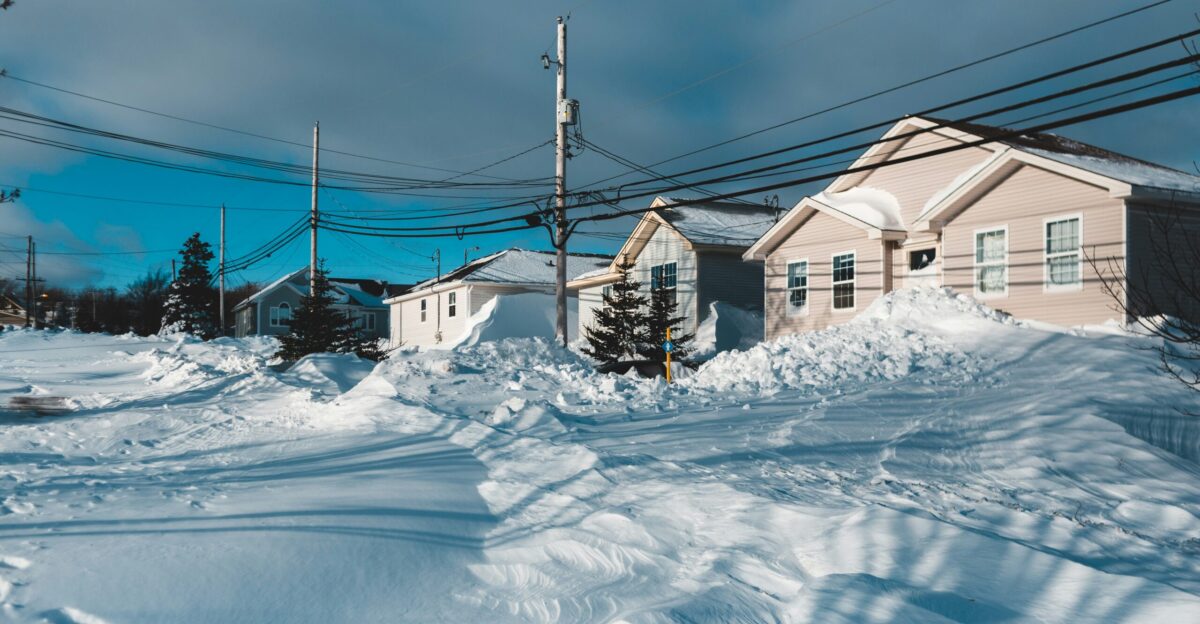
If stratospheric warming destabilized the vortex in late November 2025, could similar events occur earlier or more frequently in coming winters?
Climate scientists debate whether human-caused atmospheric changes are affecting the predictability of the polar vortex.
This December event may represent a new normal—or a rare anomaly. The answer shapes winter preparedness strategies nationwide.
Policy and Infrastructure Questions
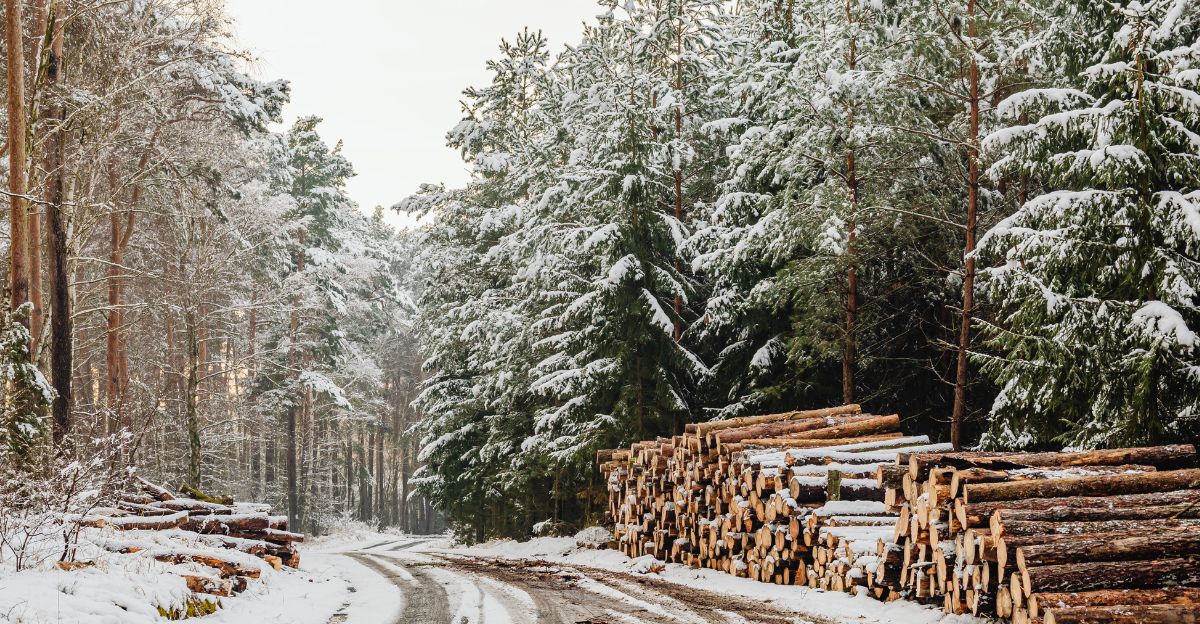
Extreme weather events have historically prompted policy reviews. Previous polar vortex disruptions led some states to evaluate winter preparedness infrastructure. Federal agencies, including FEMA and the Department of Energy, maintain winter readiness guidelines.
Climate resilience funding has been debated in Congress through infrastructure and appropriations bills. The December 2025 polar vortex forecast, affecting 235 million Americans across 20–30 states, may inform future discussions on infrastructure and emergency preparedness.
Policymakers typically assess major weather disruptions to evaluate the adequacy of current preparedness frameworks and identify investment priorities.
Not Only in The US
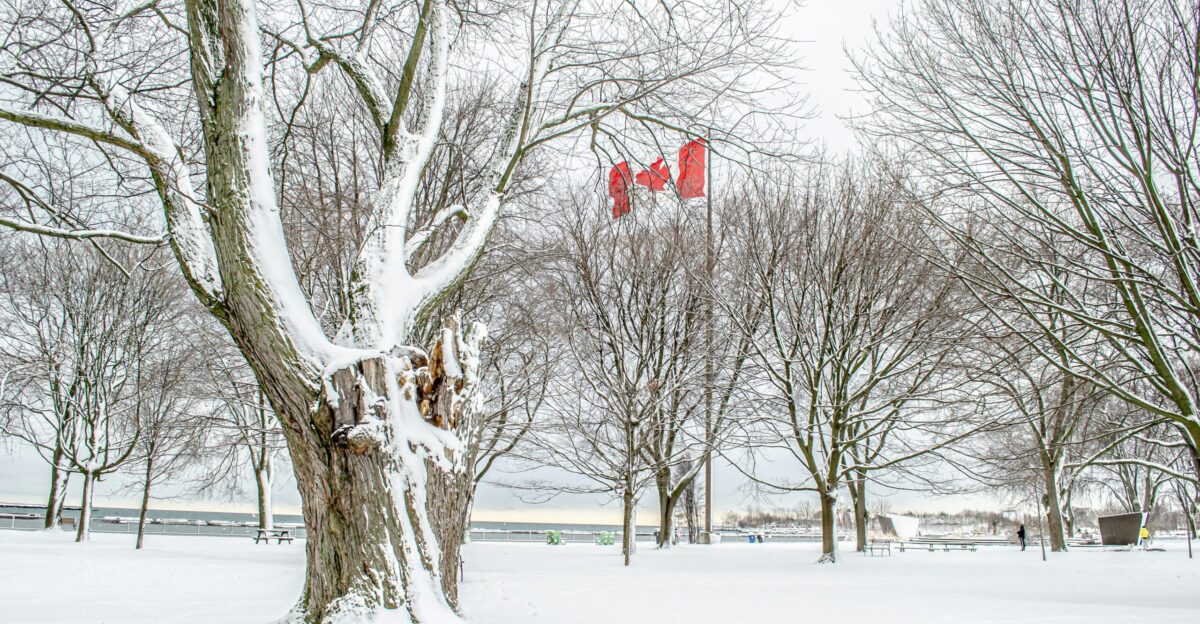
Canada will also experience the polar vortex’s Arctic air flow. Historical polar vortex events that have affected the U.S. typically also influence Canadian weather patterns. The National Weather Service forecasts that the vortex will remain “anchored over Canada” for 7–10 days before potentially moving southward.
Canadian energy demand typically increases during extreme cold. North American natural gas markets respond to regional shifts in demand.
Previous polar vortex events (December 2022) affected energy markets across both nations. Pipeline and pricing dynamics may reflect competing demand if Canadian temperatures remain severe through mid-December.
Be Prepared

Residents in 20–30 northern and northeastern states should: inspect furnaces and backup heating systems, insulate exposed pipes, stock three days’ emergency supplies, ensure medications are accessible, and charge mobile devices.
Check on elderly neighbors. Consider evacuating to warmer regions if vulnerable. Budget $150–$300 extra per month for heating costs. Preparation now minimizes December suffering.
What This Signals
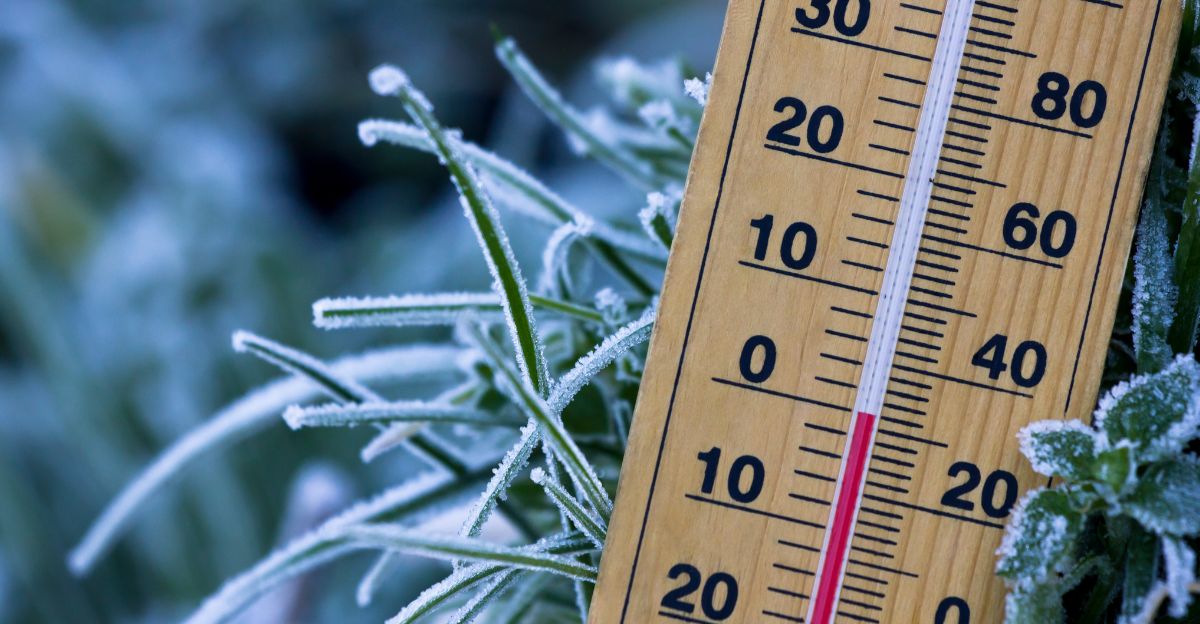
The polar vortex—forecast weeks in advance yet described by MIT climatologist Judah Cohen as uncertain in its exact behavior—highlights the limits of forecasting. Extreme cold events expose vulnerabilities in infrastructure across both urban and rural regions.
Historical polar vortex disruptions (December 2022 Buffalo blizzard) revealed disparities in disaster preparedness and resilience. Vulnerable populations, including homeless and elderly individuals, face disproportionate risk during extended extreme cold.
This event underscores the importance of equitable investment in winter preparedness infrastructure and social safety nets. Policy discussions following the December cold may inform national resilience planning.
Broader Reflection
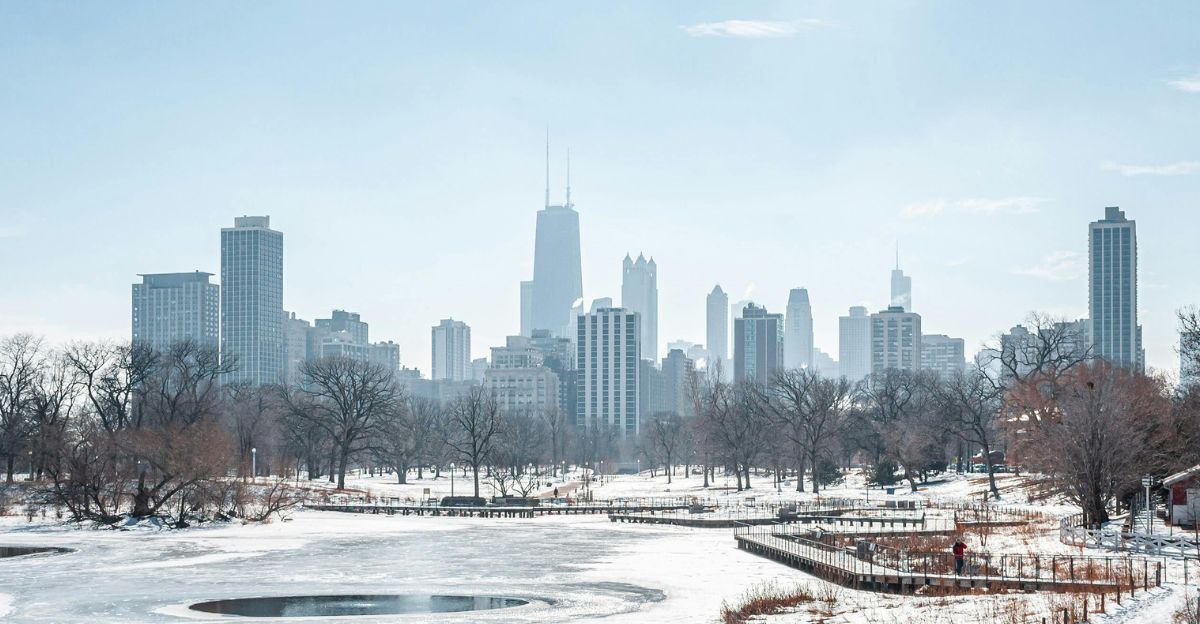
The polar vortex disruption illustrates how invisible atmospheric forces, located 30+ miles above Earth, determine the fate of 235 million Americans.
Judah Cohen’s “world’s best” model offers guidance but not certainty. This event transcends weather—it tests societal preparedness, energy resilience, and our ability to protect vulnerable populations during extreme planetary events. December will reveal what we’ve learned.
Sources:
USA Today November 27, 2025 Arctic cold forecast
National Weather Service Climate Prediction Center November 2025 temperature outlook
CNN November 19, 2025 polar vortex disruption briefing
FOX Weather November 27, 2025 Arctic blast coverage
AccuWeather November 29, 2025 winter storm forecast
Financial Express November 29, 2025 extreme cold analysis
MIT Climate Lab Judah Cohen polar vortex research