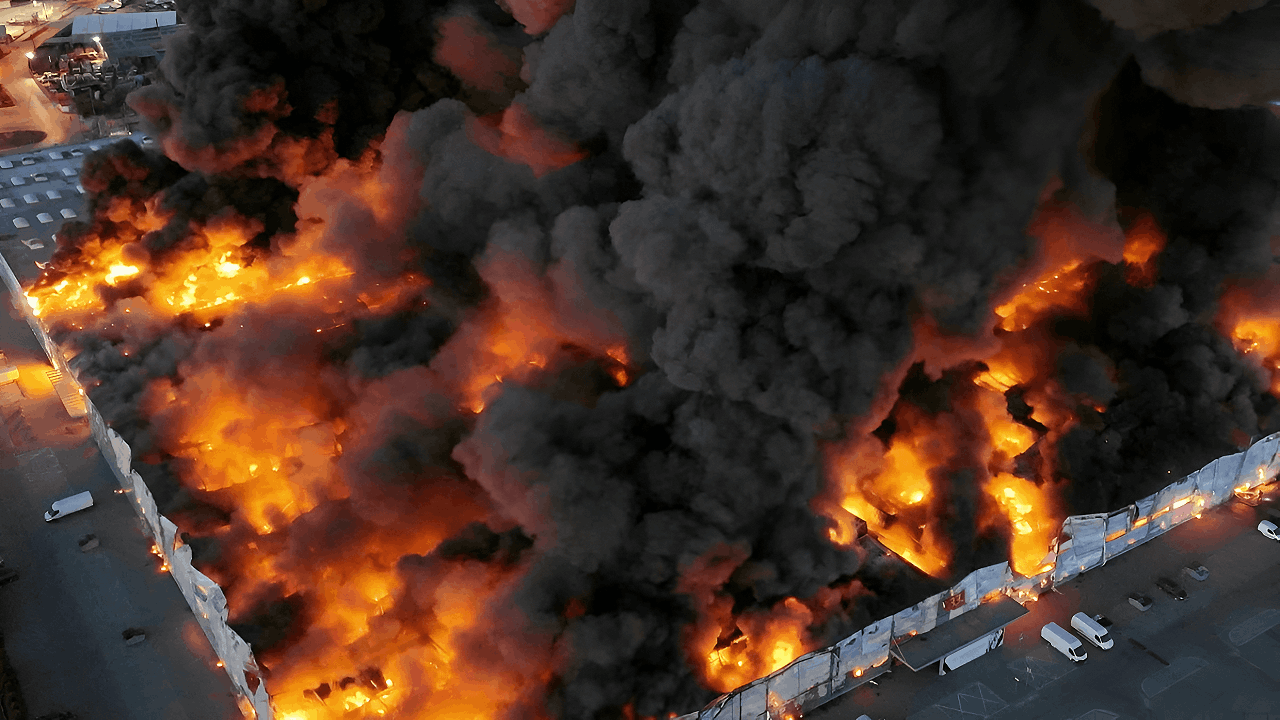
Moscow’s calm was shattered in late October 2025 when over 240 drones targeted the city and its surrounding areas. This is the first time drones have surrounded Moscow in such high numbers, creating a feeling of fear and uncertainty among residents. The drone attacks happened over three nights and forced authorities to respond quickly with air defense systems.
People living in Moscow have not felt this vulnerable before, as they are used to thinking of their city as safe from war. Experts note that these strikes not only challenge the city’s defenses but also send a clear message that nowhere is out of reach in this conflict.
Drones Hit Like Never Before
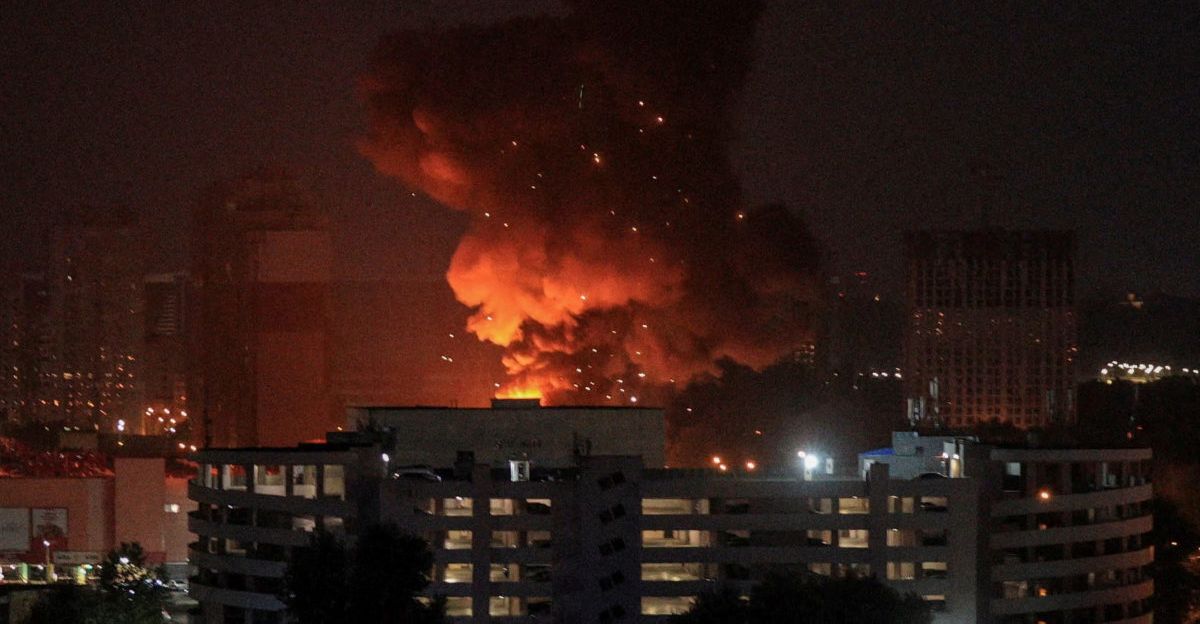
The scale of these recent attacks is something Moscow has never seen. In just one night, Russian officials said they stopped 193 drones, with even more coming in the days after. The Ukrainian military’s heavy use of drones is a big step up from past attacks, showing they now can strike deep inside Russian territory.
This raises serious questions about Moscow’s air defenses and whether they can keep up. This new wave of drone warfare means that everyday life in Moscow has been turned upside down, as residents brace themselves for more possible attacks.
How Drone Warfare Is Changing
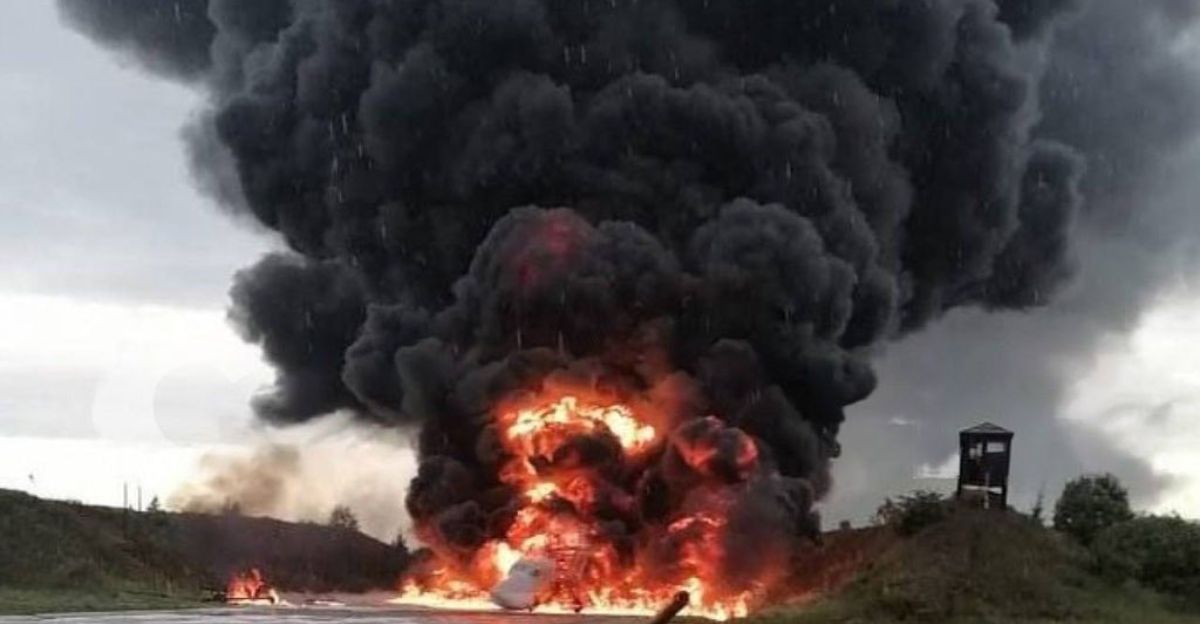
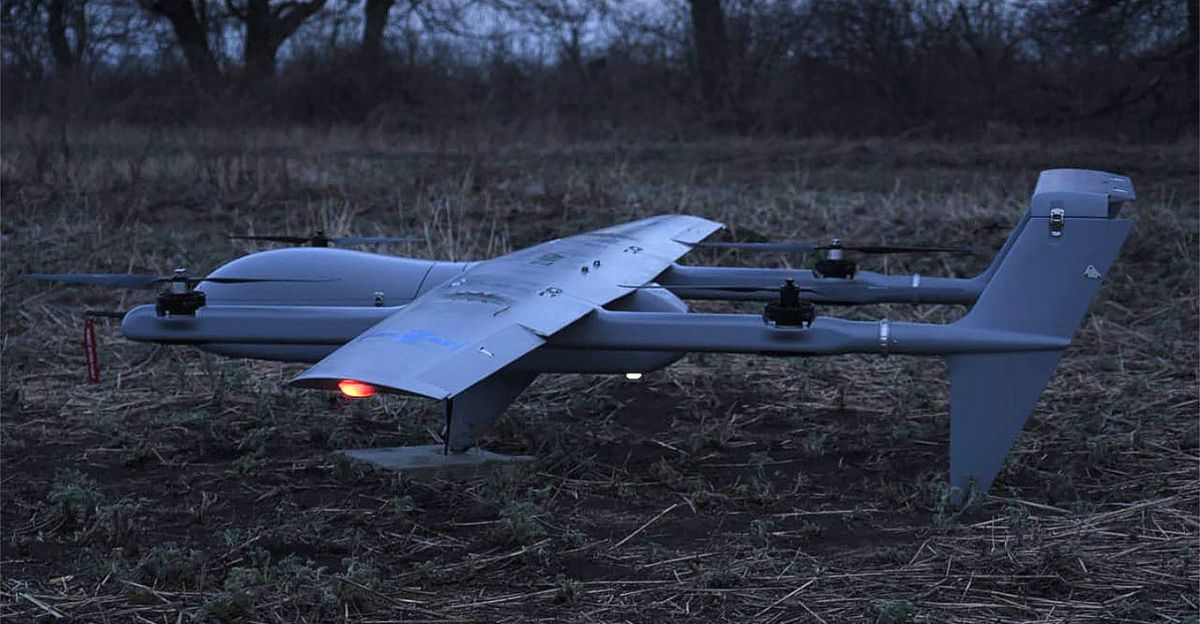
Drone attacks on Russia have been growing since 2022. Previously, they were rare and less advanced, but now Ukraine’s drones are smarter and better equipped. They can fly long distances and hit important targets far from the front lines, including factories and military sites.
This change shows how much Ukraine’s drone technology has improved, with help from Western countries and their own inventors. It’s a sign that the nature of warfare is changing, with smaller, unmanned aircraft now playing a big role in battles.
Moscow Feels The Pressure
With Ukraine’s drone campaign reaching deeper into Russia, Moscow’s defenses are being seriously challenged. The capital is now experiencing regular air raid sirens, and airports sometimes have to shut down temporarily, affecting daily routines.
This growing threat means that people in Moscow are starting to understand the constant pressure of war, a feeling that wasn’t there before. Residents and government officials now have to face the fact that their city is a possible target almost every day.
The Biggest Drone Attack Yet
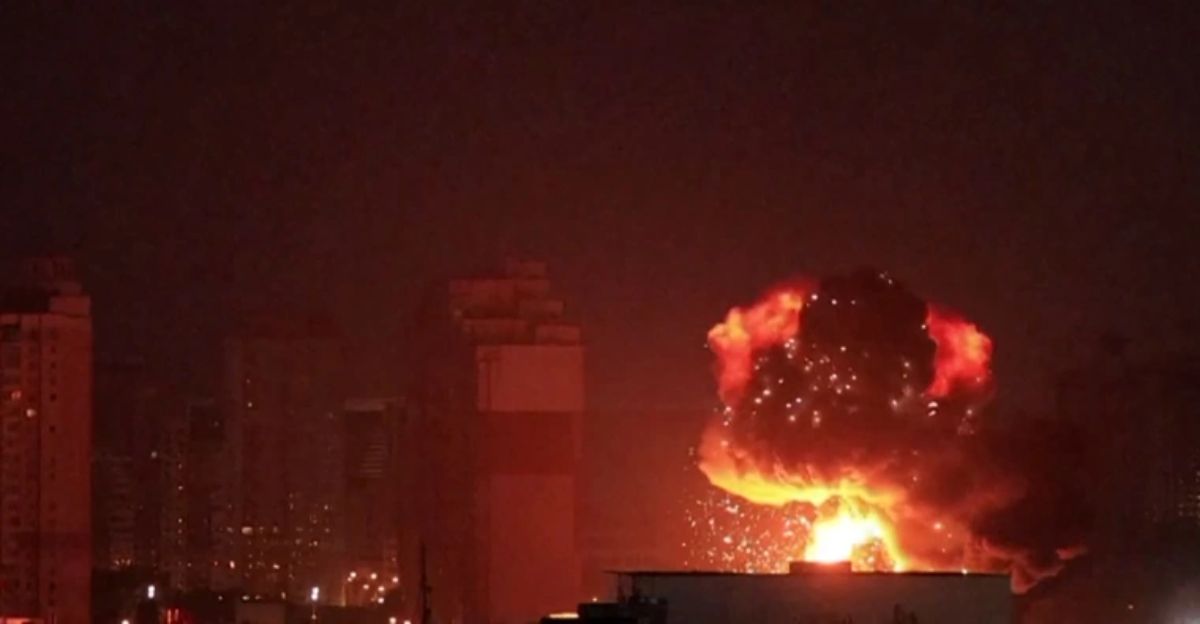
Between October 26 and 28, Ukraine launched more than 240 attack drones at Moscow and surrounding areas, breaking all previous records for drone usage against the Russian capital. Russian authorities say they intercepted most drones, but a number still made it through and caused fires and damage.
This event has become the largest and longest drone assault on Moscow ever. The city’s response was quick, but the experience has left both officials and citizens more aware that their defenses are not impenetrable.
Attacks Spread Beyond Moscow
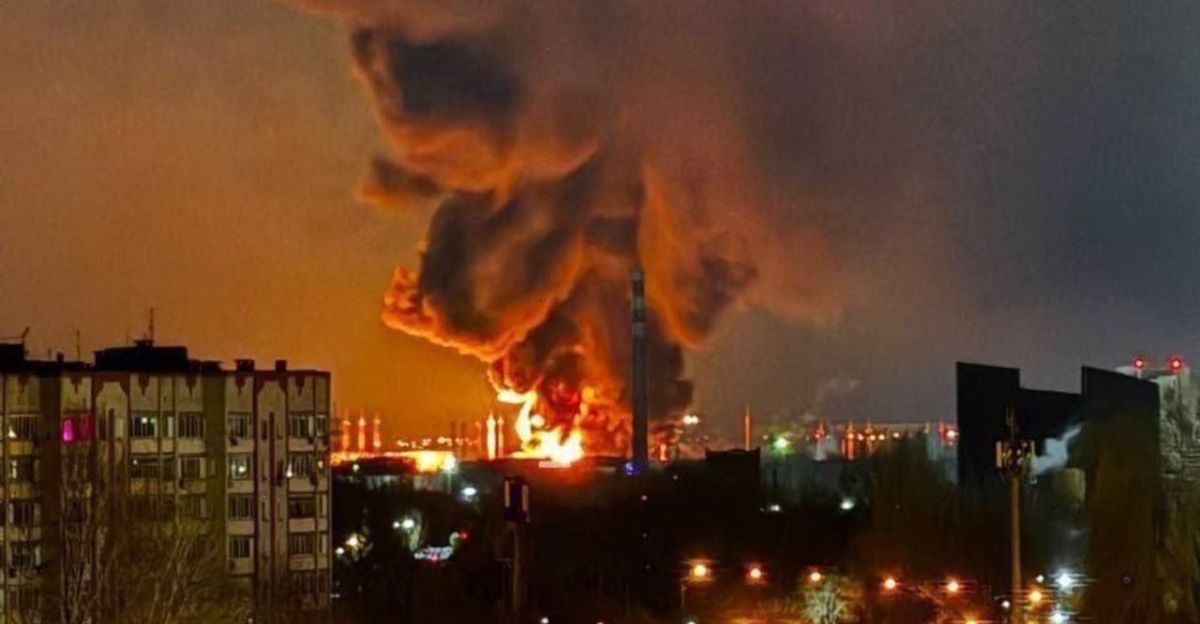
It wasn’t just Moscow that was hit, nearby areas, including the Bryansk region on the Ukrainian border, were also attacked by dozens of drones. Sometimes the targets were oil storage facilities, airbases, and other key parts of the infrastructure, showing that Ukraine’s campaign covers a wide area and serves strategic goals.
These attacks show that the conflict is not limited to the front lines and can directly impact people and industries far from the battlefield.
Civilians Pay the Price
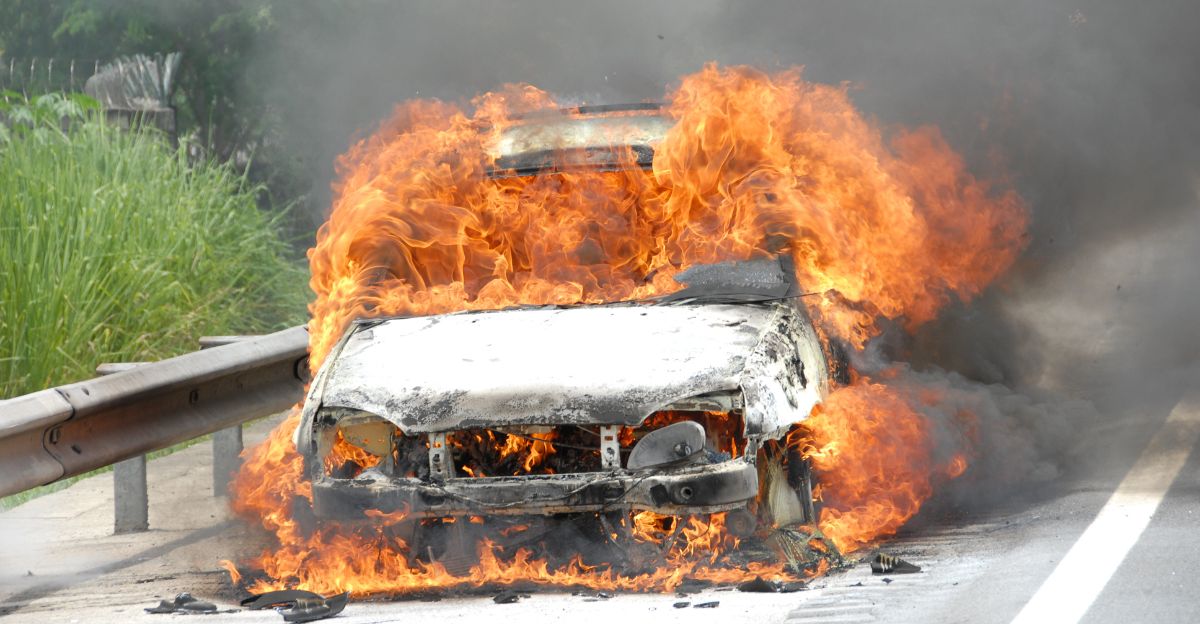
Sadly, not everyone was able to stay safe during the drone strikes. In Bryansk, a minibus driver lost his life when drone debris fell onto the vehicle, and five passengers were hurt. Moscow’s mayor, Sergei Sobyanin, confirmed that emergency services had to rush to several crash sites to help those affected and put out fires.
This shows how these attacks are not just about military strategy but also have a very real human cost. The ongoing danger for civilians is a reminder of how unpredictable and risky this conflict has become for everyday people.
Air Defenses Stretched Thin
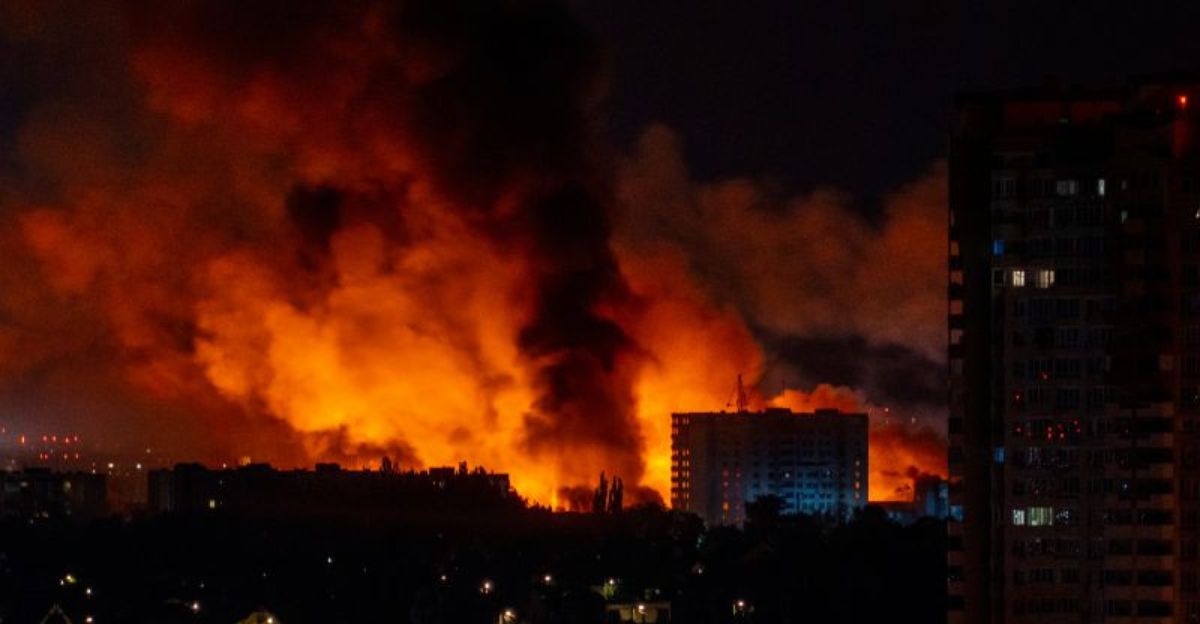
To defend Moscow and nearby areas, Russia relied on its air defense systems, including the advanced Pantsir missile system. But the mass number of drones, sometimes dozens arriving at once, put massive pressure on these defenses.
Russian forces had to use both new and old technology to try to shoot the drones down. Even the best systems can be overwhelmed when the attacks come in waves, making it clear that no defense is foolproof in modern drone warfare.
New War Tactics Take Hold
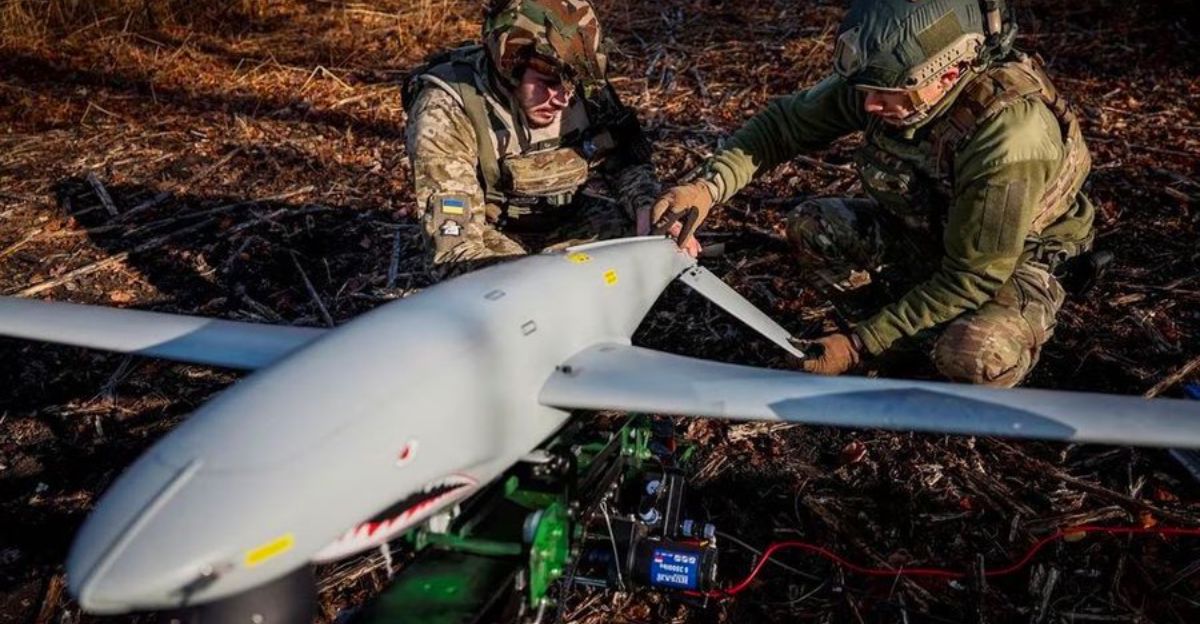
Ukraine’s drone attacks show a bigger change in how wars are fought today. By sending drones to hit important targets deep inside Russia, Ukraine is trying to weaken supply lines, lower morale, and make Russia move resources away from the front lines.
This kind of warfare lets a weaker country hurt a stronger enemy in ways that were not possible before. The focus is on smart tactics rather than brute force.
Oil Facilities Go Up In Flames
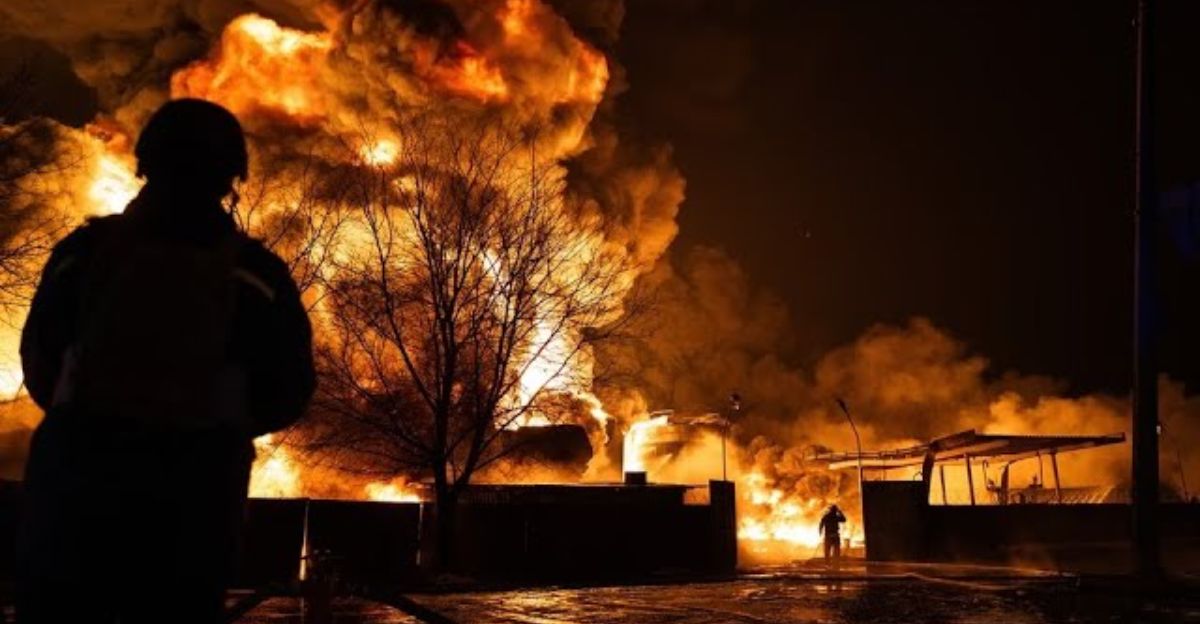
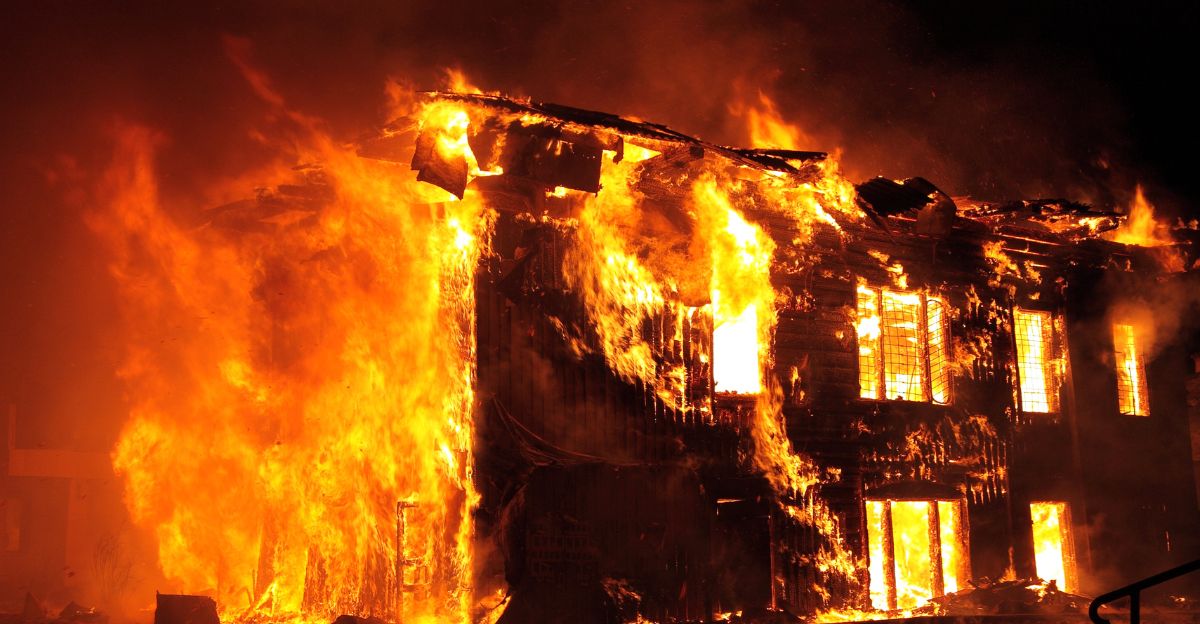
Fires broke out at oil depots in places like Moscow Oblast and Kursk after drone strikes, causing further problems for Russia. Russian officials tried to downplay the damage, but videos from locals and news sources showed big blazes.
The Kyiv Independent reported, “Eyewitness accounts confirmed the vulnerability of Russia’s energy infrastructure.” These events highlight how essential fuel depots and other sites can be at risk in this new phase of war and how damage to them affects everyone, not just the military.
Leaders Show Growing Frustration
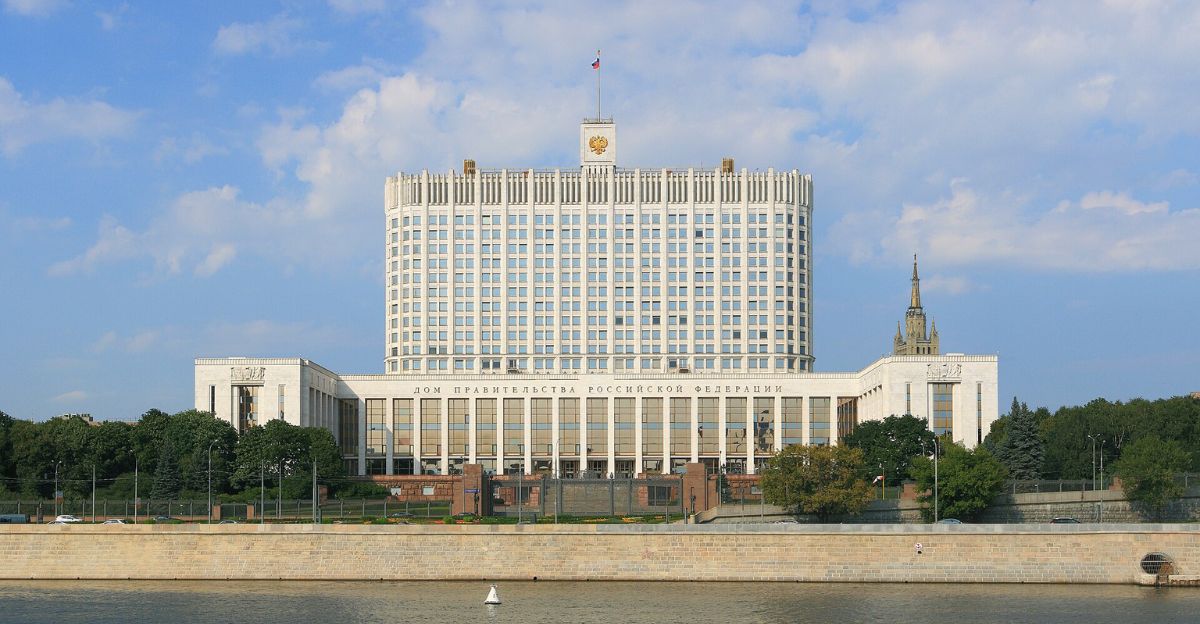
Russian government officials have openly shown frustration as the drone strikes continue night after night. The Ministry of Defense has focused on releasing numbers about how many drones they’ve destroyed, but some local politicians are now asking for more safety measures.
Officials’ public statements reveal increasing pressure. People in Moscow have started debating how well the city’s air defense is really working, which puts even more pressure on those in charge.
Moscow’s Mayor Takes Charge
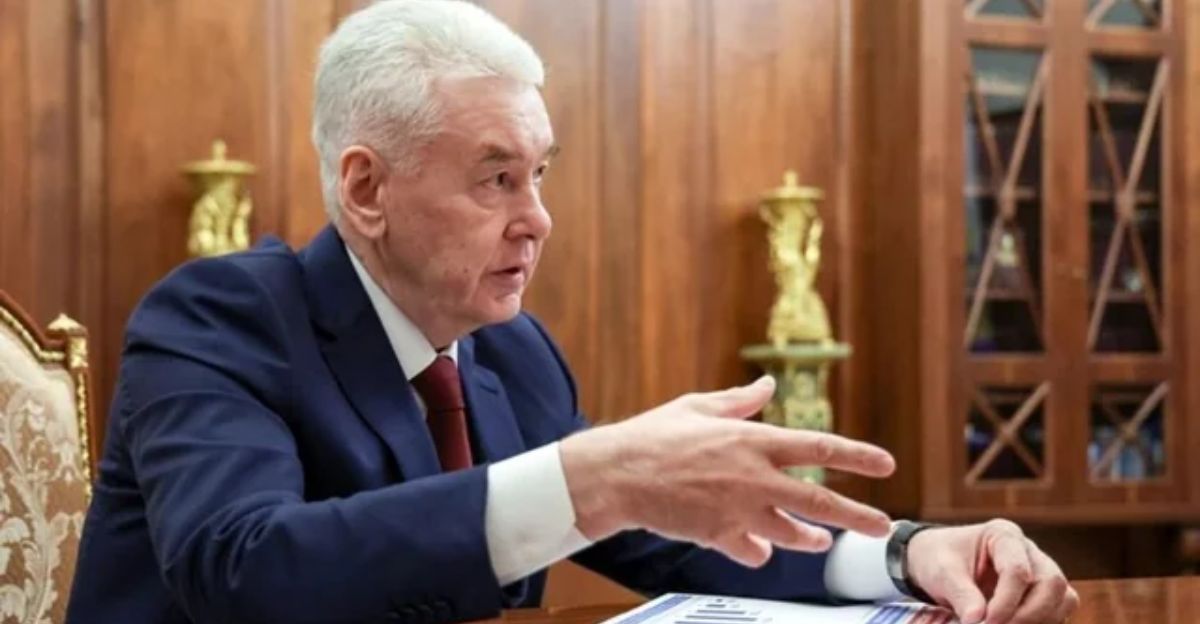
Mayor Sergei Sobyanin has emerged as a key leader during the crisis, giving updates every night and organizing fast responses to drone attacks.
His main goal is to keep the public calm, but he admits the situation is unlike anything the city has faced before. National leaders are closely watching the situation and staying involved behind the scenes.
Defense Technology Upgrades
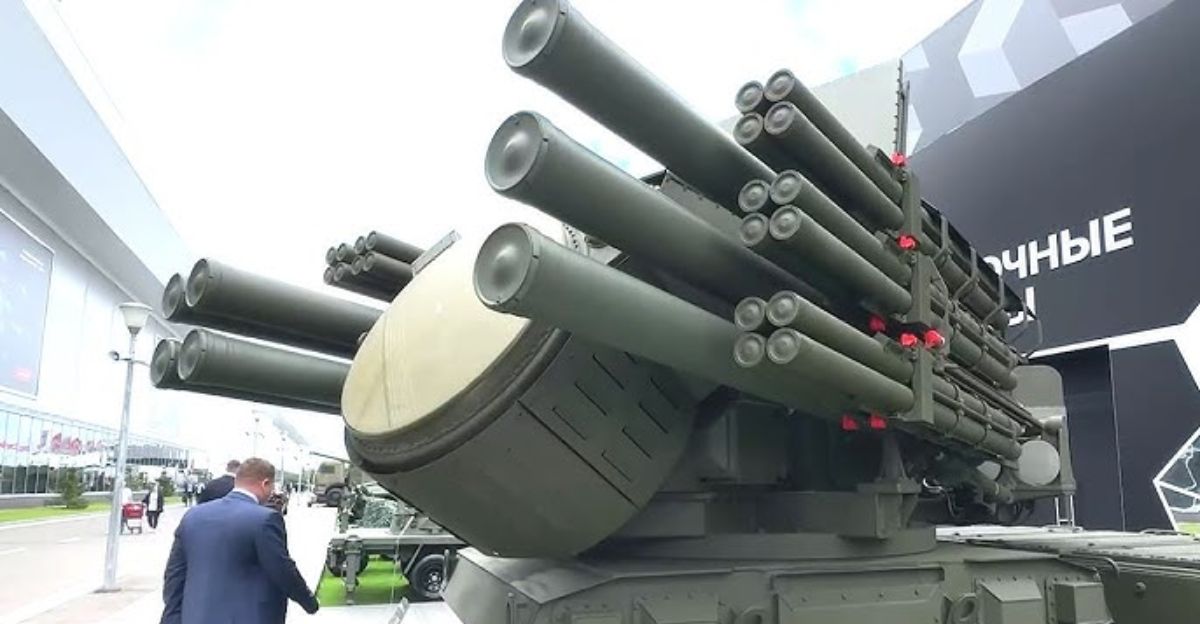
Facing this new threat, Russia fast-tracked new air defense systems to try to stop the drones. One of the latest tools is the Pantsir-SMD-E, a system that can launch up to 48 mini-missiles at attacking drones all at once.
These technological improvements are important, but are happening on the fly, as Russian forces try to match the changing nature of Ukraine’s drone attacks.
Experts Still Have Doubts

Even though Russian officials claim to shoot down most of the drones, some independent experts aren’t convinced. They point out that several drones have still gotten through to hit targets in Moscow, causing fires and other damage.
The real level of success in stopping attacks isn’t always clear. This shows that the air defense challenge is more complicated than just counting how many drones are intercepted.
What’s Next For The Conflict?
These repeated drone attacks have everyone wondering what the future will hold. Will Ukraine continue to ramp up its strikes? Can Russia keep adapting quickly enough to defend its cities?
Military experts are saying that the back-and-forth between offense and defense will only grow more intense in the months ahead. As new tactics and technologies appear on both sides, predicting what comes next is getting harder with every passing day.
Political Fallout For Both Sides
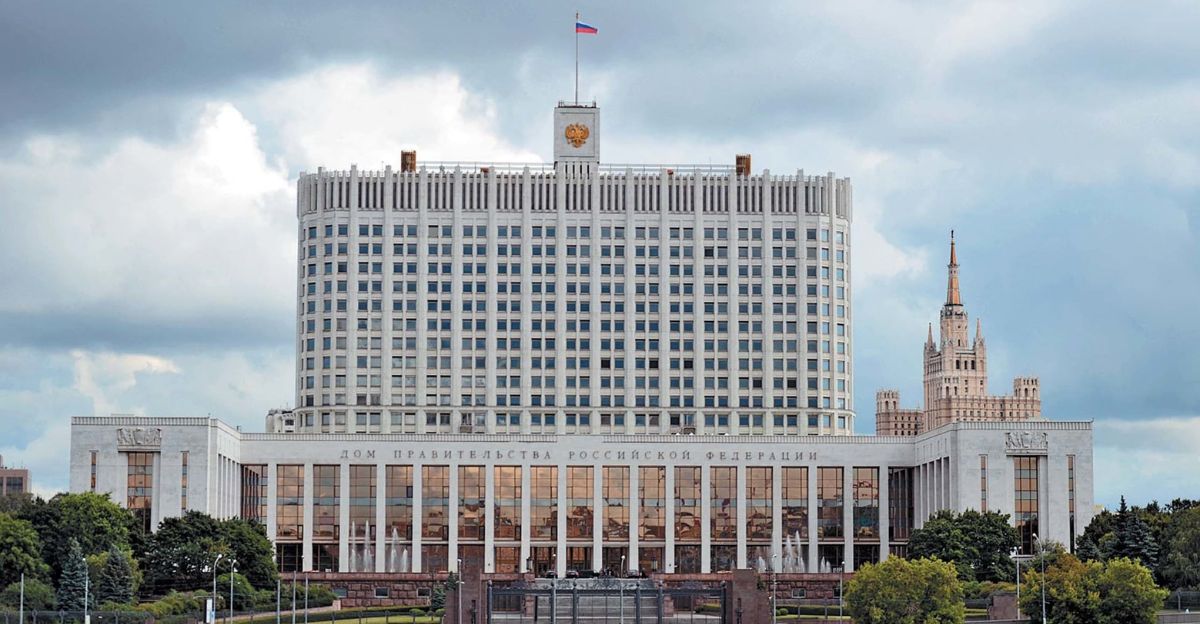
The drone siege also has political consequences. People in Russia are starting to doubt how safe they really are, shaking their trust in government reassurances.
For Ukraine, these attacks show the world their determination and modern capabilities, which might influence how much support they get from other countries. The political debate over drone warfare is just beginning.
The World Watches Closely

These Moscow attacks aren’t just big news in Russia and Ukraine, countries like the US and NATO members are closely monitoring how massed drones are being used in urban areas.
Military planners everywhere are paying attention, realizing they might need to rethink their own defenses. The lessons learned from Moscow might help shape global decisions on security and technology for years to come.
Questions About Law and Ethics

The strikes have also raised hard questions about what is right and wrong in war. When drones hit things like oil depots or kill civilians, it blurs the line between military and civilian targets.
International law says attacks on non-military sites are not allowed, but in today’s high-tech battlefield, that rule isn’t always clear. The fight over how wars should be fought is no longer just about weapons, but also about responsibility and ethics.
Russians Rethink The War

The continuing attacks are changing how Russians see the conflict. For a long time, the fighting felt far away for most people in Moscow. Now, with air raid sirens and explosions nearby, it feels very close.
Public conversations are shifting, with more people asking tough questions about how the government is handling the situation. This change in perspective could shape how Russians respond to government messages in the future.
A New Kind of War Emerges
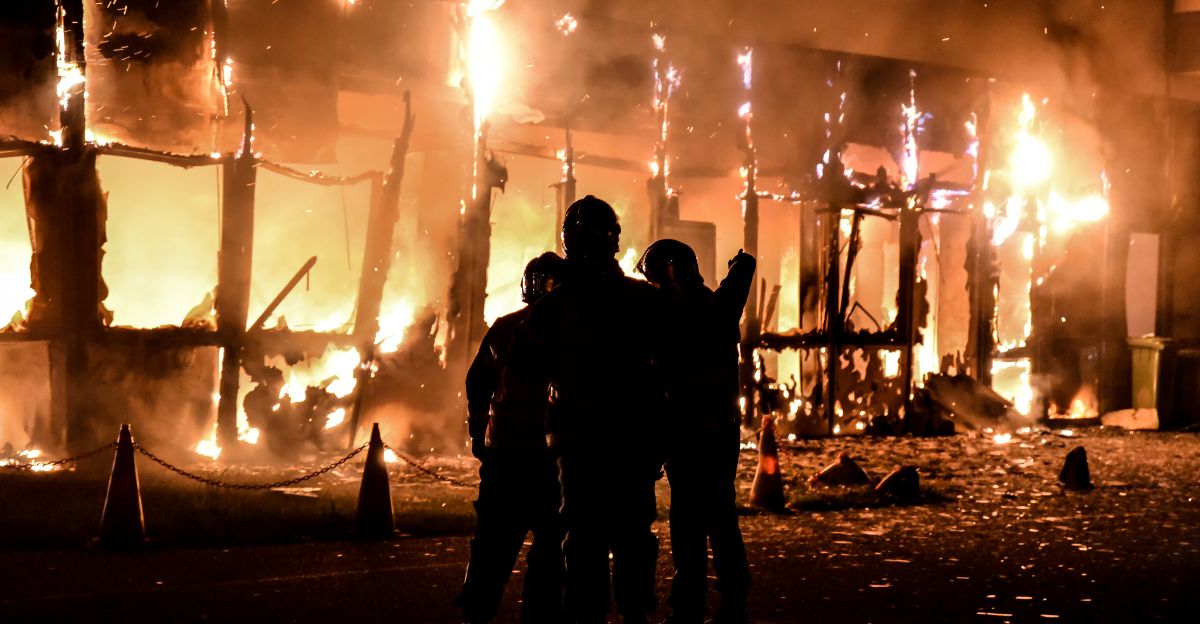
The drone attacks on Moscow mark a major turning point in modern warfare. Unmanned systems, once used mainly for reconnaissance, can now threaten even the world’s biggest cities.
As Russia and Ukraine adapt to this new type of fighting, their moves are being watched by militaries and leaders everywhere. This new face of conflict, where technology, strategy, and civilian lives are all intertwined, will likely shape how wars are fought for generations to come.