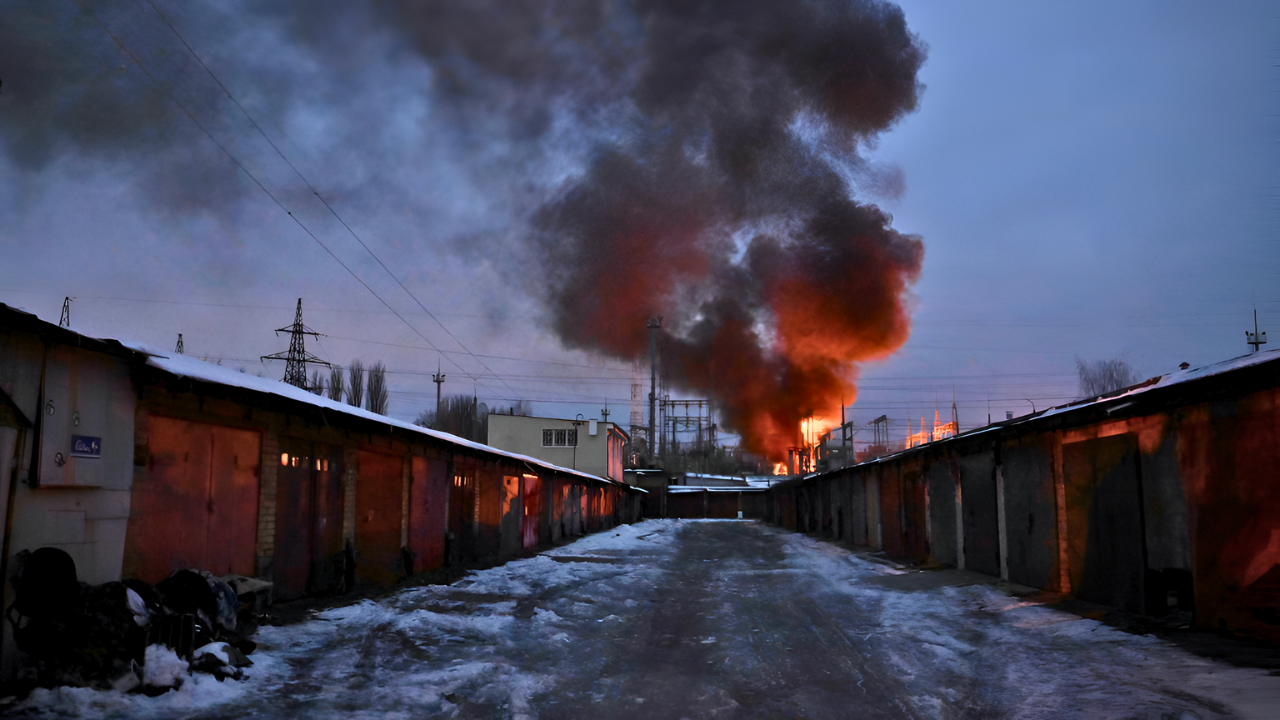
Overnight on December 10, 2025, Ukrainian drones penetrated deep into Russian airspace, reaching the Moscow region in one of the most significant long-range drone operations of the war.
Russia’s Defense Ministry reported 20 drones destroyed across four regions, including four intercepted while approaching the capital. Falling debris damaged multiple sites in Moscow, triggering emergency responses and reinforcing that even successful interceptions no longer prevent urban disruption.
Historical Precedents
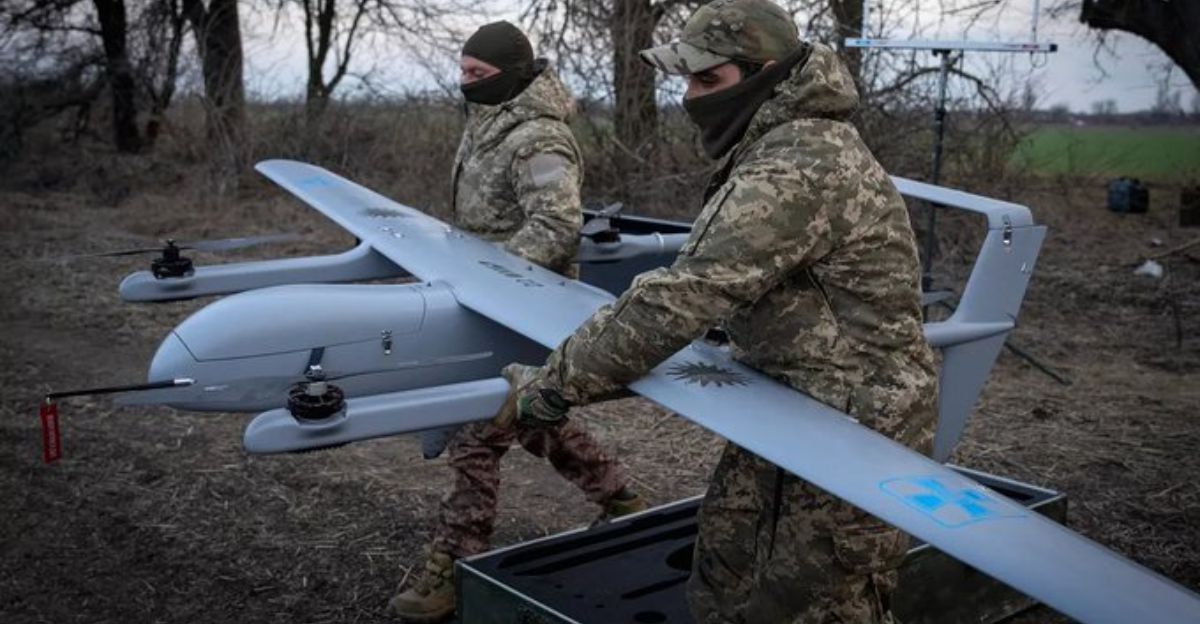
The strike fits an accelerating pattern of Ukrainian deep-strike drone operations seen throughout 2024–2025.
Earlier attacks reached refineries, ports, and airbases hundreds of kilometers from the front. While Moscow has previously faced isolated drone incidents, this overnight multi-region wave marked one of the deepest sustained penetrations into Russia’s political core, echoing historic cases where homeland strikes altered public perceptions of wartime security.
Drone Swarm Mechanics
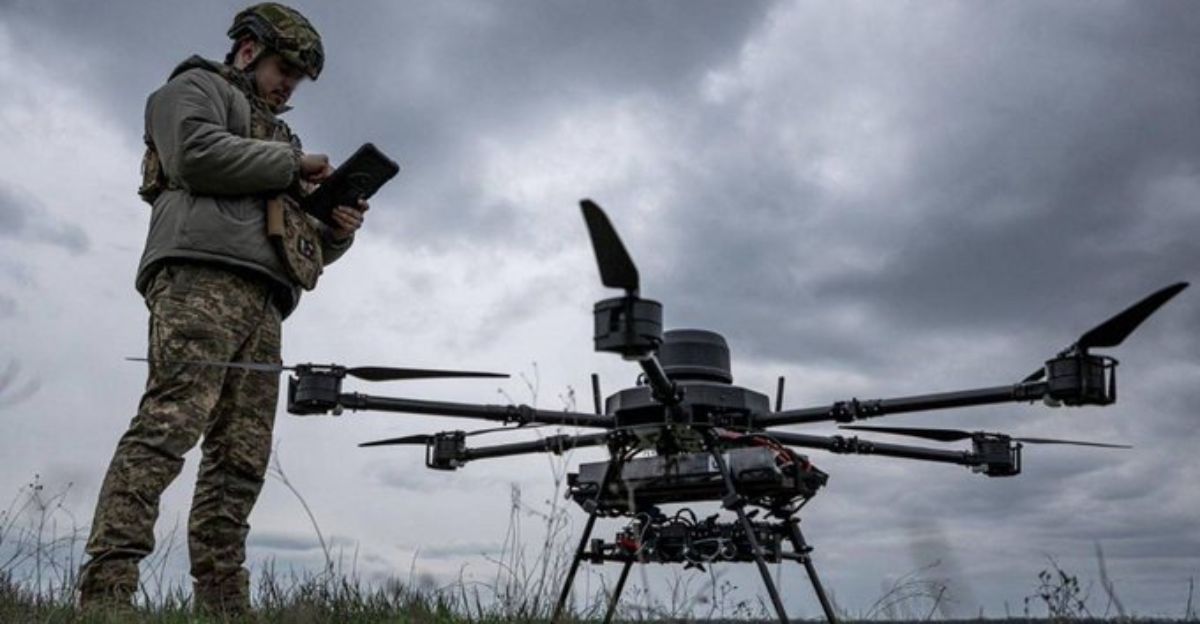
Rather than relying on a single platform, Ukraine increasingly deploys multiple drones simultaneously to strain defenses. These systems are relatively inexpensive, long-range, and optimized for low-altitude flight.
Even when intercepted, debris can cause damage in dense urban environments. The Moscow-region incident demonstrated how modest drone numbers can still impose outsized operational and psychological effects when launched in coordinated waves.
Penetration Pathways
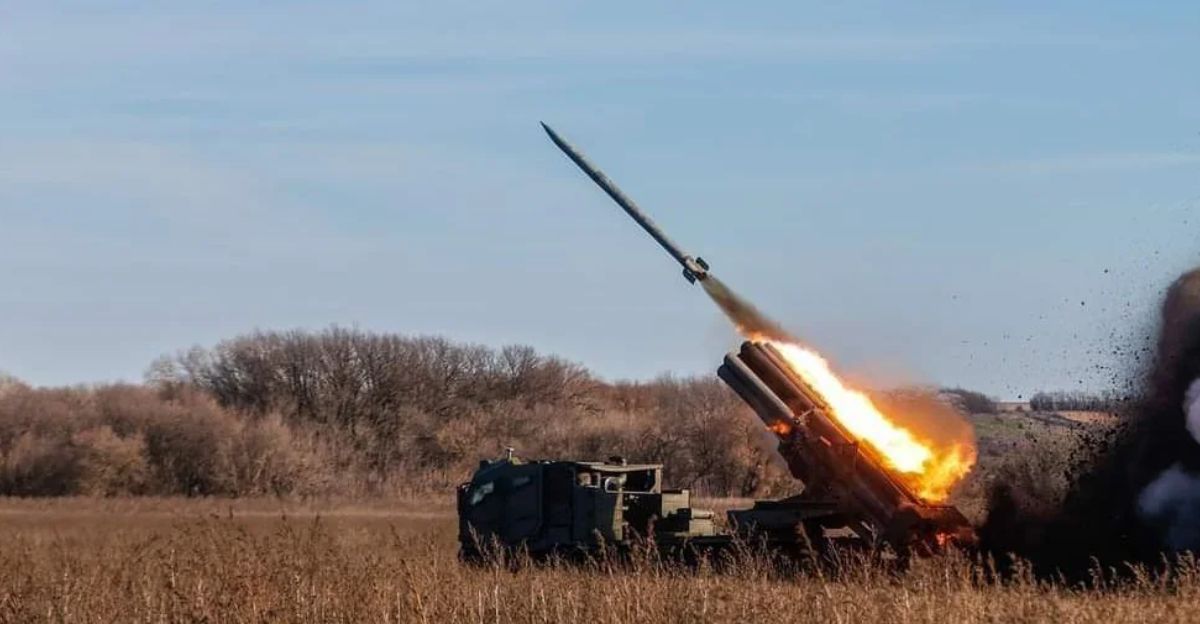
Russian officials reported interceptions across Moscow, Bryansk, Kaluga, and Belgorod oblasts, indicating drones followed multiple approach corridors.
These routes align with known air-defense coverage gaps created by geography, infrastructure density, and radar limitations. Penetration into the Moscow region underscores the difficulty of maintaining airtight coverage over vast territory, especially against small, low-flying unmanned aircraft.
Immediate Damage Assessment
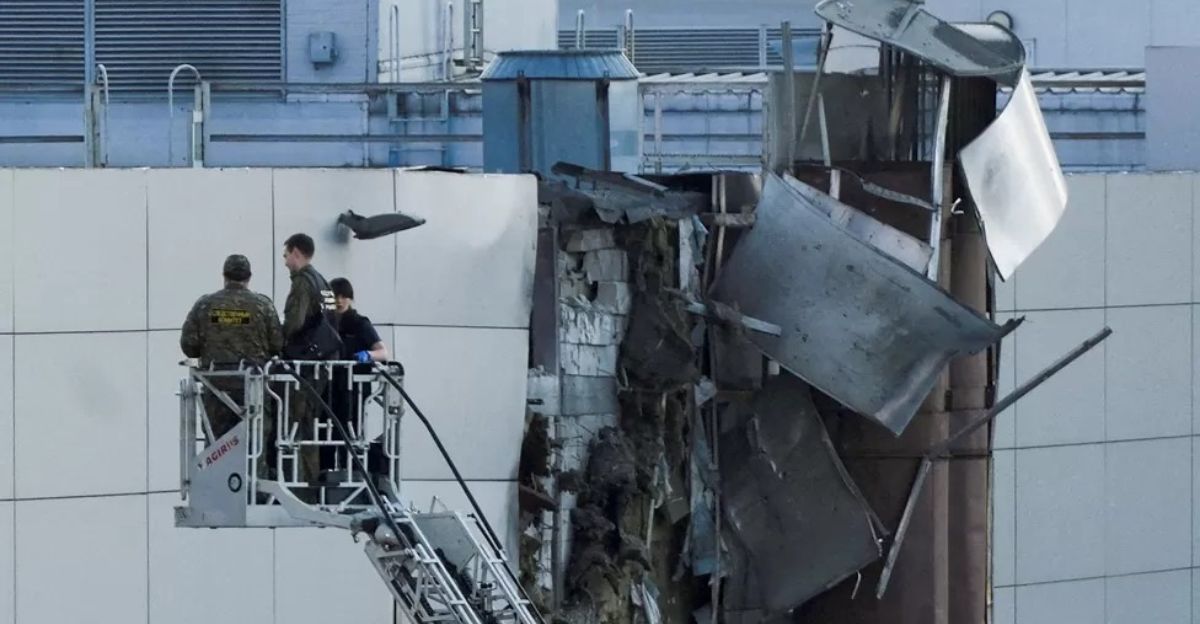
Authorities confirmed approximately $2 million in damage from falling drone debris across several Moscow sites.
Emergency crews responded overnight to clear wreckage and secure impacted areas. While no direct strikes on major landmarks were reported, the cost reflects infrastructure disruption, cleanup operations, and safety measures. The episode shows how even intercepted drones still impose tangible economic and logistical consequences.
Psychological Warfare Impact
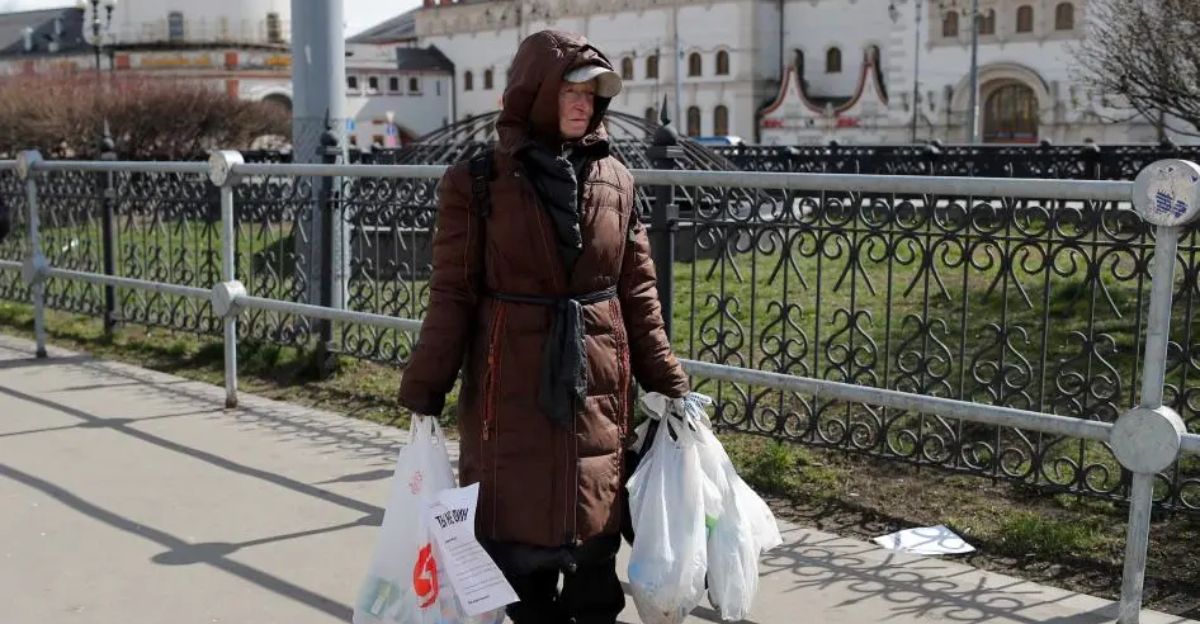
Beyond physical damage, the incident carried significant psychological weight. Air-defense alerts and emergency activity signaled to Moscow’s residents that the war had again reached the capital’s outskirts.
With an estimated 21.5 million people in the metropolitan area, even brief disruptions amplify public unease. The attack reinforced Ukraine’s ability to challenge perceptions of Moscow as a protected rear area.
Strategic Escalation Trends
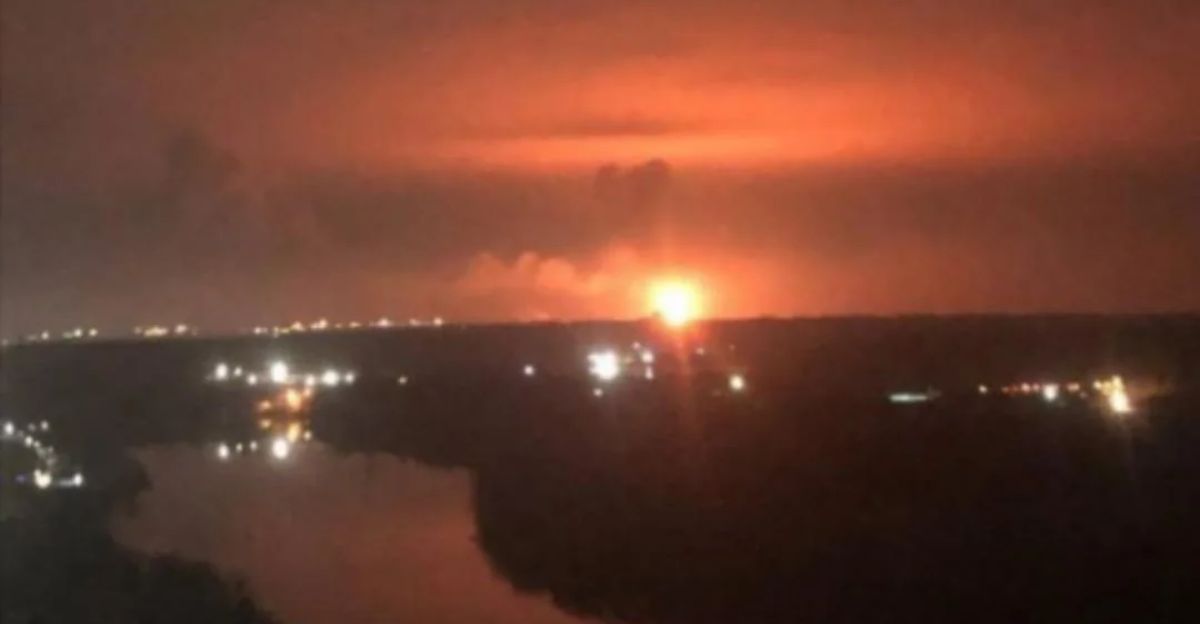
The overnight wave followed earlier same-day strikes on Russia’s Temryuk port, suggesting coordinated multi-target operations rather than isolated attacks.
This sequencing reflects a broader Ukrainian strategy of sustained pressure across different regions and infrastructure types. Rather than maximizing destruction, such operations aim to stretch defenses, complicate response planning, and signal that distance from the front no longer guarantees insulation.
Russian Defense Performance

Russia’s Defense Ministry emphasized that all drones were destroyed before reaching intended targets. However, debris-related damage illustrates an enduring challenge: interception does not equal prevention of harm.
Urban environments magnify secondary effects, and each engagement forces air-defense systems to expend resources. The Moscow incident highlights the growing operational burden placed on Russia’s layered defenses.
Ukrainian Operational Adaptation
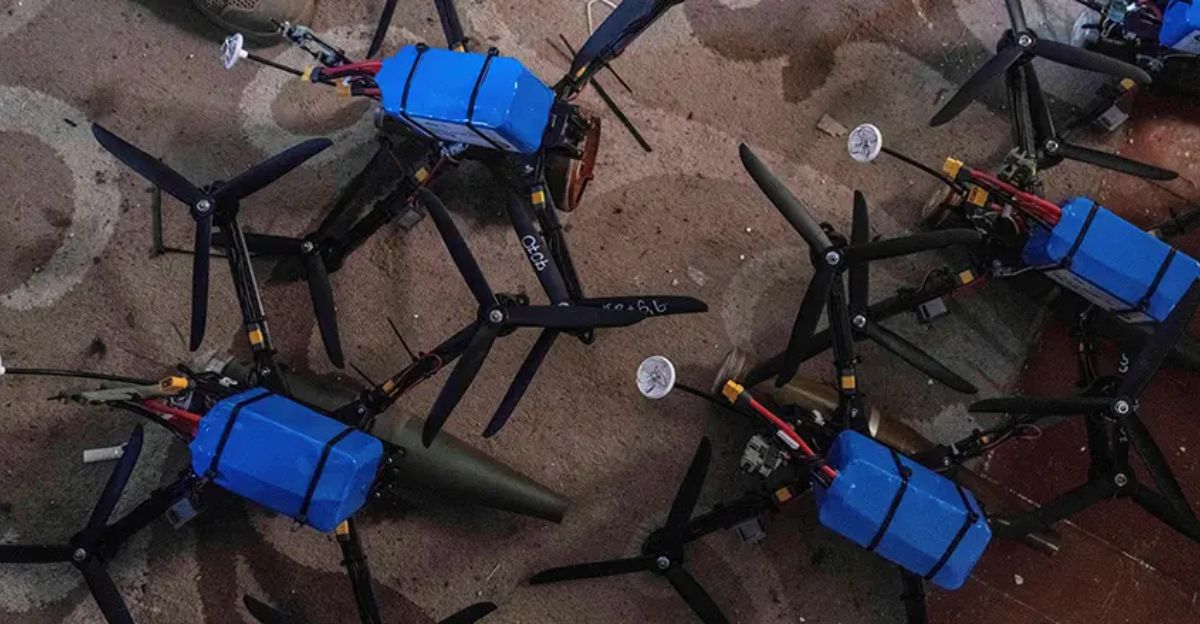
Ukraine’s drone campaign has evolved toward deeper reach and coordinated timing. Launches from Ukrainian-controlled territory roughly 450–500 kilometers away demonstrate improved navigation, endurance, and planning.
While specific technologies remain undisclosed, the Moscow-region strike shows Ukraine’s ability to adapt commercially available components into strategic tools capable of reaching Russia’s political heartland.
Verified Flight Disruptions
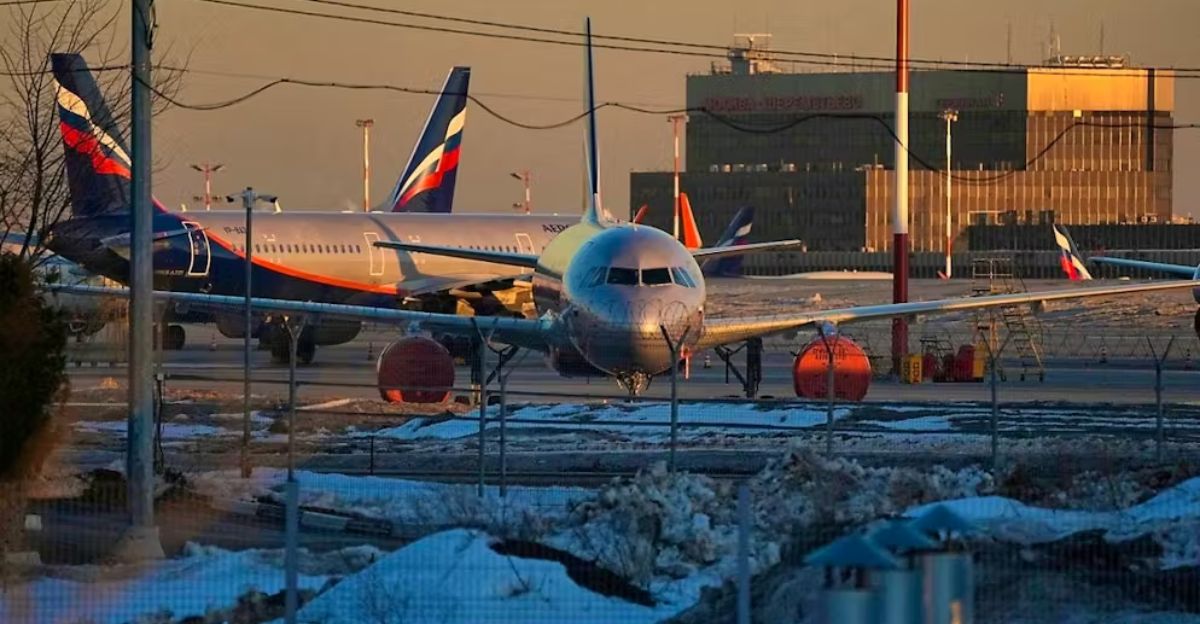
Although no prolonged nationwide shutdown occurred, the drone threat triggered heightened aviation caution. Russian authorities have previously suspended airport operations during similar incidents, and emergency protocols were activated overnight.
Even temporary uncertainty around airspace safety underscores how drone incursions disrupt civilian systems well beyond their immediate impact zones.
Debris and Emergency Responses
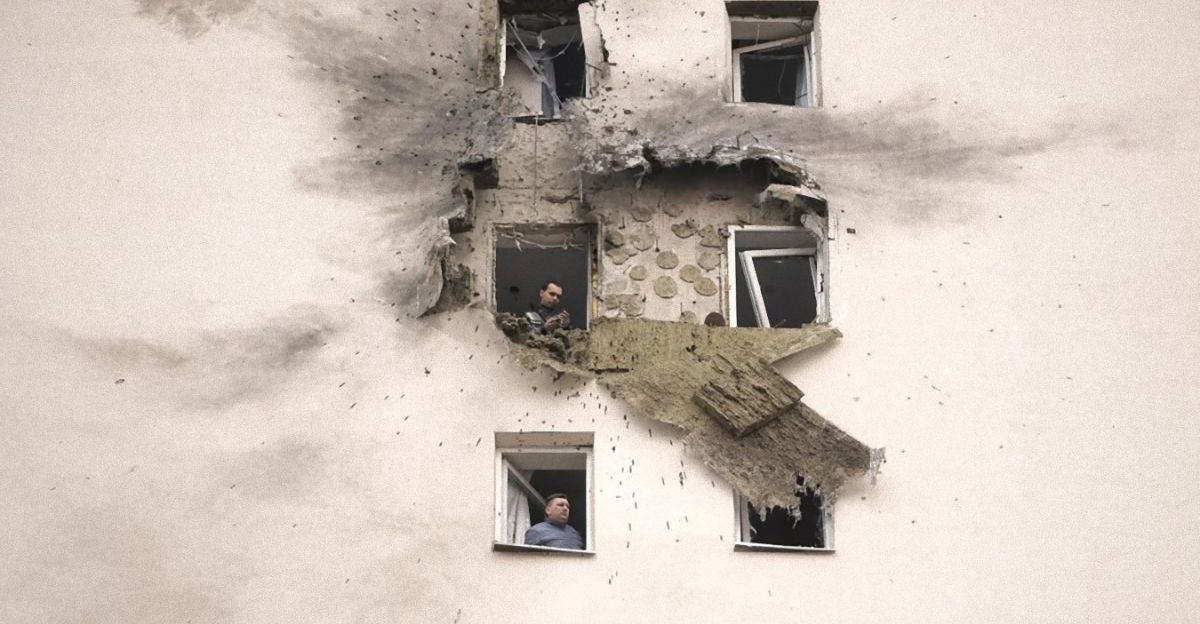
Multiple Moscow locations reported falling debris, prompting rapid deployment of emergency services. Fire crews and municipal workers secured impacted sites and cleared wreckage by morning.
While damage was limited, the need for coordinated overnight responses across several districts highlighted how drone incidents strain urban emergency infrastructure even in the absence of direct hits.
National Drone Tally

Russia’s Defense Ministry confirmed 20 drones destroyed across four regions during the overnight wave. Four of those were intercepted as they approached Moscow.
The official tally places the incident among the largest single-night drone operations affecting the capital region, reinforcing the scale of the challenge facing Russian air-defense coordination.
Comparative Scale
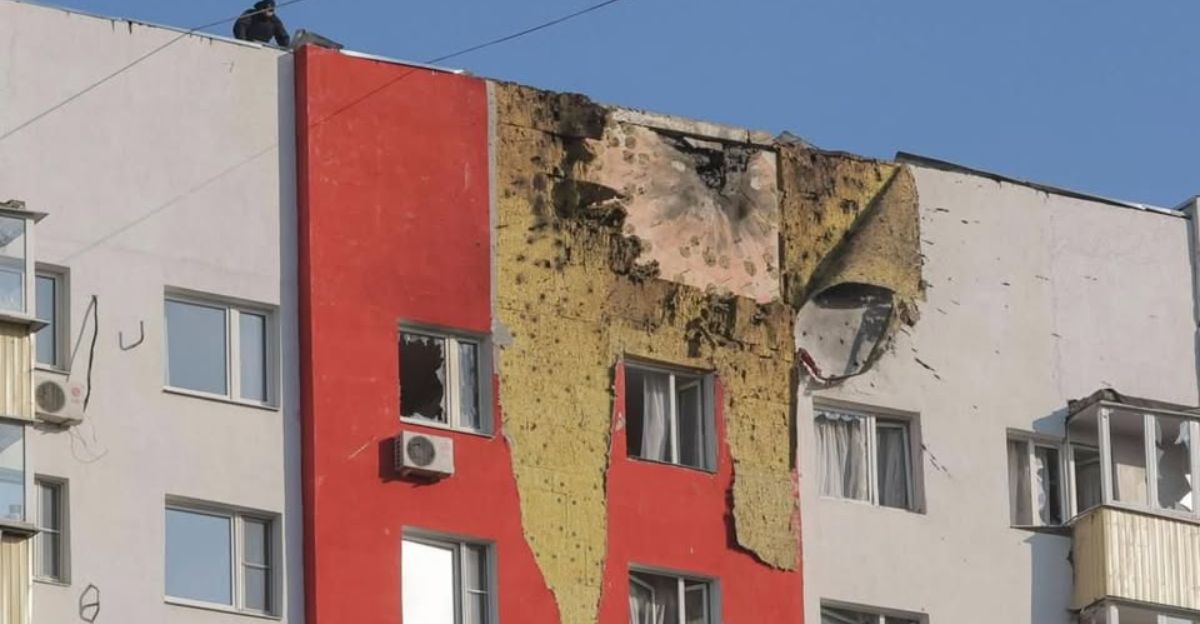
Compared with earlier Moscow-area incidents involving isolated drones, the December operation stood out for its geographic breadth rather than sheer numbers.
By targeting multiple oblasts simultaneously, Ukraine increased the complexity of Russia’s defensive response, illustrating a shift from symbolic strikes toward more operationally demanding, multi-vector pressure campaigns.
Cumulative 2025 Impact
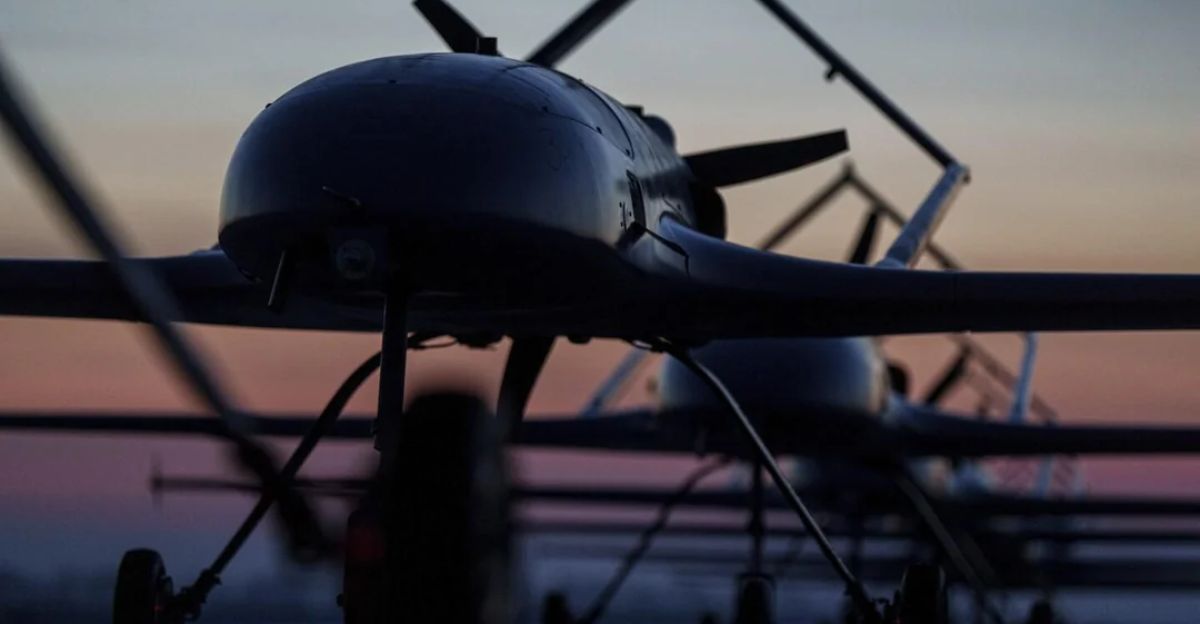
Throughout 2025, repeated long-range drone attacks have imposed cumulative costs on Russia, ranging from infrastructure repairs to heightened security expenditures. While individual incidents cause limited damage, their frequency forces sustained defensive investment and continuous readiness, gradually reshaping Russia’s internal security calculus and stretching available resources.
Asymmetric Cost Dynamics
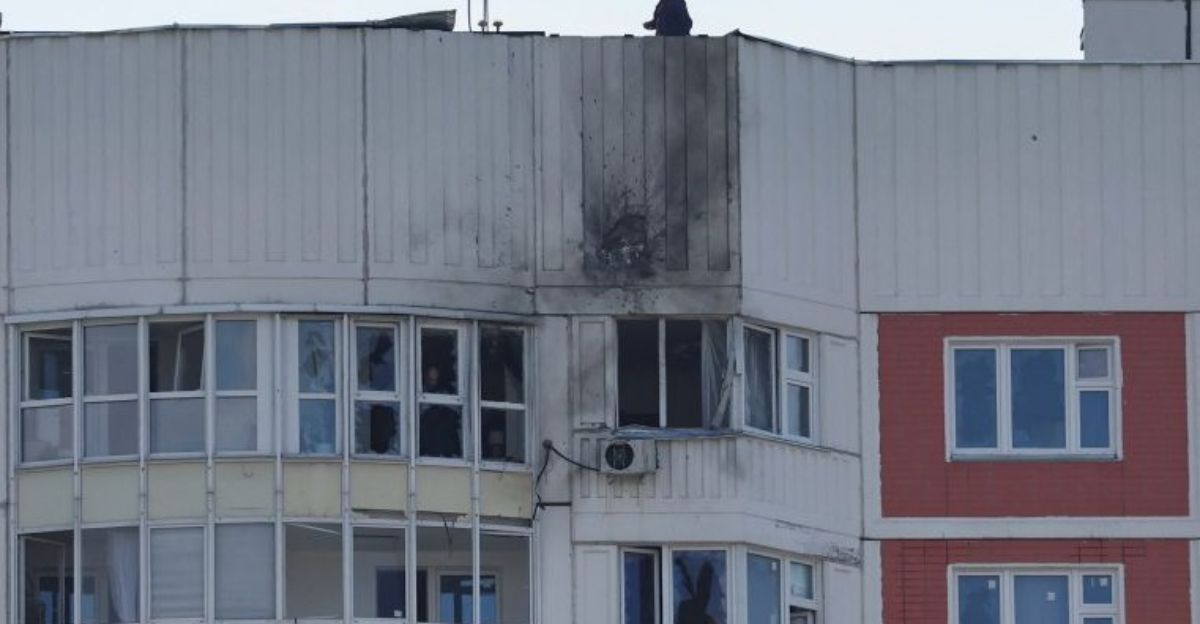
The Moscow-region incident underscored the asymmetric economics of drone warfare. Low-cost unmanned systems compelled Russia to deploy high-value air-defense assets and emergency services.
Even when drones are destroyed, cleanup and disruption costs can exceed the attackers’ investment, making such operations strategically efficient for Ukraine.
Airport and Transport Sensitivity
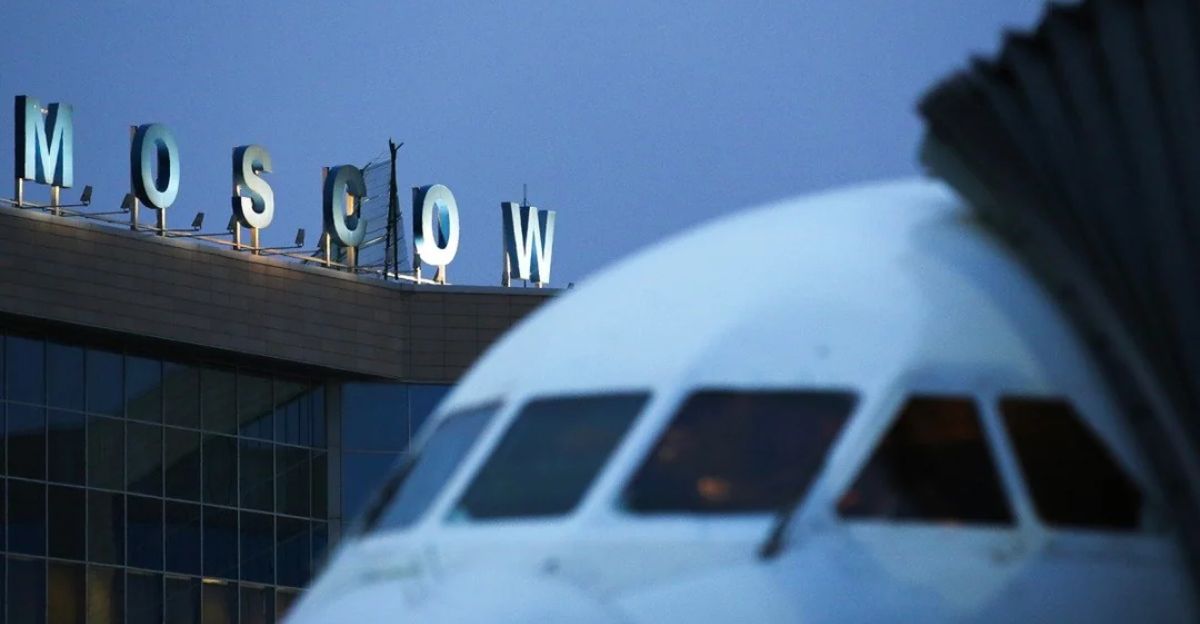
Russia has repeatedly paused or adjusted airport operations during drone threats. While December’s overnight wave did not fully shut Moscow’s aviation network, the mere possibility of airspace closure highlights vulnerability in civilian transportation systems.
Each incident reinforces the fragile balance between security and continuity in major urban hubs.
Casualty Overview
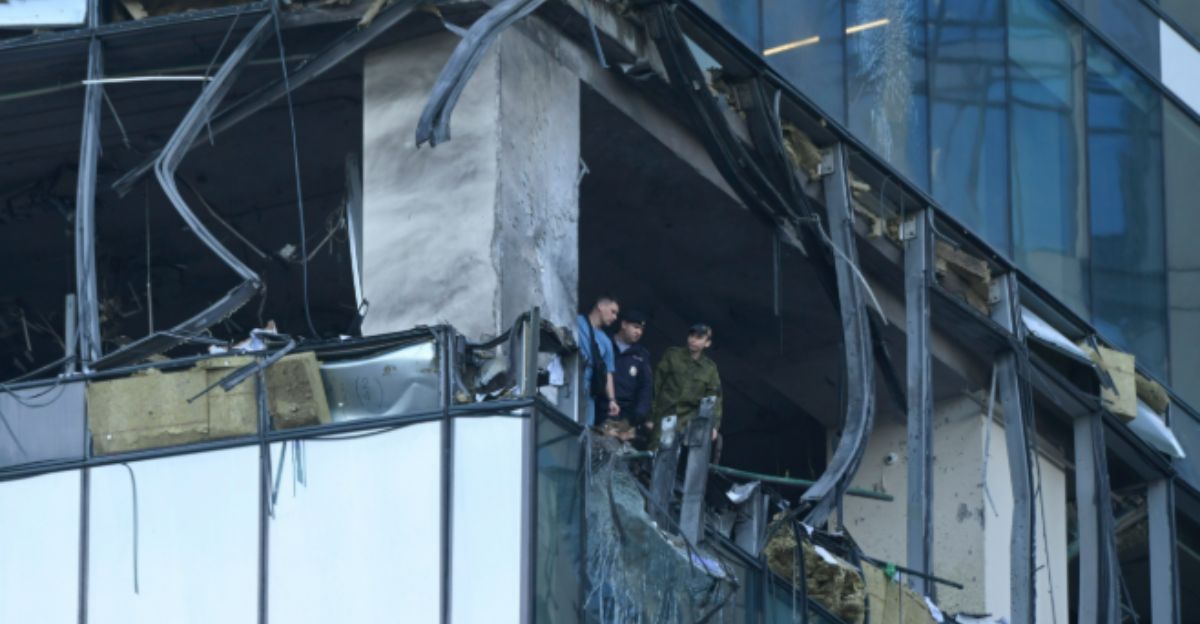
No fatalities or serious injuries were reported from the December Moscow-region incident. However, previous drone interceptions have caused injuries from falling debris elsewhere in Russia, underscoring persistent risks to civilians.
The absence of casualties this time does not diminish the inherent danger posed by repeated urban drone engagements.
Infrastructure Risk Patterns
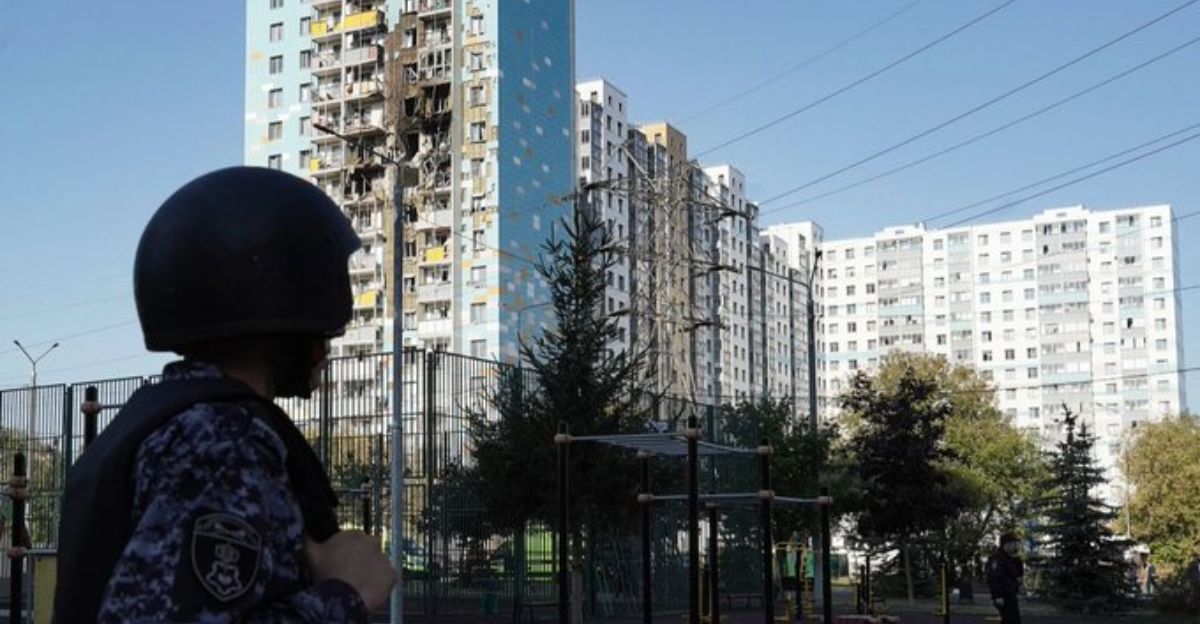
While Moscow sites suffered debris damage, Ukraine’s broader drone campaign has frequently targeted energy, port, and logistics infrastructure.
The overnight timing and regional spread of the attack align with those patterns, suggesting continued focus on assets that strain Russia’s economy and internal stability rather than purely symbolic objectives.
Air Defense Strain Across Regions
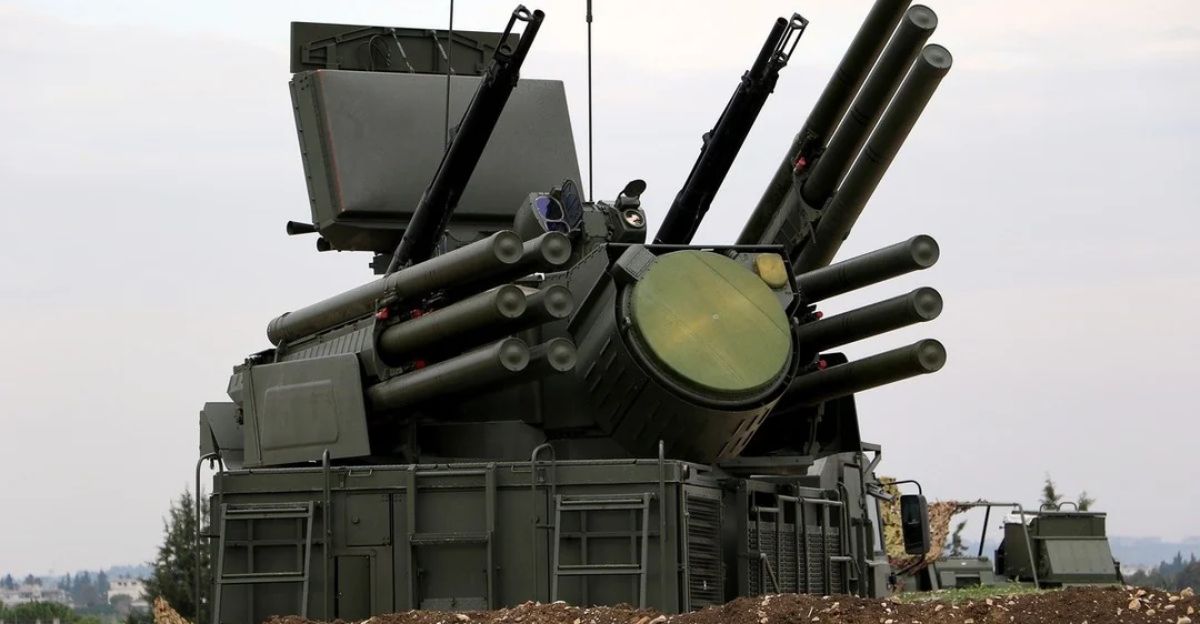
Interceptions reported in Bryansk, Kaluga, and Belgorod demonstrate how defending Moscow requires attention far beyond the capital itself. Multi-region engagements force Russian forces to distribute assets widely, increasing the risk of localized overload and highlighting the challenge of defending an expansive national airspace against persistent drone threats.
Conclusion
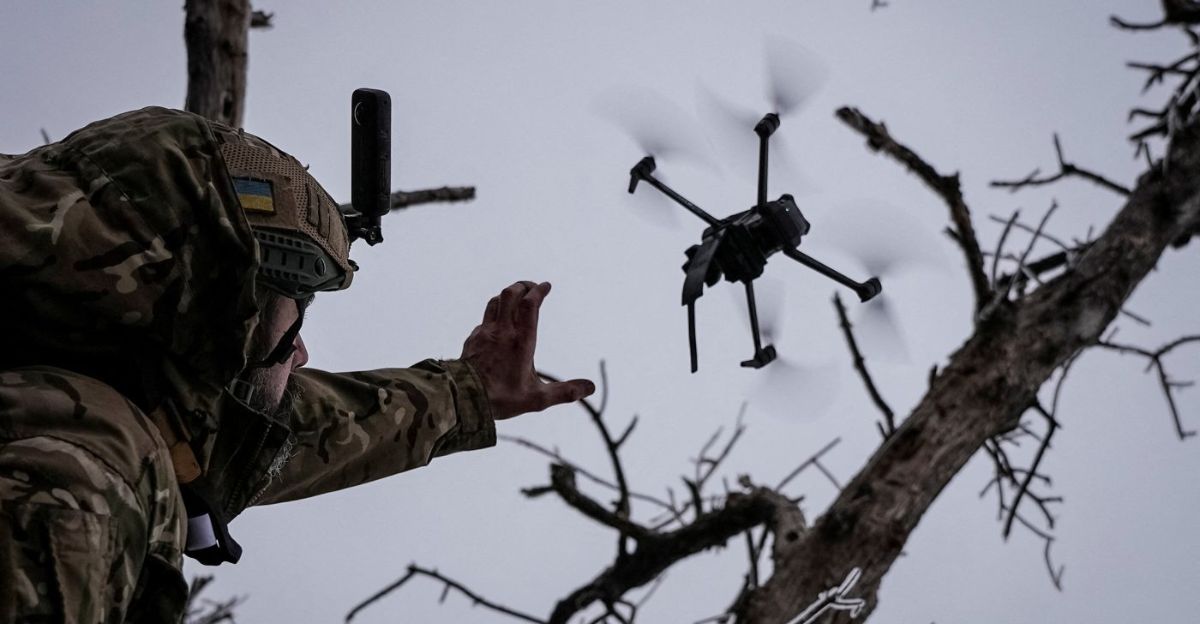
The December 2025 drone wave marked one of the most consequential penetrations of Moscow’s defensive perimeter to date. While Russia intercepted all reported drones, debris damage totaling roughly $2 million and widespread emergency responses revealed enduring vulnerabilities.
The incident confirms that Ukraine’s evolving drone strategy continues to reshape the war’s geography, bringing sustained pressure directly to Russia’s core.
Sources:
Russia unleashes massive drone and missile attack on Ukraine
KPRC (arcpublishing)
Russia says major Ukraine drone attack targeting Moscow
CBS News
Ukraine targets Moscow with mass drone attack, mayor claims, 4
Kyiv Independent
Ukraine targets Moscow as Russia reports shooting down more than 100 drones
ABC News
How Ukraine’s Daring Drone Strike Compares To Middle
Forbes
To attack Russian air bases, Ukrainian spies hid drones in wooden sheds
Reuters