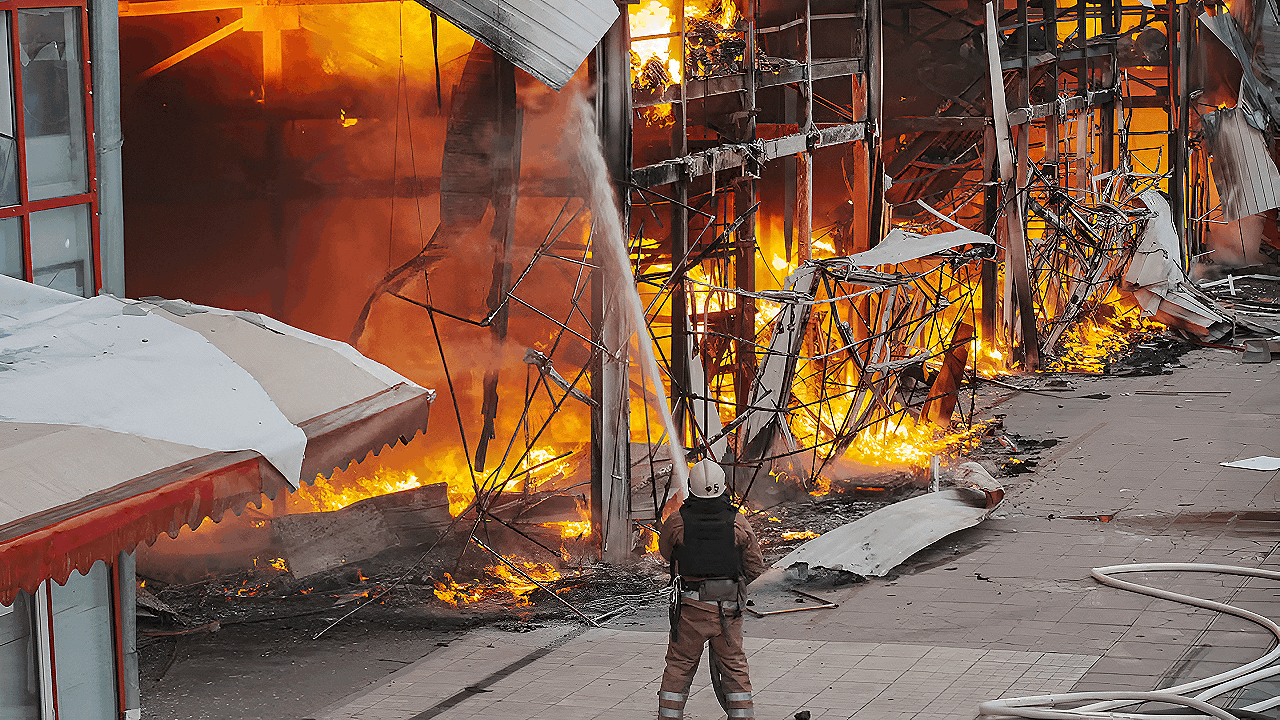
A massive wave of 193 drones attacked Russian territory this week, in what observers are calling the biggest drone strike since the war began. The main targets were Moscow and nearby regions, with other areas hit across western and southern Russia.
Reports from the Russian Ministry of Defense claimed all drones were neutralized, but eyewitness accounts suggest some may have reached their targets. The attack marks a highly visible moment in the ongoing war, demonstrating both Ukraine’s growing capabilities and the vulnerability of Russian defenses.
How Russia’s Air Defenses Reacted
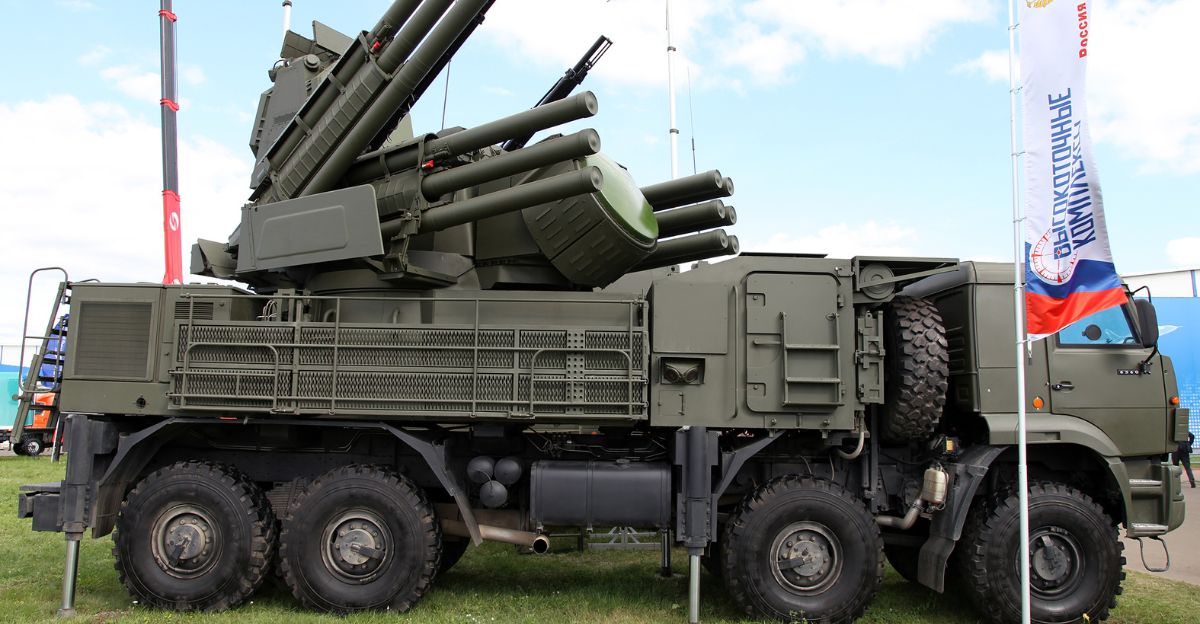
Russian air defenses claimed to intercept every drone headed for Moscow. Radar networks, electronic jamming systems, and anti-aircraft batteries were all put on alert. Videos shared on social media showed flashes of light in the night sky, consistent with surface-to-air missiles engaging targets.
However, independent analysts question the official claim of total success, noting damage to several smaller structures and reports of fires caused by debris. Russia’s Ministry of Defense continues to assert that the capital remains fully protected. Still, experts at the Institute for the Study of War caution that intercept claims are often inflated for political messaging.
Moscow Tightens Security After the Strike
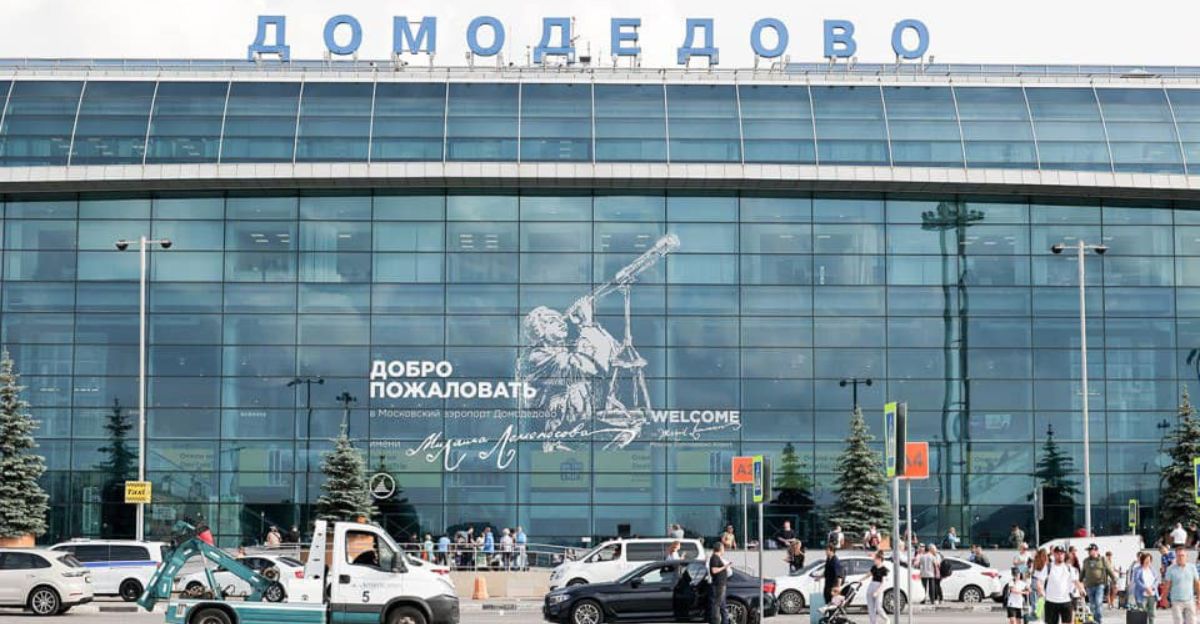
In response to the attack, Moscow authorities activated emergency procedures to protect the city’s airspace. Two major airports, Domodedovo and Zhukovsky, were shut down for about two and a half hours while air traffic controllers worked to reroute flights. Public transportation continued running, but airspace restrictions caused substantial delays and stranded passengers nationwide.
Emergency services were seen across the city center, while police patrols checked rooftops and public buildings for possible drone impact sites. Despite these reassurances, many residents said they felt uneasy to see the war physically reach their city for the first time in months.
Where the Drones Struck
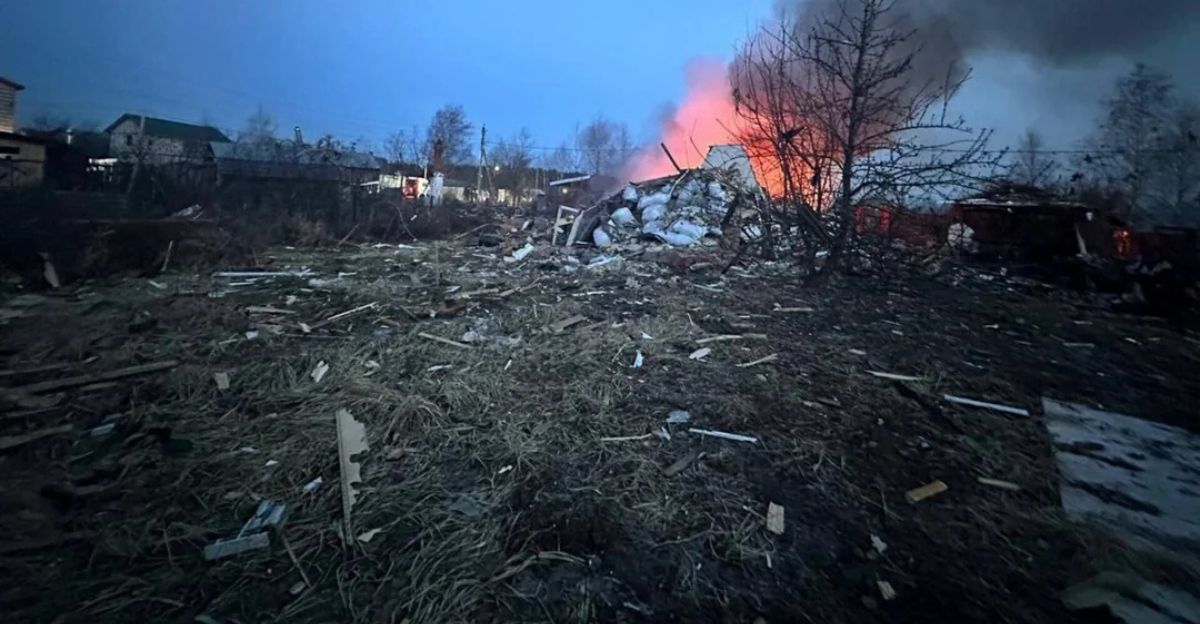
The drone wave spread across multiple Russian regions, with the heaviest concentration around Moscow. According to official data, the Bryansk region faced 47 drones, Kaluga 42, and Tula 32. Additional strikes were reported in Oryol, Kursk, and Lipetsk oblasts.
This pattern matched reports from independent monitoring groups tracking flight paths through satellite imaging. Local authorities confirmed several fires and power outages but downplayed damage to critical infrastructure.
Civilian Losses and Local Damage
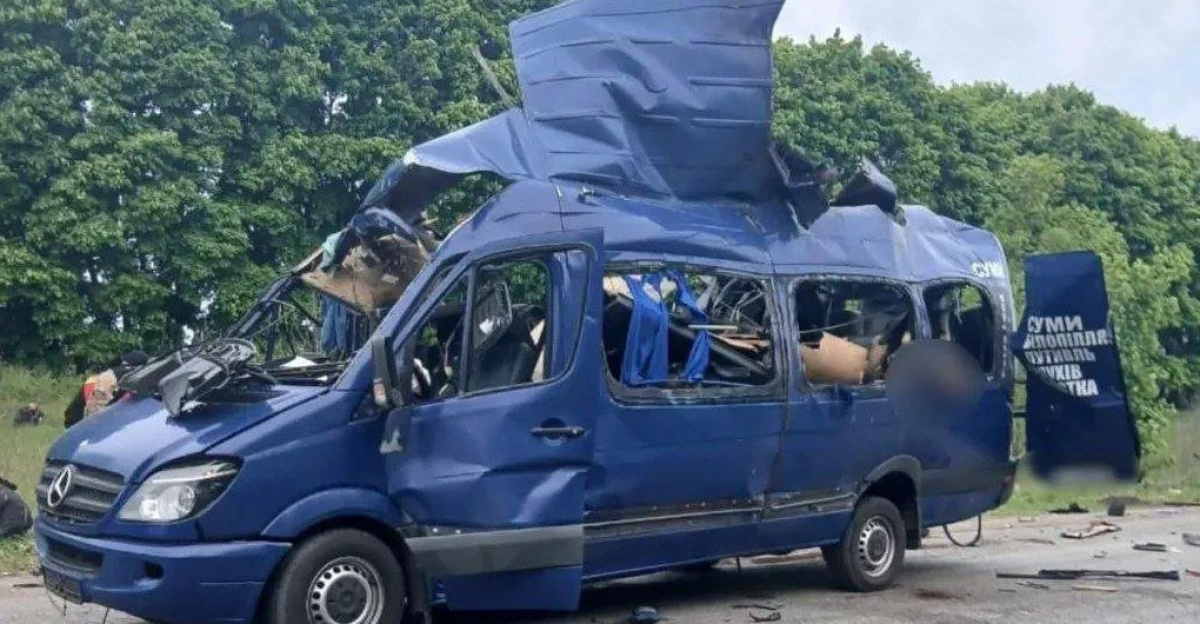
Russia reported minimal civilian losses from the attacks. Most of the drones were intercepted before reaching their targets. However, in the Bryansk region, one drone struck a minibus, killing one person and injuring five others. Emergency crews extinguished small fires and cleared debris across several residential neighborhoods.
No civilian deaths were reported in Moscow. Local media described minor building damage and car fires caused by falling drone fragments. While the physical damage was limited, the psychological toll on civilians grew, as Moscow’s residents realized that even heavily defended areas are no longer completely safe from drone warfare.
Ukraine’s Role and Reasons
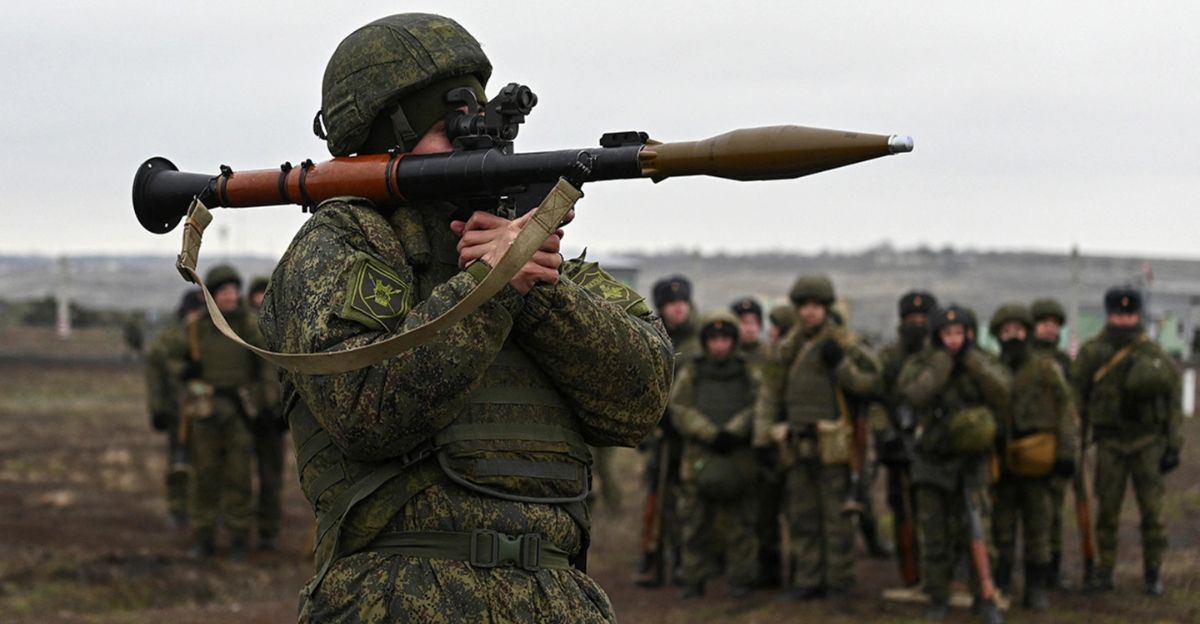
Ukraine has not officially confirmed involvement in this drone offensive. However, past operations suggest the strike fits Ukraine’s broader strategy of targeting Russian military and industrial facilities deep inside the country.
Ukrainian officials have previously justified such attacks as retaliation for Russian missile strikes on cities like Kyiv and Kharkiv. Western analysts believe Ukraine’s message is clear that no part of Russia should feel immune from the consequences of its aggression. Kyiv’s silence on this occasion may be part of a broader operational policy to avoid public claims while signaling an evolution in military capability.
How Daily Life in Moscow Changed
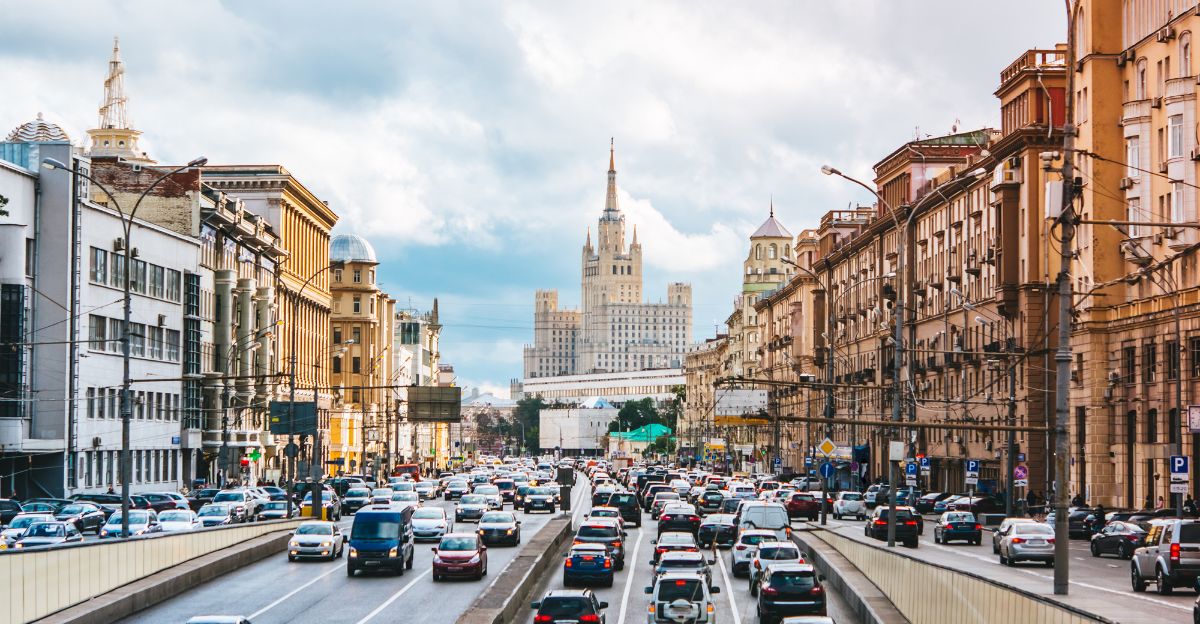
The overnight drone attacks created confusion and tension across Moscow. Residents reported hearing explosions in several districts, followed by emergency sirens and police activity. Videos shared online showed flashes in the sky and emergency vehicles rushing through main roads.
Public transport continued, but airports, train stations, and some schools reported temporary closures. Though Moscow quickly returned to normal operations, many residents described a shift in atmosphere. An uneasy awareness that the capital could no longer claim complete safety from the ongoing conflict.
Industrial and Military Sites Hit
Reports suggest drones targeted several of Russia’s oil refineries, radar stations, and supply warehouses. Footage from Kaluga and Bryansk showed large plumes of smoke near industrial sites. Analysts believe these may have been oil or fuel storage facilities supporting Russian military logistics.
The Ministry of Defense has acknowledged temporary disruptions but insists operations were quickly restored. Satellite imagery confirmed burn marks and temporary shutdowns at two facilities. However, censorship laws restrict detailed local reporting on strategic damages.
Russia’s Official Story
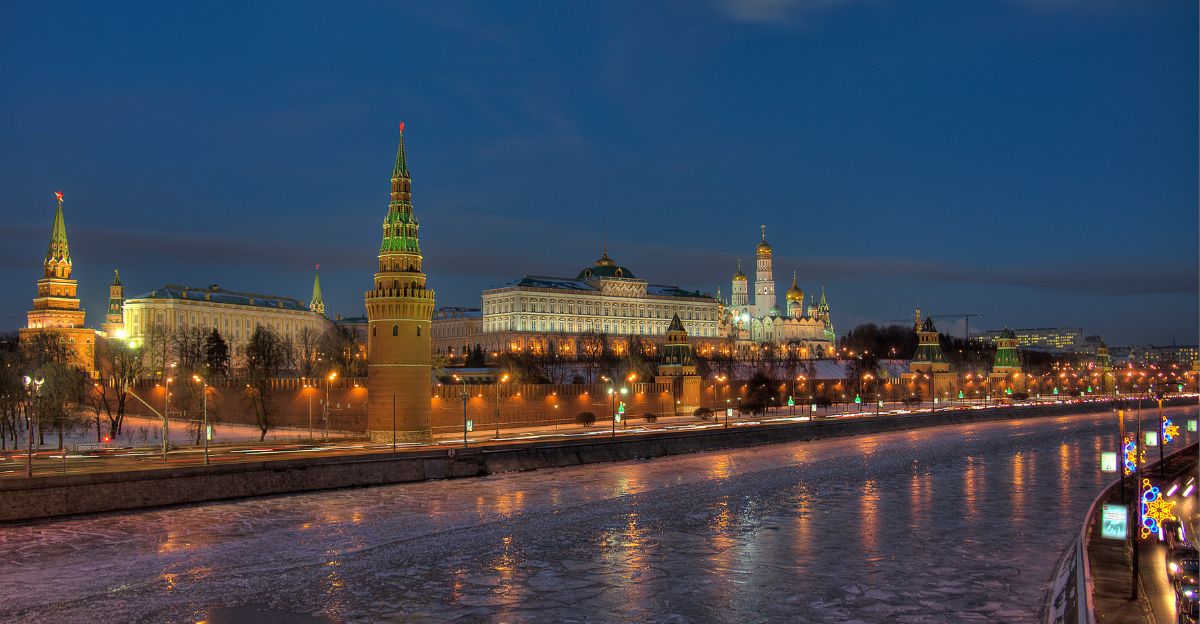
The Kremlin swiftly released statements emphasizing calm and control. Officials claimed all drones were destroyed, framing the incident as proof of the country’s strong defense systems. State media repeated the Defense Ministry’s line that there were no serious damages and life in Moscow continues as normal.
However, local videos and eyewitness accounts indicate that minor fires and debris have occurred in several districts. Analysts from the Atlantic Council argue that Russia’s narrative management aims to preserve an image of invulnerability. The effort to control the story underscores how information has become a key component of the conflict battlefield.
Russia Strengthens Its Defenses
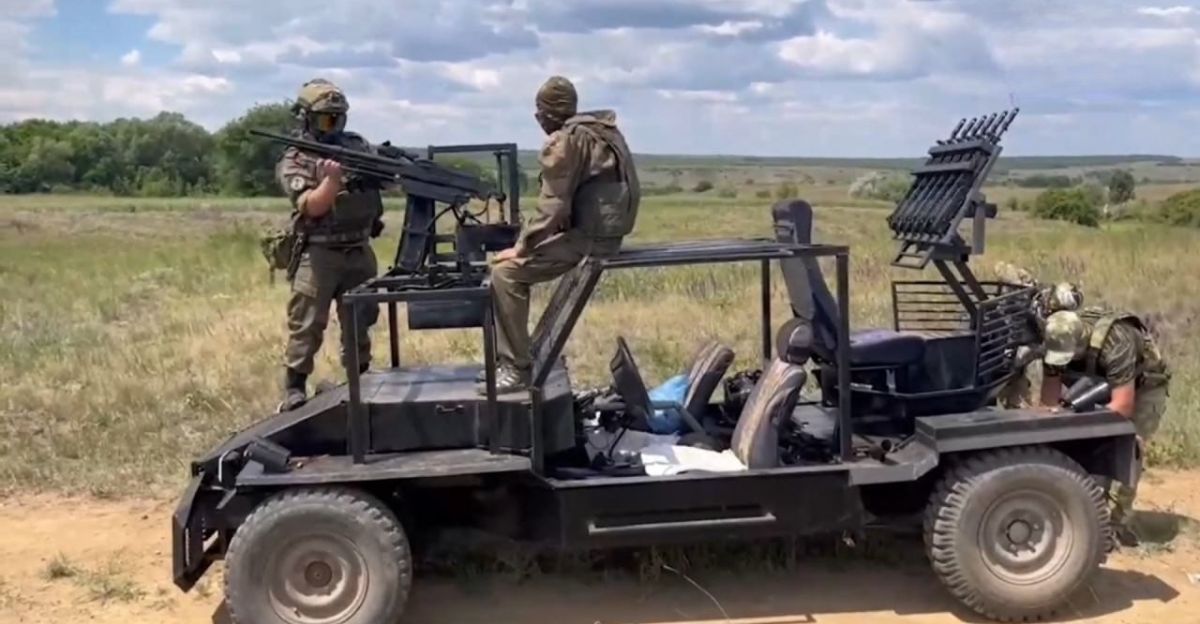
Following the attacks, Russia began significantly reinforcing its capital’s defenses. Anti-drone systems were redeployed across Moscow, while new radar units and interceptor platforms were moved closer to city limits. Mobile units equipped with radio-frequency jammers were stationed at strategic points to block drone communication links.
In several districts, residents reported seeing more military activity on rooftops and communication towers. The government announced additional budget allocations for homeland defense and pledged to improve response coordination.
What This Means Strategically
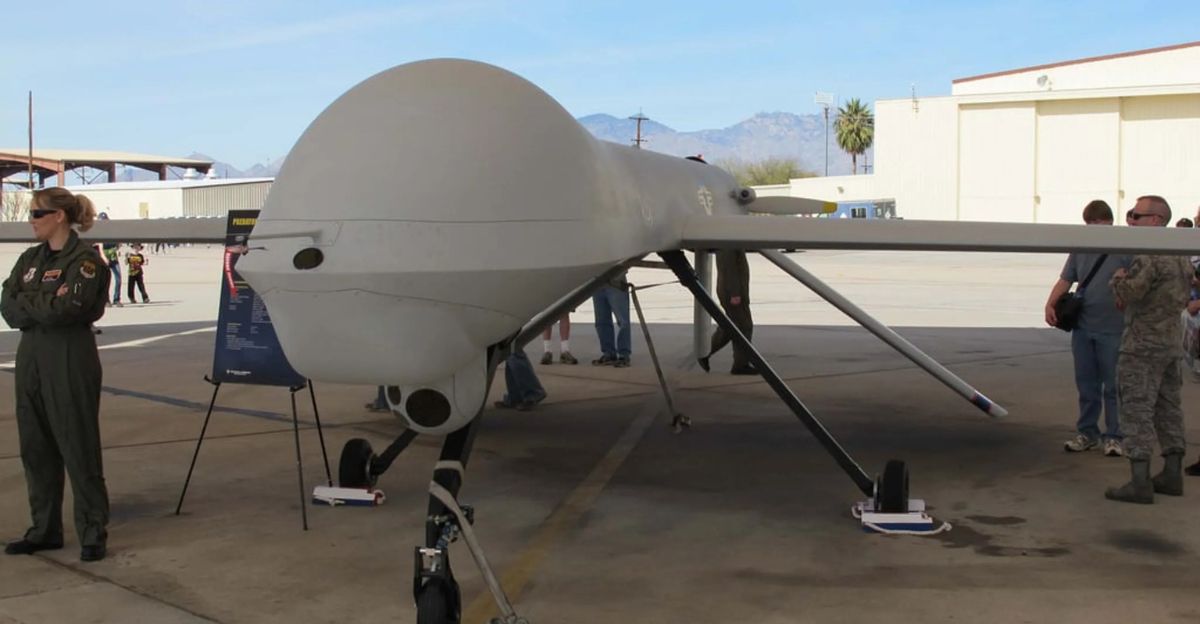
The massive drone strike marks a turning point in modern warfare. Analysts suggest it shows how drones can challenge large nations even without traditional air superiority. For Ukraine, this represents a powerful symbolic and tactical success, proving it can strike deep into Russian territory.
For Russia, it exposes gaps in its early-warning systems and raises uncomfortable questions about security near the capital. Strategically, the strike may force Russia to divert more resources to home-front defense, weakening its offensive capacity elsewhere.
How Moscow’s Economy Was Affected
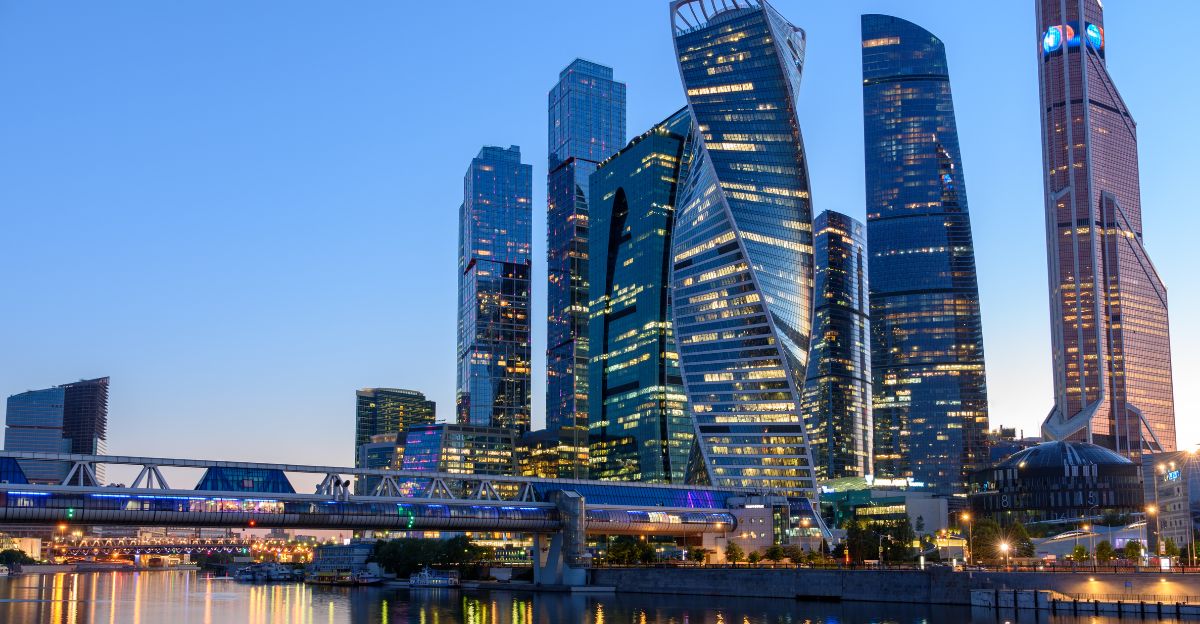
Though short-lived, the drone strike disrupted key parts of Moscow’s economy. Airport closures stranded thousands of travelers and delayed more than 100 flights. Logistics companies reported rerouted cargo operations, complicating Moscow’s supply chains. Businesses near affected zones temporarily suspended work until the all-clear was given.
The Russian ruble saw minor fluctuations as international traders reacted to news of the attacks. For everyday Moscow residents, life resumed quickly, but the lingering uncertainty about future attacks continues to weigh on consumer confidence.
Control Over Information and Media

Both Russia and Ukraine have remained cautious in releasing information about the strikes. Russian state media offered brief updates without showing extensive footage or acknowledging infrastructure damage, while Kyiv continued its policy of strategic silence.
International outlets, reliant on satellite evidence and local sources, filled the information gaps. Controlling narratives has become as important as battlefield gains. The Kremlin seeks to reassure its citizens and project control, while Ukraine benefits from ambiguity and the psychological pressure of unpredictability.
Global Reactions

NATO leaders said the incident demonstrated how drone warfare is reshaping conventional defense strategies. UN officials avoided direct blame but reiterated calls for diplomatic engagement. In Europe, the strike triggered debates over providing additional defensive support to Ukraine.
The episode pushed the war back into the global spotlight and raised new questions about how far drone warfare will evolve in the coming year.
What Comes Next
Drone warfare is now central to both military strategy and national defense. Russia has responded by tightening air defense and increasing its investment in counter-drone technologies. Ukraine appears determined to sustain pressure through precision strikes that stretch Russia’s defenses to the limit.
International analysts predict that the coming months may bring continued drone activity on both sides, signaling an extended air and cyber battlefront. As the conflict evolves, cities far from the front lines may face more direct consequences.