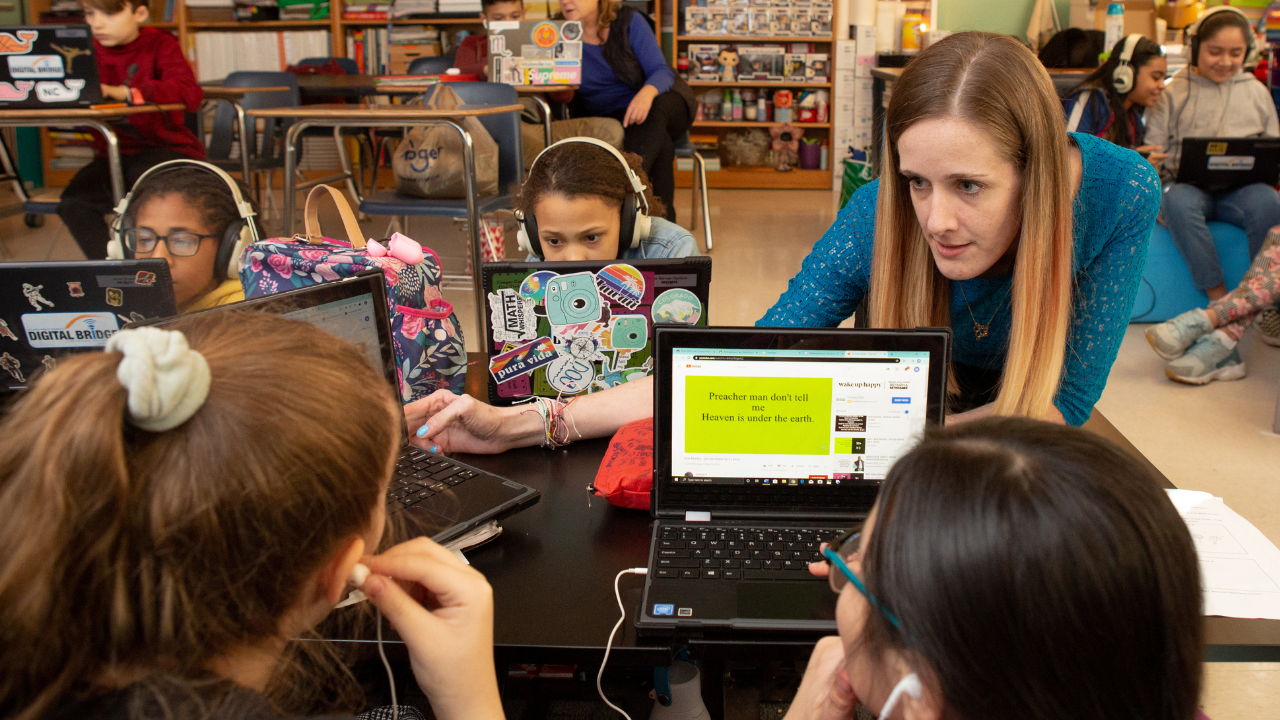
In Michigan, public schools are quietly undergoing a major shift. While overall enrollment declines, the number of English language learners (ELLs) is rising at a historic pace, prompting districts to rethink instruction, staffing, and community support.
In five districts, ELLs now make up at least half the student body—a change that is both a challenge and an opportunity for educators and families alike. As Michigan grapples with this transformation, schools are balancing rising student needs with limited resources.
Here’s what’s happening across the state.
Concentrated Growth in Key Districts
This school year, Michigan’s ELL population reached a record 104,213 students, representing 7.3% of the state’s 1.4 million K-12 students. While still below the national average, the surge is striking: enrollment has grown roughly 50% over recent years even as overall student numbers declined.
The growth is concentrated in a few districts. In Hamtramck, 85% of students are English learners, the state’s highest. Cesar Chavez Academy, Star International Academy, Melvindale-Northern Allen Park, and Godfrey-Lee each report ELL populations around 50%, serving thousands of students navigating English language development.
Dearborn Public Schools, Michigan’s largest district for ELLs, enrolls 8,587 English learners—about 45% of its roughly 19,300 students. Classrooms reflect remarkable diversity, but educators face complex challenges adapting instruction to ensure every student succeeds. Schools are exploring new approaches to support language acquisition while maintaining academic rigor for all learners.
Teachers and Schools Under Pressure
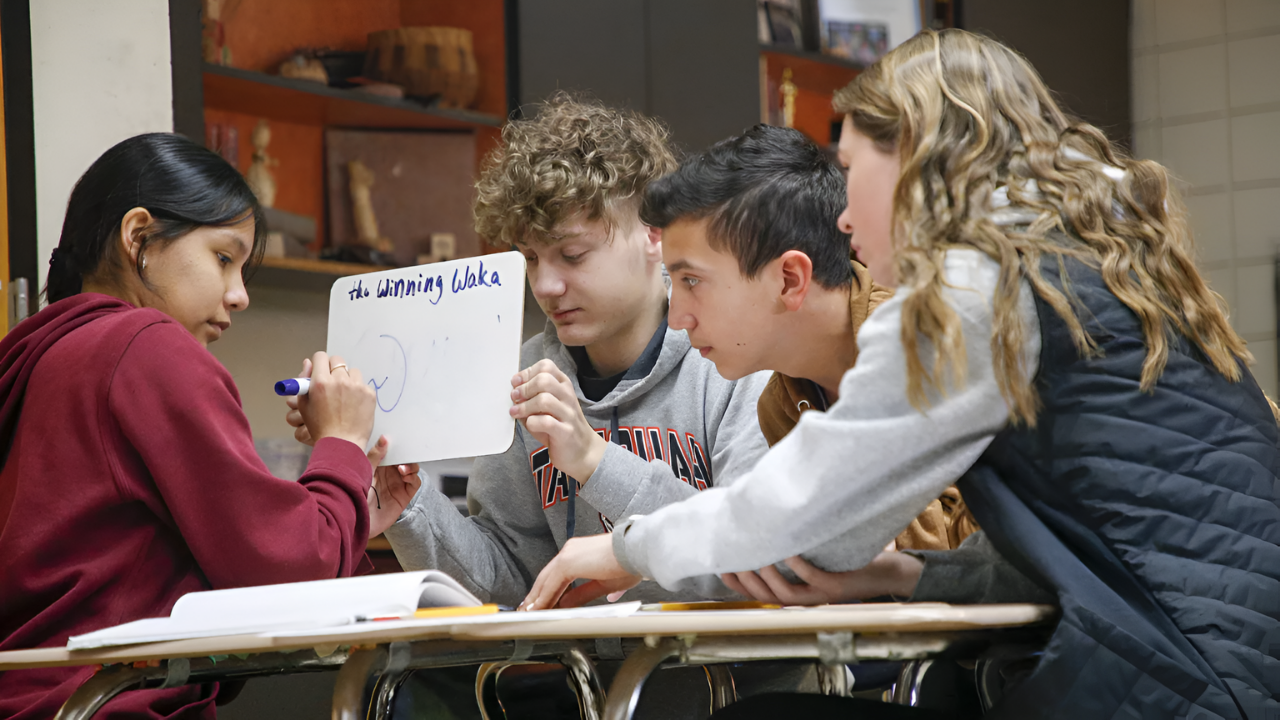
The rapid increase in ELLs is straining Michigan’s teaching workforce. State law requires bilingual-certified teachers for ELL instruction, but staffing has not kept pace with rising demand. Federal changes have intensified these pressures: in March 2025, nearly all staff at the Office of English Language Acquisition (OELA) were laid off, leaving minimal federal oversight for ELL programs. By August 2025, the Trump administration rescinded the 2015 Dear Colleague letter, which had provided compliance guidance to districts serving English learners.
These shifts have created uncertainty for districts relying on federal support to train teachers and run after-school programs. Districts across Michigan are adjusting approaches to maintain high-quality instruction for students whose English skills are still developing.
Families and Communities at the Center
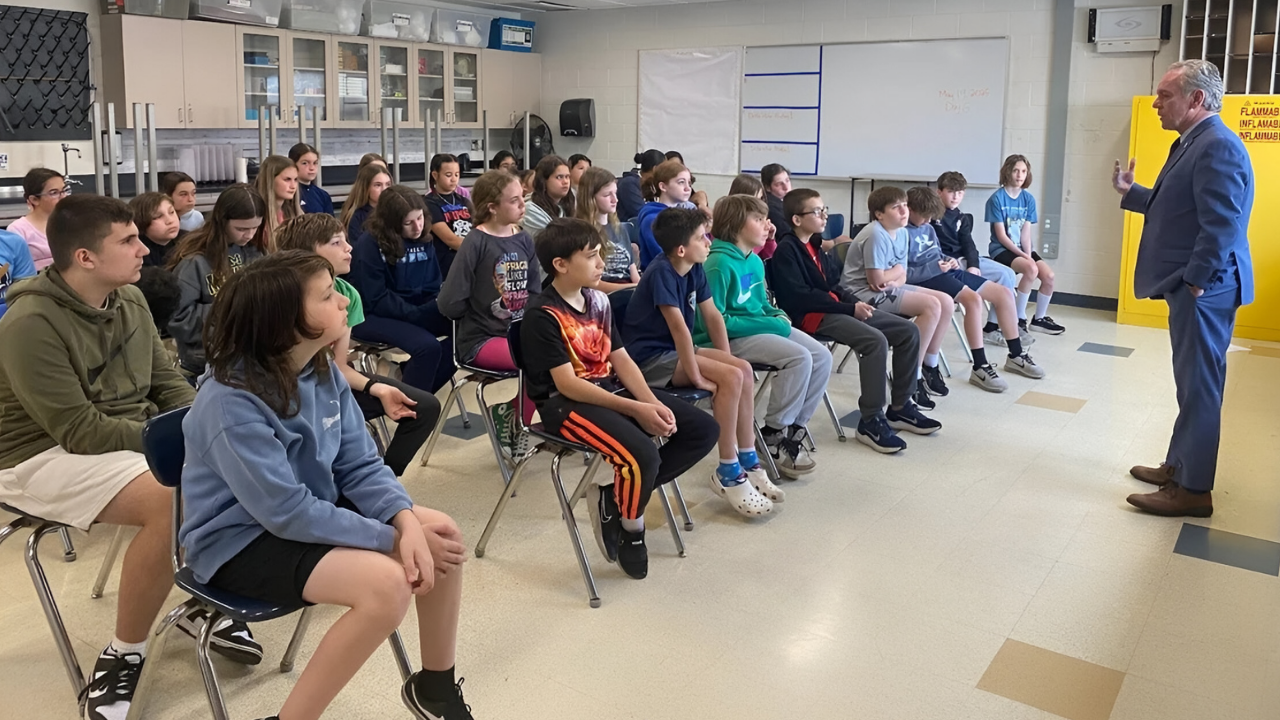
Michigan’s changing demographics are driving the ELL surge. Thirteen percent of Michigan children come from immigrant families, and more than one in ten business owners in the state are immigrants. Immigrant-owned businesses generate $1.3 billion in revenue, with Main Street businesses contributing $336 million. For many families, schools are critical links to their new communities, providing not just education but also a sense of belonging.
Educators report that families frequently express appreciation for welcoming school environments while voicing concerns about the adequacy of support for English language development, particularly amid the uncertainty surrounding program funding. Schools are seeking ways to engage families, integrate cultural perspectives, and help students thrive both academically and socially.
Federal Policy Shifts and State Response
Federal policy changes have added uncertainty. On March 1, 2025, President Trump signed an executive order declaring English the official U.S. language. The proposed 2026 federal budget would eliminate Title III funding—the only federal grant dedicated to English learners—currently $890 million nationwide. For Michigan, this could mean reductions in teacher staffing, after-school tutoring, and family outreach.
In response, Michigan lawmakers boosted state funding for bilingual education by 25% in the 2026 budget, part of a $24.1 billion education package. Schools must now provide at least 150 minutes per week of instruction from bilingual-certified teachers for students with lower English proficiency, plus another 150 minutes integrated into general classrooms. Districts have four years to meet these staffing requirements or risk losing state funding.
Comparing Michigan Nationally
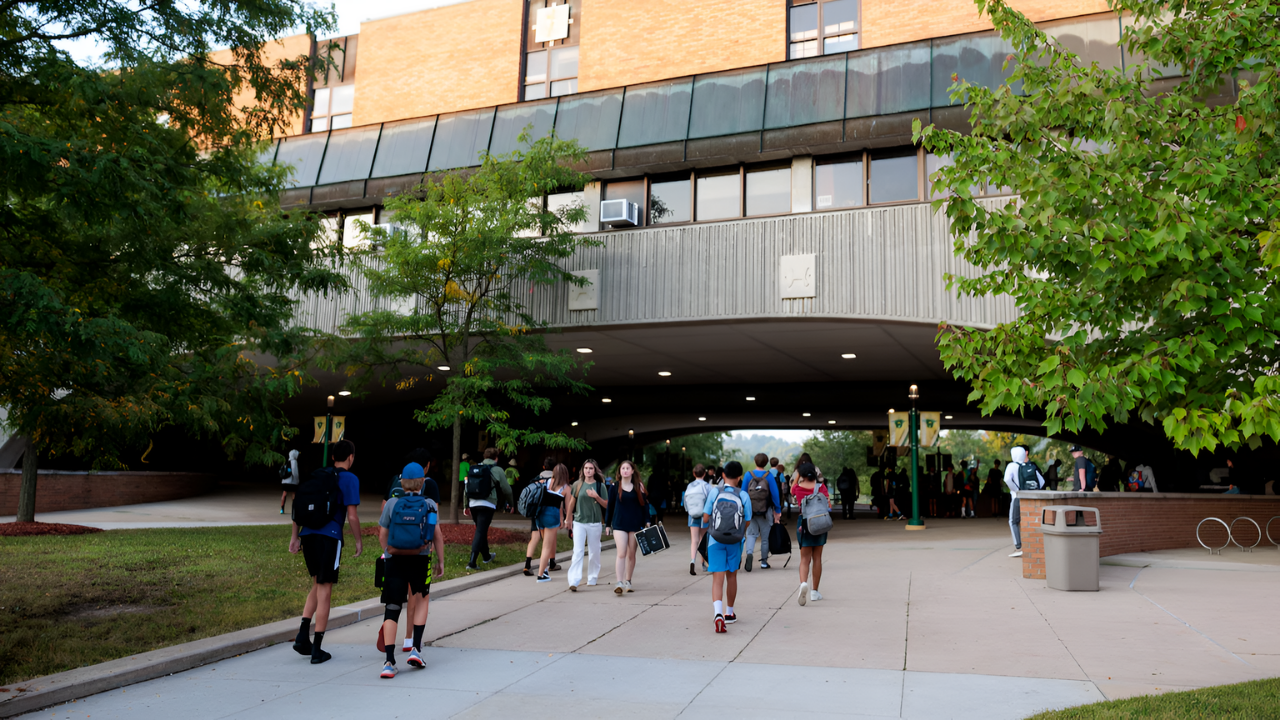
Michigan’s approach to ELL funding lags behind some states. The state ranks 26th out of 31 for ELL funding, offering 35–75% additional resources depending on proficiency level. By comparison, Georgia provides about 160% more funding for English learners. Despite funding gaps, Michigan’s ELL population is growing faster than most states, even as overall student numbers decline.
Progress is measured through the WIDA ACCESS test, assessing listening, speaking, reading, and writing. More than 76,000 Michigan students participated in the most recent round. Aggregate performance data for this assessment is not uniformly published, but state results show ongoing challenges: English learners in Michigan have a four-year graduation rate of 75.1%, below the statewide average of 82.8%, and consistently face obstacles in meeting third-grade literacy benchmarks.
Looking Forward: Stakes and Uncertainties
Michigan’s investment in ELL programs—including record per-pupil funding of $10,050 and new grants for teacher certification—signals a strong commitment to equity. Dual-language immersion programs, like those in Ypsilanti, are expanding, blending Spanish and English instruction to support both language development and cultural inclusion.
Still, the future is uncertain. With federal support in question and student needs rising, Michigan schools must closely monitor progress and adapt quickly. The stakes are high: the success of English learners will shape classrooms, the state’s workforce, and communities for years to come, highlighting the critical role schools play in both education and society.