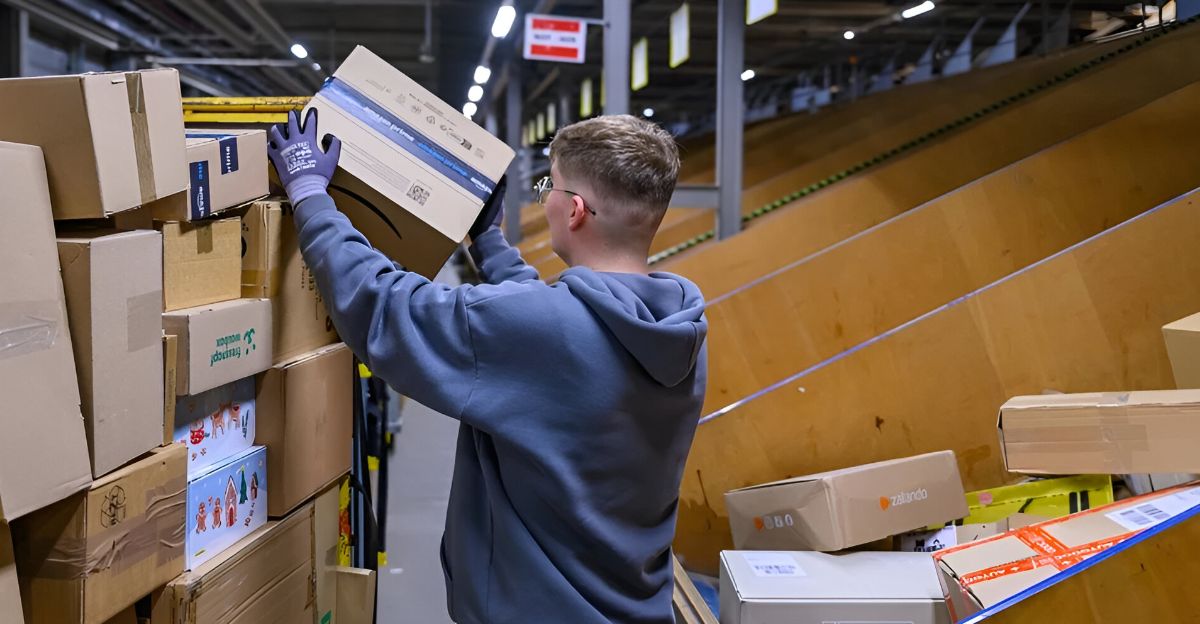
Postal services worldwide have stopped sending almost all packages to the United States, marking the largest coordinated suspension of international mail flow in decades.
The Universal Postal Union (UPU), the United Nations agency that governs global mail delivery among its 192 member countries, confirmed that 88 postal operators have either entirely halted or significantly restricted shipping to America.
This mass action, which began on August 29, led to an 81% plunge in international postal volumes to the U.S. Millions of parcels are stuck, with no clear end in sight. What began as a U.S. government trade decision has now spiraled into a worldwide logistics breakdown, stranding goods everywhere from local workshops in Portugal to high-volume sellers in Korea.
End of a Foundational Rule
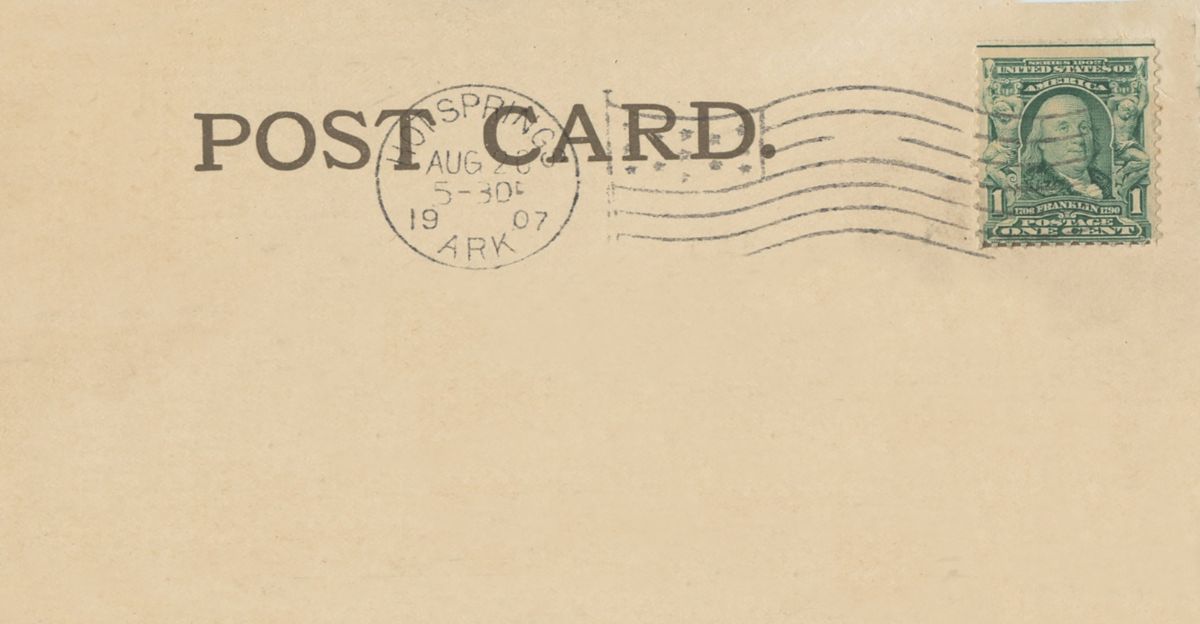
The leading cause of this crisis was the abrupt end of America’s “de minimis” exemption, which, for 87 years, allowed packages valued at $800 or less to enter the U.S. without import duties or complicated paperwork. This exemption began during the Great Depression in 1938 and gradually expanded to handle the growth of cross-border commerce and e-commerce.
However, President Trump’s executive order on July 30, 2025, abruptly ended the policy effective August 29.
The removal means all packages, regardless of value, must now pass complete customs checks and pay fees, creating new bureaucracy and costs for every international shipment entering the U.S.
Advance Warnings Across Borders

The disruptions did not come out of nowhere; many countries suspended US-bound parcels days before the exemption officially ended. South Korea was among the first to halt shipments on August 20, quickly followed by countries like Thailand, Germany (via DHL), and India.
By August 26, major postal operators like Japan Post and Australia Post had joined, most citing “operational challenges” and “regulatory uncertainty” created by the new American rules.
The UPU responded by activating its emergency communications system, receiving hundreds of notices as the shutdown spread worldwide and mapping the mounting disruptions in real time.
A Staggering Collapse in Volume
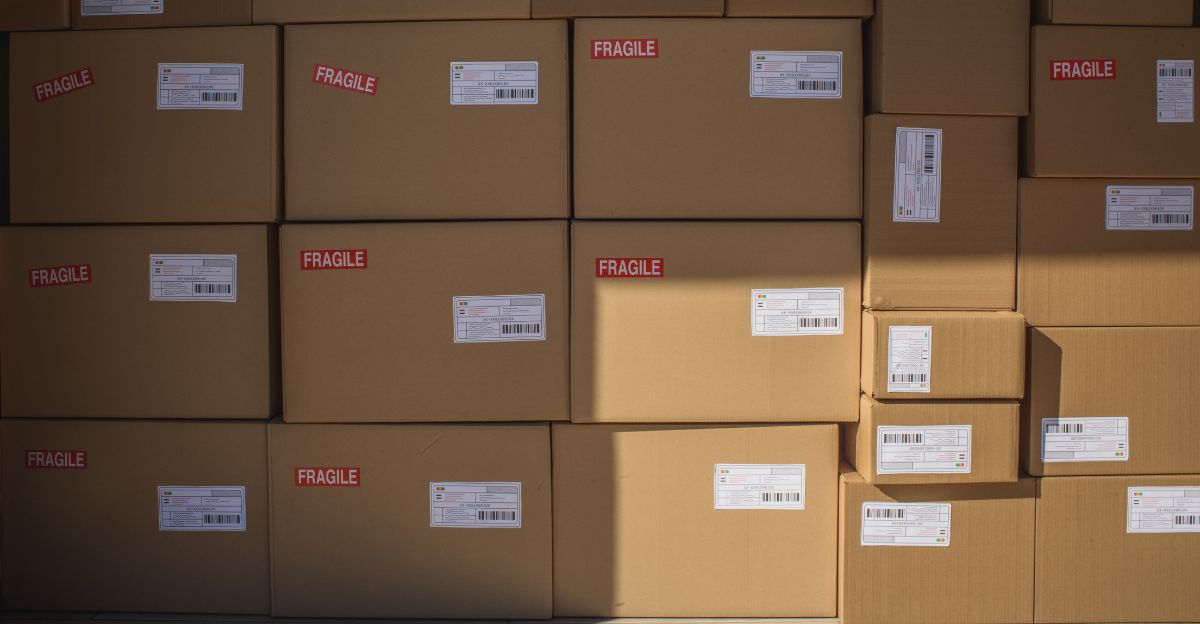
The impact on package volumes is dramatic. In 2024, more than 1.36 billion packages came into the U.S. using the former de minimis rule, with U.S. Customs processing over 4 million such items every single day.
This represents a tenfold increase since 2015, reflecting just how crucial small-value imports have become for both consumers and businesses in the era of e-commerce.
The sudden removal of the exemption caused mail traffic to drop by an estimated 81% the day the policy changed, according to the UPU, virtually freezing the flow of cross-border parcels into America.
International Postal Boycott Unprecedented

The scale of the boycott is unprecedented: First, over 25 but ultimately 88 postal operators (representing 78 nations) suspended sending packages to the U.S.
This concerted action is not a temporary hiccup but a direct answer to the U.S. demand for all customs taxes to be paid up front. Postal services state they are not technically or legally equipped to collect U.S. duties at the source.
The UPU says that, for the first time in its 151-year history, one country’s policy decision has forced such a broad halt in mail cooperation, upending the global parcel system.
Small Businesses in Peril

Small businesses and artisans, who often rely on direct-to-customer shipping to the United States for survival, have been hit the hardest. Companies like Abbott Atelier Jewelry in Vancouver publicly declared that all U.S. orders had stopped after August 25.
Korean beauty firm Olive Young told customers they must pay a new 15% fee on all orders bound for America, no matter the purchase size.
Countless sellers on platforms like Etsy and eBay report they cannot pass the steep new costs to buyers, forcing some to abandon American sales entirely or risk unmanageable financial losses.
A Crisis of Global Scope
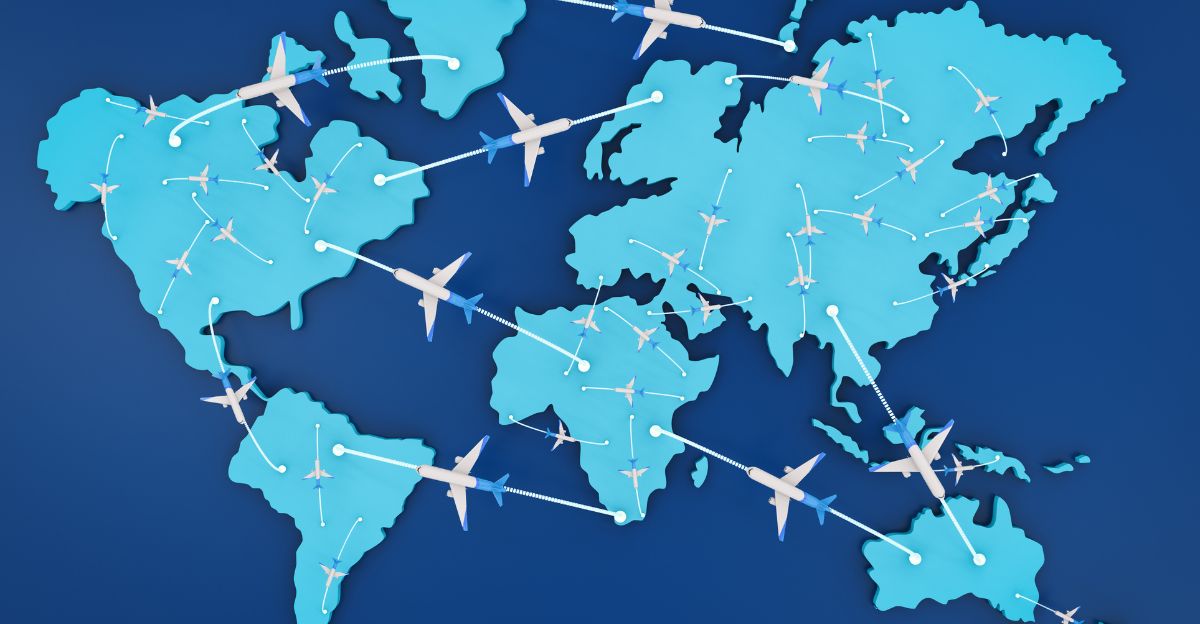
The wave of suspensions rapidly engulfed every continent. Mainstream European post offices from Germany and France cut shipments to the U.S.; Asia-Pacific giants from Japan to New Zealand paused their services; South Africa joined in, and even small postal administrations like Bosnia’s took part.
This shows how deeply the U.S. de minimis exemption was woven into the architecture of global e-commerce. A single change in U.S. customs rules triggered an emergency response in postal systems worldwide, exposing the fragility and interconnectedness of international shipping.
Corporate Business Models Upended

Big global e-commerce companies have scrambled to adapt, with many caught unprepared for the sharp rise in costs and regulatory complexity.
Firms like Tapestry, which owns brands Coach and Kate Spade, estimated profits would shrink by $160 million yearly as roughly 13–14% of their sales to the U.S. now face new 30% tariffs. Mass-market players like Shein and Temu, whose business models depend on cheap direct shipping from Asia, lost significant advantages overnight.
Even platforms like Amazon’s Haul and TikTok Shop are forced to rethink pricing strategies as the real price of a $12 item may now jump to $40 after all fees.
Experts Warn of Far-Reaching Impacts

Industry experts say the crisis is more than a mail problem; according to logistics specialist Sarah Goldberg, it’s a “trade war through postal policy. ” The new system affects shipments from places like China and hits small and medium businesses worldwide.
The National Bureau of Economic Research finds that U.S. consumers, especially those from lower-income or minority backgrounds, will spend more as affordable imports vanish.
Total U.S. consumer costs could rise by $9 billion annually, an average of $136 per household, with many global small businesses pushed out of the American market.
Postal Emergency Like No Other

This postal emergency is so severe that for the first time, the UPU has activated its Emergency and Solidarity Fund for a trade rule change, rather than a war or natural disaster.
Generally reserved for catastrophic events, this fund is now used to help postal systems manage bureaucratic chaos.
The organization’s records show that so many member countries have never collectively triggered emergency protocols to respond to a customs policy, emphasizing the severity of the crisis.
Technology Rushes to the Rescue

The UPU rushed out a newly developed “landed-cost calculator” (API) to fix the collapse by September 5. This lets postal operators calculate the correct duties and taxes before a parcel leaves its country, with the idea that those charges can be collected at the point of sale.
It’s a giant leap for many postal agencies, turning them into border tax collectors, a responsibility most have never handled.
The UPU’s technical staff have been working around the clock as if facing a natural disaster, hoping this innovation might restore some mail flows between the U.S. and 191 other countries.
Reluctant Customs Collectors
Postal operators now face a lose-lose situation: invest in new customs processing systems and shoulder high compliance costs, or stop sending packages to the U.S. Major European carriers like Deutsche Post (Germany) and Royal Mail (UK) have openly said they do not want to act as customs officials for the American government.
Airlines refuse to process U.S. duty collections. Meanwhile, U.S. authorities insist their systems work correctly and blame foreign postal operators for being unprepared, despite mounting global evidence of mail system breakdown.
Fiscal Consequences Mount

The stoppage severely blows to post offices struggling with tight budgets and falling business.
For instance, South Africa’s Post Office immediately lost parcel revenue it had counted on to stay afloat, adding further strain as losses mount.
Experts warn that with fewer packages to deliver and less income, national postal systems could find their recovery efforts set back even further, leading to a spiral of cutbacks, service reductions, and job losses in the sector.
Outdated Systems Under Strain
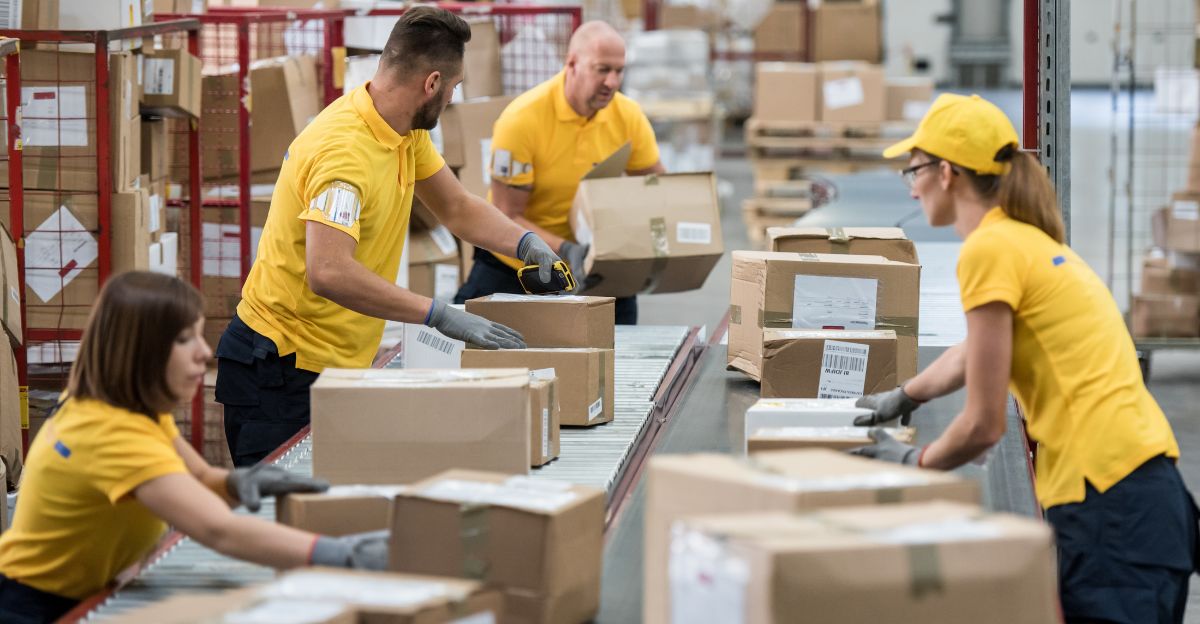
The crisis reveals a profound mismatch between the speed and complexity of modern e-commerce and the older, slower systems of most national postal carriers.
Under the new rules, postal operators must handle customs checks, tax collection, and advanced compliance reporting for every international shipment, tasks they were never designed or funded to manage.
With only a month to prepare, even large, well-resourced post offices struggled; for many smaller operators, compliance was simply impossible, forcing them to opt out entirely.
Future of International Mail in Doubt

Over the next six months, the world will discover whether the international post can recover or has sustained permanent damage. UPU officials say their new technology is only a short-term solution to a deep structural wound.
Experts warn this could permanently shrink the global marketplace for small and independent sellers, with American consumers enduring higher prices and fewer choices for years.
Unless diplomatic agreements can be reached, the world’s mail network might split along lines of customs policy, reversing decades of open exchange.
Political and Legal Fallout Begins

In the United States, lawmakers are beginning investigations to understand the harm caused by the end of de minimis.
Congressional committees are questioning whether Customs and Border Protection was prepared and if the policy change was too abrupt and harmful for small businesses and consumers.
Some are pushing for new laws to either bring back a customs exemption or create a fairer, tiered system, but the current political mood supports stricter policies.
Meanwhile, affected companies are suing, arguing that the executive order was rushed and that they may not follow proper legal procedures.
Global Supply Chains Restructure
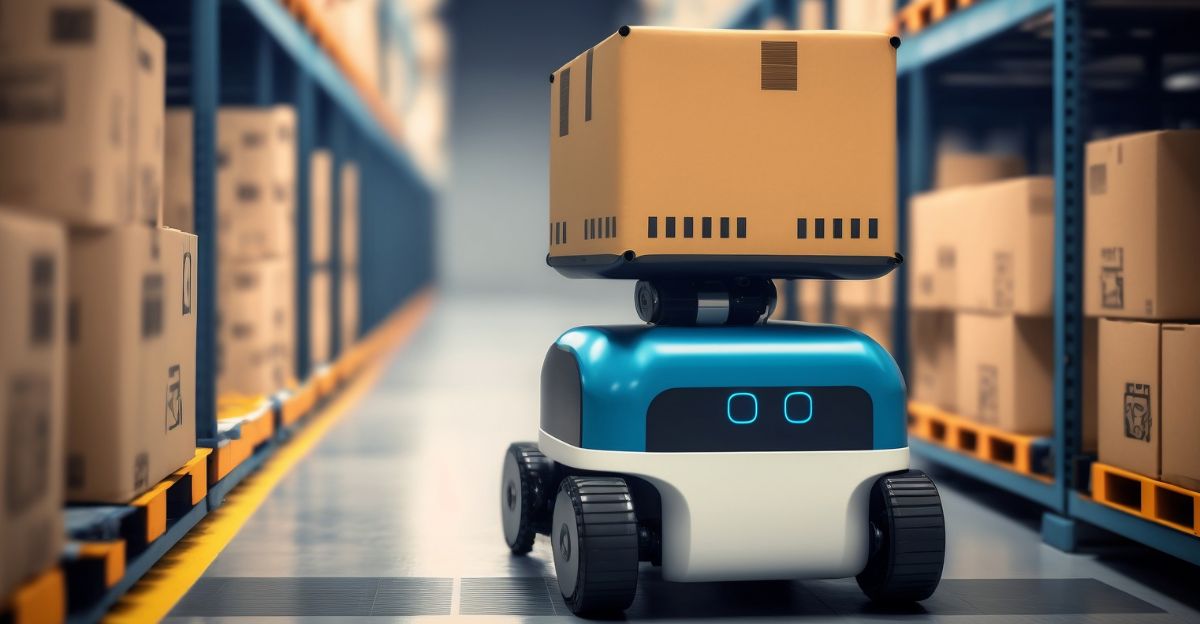
The mail crisis is prompting significant changes in global supply chains.
Shipping companies are looking to open warehouses or fulfillment centers closer to American markets, instead of relying on direct international deliveries. E-commerce platforms are experimenting with new ways to get goods to U.S. shoppers despite the new barriers, such as “duty-paid” models.
Traditional retailers already have U.S. infrastructure and a clear advantage, while small foreign sellers struggle to compete. As a result, investment and business focus are shifting toward domestic U.S. supply solutions.
Online Outcry and Activism Surge

The hashtag #DeMinimisDisaster has taken off on social media as people worldwide post about canceled orders, high new shipping fees, and frustration with the new rules.
Videos and screenshots show empty sections on international e-commerce platforms, while some Reddit and Facebook groups organize consumer boycotts.
Plenty of confusion and misinformation is circulating, so advocacy organizations and small business owners are teaming up online to demand changes in U.S. policy and share real stories of hardship.
A Crisis Without Modern Parallel

Before now, this kind of massive postal shutdown happened during the Cold War, when political conflicts stopped mail across borders. Wars or natural disasters triggered previous disruptions.
The current crisis is the first time a trade rule has led so many countries to voluntarily suspend mail, showing that the rules and agreements dating back to 1874 weren’t built to resolve economic policy clashes between nations in today’s complex, interdependent world.
The End of Seamless Global Deliveries?
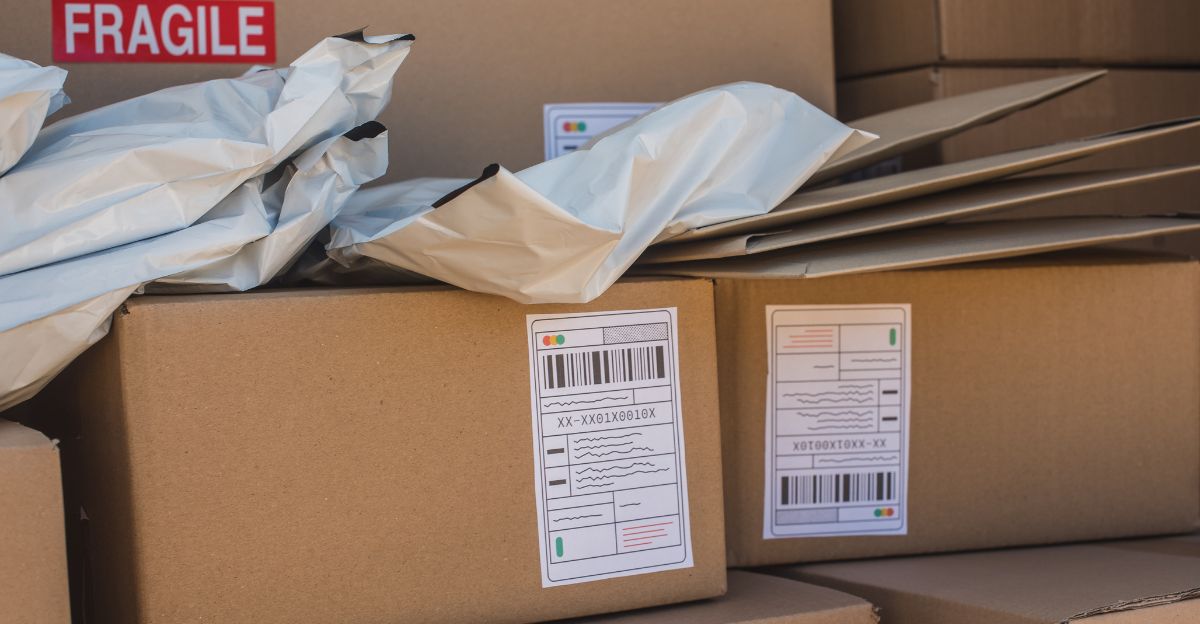
Ending the de minimis exemption has created history’s first peacetime “postal embargo.” Eighty-eight postal operators in 78 countries have stopped sending packages to the U.S., once the recipient of 1.36 billion such parcels a year.
Instead of leveling the playing field, the policy fractured the global mail system, hit small businesses hardest, and forced shoppers everywhere to pay more and choose less.
This event will likely change e-commerce and international postal cooperation worldwide for years, pushing the world toward more local, less connected trade.