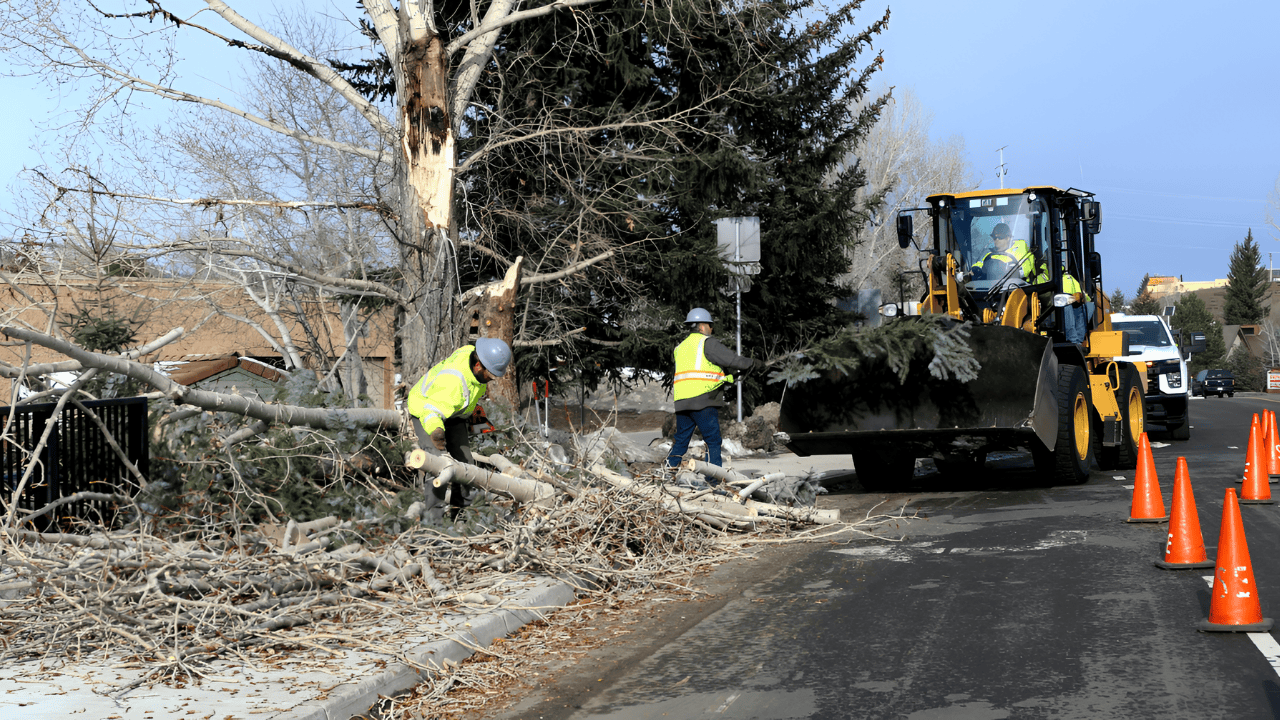
Governor Greg Gianforte issued Executive Order No. 11-2025 on December 18, declaring a statewide disaster following a catastrophic windstorm that devastated Montana on December 17. The severe weather event produced record-breaking wind speeds exceeding 100 miles per hour across the state. Every county in Montana was under National Weather Service High Wind Warnings by mid-afternoon.
Tens of thousands lost power, and widespread infrastructure damage prompted immediate emergency response. This marks one of the most significant weather disasters Montana has experienced in recent years.
Record-Breaking Wind Speeds Pummel Communities
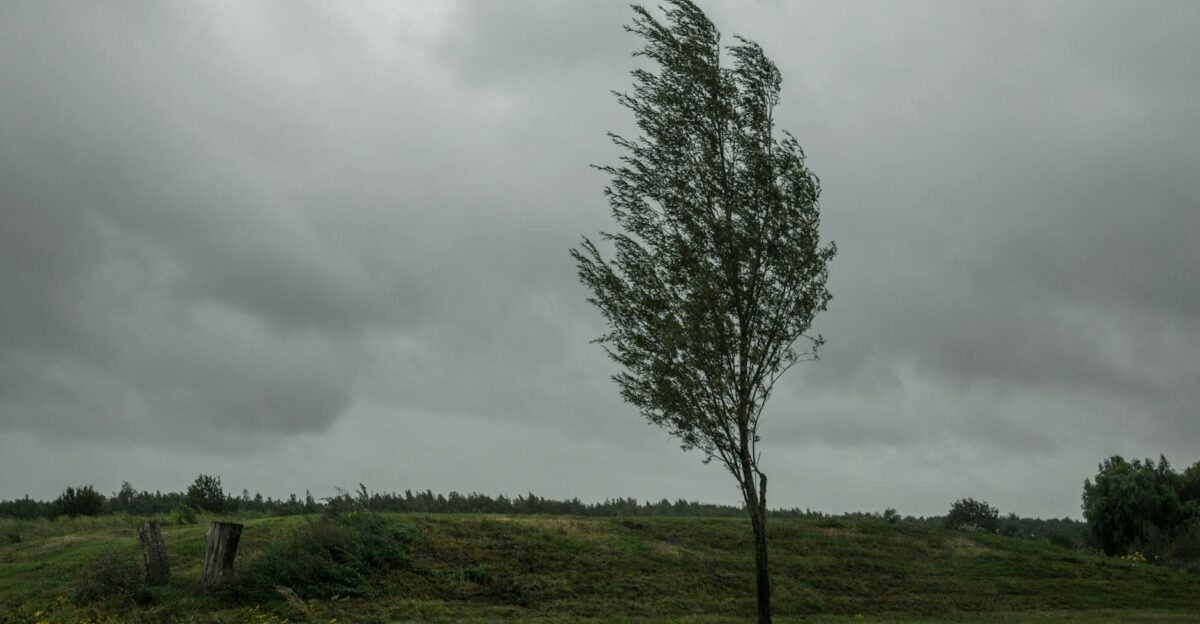
The December 17 windstorm produced some of Montana’s most extreme wind conditions in decades. Bynum in Teton County recorded the state’s highest gust at 104 miles per hour, causing severe structural damage. Helena, Montana’s capital, experienced 91 mph winds that tore through neighborhoods and knocked down trees.
Mount Aeneas near Bigfork recorded 96 mph gusts, while Stevensville in the Bitterroot Valley saw 88 mph winds. Cut Bank reported an 84 mph gust during the height of the destructive storm system.
Perfect Storm Conditions Created Catastrophe
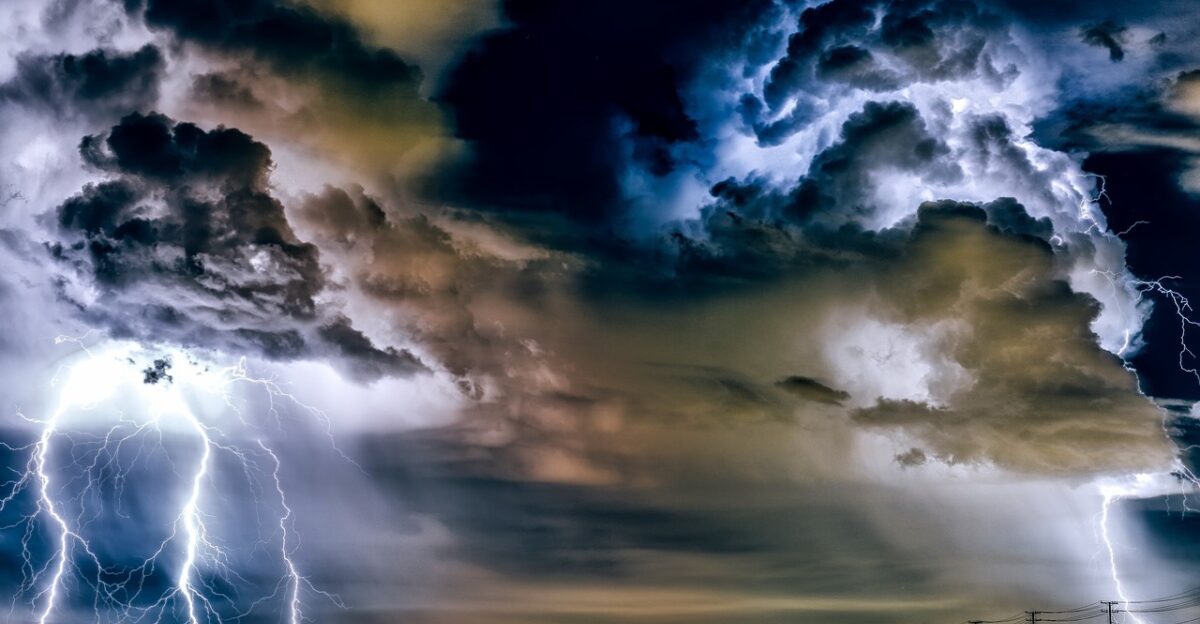
Meteorologists attribute the extreme damage to saturated soil conditions from an atmospheric river event that had pounded northwestern Montana days earlier. An earlier flooding event between December 8-15 deposited approximately five inches of rain in some areas within 24 hours. This saturation weakened tree root systems across the state just before the powerful windstorm arrived.
National Weather Service meteorologist Brian Conlan noted that saturated soil combined with extreme winds created ideal conditions for massive tree failures. The combination of consecutive disasters created unprecedented environmental stress on Montana’s infrastructure.
Massive Power Outages Grip the State

More than 35,000 customers lost electrical power across Montana during the peak of the windstorm on December 17. The Flathead Electric Cooperative alone reported 30,625 customers without power at the storm’s height. NorthWestern Energy’s Customer Service Center received call volume equaling a typical full month’s activity in just one day.
By evening on December 18, more than 90 percent of wind-related outages had been resolved through intensive restoration efforts. However, approximately 35,000 homes remained without power as crews continued working through extensive transmission and distribution damage.
Emergency Crews Work Around the Clock

NorthWestern Energy crews and contractors worked continuously to restore power and repair damaged infrastructure across Montana. Dangerous wind conditions forced crews to pause restoration efforts overnight in some areas, including Elk Park north of Butte and Lincoln.
The utility installed emergency generators at critical locations to maintain essential services for residents and businesses. Powerlines required manual patrol before being reenergized to ensure community safety, extending restoration timelines. Crews prioritized restoring service to critical infrastructure, hospitals, and community shelters first.
Local Communities Declare Emergencies

Multiple jurisdictions enacted emergency declarations before the governor’s statewide order took effect. Ravalli County, the City of Hamilton, Wheatland County, the City of Harlowton, Mineral County, and Flathead County all issued local emergency declarations. These declarations authorized local governments to access emergency funds and mobilize additional resources for response efforts.
Flathead County specifically cited dangerous high winds combined with heavy snow creating hazardous travel conditions. The Lincoln County Sheriff’s Office issued emergency travel-only orders to protect residents from dangerous road conditions.
Schools Close as Safety Threat Escalates

Several school districts across western Montana canceled classes or dismissed students early to ensure safety during the windstorm. Butte, Missoula, and Helena school districts made the decision to protect students from dangerous conditions. Wind-related debris, downed power lines, and closed roads made transportation impossible for many communities.
The cascading closures affected tens of thousands of students across the state. Educators and administrators prioritized public safety above educational continuity during the unprecedented natural disaster.
Urban Areas Suffer Catastrophic Tree Damage
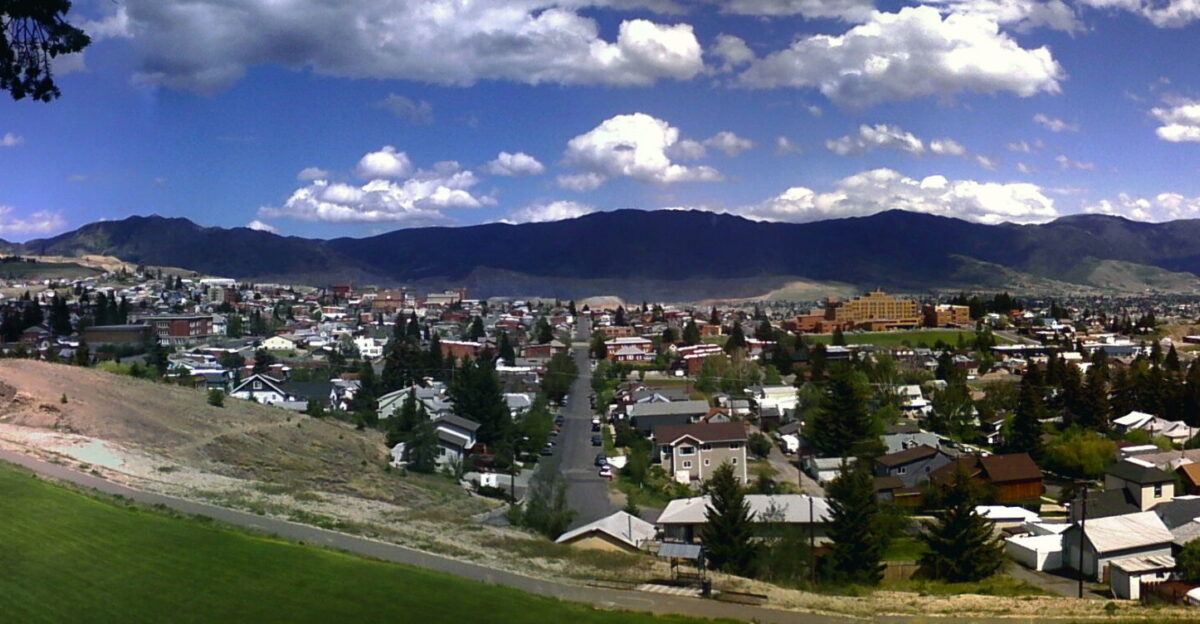
In Butte, century-old evergreen trees planted in the 1930s crashed down onto vehicles and property throughout residential neighborhoods. A portion of an elementary school roof in Missoula was partially stripped off during the height of the storm. Helena urban forestry supervisor Chris Daly warned residents that cleanup could take weeks to complete.
After a similar October storm, it had required approximately three weeks to clear all debris from city streets. Downed trees damaged homes, vehicles, and blocked access to neighborhoods across urban centers statewide.
Dangerous Highway Conditions Force Closures
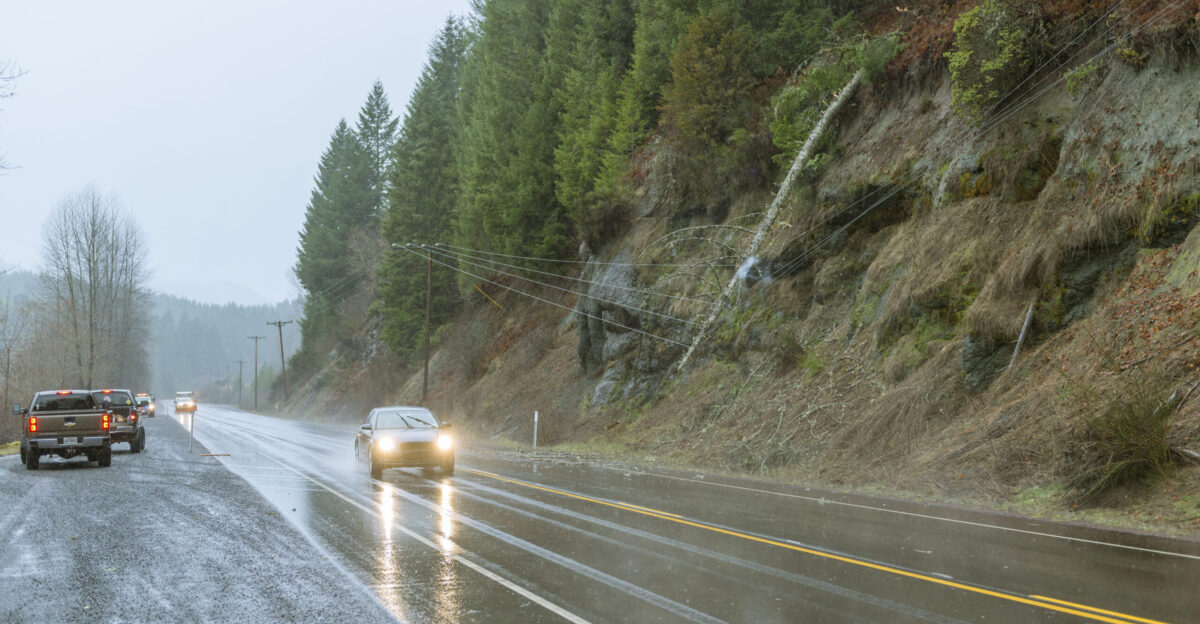
Roads across western Montana became impassable due to downed trees, fallen power lines, and debris littering major routes. MT-35 was closed from milepost 2.8 to 6, making travel impossible in affected areas. Severe driving conditions were reported on US-12 from Lolo to Lolo Pass as dangerous winds continued.
Semi-trucks were toppled on major highways, with overturned vehicles reported on US-93 near Somers. One driver traveling southbound on I-15 toward Butte hit a downed cable stretched across multiple lanes, severely damaging his vehicle.
Winter Storm Warnings Compound Crisis
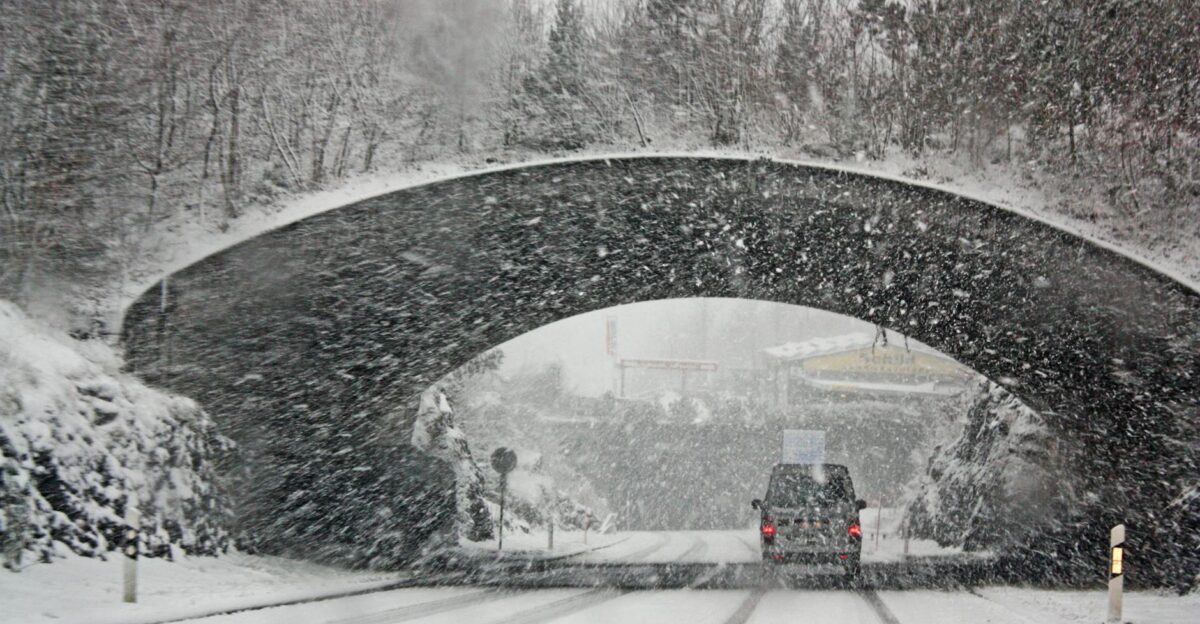
Following the December 17 windstorm, the National Weather Service predicted additional severe weather moving across Montana. Seven counties including Lincoln, Flathead, Pondera, Park, Sweet Grass, Stillwater, and Carbon were placed under Winter Storm Warnings.
Eight additional counties including Phillips, Valley, Daniels, Sheridan, Roosevelt, and Richland faced Blizzard Warnings from the system. Up to nine inches of snow was forecast for mountain passes from Thursday through Friday afternoon. This compounding weather threat created additional challenges for recovery crews and stranded residents without power.
Recent Flooding Already Devastated Northwestern Region
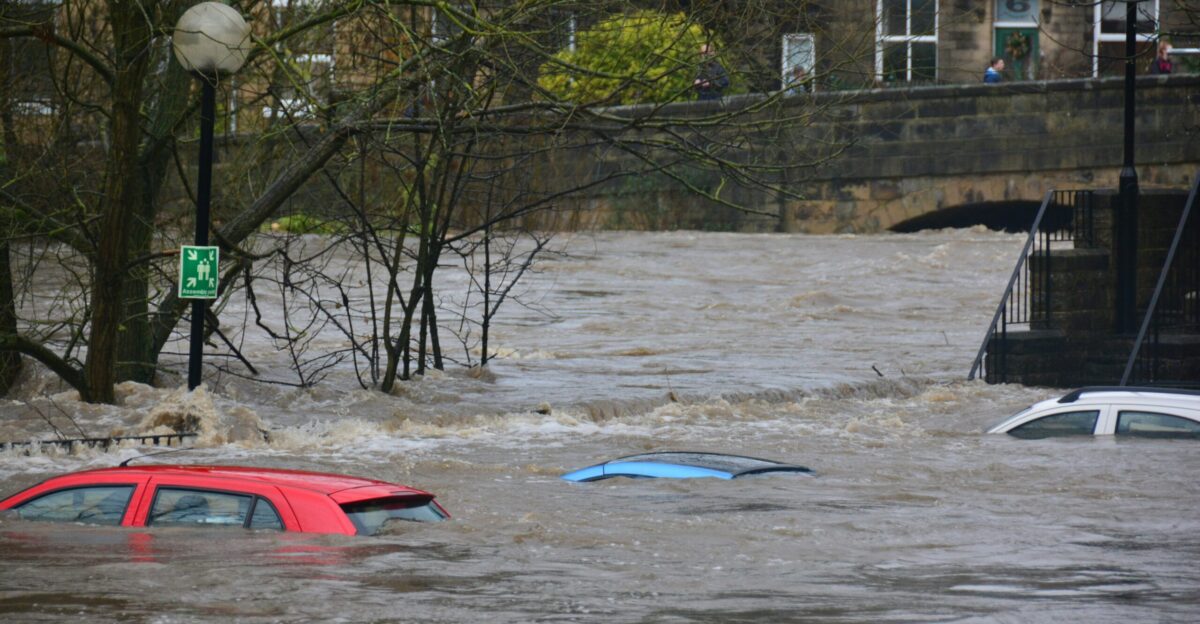
Montana was still reeling from an atmospheric river event that devastated northwestern communities just days before the windstorm. The flooding event beginning December 8 brought sustained rainfall with some areas receiving five inches of precipitation in 24 hours. Flash flooding destroyed approximately five bridges in Lincoln County, including routes along Lauer Lane to Swede Mountain.
Multiple roads were washed out, and communities struggled with recovery when the windstorm struck. The one-two punch of consecutive disasters severely stressed Montana’s emergency response capabilities and infrastructure.
Emergency Shelters Open Across State
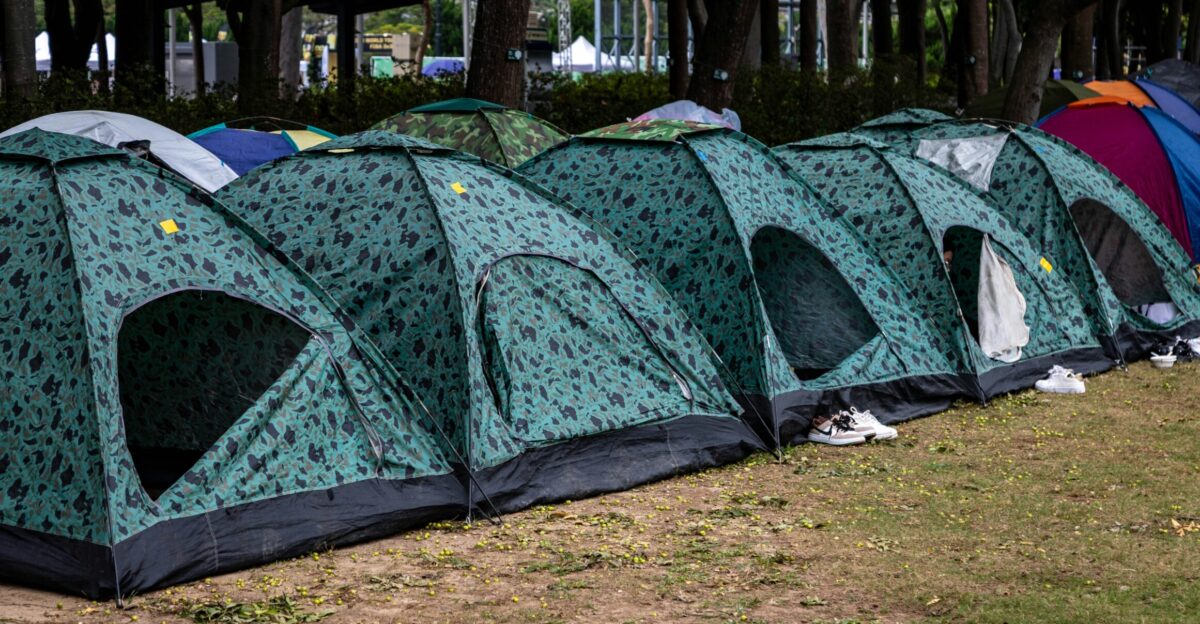
Multiple communities opened emergency shelters to accommodate residents displaced by power outages during the dangerous winter weather. The Butte Civic Center provided refuge for residents without heat or electricity. St. Regis Senior Center operated as a warming station for vulnerable populations. Superior Elementary School served as an emergency shelter for affected residents.
These facilities provided hot meals, temporary shelter, and essential services to displaced Montanans. Community organizations worked together to ensure vulnerable populations had access to safe, warm locations during the crisis.
Governor Authorizes Emergency Spending

Governor Gianforte’s executive order authorizes the state to expend funds from the general fund to address contingencies and emergency needs. The declaration enables utilization of all necessary state government services, equipment, and suppliers for disaster response. The order is effective December 18, 2025, and remains valid for 45 days unless continuing conditions exist.
The legislature may extend the emergency declaration if recovery operations continue beyond the initial period. This authorization allows rapid mobilization of state resources without standard budgetary approval processes.
State Emergency Coordination Center Fully Activated

The Montana Disaster and Emergency Services State Emergency Coordination Center was fully activated to coordinate response efforts. Officials anticipated receiving additional emergency declarations from local and tribal jurisdictions as the winter storm continued moving eastward. City, county, state, and tribal personnel worked together across multiple communities to remove debris.
Access for emergency response vehicles remained a top priority as crews cleared roads and intersections. The activation represented the highest level of state emergency response mobilization.
Federal Support Approved for Earlier Flooding
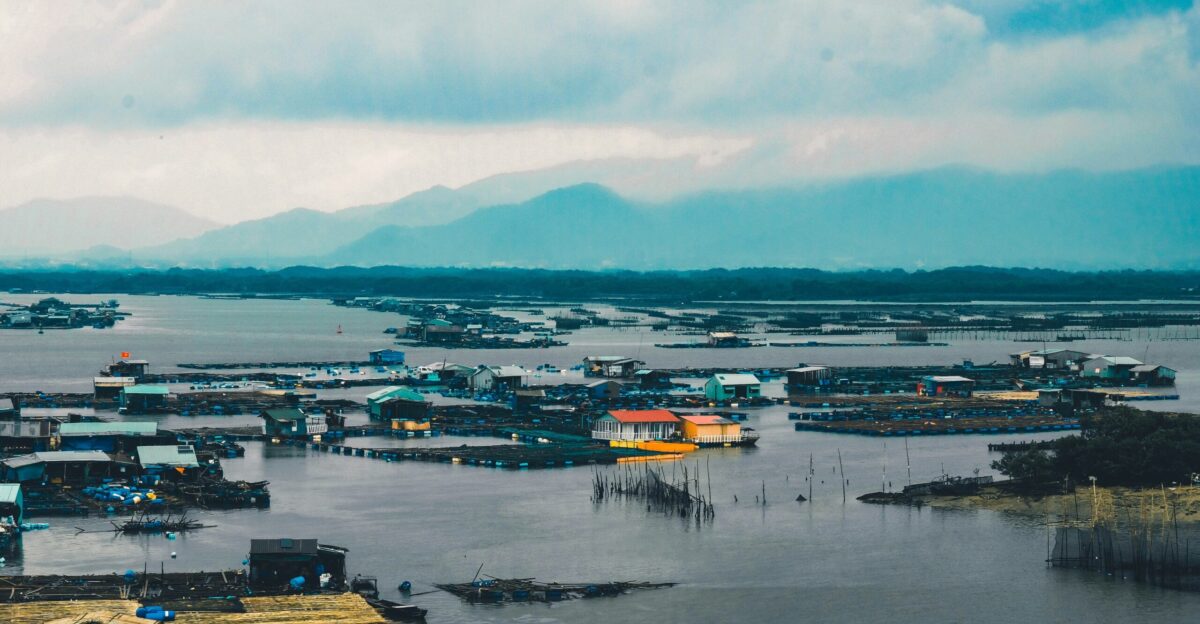
President Donald Trump approved Montana’s request for a presidential emergency declaration for the earlier December flooding event. The approval authorized up to five million dollars in federal funds for emergency response measures in Lincoln and Sanders counties. The Blackfeet Nation also became eligible for federal disaster assistance under this declaration.
Montana officials planned to coordinate with the governor to request a major disaster declaration once additional damage assessments were completed. Federal resources would provide critical support for the state’s recovery from consecutive disasters.
Critical Infrastructure Remains Priority
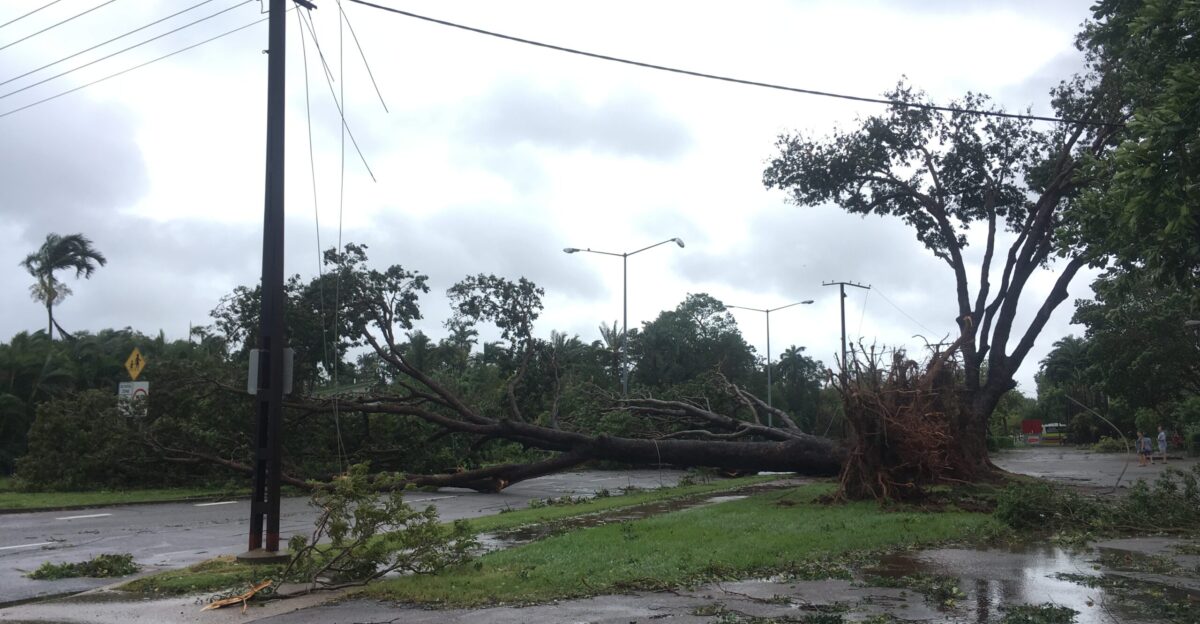
NorthWestern Energy prioritized restoring power to critical facilities including hospitals, emergency services, and water treatment plants. Generators were installed at strategic locations like the Town Pump convenience store in Superior to maintain fuel sales along Interstate 90.
Helena Regional Airport received emergency power restoration to maintain operations and emergency capabilities. These critical infrastructure priorities ensured essential services remained operational even as broader restoration continued. The utility’s advanced metering infrastructure provided real-time data enabling more efficient repair planning.
Safety Warnings Issued to Residents
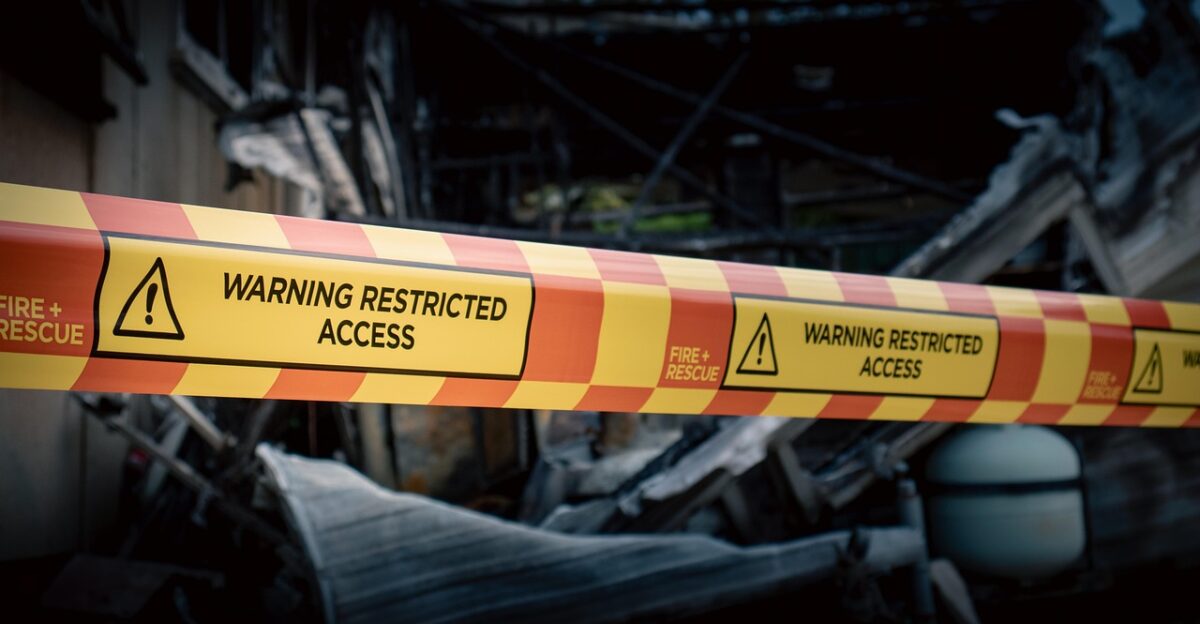
Officials warned residents against using chainsaws on downed trees without proper training and safety equipment. National Weather Service meteorologist Chris Daly cautioned that trees under tension can “literally blow up when you cut into it.” Residents were urged to check on neighbors, especially elderly and vulnerable populations without power or heat.
Clear warnings about staying away from downed power lines prevented electrocution incidents during cleanup. Safety remained paramount as communities began the lengthy recovery process.
Debris Removal Becomes Massive Challenge

The enormous volume of tree debris and damaged materials scattered across Montana presents unprecedented cleanup challenges for local communities. Public works departments worked to prioritize main roads and highways to restore access for emergency vehicles and essential services.
Residential areas faced weeks or months of debris removal requiring specialized equipment and trained crews. Burning restrictions prevented open burning of debris, complicating disposal logistics. Communities coordinated with state and federal agencies to develop comprehensive debris management strategies.
Pattern of Recent Natural Disasters Concerns State
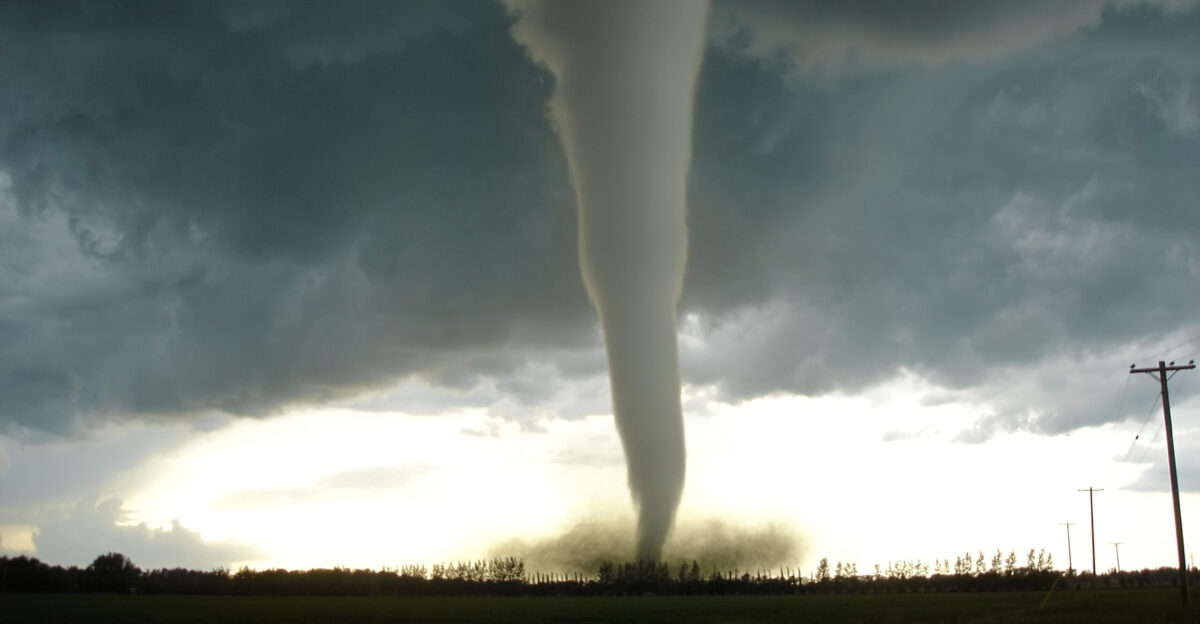
Governor Gianforte has issued multiple executive orders for weather disasters throughout 2024 and 2025. Previous declarations included windstorms in July and Miles City, plus flooding in Hamilton and Stevensville last year. These consecutive disasters have severely stressed Montana’s emergency response infrastructure and recovery resources.
The state faces long-term challenges addressing cumulative damage from repeated natural disaster events. Infrastructure improvements and disaster preparedness initiatives are becoming critical priorities for state officials.
Long-Term Recovery Challenges Loom Ahead
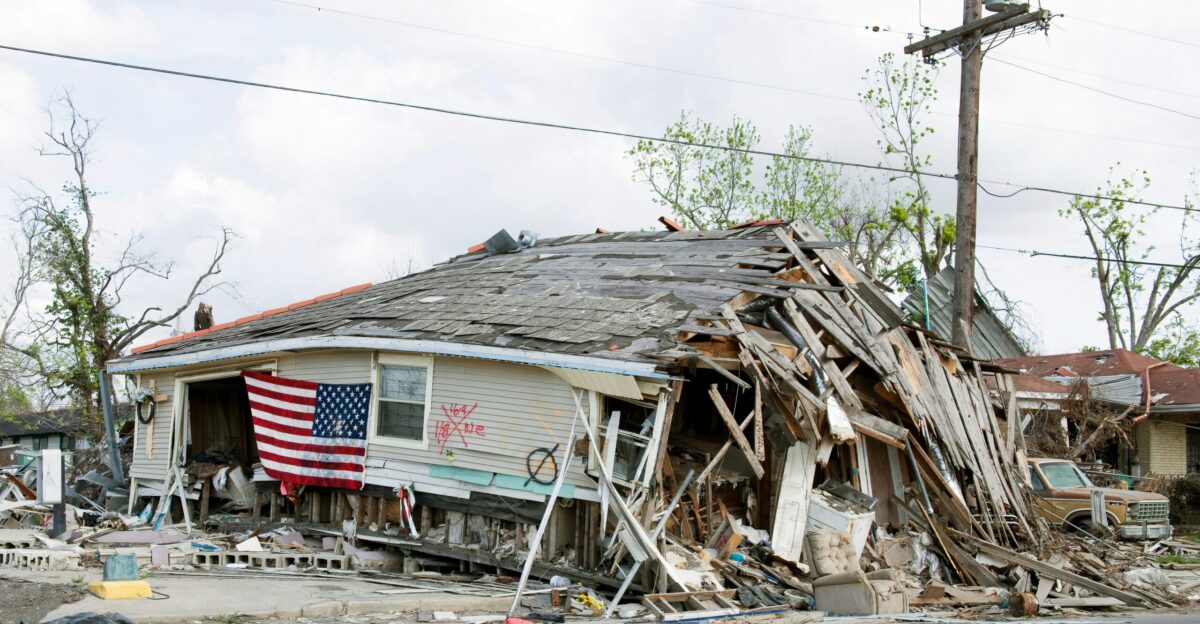
The full extent of damage and long-term recovery costs remain under assessment as crews continue restoration work. Infrastructure repairs to power lines, roads, and bridges will require substantial financial resources and extended timelines.
Communities face challenges rebuilding during winter weather conditions that complicate construction and recovery efforts. Montana’s resilience will be tested as the state works to restore normalcy and prepare for future extreme weather events. The statewide disaster declaration marks the beginning of what officials anticipate will be a lengthy and costly recovery process.
Sources:
“Executive Order Declaring a Disaster to Exist Within the State of Montana,” Office of the Governor, Executive Order No. 11-2025, December 18, 2025.
“Governor Gianforte Issues Executive Order Declaring Wind Disaster,” Montana Right Now, December 17, 2025.
“Governor Issues ‘Wind Disaster’ Executive Order in Montana,” KRTV, December 18, 2025.
“Winds Whip Through Montana, Cutting Power, Blocking Roads and Toppling Trees,” Montana Public Radio, December 17, 2025.
“President Trump Approves Montana’s Emergency Declaration Request,” Flathead Beacon, December 18, 2025.
“Crews Make Significant Progress Restoring Power After Montana Wind Storm,” NorthWestern Energy, December 18, 2025.
“Severe Weather Slams Western Montana,” KPAX, December 17, 2025.