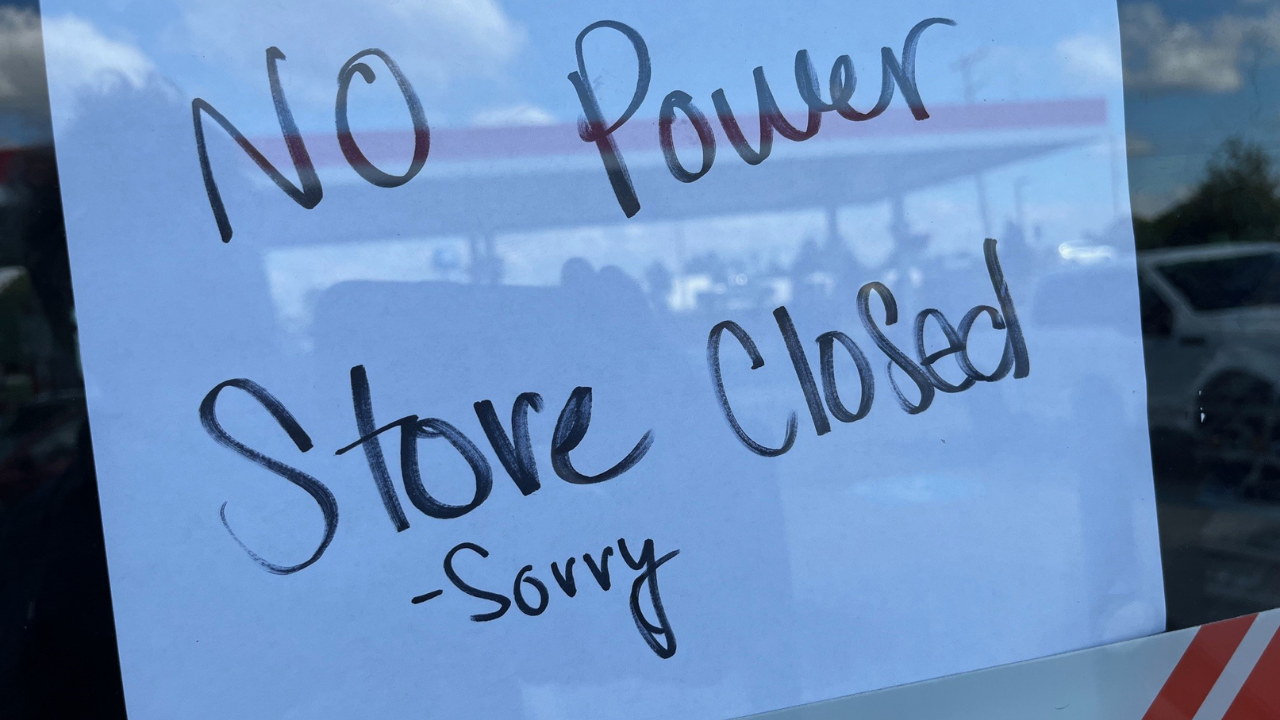
A brutal windstorm slammed western Montana on December 17, 2025, with gusts roaring up to nearly 100 mph. Trees crashed down, power lines snapped like twigs, and darkness hit tens of thousands of homes. Over thousands of customers across six counties lost electricity, leaving folks shivering in freezing cold without heat or lights.
Highways shut down fast, and the wild December winds sparked dangers everywhere in the state. What kicked off this nightmare? Local leaders scrambled as the outage map lit up like a Christmas tree gone wrong.
Lights Go Out Everywhere
Power failures exploded across the region by early afternoon. NorthWestern Energy saw 35,000 customers go dark, while Flathead Electric Cooperative reported 30,000 outages by 1:40 p.m. Ravalli Electric added another 3,000, pushing the total past 70,000 accounts and hitting an estimated 150,000 to 200,000 residents hard. Freezing temps made it worse as no heat meant real risks for the vulnerable.
Crews faced a nightmare of tangled lines with no quick end in sight. Families bundled up, wondering when lights would flicker back. This wasn’t a blip, it was a statewide wake-up call, testing homes built for snow, not this savage wind. Leaders urged caution as night fell, promising aid but battling Mother Nature’s raw power.
A Storm Like No Other
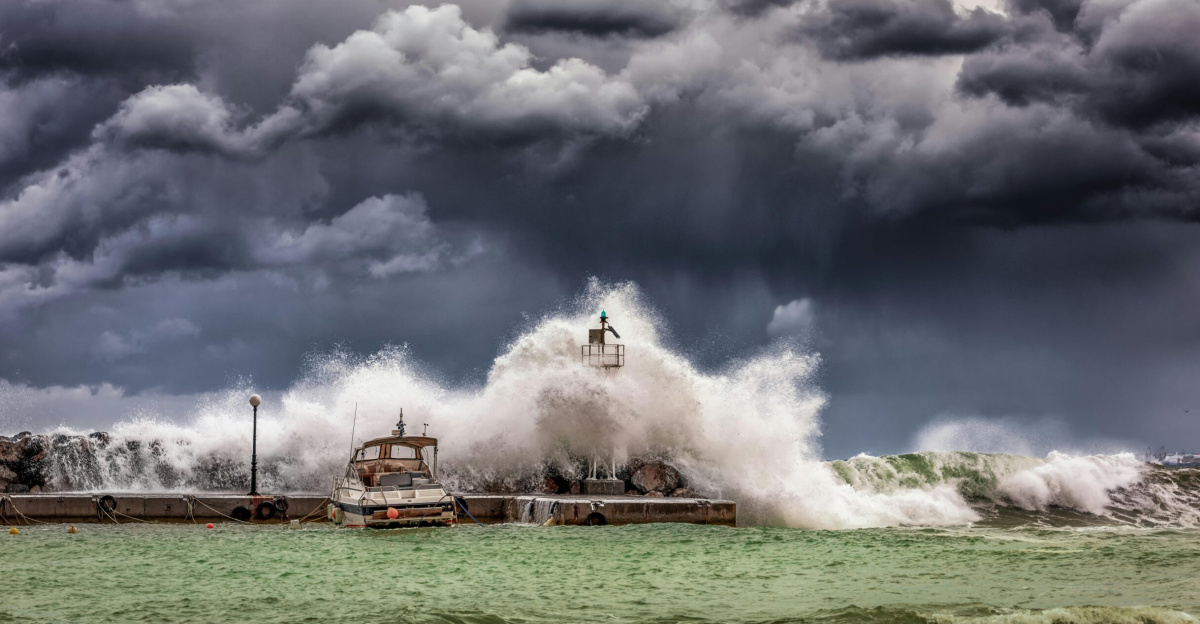
This December monster came from a slamming cold front tied to the Pacific Northwest’s messy mix of floods, snow, and gales. Gusts peaked at 96 mph on Mount Aeneas in Flathead National Forest, while 70-80 mph blasts ripped through Helena and Gallatin valleys. No hill or valley escaped the wrath as trees uprooted, and roofs peeled back, it was pure havoc.
Meteorologists watched the front build for days, but nothing prepared for this sustained fury. It spared no one, from remote ranches to city streets, turning everyday life upside down. According to Montana Free Press, “The National Weather Service’s Missoula office reported that morning gusts had clocked in between 59 and 73 mph in Butte, Plains, Missoula, Kalispell and two locations in Idaho. The outlier on that list was a 96-mph gust at Mount Aeneas in the Flathead National Forest.”
Warnings Blast Phones
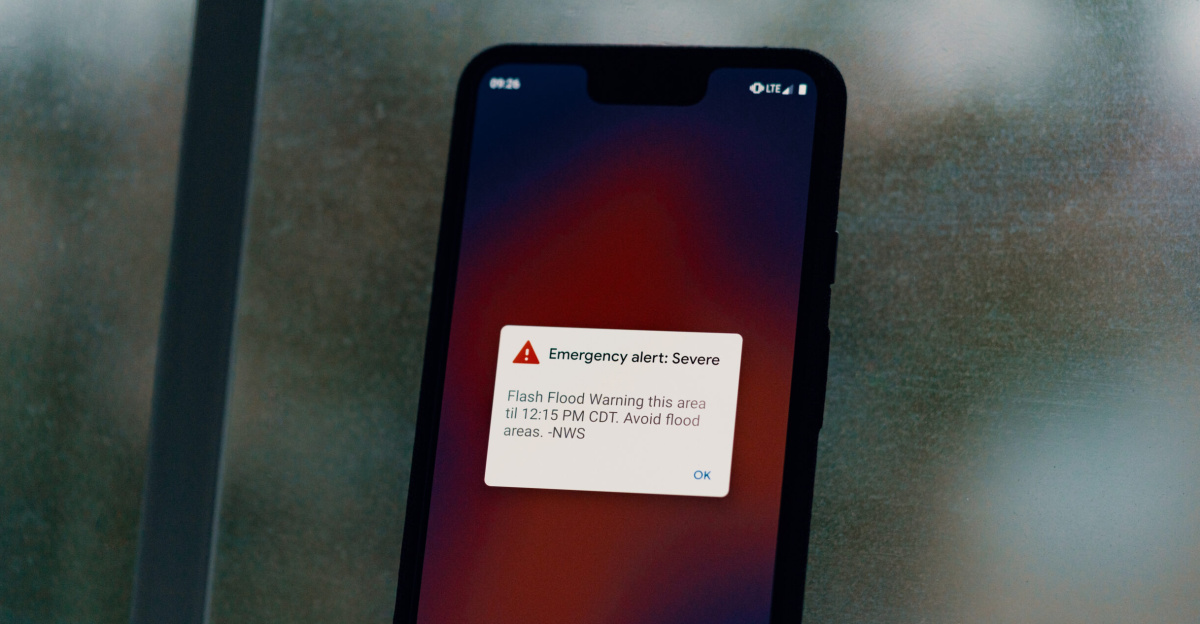
The National Weather Service in Great Falls sounded the alarm early, predicting 90-100 mph gusts along the Rocky Mountain Front. They fired off rare civil emergency messages, the first since 2020. Missoula clocked 73 mph; Butte matched it with flying debris, split trees, and overturned semis. Communities on the edge tightened up fast.
“High winds will produce damaging gusts,” the NWS warned, urging folks to hunker down. Officials finally moved when gusts proved the forecasts right, saving lives in the chaos of it all.
Counties Declare Emergency
Flathead County pulled the trigger on a local emergency declaration that afternoon, unlocking special powers to fight the windstorm’s damage. Lincoln County banned all but “emergency travel only” at 9:40 a.m., while Ravalli fired up its Emergency Operations Center with wind alerts blazing.
It ranked among western Montana’s worst storms in years, all under state law. Officials coordinated aid as debris piled high, proving government gears could turn fast in crisis. This activation meant resources flowed to isolated spots.
Highways Turn into Battlegrounds
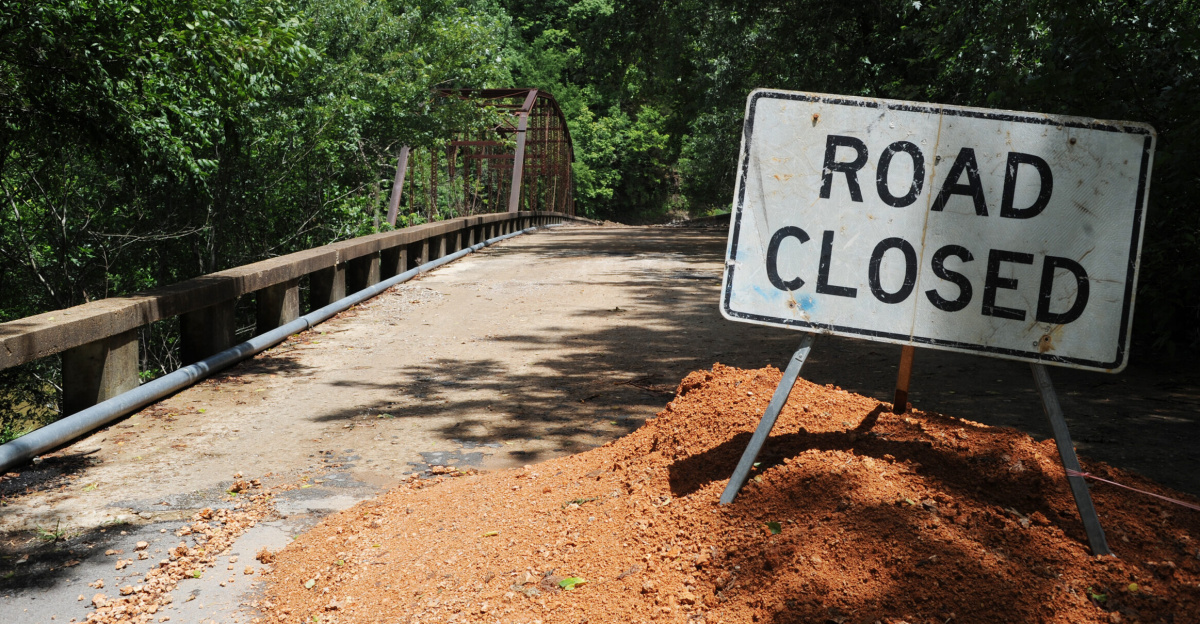
Big highways like I-15 ground to a halt under fallen trees, debris, and wrecked rigs. At Bull Lake, a damaged Ross Creek Cedars bridge forced evacuations, stranding folks. Lincoln County locked down to essential travel only while Missoula Police echoed necessary travel only.
Emergency crews cleared paths bit by bit, but the storm laughed it off. This mess isolated towns, cut supply lines, and tested every driver’s nerve.
Schools Battle the Blast

Winds ripped the roof off Jefferson School in Missoula, forcing hasty shutdowns. Corvallis Schools switched to remote learning after their own damage hit. Libby Public Schools supposedly closed straight through January due to no power, no water, and trees blocking every path.
Parents grabbed kids early, buses idled, and principals made tough calls to protect. Teachers pivoted online where they could, but many just waited out the dark. It showed kids’ safety trumps all in nature’s fury.
Shelters Step Up
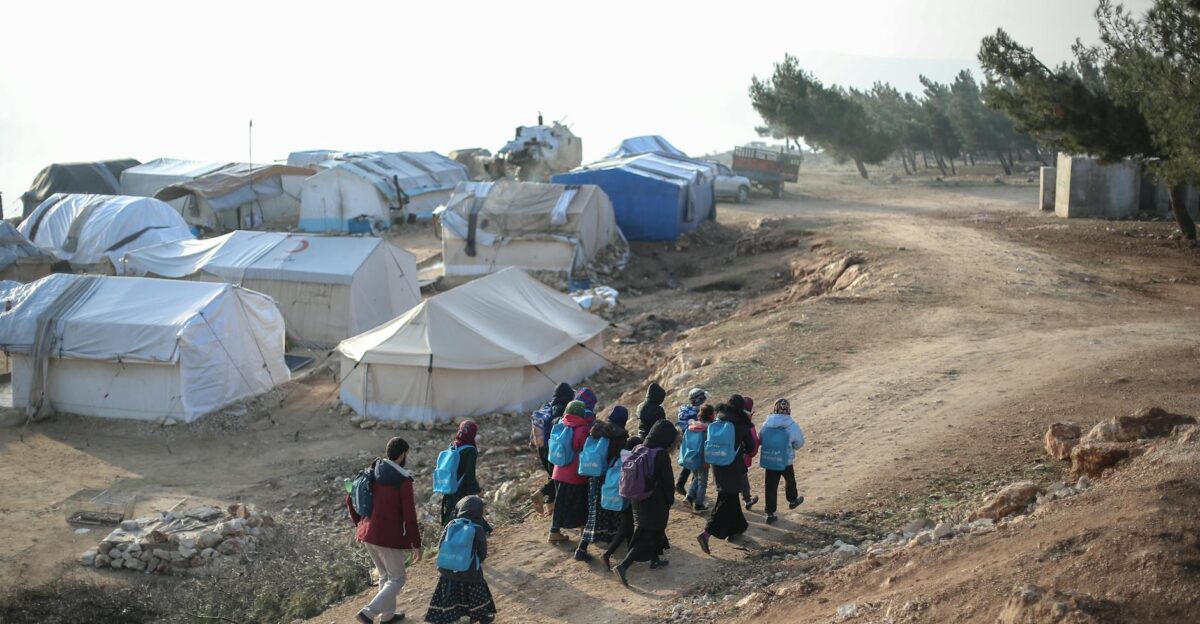
Red Cross swung into action, opening multiple shelters for families left powerless in sub-freezing nights. Utilities eyed 24-48 hour fixes, but snapped lines slowed every crew. Volunteers handed out blankets, hot meals, a warm spot during the cold snap.
Hundreds sought refuge, sharing stories of shaking homes and endless dark. This was community at its rawest with neighbors helping strangers.
Drivers Dodge Disaster
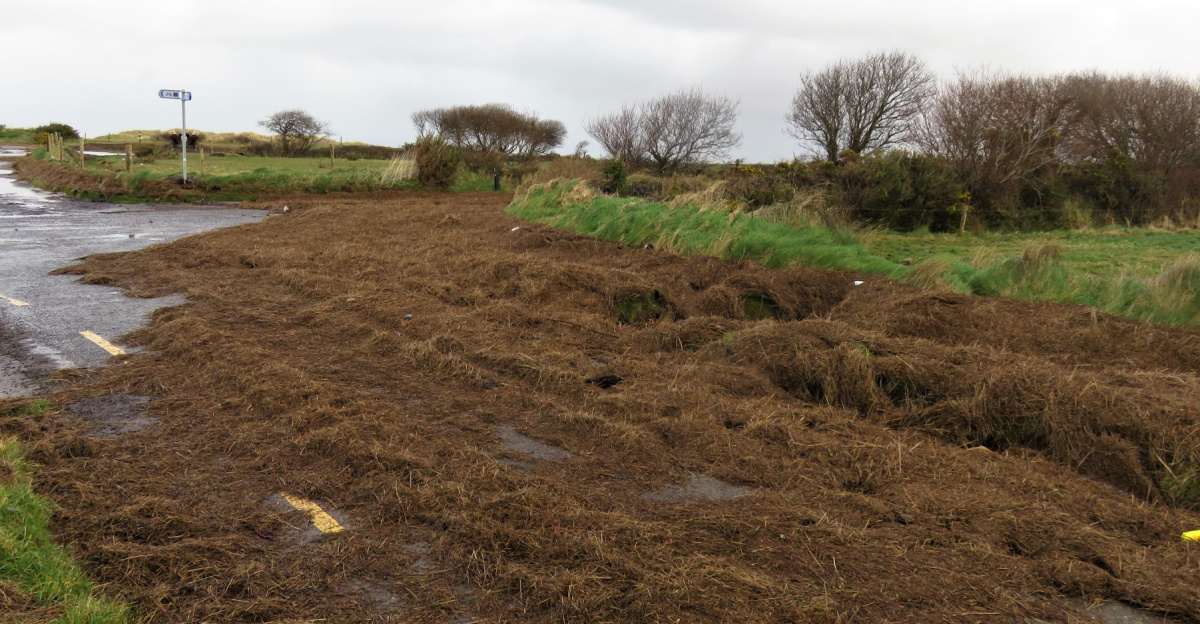
Semis flipped across the state while Missoula handled 911 calls for trees on roofs. Roads became roulette with debris flying, and wires whipping. Crews cleared wrecks, but every mile tested luck. This storm turned everyday commutes deadly, exposing road vulnerabilities.
Trees Take a Massive Toll
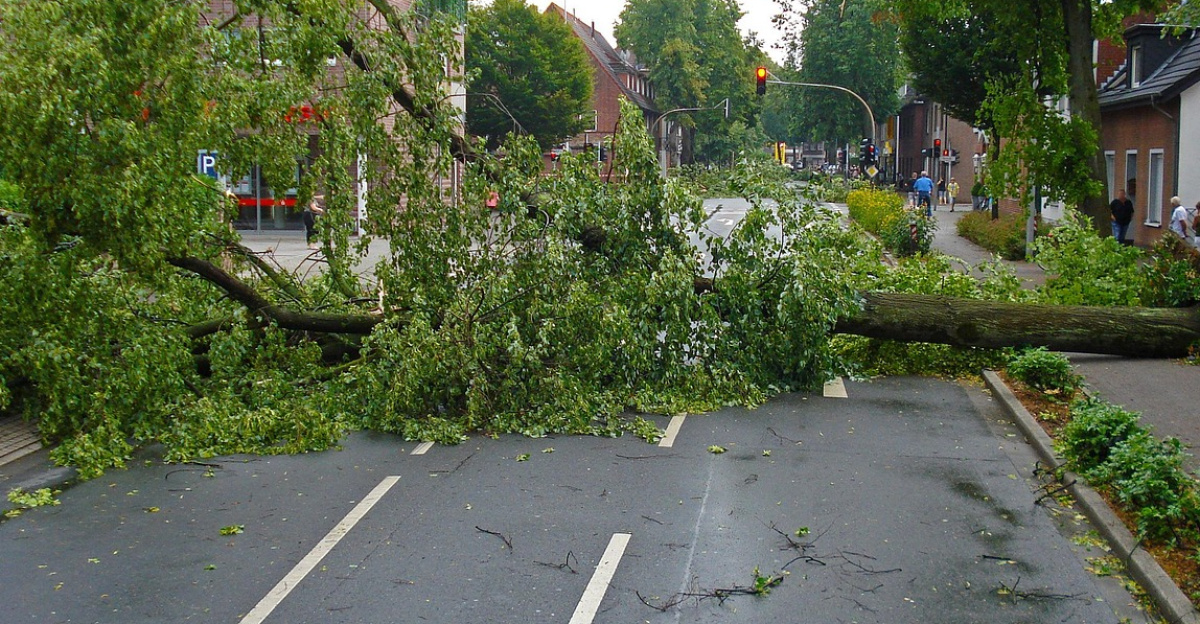
Thousands of trees crashed down in Helena alone blocking streets, smashing cars, and echoing October’s three-week cleanup hell. Neighborhoods looked war-torn as trunks split like matchsticks by 80 mph blasts. Crews chainsawed through the night, but the sheer volume was overwhelming.
This repeated pounding showed aging trees and infrastructure buckling under pressure. It sparked talks of trimming plans before the next blow but Montana’s forests fought back hard.
Neighbors Cut Off
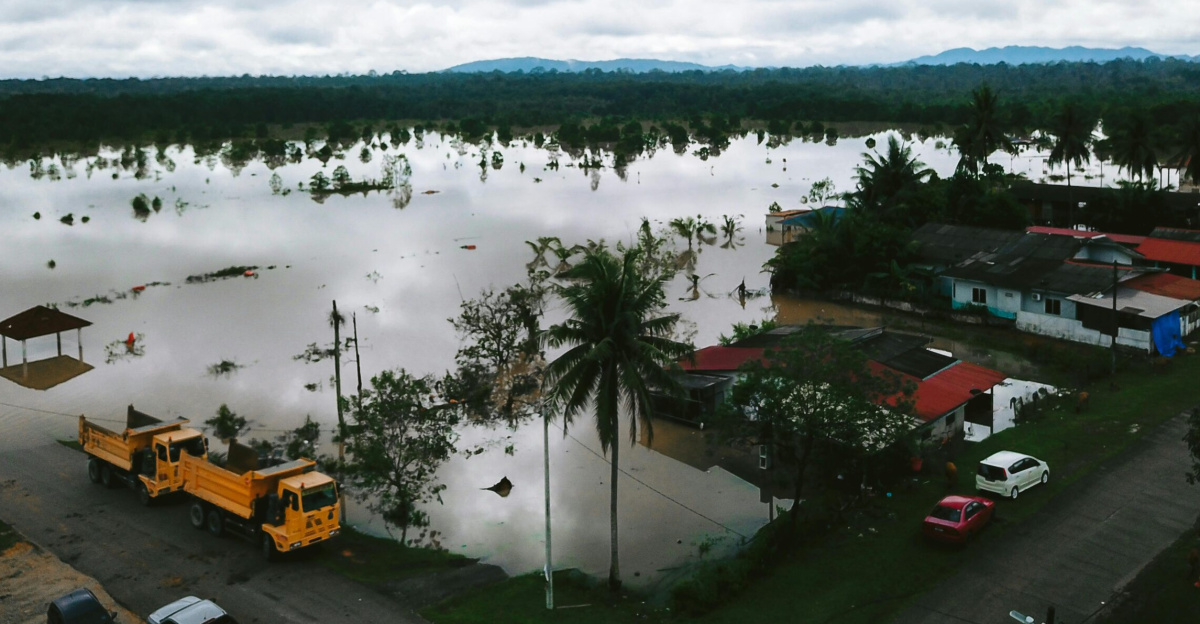
Bull Lake residents on the west side faced difficult choices: stay put or evacuate over the wrecked Ross Creek Cedars bridge. In Libby, outages killed water supplies too. Families checked on neighbors despite travel bans, but isolation gripped many.
Frustration built as dark fell with no lights, no updates, just wind-whipped worry. Officials urged neighbor checks, a simple act amid bans.
Utility Teams Race the Clock
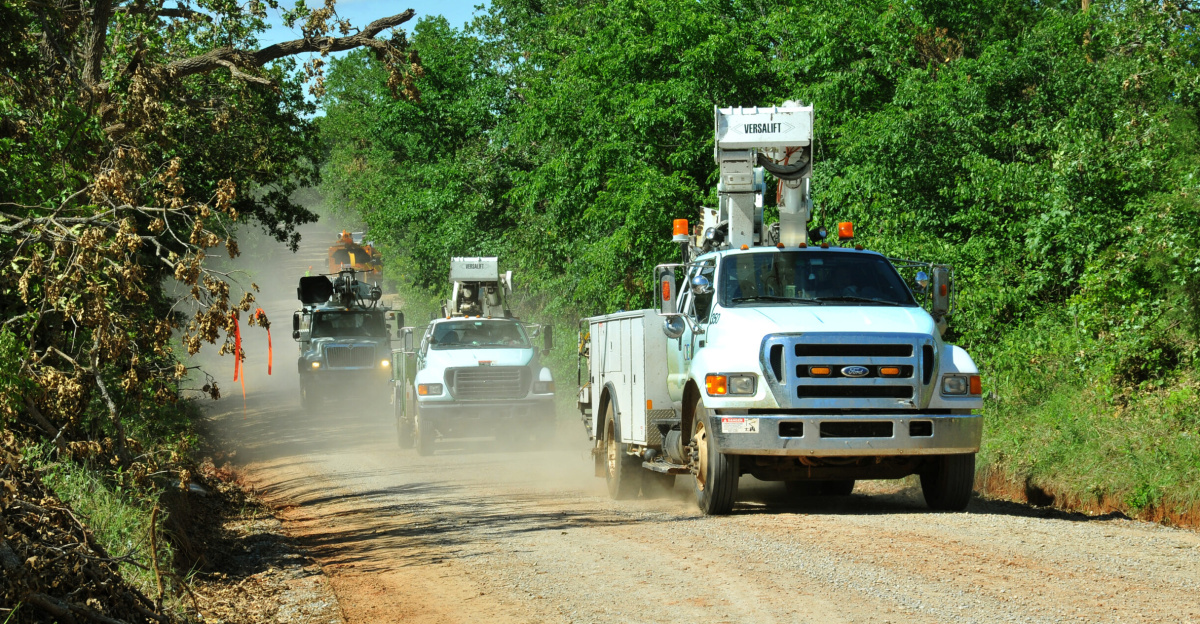
Flathead Electric and NorthWestern Energy unleashed crews, but 70,000+ outages swamped the lines. Bonneville Power Administration jumped in to fix Lincoln Cooperative’s total blackout. KPAX tracked the mobilization amid biting cold while linemen climbed poles in gusts, dodging dangers for every spark restored.
No big leadership changes hit headlines, but the weather’s stubborn Pacific grip tested everyone. Teams coordinated like clockwork, prioritizing hospitals then homes.
Power Restoration Sprint
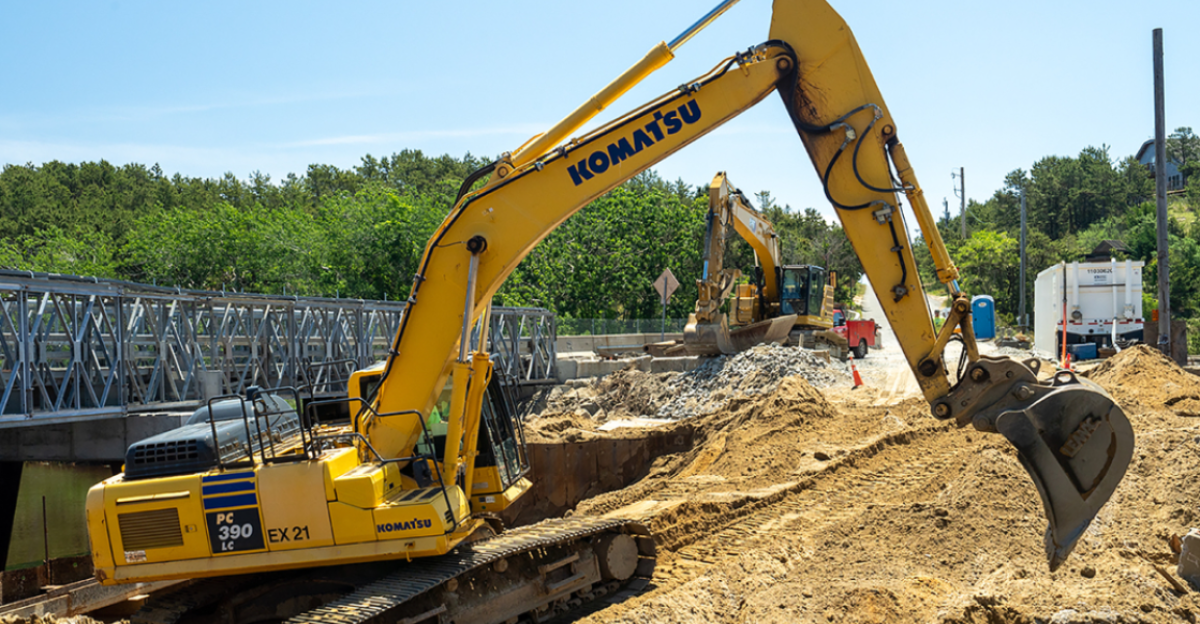
Leaders aimed for 24-48 hour power fixes, activating Emergency Operations Centers for seamless coordination. Libby stretched school closures and Corvallis locked into remote classes. Red Cross grew its aid net, with Missoula’s Ginny Merriam urging Montana Free Press readers to check on your neighbors.
This rush rebuilt trust, one connection at a time. Merriam’s call echoed across valleys, weaving community tighter while the storm tested everyone but response restored more than lights.
Experts Warn of More Wind
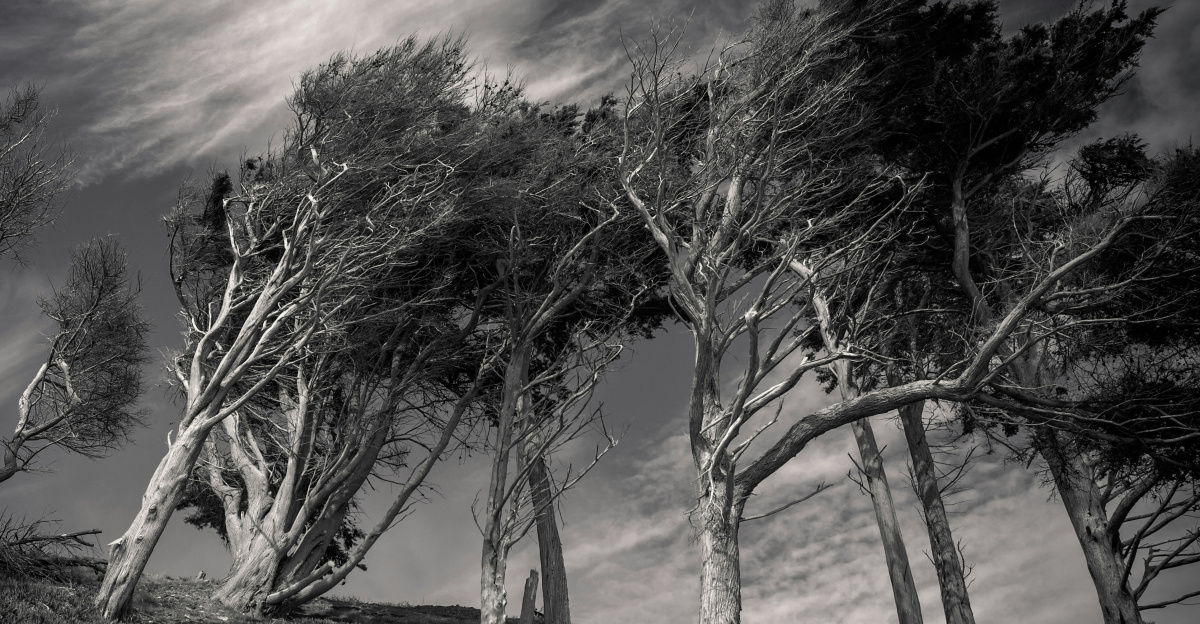
NWS Great Falls meteorologist Maura Casey stressed the prolonged wind event from a dug-in Pacific pattern. Valleys amplified the hits due to tricky topography meaning cleanups dragged on. Casey’s briefing cut clear that there’s no quick end.
This persistence meant repeated threats while communities weighed costs, from chainsaws to claims. Topography turned funnels for fury which is a Montana hallmark.
Bracing for Round Two

Forecasts flag more gusts as the Pacific pattern clings tight, putting Montana on edge. Will utilities beef up quicker, or will these odd December storms reshape winter readiness? Communities clear debris, patch roofs, but vulnerability hangs in crisp air.
Sources:
KPAX: Real-time updates on severe weather slamming Western Montana
Montana Public Radio: Winds whip through Montana
Washington Post: Northwest wind storm power outages