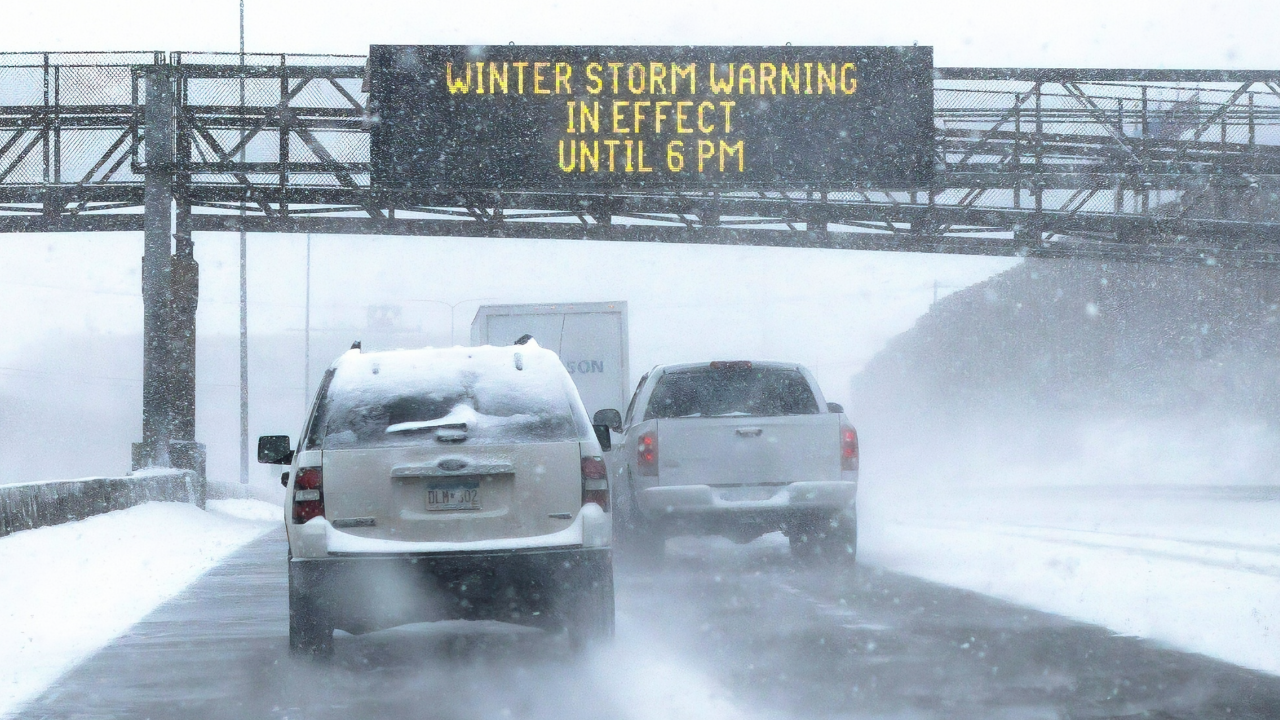
A massive clipper system spanning from Alaska to the Appalachians gripped much of the United States on January 13, 2026, unleashing forecasts of whiteout conditions, gusts up to 65 mph, and visibility dropping to half a mile or less in key areas.
At least 25 states lay in its path, with the storm already intensifying rather than merely approaching. National Weather Service offices issued winter weather warnings for Alaska, Michigan, Minnesota, and Wisconsin as snow predictions escalated.
Travel Chaos Unfolds
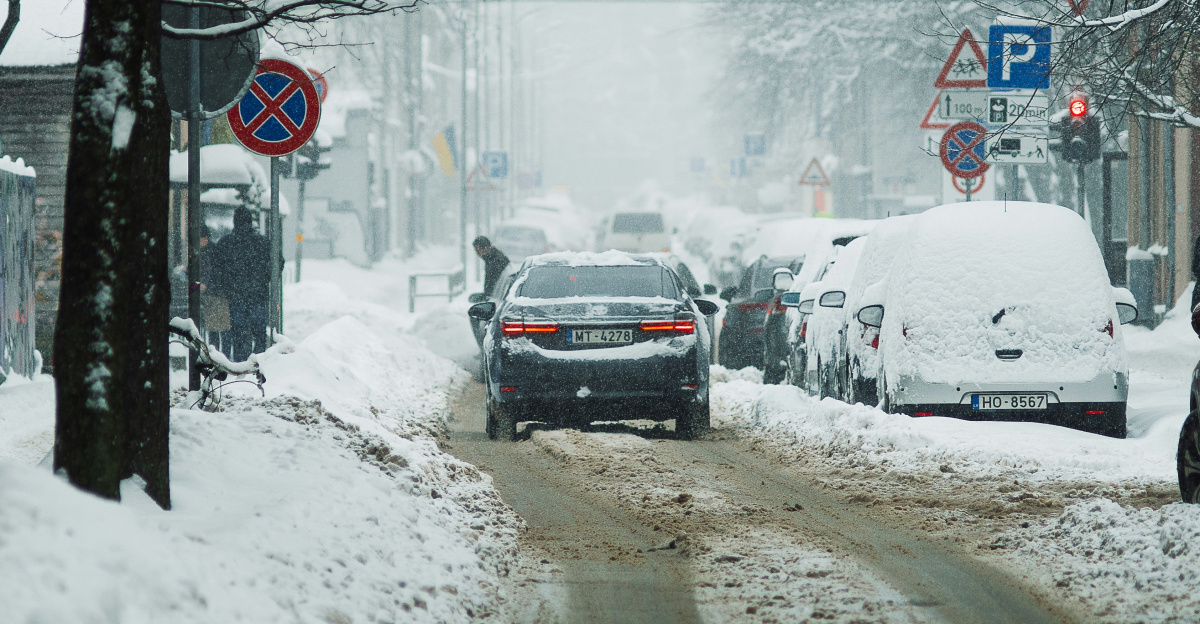
Roads turned treacherous as strong winds whipped fresh snow into blinding sheets. Along Alaska’s Klondike Highway, up to 20 inches of snow loomed, while Lake Michigan snowbelts braced for 8 to 12 inches. Motorists faced stranding risks, and emergency responses slowed amid plunging visibility.
The National Weather Service warned starkly: Travel would prove very difficult and stood discouraged unless for emergencies. This advisory covered regions from Alaska through the Great Lakes, highlighting the lethal blend of wind and snow.
Clipper’s Rapid Evolution
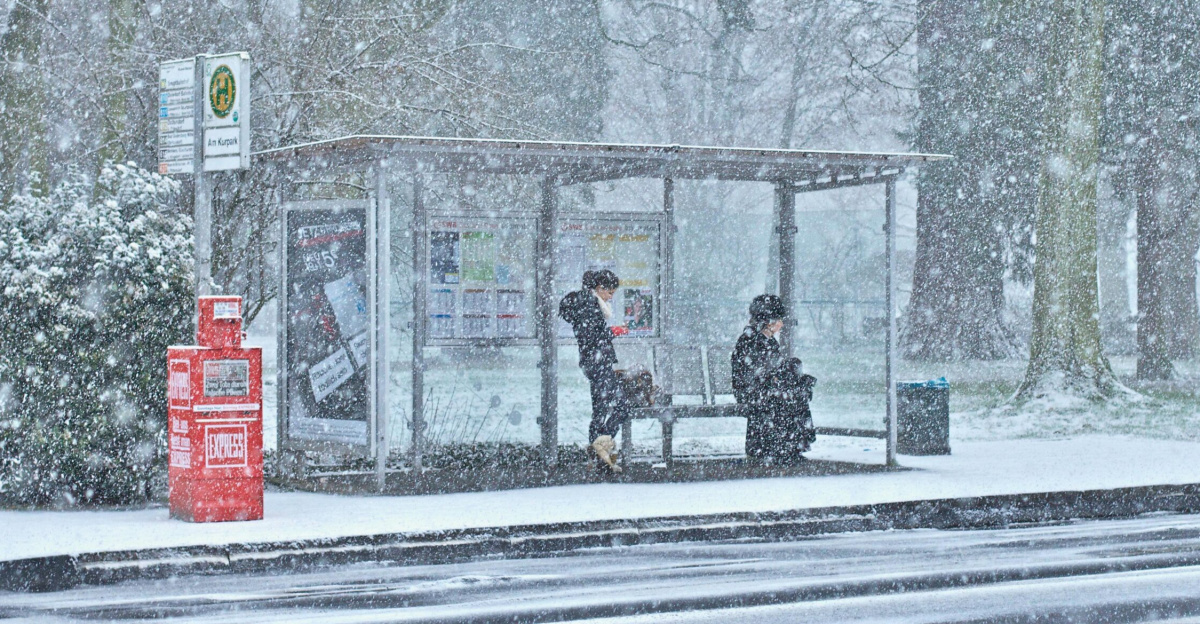
Originating as a swift Alberta clipper—compact low-pressure systems prized for velocity over vastness—this event ballooned dramatically. By January 13, it stretched beyond the Midwest into Tennessee and North Carolina, active through January 15.
Arctic air collided with Great Lakes moisture, fueling heavier snowfall. Though clippers occur routinely, this one’s expansive sweep marked it as exceptionally disruptive, affecting roughly half the nation by state tally.
Northern Impacts Dominate
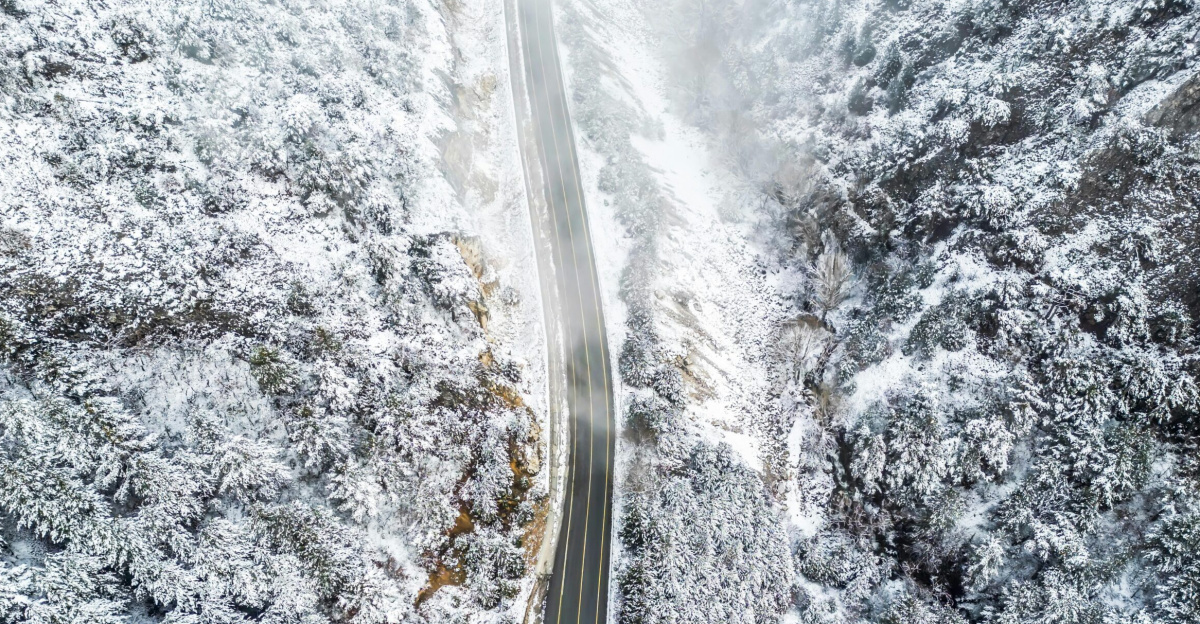
Alaska bore the brunt. The Klondike Highway anticipated 12 to 20 inches amid 65 mph gusts, yielding near-zero visibility. Central Aleutians expected 4 to 8 inches with 60 mph winds, while the Beaufort Sea coast endured relentless blowing snow, threatening to isolate remote communities as roads turned impassable.
In Michigan’s Upper Peninsula, 6 to 7 inches fell under 45 mph gusts, amplified by lake-effect bands into northern Indiana. Icy roads and drifts menaced morning commutes, prompting school closures and power outage preparations amid a winter of repeated assaults.
Southern and Eastern Extensions
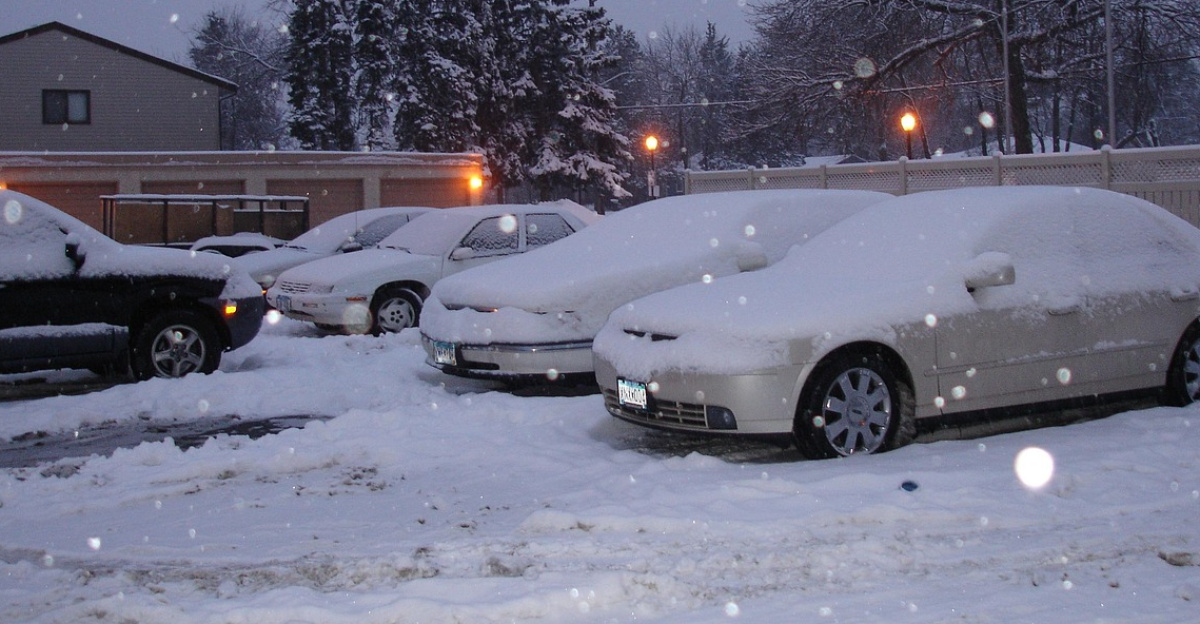
The system’s reach extended to higher elevations along the Tennessee-North Carolina border and into West Virginia—a notable southward thrust for mid-January. Ohio Valley watches broadened as it advanced eastward.
Minnesota and Wisconsin highways and farmlands faced visibility threats from snow and wind. Great Lakes corridors slowed, straining supply chains, agriculture, and commerce, with emergency services focusing on essentials.
Ongoing Preparations and Outlook
Visibility emerged as the crisis’s core peril, forecasted below half a mile across zones, spurring emergency-only advisories and highway closure contingencies. Officials urged residents to remain indoors, track updates, and ready for multi-day halts, including checked emergency kits, generators, and heating.
Communities mobilized snow plows, utility crews for downed lines, and remote work shifts. Schools shuttered preemptively. National Weather Service teams delivered hourly refinements, coordinating from Alaska to Appalachians.
As the clipper wanes by January 15, lake-effect snow lingers in Great Lakes snowbelts, with uncertain ice buildup and infrastructure strain. Pacific ridging patterns hint at further systems this month, raising questions on winter resilience amid such broad events.
Sources:
Newsweek, “Winter Weather Warnings Issued for 4 States”, January 13, 2026
NY Post, “Sprawling midweek storm to bring snow to at least 25 states”, January 13, 2026
National Weather Service, “Winter Storm Warning” (Alaska), January 13, 2026
Yahoo News/Fox Weather, “Sprawling midweek storm to bring snow to lake-effect snowbelts”, January 12, 2026
iHeartRadio, “Massive Storm Could Bring Heavy Snow As Far South As North Carolina”, January 11, 2026
Yukon News, “Alaska Highway, South Klondike closed due to winter conditions”, January 12, 2026