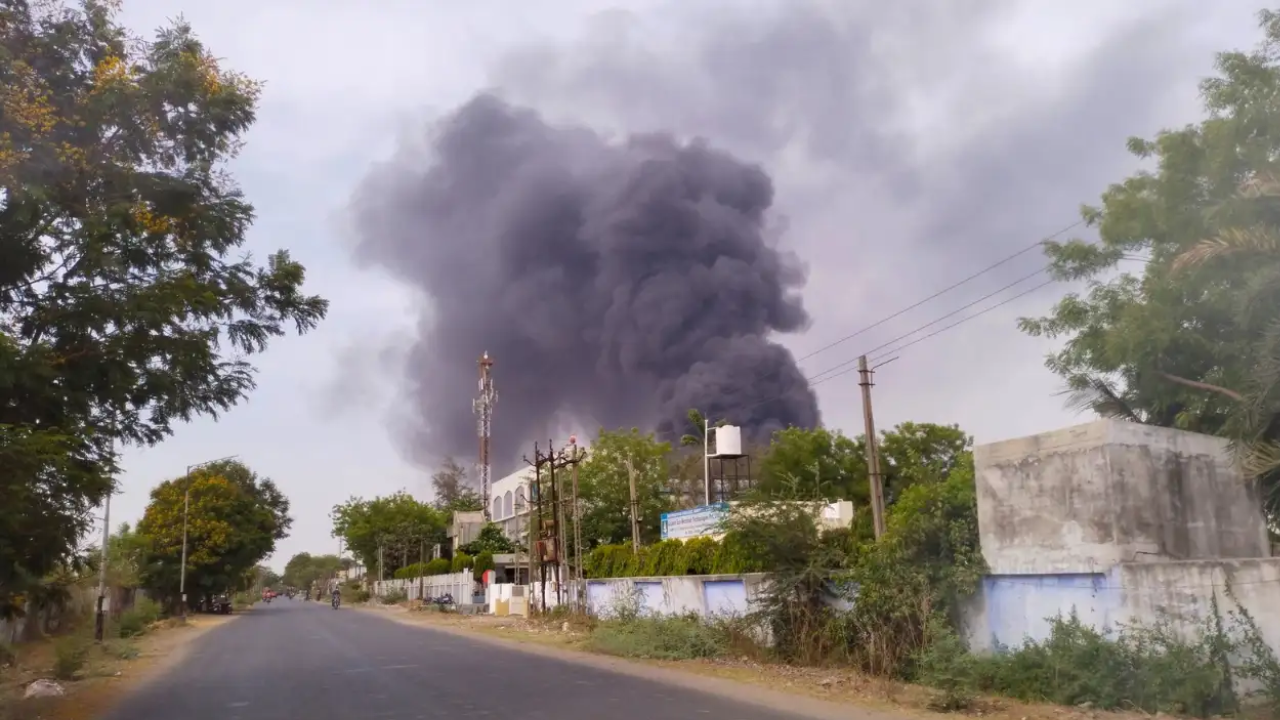
On November 5, 2025, a massive explosion occurred at the CF Industries fertilizer plant near Yazoo City, Mississippi. The blast released a cloud of toxic ammonia that quickly spread over nearby neighborhoods, forcing thousands of people to evacuate their homes. It was one of the largest ammonia-related accidents in U.S. history and has sparked new discussions about how the country handles safety in rural industrial areas.
The explosion happened late in the day, sending a shockwave that could be felt for miles. The steel tanks shattered, releasing a thick cloud of ammonia gas into the air. Within minutes, sirens rang across Yazoo County, warning residents that the air was dangerous to breathe. Those living within five miles of the plant were told to evacuate immediately because the fumes could cause severe breathing problems and burns.
The location of the plant turned the event into a major disaster. U.S. Highway 49 had to be closed, and police blocked access while firefighters and emergency crews worked to contain the leak. Families grabbed what they could and fled, many covering their faces with wet cloths to protect themselves. Shelters set up by local authorities filled quickly, and electricity was cut in some areas to prevent further danger from damaged lines or sparks.
A Vital Industry with Hidden Dangers

CF Industries’ Yazoo City facility plays an important role in U.S. agriculture. It produces a large portion of the ammonia fertilizer used on farms nationwide and can hold up to 48,000 tons of the chemical at one time. This makes it essential for keeping crops growing, but also a potential danger if something goes wrong.
The explosion showed how dependent farming is on such chemical plants, and how risky that dependency can be. In just a few minutes, a plant meant to support food production became a serious threat to the surrounding community. This event raised doubts about whether current safety regulations are sufficient and whether large chemical plants should be located so close to residential areas.
Ammonia is necessary for fertilizer production, but it is also one of the most hazardous chemicals used in industry. It can cause serious injuries on contact, and even a small leak can make the air unsafe. Incidents like the one in Yazoo City demonstrate how the same infrastructure that helps feed the nation can also endanger rural populations if safety systems fail.
Gaps in Warnings and Preparation
Experts have long said that storing large amounts of anhydrous ammonia near populated areas is unsafe. Environmental groups and scientists have asked for stricter laws to control where plants can be built and stronger community plans for emergencies. In Yazoo City, the plant’s position near houses and major roads made it easy for the gas to spread quickly, putting both residents and drivers at risk.
Despite repeated warnings, safety enforcement has often been weak in rural regions. Many local fire departments and emergency response teams rely on volunteers and limited budgets, leaving them unprepared for chemical disasters of this size. When the blast happened, responders worked tirelessly, but the scale of the event overwhelmed local resources. The explosion has shown that rural communities supporting national industries are not always equipped to handle the risks that come with them.
This situation highlights a broader issue across the country: the gap between the needs of industrial growth and rural preparedness. As factories expand and production increases, small towns often lack the tools or funding to respond to emergencies when something goes wrong.
Recovery and Demands for Change
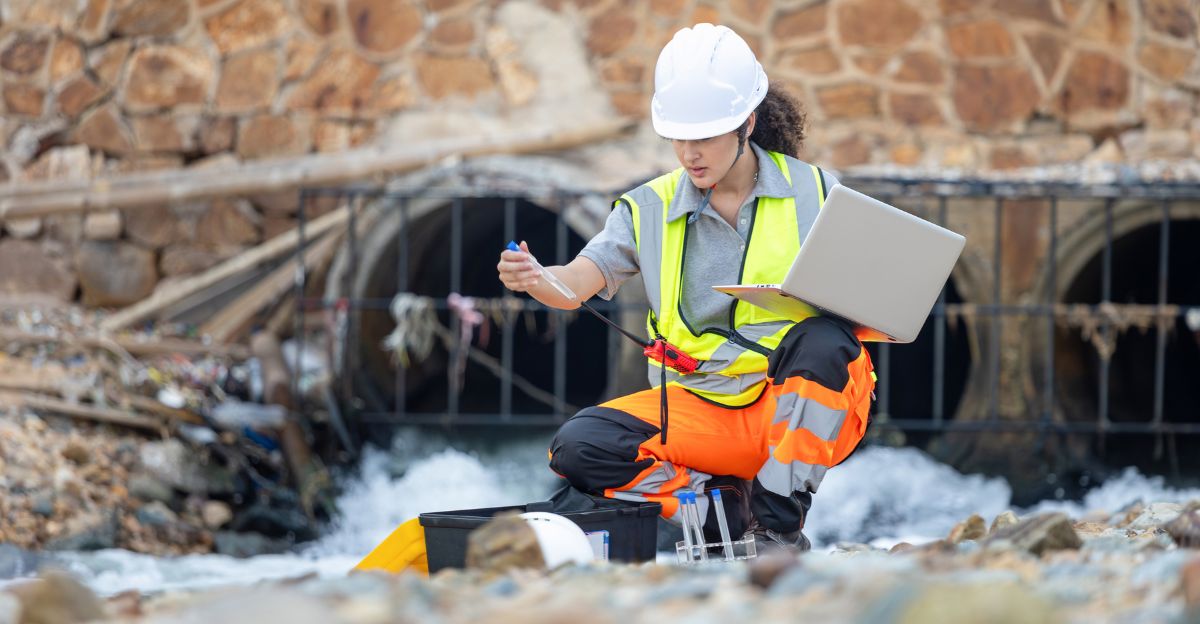
Mississippi Governor Tate Reeves declared a state of emergency soon after the explosion. He ordered mass evacuations and brought in environmental specialists to check air quality. Hospitals were prepared for a large number of patients, although most people suffered only mild exposure symptoms. The American Red Cross and local agencies provided meals, shelter, and health services for displaced families.
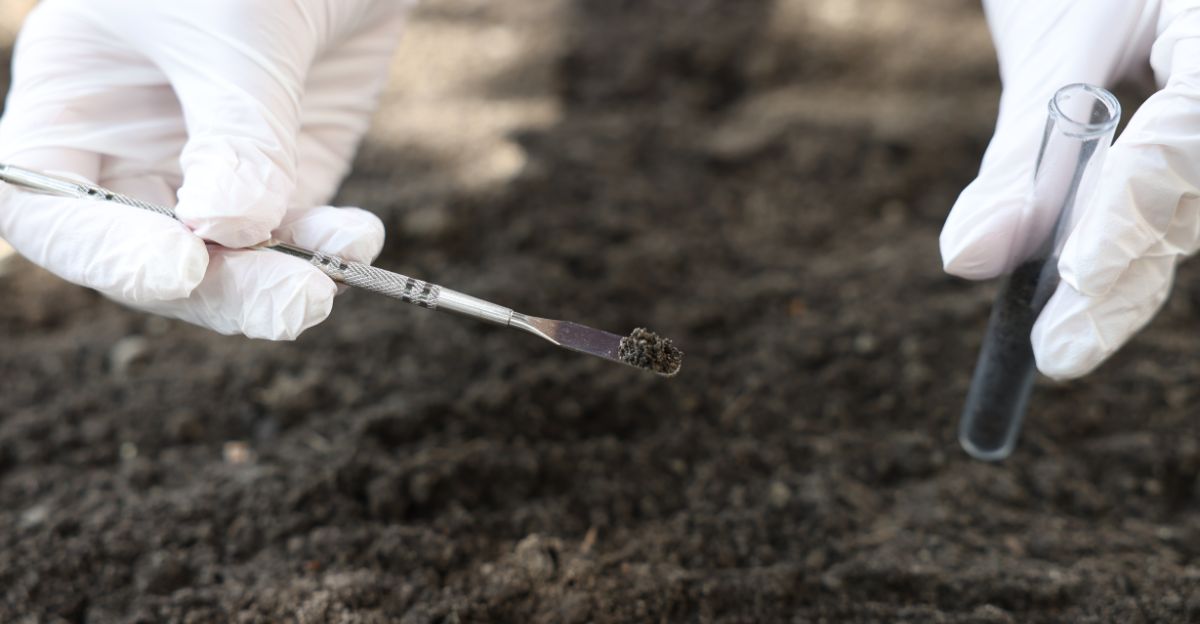
By midnight, air testing showed that ammonia levels had dropped to safe levels, and most families were allowed to return home. The aftermath, however, was clear, chemical residue on lawns, a strong lingering odor, and widespread fear about safety. Cleanup teams began working to remove contamination and test the soil, while wildlife officials monitored nearby wetlands for environmental damage.
Residents of Yazoo City are now demanding greater transparency and stricter safety measures. They want more frequent inspections, practice evacuation drills, and community involvement in industrial planning decisions. State officials are investigating the cause of the explosion and reviewing safety regulations for chemical plants across Mississippi. Lawmakers are also considering new rules for inspections and more funding for rural emergency departments.
Nationally, the Yazoo City explosion has reignited discussion about the country’s chemical infrastructure and whether the balance between economic gain and public safety is being handled responsibly. As the investigation continues, this tragedy serves as a warning of what can happen when safety takes a back seat to production. It reminds policymakers and industries alike that protecting people must come before profit, even in the systems that power America’s most essential industries.