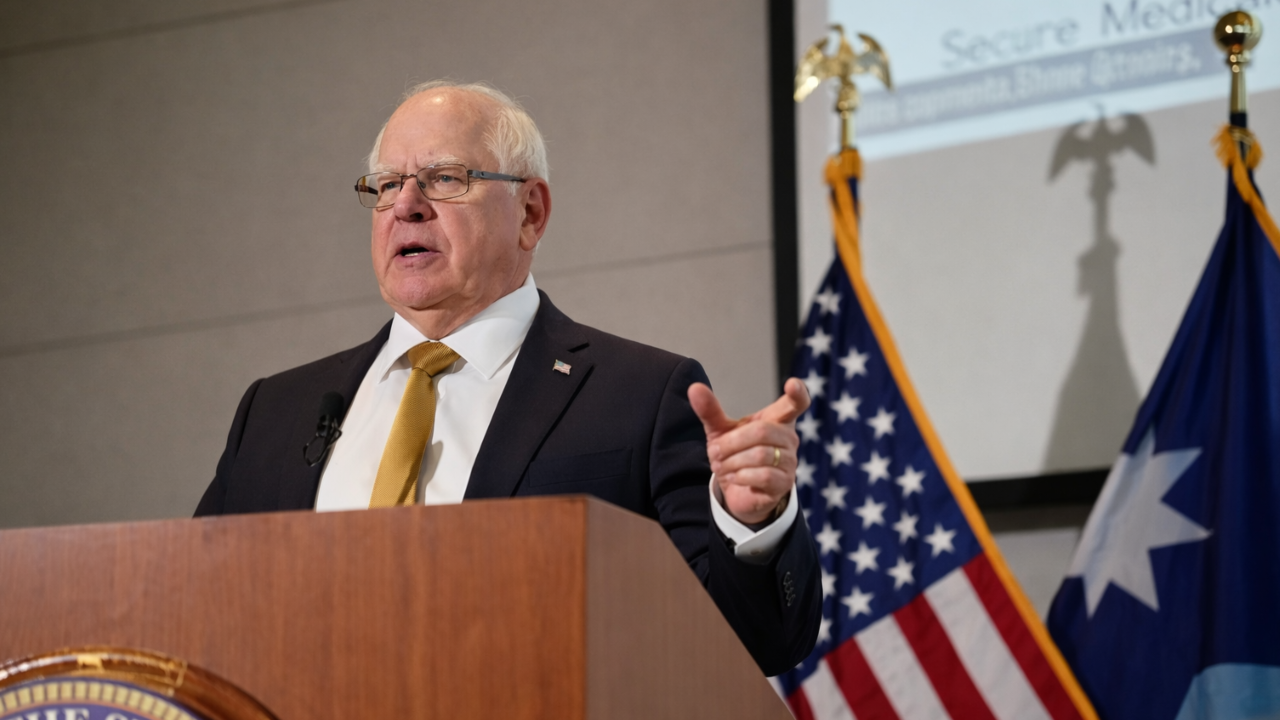
Minnesota state officials have begun systematically removing inactive providers from the Medicaid program, starting with about 800 in the first round by October 2025, as part of a broader effort to bolster program integrity amid past fraud concerns.
This purge affects one of the state’s largest public health networks, serving 1.3 million enrollees, and signals the opening salvo in what officials describe as essential maintenance to eliminate dormant enrollments.
Fraud Shadows Lengthen
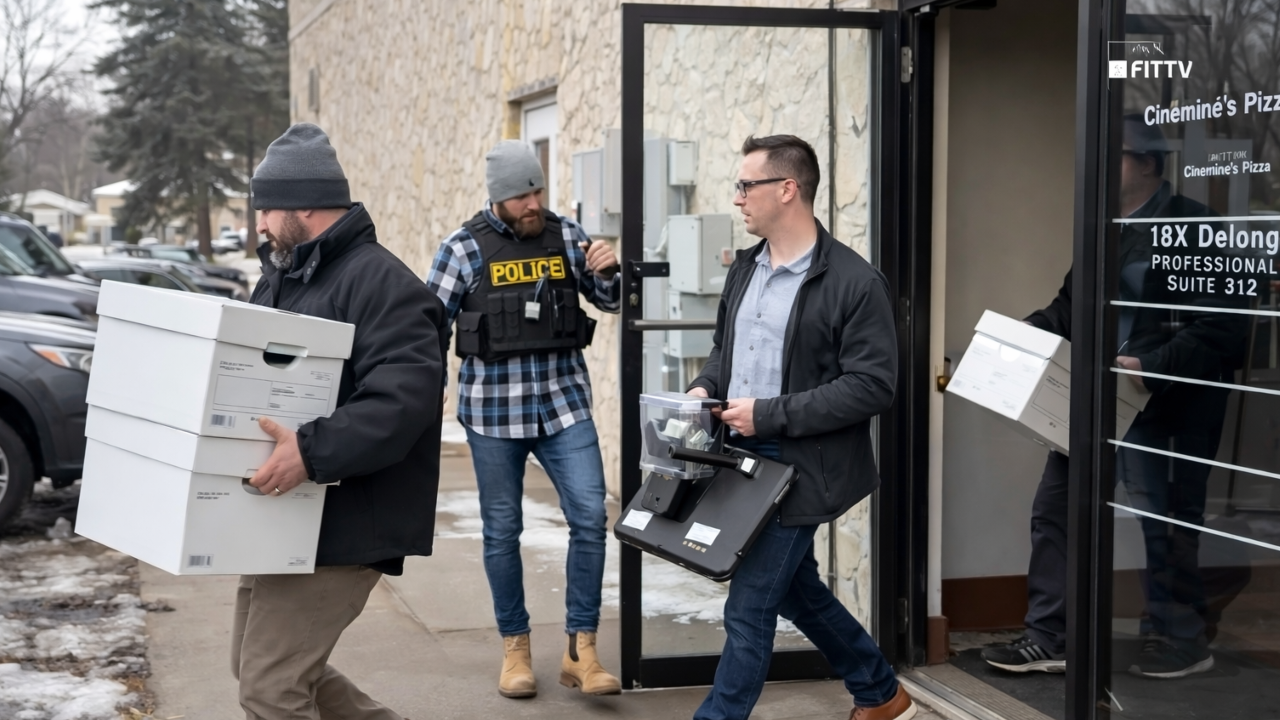
Minnesota’s Medicaid cleanup emerges from a history of scandals that have undermined public programs. The Feeding Our Future case exposed how weak oversight let fraudulent entities persist for years, eroding trust and prompting demands for reform across state services.
Medicaid, with its vast scale and complexity, emerged as the primary target. Lawmakers and investigators highlighted how inactive or suspicious providers lingered on rolls, drawing federal funding without delivering care.
Governor Walz Intervenes

Governor Tim Walz responded with Executive Order 25-10, issued in September 2025, tasking the Department of Human Services (DHS) with fortifying Medicaid safeguards. The directive targets oversight gaps, mandating removal of providers inactive for over a year.
State leaders position this as routine housekeeping, not a policy overhaul, though the pace underscores a shift toward stricter enforcement. High-risk services, prone to billing irregularities, now face heightened audits, with payments sometimes suspended pending review.
First Wave Hits: 800 Providers Gone
DHS confirmed the disenrollment of roughly 800 providers by October 2025, all inactive for more than 12 months without billing Medicaid claims. Officials clarify these were dormant entities, not fraud suspects, with further rounds anticipated.
Many existed only on paper, unserving patients for years yet eligible to bill. While framed as system hygiene, the volume prompts questions about prolonged lapses in enrollment accuracy, especially in provider directories patients rely on.
Ripple Effects for 1.3 Million Enrollees

The changes jolt 1.3 million Medicaid users, introducing uncertainty in a strained system. Patients must verify directories and care options, with rural and underserved regions facing amplified disruptions from slim networks.
Those with disabilities, chronic conditions, or complex needs stand most vulnerable, as advocacy groups note. DHS urges confirmations to maintain continuity, but real-world confusion mounts, with some enrollees scrambling for alternatives.
Oversight Reset and National Context

Provider pushback has surfaced, with small practices citing staffing shortages or delays as reasons for inactivity, not abandonment. DHS offers appeals, but navigation proves challenging.
Under new leadership, DHS introduces expanded audits, interagency ties, and monitoring tools to prevent recurrence. This aligns with federal momentum: in June 2025, the U.S. Department of Justice charged 324 defendants in a $14.6 billion health care fraud sweep across districts.
Minnesota’s moves reflect decade-old vulnerabilities in daycares, home care, and supports, despite prior fixes. Critics argue periodic sweeps fall short of enduring reform, as fiscal pressures loom—Congressional Budget Office forecasts over $1 trillion in Medicaid cuts by 2034, intensified by policy shifts.
The purge underscores Medicaid’s crossroads: bolstering integrity shields funds for genuine care, yet risks access gaps amid ongoing federal probes. With more removals ahead, balancing accountability and reliable service for 1.3 million residents will test state resolve.
Sources:
“Executive Order 25-10: Combatting Fraud in State Programs.” Office of Governor Tim Walz, Minnesota, 16 Sept 2025.
DHS Drops Hundreds of Minnesota Medicaid Providers in Steps to Combat Fraud.” KSTP News, 16 Oct 2025.
“National Health Care Fraud Takedown Results in 324 Defendants Charged in Connection with Over $14.6 Billion in Intended Loss.” U.S. Department of Justice, 29 June 2025.
“How Fraud Swamped Minnesota’s Social Services System.” The New York Times, 29 Nov 2025.