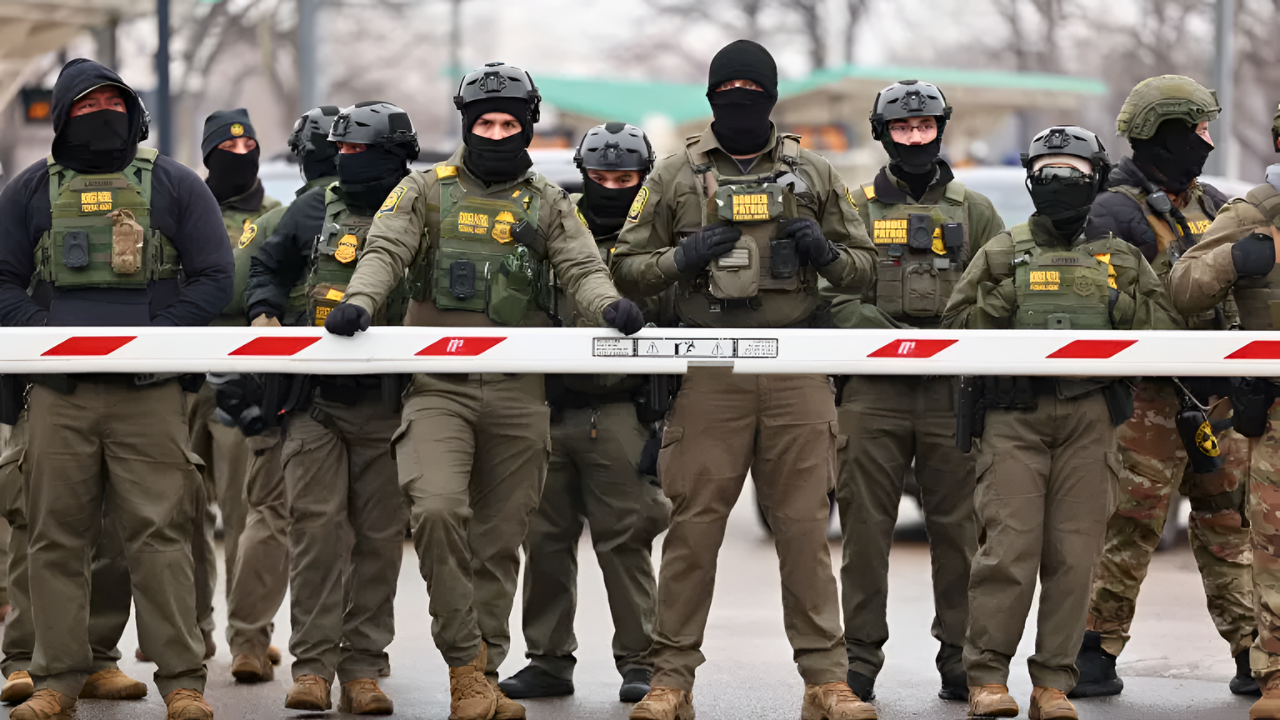
In South Minneapolis, federal immigration agents are now under close public watch. Residents film them constantly, sometimes shouting or throwing snowballs as they conduct raids. This tension exploded after a deadly shooting that turned quiet neighborhood streets into scenes of protest and anger.
The situation has sparked national debate about how immigration enforcement is carried out, especially in places where many immigrants and refugees live. What began as a government operation has now become a community-wide crisis, with residents, activists, and officials all reacting to the same tragic event in very different ways.
The Death of Renee Good
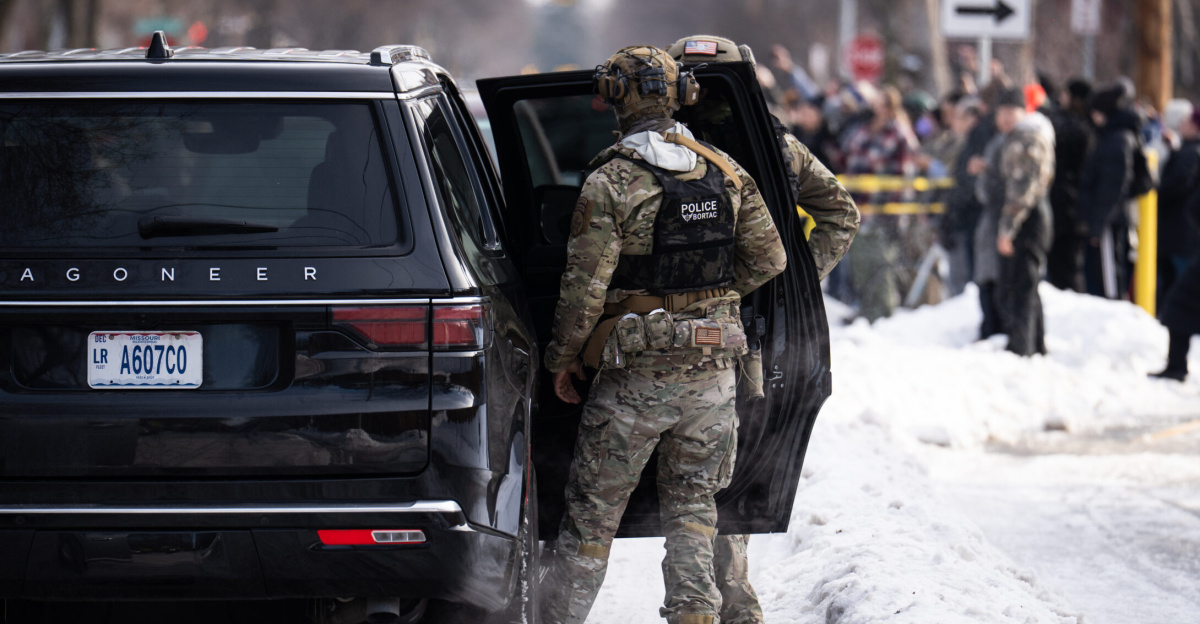
On January 7, 2026, 37-year-old Renee Nicole Good, a U.S. citizen and mother of three, was shot and killed by Immigration and Customs Enforcement (ICE) agent Jonathan Ross. The shooting happened as Good’s SUV moved slowly through a Minneapolis neighborhood.
Video footage shows Ross driving by her stopped vehicle, then walking toward it on foot. Investigators later confirmed that Good turned her wheel to the right, following normal traffic flow, just moments before Ross fired three times. The bullets struck her windshield and driver’s window. Ross was standing beside the car as he fired, not in front of it, raising serious questions about his justification for using deadly force.
Emergency response records reveal several minutes passed before anyone began performing CPR, even though federal officers on the scene were trained to respond in medical crises. News organizations reviewing the video noted that Ross stayed standing next to the SUV while shooting, details that have heightened public outrage. The incident has now become central to discussions about the proper limits of force used by federal agents.
Operation Metro Surge and Its Impact
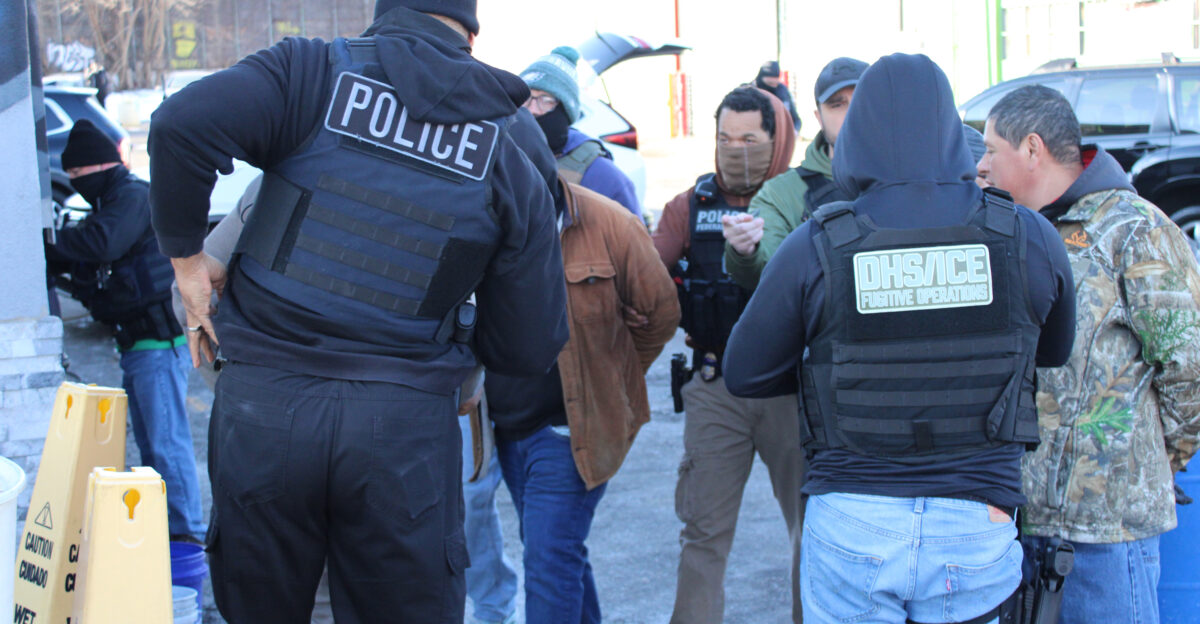
The shooting is tied to a much bigger operation known as Operation Metro Surge. Launched by the Trump administration, this campaign sent around 2,000 federal officers, many from ICE, to Minnesota’s Twin Cities region. It aimed to investigate what officials described as major public-benefit fraud, especially in communities with large Somali populations.
Supporters of the operation claim that such fraud could cost the state as much as a billion dollars. However, verified reports suggest that the actual financial impact is far smaller. Community leaders and advocates say the raids unfairly target immigrants and refugees, even though most residents are lawful citizens, employees, or business owners contributing to local life.
The increased federal presence has alarmed many Twin Cities residents. Unmarked vehicles and heavily armed agents have turned daily life tense and unpredictable. Neighborhood groups have started using apps and social media to warn one another when enforcement convoys appear nearby. These “community alert systems” help people avoid becoming caught in raids but have also led to clashes with officers.
Community Resistance and Fear

In both Minneapolis and St. Paul, residents have organized to monitor and resist these enforcement actions. People gather information, share photos of license plates, and issue public alerts about ICE movements. In one major standoff, residents blocked officers’ paths for almost two hours. Because of a court order, agents could not arrest or use tear gas against anyone peacefully protesting.
Demonstrations now occur often outside the Bishop Henry Whipple Federal Building, where immigrants are processed or detained. After Good’s death, emotions ran even higher. Just a few days later, agents broke car windows and arrested two activists who were following their convoy. They were released eight hours later without charges, but the incident added more fuel to community anger.
The heavy law enforcement presence has caused deep fear in immigrant neighborhoods. Many small businesses have lost customers, and public places once full of life are now quiet. Some residents, like a Liberian refugee recently freed from custody, say they avoid going outside altogether, afraid they might be detained again. Police reports note that overcrowded local jails have forced detainees to be transferred to faraway facilities, sometimes as far as Texas, separating families across state lines.
Individual stories highlight the toll this has taken. One man, 38-year-old Garrison Gibson, faces deportation even though his 2008 drug conviction was dismissed years ago. Legal experts describe chaotic detention conditions, where people are moved quickly between facilities with little information about where they will end up. Neighbors and church groups have stepped in to deliver groceries and supplies to those too frightened to leave their homes.
Political and Legal Fallout
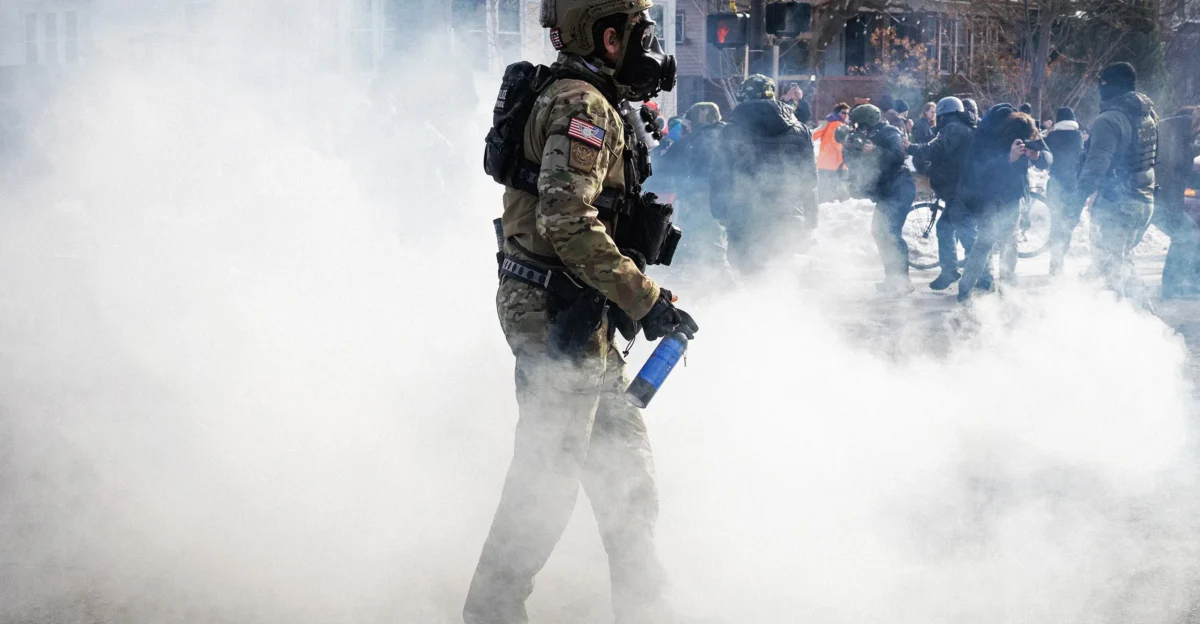
The conflict between local authorities and the federal government has now reached courtrooms. A federal judge’s ruling limits how ICE can act toward bystanders, stopping the use of arrests or force against people who simply observe operations. Meanwhile, the U.S. Justice Department has opened investigations into Minneapolis Mayor Jacob Frey and Minnesota Governor Tim Walz, claiming they may have tried to block immigration enforcement. President Trump has even suggested using the Insurrection Act to bring in troops if unrest grows worse.
City officials are trying to keep the peace. Minneapolis leaders have released public videos featuring clergy and community members calling for calm and lawful protest. Despite these appeals, national enforcement continues to grow. ICE reported 328,000 arrests in 2025, three times the number from the year before, and nightly detainee totals have climbed to about 69,000. Strikingly, only around 16,600 of those detained had criminal records, worsening debates about fairness and government priorities.
A recent poll from CNN and SSRS found that more than half of Americans (51%), believe these operations make cities less safe, while only 31% think they improve safety. In Minneapolis, the standoff has become about far more than a single tragedy. It’s now a test of how far enforcement can go, what rights citizens and immigrants have during such operations, and how much trust remains between communities and their government.
Sources:
Le Monde, “Minneapolis emerges as new epicenter of resistance to Trump: ‘ICE wasn’t expecting that’”, January 16, 2026
Politico, “Minnesota leaders call for ICE to leave the state after agent kills local woman”, January 7, 2026
Fox News, “Trump accuses Tim Walz and Ilhan Omar of using ICE protests to distract from massive state fraud”, January 17, 2026
Fox News, “White House blames Democrats for ICE violence as Minneapolis erupts, Insurrection Act threat looms”, January 14, 2026
PBS NewsHour, “2000 federal agents sent to Minneapolis area to carry out largest immigration operation ever”, January 6, 2026