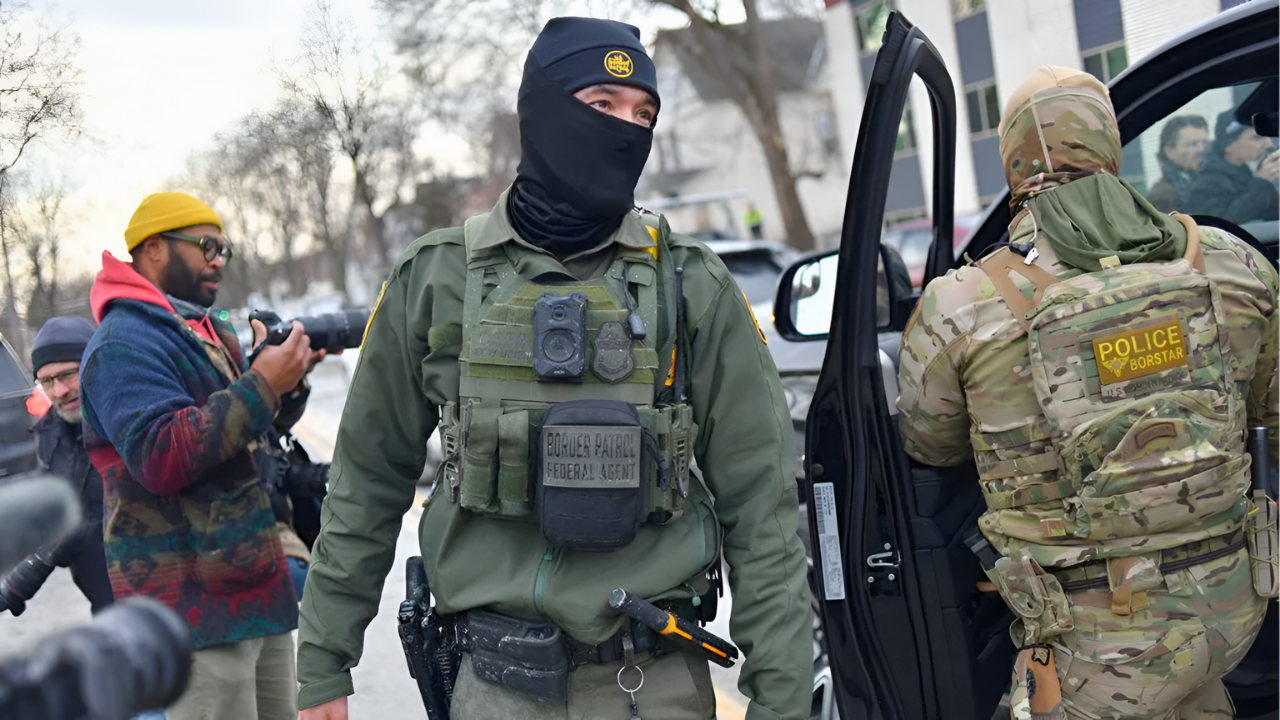
In Minneapolis, federal immigration operations now unfold almost daily in full view of neighbors with phones in their hands and anger in their voices. Agents deployed under Operation Metro Surge say they are routinely harassed, pelted with snow, and blocked by people who see these raids as an attack on their community.
A federal judge has ruled that officers cannot arrest or gas peaceful protesters who stay out of the way, a rare legal limit on street‑level tactics. Against that backdrop, one encounter turned deadly and changed everything: the killing of a local woman during an ICE stop on a quiet residential block.
The Shooting of Renee Good
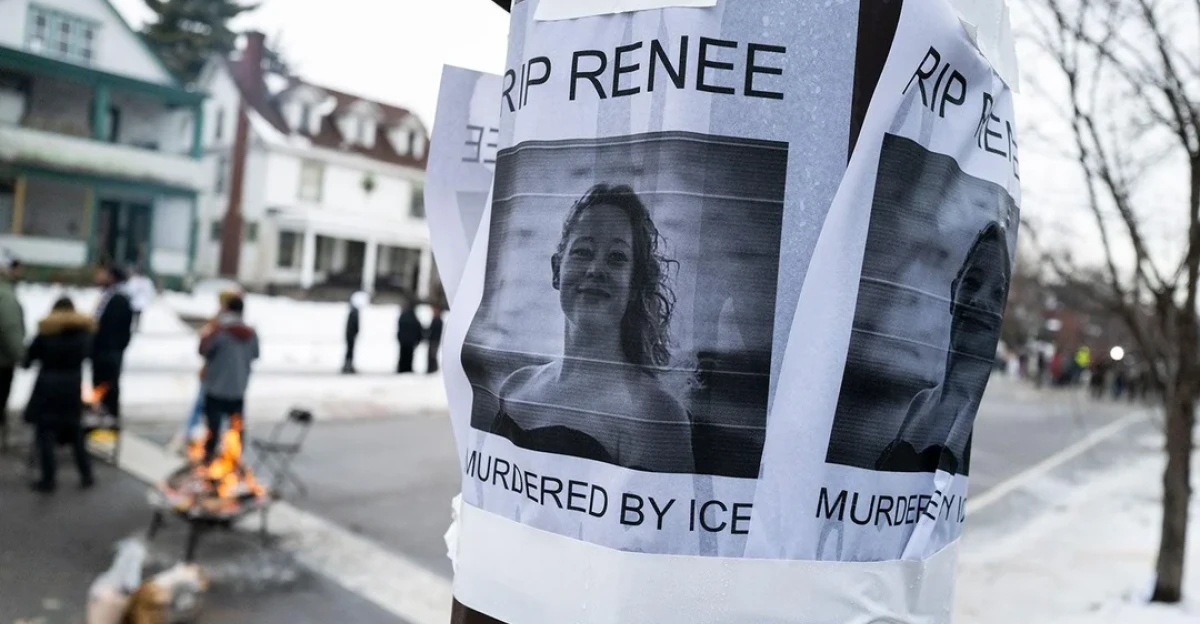
On January 7, 2026, 37‑year‑old Renee Nicole Good, a U.S. citizen and mother of three, was shot and killed by ICE agent Jonathan Ross on a South Minneapolis street. Video shows Good’s SUV stopped sideways in the road as Ross first drove past, then returned on foot toward her vehicle. As her car began moving, investigators say she turned the wheel to the right, in the normal direction of traffic, just over a second before Ross fired three shots in rapid succession.
Separate analyses by major news outlets found that Ross remained on his feet beside the moving vehicle as bullets struck the windshield and driver’s window. Emergency logs show several minutes passed before CPR began, even though federal teams on scene were trained in medical response.
How the Crackdown Began
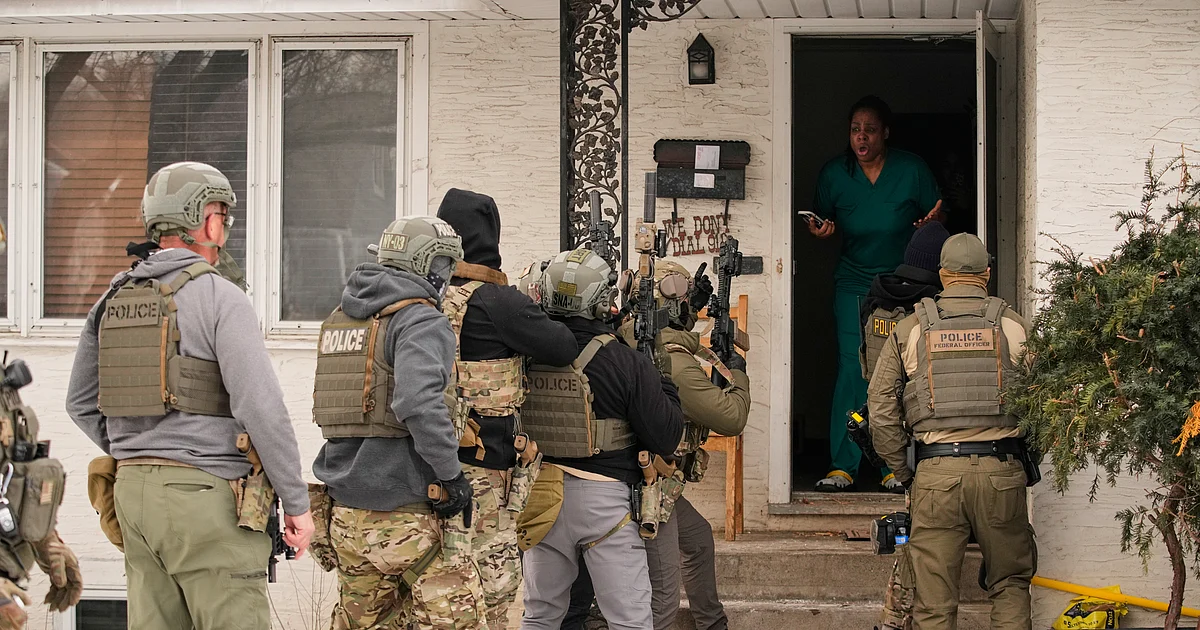
The current crisis traces back to Operation Metro Surge, a Trump administration initiative billed as the largest immigration enforcement push ever in Minnesota. Around 2,000 federal officers were initially sent to the Twin Cities, many of them from ICE, to pursue alleged public‑benefits fraud in and around the state’s large Somali community.
Federal officials and conservative commentators claimed that as much as a billion dollars, or even more, may have been stolen through programs like childcare subsidies and nutrition aid, though confirmed losses so far are far lower. Community leaders counter that a small number of fraud cases is being used to smear an entire population that is overwhelmingly made up of citizens, workers and business owners.
Neighbors Turn Into Watchers

As unmarked SUVs and armored vests became part of the scenery, residents in Minneapolis and Saint Paul organized themselves into informal alert networks. Group chats and social media channels ping throughout the day with license plates, street names, and urgent warnings that ICE is on this block right now.
One standoff reportedly dragged on for nearly two hours as residents refused to move and officers filmed the crowd, some gesturing toward tear‑gas launchers but holding back under the new court order. The same faces often reappear later at larger rallies outside the Bishop Henry Whipple Federal Building, now a focal point of the region’s anger and fear.
A Violent Arrest Deepens Anger
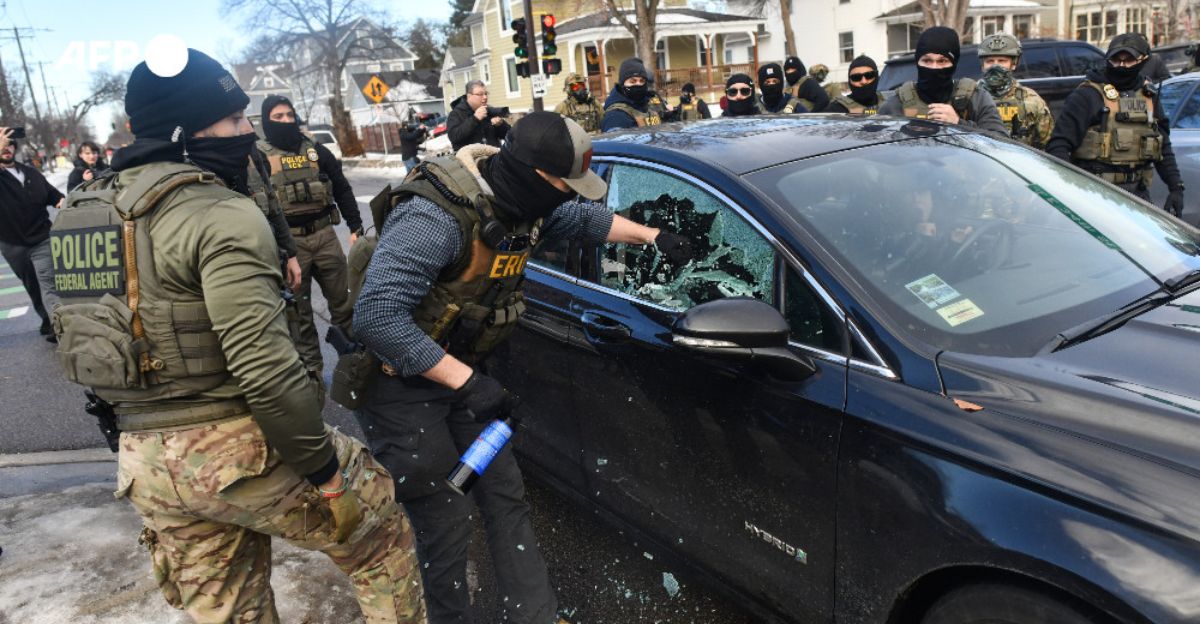
Four days after Good’s killing, another confrontation in South Minneapolis added fuel to the fire. ICE agents moved on a car they said had been following their vehicles despite repeated warnings to back off. Video and photographs from the scene show federal officers smashing the front windows with weapons or batons before pulling two anti‑ICE activists from the vehicle.
The pair were taken into custody, questioned for hours, and then released without charges after roughly eight hours, according to local reports. To activists, the episode looked like retaliation against what they call community patrols that trail ICE convoys to document arrests and warn neighbors.
Fear Spreads Through the Twin Cities

In immigrant neighborhoods around Minneapolis and Saint Paul, the constant hum of helicopters and sirens has been replaced by something quieter: people staying indoors. One Liberian refugee, recently released from ICE custody, told reporters he was now afraid to leave his home at all, worried that any trip outside could end in re‑arrest.
Because local jails are overflowing, many detainees swept up in the surge have been transferred to far‑away contract facilities, including large camps in Texas, separating families by thousands of miles. City officials, caught between federal power and local outrage, released videos urging residents to protest peacefully while signs around City Hall demand ICE out of our neighborhood.
Faces Behind the Numbers
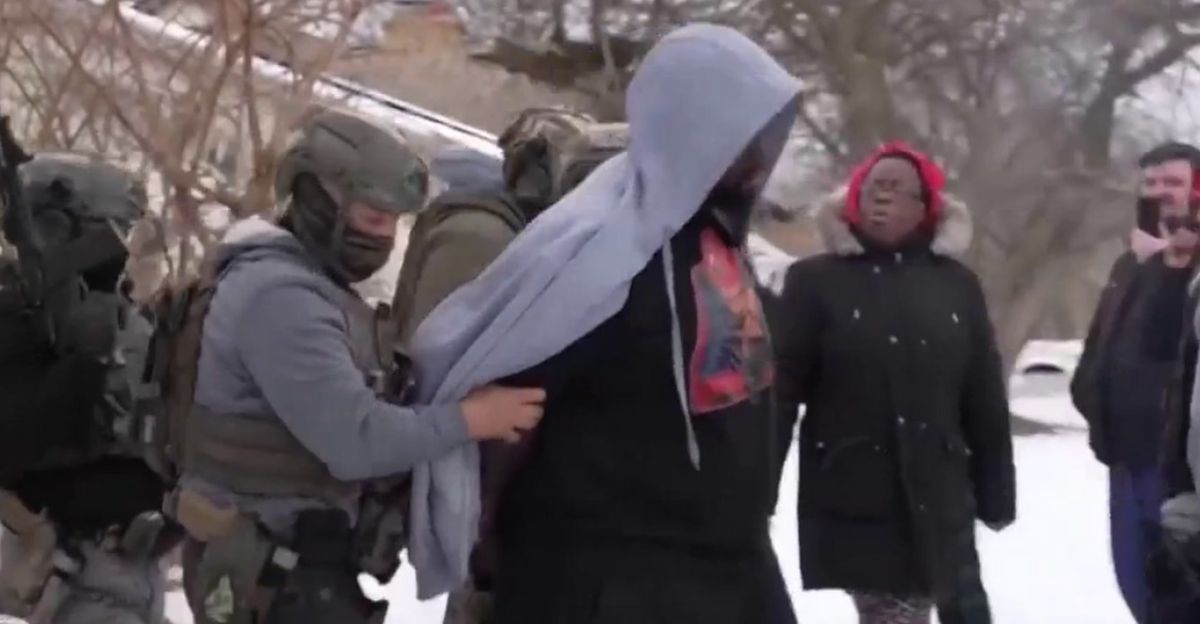
Behind the statistics and talking points are families like that of 38‑year‑old Garrison Gibson. Gibson now faces deportation proceedings despite living under legal supervision for a drug conviction from 2008 that was later dismissed, according to his attorney.
Inside detention, conditions are described as chaotic and overcrowded, with people moved quickly between holding areas and little information about where they will end up. In another case, neighbors reportedly brought groceries and supplies to a client too afraid to step outside because ICE vans kept circling the block.
Courts and the Clash Over Power

The streets are not the only battlefield; courtrooms have become central to Minnesota’s fight over immigration enforcement. A federal judge recently restricted ICE from arresting protesters who simply stand nearby or from using tear gas on crowds that do not physically interfere with operations. At the same time, the Justice Department has opened obstruction investigations into Minneapolis Mayor Jacob Frey and Minnesota Governor Tim Walz, scrutinizing whether local leaders crossed legal lines in trying to shield residents.
President Donald Trump has publicly threatened to invoke the Insurrection Act, a rarely used law that would allow him to deploy the military domestically if he claims civil unrest is out of control. City officials have responded with messages featuring clergy and community leaders urging calm and unity, even as they criticize federal tactics.
A Nationwide Crackdown
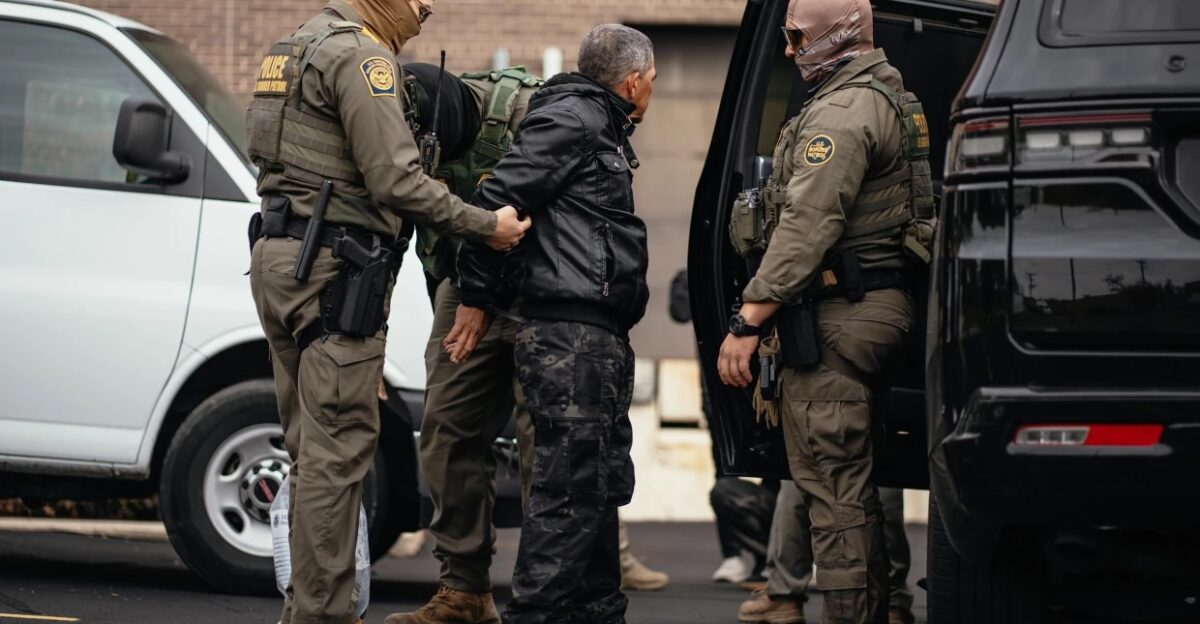
What is happening in Minnesota is part of a far broader surge in immigration enforcement under Trump’s second term. According to figures cited by European and U.S. outlets, ICE made roughly 328,000 arrests in 2025, about three times as many as in 2024, with nearly the same number of expulsions. At the start of this year, around 69,000 people were being held in ICE detention on a given night, up by roughly 30,000 compared with a year earlier.
Yet only about 16,600 of those detainees had criminal records, raising questions about who is being targeted when officials promise to focus on the worst of the worst. A recent CNN/SSRS poll found that 51 percent of Americans believe ICE operations make cities less safe, while just 31 percent say they improve safety.
When Protest Becomes a Crime
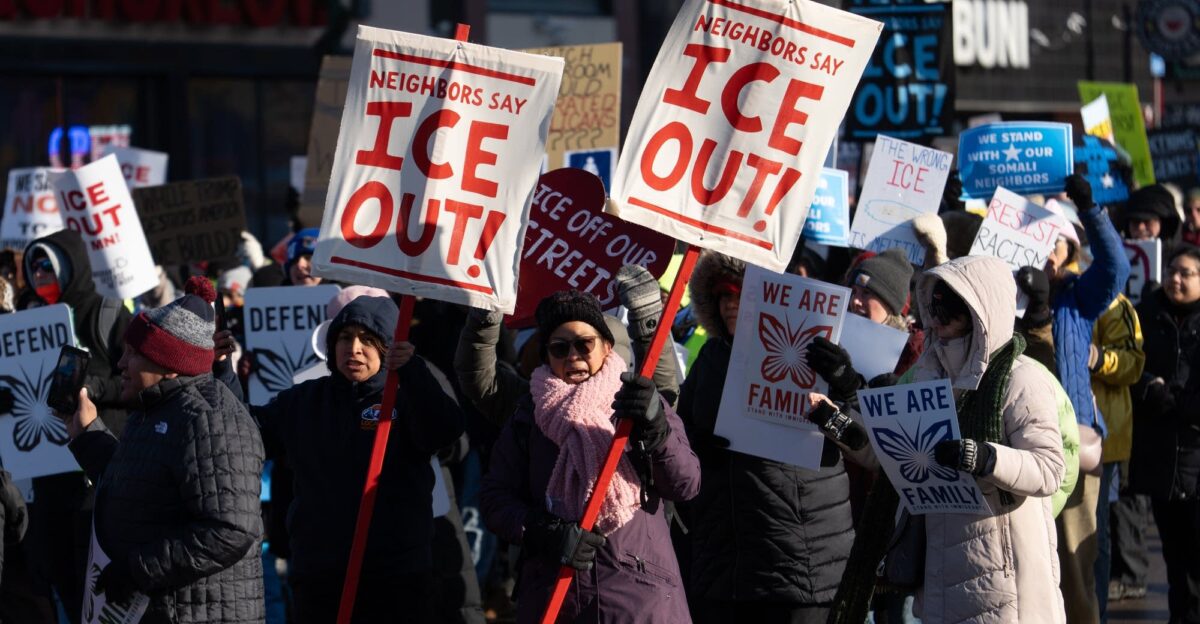
For activists, following federal convoys and filming arrests feels like a civic duty; for prosecutors, it can look like obstruction. Under federal law, interfering with or assaulting officers, including ICE agents, can bring serious criminal charges, even without physical violence.
So far, however, several high‑profile protesters detained in Minneapolis have been released without charges, highlighting a gap between the government’s threats and what it has been willing or able to prove in court. Civil liberties groups argue that vague obstruction theories risk criminalizing basic watchdog behavior, like recording agents or alerting neighbors.
City Hall Under Pressure
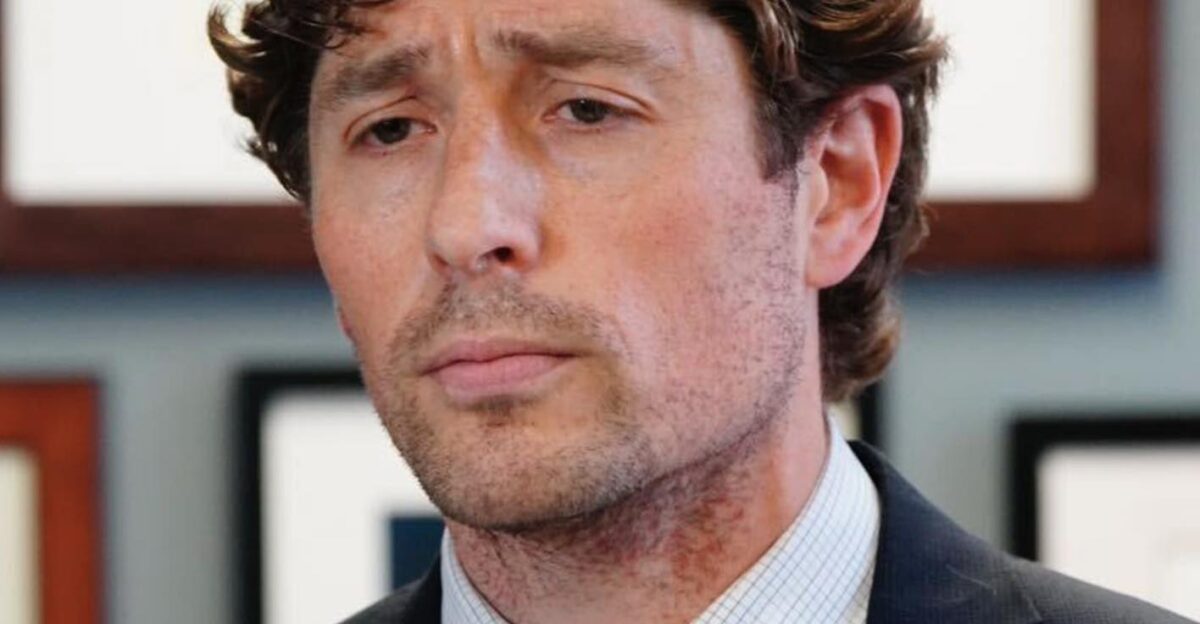
Local leaders are being squeezed from both sides as the federal dragnet expands. Minneapolis Mayor Jacob Frey has posted and amplified videos of anti‑ICE protests, moves that Trump and his allies frame as encouraging lawlessness and distracting from welfare‑fraud investigations. Governor Tim Walz quietly readied National Guard units in case protests or federal actions spiral, but has so far resisted calls to deploy them onto city streets.
On the ground, some demonstrators insist that ICE is provoking confrontations to create a pretext for even harsher federal responses, including possible martial‑law‑style measures. There is, however, no verified evidence that Democratic officials have formally endorsed specific activists arrested during these confrontations, underscoring the political risks of taking sides too visibly.
Trump, Omar and a Political Fight
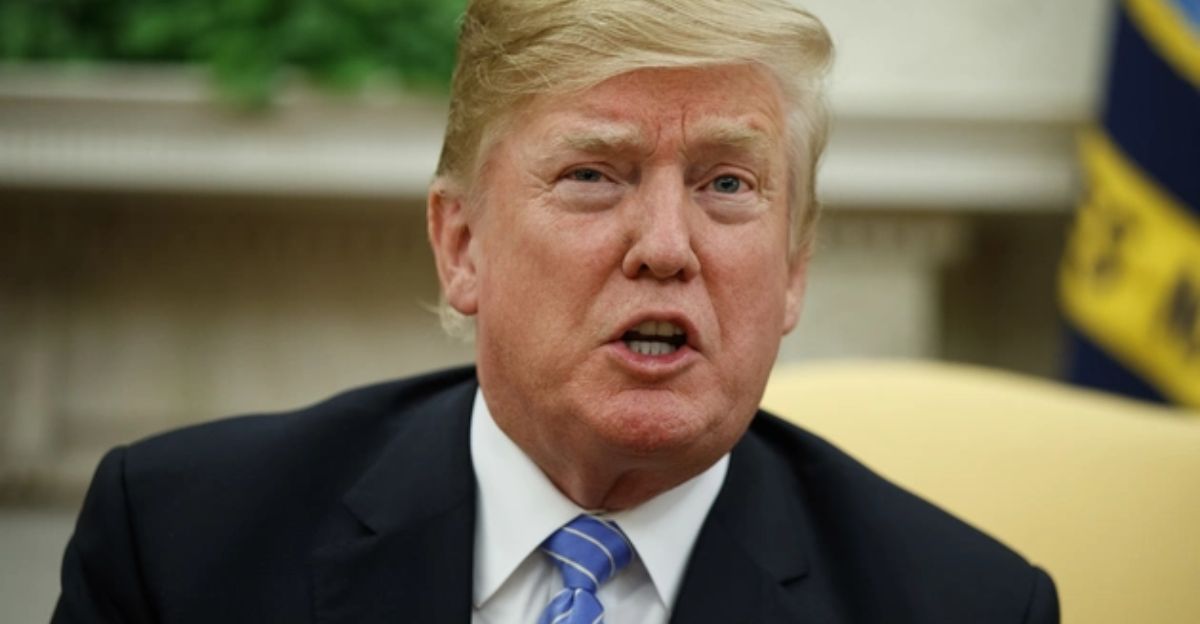
The Minneapolis showdown has become a national political symbol, with President Trump repeatedly singling out Minnesota officials and the state’s Somali community. He has accused Governor Walz and Representative Ilhan Omar of exploiting protests for political gain while failing to confront what he calls “astronomical” fraud in social‑service programs.
Homeland Security has prepared as many as 1,500 additional personnel, including tactical units, in case the administration decides to escalate its response. Even as Trump links the enforcement blitz to Somali‑connected fraud cases, advocates stress that most Somalis in Minnesota are citizens and taxpayers with no ties to the scandals.
Are Tactics Making Things Worse?
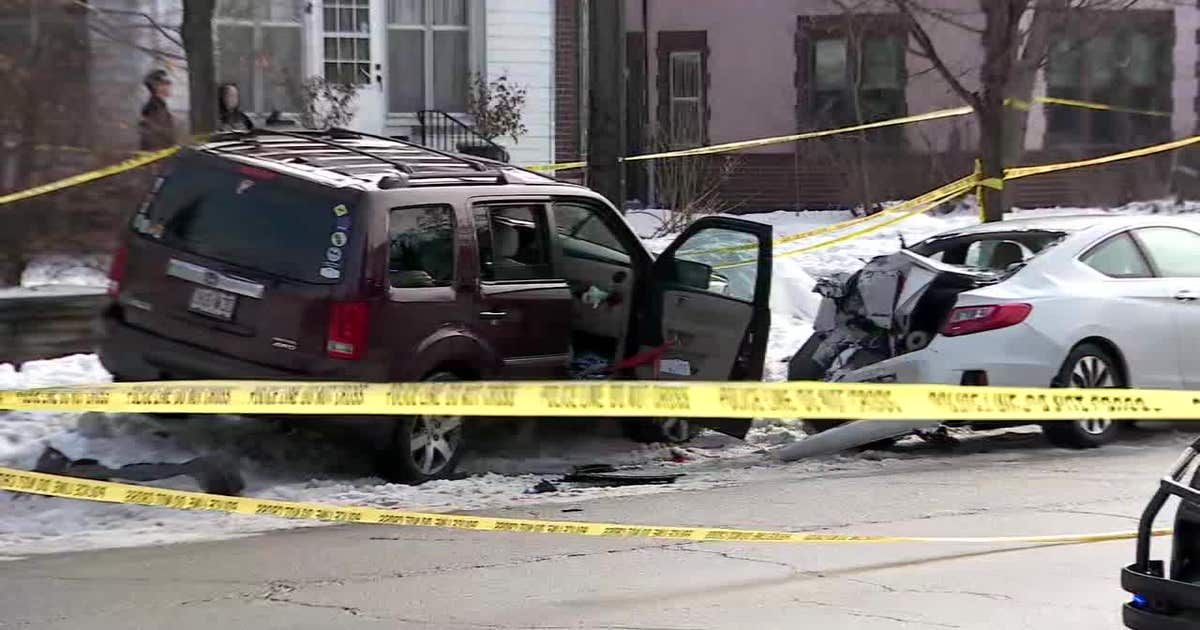
The death of Renee Good has focused fresh scrutiny on how ICE agents are trained to use force, especially around vehicles. Police‑use‑of‑force experts warn that firing into moving cars is widely discouraged because it often fails to stop the vehicle and can endanger bystanders.
Ross, a veteran officer, had previously been involved in another vehicle incident, deepening questions about oversight and discipline inside ICE. Nationwide protests over police shootings in recent years have pushed many cities to adopt stricter rules on shooting at vehicles, but those standards do not uniformly apply to federal immigration agents.
Public Trust Collapses
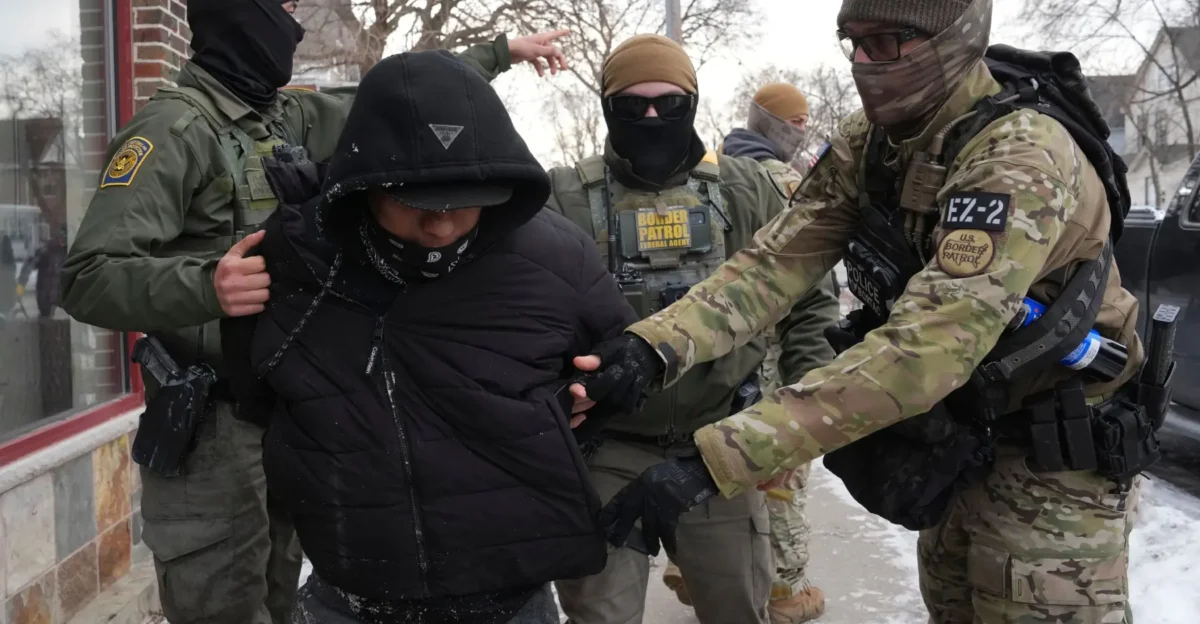
As videos of raids and arrests circulate, the public conversation about ICE is hardening. Use‑of‑force specialists quoted by national outlets say the Good shooting did not meet the threshold for justifying deadly fire, especially given the direction of her vehicle and the officer’s position. For many Minnesotans, those expert views reinforce what they believe they saw with their own eyes in the cellphone clips.
At the same time, overcrowded detention centers, long‑distance transfers and the arrest of people with little or no criminal history are eroding any remaining trust in the agency’s claims that it is focused on dangerous offenders. There is no public evidence that Democratic officials are encouraging people to stalk or chase ICE vehicles, despite some conservative accusations to that effect.
A Murky Road Ahead
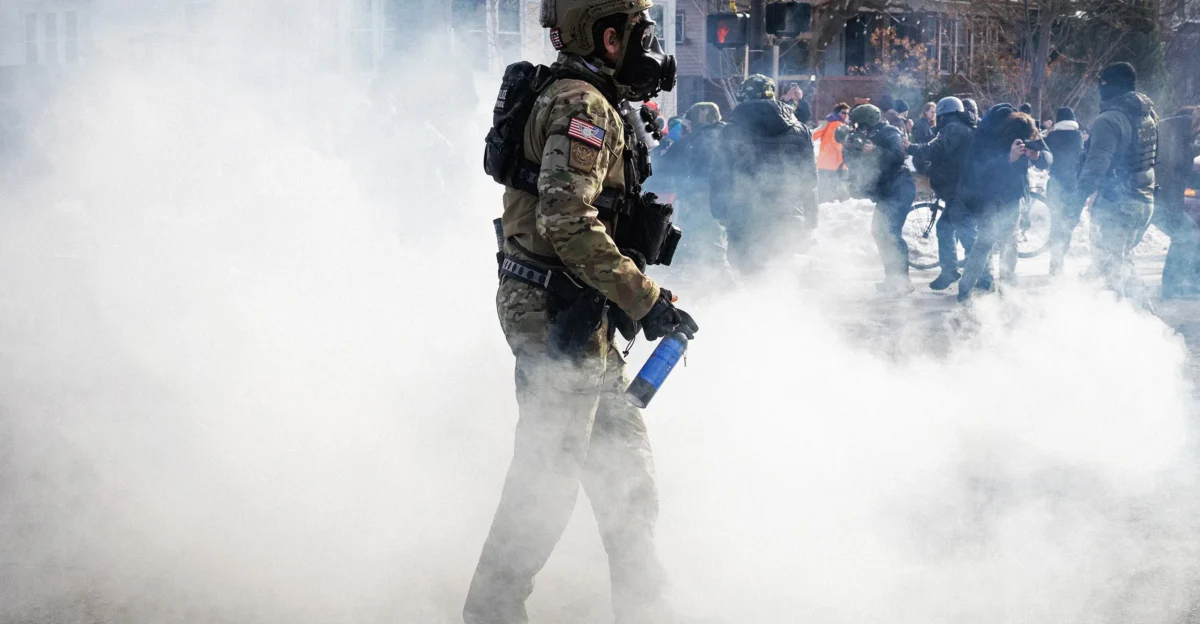
With National Guard vehicles on standby and talk of the Insurrection Act echoing in Washington, Minnesota now sits at the center of a national test of power, protest and democracy. The combination of a fatal shooting, mass arrests and deep community fear has turned the Twin Cities into a symbol of the human cost of hard‑line immigration policy.
Officials insist that fraud must be punished and laws enforced; residents counter that entire neighborhoods are being treated like enemy territory. Activists warn that the longer the surge continues, the more likely it is that another encounter will spiral out of control, with or without cameras rolling.
Sources:
Le Monde, “Minneapolis emerges as new epicenter of resistance to Trump: ‘ICE wasn’t expecting that’”, January 16, 2026
Politico, “Minnesota leaders call for ICE to leave the state after agent kills local woman”, January 7, 2026
Fox News, “Trump accuses Tim Walz and Ilhan Omar of using ICE protests to distract from massive state fraud”, January 17, 2026
Fox News, “White House blames Democrats for ICE violence as Minneapolis erupts, Insurrection Act threat looms”, January 14, 2026
PBS NewsHour, “2000 federal agents sent to Minneapolis area to carry out largest immigration operation ever”, January 6, 2026