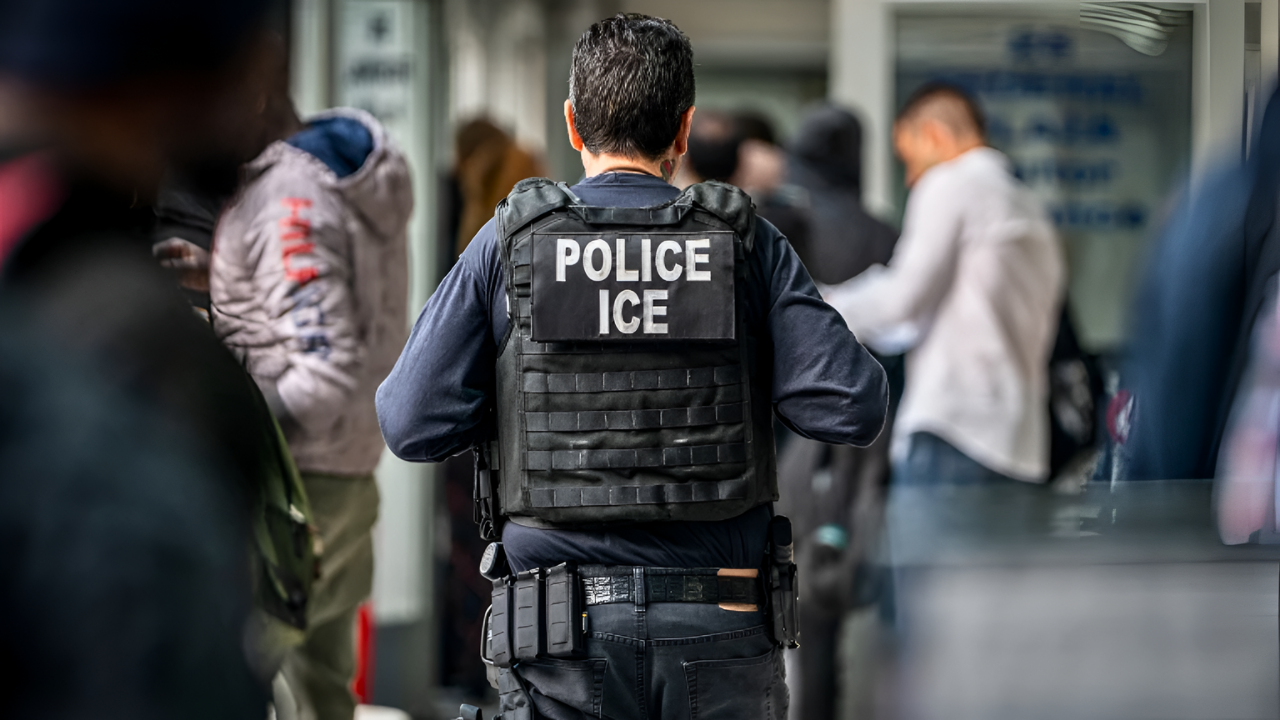
Federal immigration enforcement in Minnesota has entered a volatile new phase. In early January 2026, the Trump administration deployed roughly 2,000 federal agents and officers to the Minneapolis–St. Paul region for a 30-day surge, described by Acting ICE Director Todd Lyons as “the largest immigration operation ever taking place right now.
It is a great effort by ICE.” Officials say the campaign targets immigration violators and fraud schemes, yet critics describe widespread fear across immigrant neighborhoods, particularly among Somali and Latino residents who have changed daily routines to avoid federal encounters.
Here’s what’s unfolding as Minneapolis–St. Paul becomes the testing ground for a historic enforcement push…
Unprecedented Scale and Resources
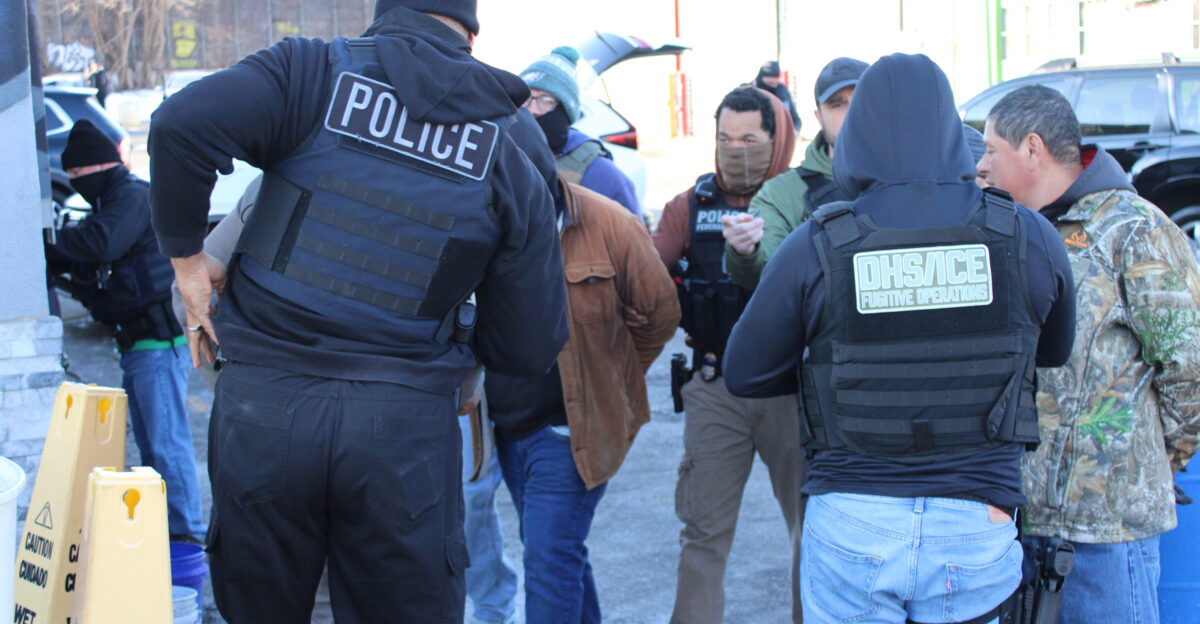
Federal authorities report that the operation involves hundreds of ICE Enforcement and Removal Operations officers, Homeland Security Investigations agents, and tactical Special Response Teams, all coordinated by multiple supervising commanders. One former law enforcement official called the deployment “extraordinary,” comparing the HSI presence to the entire Arizona workforce.
Scheduled to run through early February, the surge represents the first major implementation of the administration’s expanded 2026 immigration strategy. DHS officials say up to 2,000 personnel will rotate through the Twin Cities during the month-long effort, making it the largest metropolitan campaign ever conducted by the department. This concentration of federal resources is unmatched and signals a new approach to urban immigration enforcement.
From Metro Surge to Expanded Push
The current surge builds on December 2025’s Operation Metro Surge, which focused primarily on immigrants with deportation orders, including Somali nationals. By December 19, nearly 700 arrests had been made, according to federal reports.
Federal activity intensified late last year, with HSI agents canvassing businesses and ICE officers conducting street arrests. By January 2026, the effort had expanded dramatically, prompting DHS to label it its largest metropolitan enforcement operation ever. Officials frame the initiative as targeting criminals and fraud, though its scale has created alarm across immigrant communities.
Fraud Investigations Increase Pressure
The Minnesota surge coincides with high-profile fraud cases. Prosecutors say 78 people were indicted and 57 convicted in the “Feeding Our Future” scandal, accused of stealing roughly $250 million in COVID-era nutrition funds through fake meal sites. Claims were submitted via the federal Child and Adult Care Food Program.
Additionally, federal officials froze $185 million in child-care funding on December 30, 2025, requiring enhanced documentation from providers. The freeze impacts about 19,000 children statewide, heightening scrutiny and placing additional pressure on Minnesota’s immigrant communities as the enforcement campaign unfolds.
Daily Life Disrupted

Minnesota is home to the nation’s largest Somali community, with estimates ranging from 80,000 to 108,000 residents, most of whom are U.S. citizens. Enforcement actions and fraud investigations have concentrated on Somali-run child-care centers and small businesses, leaving families feeling targeted.
Somali and Latino residents report significant changes to daily life. Many carry passports and multiple forms of identification at all times, worried about wrongful detention. Business corridors have grown quiet, and a Minneapolis community leader told reporters, “Every single person is on guard and afraid,” illustrating how a campaign officially aimed at criminals is affecting law-abiding residents.
Businesses Struggle Amid Raids
Immigrant-owned businesses along East Lake Street and similar corridors report conditions “worse than the pandemic.” Employees have been detained while walking to work, leaving shops dark and understaffed. One tearful business owner asked, “What did we do? We just work, we just contribute to this country.”
Economists warn that reduced foot traffic may harm supply chains and local tax revenue. Tactical teams and senior ICE commanders are conducting door-to-door checks at businesses suspected of hiring undocumented workers or engaging in fraud, while coordinated neighborhood arrests continue. Critics say the operation risks affecting law-abiding residents and destabilizing local economies.
Fatal Shooting Heightens Tensions
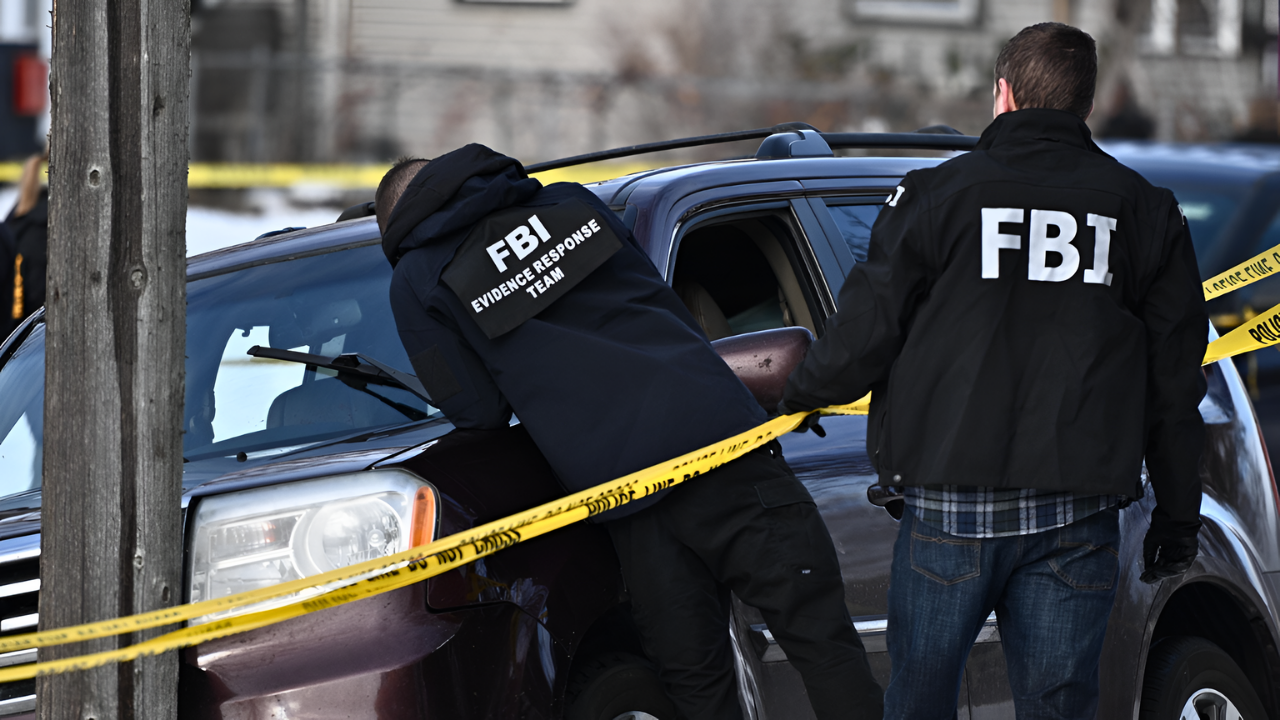
Tensions escalated on January 7 when ICE agents fatally shot 37-year-old Renee Nicole Good in south Minneapolis. The ACLU says she was unarmed and seated in her vehicle, while DHS claims she attempted to run over an officer. The incident occurred just one day after DHS confirmed the deployment of over 2,000 officers, intensifying calls for federal withdrawal and independent investigation.
Governor Tim Walz criticized the scale and lack of coordination with local authorities, and Minneapolis Police Chief Brian O’Hara warned that some operations risked “unrest or a tragedy.” Civil rights groups, including CAIR and the ACLU of Minnesota, are mobilizing protests, advocating for community solidarity, and demanding investigations into potential civil rights violations.
Looking Ahead

ICE reports more than 1,000 arrests since December, including individuals described as violent criminals. Critics argue that families without criminal records are living in fear, with enforcement actions appearing indiscriminate. Somali community leaders describe the surge as a “war” on their neighborhoods, while policymakers debate whether Minneapolis will serve as a model—or cautionary tale—for future nationwide operations.
The Twin Cities now face a pivotal moment: balancing law enforcement priorities with the social, economic, and human impact of large-scale federal interventions. As communities adapt and leaders assess outcomes, Minnesota’s experience may influence federal immigration strategy for years to come.
Sources:
2000 federal agents sent to Minneapolis area to carry out ‘largest immigration operation ever’. PBS NewsHour, January 6, 2026
ACLU and ACLU of Minnesota Demand Immediate Action After ICE Shoots and Kills Minnesota Woman. ACLU, January 6, 2026
2000 federal agents deploying to Minneapolis in immigration crackdown. CBS News, January 4, 2026
HHS freezes all child care funding for Minnesota. Politico, December 30, 2025
Hilton cuts ties with a Minnesota Hampton Inn after DHS dispute. Hotel Dive, January 6, 2026
5 things to know about the Somali community in Minnesota after Trump’s attacks. PBS NewsHour, December 3, 2025