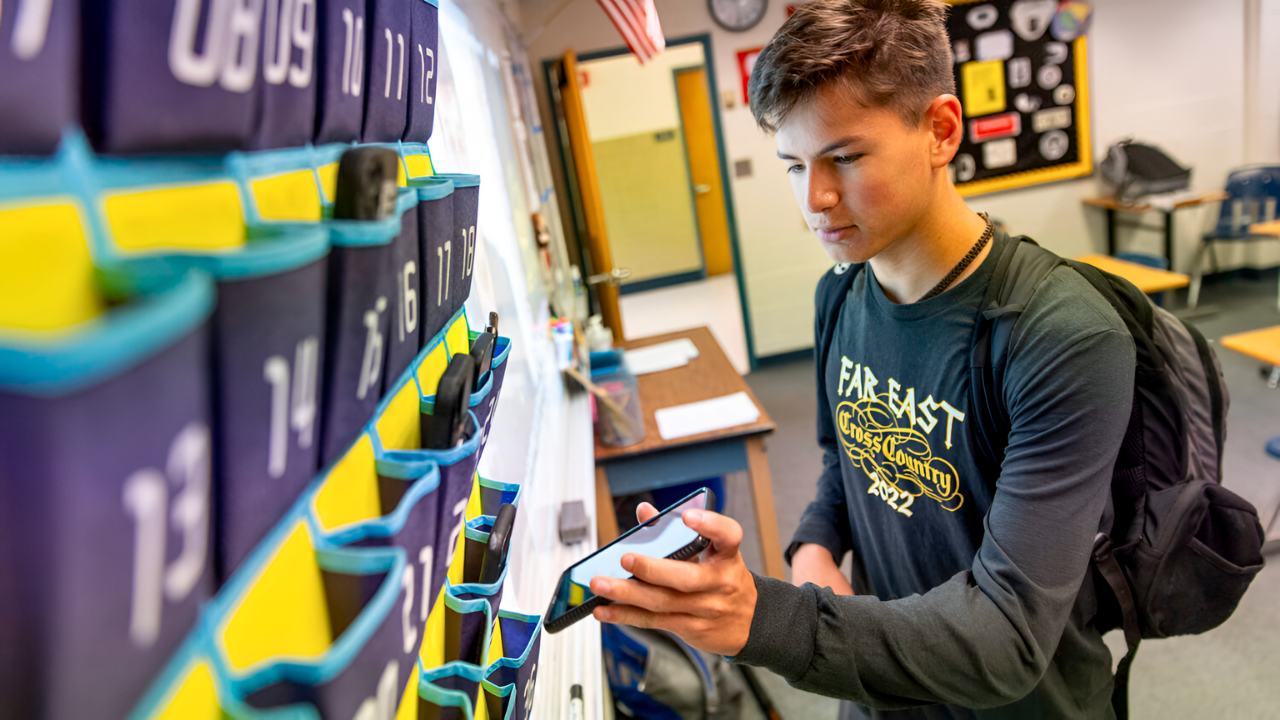
In American classrooms, smartphones command more attention than lessons, with teachers losing valuable instructional time wrestling distractions away from devices. This pervasive issue has eclipsed absenteeism as the top obstacle to learning, prompting school officials to pursue sweeping restrictions.
A Tipping Point Reached
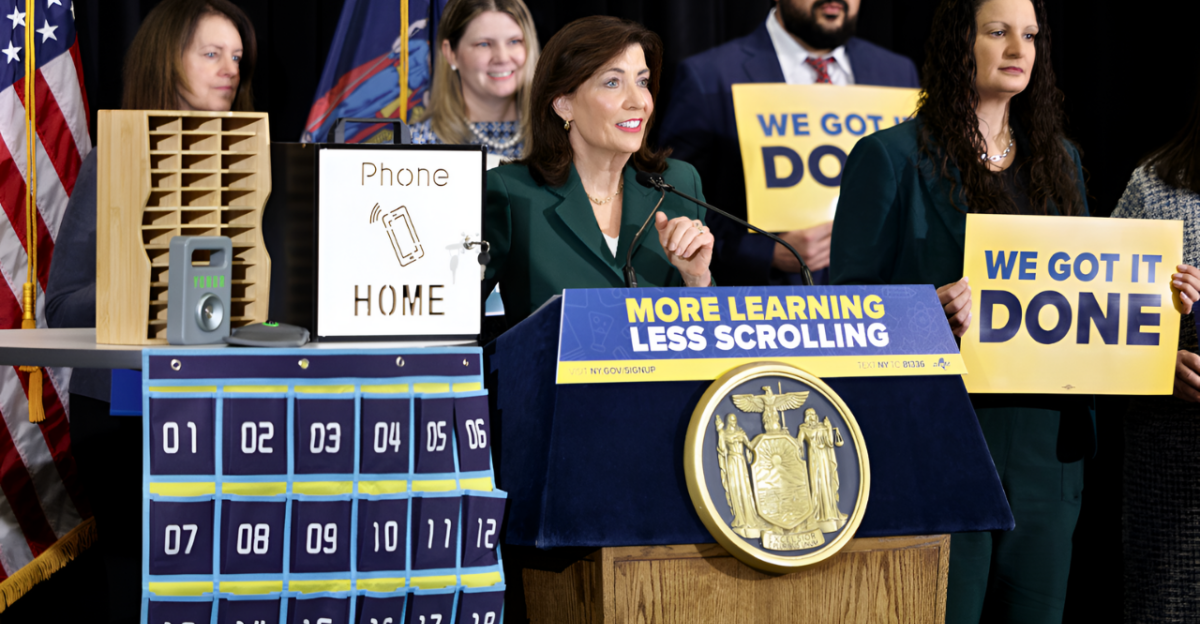
By early 2026, momentum peaked as 22 states passed cell phone limits within 2025 alone—representing one of the quickest waves of coordinated education policy changes in recent years. What began with local experiments evolved into a national push, altering daily routines for millions of students.
Florida led in May 2023 via HB 379, mandating “bell-to-bell” bans covering all school time. New York joined in May 2025, prohibiting devices district-wide during school hours with implementation beginning in fall 2025. These early moves proved bans workable, despite doubts about enforcement and politics.
Momentum Accelerates

Virginia’s Governor Glenn Youngkin launched Executive Order 33 in July 2024, providing $500,000 for support. Texas, Alabama, Louisiana, Georgia, and Ohio soon enacted mandates. Adopting districts saw fewer disruptions, better test scores, and gains in student mental health, spurring action elsewhere.
New Jersey’s Governor Phil Murphy signed Senate Bill 3695 on January 8, 2026, requiring all 600-plus districts to ban phones starting 2026-2027. This positioned New Jersey as the 26th state mandating curbs on internet-enabled devices during classes, buses, and events. The bill passed unanimously, with zero opposition votes in December 2025.
Implementation and Funding
New Jersey’s 1.3 million students add to over 12 million in California, Texas, and New York, with the 26 states covering roughly 30 million K-12 pupils—more than half of U.S. public enrollment. Districts use Yondr pouches that lock phones at entry, charging lockers, storage carts, and “phone parking” spots. Emergency access remains available.
New Jersey granted $980,000 to 86 districts for storage, training, and logistics. New York invested $29 million, including $13.5 million for New York City. Texas and California followed with dedicated funds, turning bans into supported efforts rather than burdens.
Challenges and Pushback

Educators welcome relief from “phone police” duties, freeing time for teaching. Yet hurdles persist: schools refine emergency contact systems to separate crises from casual use, some via lockbox exceptions.
Privacy groups scrutinize pouches and lockers for surveillance risks, while parents claim bans limit their oversight. Districts vary approaches—suburban Yondr pouches, urban lockers, rural baskets—to fit contexts, though unevenness risks disputes. Training modules cover enforcement by August 2026, amid urban-rural gaps.
Researchers note students may workaround bans, needing cultural shifts for lasting change. New York’s early data shows compliance, but long-term studies await. Legal questions loom: no appeals court has tested statewide bans against First Amendment claims.
These restrictions unite conservatives focused on safety and progressives on mental health, with bipartisan sponsorships. Tech firms, once pushing devices as learning aids, now suggest “school mode” software or age limits.
The policy tests links between phones, anxiety, cyberbullying, and sleep—early bans show drops, though causation debates continue. Gen Z students, wired since birth, navigate their first school-day disconnection, some feeling relief, others unease.
Success in these 26 states could prompt the rest within two years, normalizing phone-free zones and underscoring technology’s trade-offs for focus and well-being.
Sources:
CivicIQ: 26 States Now Require School Cell Phone Bans: 2026 K-12 Policy Tracker Implementation Guide
New York Times: New York’s Ban on Cellphones in Schools Is Going ‘Better Than Expected’
Texas Education Agency: Enrollment In Texas Public Schools, 2024-25
California Department of Finance: Public K-12 Graded Enrollment
New Jersey Department of Education: Public Schools Fact Sheet 2024-2025
Campus Safety Magazine: Which States Have Banned Cell Phones in Schools?