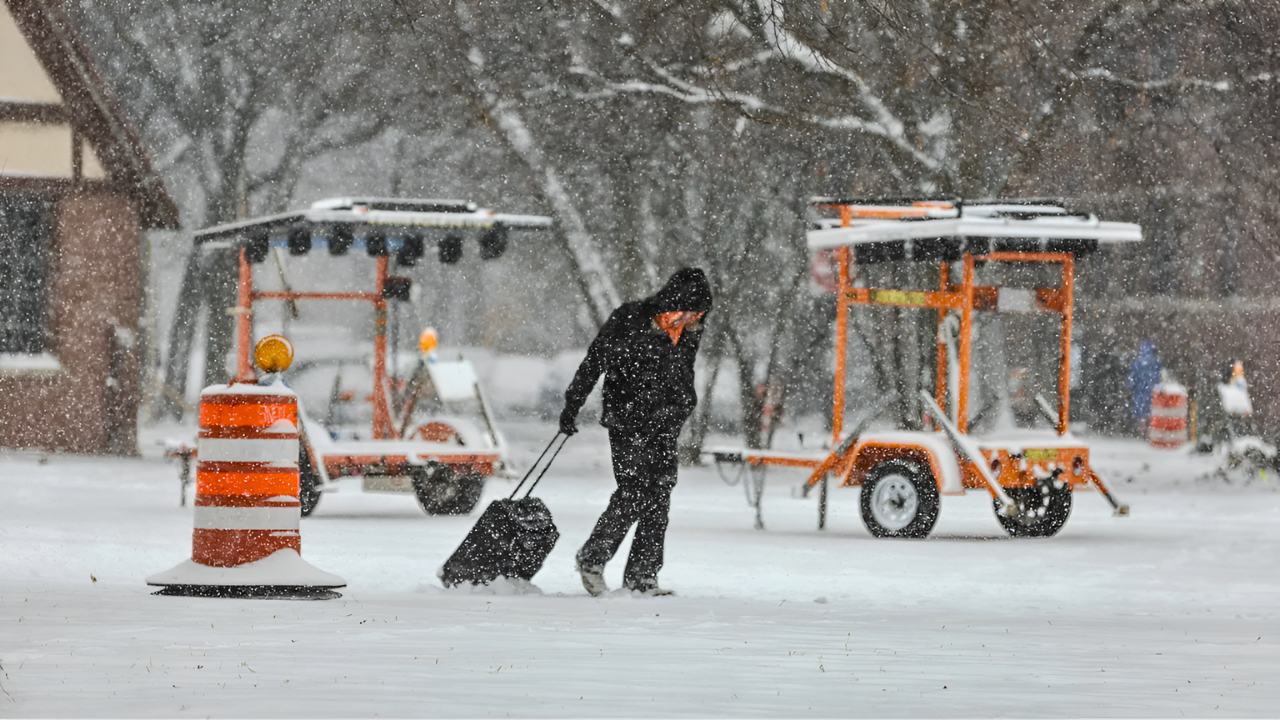
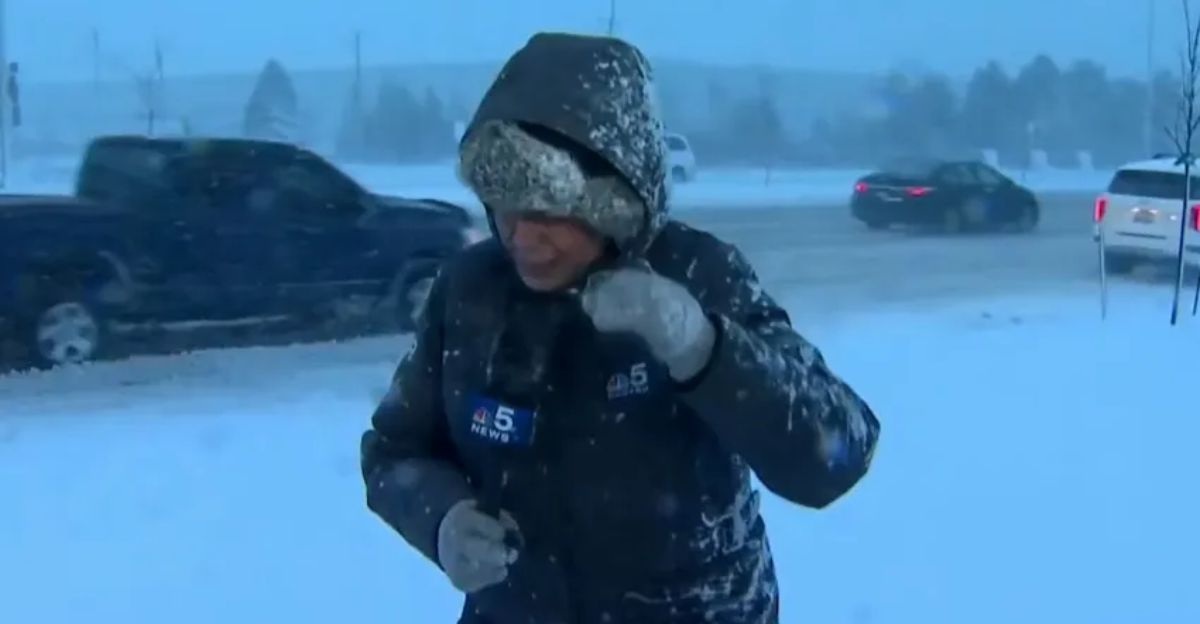
A historic winter storm struck the Midwest over Thanksgiving weekend, marking a significant weather event in 2025. Chicago recorded its highest November snowfall, with 8.4 inches blanketing the city, leading to travel chaos. The storm carved a 1,000-mile path from the Pacific Northwest to the Midwest, disrupting transport and stranding millions.
With blizzard conditions reported, nearly 49 million Americans were placed under winter weather alerts, showcasing vulnerabilities in critical infrastructure. While many faced travel delays, others battled the storm’s aftermath, with the chaos rippling throughout the United States as infrastructure buckled under the unprecedented pressure.
The Meteorological Collision Behind the Crisis
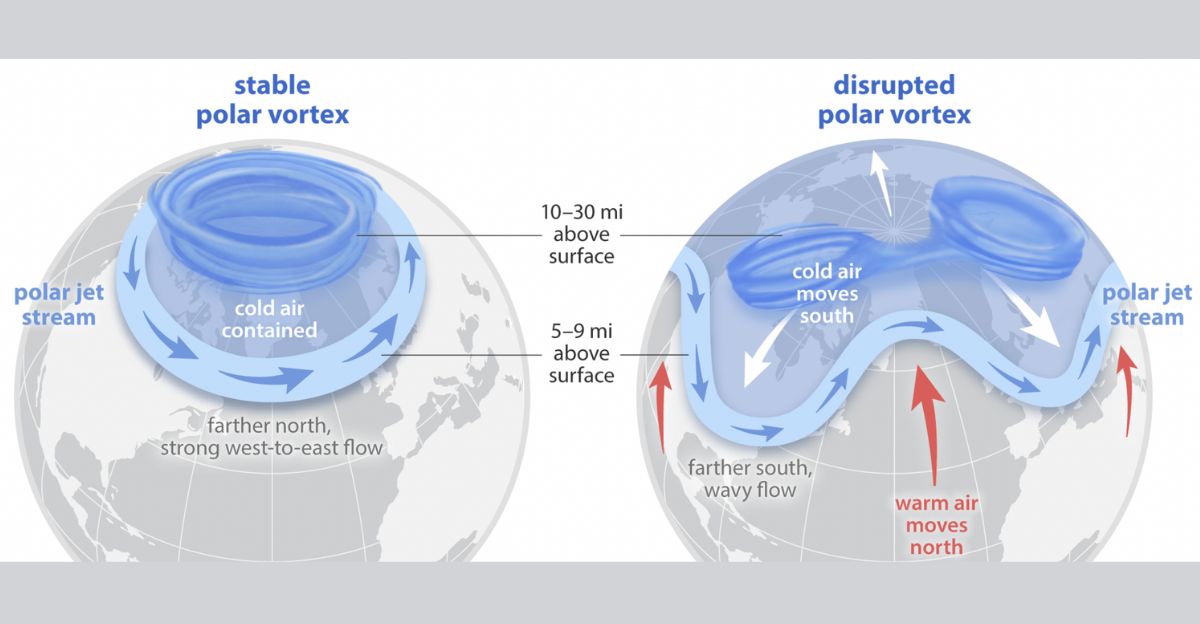
The storm’s severity was driven by an unusual atmospheric interaction: a Pacific moisture system colliding with frigid Arctic air from a disrupted polar vortex. Although the National Weather Service predicted this collision five days in advance, the storm’s rapid and intense growth caught many off guard.
By Friday, temperatures plummeted by 15–30 degrees below normal in several Midwest states. The bitter cold shrouded areas like Minnesota and Wisconsin, leading to dangerous wind chills that transformed roadways into treacherous terrain almost instantly. This combination of factors created the perfect storm that wreaked havoc on the U.S. transportation networks.
Massive Flight Disruptions Across the Nation
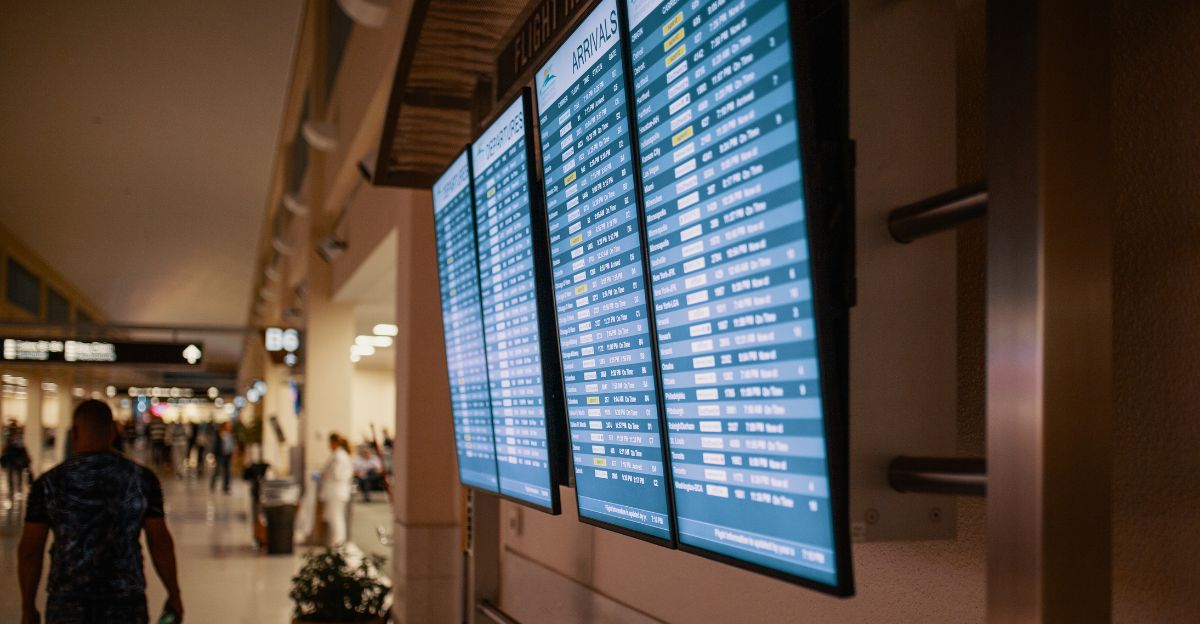
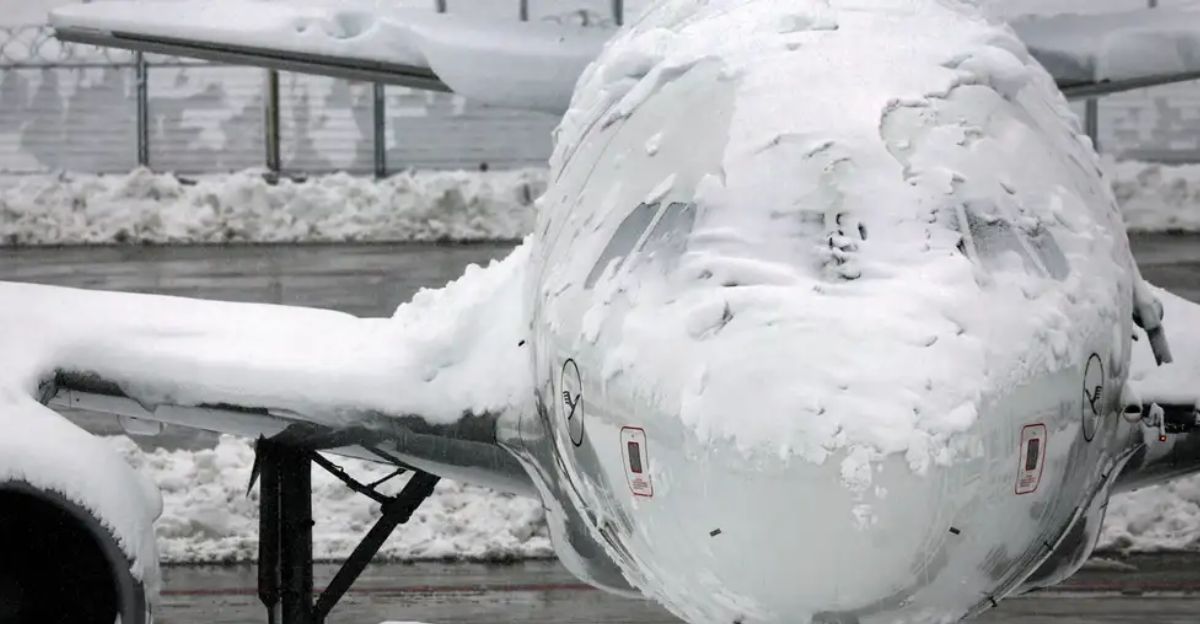
The storm wreaked havoc on air travel, with nearly 10,000 flights delayed or canceled nationwide over a 48-hour period. Chicago O’Hare International Airport reported an unprecedented 1,100 cancellations on Saturday alone, prompting airlines like Delta, American, and Southwest to issue travel waivers. By Sunday, the disruptions continued, with an additional 679 cancellations.
These airline-wide frustrations left an estimated 500,000 passengers affected, many of whom were forced to spend the night in terminals during the peak travel season. With critical airlines unable to cope, it became evident just how severe the storm’s impact was on holiday travel across America.
The Struggling Hotel and Rental Car Market

As travelers found themselves stranded, the hospitality industry experienced a surge in demand. Hotel occupancy in cities like Chicago, Milwaukee, and Minneapolis soared by 23–31%, as desperate individuals sought shelter from the storm. By Saturday night, major hotel chains reported sold-out rooms, adding to the crisis.
Rental car companies also confronted overwhelming demand, with wait times stretching up to six hours at airports. Rideshare services like Uber and Lyft implemented surge pricing, increasing rates by 400–600%. The American Hotel & Lodging Association reported a remarkable $18–24 million in emergency accommodation revenue resulting from this storm-induced surge.
Food Retailers Face Panic Purchasing Trends

As the storm approached, panic buying swept through consumers, leading to a sharp increase in foot traffic at grocery stores across the Midwest. Chains like Target and Walmart reported foot traffic up by 15–18% on Saturday, with essential items such as bread, milk, and batteries selling out quickly. By nightfall, the supplies had been largely depleted.
Additionally, Amazon’s same-day delivery services were suspended in seven states until the storm was concluded, disrupting essential deliveries. Major logistics providers, such as UPS and FedEx, also experienced significant delays. These challenges highlighted the season’s preparations while complicating holiday logistics as the peak season approached in December.
International Supply Chains in a Tight Spot
The storm’s ripple effects extended beyond mere travel disruptions, having a profound impact on international supply chains. Critical gateways in Chicago experienced a halt in barge operations, resulting in a significant impact on freight deliveries. Tonnage at the Port of Chicago dipped by 8–12% as freight operations halted.
As a result, many international shipping firms had to reroute goods bound for Midwest distribution centers to ports in Memphis, Atlanta, and Texas, adding days and costs per container. Warehouses in Canada also experienced congestion as U.S. carriers diverted freight, leaving investors and businesses bracing for tighter shipping windows as year-end approaches.
The Human Element: Voices from the Storm
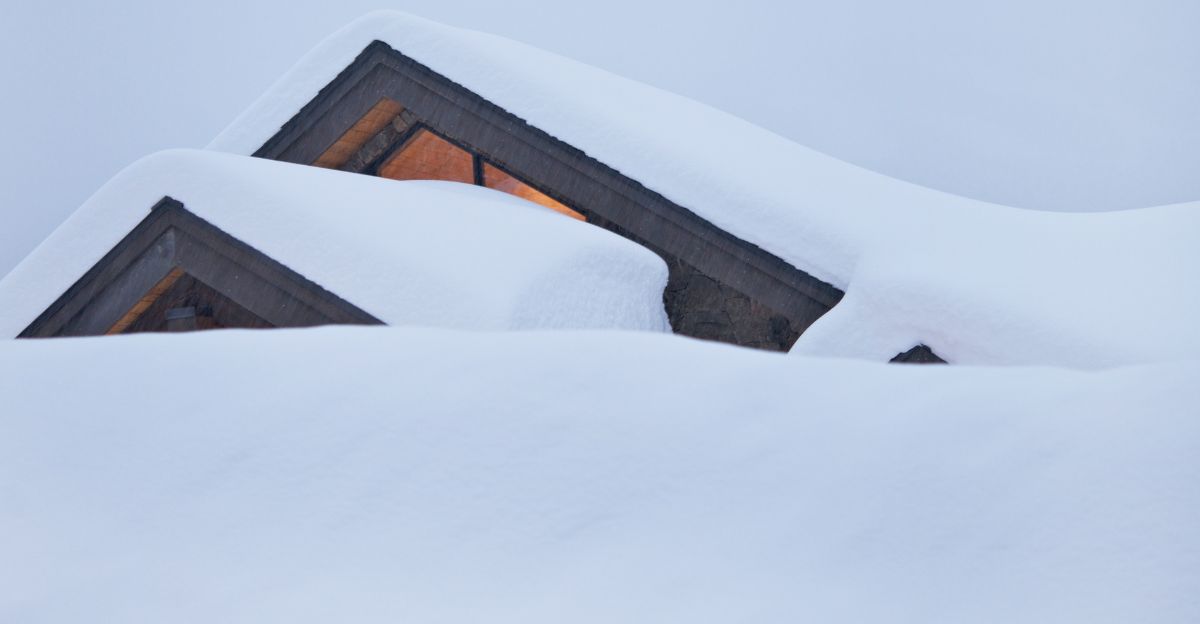
Amid the chaos, real stories emerged from those affected by the storm. Iowa State Patrol rescued nearly 200 people from ditches by early Saturday afternoon, while a traveler stranded at Chicago O’Hare reflected on unexpected nights away from family. Farmers in the upper Midwest battled livestock losses as power outages disrupted barn heating systems.
First responders worked exhausting shifts; emergency crews in northwest Indiana responded to over 84 crashes and more than 120 vehicle slide-offs within 24 hours. A 69-year-old Minnesota man was tragically killed when a snow-laden tree collapsed on his vehicle. These human experiences highlight the emotional and economic toll that such disasters impose on everyday lives and livelihoods when severe weather strikes.
State Responses and Emergency Mobilization
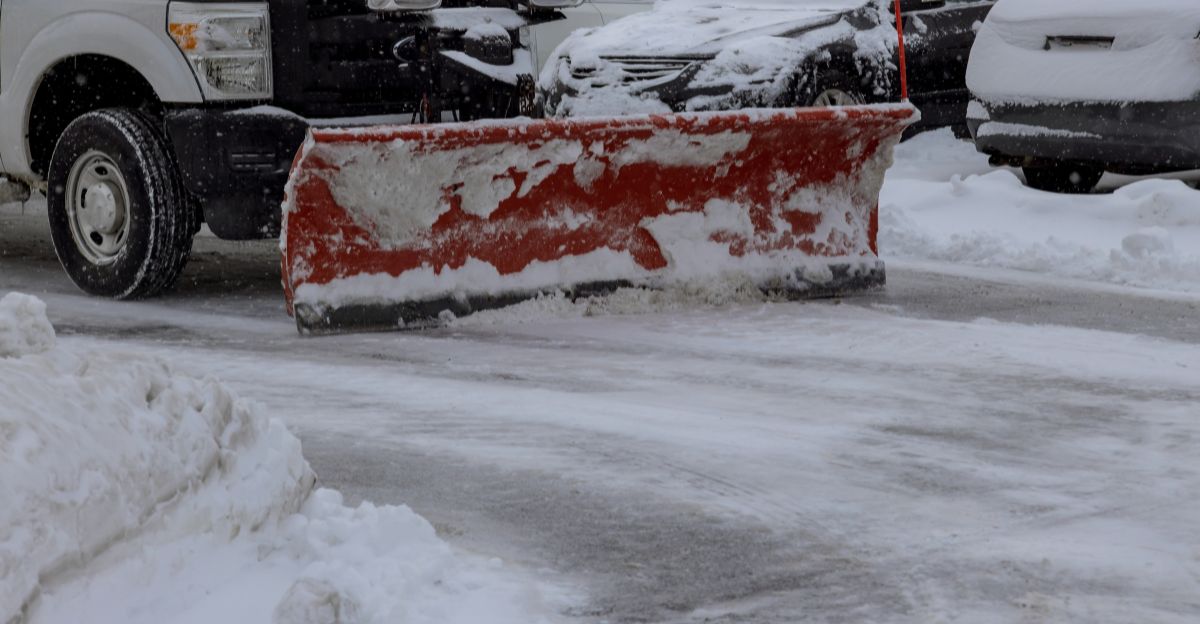
In anticipation of the storm, state emergency services mobilized resources across the affected region. Iowa, Wisconsin, Illinois, and Michigan governors issued disaster declarations Saturday, triggering emergency funding for snow removal and rescue operations. Indiana Governor Eric Holcomb urged residents to stay off roads unless necessary, while emergency crews faced escalating challenges responding to mass incidents.
FEMA pre-positioned generators and emergency shelters in Chicago and Des Moines, anticipating extended power outages. The Army Corps of Engineers deployed 200+ personnel to assist with runway clearance at Chicago O’Hare and Des Moines airports. Local news outlets highlighted swift government actions as vital in keeping roads open and providing assistance.
Businesses Adapt to the Crisis
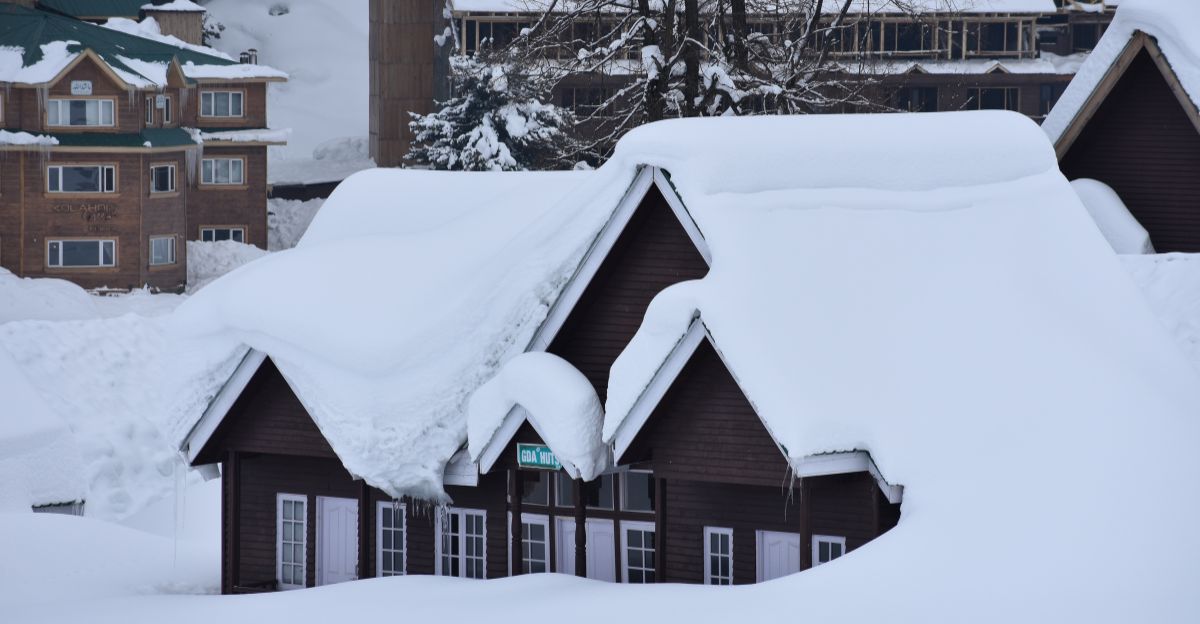
In the face of mounting challenges, businesses had to adapt quickly to the chaos of the storm. Many companies extended their hours or offered promotions to retain customers who were stranded in their stores. Convenience stores became makeshift shelters for those unable to reach their homes. Gas station managers across Illinois noted surges in demand for fuel and supplies as motorists sheltered in place.
Heating equipment suppliers reported sold-out inventory as consumers rushed to winterize homes. The storm revealed the agility of local businesses, with many adapting not just to serve customers but also to provide warmth and shelter during such trying times while supporting their communities.
Health Systems Brace for Cold-Related Illness Surge

Hospitals across the Midwest prepared for an influx of cold-related injuries: hypothermia, frostbite, and aggravated respiratory conditions. Emergency room physicians in Chicago and Minneapolis reported 18–22% higher admission volumes Saturday and Sunday compared to normal November weekends. Nursing homes increased staffing and heating fuel reserves to cope with demand.
Public health departments in five states issued cold-safety advisories, warning of frostbite risk in just 10–15 minutes at peak wind-chill values. Mental health professionals noted increased calls to suicide hotlines as seasonal affective disorder was exacerbated by Thanksgiving disruption and isolation. These health impacts underscored the vulnerability of vulnerable populations during extreme weather events.
Climate Debate Intensifies: Is This the New Normal?
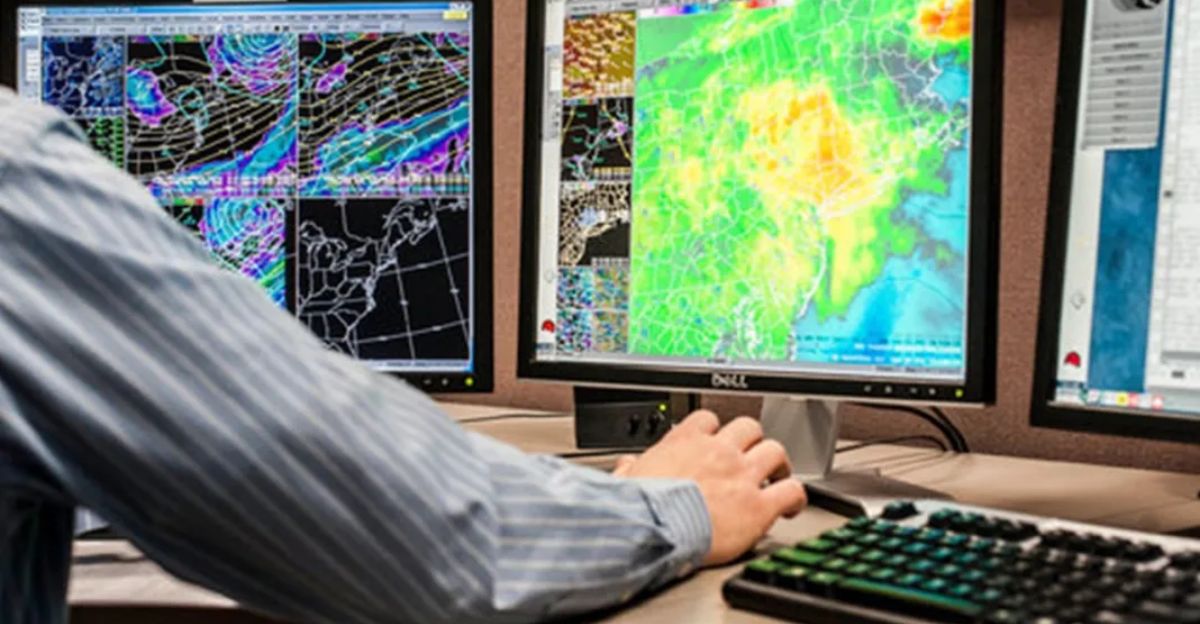
Environmental scientists and meteorologists entered the media spotlight, debating whether extreme polar vortex disruptions reflect climate change or natural variability. The Union of Concerned Scientists noted that Arctic warming has weakened polar jet streams historically, increasing meanders and extreme weather patterns.
Skeptics cited the storm’s finite geographic scope and argued winter severity varies naturally. Social media amplified both narratives; discussions about climate impacts dominated platforms nationwide. Academic papers published within weeks will likely shape the January conversation at the American Meteorological Society conference. The debate underscores a cultural fault line: how Americans interpret singular extreme weather within longer climate trends and shifting seasonal patterns.
Global Tourism and Sentiment Shift
News coverage of the storm rippled internationally, affecting perceptions of travel to the United States. European travel influencers and Asian tourism boards noted a 7–12% dip in U.S. destination searches for December 1–7 travel in regions affected by the storm. Canadian tourism agencies benefited from last-minute holiday redirects as travelers reconsidered U.S. winter destinations.
Airline loyalty program members transferred bookings from U.S. domestic routes to Caribbean and Mexico alternatives, driving 6–8% week-over-week volume increases for tropical destinations. International media framed the storm as emblematic of American infrastructure fragility, fueling perceptions that U.S. travel is risky during winter months.
Unexpected Winners: Equipment and Technology Surge
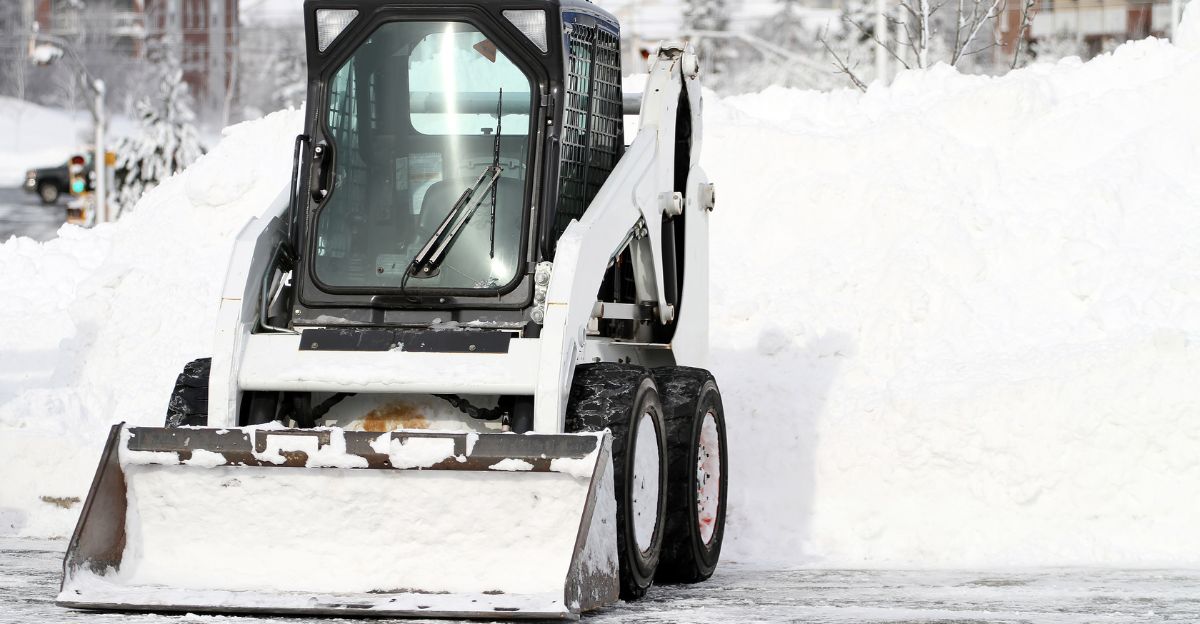
Snow plow manufacturers and de-icing chemical producers saw stock prices surge as demand for weather management solutions increased. Cargill and Compass Minerals, major rock salt suppliers, reported order backlogs extending into 2026. Weather forecasting startups and climate analytics firms received investor calls from institutional funds seeking better predictive tools.
Retailers like REI and Dick’s Sporting Goods reported 19–25% sales increases in cold-weather gear: insulated boots, thermal layers, and hand warmers. Heating system installers booked appointments through February as homeowners undertook winterization projects at record rates. Conversely, airlines continued to face challenges, with Southwest stock falling 3.2% Monday despite strong fundamentals, as December bookings remained weak.
Financial Markets React; Consumer Advice for Holiday Planners
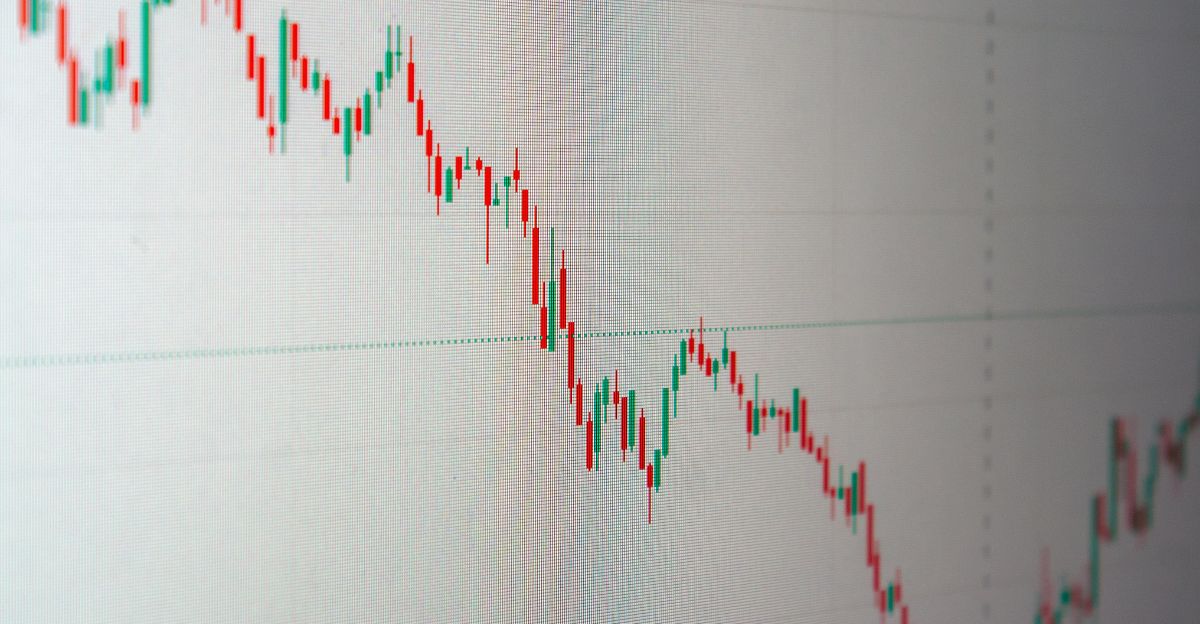
Stock indices initially dipped 0.8–1.2% Monday as traders priced in supply chain delays and margin pressure on airlines and logistics firms. Treasury yields fell as bond investors sought safety, betting the Federal Reserve would pause rate hike plans due to storm-related economic disruption. Financial advisors recommended consumers book winter travel 10–14 days in advance rather than the typical 5–7 days allowing buffers for rebooking if weather strikes.
Holiday gift shipping deadlines compressed dramatically: UPS and FedEx revised December 20 cutoffs to December 15 in affected regions. Insurance claims for weather-related trip cancellations surged 34% in 48 hours. Analysts urged travelers to purchase comprehensive travel insurance for December trips to volatile weather zones, ensuring protection against future disruptions.
Lessons Learned and Looking Forward
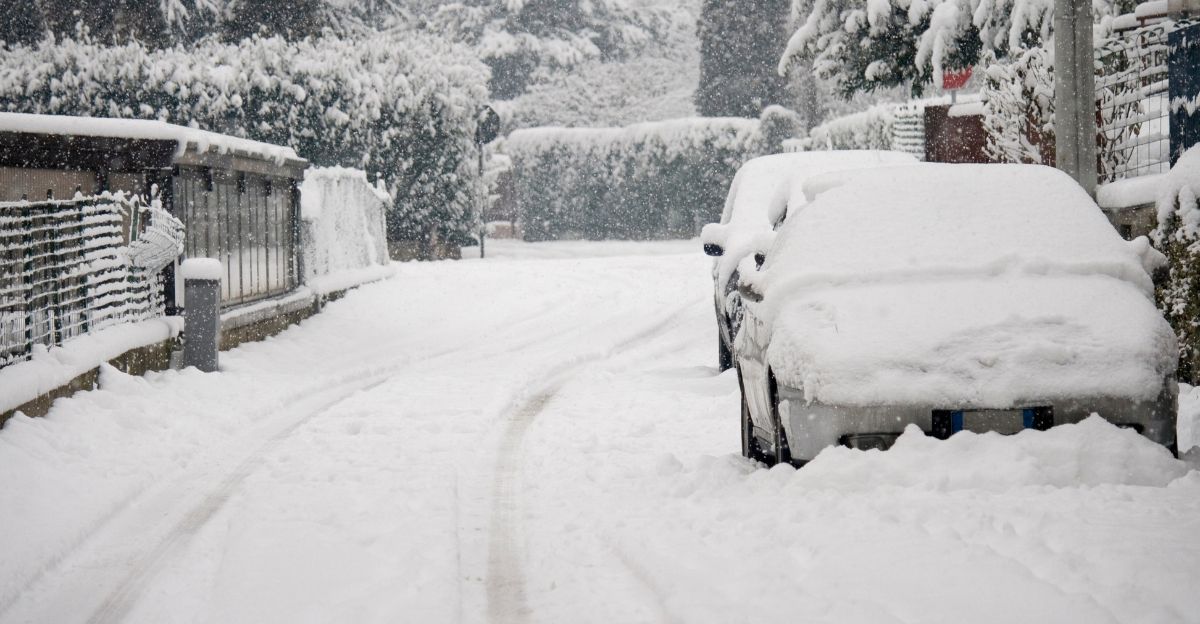
As we close the chapter on this historic winter storm, it’s essential to reflect on the lessons learned and prepare for what lies ahead. From individual stories of resilience to broader discussions about infrastructure and preparedness, the storm has prompted critical conversations about America’s readiness. A second storm system formed Monday over the Arkansas-Louisiana-Texas border, promising fresh snow and ice to the Northeast and Mid-Atlantic through Tuesday.
Meteorologists warn of Arctic air locking in through December, with temperatures forecast to drop “several degrees below zero” across Montana, the Dakotas, and the Upper Midwest Monday morning. These events remind us of the importance of community solidarity and proactive measures to mitigate future crises ensuring collective action moving forward into a future shaped by climate uncertainty and extreme weather challenges.
Sources:
National Weather Service Chicago Winter Storm Analysis
CBS Chicago Snowfall Records Report
NPR Post-Thanksgiving Storm Coverage
FlightAware Flight Disruption Data
Forbes Winter Storm Travel Impact Analysis
The Points Guy Airline Cancellations Report