
Microsoft has deployed aggressive new tactics to prevent Windows users from downloading Google Chrome. When users navigate to Chrome’s download page via the Edge browser, a prominent security banner now appears stating “Protect your privacy and security with Microsoft Edge.”
The banner highlights private browsing, password monitoring, and threat protection features before allowing users to proceed with their Chrome download.
Multiple Pop-Ups Create Download Friction

Beyond the initial security warning, users encounter cascading pop-up messages promoting Edge’s features. These interruptions spotlight AI-powered capabilities through Microsoft Copilot, automatic shopping discounts, cross-device synchronization, and battery efficiency claims.
Each notification requires deliberate dismissal before the Chrome download can proceed, creating intentional friction designed to reconsider the browser switch.
Bing Search Results Hide Chrome Links
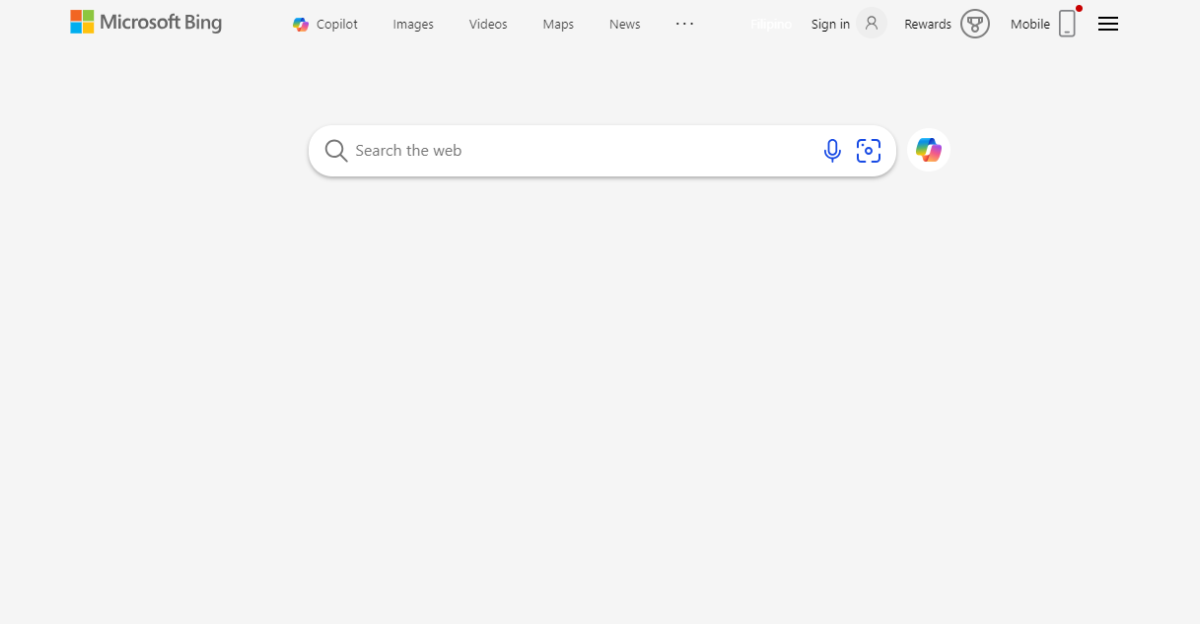
Microsoft implemented controversial visual obfuscation on Bing search results in January 2025. When users search for “Google Chrome,” the actual download link appears behind a “See more” button requiring an extra click.
Above this hidden content, Bing displays a large banner stating “There’s no need to download a new web browser” alongside Edge recommendations.
Chrome Dominates Despite Microsoft’s Efforts

Google Chrome commands 71.23% of the global browser market as of December 2025, while Microsoft Edge holds just 4.6%. Safari captures 14.84% through iPhone dominance, and Firefox maintains 2.25%.
Despite aggressive promotional tactics and pre-installation on every Windows device, Edge continues losing ground against Chrome’s ecosystem advantages.
Edge Market Share Declined Throughout 2025

Microsoft Edge experienced significant market share erosion during 2025, dropping from a peak of 13.06% in June to just 4.6% by December.
This decline occurred during the period of most aggressive anti-Chrome messaging, suggesting Microsoft’s interception tactics may be counterproductive. Industry analysts attribute the losses to user backlash and regulatory compliance requirements in Europe.
Both Browsers Built on Same Technology

Microsoft Edge and Google Chrome are both constructed on the Chromium open-source platform, sharing the Blink rendering engine and V8 JavaScript processor.
This means the browsers offer virtually identical webpage compatibility and performance. Microsoft adopted Chromium in 2020 after abandoning its proprietary EdgeHTML engine, hoping to eliminate compatibility gaps that hindered adoption.
EU Regulations Force Microsoft Changes

The European Union’s Digital Markets Act forced Microsoft to implement significant changes for European Economic Area users starting June 2025.
Windows users in these regions can now fully uninstall Edge, experience no automatic browser prompts, and have their default browser choice respected system-wide. These concessions demonstrate the regulatory pressure Microsoft faces globally.
Opera Files Global Antitrust Complaints

Norwegian browser maker Opera has filed formal antitrust complaints against Microsoft in multiple jurisdictions, including Brazil’s competition authority CADE in July 2025.
Opera alleges Microsoft’s tactics—exclusive pre-installation, obstructive banners, and default setting manipulation—constitute abuse of Windows’ dominant operating system position. The company argues users should freely choose browsers without active obstruction.
Dark Patterns Undermine User Trust

UX researchers classify Microsoft’s Edge promotion tactics as “dark patterns”—design choices prioritizing business objectives over user autonomy.
Specific violations include misdirection through blur effects, obstruction via multi-click requirements, and confirmshaming through security warnings implying Chrome is unsafe. These manipulative techniques yield diminishing returns while eroding brand trust and inviting regulatory enforcement.
Historical Echoes of Browser Wars
Microsoft’s current strategy mirrors antitrust violations from the 1998-2001 United States v. Microsoft case, where the company illegally monopolized browsers by bundling Internet Explorer with Windows.
While today’s tactics are more sophisticated in UX manipulation, they raise similar concerns about leveraging OS dominance to advantage complementary products through defaults and friction imposed on competitors.
Chrome’s Structural Advantages Persist
Google Chrome’s dominance rests on compounding advantages Microsoft struggles to overcome: integration with Gmail, Google Drive, and Google Docs creates powerful switching costs for 3+ billion users.
Chrome’s default status on Android devices (70% smartphone market share) establishes early habit formation extending to desktop usage. Developer tools and 180,000+ extensions make Chrome the industry development standard.
Enterprise Focus Offers Microsoft Hope

Microsoft’s optimal strategy lies in Edge for Business, which offers automatic work-personal profile separation, Microsoft Entra ID integration, and Application Guard sandboxing. These features provide genuine value to IT departments managing enterprise security.
Targeting chief information officers with managed deployment rather than individual consumers could yield sustainable market share gains.
Browser Competition Faces AI Disruption
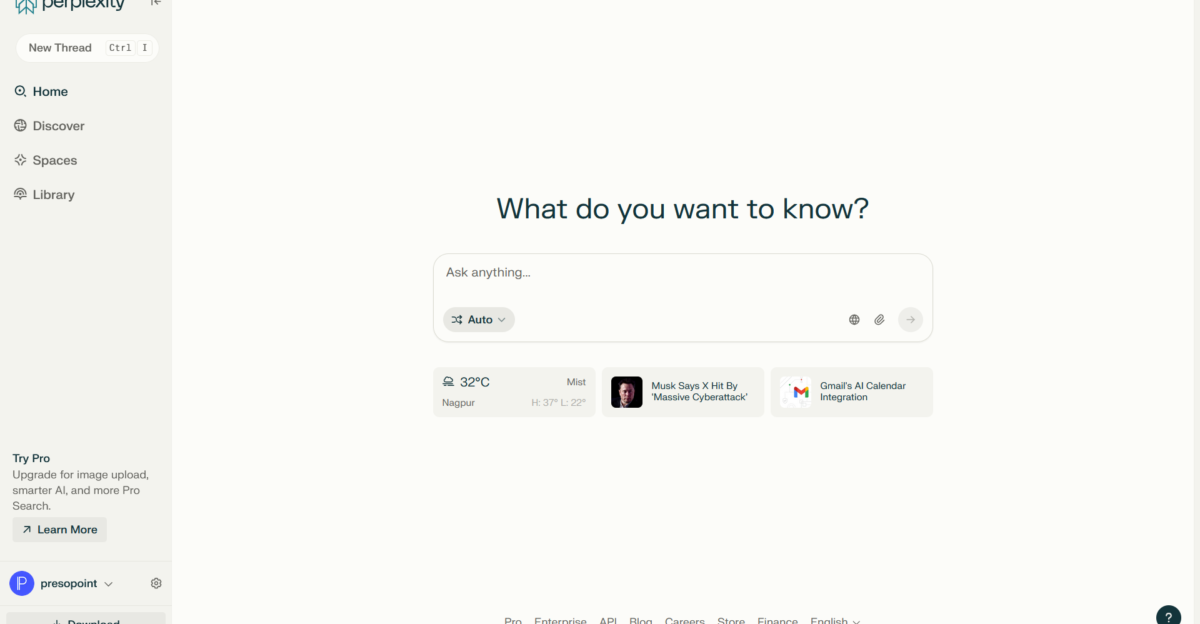
The browser market’s competitive dynamics may shift fundamentally as AI agents supplant traditional browsing. Perplexity’s Comet browser and ChatGPT’s web browsing capabilities demonstrate appetite for AI-mediated internet access.
If AI layers replace direct URL navigation, Microsoft’s Windows control becomes less relevant, though Copilot integration positions Edge favorably for this transition.
Competitors Unite Against Microsoft Tactics
Microsoft’s aggressive approach has united otherwise-competitive browser vendors in criticism. The Browser Choice Alliance—comprising Vivaldi, Waterfox, Wavebox, and Open Web Advocacy—filed joint letters supporting Opera’s complaints, arguing Edge’s distribution advantages make competition impossible without regulatory intervention. Mozilla highlighted browser choice screens increased Firefox adoption 99-111% in key EU markets.
Strategy Failing on Its Own Terms

Microsoft’s escalating campaign to prevent Chrome downloads represents a gamble failing by available evidence. Edge’s market erosion throughout 2025 despite billions invested in promotion suggests tactics are ineffective or counterproductive.
The approach invites regulatory scrutiny, unites competitors in formal complaints, erodes consumer trust, and generates negative press while failing to convert Chrome-bound users to Edge.
Sources:
“Microsoft Edge’s Bing now hides Google Chrome download link on Windows 11.” Windows Latest, January 2025.
“Chrome’s market share reaches 70%, Edge drops.” Neowin, July 2025.
“Opera files competition complaint against Microsoft in Brazil.” Opera Software ASA, July 2025.
“EU DMA is working: Microsoft no longer imposes Edge, Store, Search, etc.” Born’s Tech and Windows World, June 2025.
“Microsoft’s latest desperate attempt to stop people using Edge to download Google Chrome.” TechRadar, December 2025.