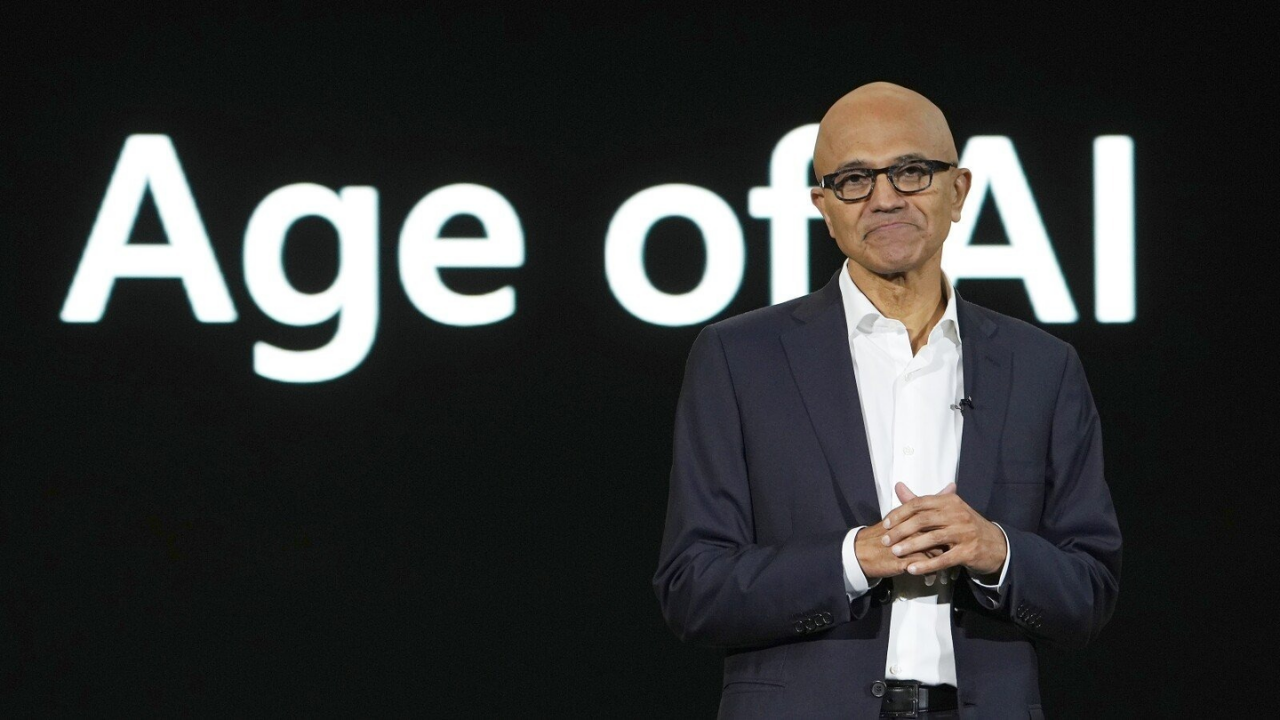
In early January 2026, unverified reports claiming Microsoft could cut between 11,000 and 22,000 jobs spread across employee forums, social media, and financial circles. Microsoft categorically denied these claims, with Chief Communications Officer Frank Shaw calling them “100 percent made up / speculative / wrong.” The company has not announced any layoffs for January 2026.
However, the timing of these rumors—arriving just as the company signaled more than $80 billion in AI spending—fueled anxiety among a workforce that had already experienced 15,000 confirmed job eliminations throughout 2025. The rumors suggested potential impacts to Xbox, Azure, and global sales teams, though Microsoft has not confirmed any such targeting.
Microsoft Issues Categorical Denial
The company has not announced any layoffs for January 2026. Yet the swift denial did little to ease anxiety among some employees who had experienced the confirmed 15,000 job cuts throughout 2025.
When a profitable tech giant must deny viral rumors immediately after announcing historic AI investments, the juxtaposition itself became newsworthy—not because the rumors were accurate, but because they revealed underlying employee concerns about the relationship between AI spending and workforce stability.
A Workforce on Edge

The reaction inside Microsoft to the unverified rumors was notable, according to discussions in online employee communities. Some employees reportedly refreshed internal channels, updated resumes, and quietly reached out to recruiters.
Across tech, layoffs had become normalized, and Microsoft’s workforce—estimated near 220,000 globally—understood that even the lower rumored estimate of 11,000 cuts would represent a meaningful reduction if it were real. Confidence in long-term job security, once a Microsoft hallmark, has been tested by confirmed industry-wide cuts, making unverified rumors feel more plausible to some anxious workers.
Return-to-Office Changes the Equation
Days before the rumors spread, Microsoft confirmed a return-to-office policy beginning February 23, 2026. Employees living within 50 miles of major hubs must now report onsite three days per week. Microsoft has stated publicly that the policy “is not aimed at reducing our workforce” and is intended to foster collaboration and innovation.
However, the mandate raised concerns among some remote workers about relocation costs and commute burdens, particularly for those hired remotely since 2020.
Why Some View RTO as Pressure

For workers hired remotely since 2020, the mandate introduced difficult choices: relocate at personal cost, accept a longer commute, or risk career impact. Some industry observers have described company-wide RTO policies as potentially creating “managed attrition,” where employees voluntarily leave rather than comply with new requirements—though this characterization is debated and Microsoft has explicitly stated the policy is not designed to reduce headcount.
When combined with unconfirmed layoff rumors, the policy felt concerning to some employees, even as others viewed it as a standard post-pandemic adjustment.
Middle Management Trends Across Tech

Industry analysts have observed that middle management and overlapping teams face elevated risk across the broader tech sector as companies integrate AI tools that automate coordination, reporting, and planning tasks.
Microsoft’s confirmed 2025 restructuring appears aligned with this industry-wide pattern. The shift signals a broader trend: fewer people managing people, and more capital flowing toward automation and compute-heavy infrastructure—though specific 2026 plans at Microsoft remain unannounced beyond the company’s denial of the circulating rumors.
Xbox Teams Face Uncertainty
The unverified rumors specifically mentioned Xbox teams as potential targets, which concerned some employees and fans online. Gaming has long been a flagship consumer division, but it is also capital-intensive. Microsoft did eliminate gaming-related positions during its confirmed 2025 cuts, including closures of several game studios.
Whether additional gaming cuts will occur in 2026 remains unconfirmed, and Microsoft has denied the January layoff reports. As Microsoft prioritizes AI infrastructure investment, questions have emerged in tech forums about how the company will balance consumer-facing projects with data center and cloud expansion priorities.
The Human Cost of Uncertainty

Behind every rumor—confirmed or not—are employees making contingency plans. January is already financially challenging for many households, coming after holiday spending and before annual bonuses.
The prospect of rumored layoffs or mandatory relocation added stress to families across major Microsoft hubs, even among those who recognize the rumors remain unverified and denied by the company. Employees who survived the confirmed 2025 cuts have reported burnout and distraction in online forums, reflecting a growing sense that stability in tech has eroded.
AI Spending Creates Financial Pressure

Microsoft’s AI capital expenditure reached $34.9 billion in Q1 of fiscal 2026, with total spending projected to exceed $80 billion for the year. That level of investment creates pressure to demonstrate returns.
Financial analysts have noted that when monetization timelines lag behind capital expenditure, technology companies may turn to cost optimization measures, which can include workforce adjustments—though no analysts have confirmed that Microsoft plans such measures specifically for January 2026, and Microsoft has denied the circulating reports.
A New Tension: Jobs and Compute
The situation highlights a tension in the technology sector. The denied rumors positioned a potential tradeoff between workforce investment and infrastructure spending. This framing resonated with some employees who see AI infrastructure investments rising as workforce cuts occur.
Microsoft eliminated thousands of positions throughout 2025 while simultaneously announcing historic AI infrastructure investments. Whether Microsoft will pursue additional reductions beyond the confirmed 2025 cuts remains unknown, but the timing of unverified and denied rumors alongside massive infrastructure announcements created perception challenges for company leadership.
Layoff Patterns Raise Questions
If cuts were to materialize in January 2026, it would mark the fourth consecutive January with Microsoft layoffs: approximately 10,000 in early 2023, 1,900 in January 2024 (primarily gaming/Activision integration), and performance-based cuts in January 2025, followed by major reductions throughout 2025 totaling 15,000.
That historical pattern matters to employees. When restructuring occurs repeatedly in similar timeframes, even denied rumors carry weight, as workforce planning anxiety becomes ongoing regardless of current company statements.
Market Watches Closely
Microsoft’s stock remained relatively stable following the rumor and subsequent denial, though investors continue monitoring the relationship between AI capital expenditure and profitability.
Massive AI spending paired with the confirmed 15,000 job cuts in 2025 has raised analyst questions about margin pressure and execution risk. The company’s ability to monetize its AI investments while managing operational costs remains a key investor focus, independent of any unconfirmed 2026 layoff speculation.
Global Reactions to Rumors

Employee reactions to the unverified rumors varied by region. In countries with stronger labor protections and consultation requirements, workers expressed less immediate concern about abrupt cuts. In competitive tech markets with at-will employment, the rumors reinforced anxieties about American-style restructuring patterns.
Microsoft’s decisions at its U.S. headquarters often influence expectations globally, shaping how multinational tech firms are perceived to balance growth, labor costs, and automation.
Downstream Economic Effects

When major restructuring rumors circulate—confirmed or not—adjacent industries respond. Recruitment firms have reported increased inquiries from tech workers exploring options. Some commercial real estate near Microsoft hubs has seen renewed interest as the February RTO policy approaches.
These ripple effects occur regardless of whether specific rumors prove accurate, as uncertainty itself drives contingency planning across multiple sectors.
Remote Work’s Shifting Status

Microsoft’s RTO shift reinforced a broader industry narrative: remote work is losing ground as the default arrangement. Companies that built identities around distributed teams face new talent competition from office-centric firms.
Tools and platforms designed primarily for remote collaboration face headwinds, while hybrid and in-office productivity solutions gain attention. The cultural pendulum continues to swing, with major employers signaling preference for physical presence.
How Workers Are Responding

Across Microsoft and the wider tech industry, workers are responding pragmatically to ongoing uncertainty—whether driven by confirmed cuts or unverified rumors. Many are updating skills in AI-adjacent roles, increasing emergency savings, expanding professional networks, and reassessing geographic flexibility.
Even without confirmed new 2026 layoffs at Microsoft—and despite the company’s categorical denial—the lesson from 2025’s confirmed reductions is clear to many employees: preparation is prudent, and stability must be built personally rather than assumed corporately.
Parsing Corporate Denials

Corporate denials are often precise in their language. Microsoft’s statement specifically rejected the circulating rumors about 11,000-22,000 January 2026 cuts. Such denials address specific claims and timeframes. Financial analysts note that companies experiencing margin pressure or strategic shifts may adjust workforce plans throughout a fiscal year.
The rumor may have been unsubstantiated—as Microsoft stated—but the underlying tensions about AI investment costs and workforce optimization remain topics of discussion industry-wide.
A Stress Test for Trust

The episode functioned as an unintended stress test of employee confidence. It revealed how quickly concerns can spread when communication, timing, and historical precedent collide. Even without confirmed 2026 cuts beyond Microsoft’s categorical denial, some employees interpreted the situation through the lens of 2025’s verified 15,000 eliminations.
Trust, once tested, rebuilds gradually—especially when restructuring history, RTO mandates, and automation initiatives arrive in compressed timeframes.
The Industry-Wide Question

Microsoft is not unique. Across big tech, hundreds of billions are being invested in AI infrastructure. The sector-wide question is whether productivity gains and new revenue streams will outweigh massive capital costs.
If AI adoption lags, pricing compresses, or monetization disappoints, companies will likely seek savings through operational efficiency—which historically includes workforce optimization. In that scenario, restructuring becomes less exceptional and more structural, potentially reshaping employment across the industry regardless of any single company’s current statements.
What the Rumors Revealed

Microsoft has categorically denied the specific January 2026 layoff rumors that circulated. However, the rumor cycle revealed something significant about the current technology sector: workers no longer assume employment stability at profitable companies, investors no longer assume growth without tradeoffs, and companies face rising expectations for transparency when managing the tension between massive infrastructure investments and workforce costs.
The story isn’t the unverified rumor Microsoft denied—it’s the underlying anxiety it exposed about work, automation, and value in the AI-driven economy.
Sources:
“Microsoft FY26 First Quarter Earnings Conference Call.” Microsoft Investor Relations, 29 Oct 2025.
“Flexible work update.” The Official Microsoft Blog, 9 Sep 2025.
“Microsoft reiterates plan to invest $80 billion in AI.” CNBC, 24 Feb 2025.
“Microsoft laying off about 9,000 employees in latest round of cuts.” CNBC, 2 Jul 2025.