
The doors of a well-known Michigan car dealership were unexpectedly locked on November 3, 2025, leaving customers stranded outside and sparking confusion across the community. The abrupt closure, ordered by the Michigan Department of State, was not just a matter of poor management—it was the result of a deeper investigation into fraudulent sales practices that would soon have ripple effects for both consumers and the auto industry.
Sudden Shutdown and Customer Fallout
On the morning of the suspension, customers arrived expecting routine service appointments or to collect newly purchased vehicles. Instead, they found the dealership shuttered without warning. The lack of communication from dealership staff left many in the dark about the fate of their transactions. As word spread, frustration mounted among those with pending deals, and uncertainty grew about whether their purchases or service agreements would be honored.
Behind the locked doors, the Michigan Department of State had launched an investigation into the dealership’s business practices. The probe revealed that the issue was not isolated, but part of a broader pattern that had already drawn regulatory attention in the past year.
State Investigation Uncovers Fraudulent Sales
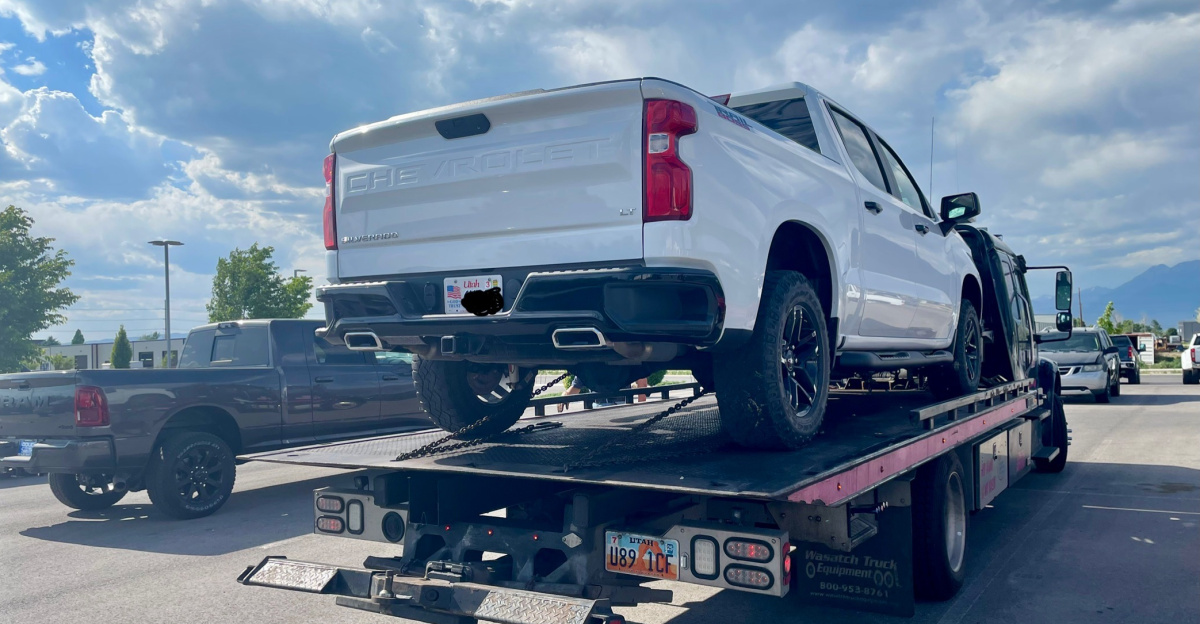
The investigation centered on the dealership’s handling of loaner vehicles—cars temporarily registered to the dealership and used by customers while their own vehicles were being serviced. According to Michigan law, once a vehicle has been used as a loaner, it must be sold as a used car, regardless of its mileage or warranty status.
However, state officials discovered that the dealership had been selling these loaner vehicles as new, even after they had accumulated significant mileage. During a September 2024 inspection, investigators found violations related to this practice, including vehicles sold as new despite prior use. When MDOS conducted a follow-up inspection in September 2025, more violations were discovered, including one vehicle with 6,000 miles on the odometer sold as new. This misrepresentation violated state regulations and misled consumers about the true status of their purchases.
Despite prior warnings and an October 2024 industry-wide alert issued by the Michigan Department of State and Michigan Auto Dealers Association, the dealership continued to register loaner vehicles in its own name, use them for customer service, and later sell them as new. The state’s findings indicated that the dealership had ignored both regulatory guidance and a December 2024 penalty agreement that imposed an $3,000 fine and 18-month probation period.
Regulatory Response and Dealership Defense
The dealership, part of the LaFontaine Automotive Group, defended its actions by citing confusion between manufacturer guidelines and Michigan’s specific legal requirements. According to the dealership, automaker programs often allow loaner vehicles to be sold as new and to retain new-car warranties, even after temporary use. However, Michigan law is clear: any vehicle used as a loaner must be reclassified as used before resale.
State officials countered that the dealership had received ample training and repeated warnings about the law. The continued violations, they argued, undermined consumer trust and warranted emergency action. The suspension was accompanied by a $25,000 fine, an extension of the dealership’s probation through December 2026, and a mandate for additional compliance training.
A Pattern of Noncompliance

This was not the first time the LaFontaine group had faced regulatory scrutiny. In December 2024, another dealership under the same ownership, LaFontaine Hyundai in Livonia, was suspended for similar violations—selling used vehicles as new. The recurrence of these issues at multiple locations pointed to systemic compliance problems within the organization.
The state’s actions sent a clear message to the industry: repeated disregard for Michigan’s vehicle classification laws would not be tolerated. Regulators emphasized the importance of accurate vehicle titling and urged consumers to scrutinize paperwork, especially when purchasing vehicles that may have served as loaners or rentals.
Consumer Awareness and Industry Implications

For car buyers, the case underscored the need for vigilance. Experts advise consumers to carefully review title documents and ask about a vehicle’s history before finalizing a purchase. Misclassification can affect not only the resale value of a car but also its warranty coverage and legal protections.
Following the suspension, the dealership worked with state officials to resolve the violations and was allowed to reopen under stricter oversight. The incident has prompted broader discussions about whether Michigan’s titling laws should be updated to better align with automaker programs and practices in other states.
Looking Ahead: Lessons and Reforms
The LaFontaine case highlights the ongoing tension between state regulations and manufacturer policies in the automotive industry. As Michigan regulators continue to enforce strict compliance, the episode serves as a warning to dealerships statewide and a reminder to consumers to stay informed.
The fallout from this case is likely to influence dealership operations and consumer expectations across Michigan. Whether the state will revise its laws remains to be seen, but for now, both buyers and sellers are on notice: transparency and compliance are essential in every vehicle transaction.