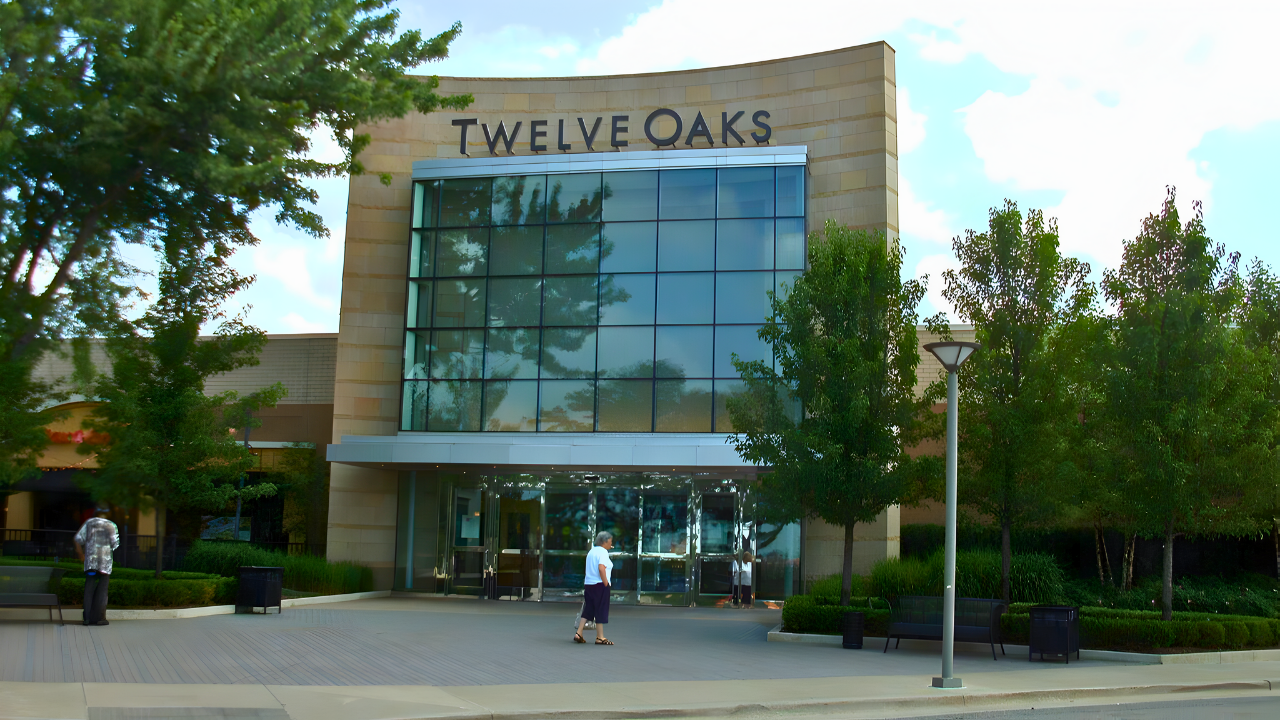
After 75 years of shaping shopping malls across America, Taubman Centers, a Michigan-based real estate company, officially ended its independent operations in November 2025. This happened when Simon Property Group, the largest mall operator in the U.S., bought the final 12% of Taubman Realty Group, giving it full ownership. As a result, 22 shopping centers in the U.S., South Korea, and China are now managed under one corporate system.
This change marks a major shift for Michigan’s business community and the retail real estate industry as a whole. Taubman, once one of the most influential names in luxury shopping centers, now becomes another part of Simon’s global portfolio. The move not only affects corporate employees but also reshapes how shopping centers will operate in the future.
Simon’s Step-by-Step Takeover
Simon Property Group began acquiring Taubman during the challenging times of the COVID-19 pandemic. In 2020, Simon bought 80% of the company for about $3.4 billion. Although Taubman kept its name, Simon controlled day-to-day operations. Over the next few years, Simon continued to slowly increase its ownership: 4% more in December 2023, another 4% in December 2024, and finally the last 12% in November 2025.
The final step came when Simon traded 5.06 million partnership units to gain the remaining shares. This made Taubman a fully owned subsidiary and eliminated the need for a separate leadership team. What was once a family-led company with its own board of directors now answers directly to Simon’s headquarters in Indianapolis. This ends Taubman’s ability to operate as an independent business after three-quarters of a century.
Job Losses and Operational Changes
Soon after the sale was finalized, Taubman filed employment notices with Michigan authorities confirming that its headquarters in Bloomfield Hills would permanently close on January 9, 2026. All 105 corporate staff members will lose their jobs, including many in management and administrative roles. The notice gave employees just seven weeks to prepare for their termination.
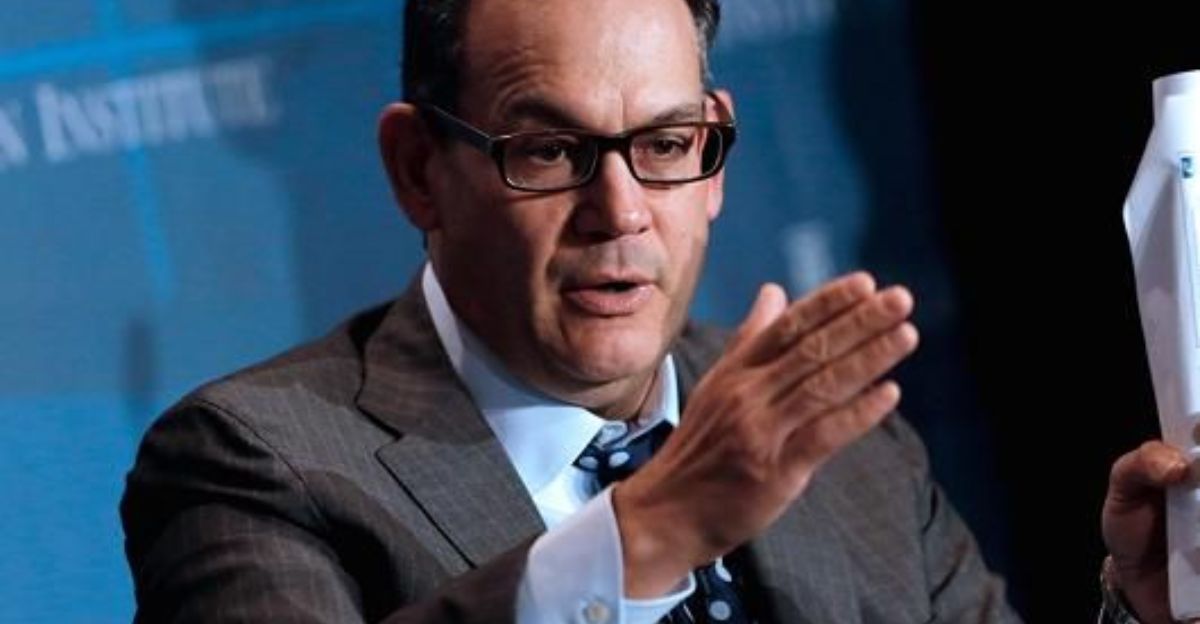
Simon’s CEO, David Simon, explained that the company plans to fully integrate Taubman’s properties into its existing system. That means using Simon’s advanced strategies for leasing, marketing, and redeveloping malls. Simon also aims to boost occupancy rates, add more kiosks and short-term tenants, and improve overall performance. However, the downside of this efficiency is that many of Taubman’s corporate roles are now redundant.
Taubman’s portfolio includes 22 luxury malls worldwide, 18 in the U.S. and two each in South Korea and China. Some of Taubman’s best-known properties include the Beverly Center in Los Angeles, The Mall at Short Hills in New Jersey, and The Mall at Millenia in Orlando. By acquiring these high-end centers, Simon strengthens its position as the dominant player in the premium retail space, gaining even more influence over luxury brands and retail partnerships.
The End of the Taubman Family’s Leadership
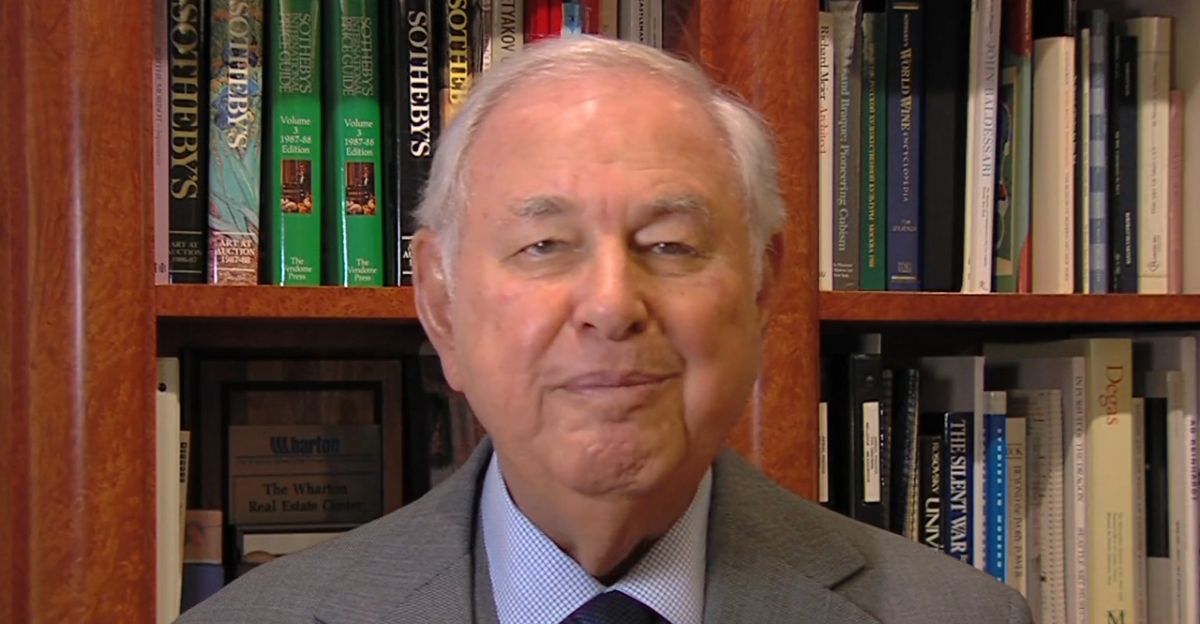
Taubman Centers was founded in 1950 by A. Alfred Taubman, who turned it into a leader in upscale shopping centers. Alfred’s vision helped change how Americans shopped by emphasizing design, comfort, and high-end experiences. After his death in 2015, his son Robert Taubman took over as CEO, with his brother William also playing a key role in company leadership.
Following Simon’s complete takeover, both Robert and William step down from operational control. While the family retains a financial interest through Simon shares, they no longer have any say in management decisions. In his final statement, Robert acknowledged his family’s 75-year legacy and expressed pride in what the company built. Nonetheless, this marks the official end of the Taubman family’s direct influence on the shopping center industry they helped shape.
What This Means for the Retail Market
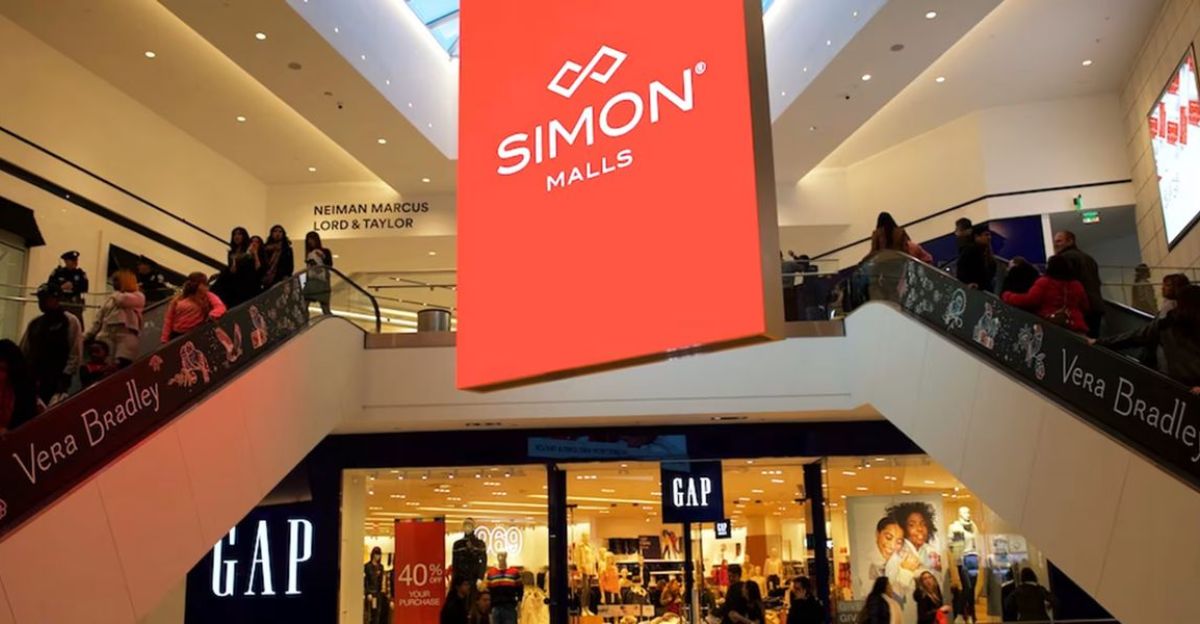
With Taubman under its control, Simon Property Group now holds the largest collection of luxury malls in the world. This gives Simon enormous power in negotiations with retailers. Brands leasing space in former Taubman malls must now work through Simon’s centralized system, which often means higher rent, longer leases, and stricter terms. Luxury labels may find themselves with less room to negotiate, while smaller or independent retailers will likely struggle to obtain space at prime locations.
This consolidation also creates new challenges for Simon’s competitors. Smaller mall operators no longer have access to comparable shopping centers for measuring performance, making it harder to attract tenants or investors. The result is an even more concentrated market, where a few large companies hold most of the valuable real estate.
Looking ahead, the big question is whether these mega real estate firms can keep shopping malls relevant as customer habits continue to change. Online shopping, work-from-home lifestyles, and interest in entertainment over traditional retail all push the industry to adapt. Simon’s strategy suggests it understands this shift, focusing more on mixed-use developments that include restaurants, residences, and entertainment. Whether this will be enough to save physical malls or simply delay their decline, will become clear over the next few years.
Sources
- Simon acquires Taubman Realty in full (SPG:NYSE) – Seeking Alpha
- Simon Reports Third Quarter 2025 Results – Simon Property Group press release (PR Newswire)
- Simon Tightens Grip on High-End Malls With Full Taubman Takeover – Citybiz
- Simon acquires remaining interest in Taubman Realty Group – Chain Store Age