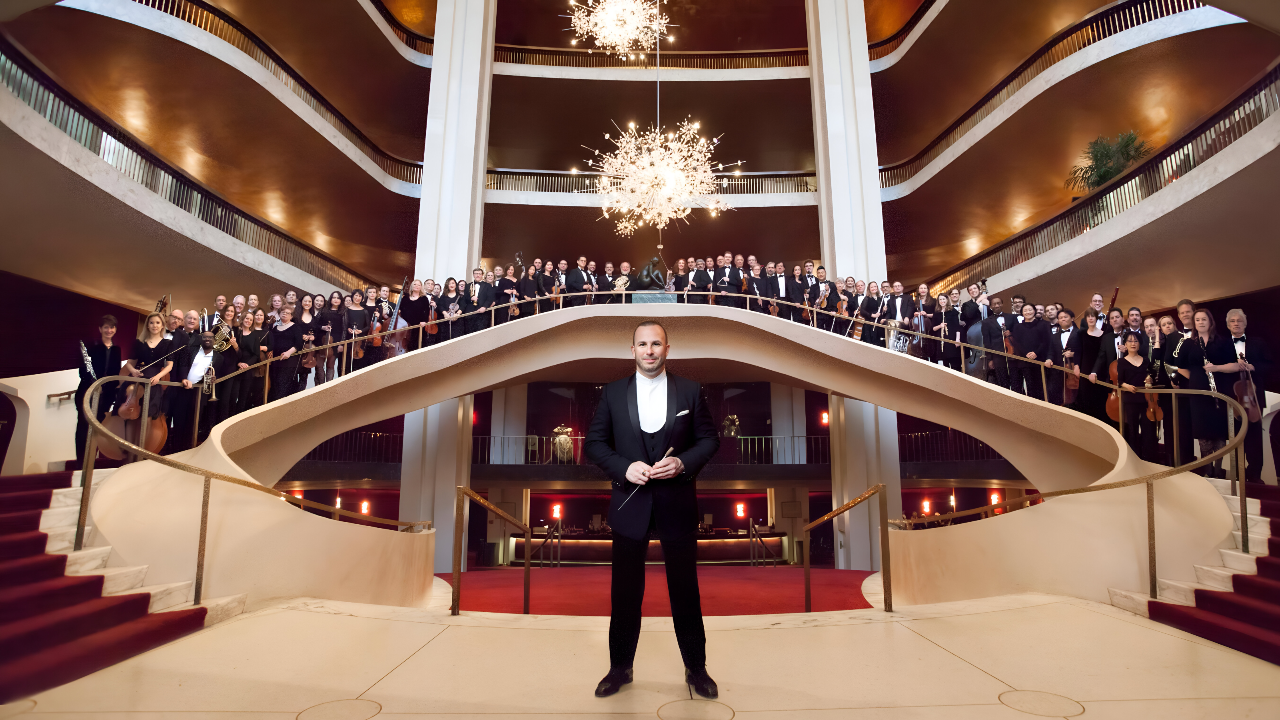
New York’s Metropolitan Opera, a cornerstone of global culture since 1883, has launched major staff reductions and executive pay cuts amid serious financial strain. The institution, known for its lavish productions at Lincoln Center, faces an uncertain future as it explores unconventional survival tactics.
The Met is weighing the sale of its naming rights and the iconic Marc Chagall murals, valued at a total of $55 million by Sotheby’s, to generate funds. Management is also renting out its 3,800-seat theater to non-opera performances during off periods, a shift from its traditional opera focus. These steps reflect acute pressure after years in which its financial model had appeared relatively stable.
The Erosion of a Once‑Steady Model
Historically, the Met’s operations drew from ticket sales, with its endowment acting as a buffer against downturns. This model helped sustain the organization through economic challenges and changing audience preferences. However, substantial recent withdrawals have eroded that foundation, exposing underlying weaknesses.
Several factors have intensified the crisis: an aging donor base, falling ticket sales, escalating production expenses, and rivalry from streaming platforms, along with broader post-pandemic audience declines affecting performing arts. Younger viewers have not fully filled the gap left by older patrons, while administrative and production costs have climbed. By the mid‑2020s, annual deficits had become increasingly difficult to sustain.
The Hopes and Delays of a Saudi Lifeline
A potential savior emerged in 2025 with a deal with Saudi Arabia that could be worth more than $100 million over five years, or about $200 million over eight years, tied to performances at the new Royal Diriyah Opera House. Hailed as a stabilizing force that would cover a substantial portion of the Met’s financial needs through at least 2032, the arrangement had not yet begun delivering funds by January 2026, prompting immediate action despite the promised infusion.
Cuts, Layoffs, and Public Backlash
In January 2026, the Met moved to eliminate 22 administrative positions in areas like finance, human resources, planning, and operations from its workforce of over 3,000. Thirty‑five top executives earning more than $150,000 a year agreed to temporary salary cuts ranging from about 4 to 15 percent, including General Manager Peter Gelb and Music Director Yannick Nézet‑Séguin, with full pay expected to be restored in 2027. A planned 2026‑2027 production—Mussorgsky’s “Khovanshchina”—was deferred, hitting staff and schedules directly.
The layoffs affect long‑term employees who view their roles as guardians of artistic legacy, compounding emotional strain in an expensive city. High ticket prices for prime seats, despite limited discounted options such as lower‑priced or student tickets, can deter younger audiences. This exclusivity once signified prestige but now hinders renewal.
A Mirror of the Broader Arts Crisis
The Met’s plight mirrors challenges across U.S. arts organizations, including inflation, labor costs, reduced philanthropy, and post‑COVID audience losses. The Met has drawn roughly $120 million from its endowment principal in recent years to plug deficits, significantly reducing its reserves. Leadership now pledges to curb such draws, but the cushion is already much smaller than before the pandemic.
General Manager Peter Gelb and Music Director Yannick Nézet‑Séguin face questions over delayed reforms, costly productions, and administrative size as they implement cuts. To raise on the order of hundreds of millions of dollars over time, the Met engaged CAA Sports to explore selling naming rights to its building, similar to sports venue deals worth tens of millions annually. Board members and donors express private concerns about past decisions and the long‑term impact on the institution.
Analysts and observers caution that cuts alone won’t suffice; attracting more diverse, younger audiences and rethinking opera’s role in a changing cultural landscape are essential. The Saudi agreement, tied to geopolitical cultural ambitions and criticized by some because of Saudi Arabia’s human rights record, adds complexity to the Met’s strategy. Shifts in philanthropy—fewer heirs to traditional donors and more competing causes—exacerbate the funding gap for large legacy institutions.
The path ahead hinges on whether and when the Saudi funds begin to flow, how the Met adjusts its pricing, how effectively it reaches new audiences, and whether broader support for high culture can be renewed amid streaming dominance and inequality. The Met’s response will help show whether major American arts institutions can adapt or face deeper decline.
Sources
Metropolitan Opera Press Release, January 19, 2026
Financial Times, “Met Opera considers selling Chagall murals,” January 20, 2026
New York Times, “Met Layoffs Hit Administrative Staff,” January 19, 2026
Bloomberg, “Saudi Funding Delay Strains Met Opera,” January 15, 2026
Wall Street Journal, “Endowment Withdrawals at Met Opera Reach $120M,” January 22, 2026
Variety, “Met Hires CAA for Naming Rights Deal,” January 21, 2026