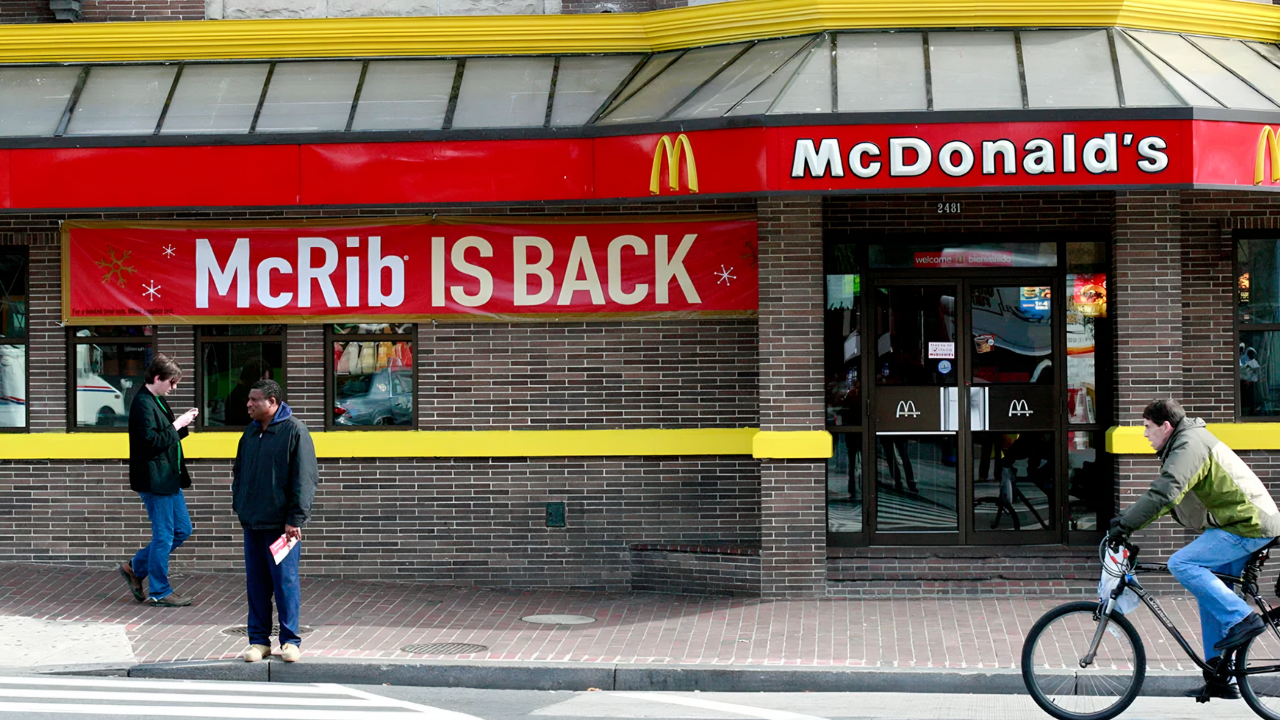
McDonald’s McRib sandwich, a beloved fan favorite for over 40 years, finds itself at the center of an unexpected legal battle.
What once seemed like a nostalgic treat is now being scrutinized in court after its signature rib-shaped patty and name are questioned.
As McRib fans prepare for its next limited-time return, they may soon discover the truth behind the iconic sandwich McDonald’s has sold for decades.
High Stakes Branding
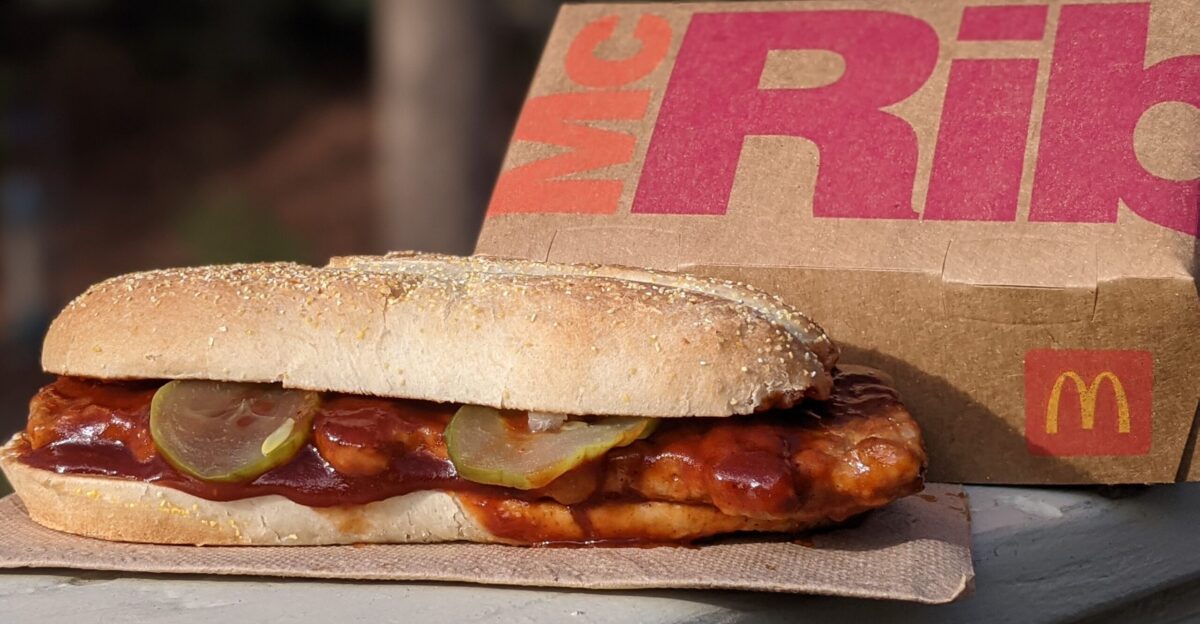
McDonald’s Corporation, the world’s largest fast-food chain, has long marketed the McRib as a “premium” limited-time sandwich, often at higher prices than regular menu items.
Legal and marketing experts argue that premium positioning, combined with its distinctive rib-like shape and name, heightens the stakes of any allegation that consumers were misled about the actual meat they were purchasing, particularly in an era of rising food prices and increasingly scrutinized labeling.
Origins of an Icon
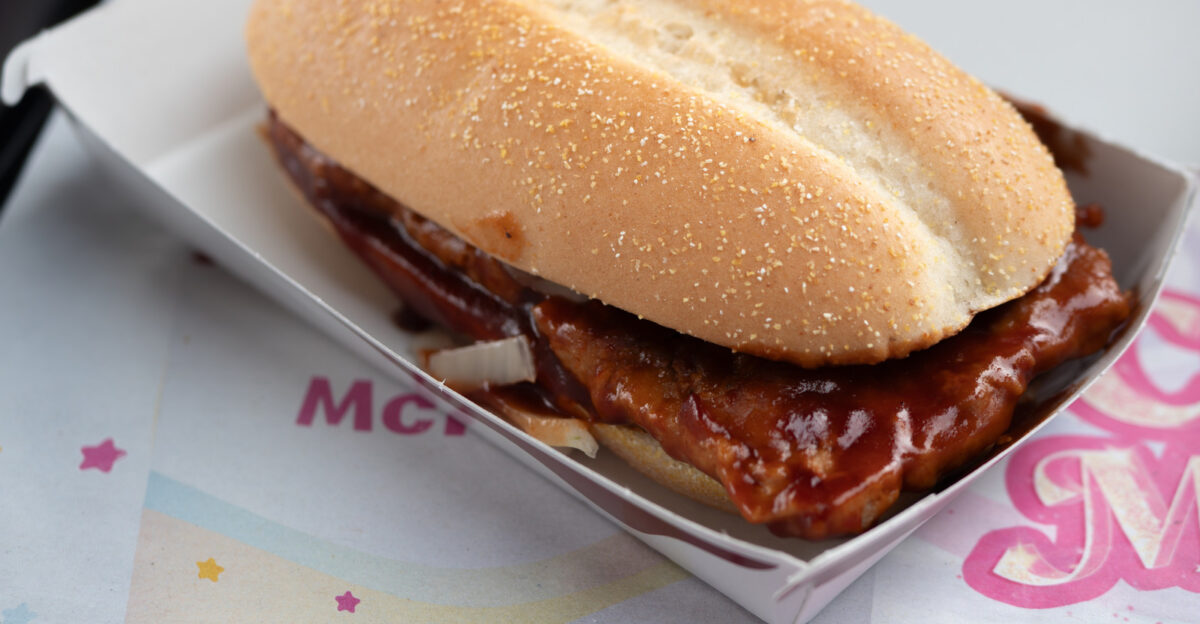
Introduced nationally in 1981, the McRib was developed in response to rising chicken prices, which prompted McDonald’s to seek a new pork-based item to diversify its menu.
The sandwich eventually left the permanent lineup in the early 2000s but returned as a limited-time offering, periodically appearing in select markets.
Over time, scarcity and online buzz turned the McRib into one of McDonald’s most-discussed promotional products.
Limited-Time Pressure
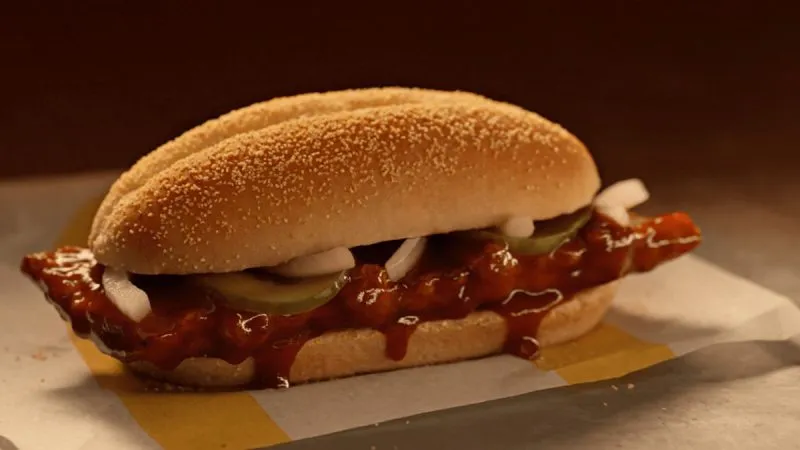
In recent years, McDonald’s has employed scarcity marketing for the McRib, releasing it in select U.S. cities for limited periods, often for several weeks at a time.
Campaigns in November 2024 and 2025 promoted the sandwich in markets like Chicago, Atlanta, Miami, and Seattle, sometimes pricing it near or above $7 in some locations.
Legal analysts say this time-limited, “get it before it’s gone” strategy can heighten consumers’ expectations and sense of urgency.
Central Allegation Unveiled

On December 23, 2025, four consumers from California, New York, Illinois, and Washington, D.C. filed a proposed federal class action in the U.S. District Court for the Northern District of Illinois in Chicago.
The lawsuit alleges the McRib contains “zero actual pork rib meat”, despite its name and rib-like appearance, and accuses McDonald’s of false advertising and a “deliberate sleight of hand” that has persisted for roughly 40 years.
Where Plaintiffs Bought In

According to the complaint, the four plaintiffs, Peter Le, Charles Lynch, Dorien Baker, and Darrick Wilson, each bought McRib sandwiches in November and December 2024 at McDonald’s restaurants in their home regions, including locations in Chicago and other major metropolitan areas.
They argue they were led to believe the patty contained at least some pork rib meat, and claim they would not have purchased the item at the advertised prices had they known otherwise.
Consumer Expectations
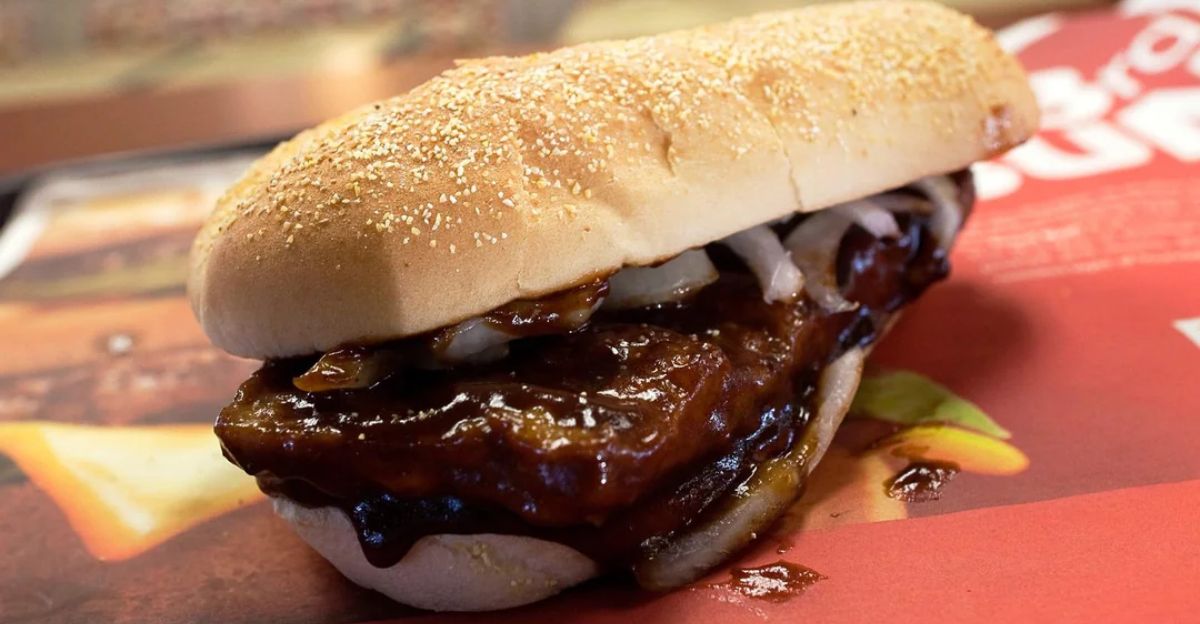
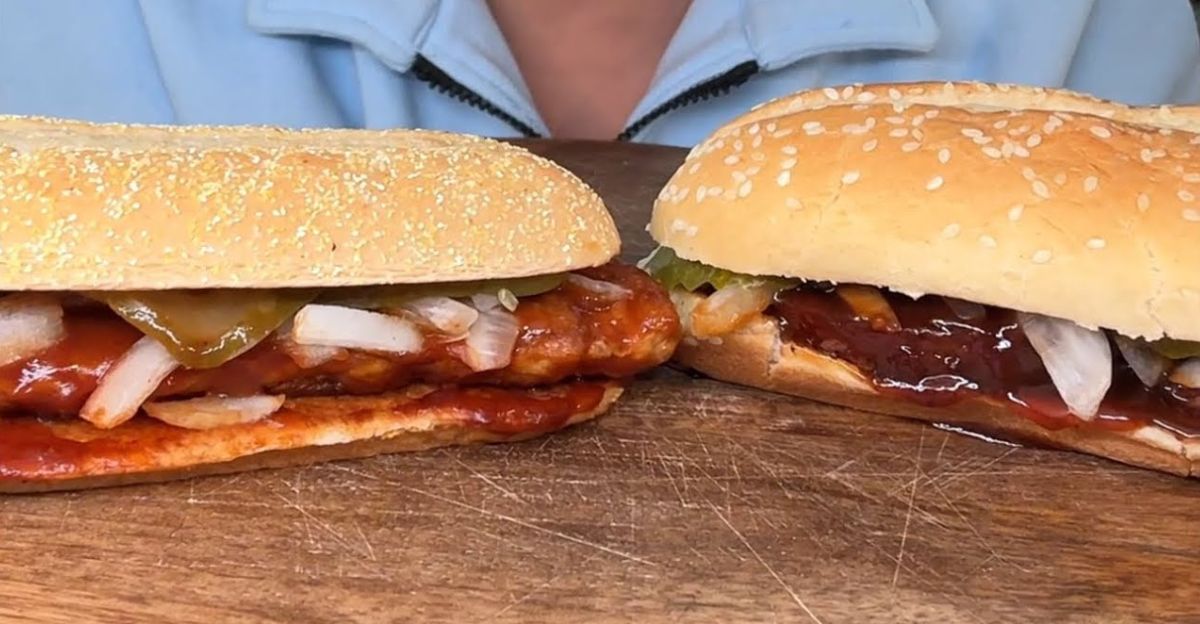
The lawsuit quotes McDonald’s own marketing and product imagery, emphasizing the patty’s rack-of-ribs shape and the use of the word “Rib” in the name “McRib.”
The plaintiffs argue that reasonable consumers, seeing this name and design, expect the sandwich to contain pork rib meat, a cut they describe as richer and more valuable than other pork parts.
One filing describes the name as a “deliberate sleight of hand” aimed at boosting its appeal.
What’s Allegedly Inside the McRib Patty

Court documents claim the McRib patty is not made from ribs at all, but from ground pork shoulder and “lower-grade” organ meats, including heart, tripe, and scalded stomach.
Plaintiffs argue that these ingredients are less expensive and less desirable than pork rib meat, yet the sandwich is marketed as a premium product.
They argue the rib-like shape was “deliberately crafted” to reinforce what they call a misleading impression.
McDonald’s Official Description
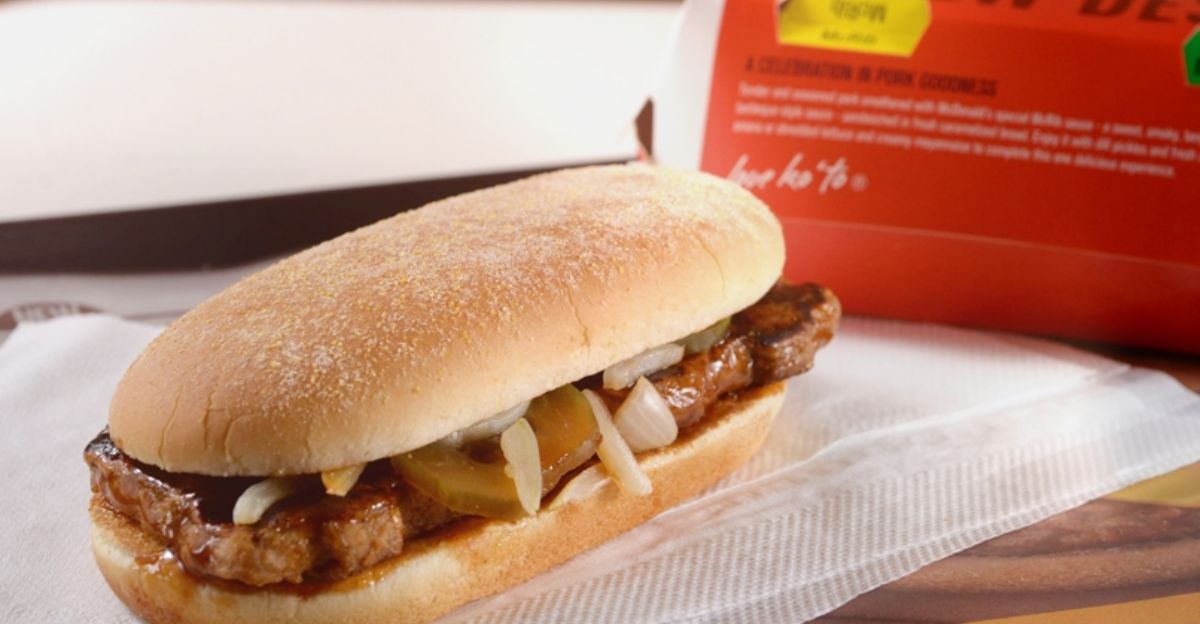
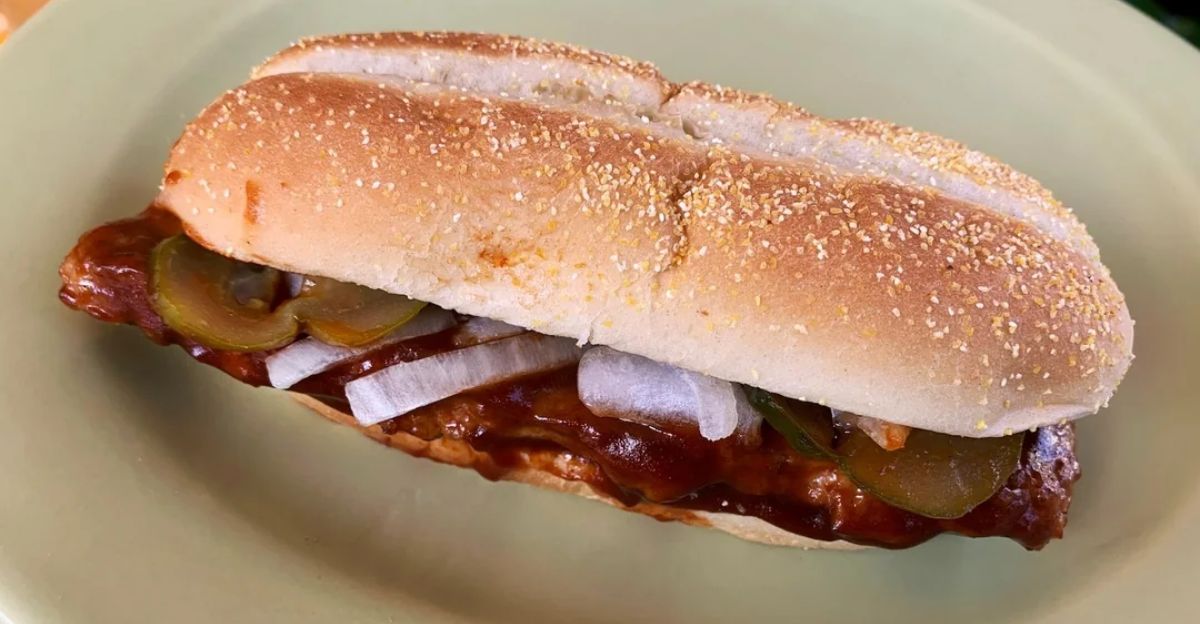
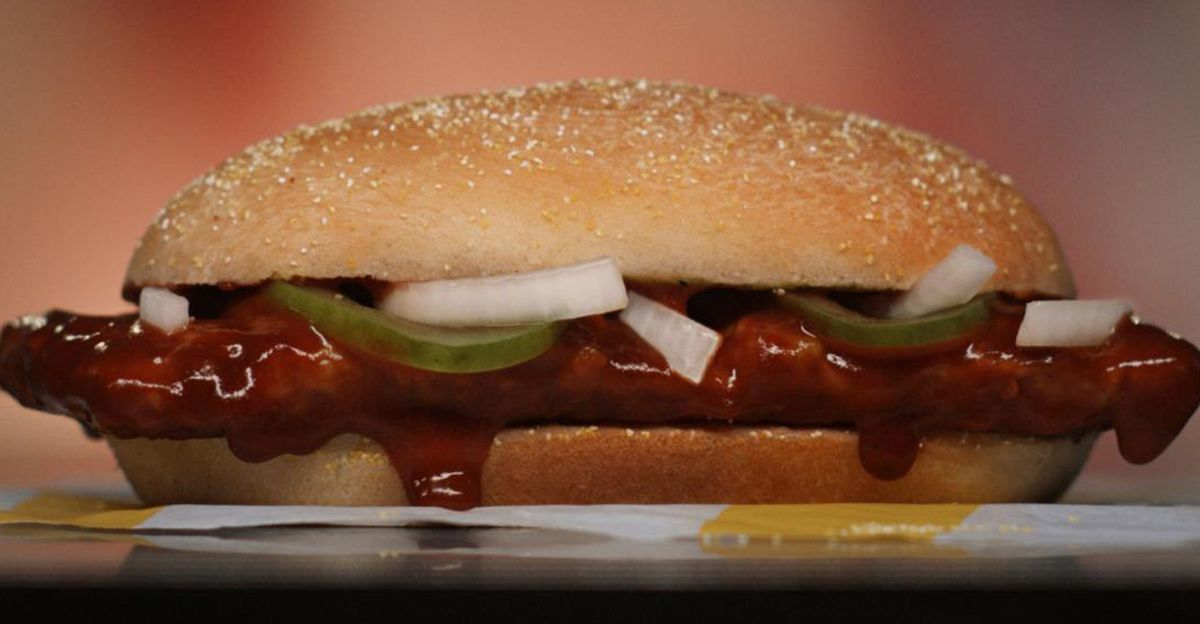
McDonald’s own U.S. website describes the McRib as “seasoned boneless pork dipped in tangy BBQ sauce, topped with slivered onions and pickles on a homestyle bun.”
It does not specify that the meat comes from ribs or identify particular cuts. The company also stresses that it uses “real, quality ingredients” and states that the sandwich is made with 100% pork, a statement now central to the legal and public debate.
Company Pushback Revealed
In responses to media outlets, McDonald’s has rejected the allegations, calling the case “meritless” and saying the lawsuit “distorts the facts.”
A company spokesperson stated the McRib is made with “100% pork sourced from farmers and suppliers across the U.S.” and insisted there are “no hearts, tripe or scalded stomach” in the patty, directly contradicting the plaintiffs’ description of its contents.
How Misleading Is “Rib”?
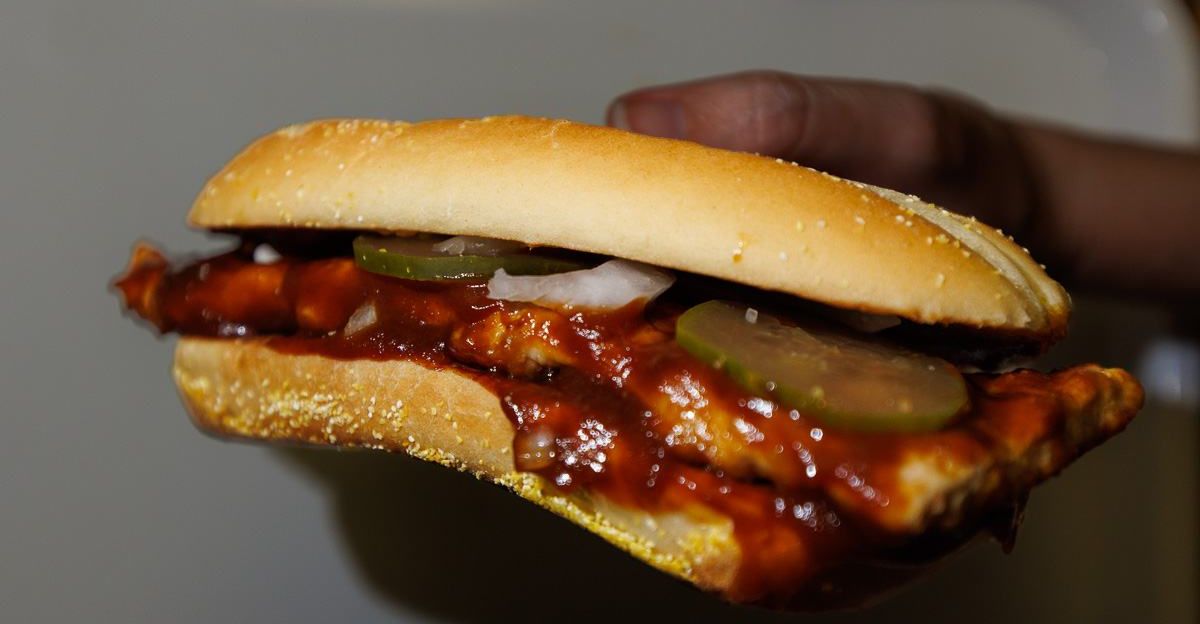
Legal experts say the case will likely turn on what a “reasonable consumer” would think when seeing the word “Rib” and the patty’s rib-like appearance.
Attorney Vineet Dubey told The Food Institute that if the facts show no rib meat, “consumers are being taken advantage of.”
Others note that the product is clearly boneless, potentially weakening claims that buyers expected an actual rack of ribs.
Skeptics of the Case

Some consumer attorneys question whether the lawsuit will resonate with the public or courts. Lawyer Danny Karon, who teaches at the University of Michigan and Ohio State University, compared it to the Subway “footlong” litigation, calling the McRib dispute a “silly case” and suggesting most people do not expect “a five-star meal” from a fast-food sandwich, even one marketed as special.
Brand and Reputation Concerns

Other experts focus on potential reputational fallout. Attorney and George Washington University law professor Wayne Cohen told The Food Institute that McDonald’s may need to ramp up its public relations efforts to reassure customers about the overall quality of its menu.
While the McRib itself is a limited-time item, perceptions of honesty or exaggeration in its marketing could affect how consumers view the McDonald’s brand more broadly.
Class Action Dynamics

The lawsuit seeks class-action status, which, if granted, could cover millions of McRib purchases made over many years across thousands of U.S. locations.
That would significantly raise McDonald’s potential exposure to damages or settlements.
However, certification requires a judge in the Northern District of Illinois to agree that common issues about labeling and expectations outweigh differences among individual customers’ experiences.
Consumer Trust at Issue
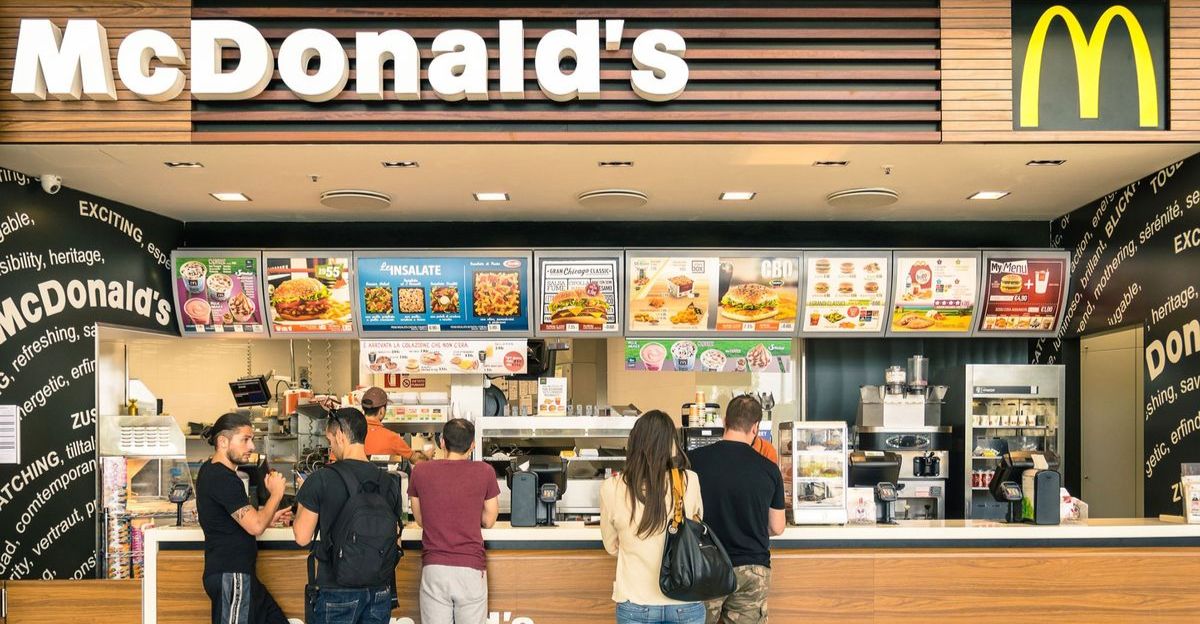
The McRib complaint comes as major restaurant chains emphasize “value” and “transparency” to keep cost-conscious diners.
Axios reports that McDonald’s has been leaning on affordability messaging amid concerns about inflation.
If consumers perceive that premium-labeled items conceal cheaper ingredients, even if this is legal, it could erode trust and prompt some to switch to competitors, regardless of how this particular case ultimately fares in court.
Regulatory and Policy Signals

While this case is a private civil action, it fits a broader trend of false advertising challenges around food labeling, from Subway’s tuna and “footlong” claims to suits over “natural” or “real” ingredients.
Legal observers say repeated disputes can influence regulators and lawmakers, who may consider tighter standards on how product names, shapes, and imagery can imply premium cuts or ingredients without explicit disclosures.
Beyond U.S. Borders
The McRib has been introduced in various international markets, including Europe and Asia, where local McDonald’s units also promote it as a limited-time offer.
While the current lawsuit is confined to a U.S. federal court in Illinois, multinational brands often adjust their global messaging when a market challenges the transparency of a flagship product.
Any changes to ingredient disclosures or naming conventions in the U.S. could eventually be reflected on overseas menus.
Legal Questions on Shape and Name
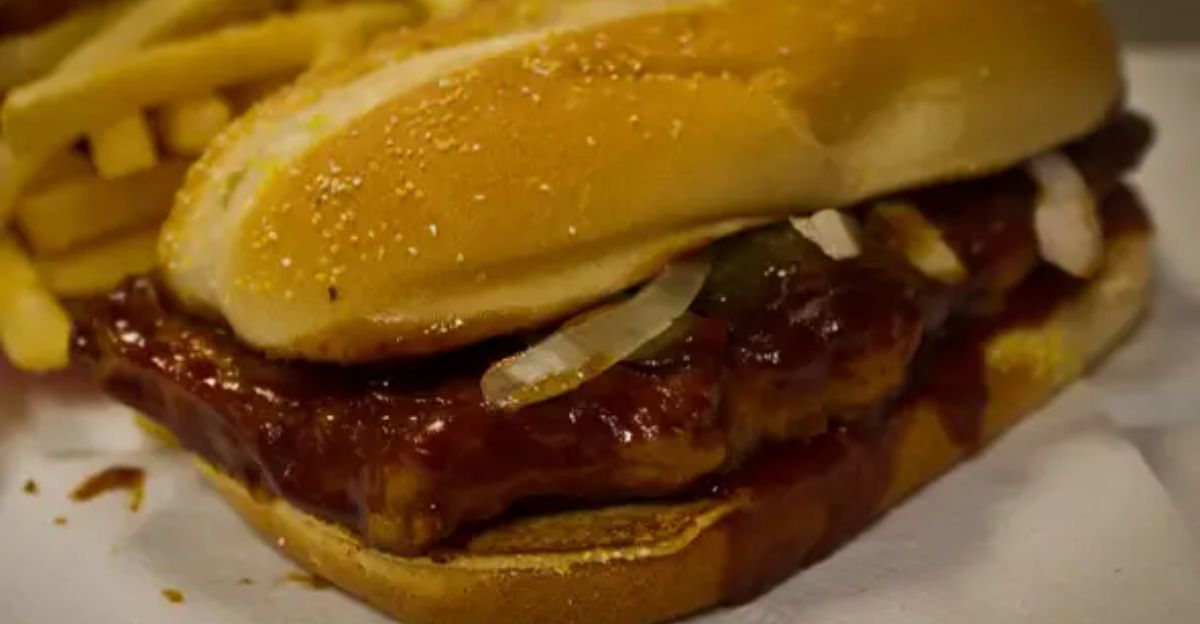
The complaint argues that the McRib’s rib-shaped patty was “deliberately crafted” to visually reinforce the impression of rib meat, not just generic pork.
Courts have previously weighed how product shapes, imagery, and descriptive names—such as “butter,” “cream,” or specific cuts—can mislead if the actual ingredients differ.
How the Illinois court interprets the combination of name, shape, and website language may set an influential precedent.
Cultural and Ethical Debate
The McRib case taps into a broader cultural conversation about fast food marketing, ingredient transparency, and consumer responsibility.
Some view the lawsuit as emblematic of an era in which customers demand clearer labels and feel misled by suggestive branding.
Others argue that long-time fast-food patrons understand they are buying processed products and that legal challenges risk trivializing the court system over what critics view as obvious advertising puffery.
What It Signals Next
Regardless of outcome, the McRib lawsuit highlights how a single menu item can become a flashpoint over truth in advertising, expectations of meat quality, and long-running brand narratives.
For McDonald’s, the question is whether decades of nostalgia and a “100% pork” defense will outweigh claims of deception.
For the wider industry, the case may signal that even iconic comfort foods are not immune to closer scrutiny by both legal and consumer authorities.
Sources:
LMTonline – “McRib on trial — Lawsuit claims McDonald’s sold sandwich with no rib meat for 40 years” – Jan. 5, 2026
Fox Business – “McDonald’s hit with lawsuit claiming McRib contains no real rib meat” – Jan. 2026
The Food Institute – “McRib or McFib? How McDonald’s Limited-Time Sandwich Sparked a Lawsuit” – Dec. 2025
Axios – “Lawsuit claims McDonald’s deceives customers with McRib” – Jan. 5, 2026
CTInsider – “How the McRib sparked a lawsuit and what McDonald’s says” – Jan. 2026