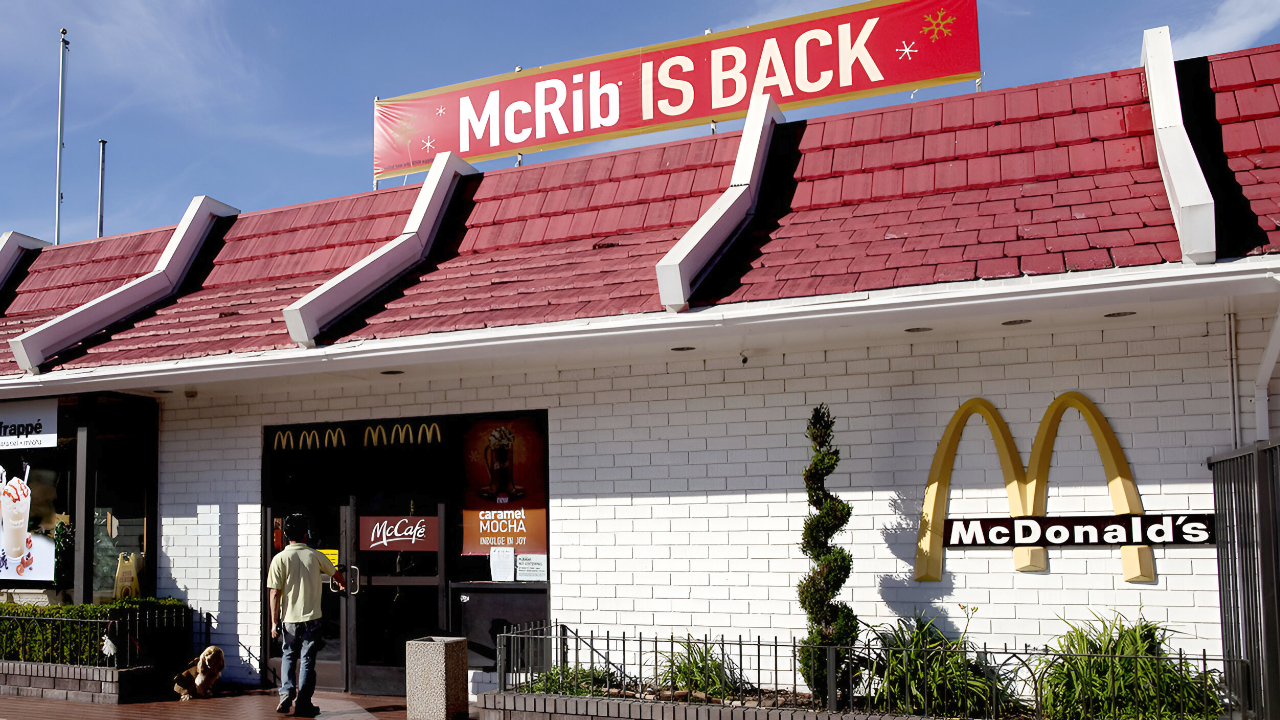
For 44 years, millions lined up for the McRib during mysterious comebacks. It was iconic. Cult-status. People tracked websites waiting for its return.
Then on December 23, 2025, four Americans filed a federal lawsuit asking: What if everything about the McRib is a lie? What if the patty shaped like ribs contains no rib meat at all? And what if McDonald’s knew?
Historic Moment for the Sandwich
This lawsuit represents the first major class-action case specifically targeting the McRib in its 44-year history. While McDonald’s faced other litigation—a $10 billion discrimination suit in 2025, a $105 million CEO clawback—this marks the first federal challenge to the sandwich’s naming and ingredient claims.
With potential exposure in the hundreds of millions, this could become one of fast food’s largest ingredient-misrepresentation cases.
The Core Accusation
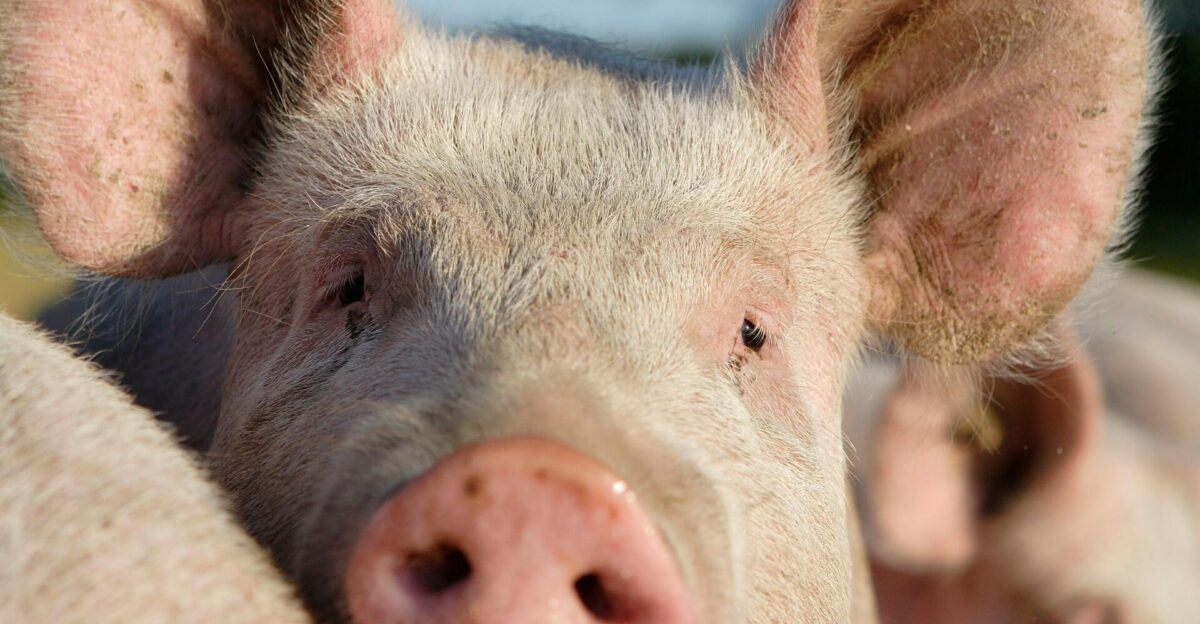
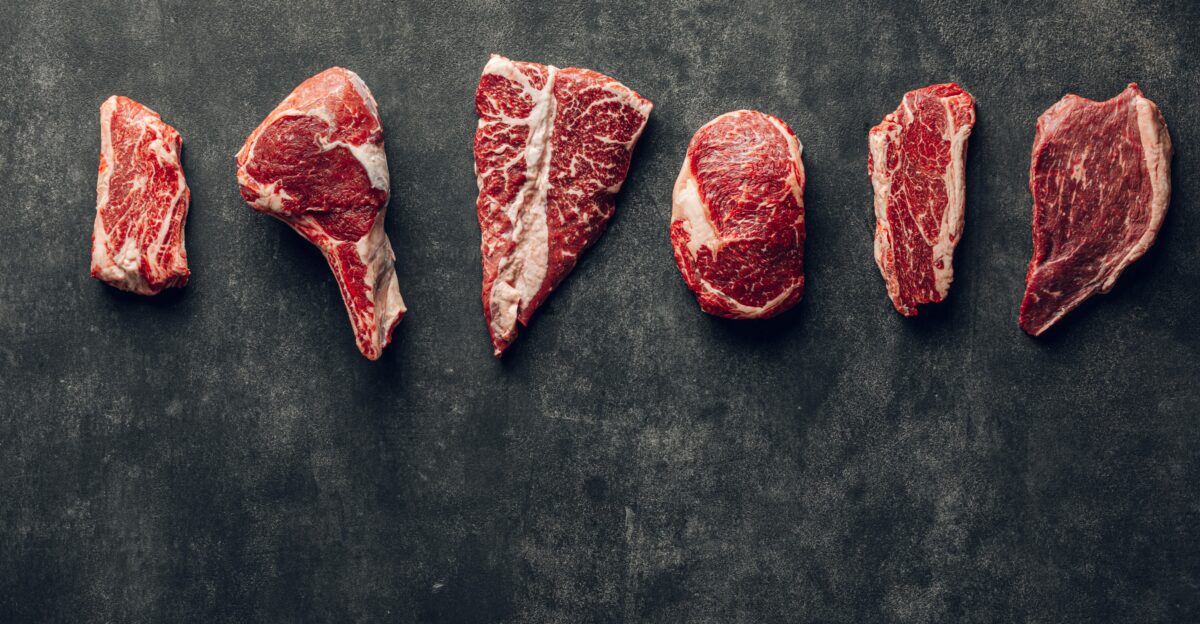
Filed in the Northern District of Illinois, the lawsuit alleges that the McRib contains zero pork rib meat, despite its name and deliberate rib-shaped design. Instead, McDonald’s allegedly uses “restructured” pork: ground-up lower-grade cuts including shoulder, heart, tripe, and scalded stomach.
Four named plaintiffs from California, New York, Illinois, and Washington, D.C., claim they trusted the name, paid premium prices, and were deceived about the contents of their food.
The Name as Deception
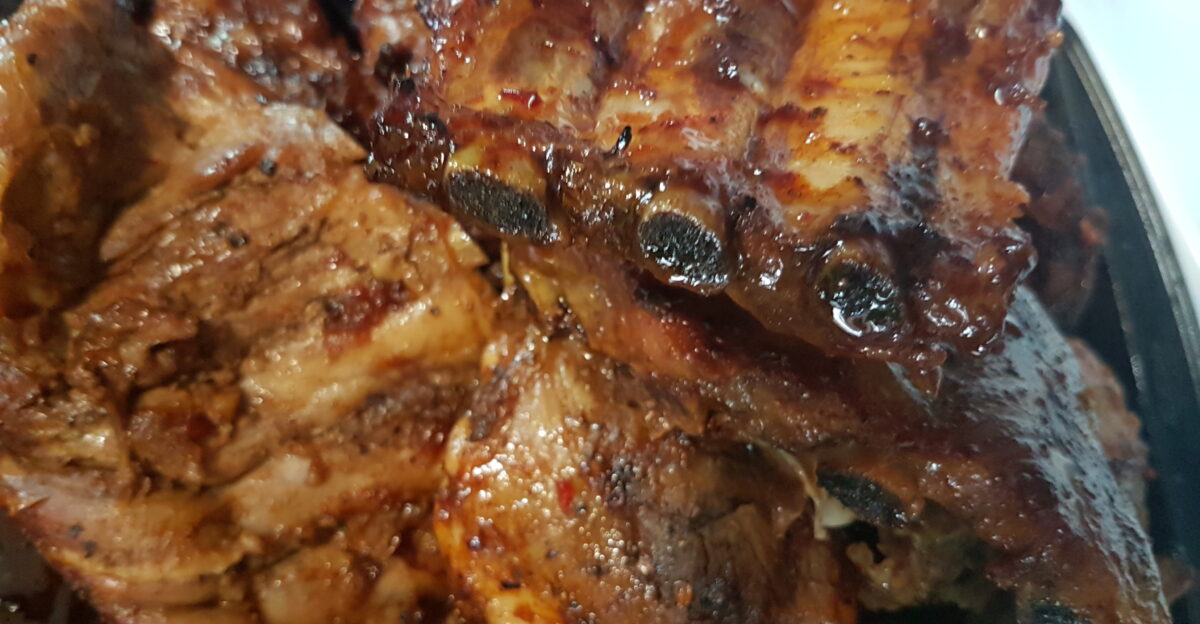
The lawsuit’s core argument is that McDonald’s has weaponized the name “McRib.” The complaint states: “By including the word ‘Rib’ and shaping the patty into a rib shape, McDonald’s knows or should know that consumers are so misled.”
The company shaped the meat to resemble ribs. Designed packaging to evoke premium cuts. Built marketing around scarcity and desire. Then sold it as if rib meat was inside.
Premium Pricing, Cheap Meat
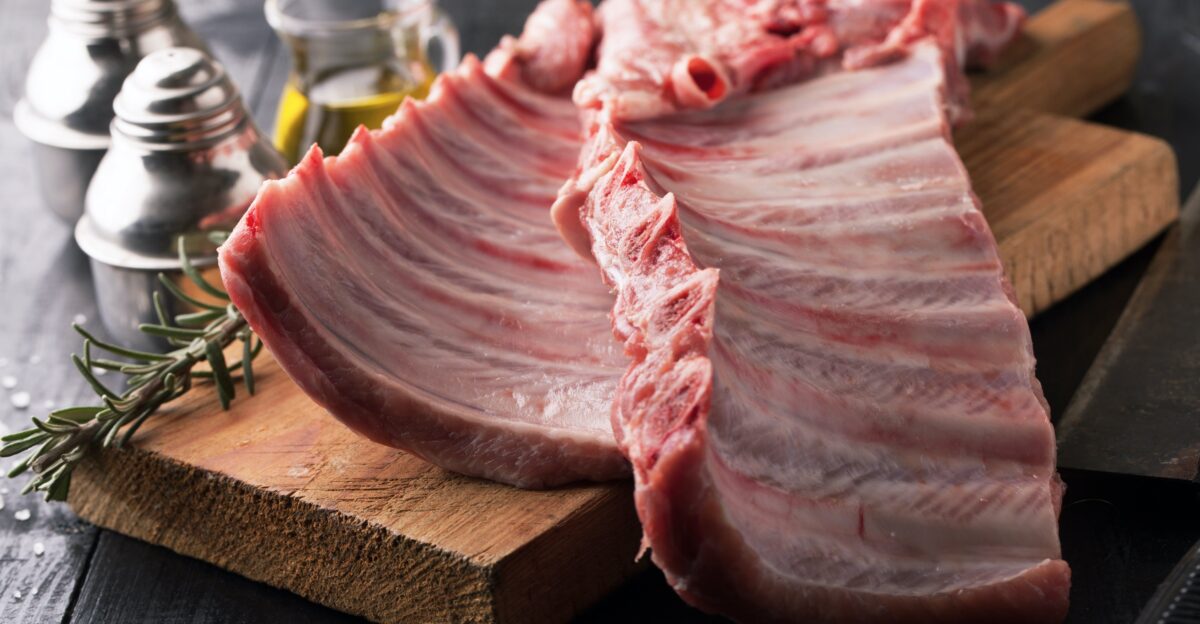
Here’s what stings: McRib often costs more than the Big Mac. Court documents cite prices reaching $7.89 before tax at certain locations. McDonald’s own data shows it averaged $5.63 in December 2024. The lawsuit argues that this premium pricing wasn’t accidental—it was intentional, exploiting the customer’s belief that they were buying rib meat.
When you pay $7.89 expecting premium rib but receive organ meat instead, that’s not misleading. That’s fraud.
16 Legal Claims

The complaint lists 16 separate legal claims, including fraudulent omission, fraudulent misrepresentation, negligent misrepresentation, breach of warranty, breach of contract, and violations of state consumer protection laws across four states.
The sheer number suggests plaintiffs’ lawyers believe this wasn’t accidental or borderline. They’re arguing systematic, knowing deception.
Scarcity as Marketing Weapon
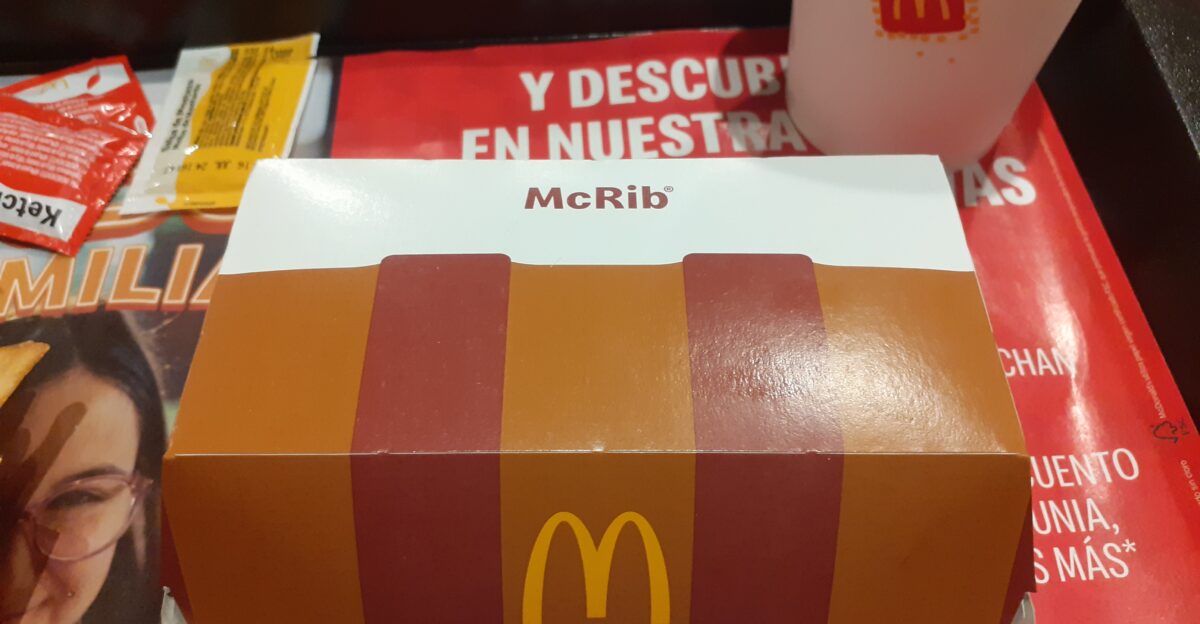
The McRib has never been permanent. It comes and goes with little warning except social media buzz. The lawsuit argues this scarcity was deliberate marketing genius—and perfect cover for deception. “McDonald’s cultivated a sense of anticipation around the McRib, leveraging its scarcity to drive sales,” the complaint states.
Each return generated excitement, lines, and word of mouth. Fans didn’t question ingredients during the promotional frenzy. They just wanted it back.
What McDonald’s Claims It Is
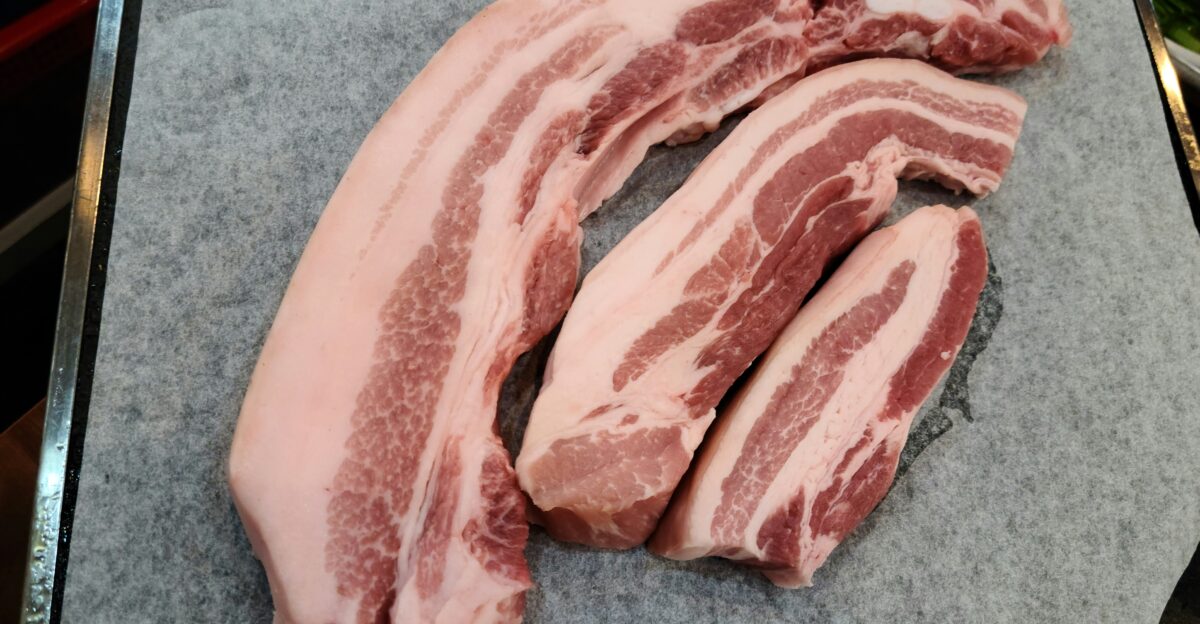
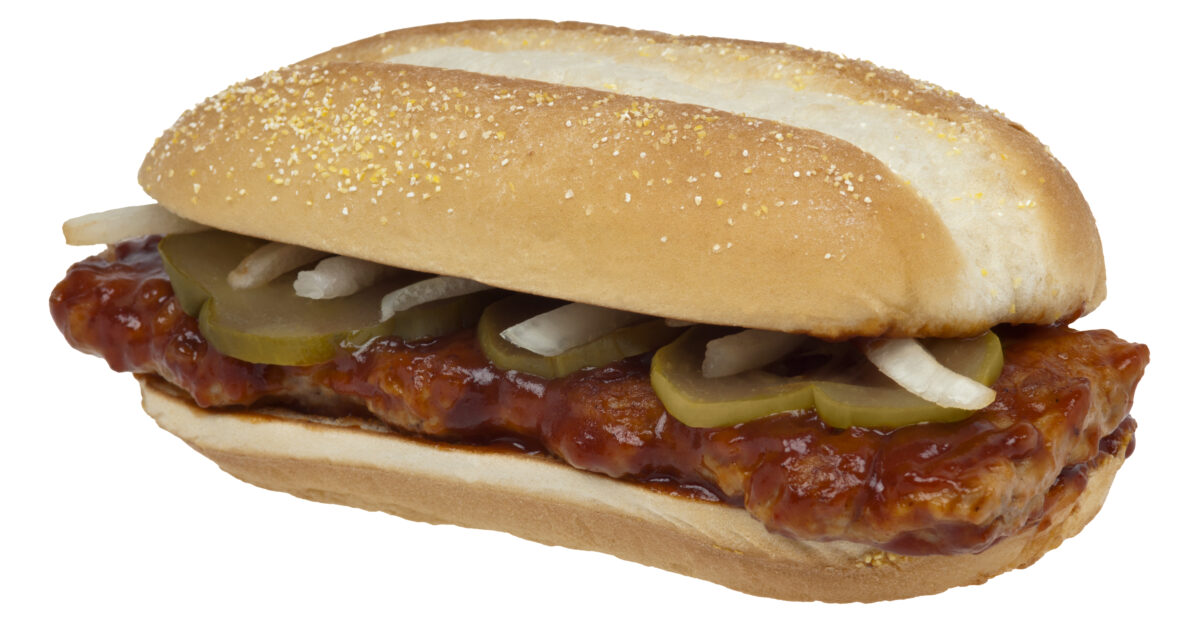
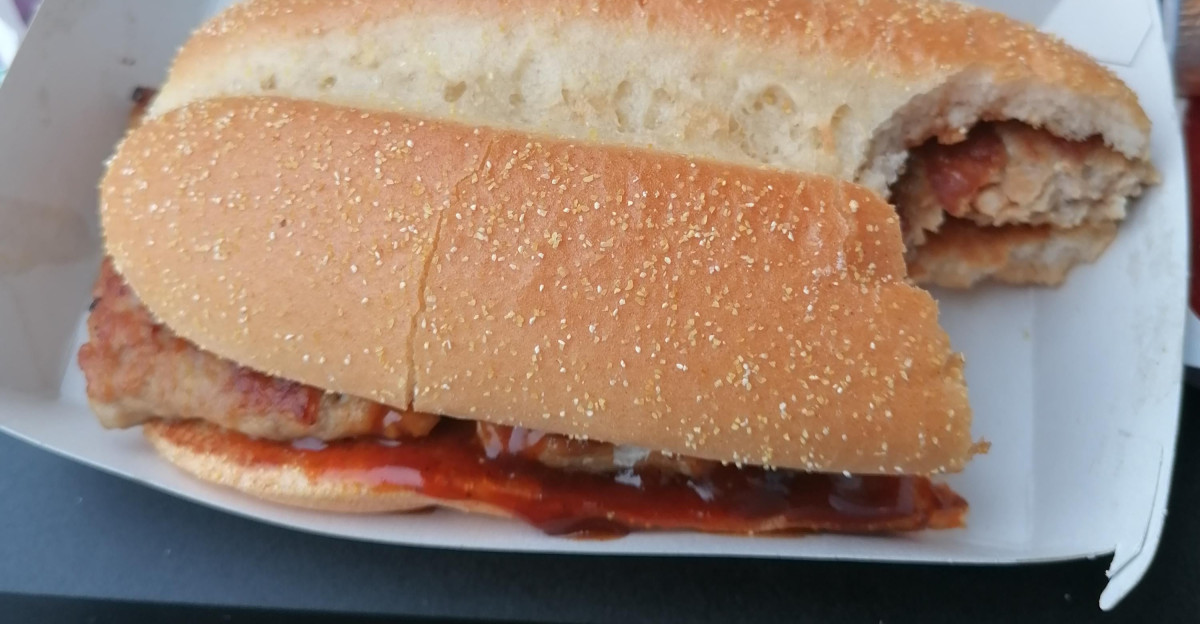
McDonald’s official description describes the McRib as “seasoned boneless pork” topped with BBQ sauce, onions, and pickles. The company never explicitly says “rib meat,” but the name, shape, and marketing imagery all suggest it.
That’s the tension: Is saying “boneless pork” enough disclosure when you’ve spent 44 years naming, shaping, and advertising it as a rib sandwich? The lawsuit says no. A reasonable person ordering “McRib” expects rib meat.
Inside the Meat
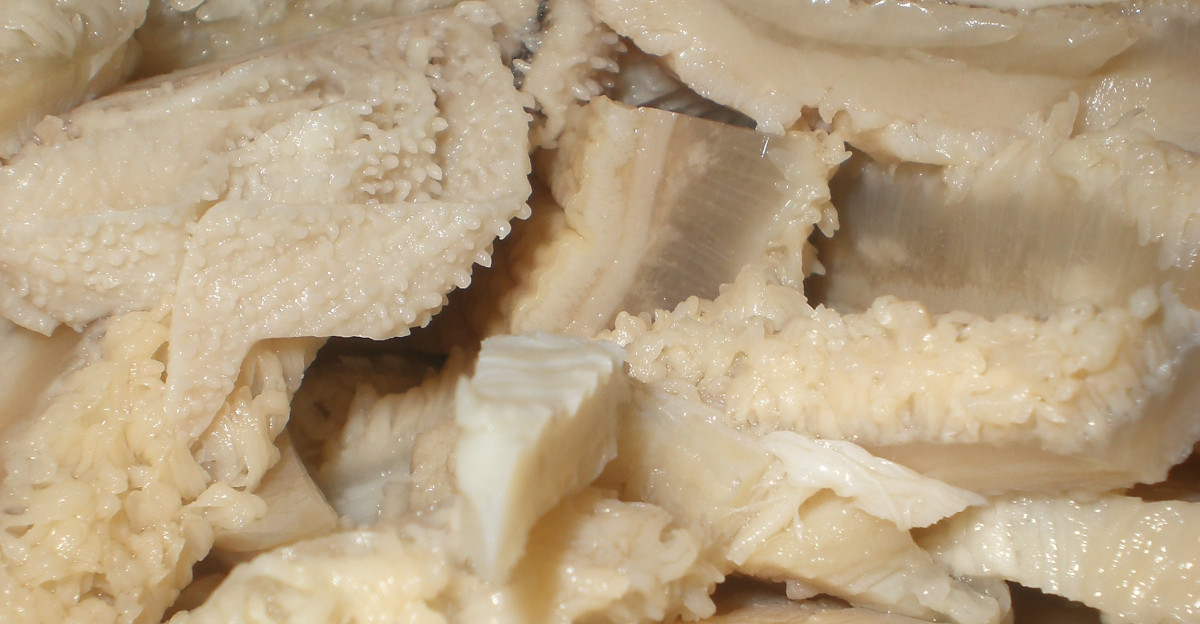
According to the complaint, the McRib patty contains ground-up shoulder, heart, tripe, and scalded stomach—parts that are typically used in hot dogs, pet food, or lower-grade products. The lawsuit cites Department of Agriculture data showing actual pork ribs cost significantly more.
McDonald’s restructuring process binds these scraps into a moldable patty that looks like premium meat. It’s industrial alchemy in service of profit, the lawsuit claims.
McDonald’s Defense

McDonald’s called the lawsuit “meritless” and said it “distorts the facts.” The company statement reads: “Our fan-favorite McRib sandwich is made with 100% pork sourced from farmers and suppliers across the U.S.” McDonald’s explicitly denied using hearts, tripe, or scalded stomach.
However, there’s a legal issue: McDonald’s claims “100% pork” without specifying “100% rib meat.” That word choice might matter enormously to a jury evaluating deception claims.
The Potential Class Size
The lawsuit seeks certification for every American who bought a McRib in the four years before December 23, 2025—reaching back to late 2021. That’s millions of potential class members across more than 13,000 McDonald’s locations.
If certification succeeds, every single McRib purchase in that window could entitle the buyer to damages. The potential class size alone signals why McDonald’s will fight hard.
The Money at Stake

Plaintiffs seek compensatory damages, punitive damages, restitution, and attorneys’ fees. The math is brutal: millions of class members × prices from $5 to $8 per sandwich equals potential exposure in the hundreds of millions. Add punitive damages—which courts often approve in fraud cases—and the total could hit nine figures.
This isn’t a small settlement risk for McDonald’s. This is existential-level financial exposure for the company.
The Science Behind It
In 2011, Chicago Magazine investigated the creation of the McRib, revealing the use of restructured meat technology. This process was engineered to bind lower-grade cuts into a moldable product mimicking premium meat. McDonald’s scientists and engineers knew exactly what they were making and how to shape it to look premium.
The lawsuit cites this history to argue McDonald’s didn’t stumble into deception. The company researched, developed, and perfected it over decades.
Industry-Wide Implications

The McRib lawsuit arrives amid growing “truth in menu” litigation across the fast-food industry. Subway faced lawsuits over tuna composition; other chains confronted suits alleging ingredient misrepresentation. But the McRib case differs—it targets one iconic product for 44 years.
If courts certify this class, it signals that naming and shaping matter as much as the ingredients themselves. Other limited-time items with aspirational names suddenly look vulnerable. The industry could be watching its next precedent form.
The Reasonable Consumer Test

The legal question that could decide everything: Would a reasonable consumer seeing “McRib” on a menu assume it contains rib meat? The lawsuit says obviously yes. McDonald’s will argue that the disclosure of “boneless pork” is sufficient.
But the complaint suggests that when a product is named for a premium ingredient, shaped to resemble it, and marketed as special, the name does the real work. Fine-print disclosures can’t undo years of implied promises.
What’s Coming Next

McDonald’s will almost certainly file a motion to dismiss, arguing the complaint fails to state a valid legal claim. If that fails, discovery begins—both sides fighting over documents and depositions. McDonald’s will argue that no reasonable consumer was deceived, ingredients were consistent, and rib-shaped patties don’t legally require actual rib meat.
The complaint’s framing—that McDonald’s deliberately weaponized the name—suggests this case may survive early dismissal. The real battle is coming.
The Reputational Damage
Regardless of legal outcome, the McRib’s mystique is cracked. For 44 years, the sandwich inspired devotion. Fans tracked McRib Locator websites. Social media erupted when it returned. That passion made it marketing gold. Now that passion fuels the lawsuit.
Millions of loyalists who trusted “McRib” to mean something now question what they actually ate. Even if McDonald’s wins in court, the story changed how people see the sandwich and the brand.
The Four Plaintiffs
Peter Le of Baldwin Park, California; Charles Lynch of Poughkeepsie, New York; Dorien Baker of Chicago; and Darrick Wilson of Washington, D.C., represent millions. These consumers aren’t claiming injury or illness. They’re claiming fraud: McDonald’s misled them about what they were buying.
Their lawsuit asks whether corporations can name products with premium ingredients, shape them accordingly, market them as limited-time treasures, and then claim transparency through buried ingredient lists.
Industry at a Crossroads
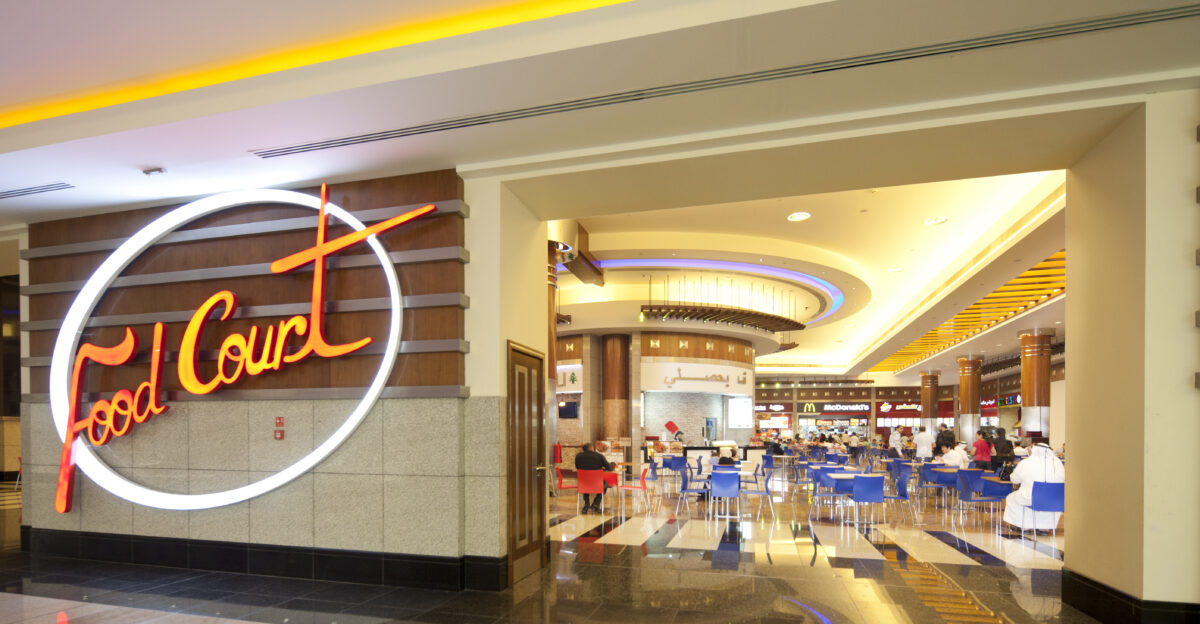
If this class is certified, fast-food chains face reckoning. Every limited-time item marketed with premium-sounding names suddenly looks legally risky. Products marketed as “authentic,” “artisanal,” or “specialty” face scrutiny.
Competitor lawsuits could follow. The case could prompt the industry to radically overhaul its marketing approach or enhance ingredient transparency.
The Bigger Question
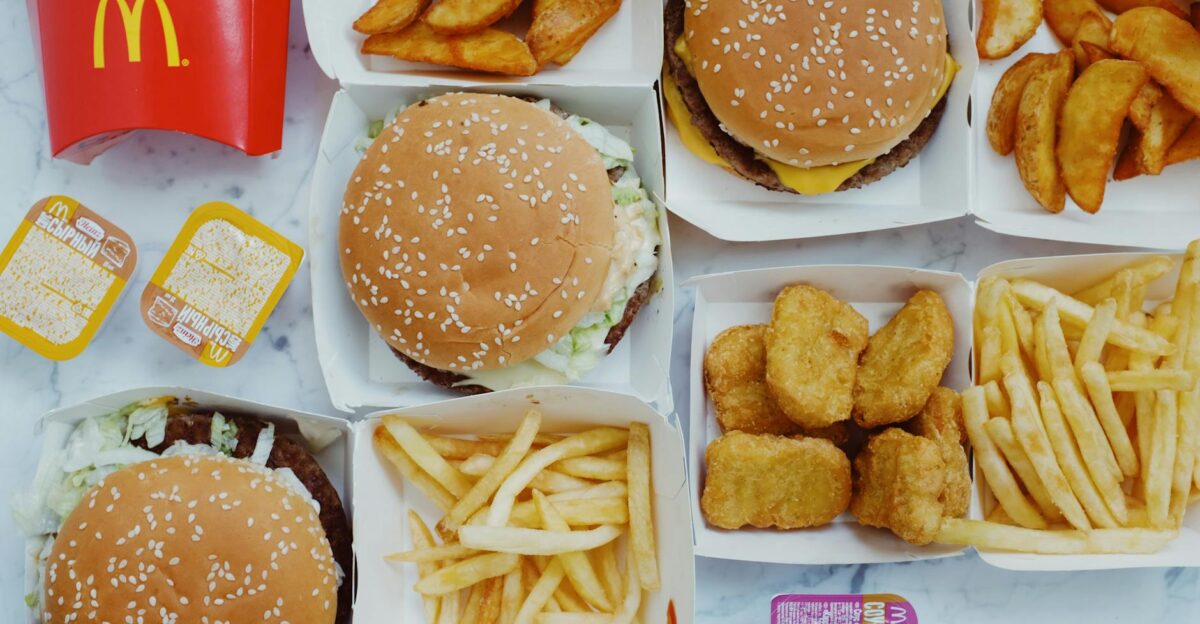
Whether courts agree that McDonald’s deceived consumers will determine not just the sandwich’s fate but fast food’s future. Can a word—”Rib”—be a legal tripwire? Can shape and marketing override ingredient lists? Can decades of implied promises be erased by technical disclosures?
Answers will reshape how companies name products, what shapes mean, and what consumers have the right
to expect. The McRib lawsuit isn’t about what’s inside a sandwich. It’s about trust, transparency, and corporate accountability.
Sources:
“McDonald’s faces class-action lawsuit over ‘deceptive’ McRib sandwich” — Global News, January 5, 2026
“McDonald’s hit with lawsuit claiming McRib contains no real rib meat” — Fox Business, January 5, 2026
“McDonald’s class action alleges McRib sandwich contains no actual rib meat” — Top Class Actions, January 1, 2026
“Lawsuit accuses Chicago-based McDonald’s of deception; McRib has no rib meat” — CBS Chicago, January 3, 2026
“The Invention of the McRib and Why It Disappears from McDonald’s” — Chicago Magazine, October 2011
“McRib lawsuit | PDF | Class Action | Misrepresentation” — Scribd (Court Filing 1:25-cv-15609), January 4, 2026