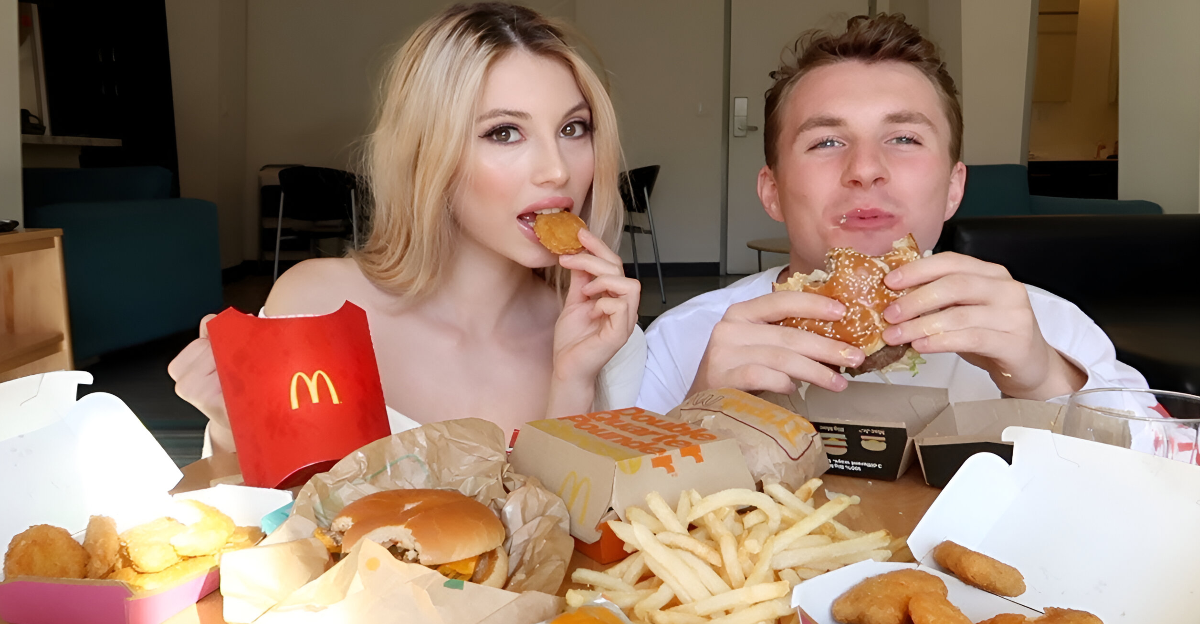
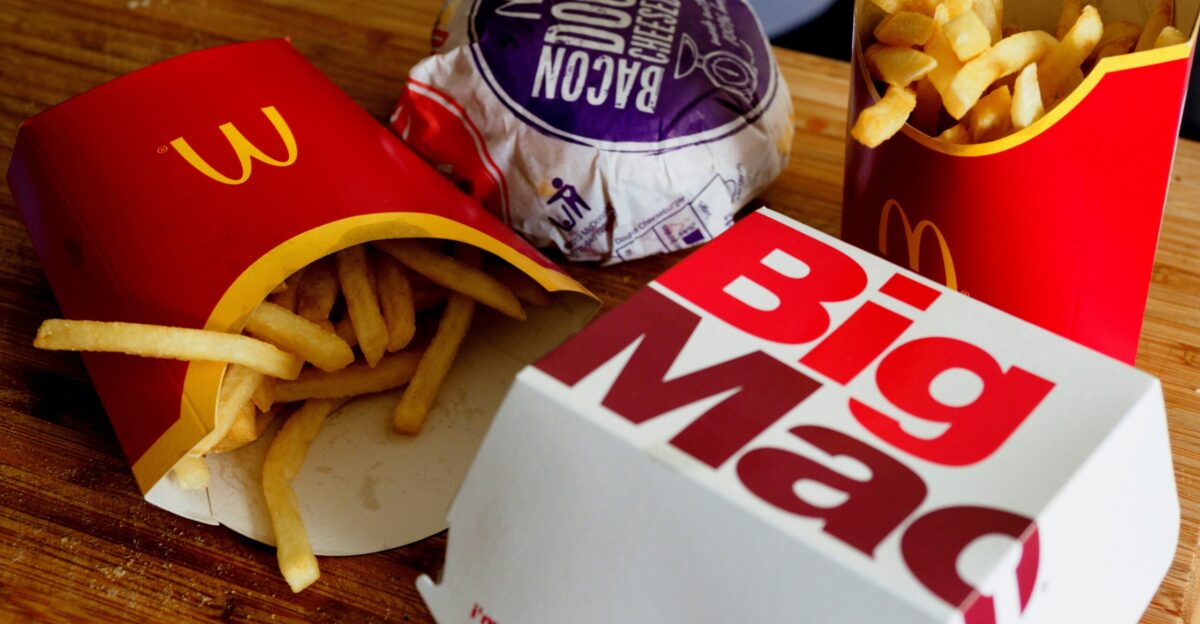
McDonald’s recent introduction of $5 and $8 meal deals, dubbed “Extra Value Meals,” is a calculated attempt to win back price-conscious consumers who have been turned off by recent price increases. Popular items like the Big Mac and Sausage McMuffin are bundled with sides and beverages as part of the initiative, which lowers the price by about 15% compared to purchasing them separately.
This action coincides with a reported drop in low- and middle-class patronage, as these groups now view McDonald’s as less of a value proposition as a result of inflation and financial strains. By bringing back reasonably priced combo meals, McDonald’s hopes to regain its reputation as a fast food option that is affordable, which is essential to its market share and customer loyalty.
McDonald’s Pricing and Value Strategy in Historical Context
In order to draw in a wide range of customers, McDonald’s has long relied on low-price-value menus, such as its well-known Dollar Menu. But in recent years, menu prices have increased due to inflation, rising labor costs, and rising commodity costs, which have changed public perception.
McDonald’s value offerings have historically been the cornerstone of its brand appeal, but economic factors have caused this advantage to erode, which has resulted in a decline in business from budget-conscious consumers. It is possible to interpret the $5 and $8 meal blitz as a calculated partial return to the value pricing that initially gave McDonald’s a competitive advantage.
Economic Factors Affecting the Inflation of Fast Food Prices
The growing cost pressures on McDonald’s and the fast food industry as a whole are a reflection of an economic reality influenced by a number of interconnected factors. Inflationary pressures have been exacerbated by supply chain disruptions, higher prices for staples like beef, potatoes, and dairy, and labor costs that have skyrocketed as a result of minimum wage increases in a number of U.S. states and municipalities.
The operations and logistics of restaurants have been impacted by the rise in energy costs, which include fuel and electricity. Prices for fast food meals increased by almost 28% in the United States between 2019 and 2023, surpassing the roughly 10% increase in consumer inflation during that time. This resulted in a decrease in consumer purchasing power, particularly for diners with lower and middle incomes.
Value Perceptions and Consumer Psychology

Value perception among consumers is highly psychological and depends on price simplicity and visibility. Chris Kempczinski, the CEO, has admitted that the prices displayed on menu boards have the most significant influence on how much customers think McDonald’s is worth. Meals costing more than $10 can turn off customers on a tight budget, who may then reconsider their dining choices and frequently switch to less expensive options or cut back on discretionary spending entirely.
Charm pricing and easily comprehensible numbers are used in the $5 and $8 combo meals to reposition these offers in psychologically appealing price ranges. Moreover, behavioral economics explains how combo meals ease the decision-making burden for customers by providing a speedy “deal” that justifies eating out even on a tighter budget.
The Function of Combination Meals in Fast Food Marketing
Beyond just grouping products together, combo meals have become a key component of fast food strategies. They profit by offering a whole meal experience, which encourages up to 30% more per transaction than a la carte orders.
This is best demonstrated by the $5 and $8 meal deals, which package main courses with sides and beverages to maximize convenience and solidify McDonald’s as the preferred quick dining choice. Combination meals, according to data, improve throughput and customer satisfaction by reducing decision fatigue and cutting down on wait times for in-store and drive-thrus. By promoting premium drinks and sides alongside their flagship sandwiches, McDonald’s is able to even out revenue swings through combo bundling.
Pressures from Competition and the Dynamics of Industry Pricing
In the fiercely competitive fast food industry, where battles for market share are based on value perception, McDonald’s price reduction initiative takes place. Although their ability to withstand margin compression varies, rivals such as Wendy’s, Chick-fil-A, and Burger King have all faced comparable operational cost pressures.
McDonald’s scale, for example, enables it to introduce the $5 and $8 combos systemwide with the support of promotions and franchisee collaboration, setting a standard that competitors might find difficult to meet profitably. According to analysts, this action may lead to a more prolonged and more intense “value war,” forcing rivals to either cut prices or set themselves apart through menu innovation and quality.
Collaboration among franchisees and price flexibility

Corporate-franchisee cooperation is crucial to the success of the $5 and $8 meal pricing. This relationship has historically been complicated because franchisees must strike a balance between local profitability and corporate mandates. In order to compensate for lower margins from lower pricing, McDonald’s negotiated with its franchise network, providing marketing assistance and subsidies. This collaboration demonstrates a common strategic goal: increasing and maintaining traffic by relieving customers of price pressures, which is now thought to be essential to the viability of the business.
Although some franchisees were initially concerned about margin dilution, alignment has been facilitated by financial incentives and expected increases in transaction volume. In franchise systems, where pricing decisions are frequently decentralized, this coordinated approach is uncommon. It makes it easier to communicate a value-based brand message across the country, which is essential for optimizing impact.
Marketing Storytelling and Re-engaging Customers

McDonald’s $5 and $8 meal blitz is more than just a price change; it’s a narrative makeover meant to bring the brand back to life as an accessible, inclusive dining option. Marketing campaigns leverage the substantial emotional equity of iconic products like the Big Mac and Egg McMuffin and emphasize “extra value” to reconnect on price. Both younger generations struggling with inflation and older loyalists will find resonance in this dual strategy, which acknowledges current economic pain points while appealing to nostalgia.
In a market where fast food is criticized for its cost, ethics, and health, advertisements use narratives about affordability and community relevance to set McDonald’s apart. To satisfy the demands of contemporary convenience, the initiative also incorporates loyalty programs, digital engagement tactics, and mobile ordering.
Psychological Effects on Budgeting and Eating Habits
The growth of low-cost combo meals directly responds to the changing eating habits of budget-conscious households, especially those with annual incomes under $45,000, a group that has seen a sharp drop in the frequency of eating out. Fast food is a predictable, controllable expense because of the straightforward pricing of $5 and $8 meals, which lessens mental friction when making budgetary decisions.
According to behavioral science, consumers are more likely to stick to their regular buying habits during difficult economic times when they feel in control of their spending and receive clear deals. Increased frequency of visits and increased use of complementary menu items are two possible downstream benefits of this effect.
Unexpected Repercussions Across Industries
McDonald’s pricing strategy applies lessons learned to the retail and consumer packaged goods industries, which are also dealing with inflationary pressures. To counteract decreased discretionary spending, grocery chains and convenience stores, for instance, may use bundling analogs to create a sense of value in necessities and snacks.
This tactic fits in with the growing interest in “value perception engineering,” in which merchants carefully choose their product offerings and prices to affect consumer psychology just as successfully as fast food combos. McDonald’s success may spur innovation in bundled promotions across industries, impacting a wide range of businesses, including subscription services, quick-service coffee shops, and dollar stores.
Could Brand Perception Be Affected by Lower Prices?
Contrarian viewpoints highlight possible hazards even though the pricing blitz seems like a wise strategic move. Aggressive discounting, according to critics, could damage McDonald’s brand equity by making it appear like a “cheap” choice and making it more difficult to increase prices later or diversify into premium products.
Pricing wars run the risk of creating volatility, eroding margin stability, and conditioning customers to expect constant discounts. Some economists warn that if short-term traffic gains are not carefully managed, they may come at the expense of long-term brand strength. By using differentiated marketing and keeping a diverse menu with high-end items, McDonald’s has tried to offset these risks.
Economic Downturns and Value Plays in Fast Food
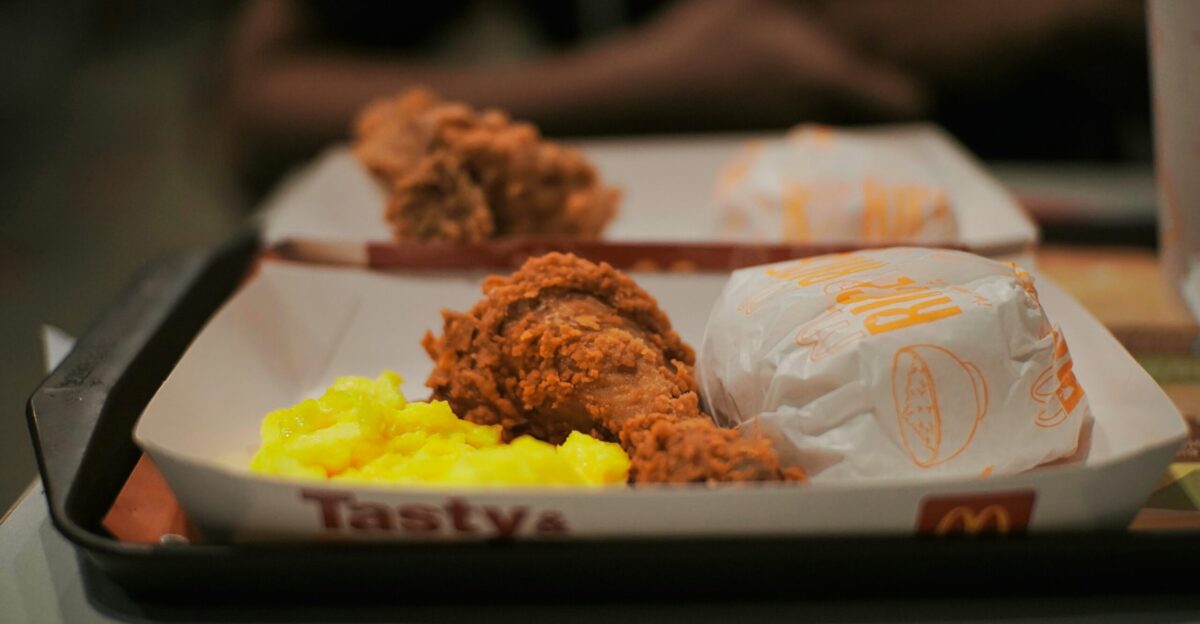
Analyzing McDonald’s historical playbook provides insightful information. McDonald’s value menus performed noticeably better than other dining segments during the global financial crisis of 2008, helped by consumers’ preference for reasonably priced treats during the austerity of the recession. According to studies, McDonald’s increased its market share while casual dining saw more significant drops.
This perseverance complemented the business’s aggressive promotion of value and convenience through combo packages that were significantly less expensive than those of rivals. This historical precedent is directly referenced in the current $5 and $8 meal blitz, indicating that McDonald’s leadership is using lessons learned during difficult economic times to stay relevant and profitable. These actions frequently establish industry standards, impact rivals’ tactics, and convey resiliency to analysts and investors.
The Cycle of Value Recuperation
The “Value Recuperation Cycle” framework helps explain McDonald’s pricing decision. According to this cyclical model, brands should strategically recalibrate with targeted discounts or bundles to regain traffic and rebuild brand equity after temporarily losing value-sensitive customers due to price inflation to cover cost increases.
In order to guarantee that discounts improve perceptions without fatally compressing margins, this recovery phase makes use of data, psychology, and cooperation with franchisees. The $5 and $8 meals at McDonald’s represent a recovery period after inflationary increases. According to the framework, if the recovery is successful, volume will increase and revenues will stabilize, paving the way for a future price reset when the economy permits.
Traffic and Revenue Correlations
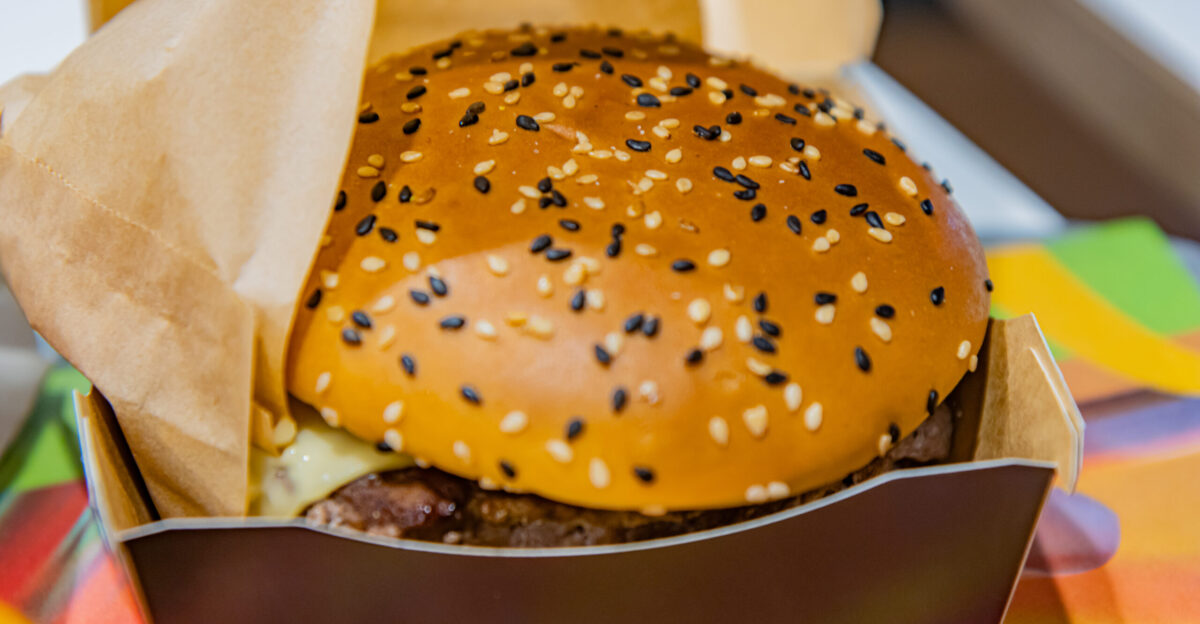
The effectiveness of McDonald’s updated pricing strategy is supported by empirical data. While wealthier demographics stayed constant, the company saw multi-digit traffic declines in low- and middle-income groups, of at least 10%, according to recent earnings calls. This discrepancy highlights how lower-income consumers, who are essential to McDonald’s volume base, are disproportionately affected by menu price inflation. In order to combat declines and rebalance traffic patterns, the restoration of affordable combos is targeted explicitly at these segments.
Due to add-ons and repeat business, customers who buy value combos typically spend more than $10 per visit, according to parallel data from promotional trials. This suggests that combos do not reduce spending but rather encourage larger ticket sizes overall. This realization confirms that the pricing strategy is not just volume-driven but also revenue-positive.
Pricing for Social Equity
In a time when millions of Americans are experiencing an increase in food insecurity, the pricing strategy may be interpreted as a business tactic disguised as corporate social responsibility, thereby promoting food affordability. McDonald’s may be offering reasonably priced access to wholesome, safe, or reliable meals where other options may be scarce, particularly in food deserts, by reducing the cost of combo meals for economically sensitive groups.
This strengthens McDonald’s brand image as more than just a profit-driven company by bringing its commercial goals into line with socioeconomic equity concerns. Such actions can strengthen community ties and increase brand loyalty among populations experiencing ongoing financial stress in a polarized social environment.
Using Technology to Improve Pricing Strategies
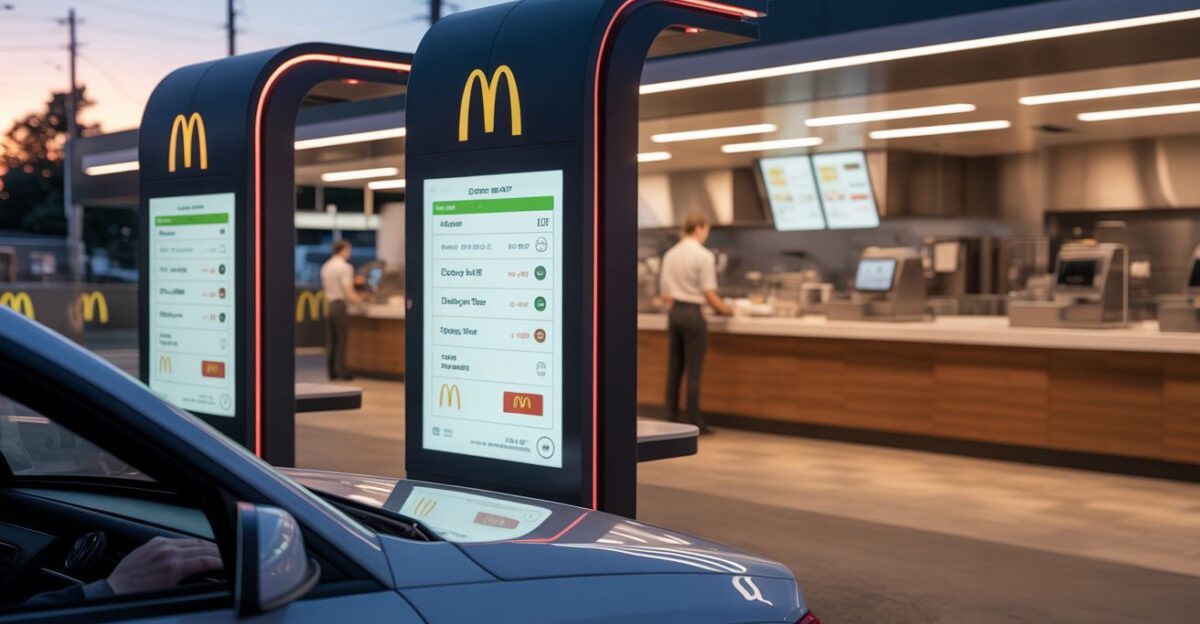
McDonald’s technological advantage in pricing strategy is demonstrated by this granular pricing approach, which contrasts with direct, one-size-fits-all discounts. It minimizes risk while seizing upswing opportunities by enabling real-time adjustments to match shifting market conditions, competitor actions, and supply costs. Thus, technology supports the pricing blitz’s operational viability and effectiveness.
Worldwide Teachings and Regional Modifications

McDonald’s pricing strategies are not limited to the United States; the company adjusts value meal kits to suit regional economic conditions all over the world. Combo pricing and discount bundles have long been used as customer retention strategies in markets in Asia, Latin America, and Europe, many of which have higher rates of inflation or larger populations of low-income people. McDonald’s is able to adapt effective pricing strategies from one region to another with sensitivity to cultural preferences, purchasing power, and competitive environments, thanks to this global integration of pricing lessons.
McDonald’s strategic agility is evident in the U.S. reintroduction of Extra Value Meals, which is modeled after successful international campaigns. Due to its flexibility, McDonald’s has a competitive edge over regional chains that are less able to use global insights to inform their pricing strategies in uncertain economic times.
Worldwide Teachings and Regional Modifications

McDonald’s pricing strategies are not limited to the United States; the company adjusts value meal kits to suit regional economic conditions all over the world. Combo pricing and discount bundles have long been used as customer retention strategies in markets in Asia, Latin America, and Europe, many of which have higher rates of inflation or larger populations of low-income people. McDonald’s is able to adapt effective pricing strategies from one region to another with sensitivity to cultural preferences, purchasing power, and competitive environments, thanks to this global integration of pricing lessons.
McDonald’s strategic agility is evident in the U.S. reintroduction of Extra Value Meals, which is modeled after successful international campaigns. Due to its flexibility, McDonald’s has a competitive edge over regional chains that are less able to use global insights to inform their pricing strategies in uncertain economic times.
Effects of Brand Loyalty and Nostalgia on the Mind
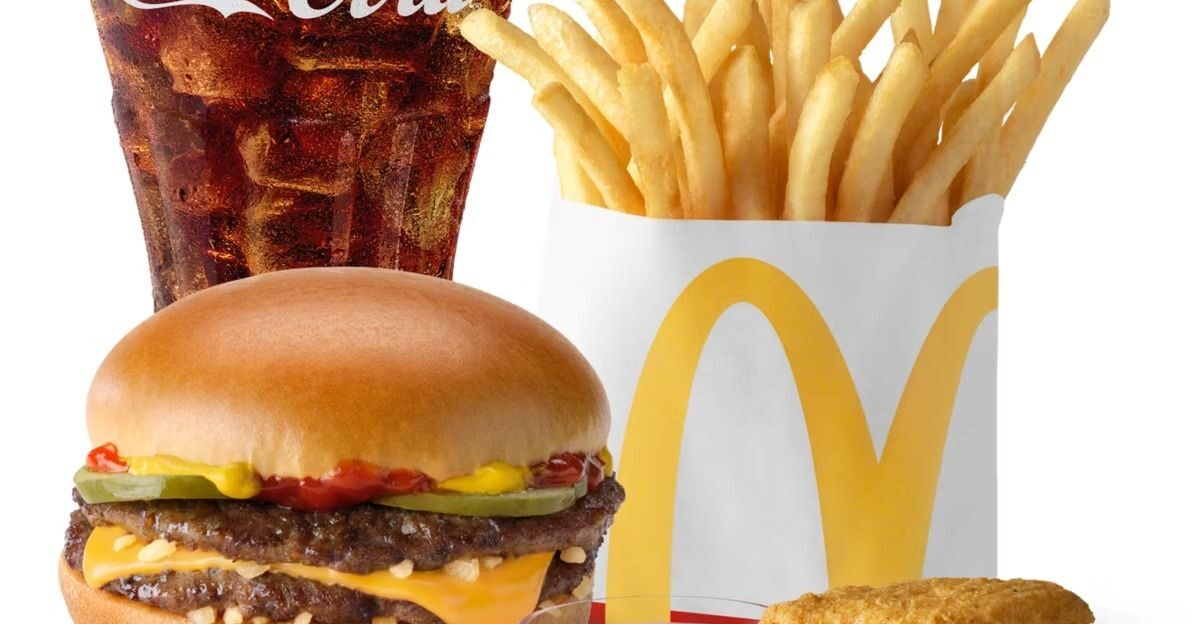
The $5 and $8 meals’ inclusion of traditional items like the Big Mac and Egg McMuffin capitalizes on effective nostalgia marketing strategies. By bringing back memories of comfort, tradition, and childhood, nostalgia forges an emotional bond with customers. Brand loyalty that is impervious to competing products is increased by this emotional connection.
This produces a dual rational-emotional appeal when combined with clear value pricing, allowing customers to rationalize purchases on the basis of economic considerations while simultaneously meeting identity and memory cues. In consumer goods marketing, these combined appeals have worked well. McDonald’s has mastered this balance to maintain consistent revenue flow and brand strength even in the face of economic hardship by reinforcing habitual spending patterns.
Possible Second-Order Impacts on Employment and the Supply Chain

McDonald’s $5 and $8 meal blitz will have an impact on related operational areas if it is successful in increasing traffic volumes. Supply chain ordering may be stabilized by increased demand, which would also encourage suppliers to schedule larger, more effective production runs and lower unit costs.
In order to manage increased customer volumes, franchisees might respond by hiring more people, which would benefit local employment. Even with reduced menu prices, higher throughput could increase franchise profitability. Furthermore, given better cash flows, steady volume growth may hasten investments in sustainability and technology.
Brand Renewal and Strategic Need

McDonald’s $5 and $8 meal blitz is a brilliant strategic move that resulted from changing consumer psychology and unavoidable economic realities. The program uses technology and franchisee relationships to operate at scale while deftly striking a balance between affordability and iconic product appeal. McDonald’s recovers value-conscious customers, restores brand equity, and regains market leadership by proactively addressing inflationary pressures and changing consumer spending patterns.
Through responsive adaptation, psychological insight, and stakeholder collaboration, this pricing change signifies more than just discounted meals; it represents a brand renewal that will strengthen McDonald’s relevance and resilience in a competitive market. It serves as a useful example for the retail and fast food industries looking to handle inflation and consumer uncertainty intelligently rather than leniently.