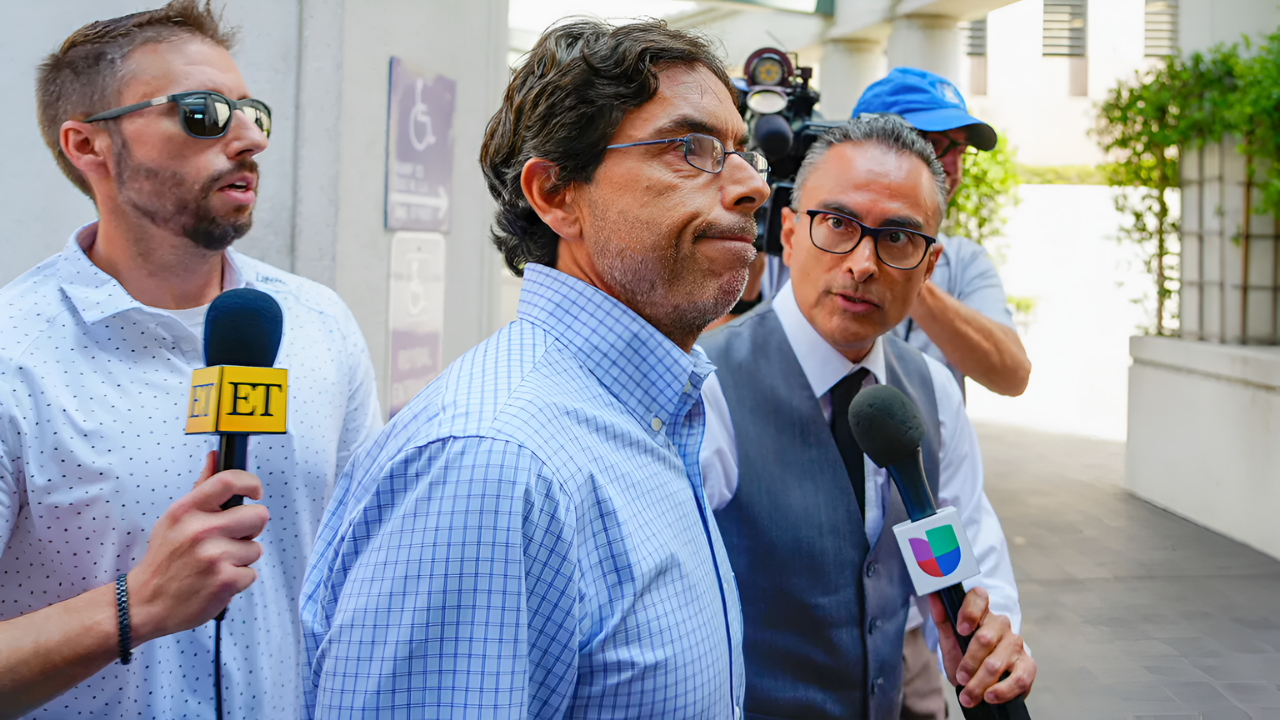
In the final weeks of Matthew Perry’s life, a Los Angeles physician turned the actor’s long public struggle with addiction into a lucrative underground ketamine business, a federal judge concluded this month. Prosecutors said Dr. Salvador Plasencia saw not a vulnerable patient but a cash source, charging tens of thousands of dollars for drugs he knew Perry was desperate to obtain.
Timeline of a Secret Ketamine Supply
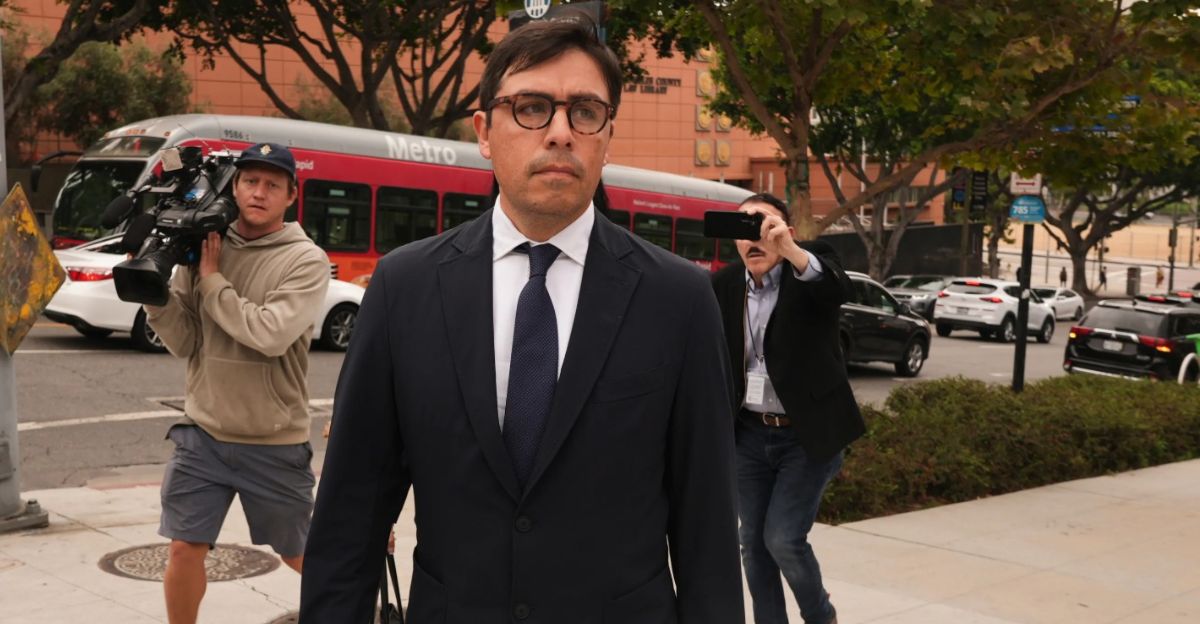
In late September 2023, Plasencia, a 44-year-old urgent-care doctor from Santa Monica, learned Perry was seeking ketamine outside clinical channels. He contacted San Diego physician Mark Chavez, who operated a ketamine clinic, to secure supplies.
Between September 30 and October 12, prosecutors said, Plasencia provided Perry and the actor’s assistant, Kenneth Iwamasa, with 20 vials of liquid ketamine, lozenges, and syringes. Over 13 days, Perry paid about $57,000—far above the roughly $12-per-vial street price cited in court records.
Plasencia met Perry in private homes and public locations, including an aquarium parking lot in Long Beach, to inject him personally and to leave additional vials for unsupervised use. Prosecutors said he trained Iwamasa, who had no medical qualifications, to administer injections and left supplies so treatment could continue without him present. Iwamasa later acknowledged injecting Perry multiple times per day in the days before his death.
Plasencia’s last delivery came on October 12. Two weeks later, on October 28, Perry, 54, was found unresponsive in the hot tub at his Pacific Palisades home.
Medical Use, Legal Gaps, and a Vulnerable Patient

Ketamine has long been approved as a surgical anesthetic and, more recently, as esketamine for treatment-resistant depression, but only under strict, in-clinic monitoring. The Food and Drug Administration has not approved ketamine for at-home psychiatric use. Compounded versions—liquids, lozenges, and other formulations prepared by pharmacies—largely exist in a regulatory gray zone.
Perry had been receiving monitored ketamine treatments at a licensed clinic for depression and anxiety. According to prosecutors and court documents, his legitimate providers refused to increase his dosage when they became concerned about safety and dependency. At that point, investigators said, he turned to off-book prescribers willing to provide higher and more frequent doses.
Prosecutors argued Plasencia knew Perry’s history of addiction and saw his escalating use as an opportunity. Text messages introduced in court showed Plasencia and Chavez coordinating supply and pricing for Perry. In September 2023, Plasencia texted Chavez, “I wonder how much this moron will pay,” followed by, “Let’s find out.” Chavez, prosecutors said, obtained at least 22 vials of liquid ketamine and nine lozenges through fraudulent prescriptions written to pharmaceutical wholesalers.
The pattern that followed, investigators said, was stark: supervised, protocol-based ketamine therapy gave way to rapid, largely unsupervised dosing with no meaningful screening for cardiac risk, drug interactions, or addiction relapse. Plasencia’s text to Iwamasa on October 27—stating he had “been stocking up” and left supplies with a nurse in case Perry needed more while he was out of town—was cited as evidence that he anticipated continued heavy use and planned around it.
Cause of Death and Multiple Suppliers
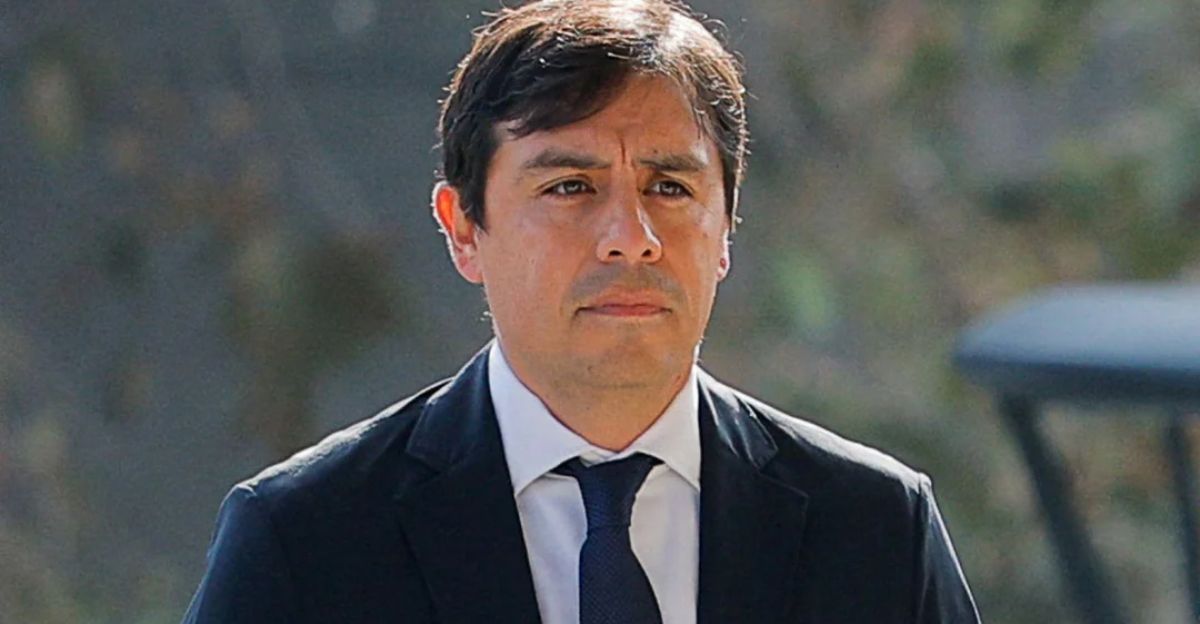
The Los Angeles County medical examiner concluded Perry died from “acute effects of ketamine,” with drowning, coronary artery disease, and buprenorphine use listed as contributing factors. High-dose ketamine can strain the cardiovascular system and depress breathing, risks that increase for patients with underlying heart problems or on certain other medications. Perry had a documented cardiac history and was taking buprenorphine for opioid addiction.
Investigators determined that the anesthetic-level ketamine in Perry’s system—about 2.2 grams, consistent with doses used in surgery—did not come from Plasencia’s final batches. Instead, prosecutors said, it was supplied by another defendant, Los Angeles dealer Jasveen Sangha, nicknamed “Ketamine Queen,” through middleman Erik Fleming.
Sangha pleaded guilty in September 2025 to multiple charges, including distribution of ketamine resulting in death. She admitted in court filings that she knew Perry was the intended recipient when she provided 50 vials via Fleming. Perry’s last legitimate ketamine treatment at a clinic had taken place about a week and a half before he died, leaving investigators to conclude the fatal dose was self-administered from illicit supplies on October 28.
Courtroom Reckoning and Family Testimony
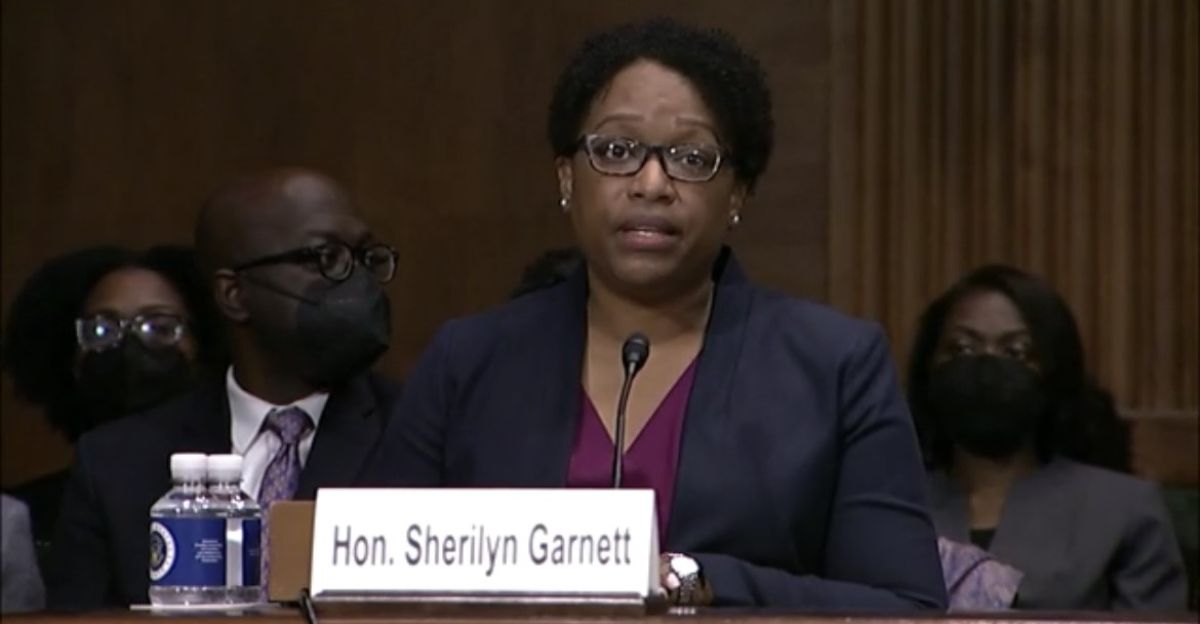
On December 3, 2025, U.S. District Judge Sherilyn Peace Garnett sentenced Plasencia to 30 months in federal prison for four felony counts of ketamine distribution, followed by two years of supervised release. She also ordered a $5,600 fine and a $400 assessment, and directed that he be taken into custody immediately.
The sentence was below the 40-year statutory maximum available under his plea agreement and under the three years prosecutors requested, but Garnett stressed that Plasencia had enabled Perry’s addiction and violated core medical obligations. She noted that while he did not provide the lethal dose, his conduct helped sustain a dangerous pattern of use.
During the hearing, Perry’s family described the loss of what they saw as a fragile but promising recovery. His mother, Suzanne Morrison, stood facing Plasencia and told him quietly, “I just want you to see his mother.” Stepfather Keith Morrison, a television correspondent, submitted a lengthy statement calling Plasencia “the most culpable of all” and accusing him of repeatedly betraying his professional vows for money. Family members said Perry had been working, maintaining close relationships, and envisioning a “third act” in his life after chronic addiction.
Plasencia told the court he was remorseful, saying he should have protected Perry and that his actions during the 13-day treatment window would stay with him. His attorneys argued he had risen from modest beginnings, was valued by many patients, and had already lost his career and medical license. The judge concluded the seriousness of his conduct required a custodial sentence.
Looking Ahead: Industry Scrutiny and Pending Sentences
Plasencia’s case has intensified scrutiny of ketamine practices and oversight. While FDA-approved esketamine nasal spray for depression is tightly regulated, compounded ketamine products and at-home regimens often are not. Hundreds of clinics now offer ketamine-based treatments, and professional groups and regulators are debating clearer standards for screening, dose limits, and whether patients with significant addiction histories should receive the drug at all outside specialized settings.
Four additional defendants connected to Perry’s case await sentencing: Chavez, Sangha, Fleming, and Iwamasa. Their hearings, scheduled into early 2026, are expected to keep attention on how multiple actors—licensed and unlicensed—intersected in the final chapter of Perry’s life. For regulators, medical boards, and mental health clinicians, the case highlights both the promise of ketamine for severe depression and the risks when profit, weak oversight, and addiction vulnerability converge.
Sources
U.S. District Court of Central California Sentencing Documents; Federal Judge Sherilyn Peace Garnett, December 3, 2025
Associated Press; Reuters; BBC News reporting on Matthew Perry case indictments and guilty pleas (August 2024 – September 2025)
Los Angeles County Department of Medical Examiner Autopsy Report; Toxicology findings December 2023
U.S. Drug Enforcement Administration (DEA) Press Release; Federal charges and court filings regarding ketamine distribution network