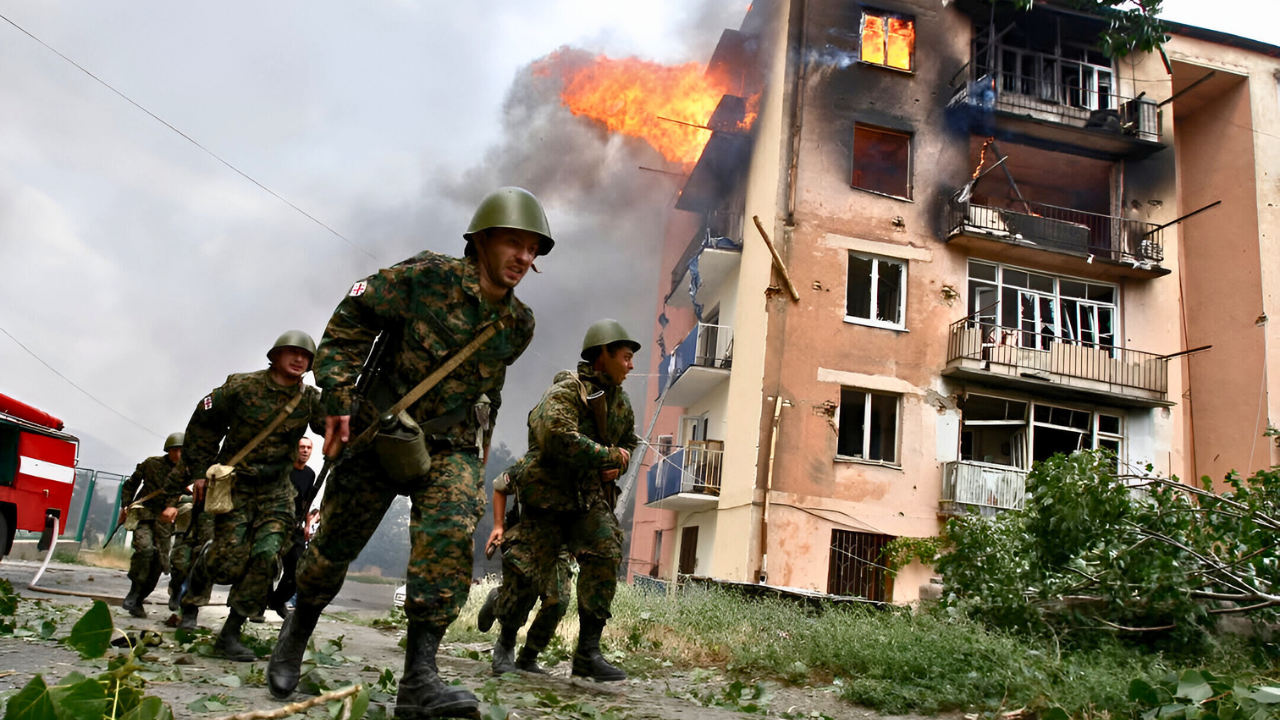
On December 8, 2025, a Russian drone slammed into a nine-story apartment building in central Ukraine. Rescuers emerged from dust and darkness carrying survivors—including a child wrapped in blankets, alive against the odds. Her parents remained trapped somewhere in the concrete.
This scene, repeated across seven regions that night, defines modern warfare: families huddled in cellars while 240 drones fall from above. The strikes killed at least one person and injured fifteen others across multiple neighborhoods. Winter darkness now brings terror each night.
Russia’s Relentless Bombardment
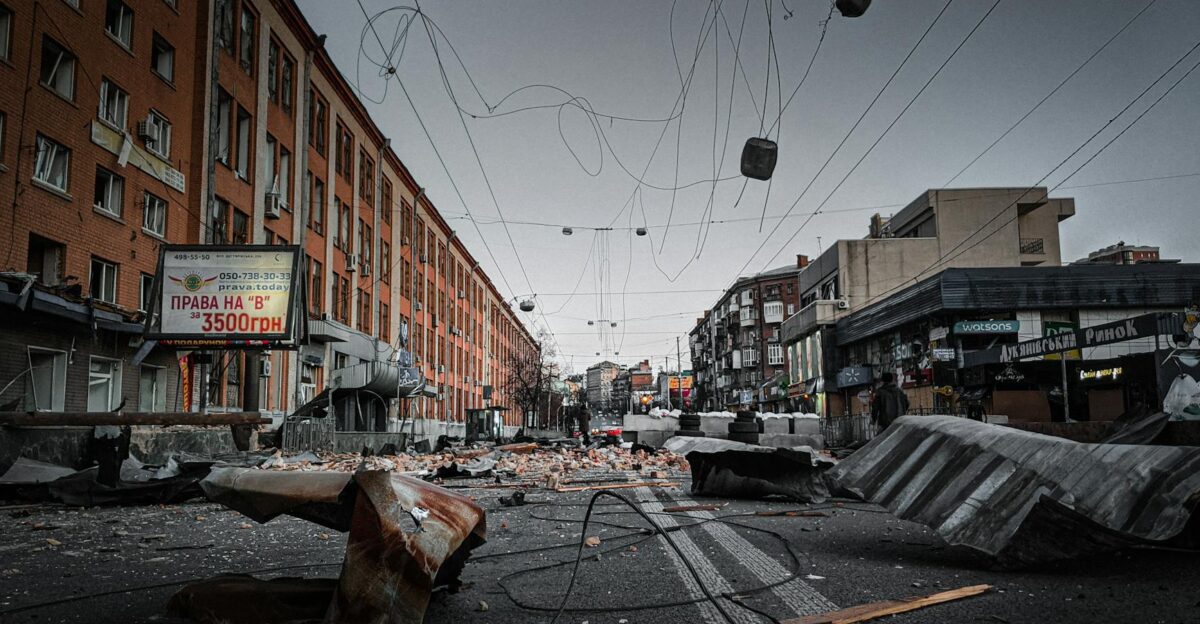
President Volodymyr Zelenskyy revealed Russia launched over 1,600 attack drones during a single week in early December 2025. The Kremlin also deployed approximately 1,200 guided aerial bombs and nearly 70 missiles of various types during the same period. In one coordinated assault, 240 drones and five ballistic missiles struck simultaneously across multiple regions.
The sustained pace represents an industrial-scale attack on a nation’s ability to survive winter. Ukrainian air defenses have intercepted most threats, but casualties and infrastructure damage continue to mount.
Families Freeze In Darkness

Russia systematically targets Ukraine’s energy infrastructure, causing widespread blackouts across eight regions. Nuclear power plants have been forced to reduce output due to strike damage. Families huddle in freezing homes without heat or electricity as temperatures drop.
The United Nations reports 3.7 million Ukrainians are internally displaced, many living in temporary shelters without adequate winterization. Emergency services operate in near-total darkness, unable to respond to all civilian emergencies. Hospitals struggle to maintain operations for the wounded.
Ukrainian Casualties Mount
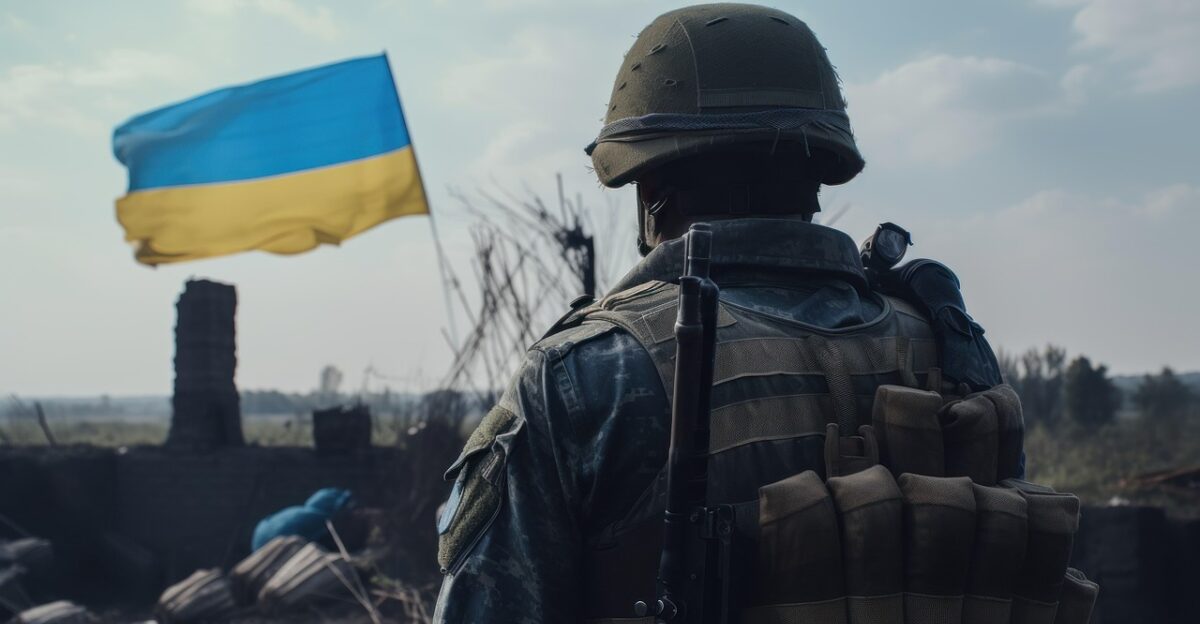
Russia’s Defense Ministry reported sustained casualty claims throughout November and early December 2025. From November 29 to December 5, the Russian MOD claimed Ukrainian forces lost approximately 9,050 troops across multiple operational areas over those seven days.
On December 2, 2025, Russian military sources claimed approximately 1,400 Ukrainian casualties in a single day. These figures represent Russian claims that cannot be independently verified. However, independent British intelligence estimates suggest Russia itself loses between 1,000 and 1,170 soldiers daily.
Russian Forces Claim Territorial Gains
Russian military forces claimed control of additional Ukrainian settlements in recent operations. According to the Defense Ministry, Russian troops captured Kucherivka in Ukraine’s northern Kharkiv region and Rivne in the eastern Donetsk region.
The ministry also claimed capture of Volchansk in Kharkiv and settlements including Zeleny Gai, Dobropolye, and Chervonoye in Zaporizhzhia region.
Transport, Power, And Airfields Targeted
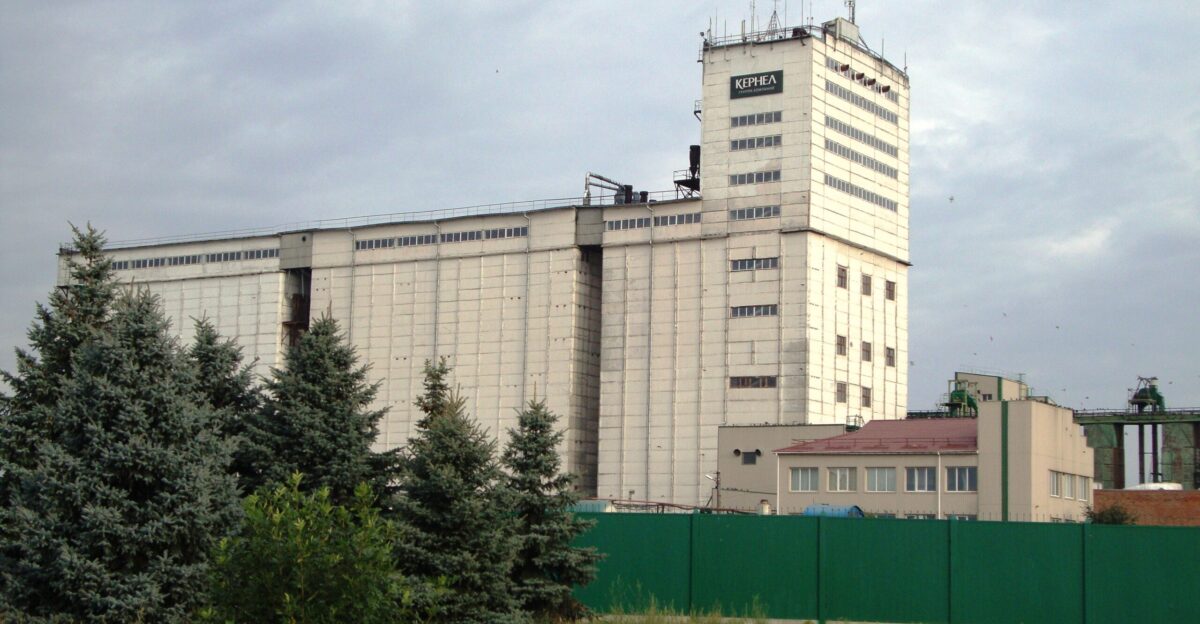
Russia executed what it termed “group strikes” on Ukrainian military and civilian infrastructure targets. Russian forces attacked transport infrastructure, fuel and energy facilities, military airfields, and long-range drone complexes across Ukraine.
The ministry claimed these operations responded to Ukrainian attacks on Russian civilian facilities. A single December 6 assault destroyed critical railway junctions and fuel depots across multiple regions.
Diplomats Talk While Bombs Fall
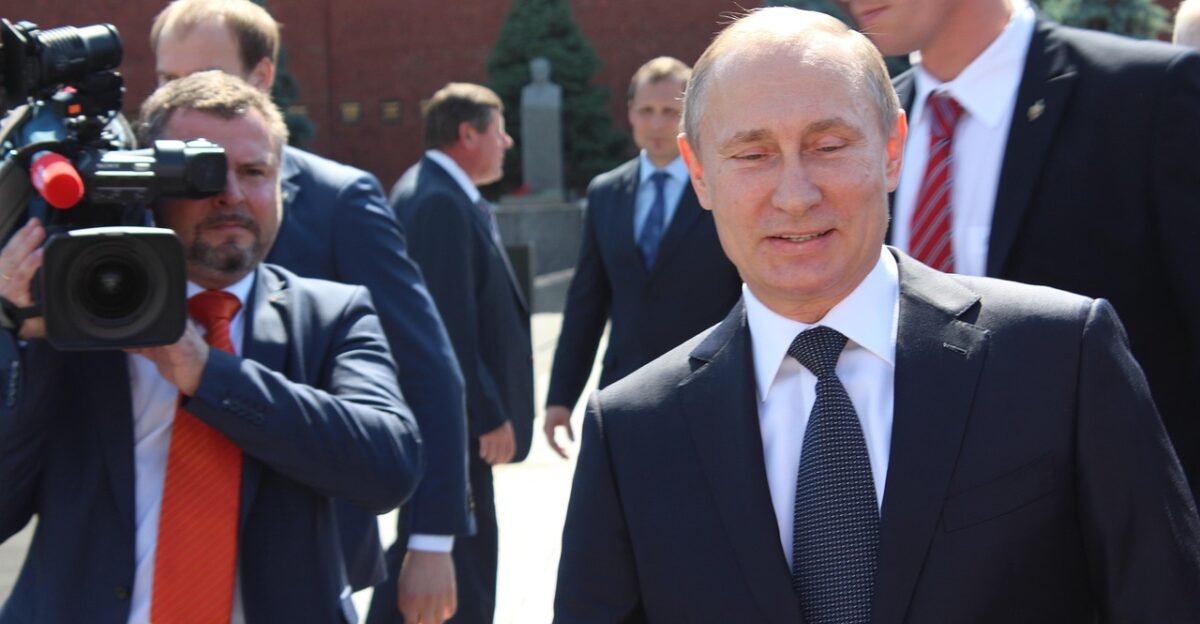
While U.S. envoys Steve Witkoff and Jared Kushner met with President Vladimir Putin in Moscow for over four hours on December 2, Russian forces intensified strikes. Trump described the meeting as “very good,” yet within days, massive drone and missile attacks devastated Ukrainian cities.
This contradiction defines the current moment: negotiations proceed while families die. Following Moscow meetings, Witkoff and Kushner held marathon talks with Ukrainian officials in Miami from Thursday through Saturday.
Miami Talks End Without Breakthrough
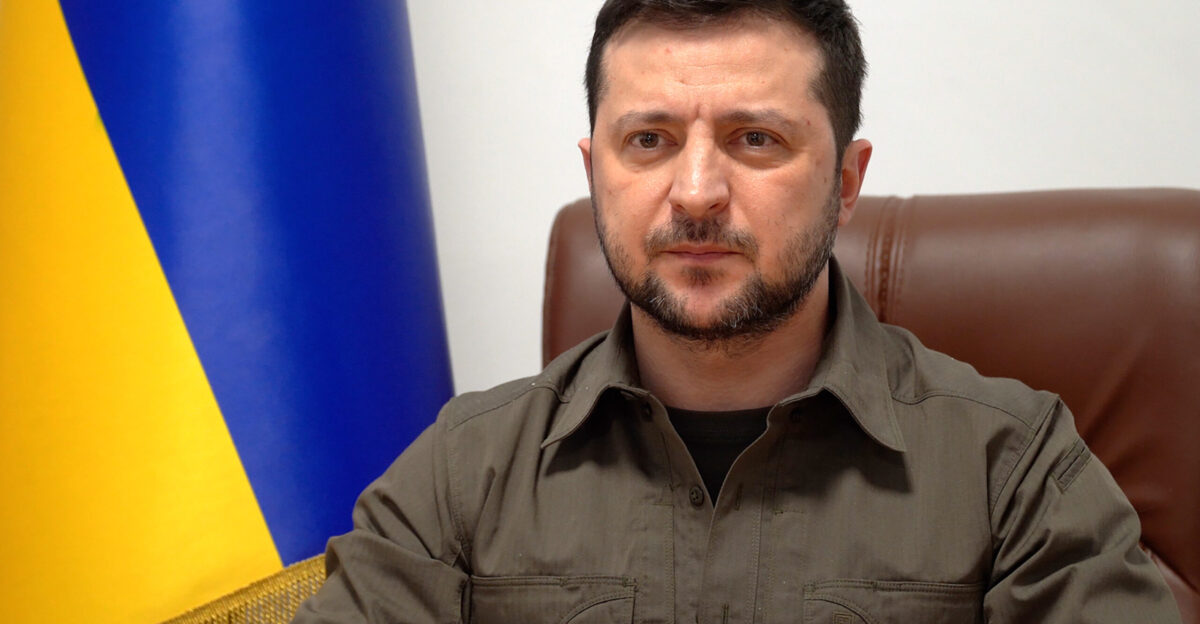
Ukrainian Chief Negotiator Rustem Umerov and military leader Andriy Hnatov met with Trump’s envoys in Miami, resulting in no major agreements. Participants described discussions as “constructive,” yet concluded without concrete progress. A joint statement emphasized that meaningful progress depends on “Russia’s readiness to show serious commitment to long-term peace”.
Zelenskyy called the talks “long” but warned that not everything could be addressed over the phone. Trust between the sides has eroded after nearly four years of broken agreements and civilian atrocities.
The Issue That Cannot Be Negotiated Away
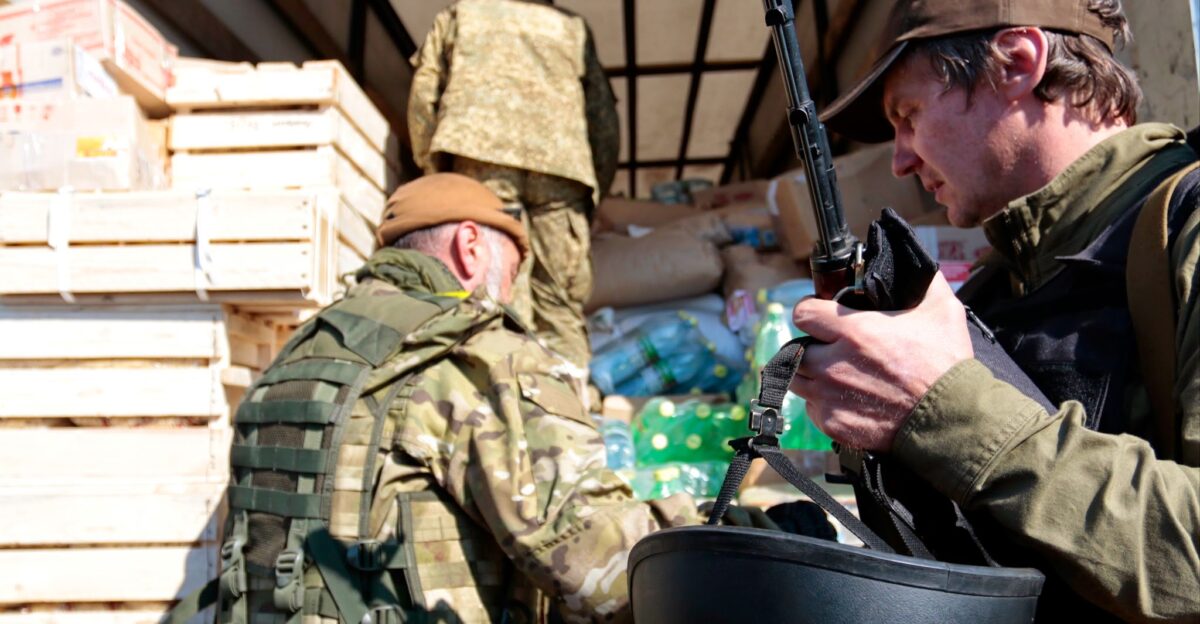
Territorial concessions remain the most challenging obstacle in peace negotiations. Russia demands Ukraine withdraw forces from the Donbas regions it still controls—a condition Kyiv has repeatedly rejected as national suicide. Putin has insisted that Ukrainian troops must retreat, stating Russia will accomplish this “by force” if necessary.
Zelenskyy has maintained that Ukraine cannot and will not forfeit any portion of its territory. The positions appear irreconcilable without fundamental shifts from either side’s leadership.
Putin’s Non-Negotiable Demand
The Kremlin continues to insist that Ukraine must formally renounce its aspirations for NATO membership as a precondition for peace. European allies have expressed deep concerns about security guarantees without NATO protection, questioning Ukraine’s long-term survival.
Without NATO, Ukraine fears it will face invasion again once peace collapses.
The Hidden Cost Of War

According to the International Rescue Committee and United Nations data, 3.7 million Ukrainians are internally displaced, many living in temporary shelters with minimal resources. Refugee camps in neighboring countries house hundreds of thousands more.
Medical facilities treat endless casualties while struggling for basic supplies. The human toll extends far beyond battlefield statistics into generations of trauma and loss.
Civilian Casualties Amid Urban Warfare
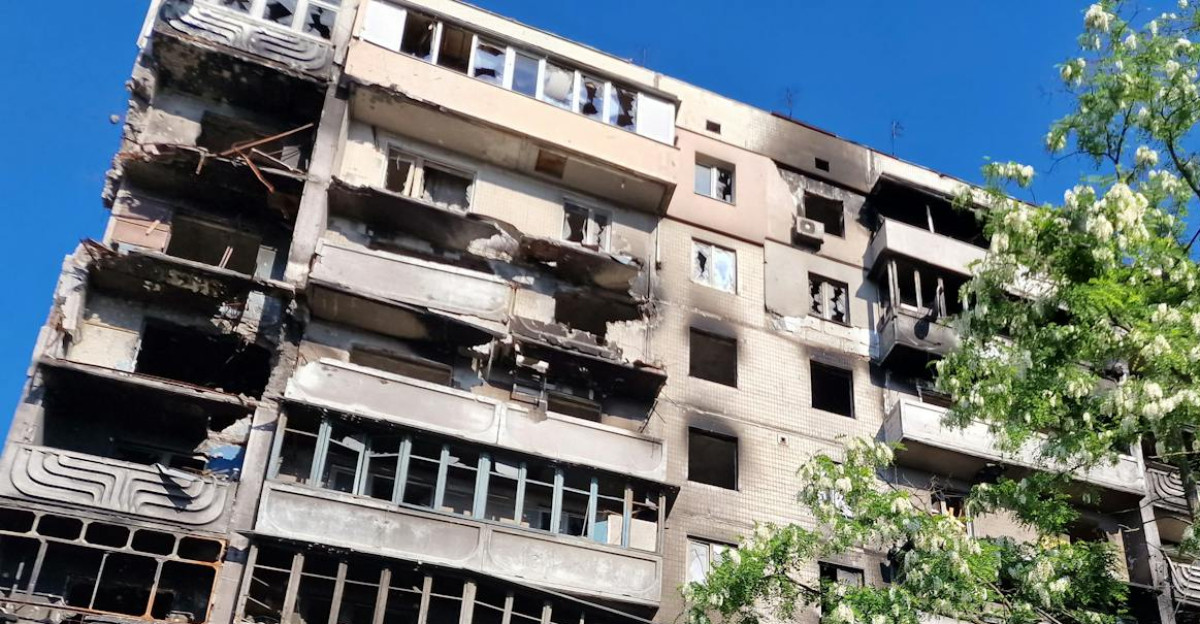
Ukrainian civilians were killed in Slovyansk when Russian forces struck residential neighborhoods. At least one person was killed and multiple others injured by aerial bombardments targeting apartment complexes. Rescue workers pulled survivors from collapsed buildings while families searched frantically for missing loved ones.
In Chernihiv region, a Russian drone killed a 50-year-old man in his house in Novhorod-Siverskyi on December 5-6. Zelenskyy expressed condolences to grieving families, yet promised that justice would ultimately prevail.
Emergency Services Overwhelmed
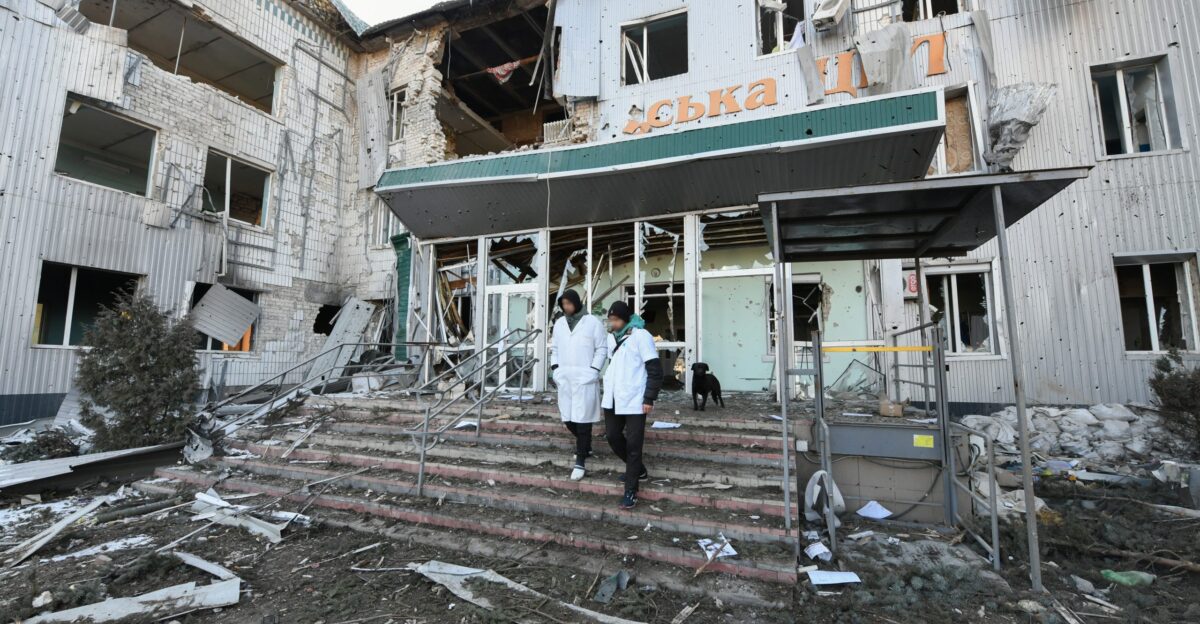
“Almost every day and every night, our emergency services deal with the aftermath of Russian strikes on peaceful Ukrainian cities and communities,” Zelenskyy stated. Firefighters and paramedics work in shifts, exhausted and underfunded, responding to destruction they cannot prevent.
Hospitals overflow with wounded while morgues fill with the dead. The relentless pace has strained Ukraine’s ability to respond effectively.
Putin Claims Strategic Initiative
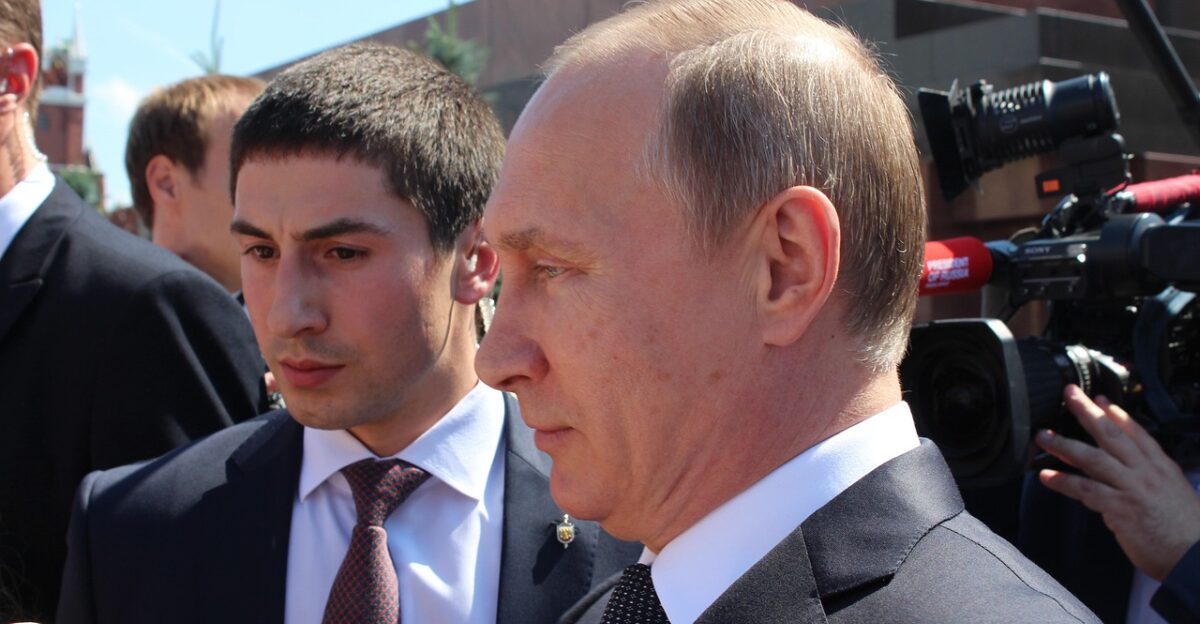
Speaking to journalists, Putin asserted that Russia holds the “strategic initiative” in the conflict. The Russian president stated that hostilities would cease only when Ukrainian forces withdraw from Luhansk and Donetsk. He claimed Russia is “in principle” prepared to match Ukraine’s determination to fight.
Putin’s comments came as Russian forces continued making incremental territorial gains in eastern Ukraine, village by village.
Zelenskyy Seeks European Support
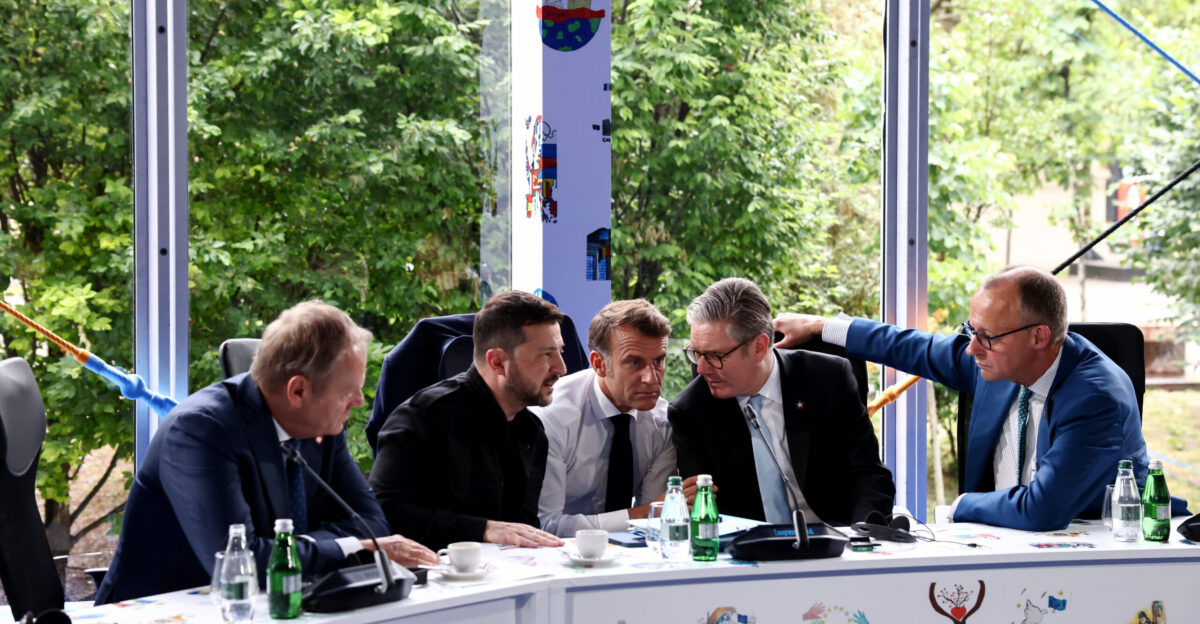
The Ukrainian president met with British Prime Minister Keir Starmer, French President Emmanuel Macron, and German Chancellor Friedrich Merz in London on December 8. The leaders discussed a revised 20-point peace plan that Ukraine intended to share with the United States.
Zelenskyy emphasized that certain issues require American assistance, while others necessitate a European commitment to Ukraine’s security.
Trump Pressures Zelenskyy
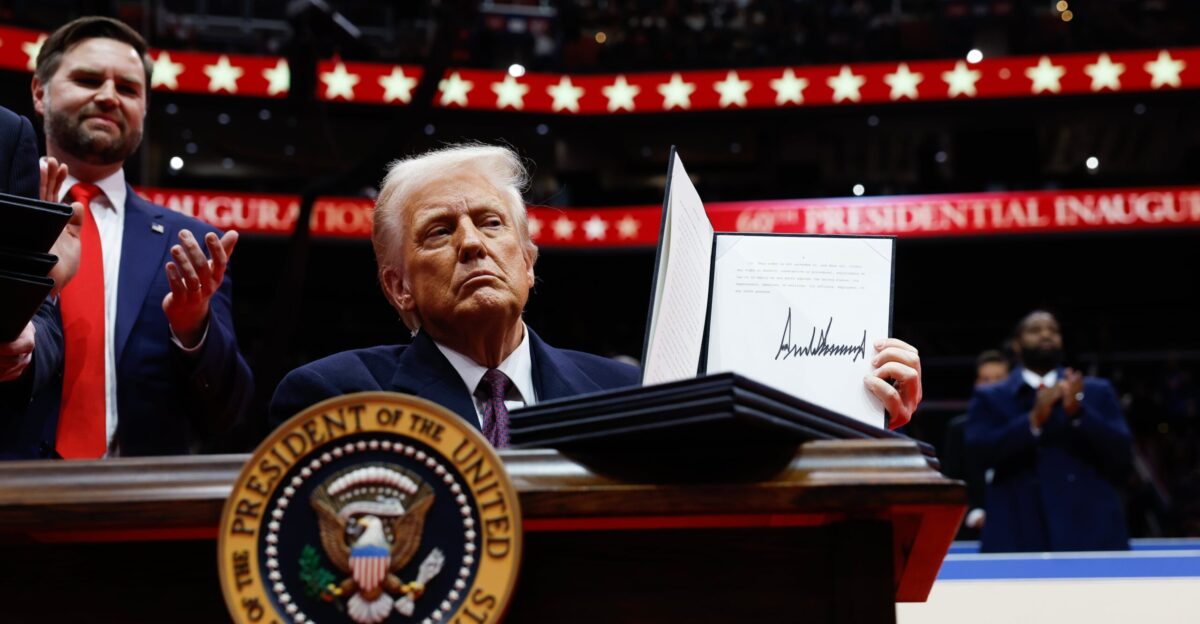
U.S. President Donald Trump claimed that Zelenskyy had not read the latest peace proposal. Trump’s comments followed the Miami talks that ended without resolution. The president had previously suggested that both nations might need to exchange territories they currently control to facilitate a peace agreement.
His administration has faced criticism from Ukrainian and European officials who believe initial proposals concede too much to Moscow.
The War Consumes Soldiers
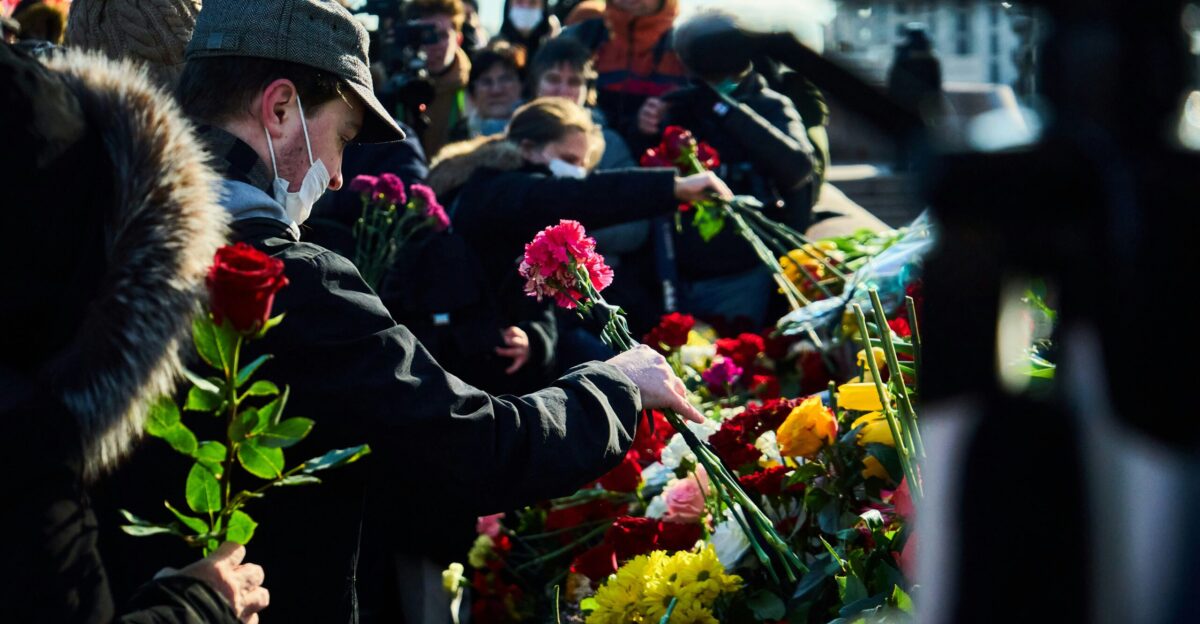
British intelligence estimated that Russia suffered approximately 1.118 million total casualties since the full-scale invasion began. Russia’s casualty rate reached a high in December 2024, with an average of roughly 1,570 losses per day.
Independent investigations by BBC and Mediazona confirmed over 152,000 verified Russian deaths through open-source documentation. Russian families face the same devastation as Ukrainian families—sons, fathers, and brothers not returning home.
Security Guarantees
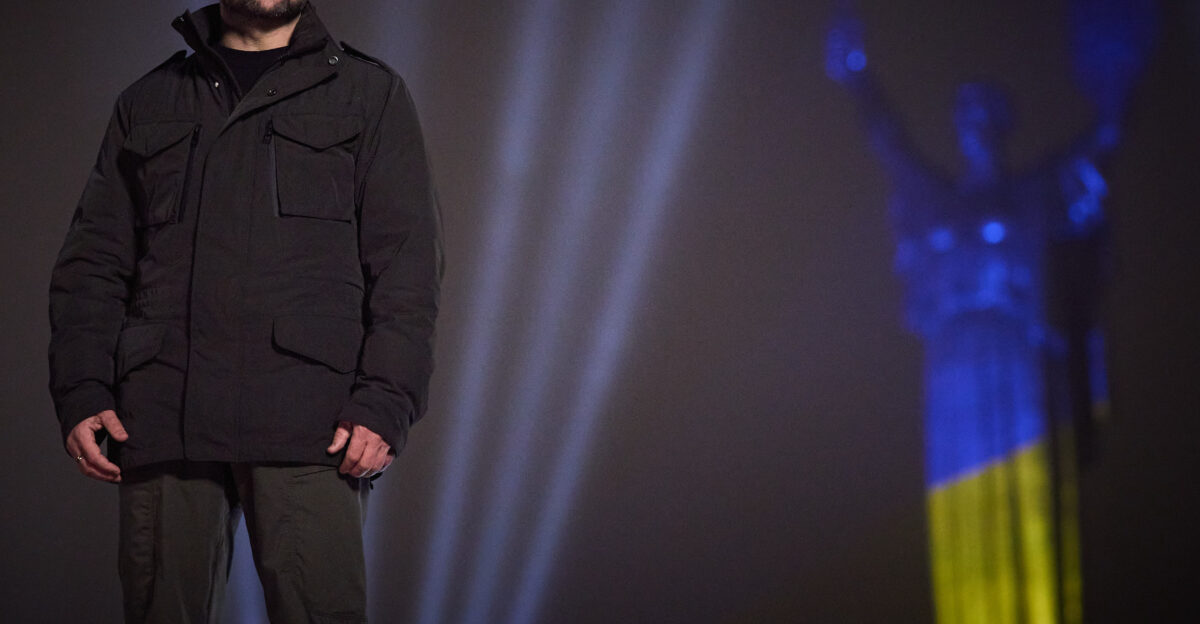
Zelenskyy has consistently demanded strong security guarantees against future Russian aggression before committing to any ceasefire. The Ukrainian president posed a crucial question to Western partners: “If Russia launches another war, what will our partners do?”
Washington has proposed a potential 10-year security guarantee for Kyiv, though details remain unclear. NATO membership appears to be the only guarantee Ukraine trusts.
Winter Deepens The Crisis
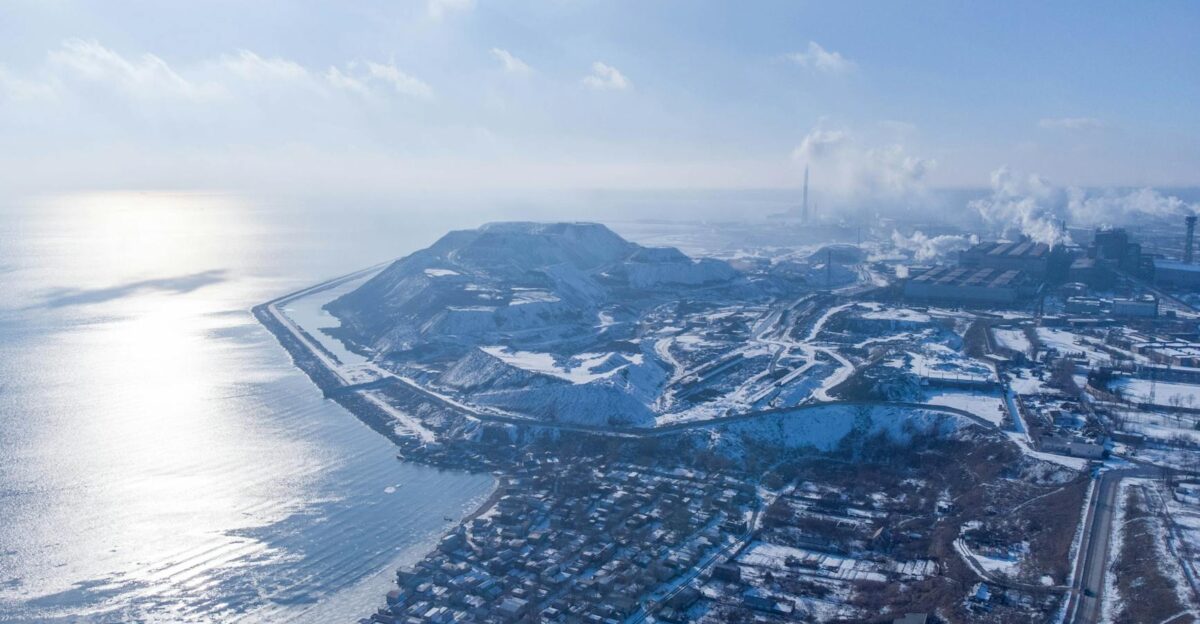
As temperatures plunge and snow falls, Ukraine faces its darkest winter yet. Power grids destroyed by Russian strikes leave millions without heat or electricity. Families separated by war face their fifth winter apart, clinging to hope that may never materialize.
Russia demands territory and neutrality; Ukraine demands sovereignty and security. Neither side appears willing to genuinely compromise.
What Comes Next For Ukraine
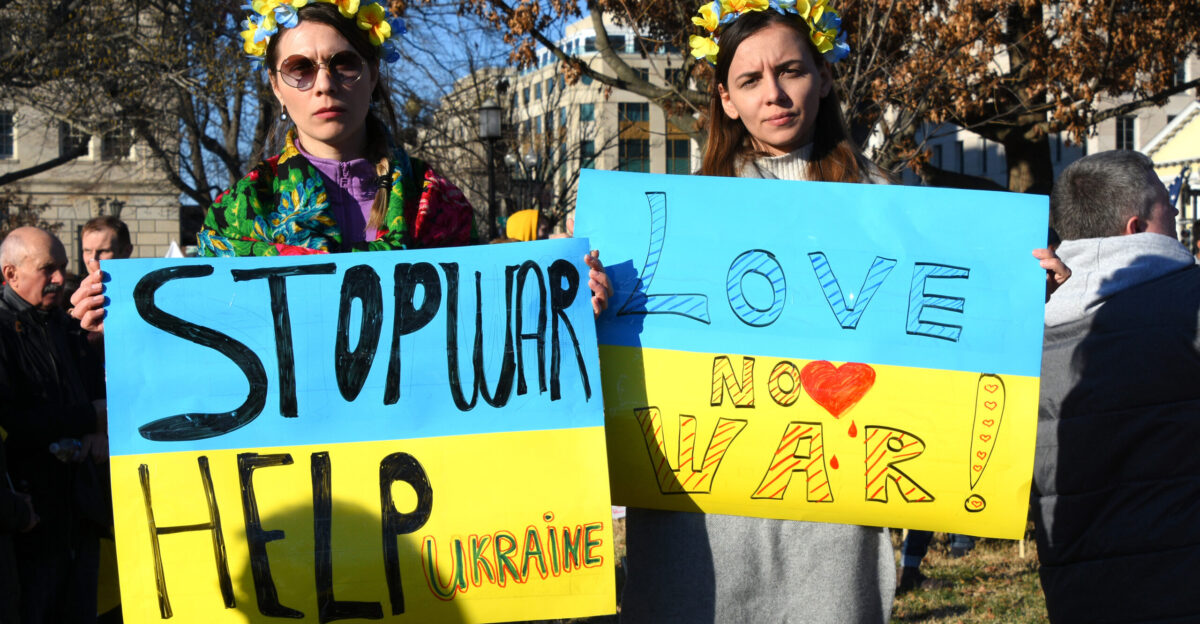
Each night brings new strikes, new casualties, new families torn apart by war. Ukraine refuses to surrender its future to Russian demands, yet diplomacy offers no clear victory. Winter approaches with power grids destroyed and millions facing cold, hunger, and uncertainty.
The world watches as negotiations inch forward while bombs fall. The question that haunts every Ukrainian family remains unanswered: Will this war ever truly end, or will the cycle of destruction continue indefinitely?
Sources:
Russian Defense Ministry daily briefing,
Ukrainian President Volodymyr Zelenskyy official addresses and social media statements,
Reuters frontline and diplomacy reporting,
United Nations OCHA and humanitarian situation updates,
International Rescue Committee and major NGO humanitarian assessments