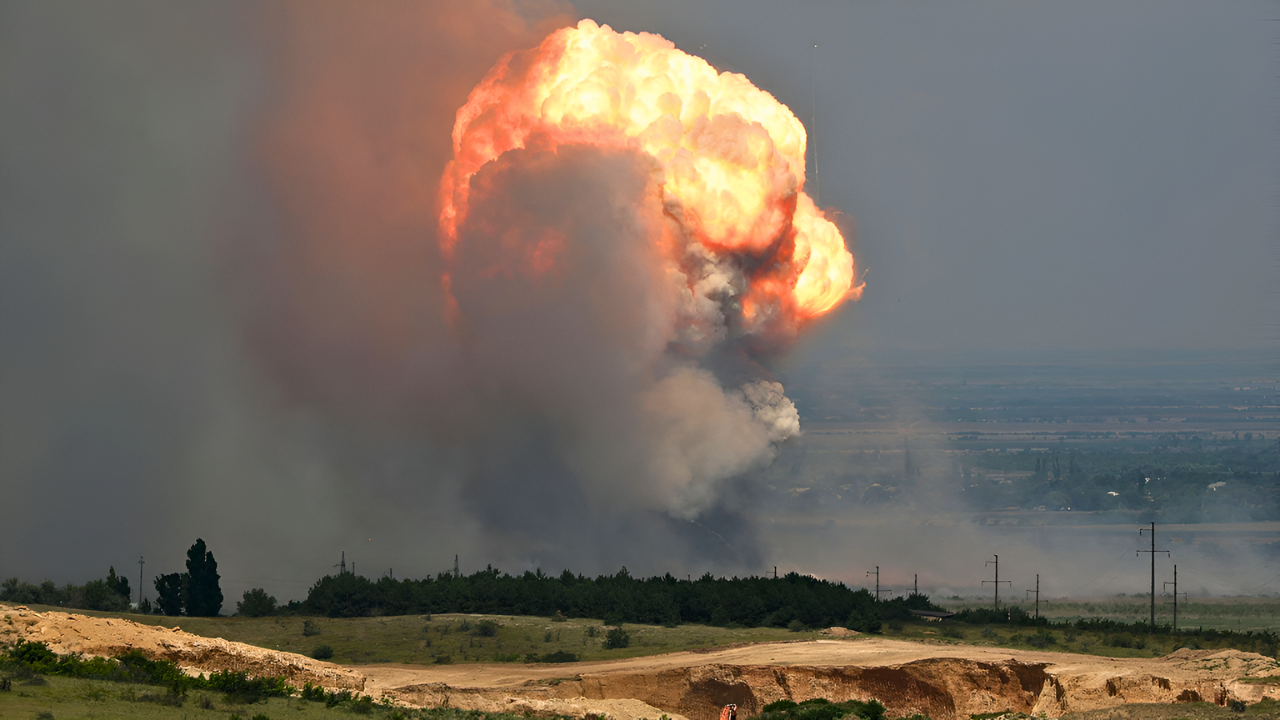
On the night of November 10, 2025, Ukrainian Special Operations Forces carried out a drone strike on the Gvardeyskoye oil depot in occupied Crimea. This marked the third successful attack on the facility in less than a month, highlighting Ukraine’s ability to repeatedly breach Russian defenses and disrupt key infrastructure deep inside occupied territory.
“These strikes demonstrate the growing reach of Ukraine’s Special Operations Forces,” said Ukrainian officials. By targeting critical energy hubs, Kyiv is not only challenging Russia’s military logistics but also sending a clear signal about its operational precision. Here’s what’s happening as the conflict enters this intense new phase.
A Pattern of Precision
The Ukrainian strike focused on a pumping station at Gvardeyskoye. “This is the third successful strike by the Special Operations Forces in less than a month,” confirmed military sources. The repeated attacks suggest Russia is struggling to repair and secure its energy infrastructure, leaving key assets vulnerable to ongoing disruption.
The depot likely fuels Russian military operations in Crimea and has become a central target in Ukraine’s campaign to weaken Moscow’s war economy. Analysts note that consistent strikes on such facilities force Russia to divert resources to defense and repair, limiting its operational flexibility elsewhere.
Targeting Russia’s Lifeline

Ukraine’s strategy focuses on oil and gas, crucial to Russia’s war effort. SBU Chief Vasyl Maliuk noted that energy revenues account for nearly 90% of Russia’s defense budget and about half of the state income. By striking depots and supply chains, Ukraine disrupts both military logistics and export revenue.
In 2025 alone, Ukrainian forces have carried out nearly 160 successful strikes, including 21 against Russia’s 38 largest refineries. These operations demonstrate a shift from traditional battlefield engagements to infrastructure-focused campaigns, which can have far-reaching economic and military implications.
Air Defenses Under Strain
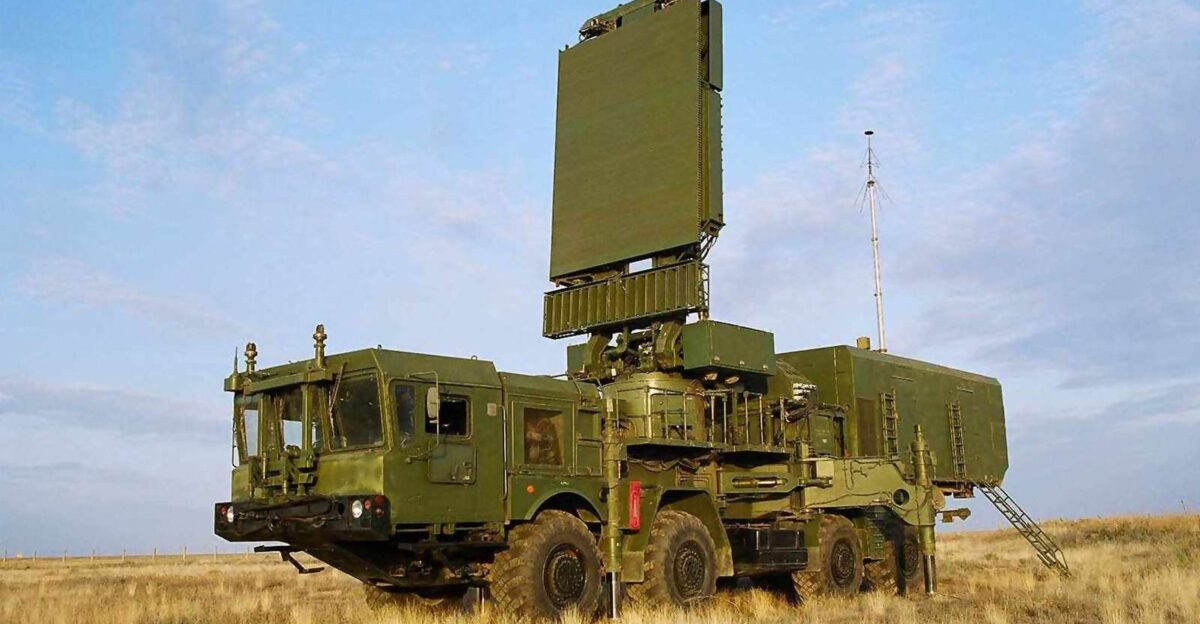
Repeated success at Gvardeyskoye reflects cracks in Russian air defenses. Between October and November, Ukraine destroyed key radar systems, including a 92N6E S-400 radar and its command post power supply. “Without the observation and guidance element, the entire system loses its combat capability,” reported Special Operations Forces.
Radar gaps force Russia to redeploy defenses, leaving other areas exposed. These weaknesses make it difficult to intercept drones effectively and raise questions about the resilience of Russian air defense infrastructure in Crimea.
Claims and Reality
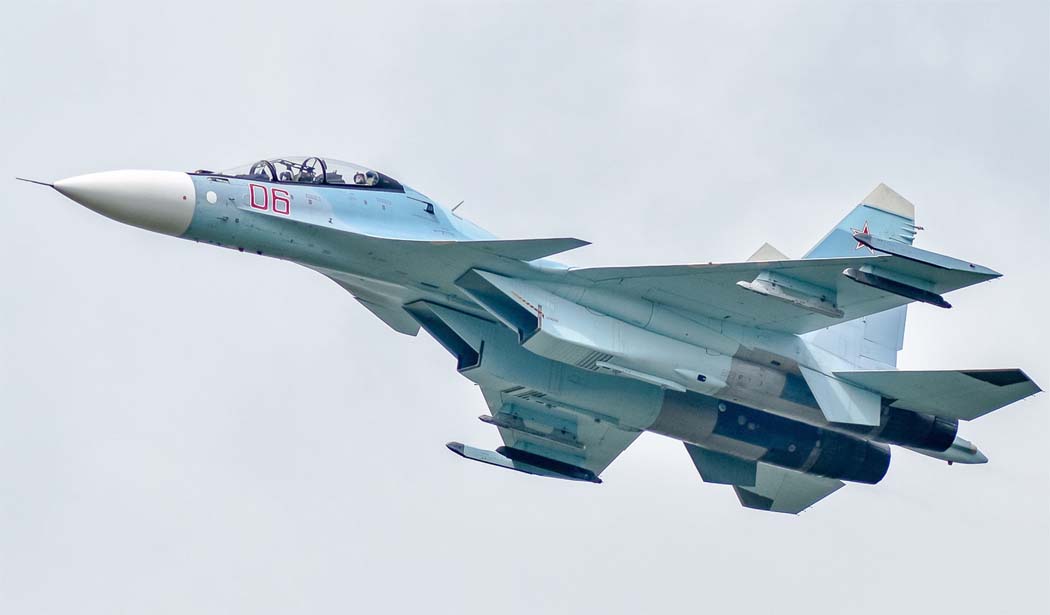
Russia has reported intercepting dozens of drones, yet facilities like Gvardeyskoye continue to suffer damage. On November 9-10, Moscow claimed it shot down 10 Ukrainian drones, but the depot still caught fire. In some cases, Russian forces accidentally downed their own aircraft while countering drone attacks, highlighting the strain on their systems.
The contrast between Russian claims and operational outcomes underlines vulnerabilities in Crimea’s air defenses, signaling that Ukraine’s targeted strikes are having tangible, repeated impacts on Russian infrastructure.
Economic and Human Impact

The attacks are affecting Russia’s energy output and daily life. Oil exports dropped 17.1% in September 2025 compared to August, totaling 7.58 million tons. Domestic fuel shortages reached 20%, prompting rationing and restrictions. President Donald Trump announced new sanctions on Rosneft and Lukoil, effective November 21, adding pressure on Russia’s energy sector.
Locally, petrol stations are rationing fuel, transportation has slowed, and businesses are struggling. Residents adapt by sharing fuel and relying more on public transport. The human cost of these energy strikes is becoming increasingly evident, revealing how infrastructure warfare affects both economies and communities.
Strategic Shift and Regional Repercussions
Ukraine’s energy campaign represents a move from frontline battles to deep infrastructure strikes. With domestic drone production at 95% capacity, Kyiv can maintain prolonged operations. Approximately 38% of Russian refining capacity is offline, resulting in estimated losses of $74.1 billion—roughly 4.11% of the country’s annual GDP.
Alternative suppliers, including Iran, China, and Venezuela, are filling gaps, while Russian firms face production and reputational losses. Energy markets are volatile, and gasoline prices are rising, leaving investors uncertain. Ukraine’s strikes may reshape both regional stability and the global energy landscape.
Looking Ahead
The campaign has shifted conflict dynamics, with Gvardeyskoye and other facilities likely future targets. Continued strikes on refineries and Arctic platforms could prompt Moscow to negotiate or face economic strain, altering the strategic calculus of the war.
Ukraine’s operations demonstrate that modern conflicts increasingly rely on precision strikes against critical infrastructure. The unfolding energy campaign shows the high stakes for both nations, the local population, and global markets, emphasizing how warfare extends far beyond traditional frontlines.