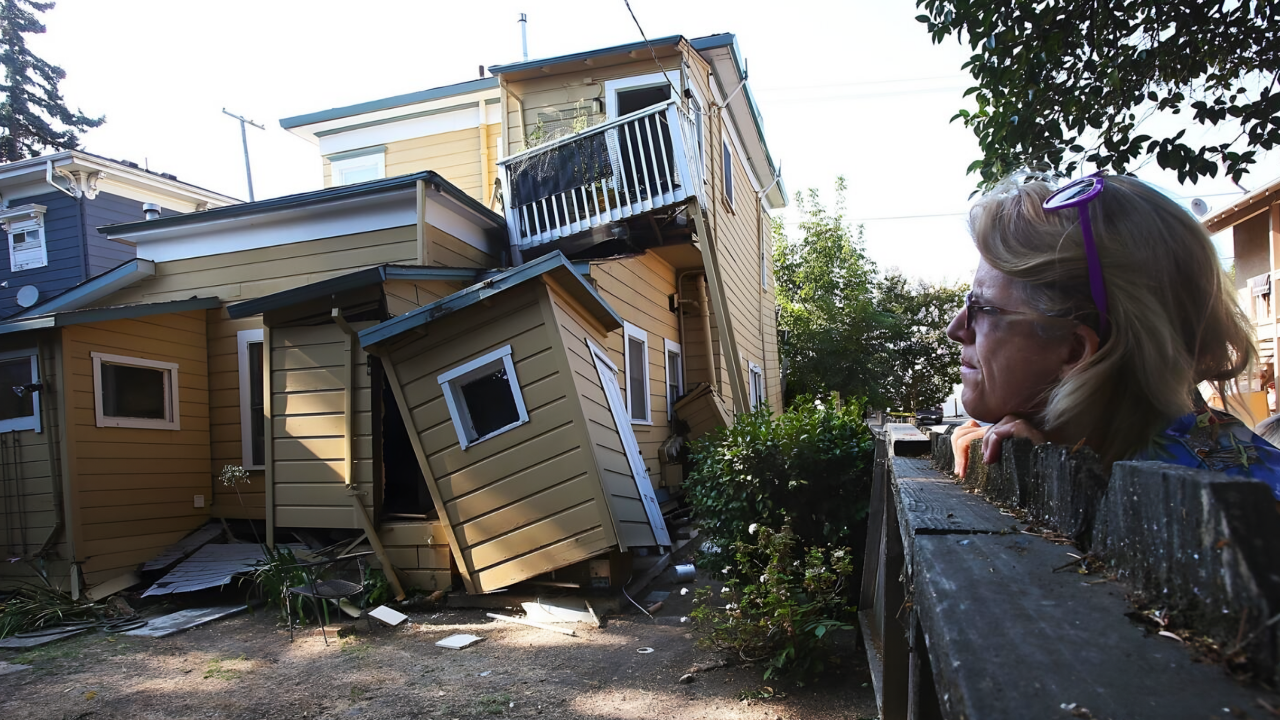
A violent jolt ripped through the remote Alaska-Canada border at 11:41 a.m. on Saturday, as a magnitude 7.0 earthquake shattered the stillness northeast of Yakutat. The powerful tremor, felt hundreds of miles away, instantly triggered a statewide emergency response and sent shockwaves through communities across southeastern Alaska and the Yukon Territory.
A Regional Shaking
The quake’s energy traveled more than 300 miles, reaching Anchorage where floors swayed and light fixtures swung. Residents in towns and villages across the region reported strong shaking, confirming this was no isolated event but a broad, regional disturbance. The shallow depth of the rupture—just six miles below the surface—amplified the shaking, making it especially intense near the epicenter.
Life at the Epicenter
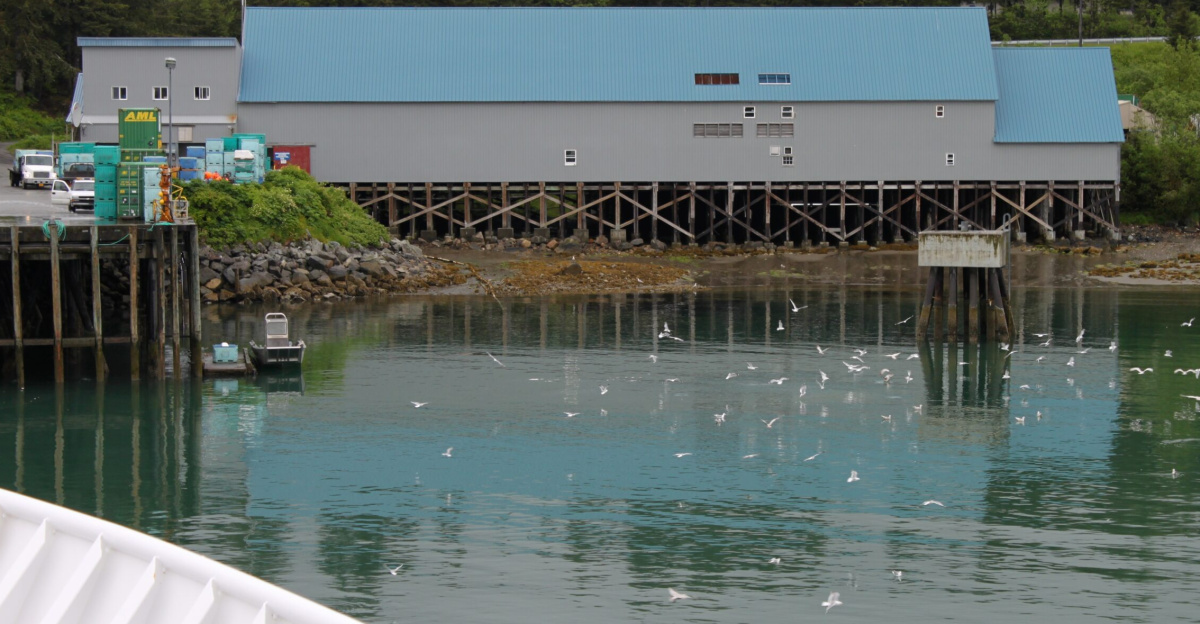
For the roughly 657 residents of Yakutat, the nearest community to the quake’s origin, the experience was immediate and terrifying. The town, made up of about 332 homes, sits in a rugged coastal landscape where infrastructure is limited and help is hours away. Police Chief Theo Capes confirmed the shaking lasted several seconds, but the area’s isolation meant that, in the first hours, the outside world had little information about damage or injuries.
A Surge of Aftershocks
Forty minutes after the main shock, the ground began to shake again. Michael West, the state seismologist at the Alaska Earthquake Center, described the unfolding sequence as “fairly vigorous.” Within the first hour, more than 20 aftershocks were recorded. Over the next 24 hours, the total climbed to around 180 aftershocks of magnitude 3.0 or higher, including several above magnitude 5.0. This relentless drumbeat of tremors kept residents on edge, turning what might have been a brief crisis into a prolonged period of uncertainty.
Why a 7.0 Is So Dangerous
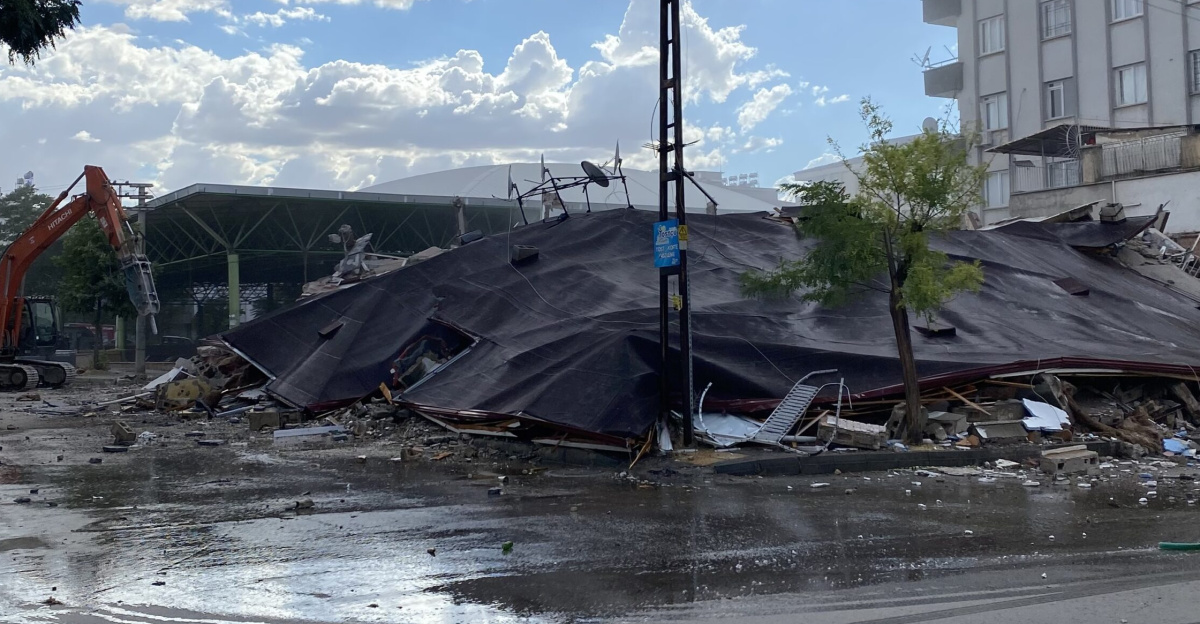
A magnitude 7.0 earthquake is not just slightly stronger than a 6.0—it is 10 times more intense in ground motion and releases about 32 times more energy. That exponential increase is what separates a rattled coffee cup from a collapsed building. In Alaska, where many structures are built to withstand strong shaking, the engineering standards are among the strictest in the world. If no major collapses occurred in Yakutat, it is likely due to those building codes, not luck.
Tsunami Fears and the Road Ahead
Because the epicenter was close to the Gulf of Alaska and the fault rupture was shallow, the immediate concern was a tsunami. Memories of the 1964 megathrust quake, which generated waves up to 220 feet high, remain deeply ingrained in coastal communities. But the National Tsunami Warning Center later issued a clear assessment: a tsunami was not expected. The specific nature of this fault movement did not displace enough water to generate a dangerous wave, allowing emergency teams to focus on damage instead of evacuation.
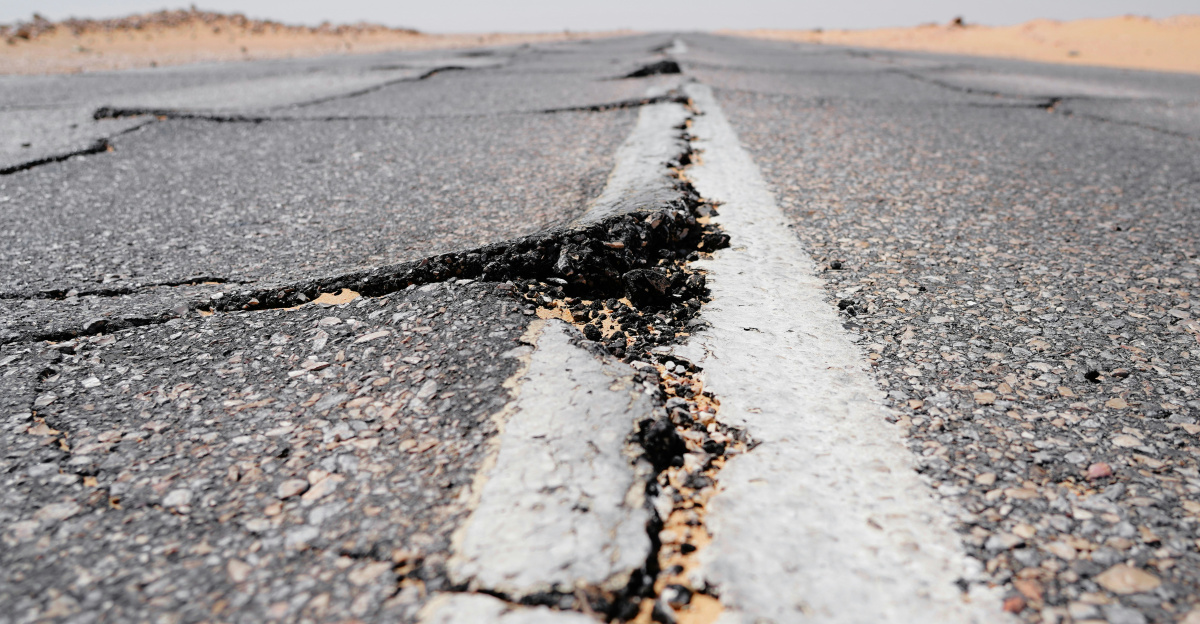
Still, the risk of hidden damage remains high. West warned that a magnitude 7.0 quake is capable of causing ground failures, landslides, and damage to roads and bridges, especially in remote, mountainous terrain. Alaska Department of Transportation crews quickly mobilized to inspect critical infrastructure near Yakutat, Haines, and Skagway, knowing that even small shifts in foundations can become deadly over time.
Globally, earthquakes of this size are rare—NASA estimates only about 18 magnitude 7.0 or larger events occur worldwide each year. This one struck in the Yakutat collision zone, where the Pacific Plate is pushing directly into the North American Plate, a geologically complex area near the intersection of the Fairweather and Denali fault systems. The event also occurred on the same broader fault system that produced the 2002 magnitude 7.9 Denali earthquake, a reminder that this region remains seismically active.
For now, aftershocks are expected to remain frequent for days or weeks. West noted there is always a “very small chance” that a 7.0 quake could be a foreshock to something larger, leaving residents in a state of cautious vigilance. As crews continue inspections and satellite data is analyzed, the full extent of landslides and infrastructure damage will slowly come into view. Alaska has once again been reminded of the immense forces beneath its surface, and the quiet, ongoing work of preparation that stands between the ground and disaster.