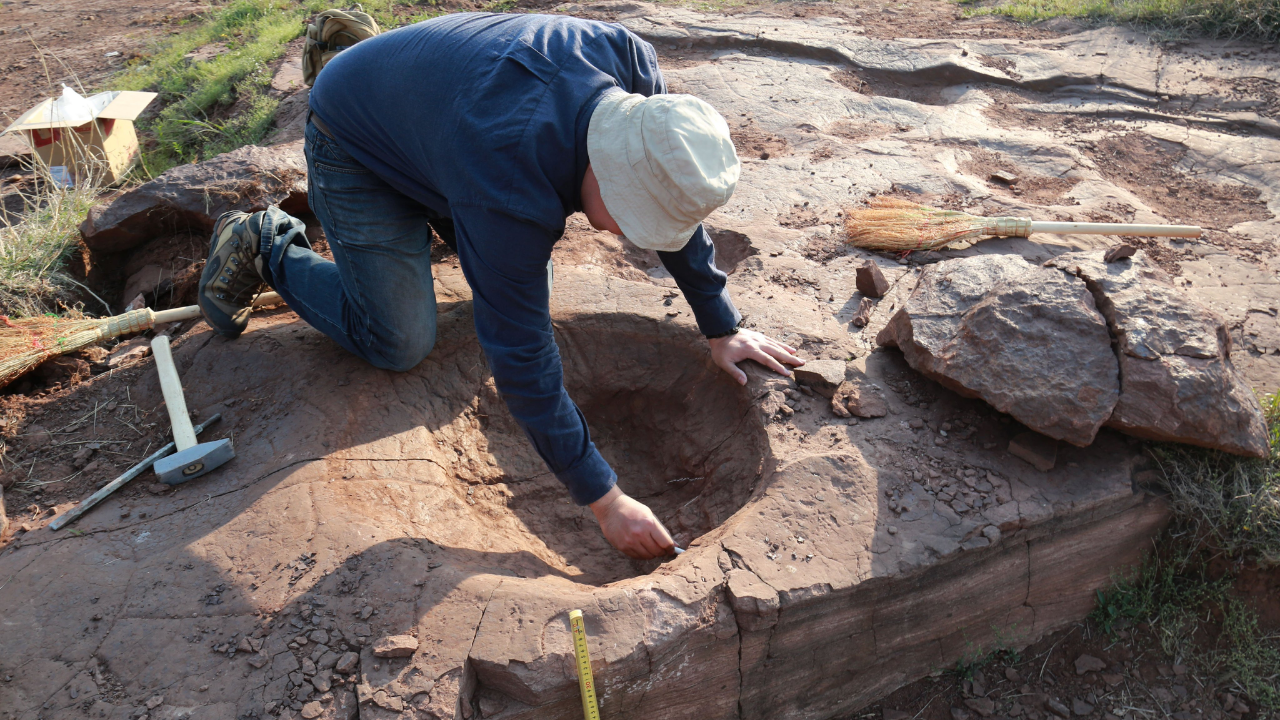
In a remarkable accidental discovery, quarry worker Gary Johnson unearthed one of the UK’s largest dinosaur footprint sites at Dewars Farm Quarry, Oxfordshire.
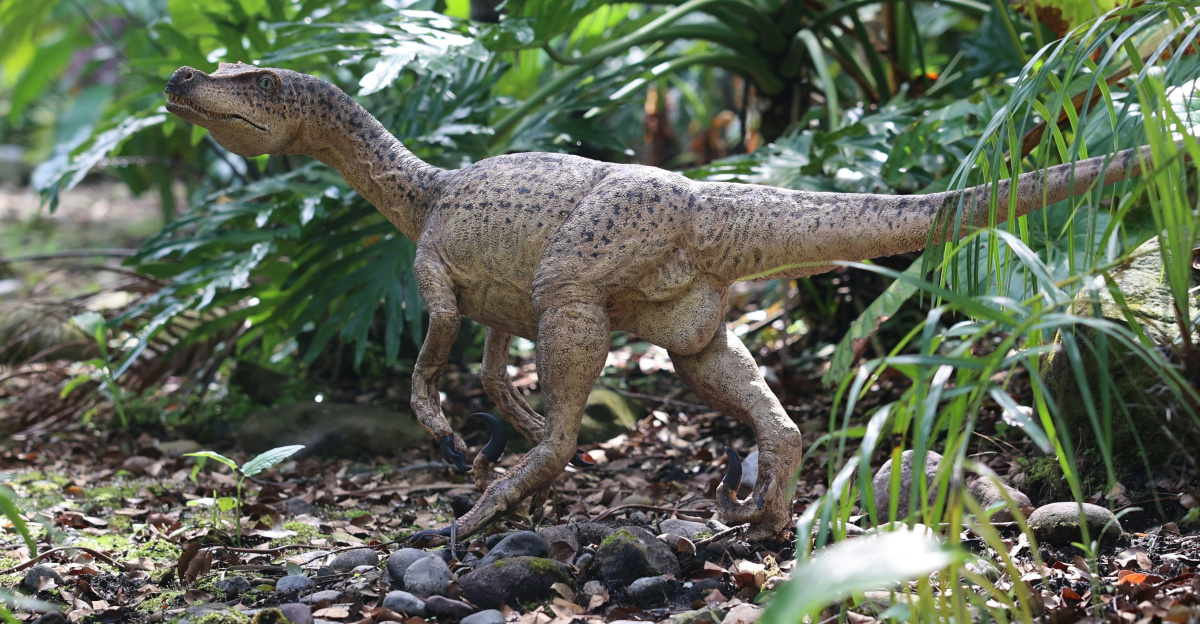
Over 200 footprints from two types of dinosaurs—Cetiosaurus and Megalosaurus—were uncovered, marking a significant paleontological breakthrough. This discovery, dating back to the Middle Jurassic period, reveals an ancient world from 166 million years ago.
Routine Job Turns Extraordinary: How a Quarry Worker Found the Tracks
Gary Johnson was clearing clay at Dewars Farm Quarry in 2022 when he noticed unusual ridges in the mud. Little did he know, he was uncovering a treasure trove of ancient footprints.
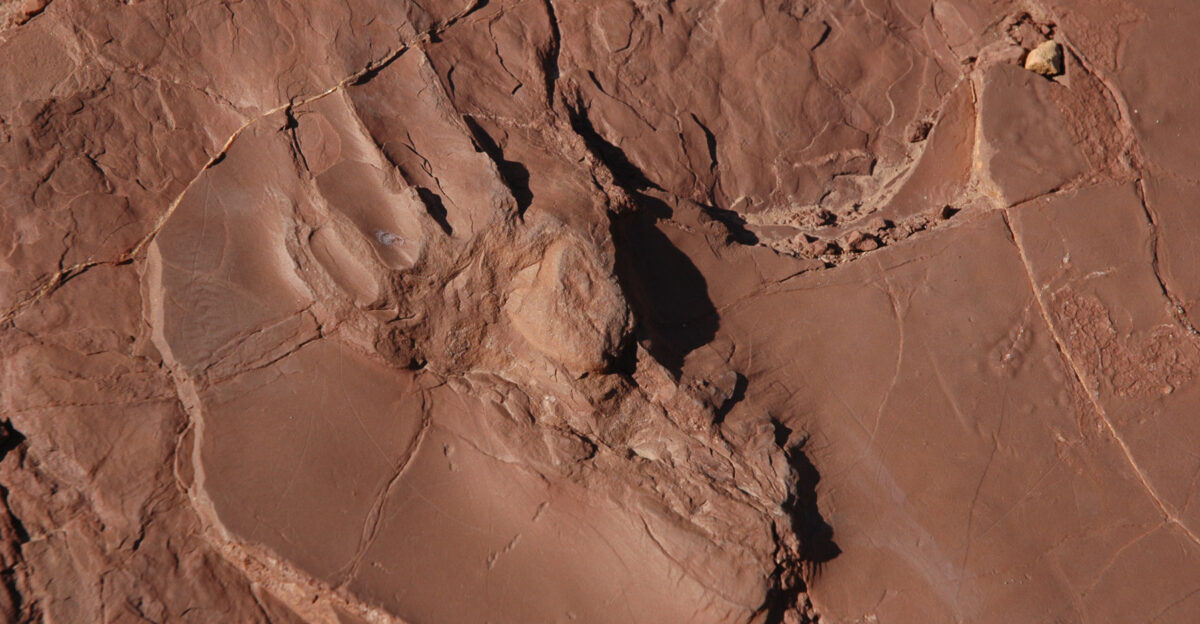
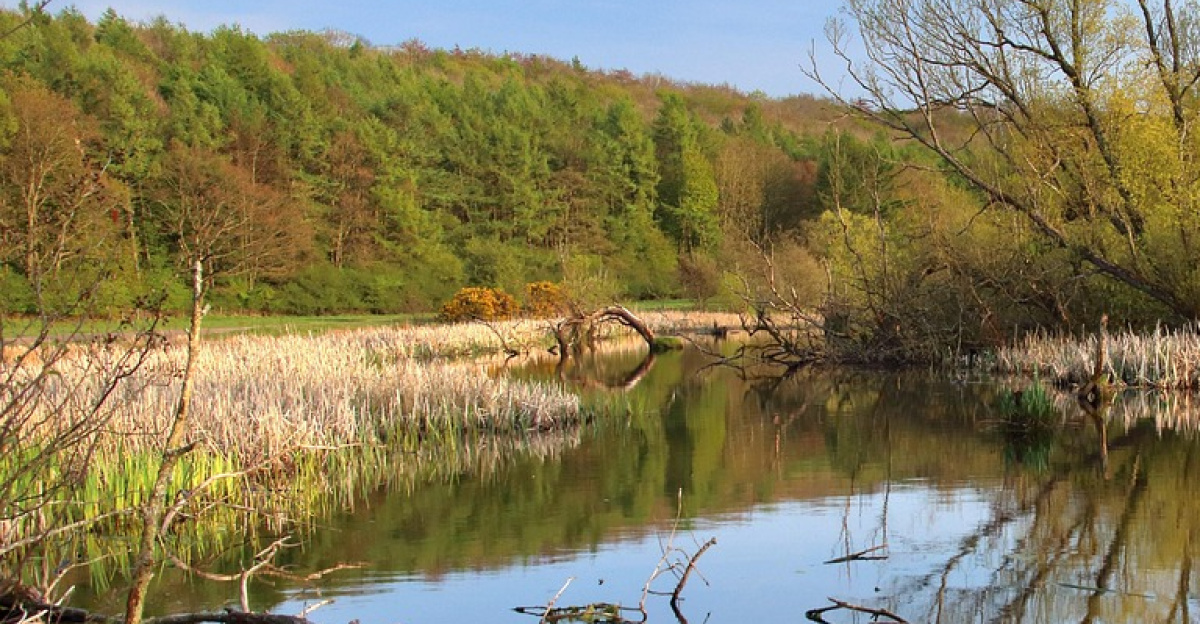
The quarry’s operations exposed these well-preserved tracks, with major excavation work conducted in June 2024, offering a rare glimpse into the Jurassic world, captured in the hardened mud of an ancient lagoon.
Public Fascination: Discovery Captures Widespread Attention
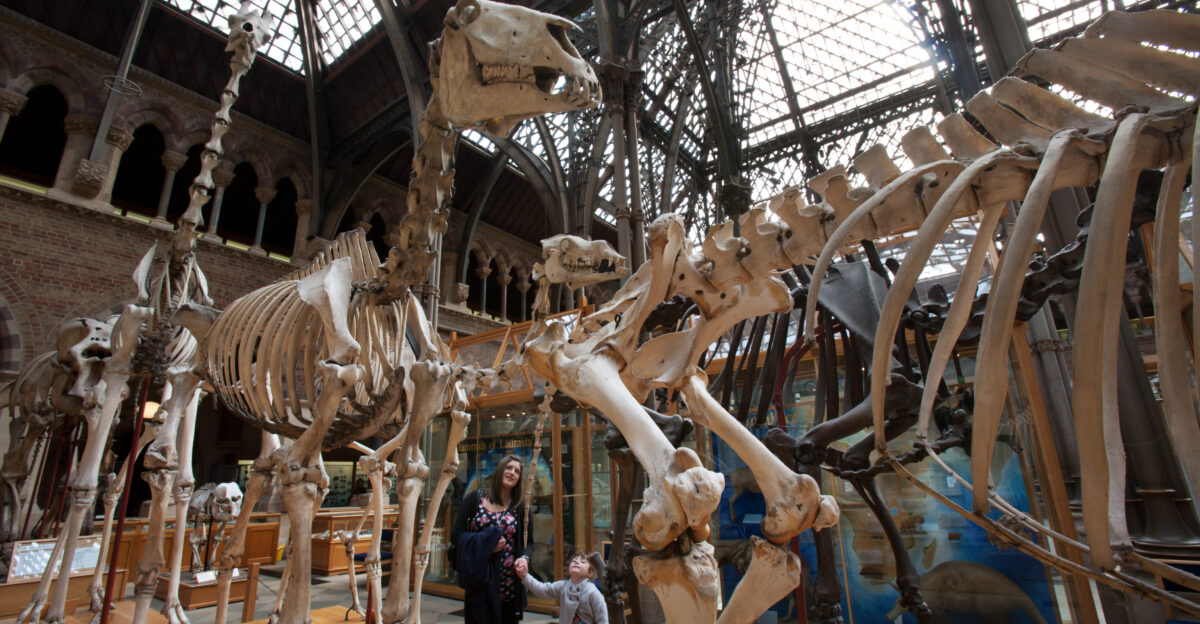
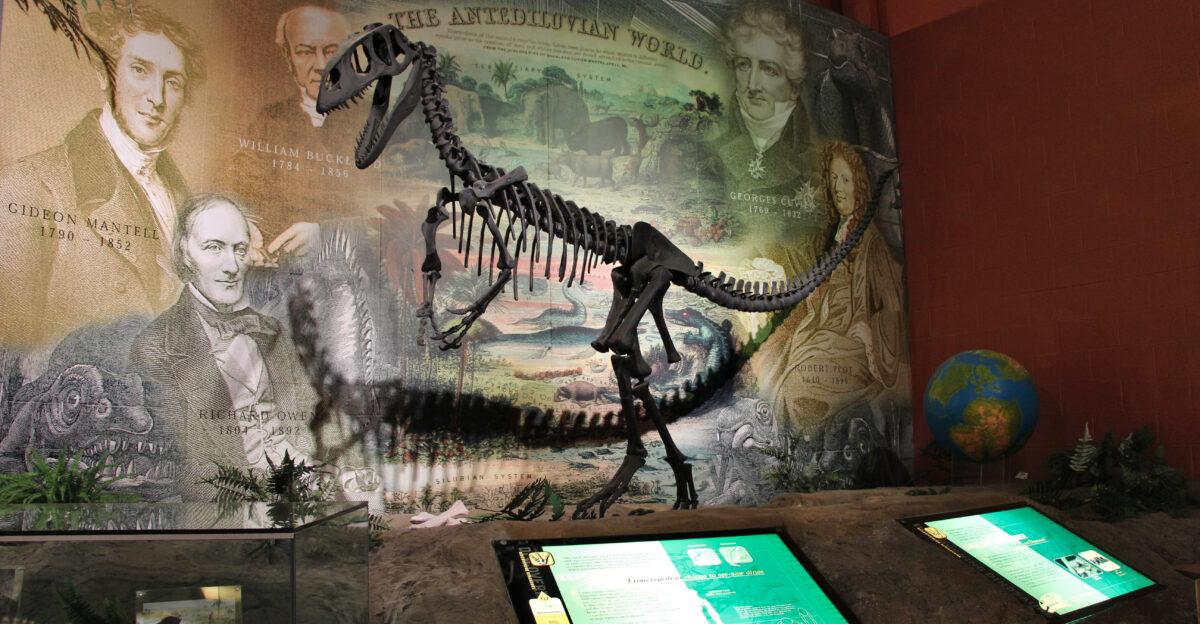
Following the discovery’s announcement, the find attracted significant media coverage across the UK. The Oxford University Museum of Natural History, which led the research, has long displayed dinosaur exhibits and fossils from the region.
This accidental discovery has reinforced interest in Britain’s prehistoric past, captivating both children and adults alike.
Collaboration for Preservation: Quarry and Scientists Work Together
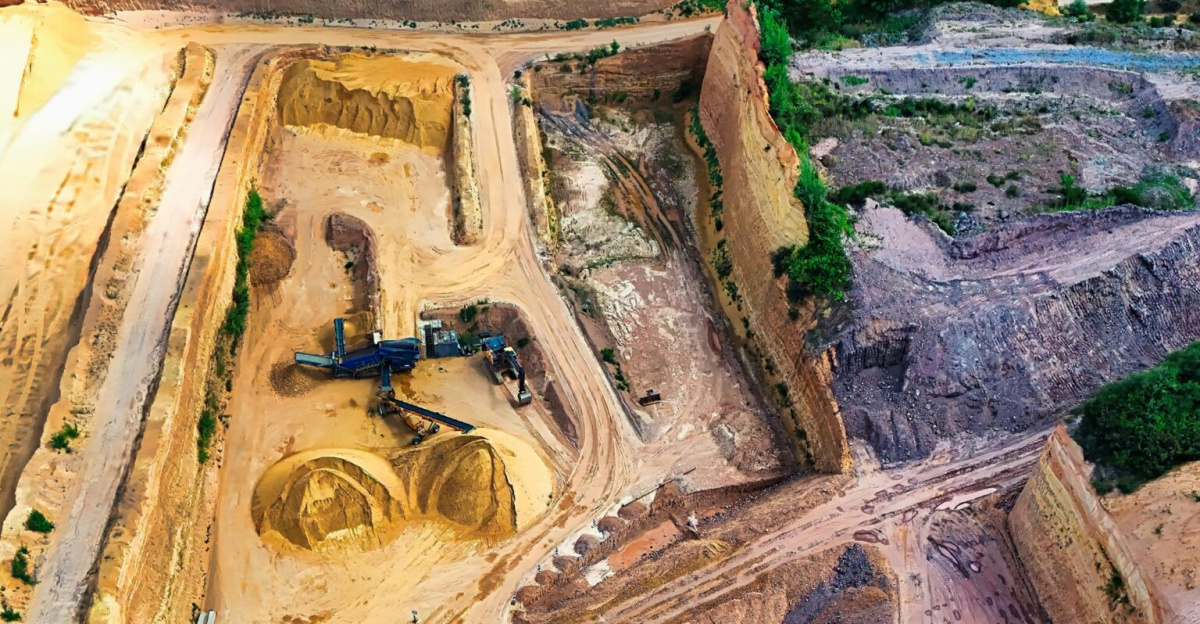
The discovery was made possible through collaboration between Smiths Bletchington, the quarry operators, and paleontologists from Oxford, Birmingham, and Liverpool John Moores universities.
The quarry coordinated operations with excavation work, allowing over 100 scientists, students, and volunteers to study the site. Drones were used to create detailed 3D models of the tracks, ensuring the site was thoroughly documented.
Cutting-Edge Technology: Drone Photogrammetry Maps the Ancient Footprints

The use of drone photogrammetry allowed for the digital preservation of the site, mapping the footprints in stunning detail. This method enabled scientists to create 3D models of the tracks, ensuring that the evidence of these ancient creatures is documented for future research.
This technology is revolutionizing paleontology by making discoveries like this more accessible to the global community.
Breaking Records: Dewars Farm Among UK’s Most Significant Dinosaur Tracksites
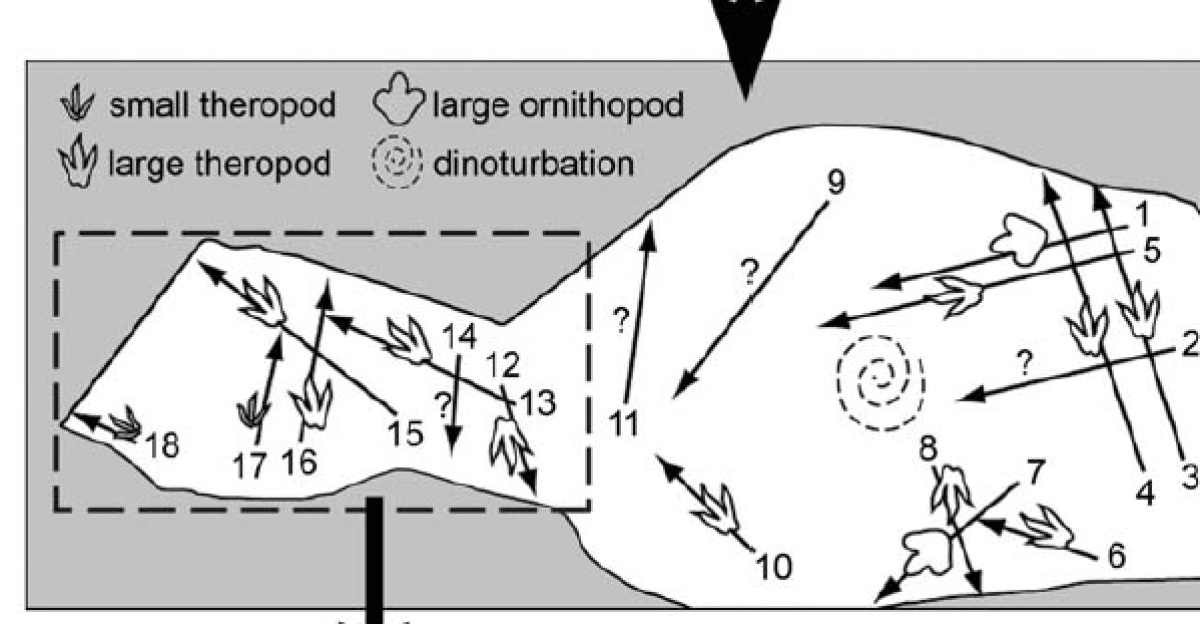
When combined with trackways discovered in the 1990s at nearby Ardley on the same geological surface, the Dewars Farm area forms what is now the UK’s largest dinosaur tracksite. The 2024 excavation revealed over 200 additional footprints, with subsequent work in 2025 uncovering trackways extending approximately 220 meters, among the most extensive in Britain.
The previous notable UK site, Ardley Quarry, featured trackways reaching up to 180 meters in length discovered in 1997. Dewars Farm’s exceptional preservation and diversity of tracks—primarily four sauropod trackways and one theropod trackway—has attracted international attention from paleontologists.
The Accidental Discoverer: Gary Johnson’s Pivotal Role
Gary Johnson, the quarry worker who discovered the site, played a pivotal role in this groundbreaking scientific discovery. His keen observation while performing routine quarry work led to one of Britain’s most significant paleontological finds.
Johnson has been credited as the discoverer in scientific reports and media coverage, highlighting how everyday workers can contribute to important scientific breakthroughs.
Protection Granted: Dewars Farm Within Protected Scientific Site
Dewars Farm lies within the Ardley Trackways Site of Special Scientific Interest (SSSI), a designation that protects the geological significance of dinosaur trackways in the area. Researchers are collaborating with Smiths Bletchington, the quarry operators, and Natural England to ensure the preservation of the newly discovered tracks and explore options for their long-term protection.
This designation provides legal safeguards for the site, ensuring that any future quarry operations must account for the scientific importance of the location.
Coordinated Operations: Balancing Quarrying and Scientific Research
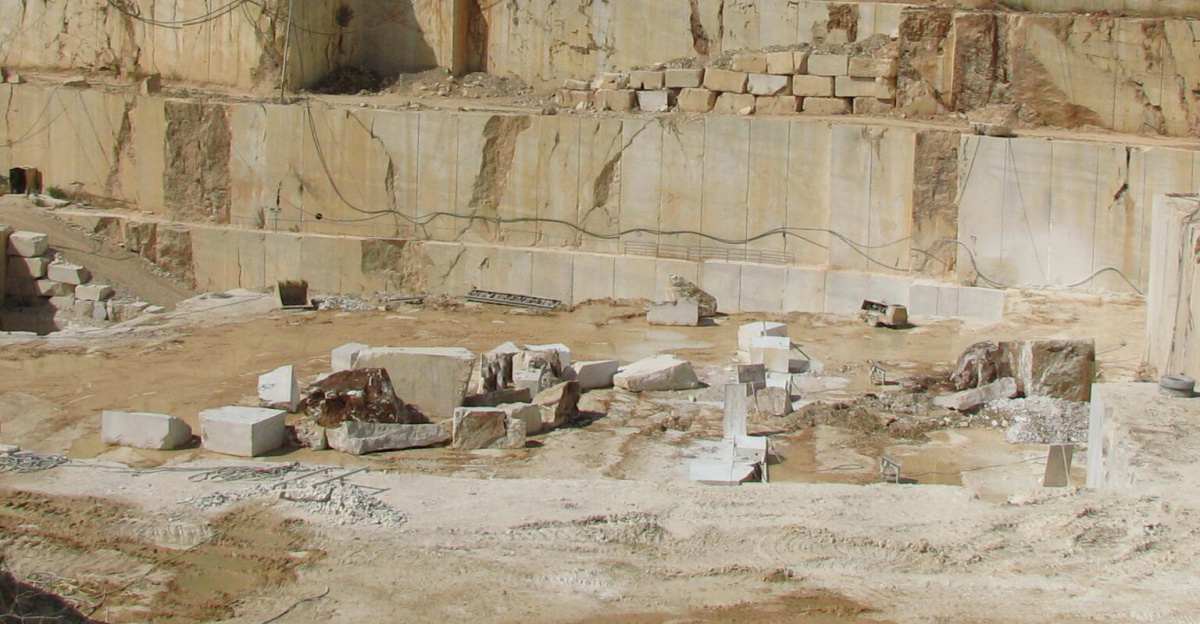
The discovery required careful coordination between commercial quarrying operations and scientific excavation. Smiths Bletchington worked with researchers to balance limestone extraction with the need for careful documentation of the trackways.
This collaboration demonstrates how industry and science can work together when significant discoveries emerge during commercial operations.
Educational Resources: Museum Collections and Public Engagement
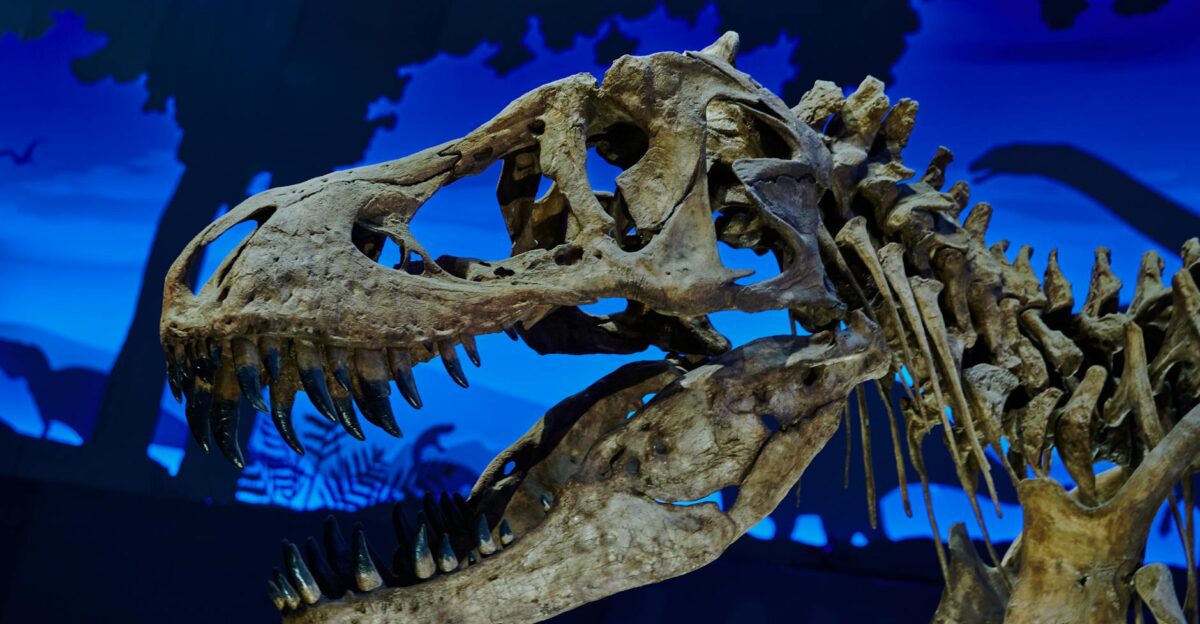
The Oxford University Museum of Natural History continues to showcase dinosaur-related exhibits and educational materials.
The museum’s collection includes various dinosaur specimens from the Oxfordshire region, offering exhibitions and public programs for visitors interested in paleontology and natural history.
Regional Significance: Oxfordshire’s Prehistoric Heritage
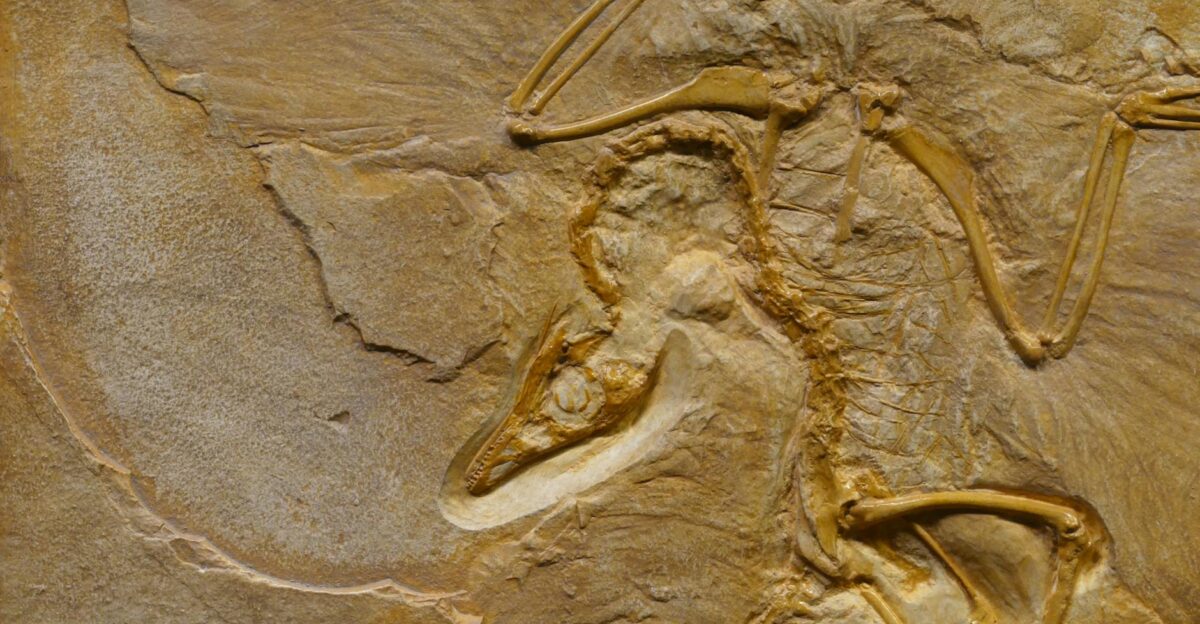
The discovery has highlighted Oxfordshire’s rich prehistoric heritage, with the region now recognized as home to one of Britain’s most significant dinosaur tracksites.
The find adds to the county’s scientific importance and contributes to our understanding of the Jurassic period in what is now central England.
Scientific Analysis: Understanding the Prehistoric Environment
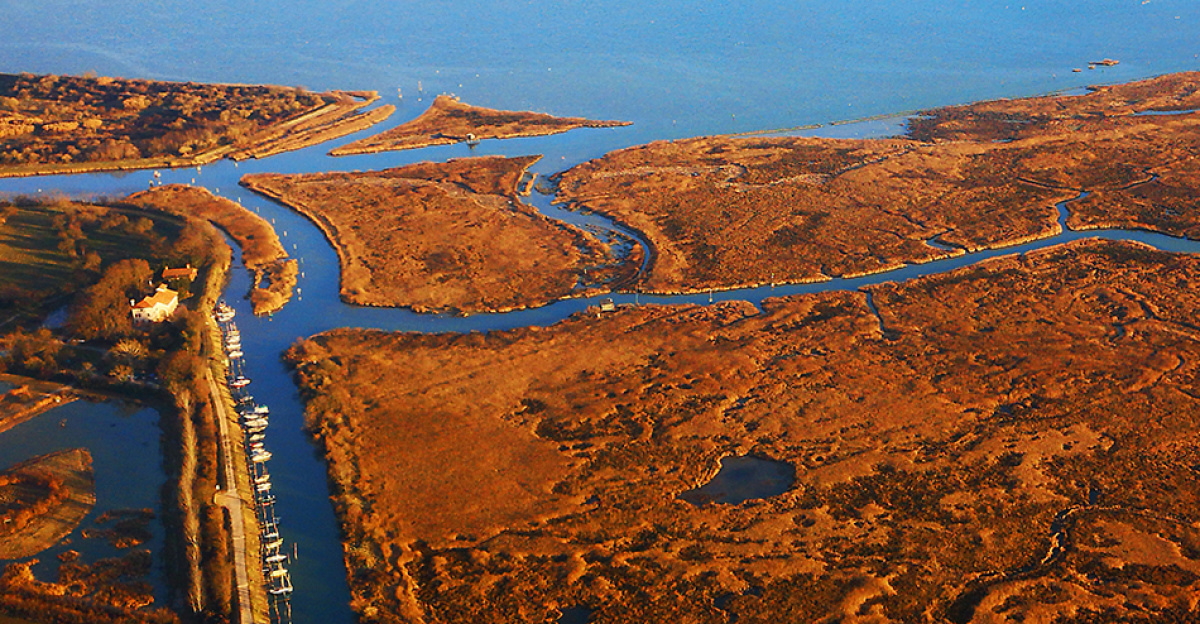
Researchers from the participating universities are analyzing samples from the site, studying mud cracks and shell remnants to learn more about the prehistoric environment.
The sediments and surrounding geological features provide valuable information about the ancient lagoon ecosystem where these dinosaurs once walked.
Global Recognition: UK Discovery Joins World’s Notable Tracksites
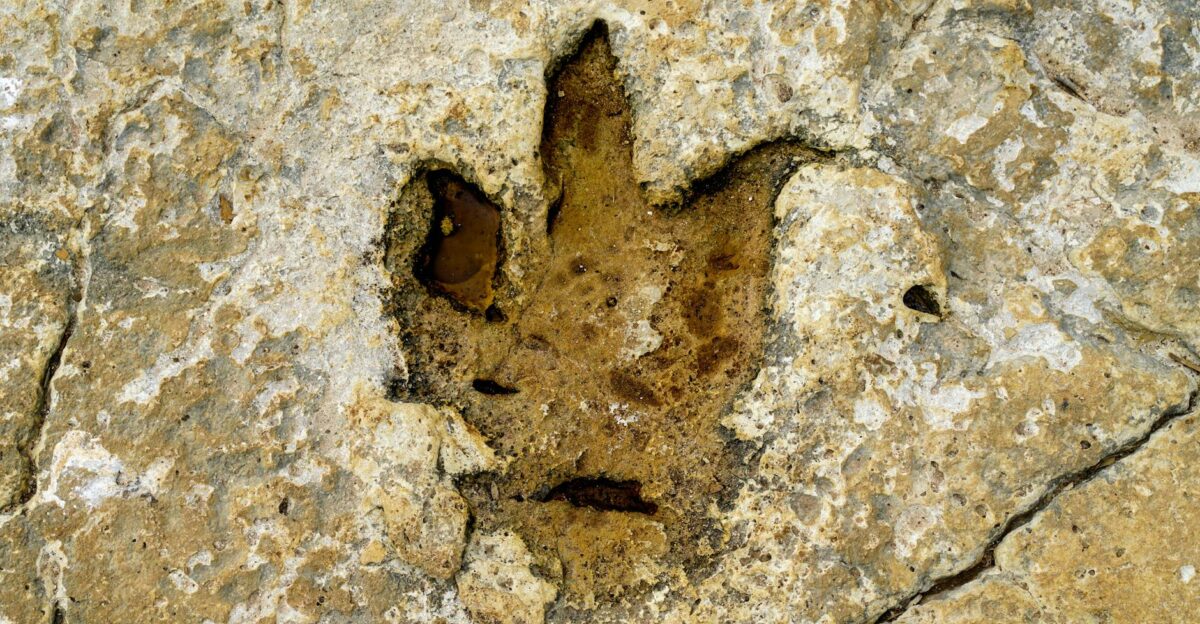
The discovery has received international attention from the paleontological community. The site joins other notable dinosaur trackway discoveries worldwide, including major sites in Bolivia, the United States, and elsewhere in Europe.
The Dewars Farm tracks contribute important data to our global understanding of Middle Jurassic dinosaur behavior and distribution.
Educational Value: Teaching the Next Generation
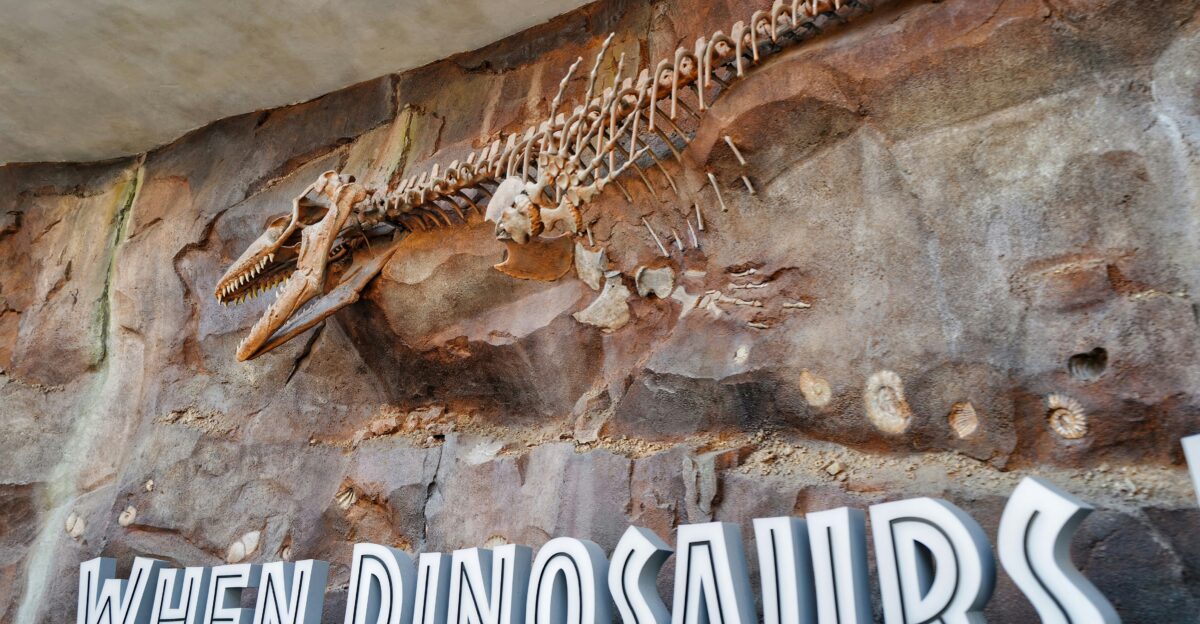
The discovery provides valuable educational material for teaching about dinosaurs and prehistoric life.
The well-preserved nature of the tracks and the use of modern technology like 3D modeling offers opportunities for educational institutions to engage students with real-world scientific research and Britain’s prehistoric past.
Ongoing Preservation: Protecting Scientific Sites
The discovery highlights the ongoing importance of protecting scientifically significant sites that emerge during commercial operations.
The SSSI protection ensures that rare geological and paleontological features receive appropriate safeguards while recognizing the role of quarrying in meeting material needs.
Community Involvement: Over 100 Volunteers Support Excavation

The Dewars Farm excavation benefited from the participation of over 100 scientists, students, and volunteers who contributed to the documentation effort.
Universities and research institutions coordinated this large-scale involvement, demonstrating the collaborative nature of modern paleontological research and the enthusiasm for such discoveries.
Scientific and Cultural Impact: Contributing to Heritage Understanding

The discovery contributes to both scientific knowledge and cultural heritage, enhancing our understanding of Britain’s prehistoric past.
Such finds help illustrate the deep history of the British landscape and provide tangible connections to the ancient world that once existed where we live today.
Continuing Research: Further Study of the Trackways
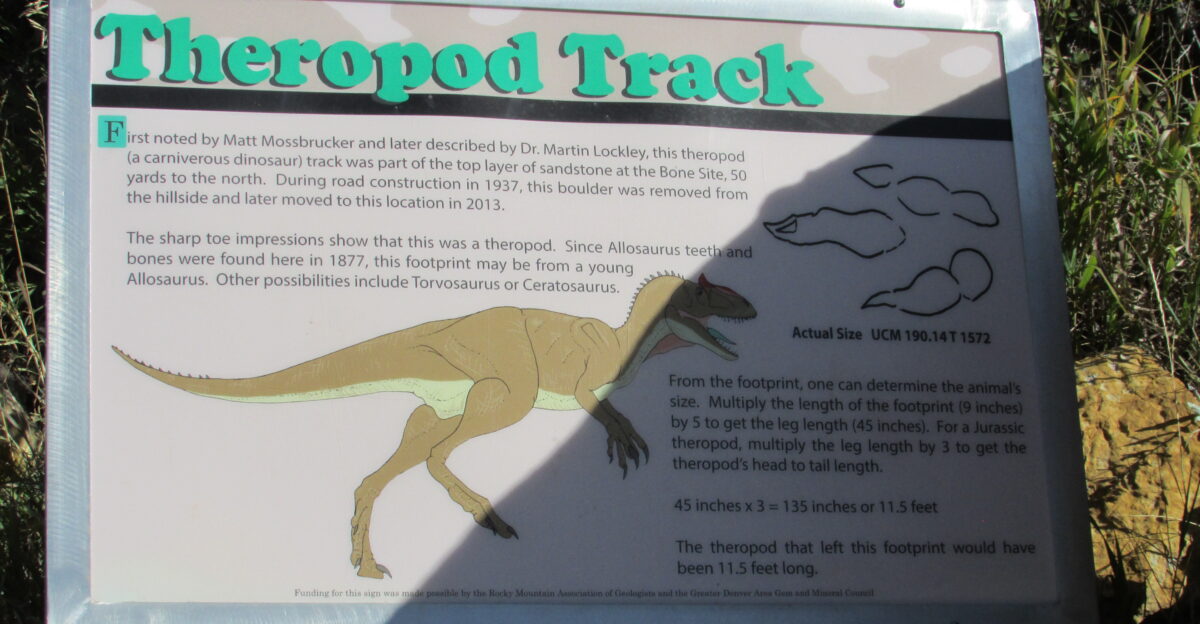
Research continues on the Dewars Farm site, with scientists analyzing the tracks to understand dinosaur behavior, gait, and the interactions between species.
The Oxford University Museum of Natural History and partner institutions are collaborating on detailed studies of both the sauropod and theropod trackways discovered at the site.
What’s Next: Potential for Additional Discoveries
With portions of the quarry still unexposed, scientists believe further discoveries are possible at Dewars Farm.
The research institutions involved plan to continue monitoring the site as quarrying operations proceed, with the possibility of uncovering additional trackways that could further illuminate Jurassic dinosaur behavior and ecology.
A Lasting Legacy: Dewars Farm’s Place in British Paleontology
Gary Johnson’s accidental discovery at Dewars Farm has secured an important place in British paleontology. The 200+ footprints from Cetiosaurus and Megalosaurus provide exceptional evidence of these ancient creatures and remind us that significant scientific discoveries can emerge unexpectedly.
When combined with adjacent finds, the site forms the UK’s largest dinosaur tracksite and stands as a testament to the value of careful observation and scientific collaboration.
Sources:
“UK’s biggest ever dinosaur footprint site unearthed.” BBC News, 2 Jan 2025.
“Researchers return to Britain’s Jurassic ‘Highway’ to uncover new dinosaur footprints.” University of Birmingham, 8 Dec 2025.
“How we uncovered the UK’s biggest site of dinosaur tracks in a quarry in Oxfordshire.” The Conversation, 23 Jan 2025.
“Footprints from a vast dinosaur highway discovered in the UK.” Natural History Museum, Jan 2025.