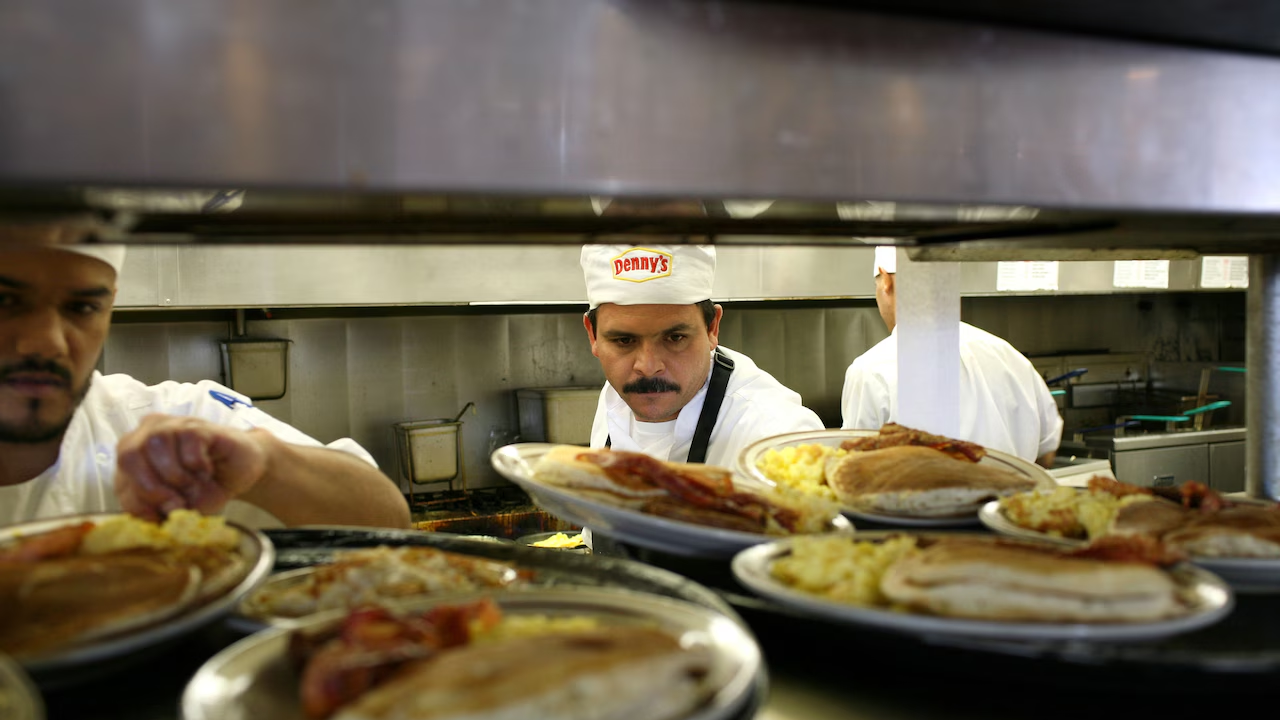
Denny’s, the beloved American diner chain that’s served countless meals across the country, is facing a wave of closures. Nearly 150 of its restaurants are set to shutter by the end of 2025. As the chain announces its largest-ever closure wave, the once-constant presence of the Grand Slam breakfast begins to fade. The closures not only mark a blow to the restaurant’s history but signal a larger cultural shift. How did an iconic 24/7 diner chain find itself in this precarious position?
What’s next for the remaining locations?
The Economic Forces Behind the Closures

Rising costs are driving Denny’s closures. Food prices have surged by 35%, labor costs have increased by 35%, utilities are up by 18%, and occupancy costs have jumped by 14%.
CEO Kelli Valade stated that Denny’s was strategically closing “underperforming restaurants” to streamline operations and focus on profitable locations. While the closures will help stabilize Denny’s in the short term, they reflect the harsh realities of the post-pandemic economic landscape.
Thousands of Jobs at Risk
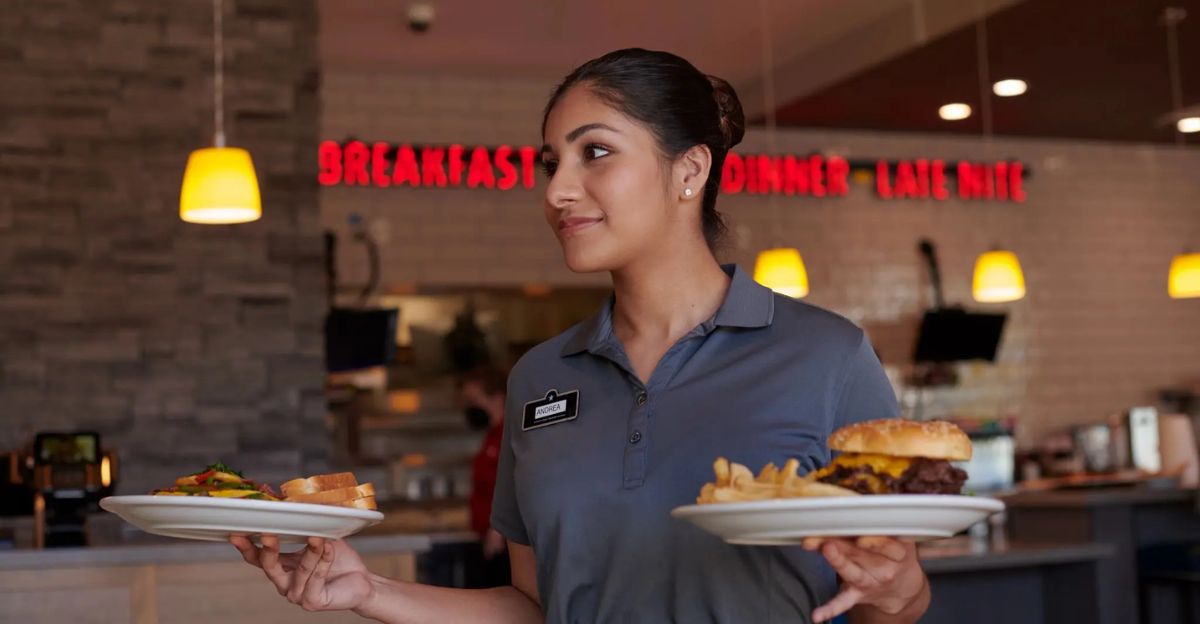
The closures of 150 Denny’s locations will result in a significant loss of jobs. Many franchise locations employ between 15 and 25 staff members, though exact counts vary by location, meaning the closures could affect thousands of workers overall.
This job loss hits particularly hard in small-town America, where Denny’s is often one of the few employers offering steady work. With many families relying on these jobs, the closures will have an immediate and profound financial impact on affected workers.
Communities Lose Late-Night Dining Access
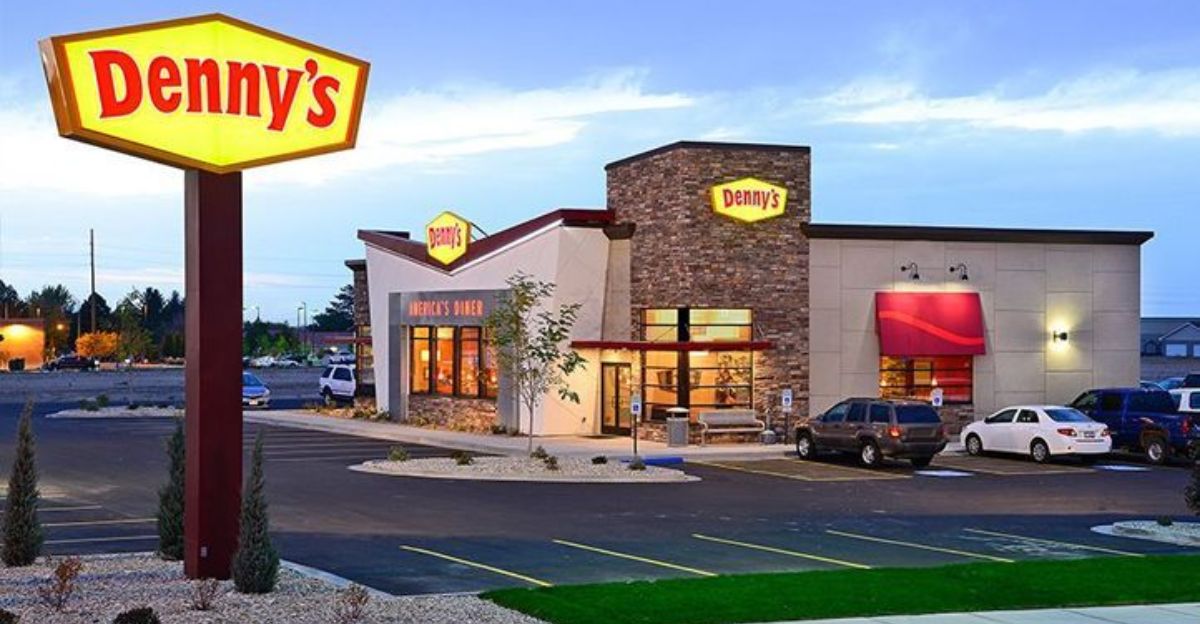
For many, Denny’s represents a significant late-night dining option. Approximately 50% of Denny’s locations have been operating 24/7 in recent years.
These closures will remove important dining options for night-shift workers, truckers, and late-night diners. The loss of these community hubs marks the end of an era for American diners, especially in smaller towns where Denny’s was often the only place to grab a meal at night.
Franchise Model Strain
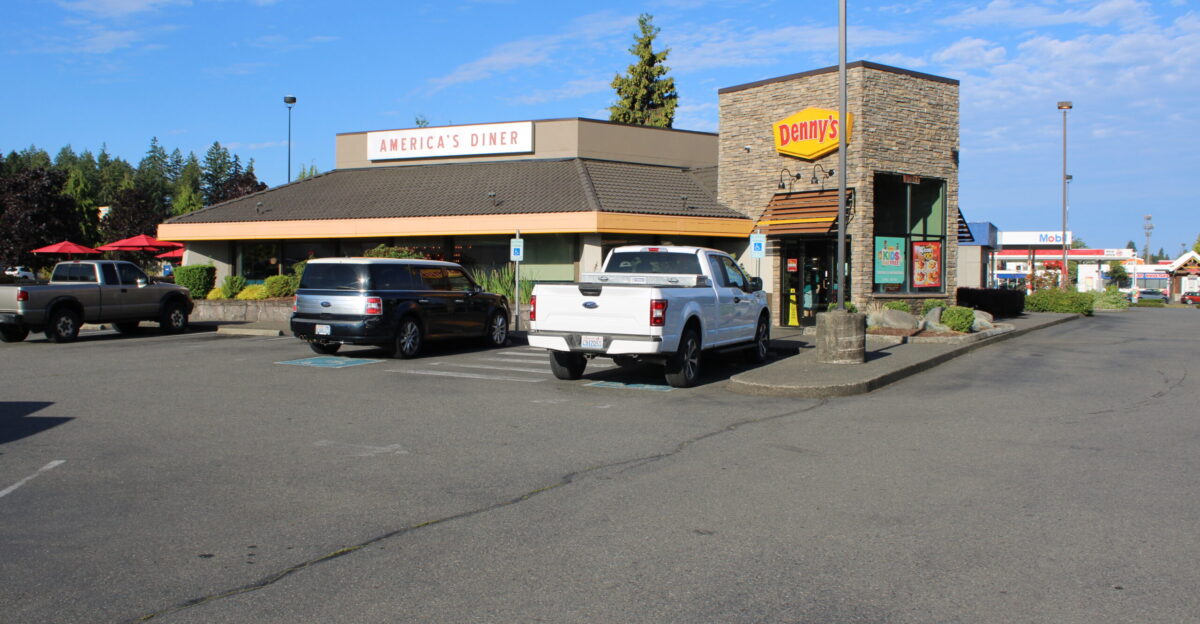
The franchise model, which made Denny’s a major player in the restaurant industry, is under pressure. Most of Denny’s locations are franchised, and franchisees face tough decisions as the company continues to close stores.
The closures not only affect the employees but also franchisees who invested in these locations. With fewer locations to manage and fewer customers, the franchise model becomes less sustainable, pushing many to reevaluate their investments in Denny’s.
Real Estate Woes
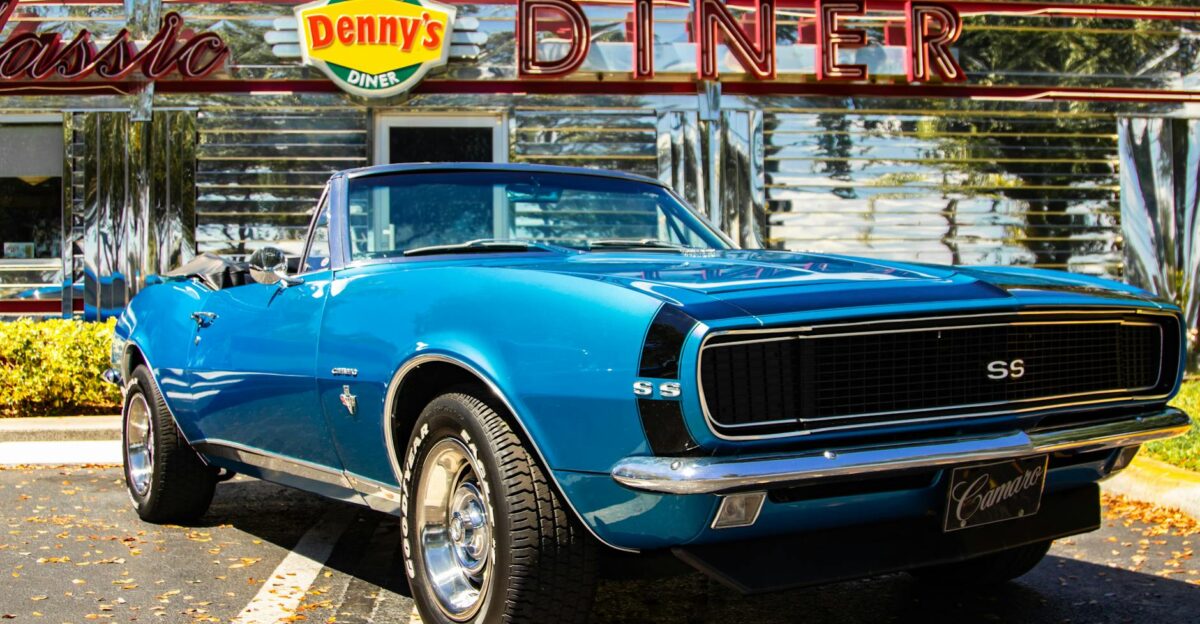
As Denny’s closes down, the real estate implications are significant. The restaurant’s typical footprint is challenging to repurpose in the modern market. Many former Denny’s locations are too large for the growing fast-casual market.
This leaves landlords with empty properties that are hard to rent or sell, contributing to a slowdown in commercial real estate transactions, especially in areas with multiple restaurant closures.
Suppliers Feel the Squeeze
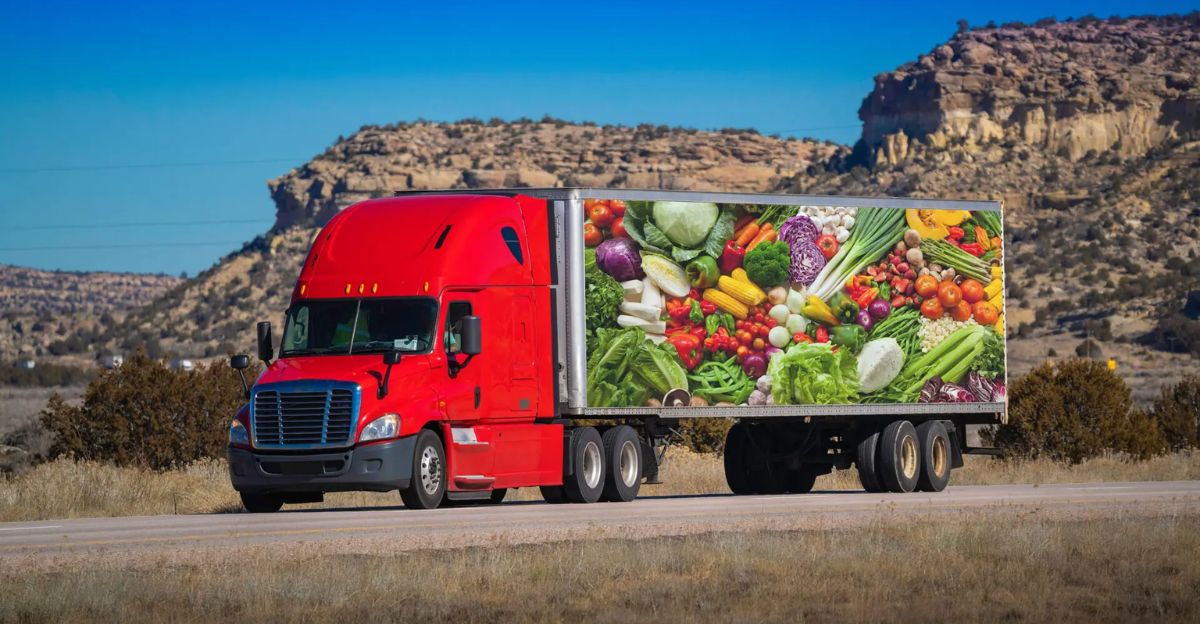
Denny’s closures have a ripple effect on its suppliers, including food distributors, maintenance contractors, and equipment suppliers.
Each closed Denny’s represents a loss of significant ongoing revenue, affecting companies like Sysco and US Foods. As these major suppliers lose contracts, their overall revenue takes a hit, and this reduction in demand will likely spread throughout the supply chain.
Breakfast Competitors Ready to Pounce
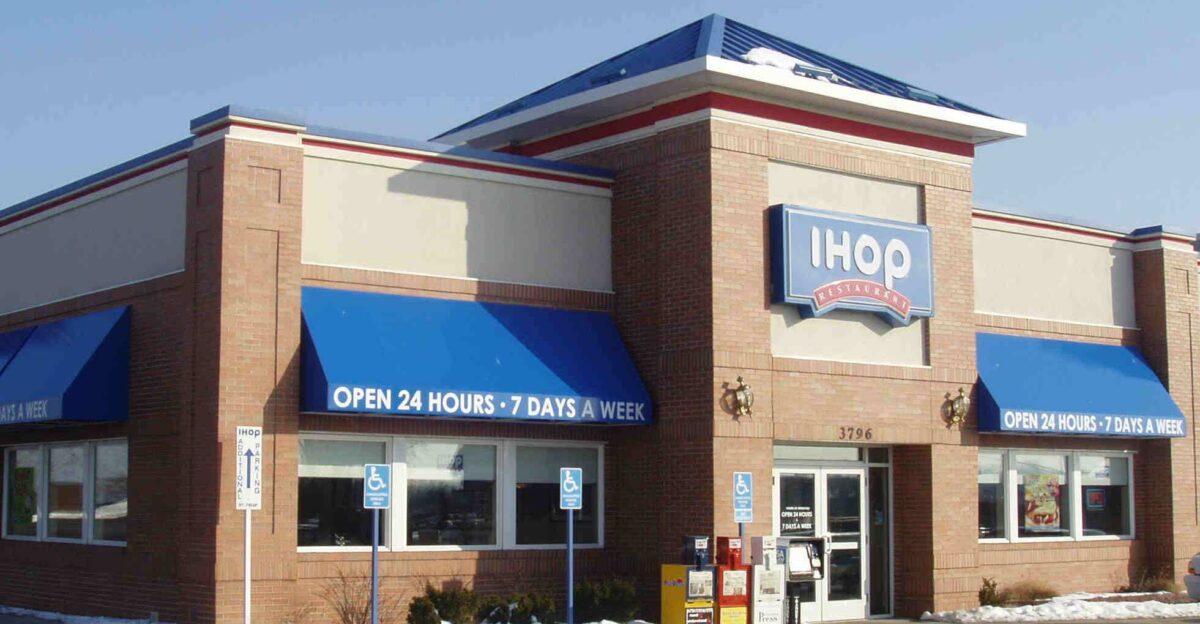
With Denny’s stepping back, competitors like IHOP and Waffle House are positioning themselves to take market share. IHOP, with more than 1,800 locations worldwide, and Waffle House, with nearly 2,000 locations, are already vying for Denny’s breakfast-loving customers.
However, even these brands face challenges, including rising food costs and competition for increasingly price-sensitive consumers.
The Strain of Restaurant Inflation

Since 2020, the price of eating out has risen sharply, outpacing grocery inflation. Menu prices have surged by 31%, with full-service restaurants seeing an average 4.6% price increase in 2025 alone.
For customers who once turned to Denny’s for affordable meals, the rising costs and perceived drop in food quality have driven many away. Denny’s is no longer the affordable, go-to diner it once was, which is reflected in customer complaints.
Private Equity’s Risky Bet
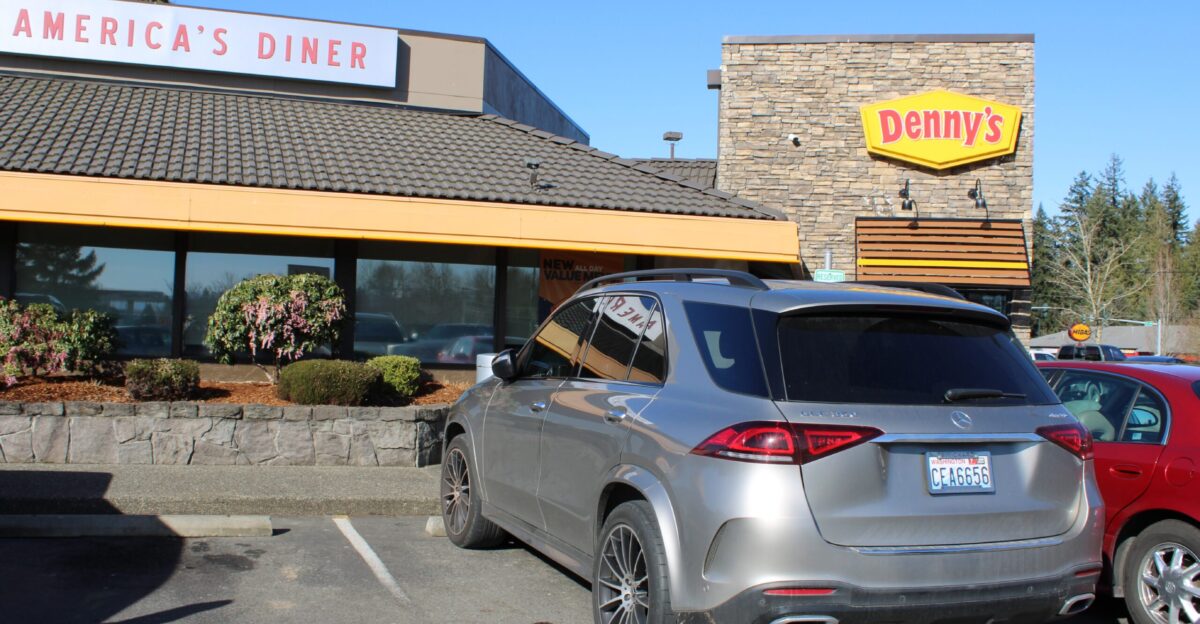
Private equity firm TriArtisan Capital has acquired Denny’s for $620 million, betting that restructuring the chain’s operations will lead to profitability. The plan involves closing underperforming locations and improving the remaining ones.
However, this risky gamble on a shrinking chain raises questions about whether the company can regain its former glory or if the investors are simply harvesting cash from a fading brand.
Bankruptcies Across the Industry
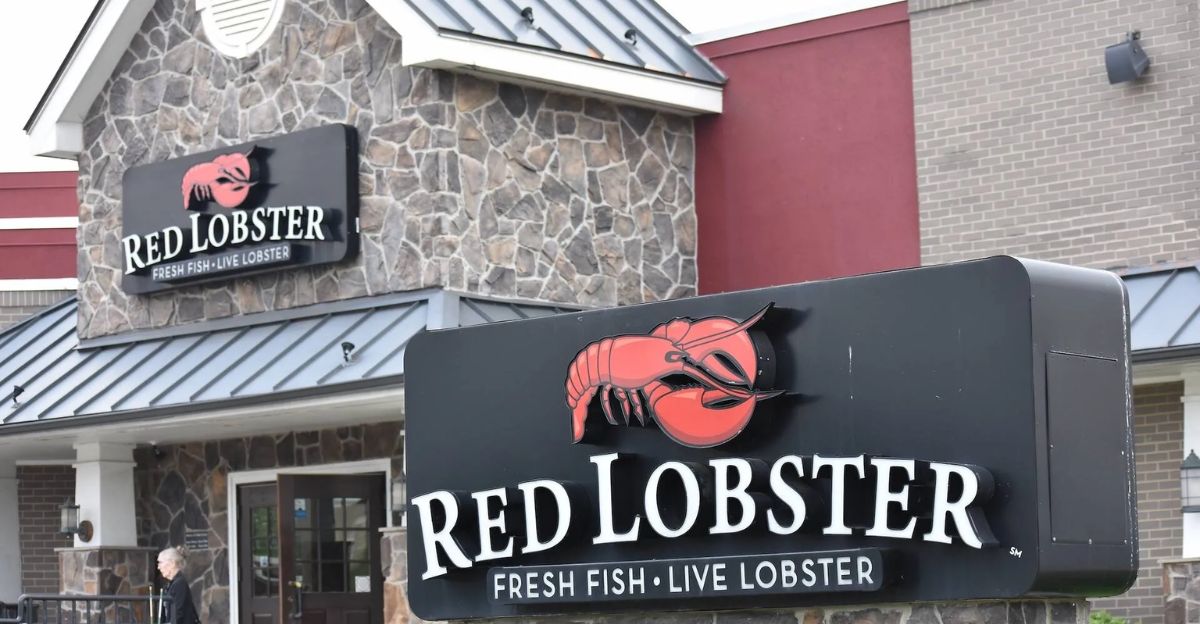
Denny’s closures are part of a broader trend in the restaurant industry. The restaurant sector has experienced significant consolidation in recent years, with chains like Red Lobster, TGI Fridays, and Hooters also filing for bankruptcy.
Rising inflation, higher labor costs, and changes in consumer spending habits are squeezing the industry, with many chains unable to keep up with the economic pressures.
A Shift Towards Fast-Casual Dining
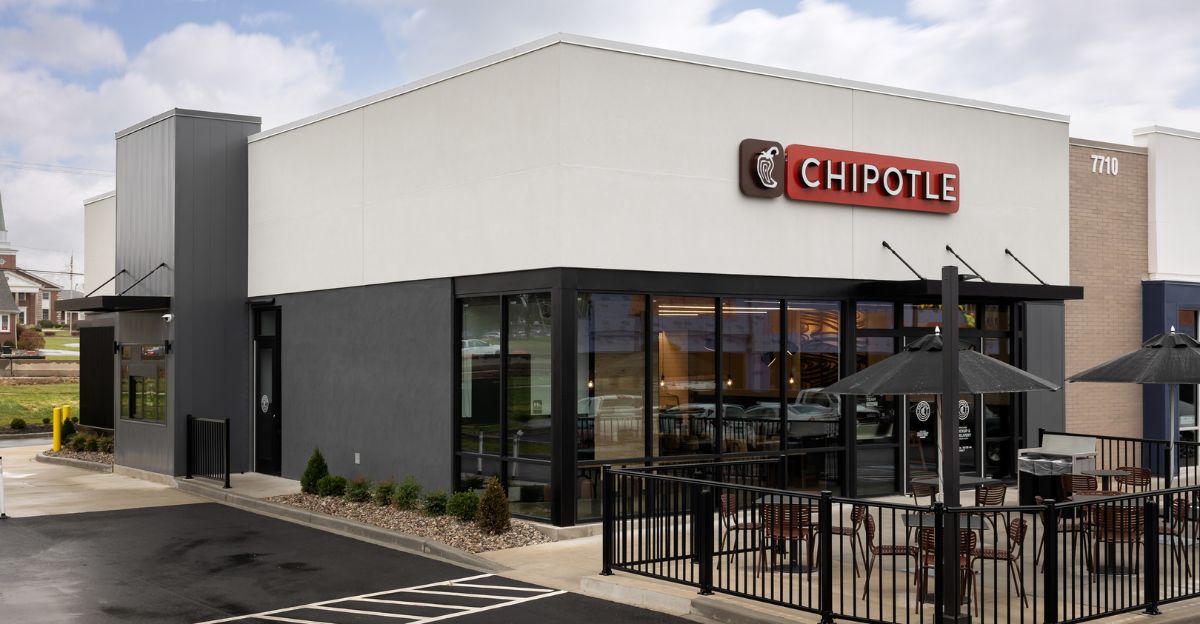
The trend toward fast-casual dining, with brands like Chipotle and Panera, is reshaping the restaurant industry. Fast-casual chains are able to serve food quickly, with lower labor costs, while full-service restaurants like Denny’s struggle to compete.
The shift toward speed and convenience has made the traditional sit-down diner less appealing to consumers, leading to closures across the industry.
Tax Revenue Losses for Local Governments

When Denny’s shuts down, local governments lose more than just a popular eatery. The closure of each restaurant results in the loss of tax revenue—both from property taxes and from the sales made within the restaurant.
These losses can add up quickly, and municipalities will feel the impact of reduced revenue.
Nostalgia vs. Reality
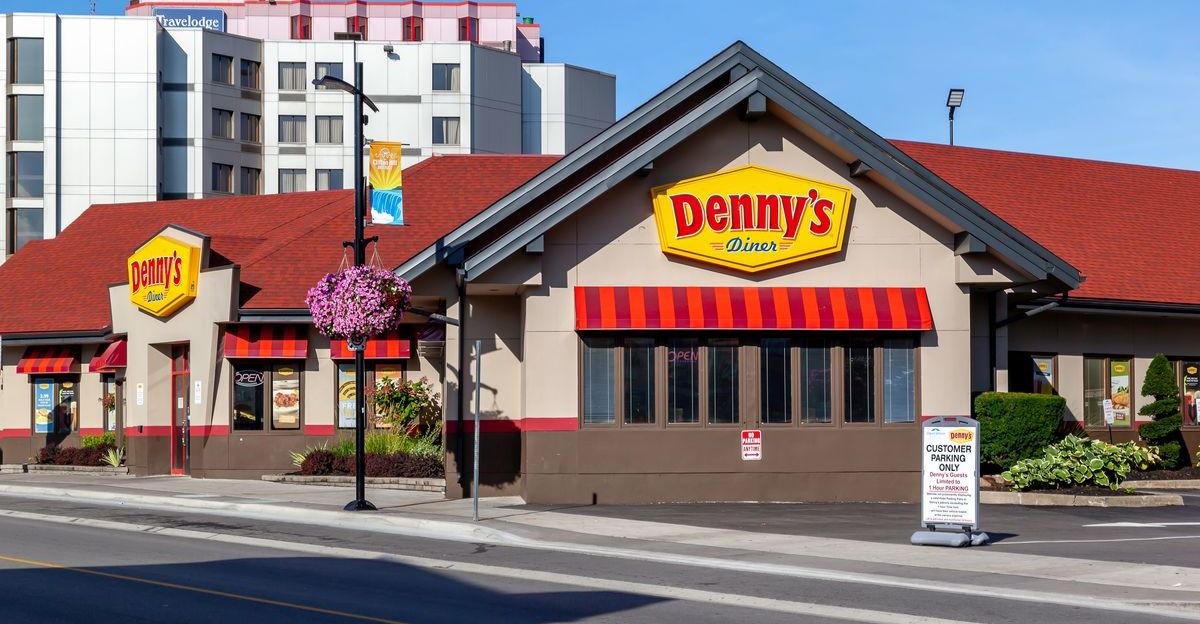
For many, Denny’s represented more than just a meal—it was a cultural institution. But as the chain struggles with rising prices and quality issues, it’s difficult to reconcile nostalgia with the reality of an underperforming business.
Many customers lament the decline of a beloved brand, but the truth is that nostalgia alone cannot save Denny’s from the economic pressures it faces.
A Final Look—The End of the Diner Era?
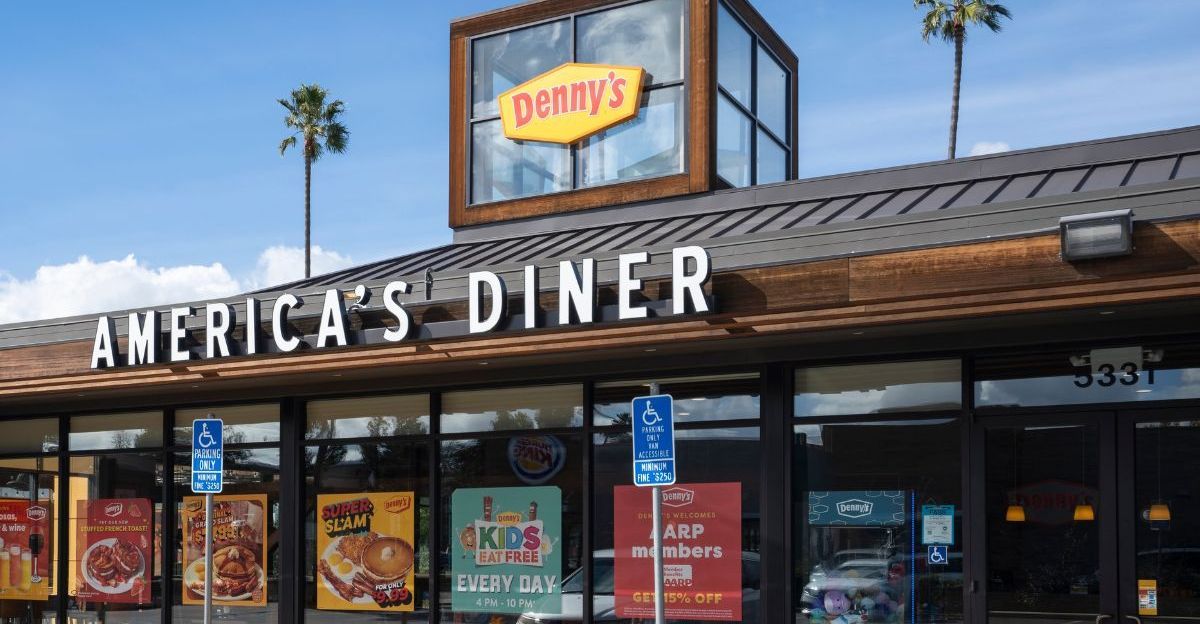
As Denny’s closes its doors on 150 locations, it marks the end of an era for the American diner. Once a symbol of 24/7 convenience and affordable meals, Denny’s is struggling to keep up with changing consumer preferences and rising costs.
The next few years will determine if Denny’s can successfully reinvent itself or if it will fade into history. The closure wave is a stark reminder of the fragility of even the most iconic brands.
Sources:
Denny’s Corporation Investor Relations Press Release, November 3, 2025; TriArtisan Capital Advisors official announcement
National Restaurant Association Economic Indicators Report; Bureau of Labor Statistics Consumer Price Index (CPI) – Food Away From Home Series
Denny’s Corporation SEC Form 8-K Filing, November 4, 2025; Denny’s Corporation SEC Form DEFM14A (Proxy Statement)
U.S. Department of Labor Bureau of Labor Statistics Food Price Data; National Restaurant Association Menu Prices & Economic Indicators (2020-2025)