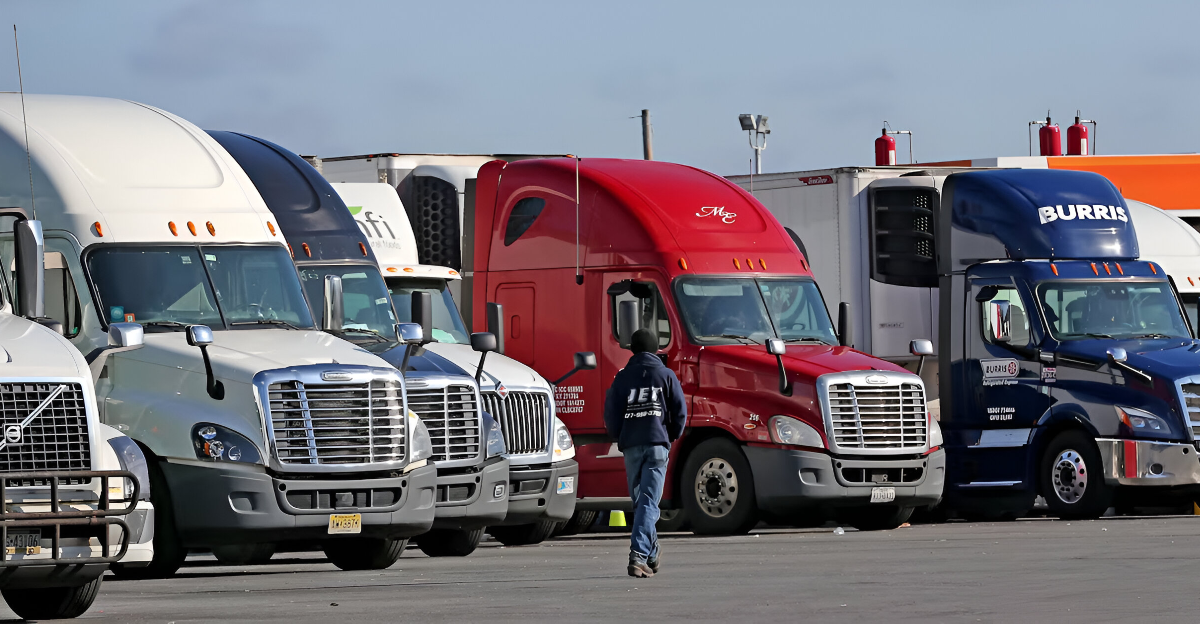
The latest data confirm trucking’s warning signs. U.S. heavy-truck sales plunged to four-year lows. Class 8 net orders in August were only 12,844 units, down 21% from a year earlier (the eighth straight monthly fall).
Economists note heavy-duty truck sales are down over 15% year-over-year, and unsold inventory is piling up. Even BEA figures show July sales at roughly 37,900 units, nearly 12% below last year.
Tariff hikes on steel and aluminum have added cost pressure, keeping fleets skittish.
Devastating Numbers

The downturn extends across the board. August Class 8 net orders totaled 12,844, down 21% from a year ago. Tractor orders plunged 34% year-over-year, to only 7,493 units.
Overall, heavy-duty truck sales (over 14,000 lbs) are off more than 15%, and medium-duty truck (Classes 5–7) orders fell roughly 24%.
Analysts now project total Class 8 sales could drop about 12% in 2025. By mid-2025, total heavy-truck shipments were roughly 6% below the same time last year, reflecting a broad contraction in commercial-vehicle demand. In short, the entire trucking sector is shrinking at an alarming rate.
Industry Context

The current collapse follows an extraordinary boom. After the “frenetic upswing of 2020–21,” orders plunged, and by mid-2022, the market was in a protracted slump. Truck makers had ramped output to record levels in 2021, but fleets are now overstocked.
Operators who bought new rigs during the surge are holding onto them much longer. As ACT analysts note, “fleets remain cautious, with capital strategies limited to replacement needs”.
Rising maintenance costs on aging trucks add to fleet caution. For now, only replacement purchases are occurring, as carriers put expansion plans on hold.
Mounting Pressures

A wave of headwinds has produced a perfect storm in trucking. New steel and aluminum tariffs have added roughly 2–4% in material costs per truck, while unresolved policy shifts have erased any “pre-buy” rush: EPA’s 2027 emissions standards are now widely expected to be delayed.
Meanwhile, freight volumes remain roughly 8–9% below normal levels, and spot-market rates languish at multi-year lows.
Construction and manufacturing activity are cooling as well, reinforcing the downturn. Combined, these pressures are discouraging new orders and prolonging the existing slump.
Fleet Absorption Collapse
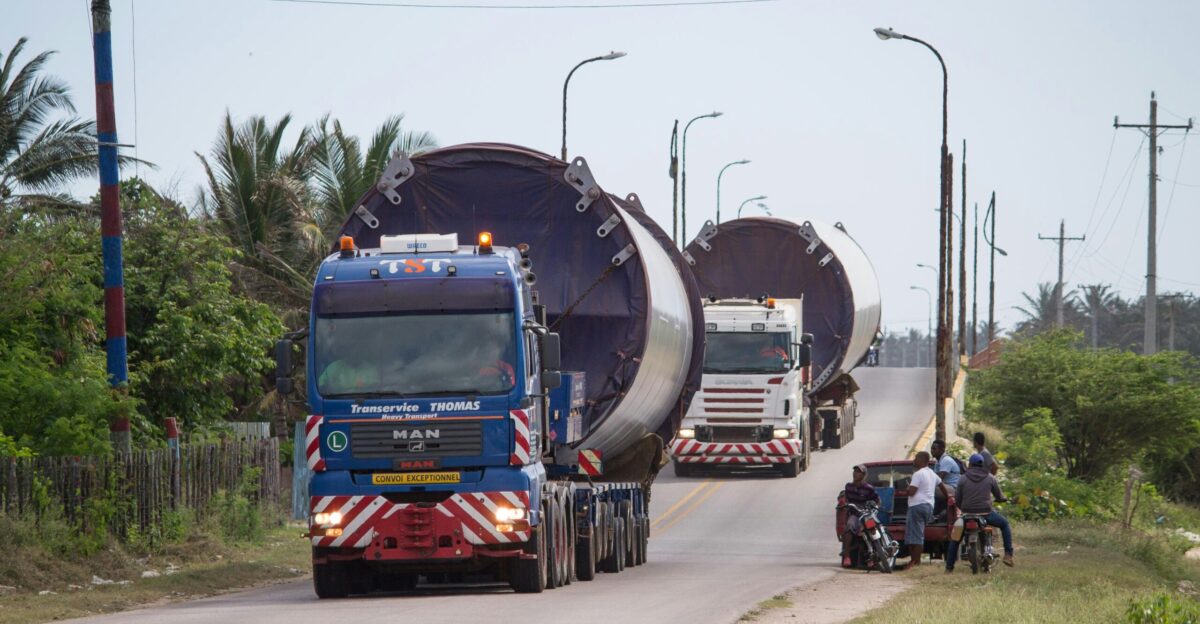
The traditional pipeline of trucks into service has clogged. Fleets are treating each new truck as a long-term asset, stretching replacements well beyond the usual 5–7 year cycle. Essentially, new trucks sit on lots or in yards instead of moving immediately onto the road.
This unprecedented bottleneck means carriers are effectively over-deploying existing equipment. In practice, trucking firms simply park the newest vehicles and defer purchase of additional units until demand revives.
Without a pickup in freight, the fleet absorption that normally cycles trucks out for new ones has nearly broken down.
Regional Impact

The Midwest manufacturing corridor has felt the impact acutely. Mack Trucks announced 250–350 layoffs at its Pennsylvania plant, and Volvo Group is cutting roughly 250–350 jobs in Virginia (plus 50–100 in Maryland).
Major suppliers are trimming shifts, and parts makers report plunging orders. Across key trucking states, dealers say unsold inventory is piling up, with rows of new tractors standing idle on lots.
Factories in Ohio, Michigan, and elsewhere have scaled back to match demand, and some have even suspended overtime. In short, production is being aligned sharply downward, putting thousands of skilled manufacturing jobs at risk.
Human Toll

“We’re all flabbergasted with how long this has lasted,” admitted one trucking executive, reflecting the despair on the shop floor.
The downturn has crushed countless small carriers. ATRI’s Daniel Murray puts it bluntly: “the trucking industry has been in a world of hurt for some time”.
Thousands of owner-operators—already squeezed by higher fuel and insurance costs—have given up and exited the market. FMCSA data show carrier registrations being canceled at an accelerated pace. Truck stops report far fewer rigs on the road.
Manufacturing Response

Original equipment manufacturers have pulled back sharply. Mack announced 250–350 layoffs in Pennsylvania, and Volvo is cutting about 250–350 jobs in Virginia plus 50–100 in Maryland.
ACT Research has lowered its Class 8 production forecast for 2025 to roughly 255,100 units (down from 289,000).
Plants have already trimmed daily assembly by about 25% since spring. As one Mack official explained, these cuts were needed to “align production with reduced demand”.
Freight Market Dynamics
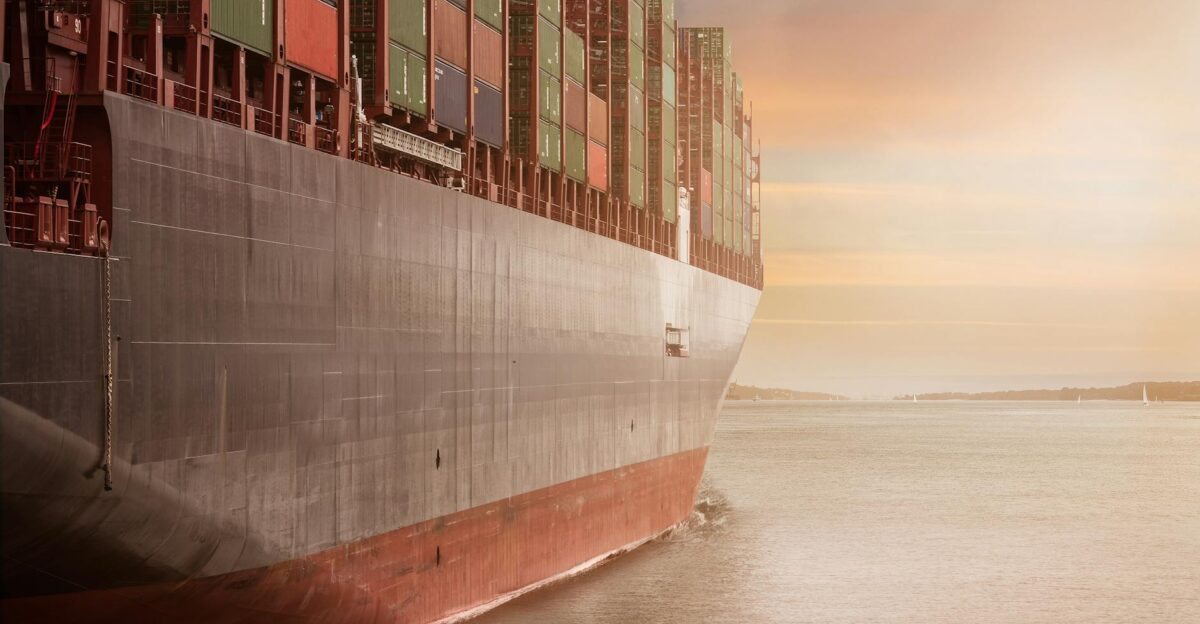
The freight slowdown is forcing a shift in how cargo moves. With spot rates depressed, companies are loading more freight on private fleets or intermodal networks. In fact, intermodal rail is “gaining long-haul share from trucking” as shippers seek lower costs.
Container volumes at U.S. ports remain weak, reflecting sluggish consumer demand. Retailers have pulled back on stocking goods, so there’s simply less freight to haul coast-to-coast.
Segments of the market are cannibalizing each other: a recovery in rail or warehousing often comes at the expense of long-haul trucks. The long-haul trucking sector is losing ground to alternative modes even in good times.
Regulatory Purgatory

“Current tariff and regulatory purgatory continue to sow industry uncertainty,” noted Carter Vieth of ACT Research. Indeed, higher import duties have made trucks more expensive; ACT’s president Kenny Vieth quipped that “goods cost 5% more…we’re just going to get 5% less stuff, and stuff is what trucks haul”.
Even OEMs see the effect: a Volvo spokesman said orders were being “negatively affected by market uncertainty… and the impact of tariffs”.
At the same time, the EPA has pushed back the 2027 low-NOx engine rules, removing any incentive to rush purchases. With these policy uncertainties, many fleets have simply frozen new buying decisions.
Fleet Frustration

Fleets are vocally frustrated. Many report wildly shifting equipment prices and longer waits, making long-term budgeting nearly impossible. To avoid sticker shock, carriers have extended replacement cycles beyond 7–8 years, driving up maintenance bills for aging trucks.
The usual dealer–fleet trust is under strain: fleets don’t know what price or delivery date to expect, and dealers can’t count on steady orders.
Many fleet managers say they’d rather delay a needed upgrade than incur unpredictable new costs. As a result, carriers are now in “wait-and-see” mode, hoarding cash and postponing purchases until market signals become clearer.
Leadership Crisis

Even the top brass are feeling the strain. Trucking giants from LTL to TL have reshuffled management as the downturn drags on. The 2023 bankruptcy of Yellow Corporation, a major less-than-truckload carrier, removed significant capacity but also sent shockwaves through freight markets. Investors now pressure executives to defend profitability at all costs.
Some carriers have repurposed financial officers to run operations, or vice versa, scrambling for fresh ideas.
Boards are demanding bold strategic pivots even as sector revenues shrink. Leadership teams are walking a tightrope between short-term survival and long-term viability.
Recovery Attempts

OEMs are trying creative fixes. A few now offer “truck-as-a-service” leasing programs, where fleets pay a monthly fee instead of a large upfront cost. Many have rolled out low-rate financing deals, deferred-payment plans, or extended warranties to sweeten the deal.
Production lines are being run flexibly: plants can shift between models or even idle a shift if orders fall.
These measures have stimulated some sales, but overall appetite remains weak. In essence, manufacturers are experimenting to spur demand, but none of these alone has broken the logjam. Overcapacity concerns remain a fundamental constraint.
Expert Skepticism

Industry analysts sound a sober note. FTR’s Dan Moyer cautions that a meaningful freight recovery may not start until the second half of 2026, with real improvement only arriving in 2027. “Fleet confidence is eroding,” he adds.
North American Class 8 sales were already about 15% lower than a year ago.
Credit conditions add to the drag: today’s smaller carriers face much stricter financing terms, so even willing buyers often lack funds. In short, most experts expect the industry to limp toward normalization rather than snap back quickly, with stability likely not seen until 2027.
Future Uncertainty
The path forward depends on larger economic forces. Interest rates and consumer spending will set the baseline for freight demand. Trade policy swings (tariffs, trade wars, etc.) inject uncertainty into supply chains.
Large infrastructure bills could provide a boost, but only if projects move forward as planned. Regulatory outcomes matter, too: for example, if EPA’s 2027 emissions rules go into effect, carriers might pre-buy trucks; if those rules are delayed, that order surge evaporates.
Most fleets say they’ll wait on clearer signals – on rates, tariffs, and regulations – before resuming normal replacement plans.
Political Implications

The trucking downturn has become a political flashpoint. Lawmakers are scrutinizing whether tariffs aimed at protecting U.S. industry have backfired.
In a recent hearing, senators warned that “uncertainty in trade regulations” is now impacting both truckers and manufacturers, “potentially leading to job losses”.
Governors from major trucking states are urging federal leaders to resolve tariff disputes and provide clarity. With freight and manufacturing on the line, transportation policy is suddenly center stage in Capitol Hill debates. Washington can no longer ignore the pain in this critical industry.
International Ripples

The slump has spilled over North America’s borders. Mexican freight companies have cut thousands of jobs as cross-border shipments decline.
Chihuahua’s economic development chief, Ulises Fernández, warned that companies “are holding off on making decisions and new investments until there is clarity about what will happen with trade policy”.
Canadian carriers feel the pressure too: with integrated U.S.–Canada supply chains, weakening U.S. demand means fewer trucks on Canadian highways. Even global shippers are rerouting trade lanes to minimize tariff exposure, which further reduces traditional truck freight.
Environmental Angle

Climate advocates worry progress is stalling. EPA’s delayed 2027 emissions rules have led fleets to kick the can on replacing older, dirtier trucks. Electric and other clean-tech truck deployments — once ramping up — have slowed as buyers cling to proven diesel rigs.
EDF’s Jason Mathers lamented that delaying the new clean truck rule “is so regrettable… zero-emission trucks are ready today”.
Advocates fear that each year of delay undercuts emissions cuts in an industry already responsible for large carbon output. In short, the downturn has put the industry’s decarbonization on pause just as climate pressures rise.
Cultural Shift

Even trucking’s culture is beginning to shift. Younger logistics professionals, raised on on-demand apps, question the old playbook of owning heavy rigs and debt-financed fleets.
They lean toward flexibility – subscription services, renting capacity, or gig-economy arrangements – over outright ownership. Veteran drivers, by contrast, still wear truck pride like a badge.
This generational divide plays out online: forums and social media are filled with debate over the old ways versus new methods. The result is that tomorrow’s fleets and drivers may operate under very different norms, permanently altering the industry’s traditional ethos.
Broader Reflection
The heavy-truck crisis is more than a normal market correction; it’s a test of industrial resilience. Policy choices made today – on trade, tariffs, infrastructure and technology – will determine whether U.S. trucking emerges leaner or permanently changed.
Analysts say this is a watershed moment: will fleets double down on old models or embrace new low-carbon, data-driven solutions? The answers won’t just decide trucking’s fate; they will reverberate across every supply chain.
Trucking’s future now stands as a proxy for the broader economy’s stability and adaptability.