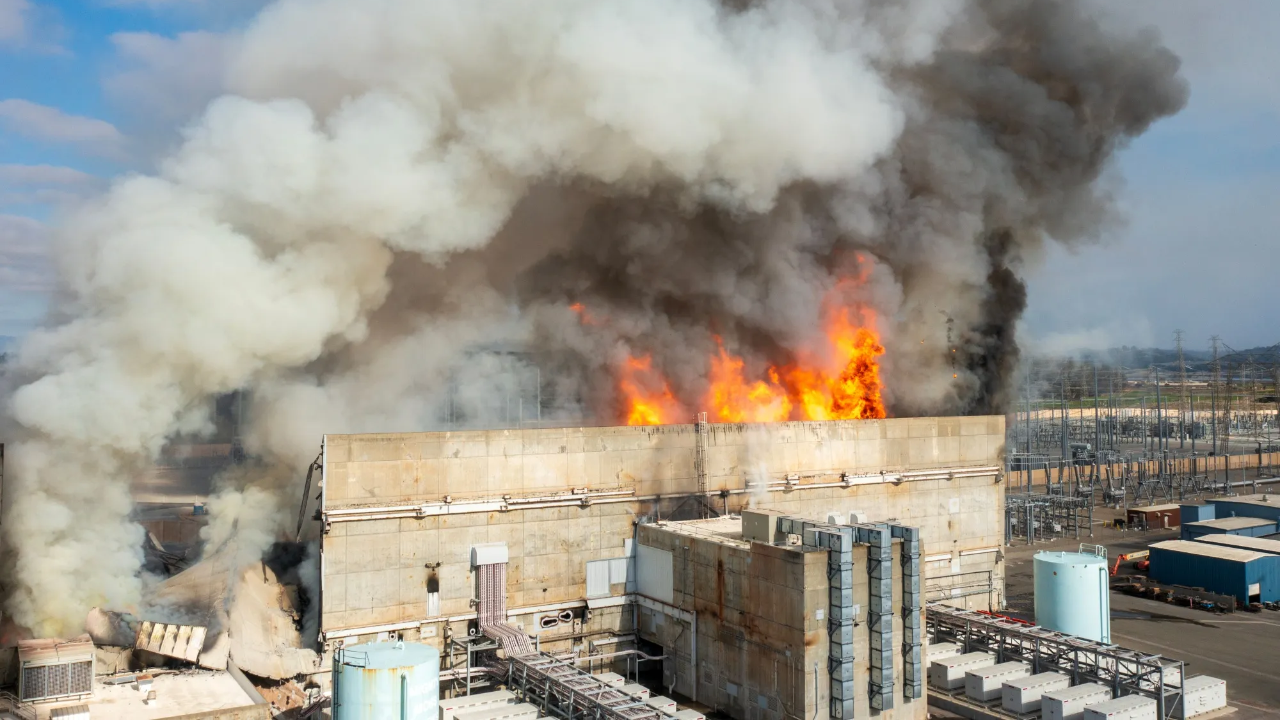
It has been nearly a year since the Vistra battery fire erupted at Moss Landing, and for months, officials insisted that the damage was contained. This week, new peer-reviewed research proved them wrong. San José State University scientists confirmed that 55,000 pounds of toxic heavy metals—nickel, manganese, and cobalt—rained down on Elkhorn Slough, poisoning one of California’s most critical estuaries.
As California doubles down on battery expansion with 16,942 megawatts of storage already online, regulators are racing to prevent the next disaster.
When Grid Storage Became a Fire Waiting to Happen
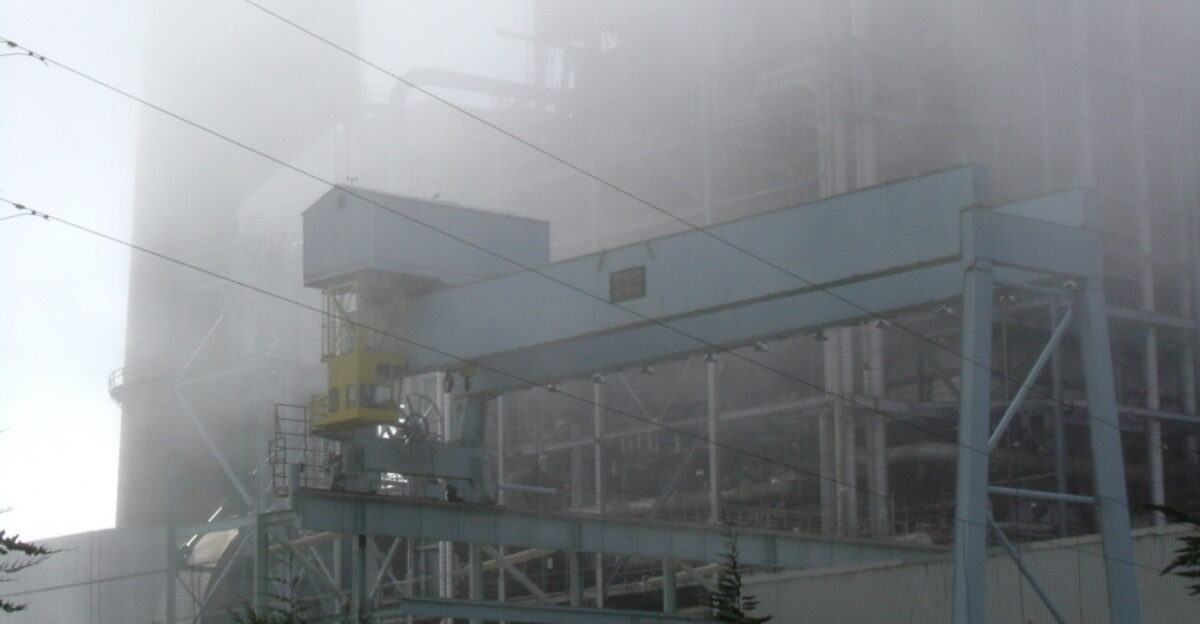
On January 16, 2025, a lithium-ion battery fire erupted at Vistra Corp.’s massive facility in Moss Landing, and roughly 1,200 residents were evacuated. The facility housed 300 megawatts of NMC batteries in a converted 1950s power plant—a design that turned out to be dangerously outdated.
The blaze burned for two days, fed by thermal runaway, a cascade of battery cells overheating in an uncontrolled chain reaction.
Residents Knew Something Was Wrong

The smoke carried more than just gases. Residents reported burning eyes, sore throats, nosebleeds, and a metallic taste that lingered for days. Over 2,500 people joined a Facebook group to document symptoms, but the EPA stated that air quality was safe.
County health officials urged people to stay indoors anyway, creating a confusing mixed message that deepened distrust. The real contamination wasn’t floating in the air—it was settling silently onto soil, water, and crops.
A Scientific Fingerprint

Researchers at Moss Landing Marine Laboratories had a rare advantage: pre-fire baseline data from years of marsh studies. Within three days of the fire being contained, marine geologist Ivano Aiello collected surface samples across nearby wetlands.
Using X-ray scanners and electron microscopes, his team found microscopic battery metal particles embedded in the mud, and their chemical ratio matched Vistra’s cathode chemistry perfectly.
55,000 Pounds in One Marsh Alone
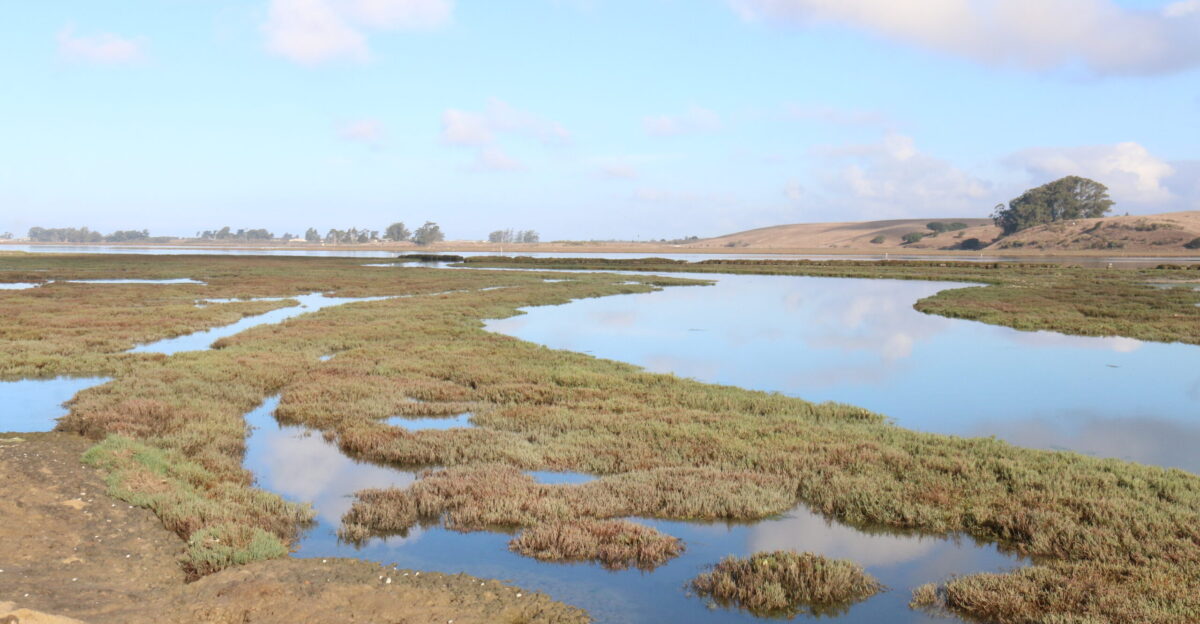
The study, published in Scientific Reports in November 2025, quantified the damage: roughly 25 metric tons of heavy metals settled across 300 acres of marsh. Surface metal concentrations had jumped between tenfold and more than 1,000-fold compared with pre-fire levels.
“This study is a solid set of evidence showing that indeed the fire spilled these metals,” Aiello told SFGATE.
2% of What Was Released
The 300-acre study area captured only 2% of the total heavy metals lofted into the atmosphere by the fire. Scientists estimate roughly 1,000 to 1,400 metric tons of cathode material entered the smoke plume, meaning approximately 2.7 million pounds of toxic dust fell somewhere beyond the study zone.
The Estuary’s Slow Poisoning

Elkhorn Slough, California’s second-largest estuary, is home to over 340 bird species, sea otters, and harbor seals. The metals quickly washed into tidal channels and entered the food web. Preliminary tests have already detected nickel, manganese, and cobalt in mussels and other organisms.
Toxicologists warn that these metals bioaccumulate—they accumulate in animal tissues over time, potentially causing long-term harm that may not be apparent for years.
The Agricultural Gamble

The Moss Landing facility is situated in some of California’s most productive farmland, renowned for its strawberries, artichokes, and lettuce.
The fire’s fallout is likely to have contaminated irrigation water and crop soils, but regulators have stopped short of banning produce or issuing clear safety warnings.
Residents Sue and Organize

In February, residents backed by environmental advocate Erin Brockovich filed suit against Vistra, PG&E, and battery maker LG Energy Solution. The lawsuit cites documented health impacts—such as bloody noses, rashes, and lung problems—and alleges that companies failed to implement adequate fire safety measures.
Meanwhile, residents organized independent soil sampling, which detected elevated levels of metals as far as 46 miles from the plant.
The Industry Faces Its Reckoning
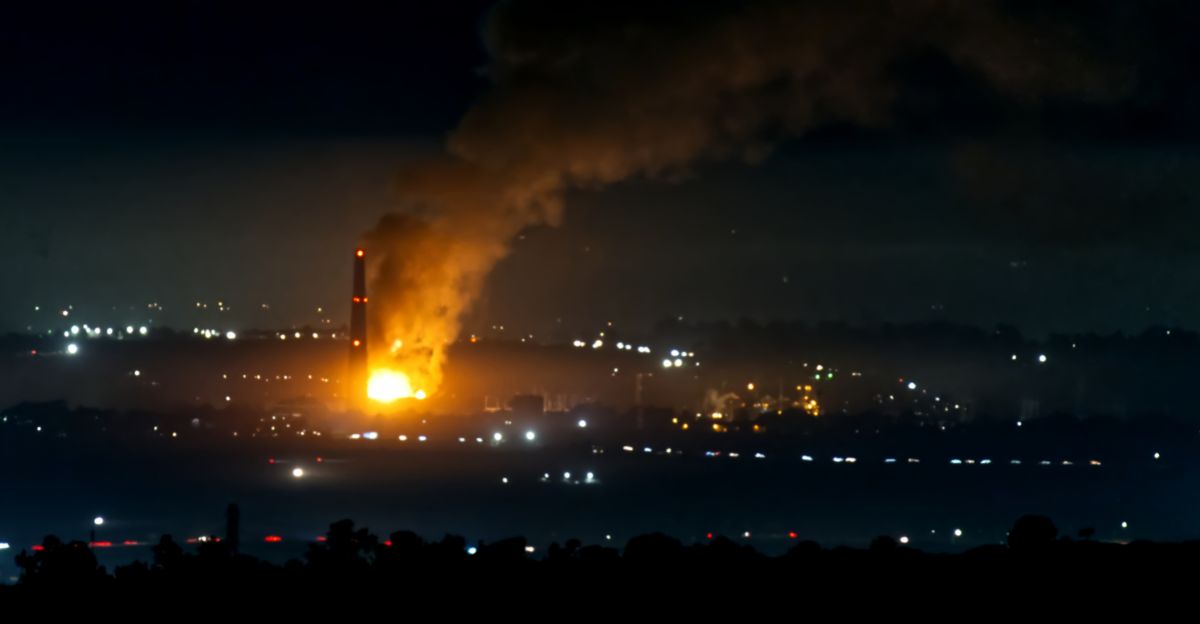
California was expanding battery storage faster than fire codes could keep up. The January 16 fire forced a reckoning. The state’s Public Utilities Commission opened a formal investigation and proposed new safety standards.
Lawmakers introduced Assembly Bill 303 and Senate Bill 283, mandating wider buffer zones, stricter fire codes, and closer coordination with first responders. Governor Newsom signed SB 283 in October, and new fire code amendments take effect January 1, 2026.
Why This Matters Right Now
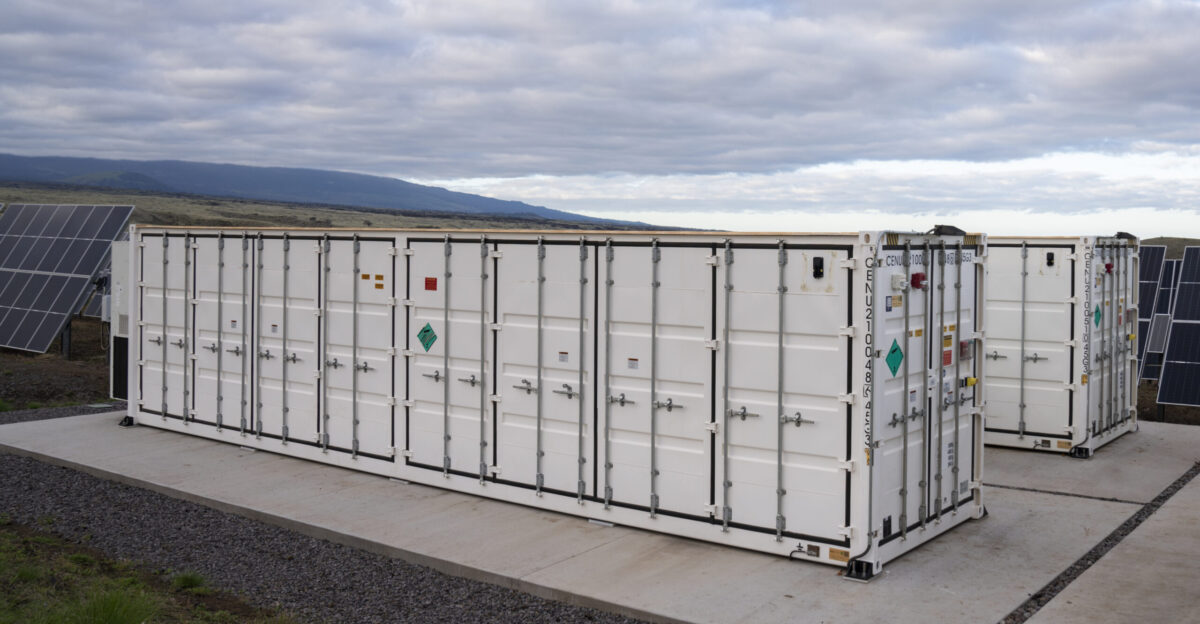
California just announced it has built 16,942 megawatts of battery storage—one-third of what it needs by 2045 to achieve 100 percent clean electricity. Governor Newsom called it a massive climate achievement, and he’s right: batteries are essential for a renewable grid.
However, Moss Landing proved that rapid expansion without rigorous safety standards creates new industrial hazards.
The Design Problem Gets Fixed
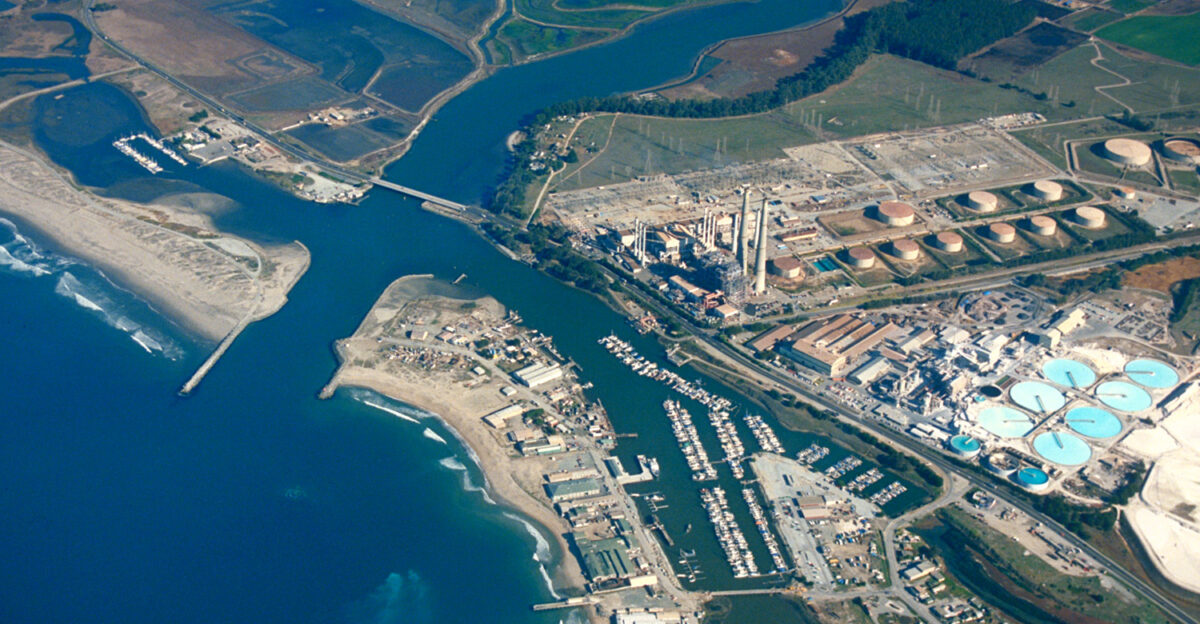
Industry experts now agree: Moss Landing was an anomaly, not the norm. Most new batteries are housed in outdoor modular containers, separated by safe distances, and use newer lithium-iron-phosphate chemistry instead of NMC.
The facility’s outdated design exposed a critical gap: regulators hadn’t mandated these safety features fast enough. New fire code standards based on NFPA 855 take effect in January 2026, but they only apply to new projects.
Unfinished Business at Moss Landing
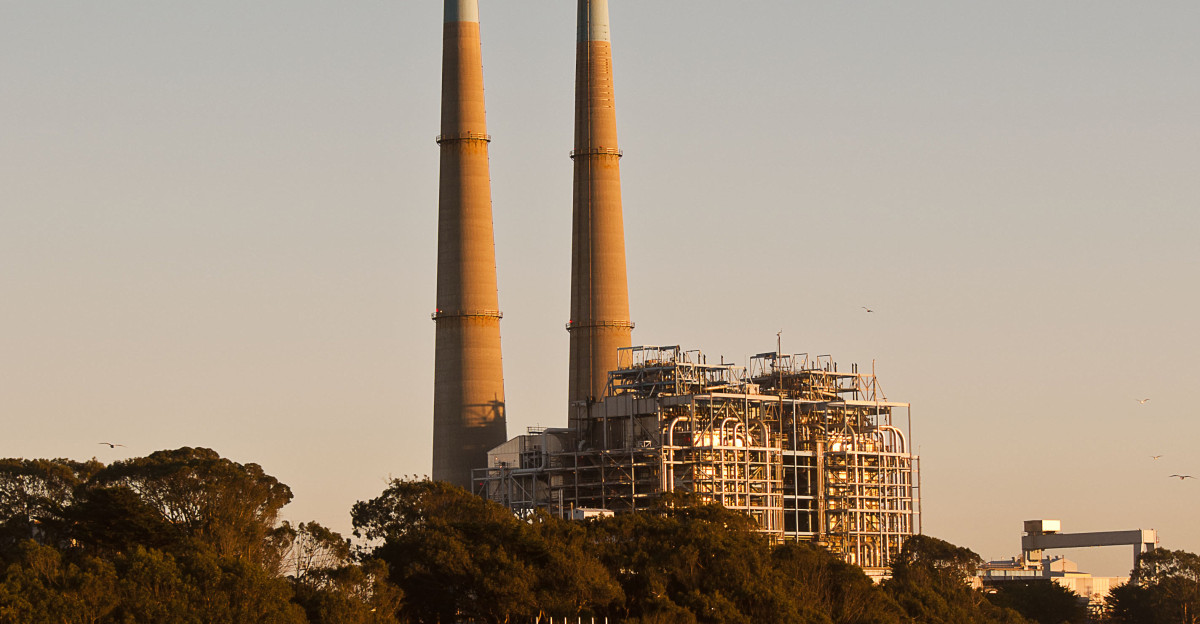
The facility itself remains partially offline. Vistra has hauled away damaged batteries and removed debris under EPA supervision, but the Moss 300 building won’t be demolished until all batteries are safely removed.
PG&E’s adjacent battery facility, which also caught fire in 2022 before Monday’s incident, initially attempted to restart but faced opposition from the community and the county.
The Cleanup Continues

Months after the fire, the U.S. EPA ordered Vistra to pay for the safe removal, treatment, and disposal of the batteries. Crews have disposed of over half a million gallons of contaminated water and hauled away thousands of battery modules.
However, the cleanup authority remains fragmented across multiple agencies, resulting in a patchwork of overlapping jurisdictions and testing methods.
What 2025’s Research Reveals
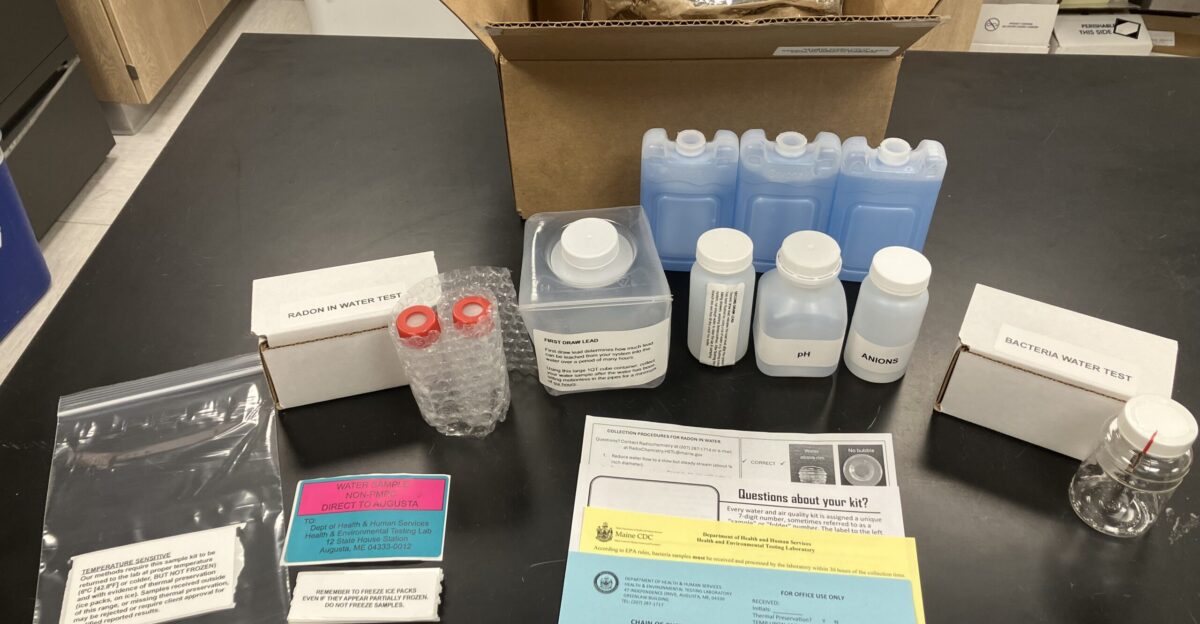
The November publication of peer-reviewed science confirming heavy metal fallout proves that early official statements downplaying the incident were incomplete. Residents’ reports of symptoms weren’t hysteria—they were credible. The EPA’s air testing, while accurate for gases, missed the silent rain of microscopic metal particles settling on soil and vegetation.
This gap between official monitoring and actual contamination has become central to ongoing lawsuits and regulatory reform.
Can California Expand Safely?
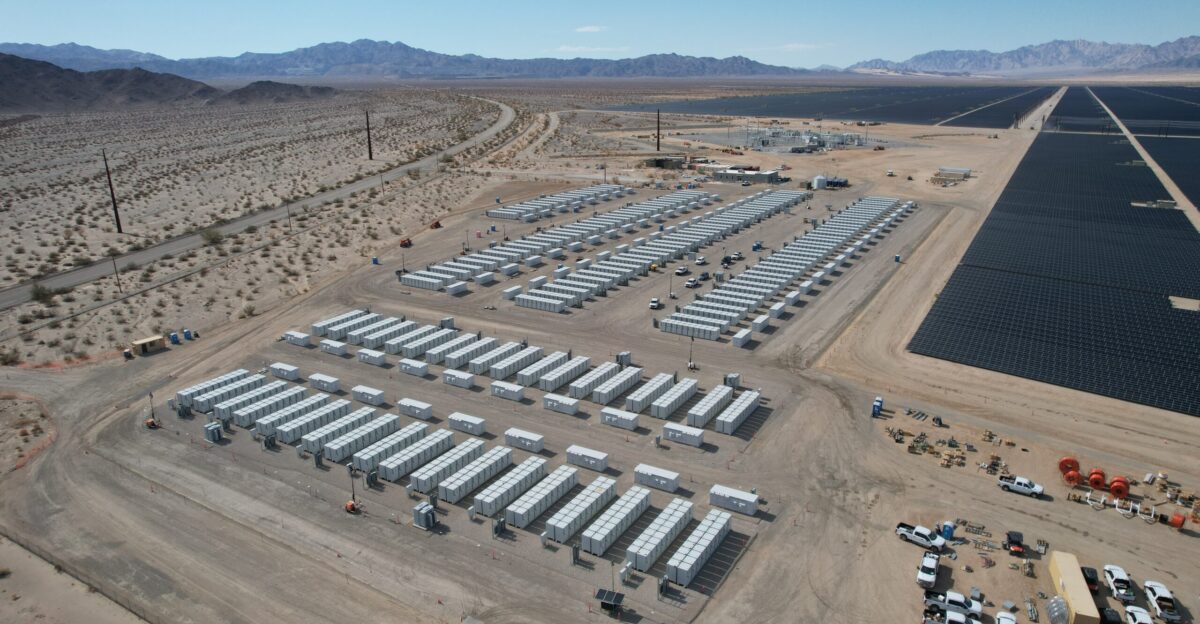
As the state builds toward 50,000 megawatts of battery storage by 2045, the Moss Landing fire remains a cautionary tale. California has adopted stricter fire codes, required more local fire department involvement, and shifted toward safer battery chemistries and designs.
However, enforcement, inspection, and community trust will ultimately determine whether these measures effectively prevent another incident.
Metals Still Moving Through the Ecosystem
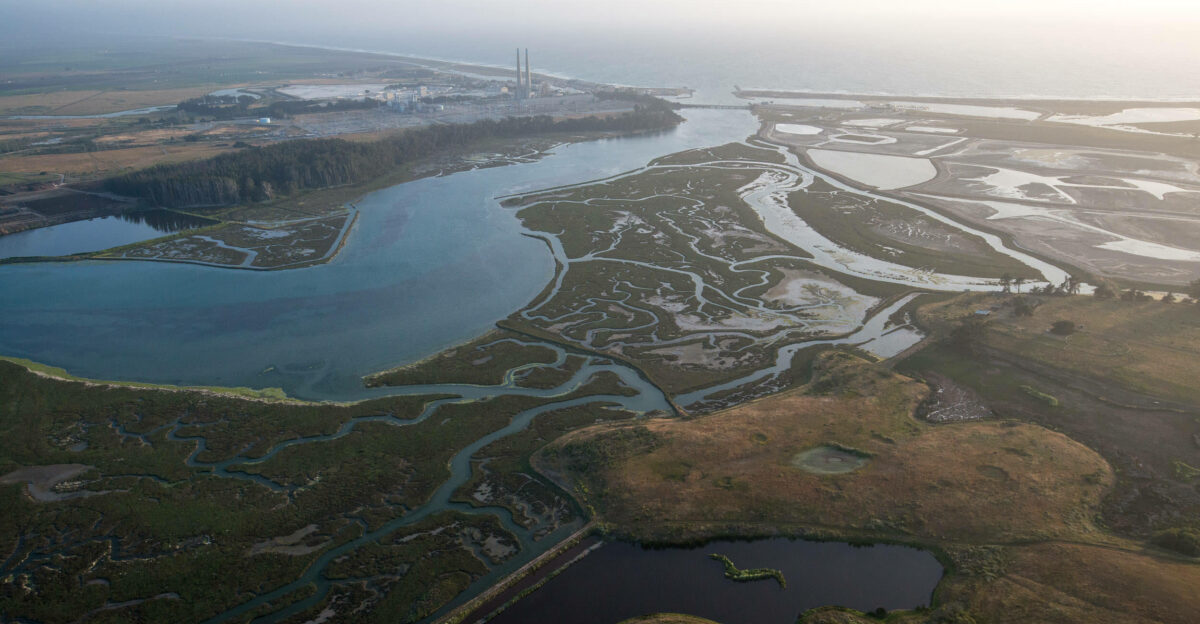
Scientists continue to monitor Elkhorn Slough and the broader region, tracking the movement of nickel, manganese, and cobalt through water, sediment, and organisms. Preliminary findings suggest battery metals have entered the food web. However, levels so far fall within historical ranges for many species—a complex result that raises more questions than it answers about cumulative effects over time.
The real test will unfold over the years as communities and scientists watch what the world’s largest battery fire has left behind.
Sources:
San José State University – Moss Landing Marine Laboratories, Scientific Reports heavy metal fallout study (2025)
U.S. Environmental Protection Agency – Moss Landing Lithium-Ion Battery Fire Response and Cleanup Orders
Monterey County – 2025 Moss Landing Vistra Power Plant Fire incident updates and evacuation information
California Public Utilities Commission – Moss Landing fire investigation and battery storage safety rulemaking
California Energy Commission – 2025 battery storage fleet growth and grid integration reports