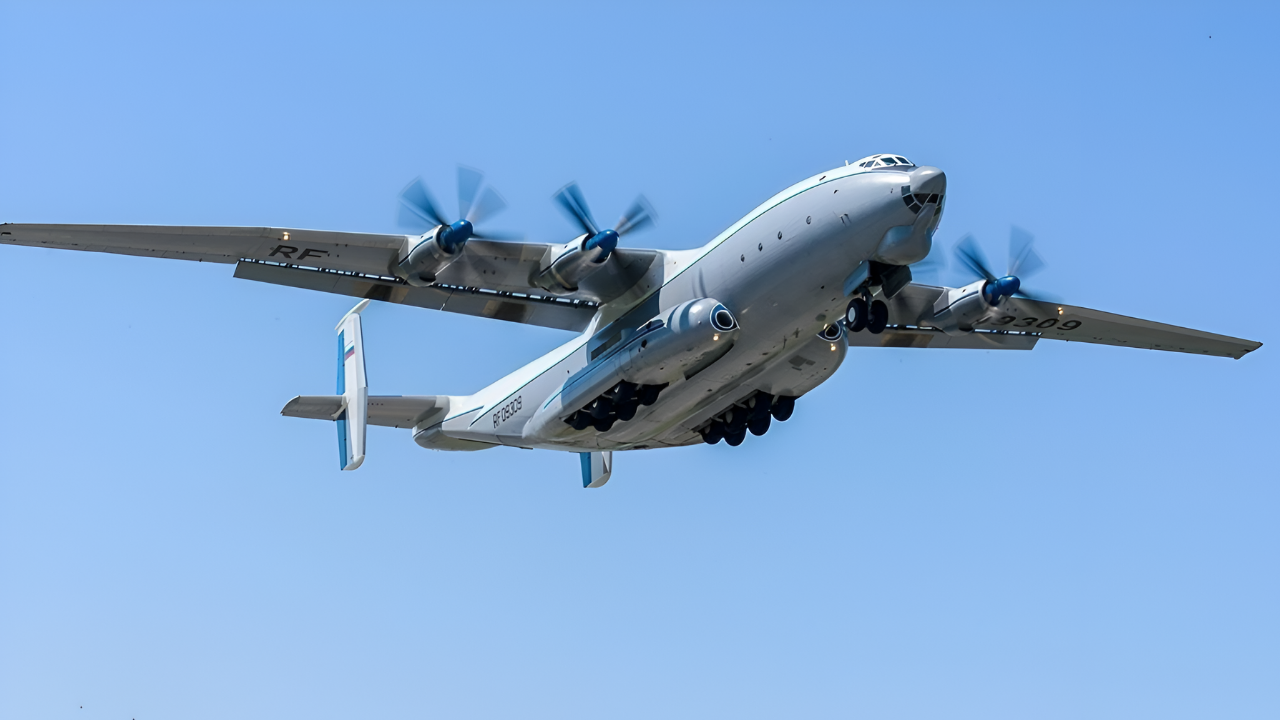
Debris scattered across the Uvodskoye Reservoir as Russia’s last operational Antonov An-22—the world’s largest turboprop aircraft—disintegrated mid-air on December 9, 2025, near Ivankovo in Ivanovo region, 125 miles northeast of Moscow. All seven crew members perished as salvage teams retrieved twisted metal fragments from frigid waters.
This wasn’t merely another aircraft loss; Russia had just eliminated its only heavy-lift transport capable of landing on unprepared airfields.
The An-22: Understanding a Soviet Engineering Marvel
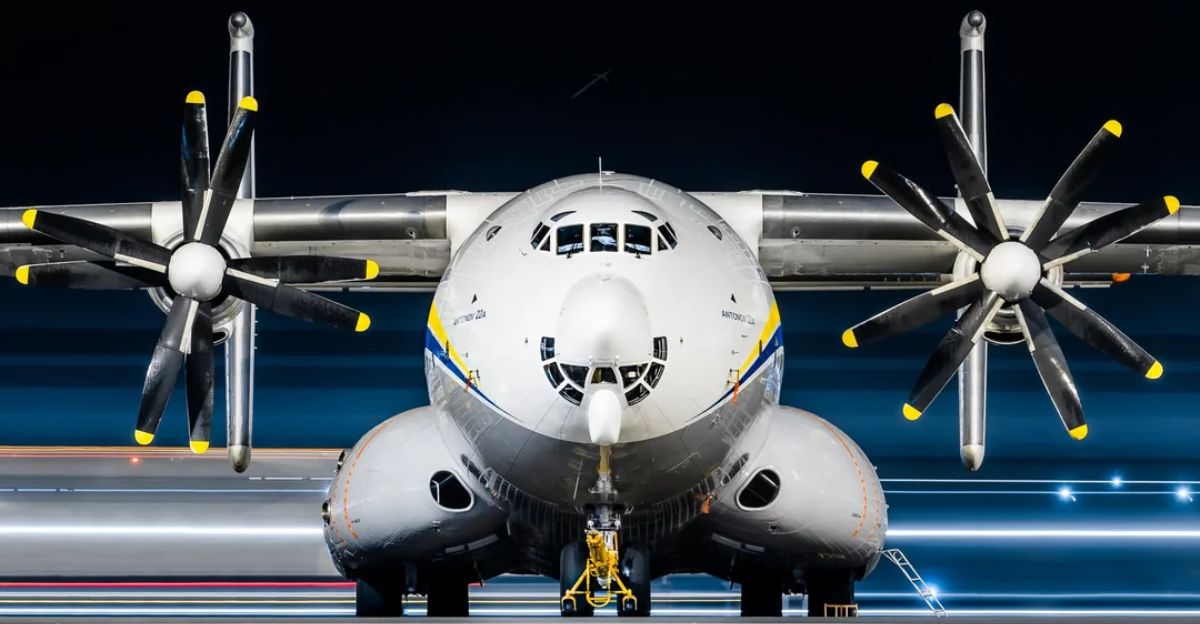
The Antonov An-22 “Antei” represents one of aviation’s most extraordinary achievements—the world’s heaviest turboprop aircraft ever constructed. Designed by Ukraine’s legendary Antonov company, this mechanical giant first flew on February 27, 1965, establishing forty-one world records for payload and altitude performance.
Powered by four Kuznetsov NK-12MA turboprops producing 14,805 horsepower each, the An-22 drove eight-blade contra-rotating propellers exceeding twenty feet in diameter.
Why Russia Couldn’t Replace This Aircraft
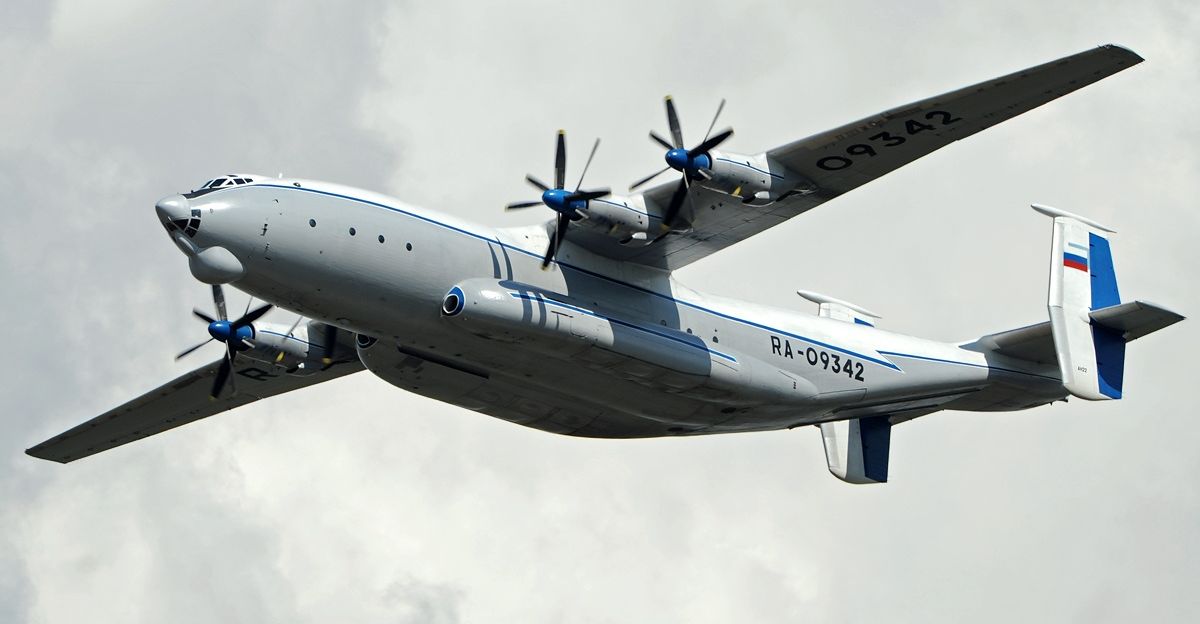
The An-22’s unique operational profile made it irreplaceable within Russia’s fleet. With maximum payload capacity exceeding 132,000 pounds, the aircraft transported outsized military cargo—complete missile systems, heavy vehicles, and equipment exceeding dimensions acceptable for competing aircraft.
The pressurized cargo hold measured 26.4 meters long by 4.4 meters wide, providing volumetric capacity surpassing the widely-used Il-76 while remaining cheaper per flight hour than the massive An-124 “Ruslan.”
The Unexpected Reversal: From Retirement to Flight
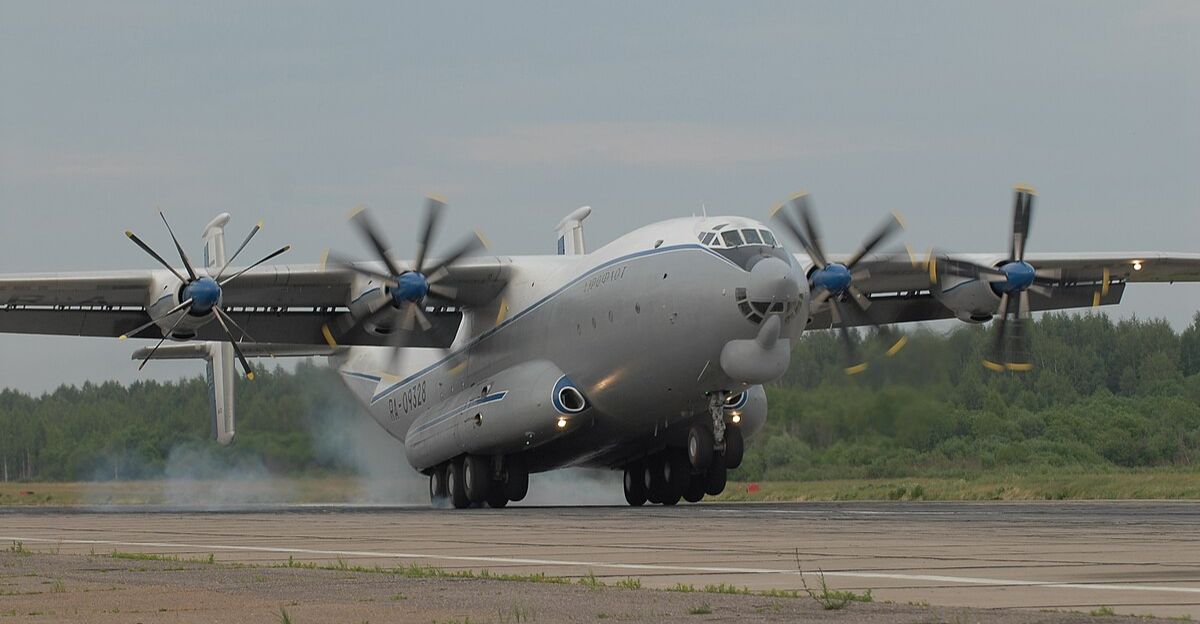
In June 2024, Lieutenant General Vladimir Venediktov announced Russia would retire its An-22 fleet immediately due to unsustainable maintenance costs and aging Soviet-era components. The decision seemed final—reports indicated that the last operational example, registration RF-09309, built in 1974, would depart for permanent museum display in Yekaterinburg by August 2024. But Russia’s acute logistics crisis during the Ukraine war forced a dramatic reversal.
Ministry of Defense sources later confirmed the aircraft had been retrieved and was undergoing repairs for operational service.
A Gamble Born of Desperation

Resurrecting a nearly fifty-year-old aircraft revealed the severity of Russia’s transport aviation crisis. Western sanctions imposed after Ukraine’s invasion severed access to critical spare parts, electronics, and propulsion system components. Russian manufacturers lack alternative sources for specialized components, resulting in makeshift solutions that compromise safety and reliability.
Every operational aircraft became irreplaceable, driving decision-makers to attempt to extend the An-22’s life despite inherent risks.
Technical Failure During Inspection Flight

The Ministry of Defense confirmed the An-22 had departed on a post-repair inspection flight—standard procedure verifying maintenance work before returning the aircraft to full operations. Russian media outlets, citing anonymous sources, reported technical malfunctions likely triggered the catastrophic structural failure.
Eyewitnesses described a dramatic mid-air disintegration, with debris raining across the Uvodskoye Reservoir. The Russian Investigative Committee launched a criminal inquiry into potential aviation safety violations.
A Troubling Historical Pattern
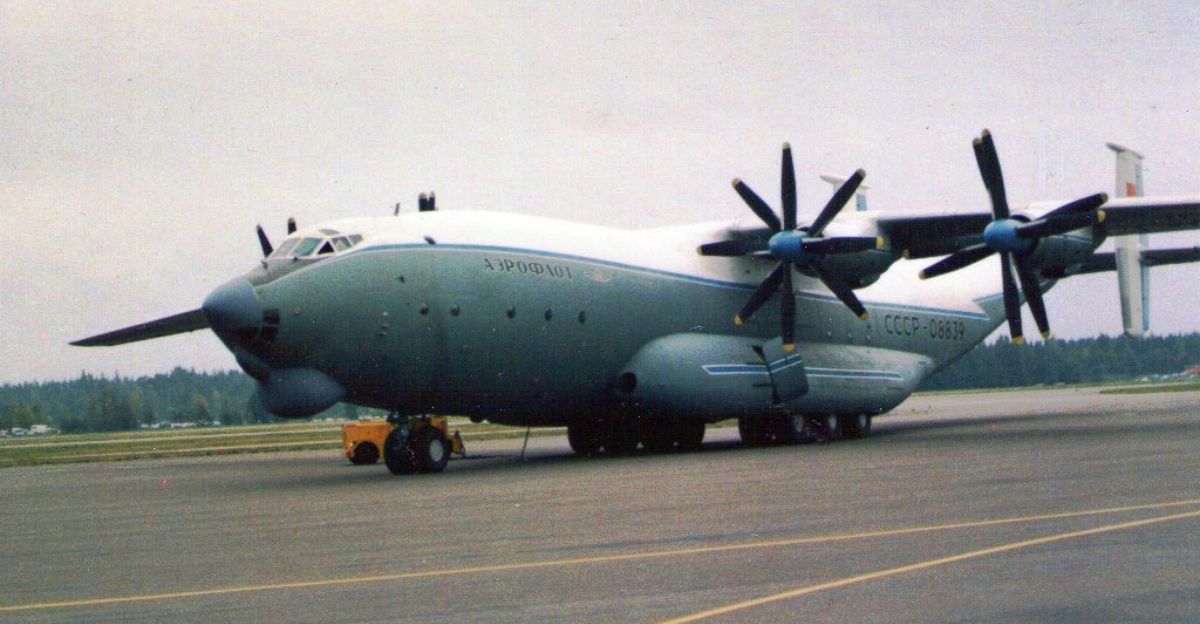
This crash marks Russia’s second fatal An-22 accident in just fifteen years, establishing a disturbing precedent. In December 2010, another An-22 crashed in the Tula region during a post-maintenance test flight when the aircraft exceeded maximum design speed limits. That accident killed all twelve crew members aboard.
Both accidents involved test flights following maintenance work—a circumstance suggesting systemic problems with maintaining aging Soviet-era aircraft.
Fleet Extinction: From Dominance to Scarcity
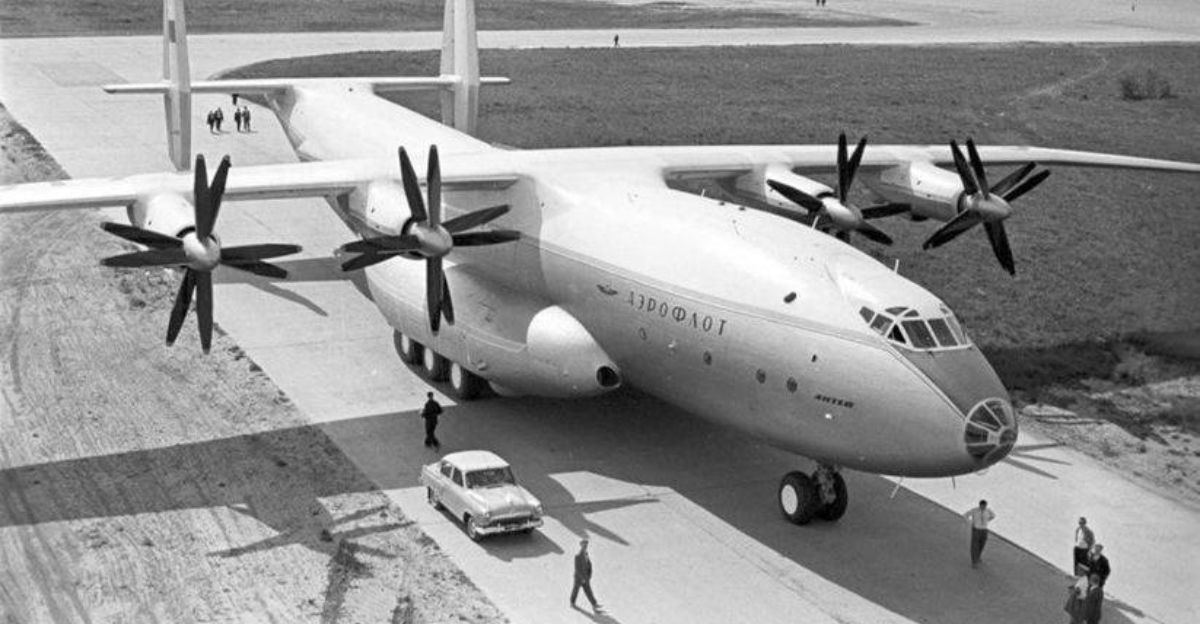
Of sixty-eight An-22s manufactured during the Soviet era, Russia’s operational inventory had dwindled to approximately three flight-capable aircraft by 2024. Another ten airframes remained in storage with questionable operational status and salvage potential.
Modernization plans for surviving aircraft had failed years earlier, leaving these mechanical relics in operation far beyond their designed service life. The Russian Air Force’s 196th Military Transport Aviation Regiment maintained only a handful of operational examples.
Russia’s Transport Aviation Faces Cascading Failures
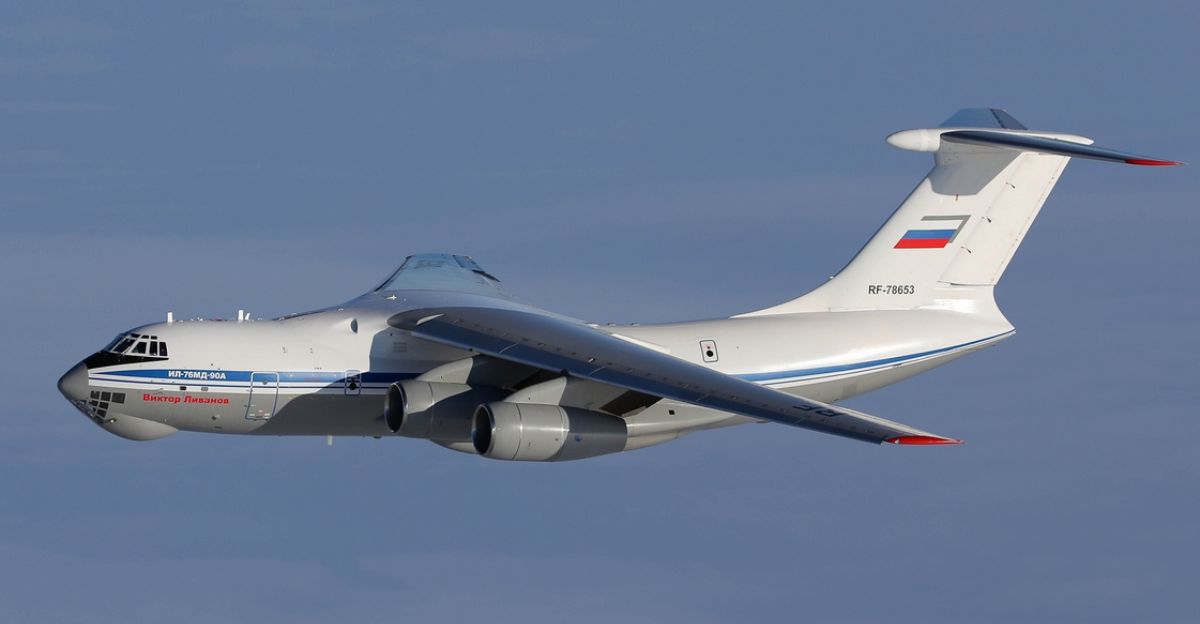
The An-22’s loss compounds Russia’s existing transportation crisis, which has dramatically intensified throughout the Ukraine conflict. Russia’s military transport fleet primarily relies on approximately 130 aging Ilyushin Il-76 aircraft, many of which are approaching or exceeding their designed service life limits.
The An-124 “Ruslan,” capable of moving loads weighing up to 300,000 pounds, operates in severely limited numbers due to engine production constraints from Ukraine’s Motor Sich manufacturer.
Sanctions Destroying Aviation Maintenance Infrastructure
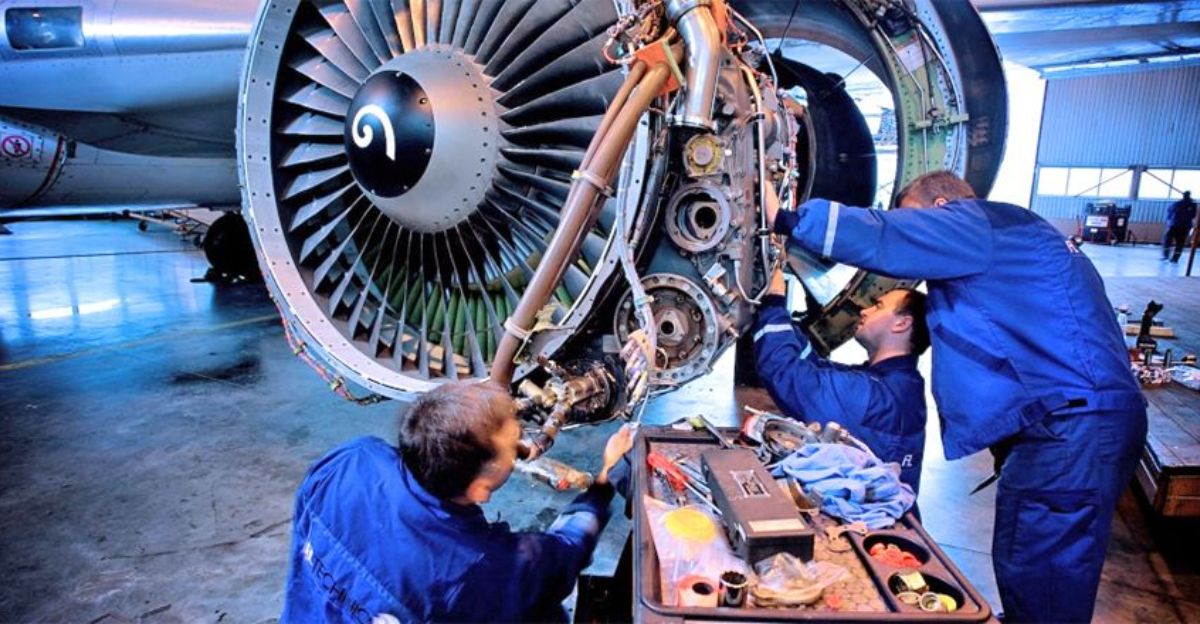
Western sanctions have systematically dismantled Russia’s aircraft maintenance ecosystem since the 2022 invasion. Access to critical Western-origin electronics, hydraulics, avionics, and propulsion system components has been severed completely. Russian manufacturers are unable to source replacement components from international suppliers, resulting in improvised solutions that compromise safety and reliability.
The An-22’s complex systems require specialized expertise and parts no longer available domestically or internationally.
Ukraine War Intensifies Transport Demands
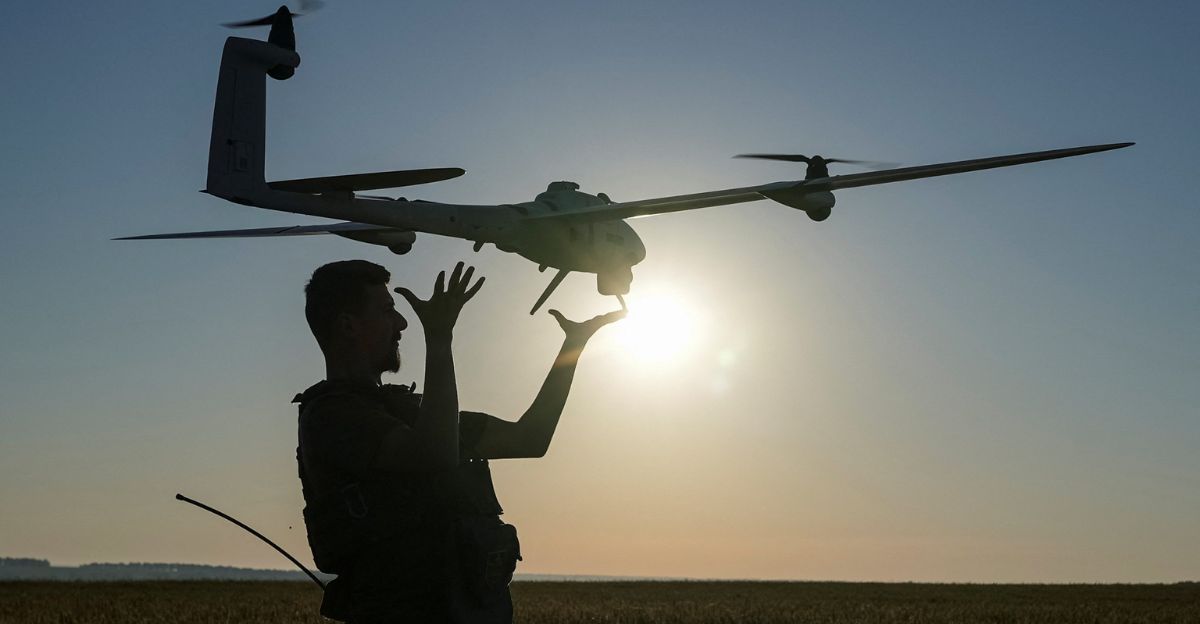
Ukraine’s strategic drone campaign continually disrupts Russian airfields and damages strategic bomber fleets, intensifying pressure on remaining transport assets. The ongoing conflict requires relentless heavy-lift air transport for resupply missions, reinforcement delivery, and casualty evacuation across multiple operational theaters.
The An-22’s unique ability to operate from unprepared, damaged, or alternative airfields made it invaluable for sustained logistics operations. Ukrainian forces conduct increasingly sophisticated attacks targeting transport aircraft, further degrading availability.
No Viable Modern Replacement Available
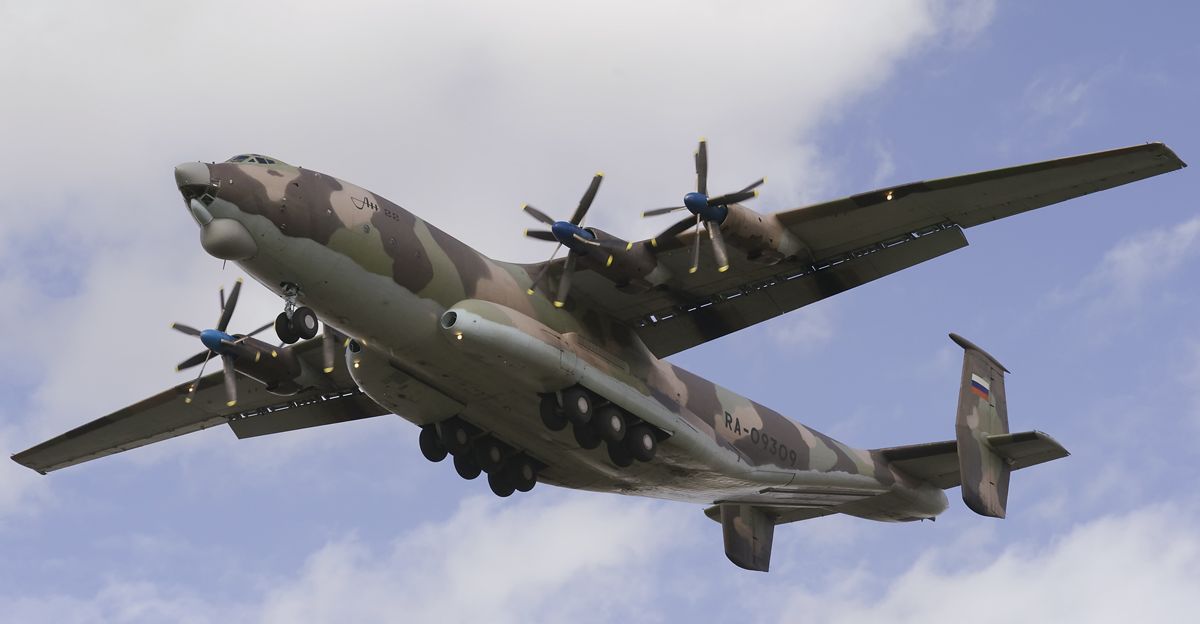
Russia currently possesses absolutely no modern successor to the An-22’s specialized heavy-lift turboprop capabilities. Previous indigenous development attempts—including the Il-276 and Il-100 projects—never progressed beyond initial design phases due to technological gaps and insufficient funding.
Contemporary international sanctions prohibit acquisition of foreign heavy-lift aircraft or components necessary for developing new designs. The Russian aerospace industry lacks technological capacity and manufacturing infrastructure for producing modern replacements within any reasonable timeframe.
Aviation Safety Crisis Reaching Critical Threshold
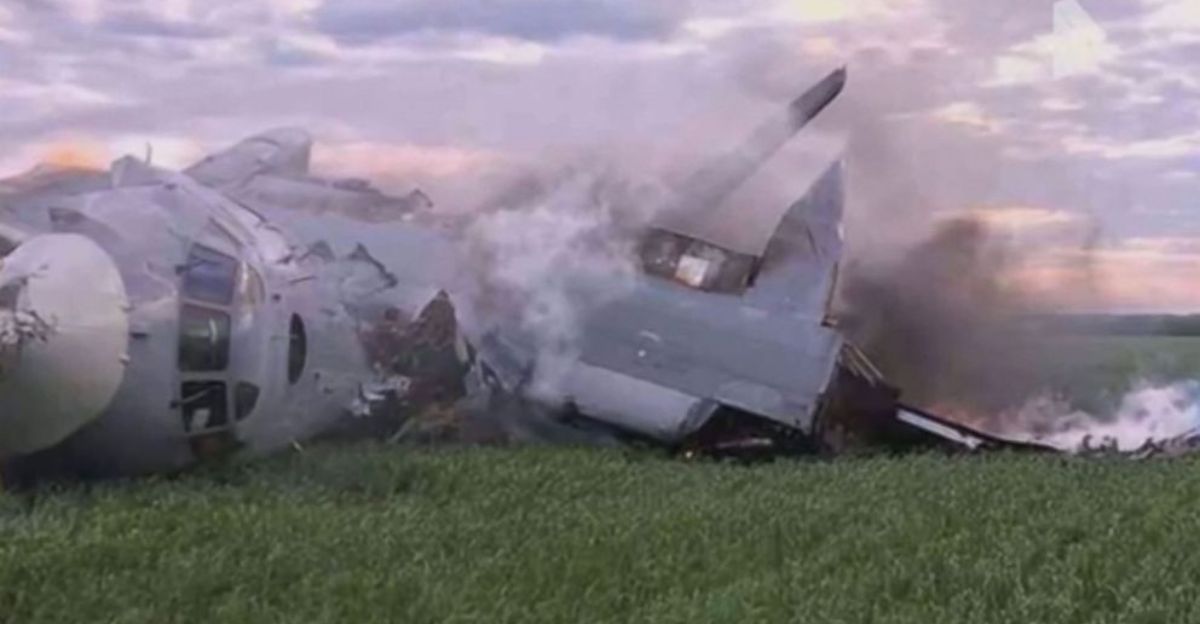
Russian civilian and military aviation incidents have quadrupled throughout 2025 compared to previous years, painting a dire picture of fleet-wide deterioration. More than 800 documented equipment malfunctions caused flight cancellations and emergency landings from January through November alone.
Multiple regional airliner crashes throughout 2025 resulted in significant casualties. These incidents reflect systemic fleet-wide challenges including aging airframes, critical parts scarcity, overwhelming maintenance backlogs, and operator desperation.
Strategic Implications Reshape Military Logistics
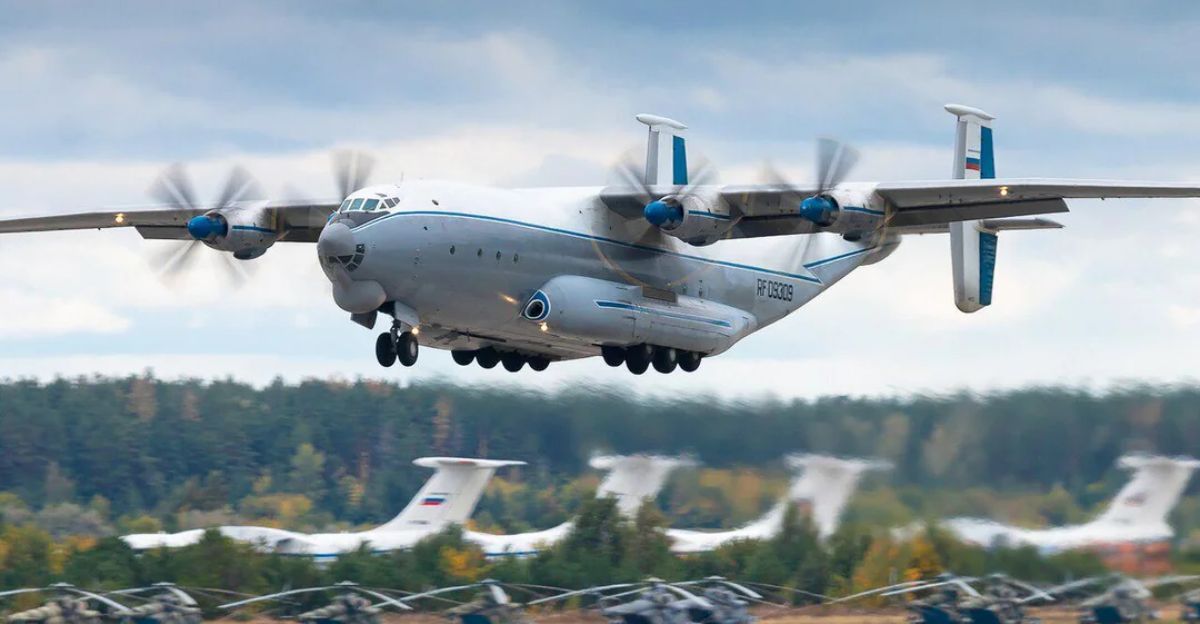
The An-22’s destruction eliminates a uniquely specialized military transport capability Russia cannot replace for years, fundamentally altering operational possibilities. Russia’s military transport aviation now operates with dramatically reduced flexibility and significantly narrower options for supporting geographically dispersed combat operations.
Strategic operations requiring heavy cargo delivery to austere environments with minimal infrastructure face previously unimaginable logistical constraints. The parallel destruction of Ukraine’s legendary An-225 “Mriya” heavy-lift aircraft in 2022, combined with today’s An-22 loss, symbolizes dramatic collapse in Eastern European heavy-lift transport dominance.
The End of a Six-Decade Aviation Era
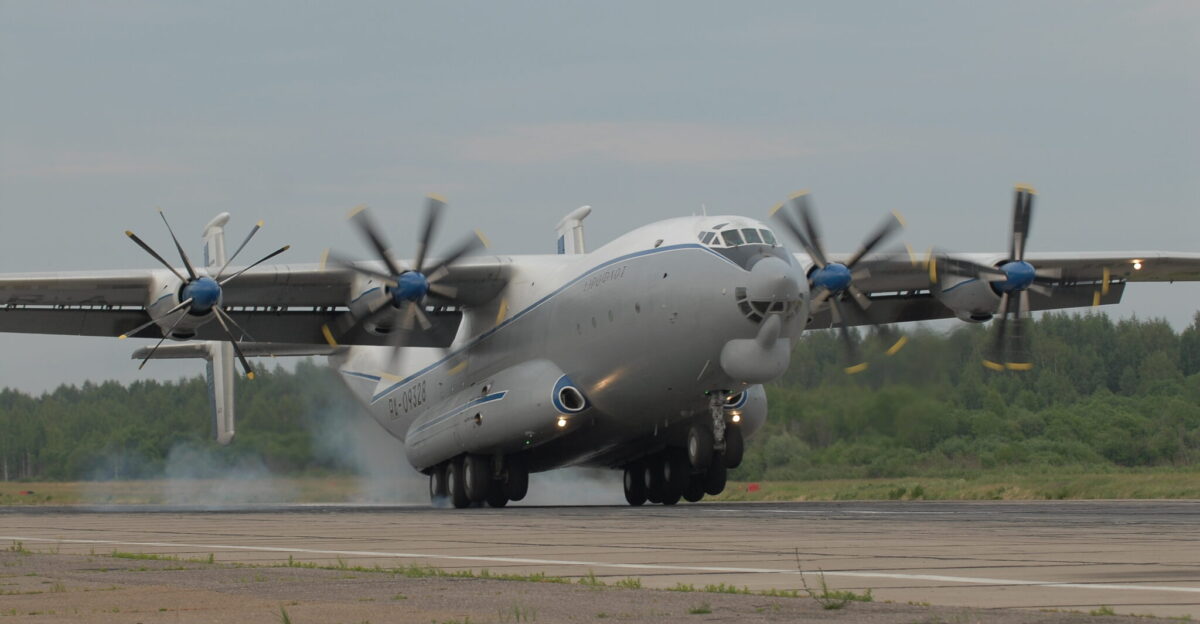
The Antonov An-22’s December 9, 2025, crash represents far more than the loss of a single aircraft—it marks the definitive end of an era spanning six decades of Soviet-era engineering dominance in heavy-lift aviation. That a 1974-built aircraft served as Russia’s last viable heavy-lift turboprop transport speaks volumes about the trajectory and modernization failures of Russia’s aviation industry.
With no replacement available, no viable modernization pathway, and operational demands mounting daily from the Ukraine conflict, Russia’s transport logistics infrastructure enters an uncertain future.
Sources:
“Russian An-22 Down in Central Russia — Seven Crew Feared Dead.” English Pravda, December 8, 2025.
“There’s Likely No Way Back For Russia’s An-22 Turboprop Heavy Transports After Fatal Crash.” The War Zone, December 8, 2025.
“Putin Reels as Russian Military Transport Plane Crashes.” The Express, December 9, 2025.
“Another Big Loss for Putin as Russian An-22 Military Plane Crashes.” MSN, December 9, 2025.
“Russia to Retire its Fleet of the World’s Largest Turboprop.” The Aviationist, June 5, 2024.
“Crew Killed in Crash of Russian An-22 Military Plane.” Reuters, December 9, 2025.
“Antonov An-22.” Antonov official aircraft history and specifications, 1965–1976.
“Aviation Safety Network Accident Database — An-22 Tula Region.” December 28, 2010.