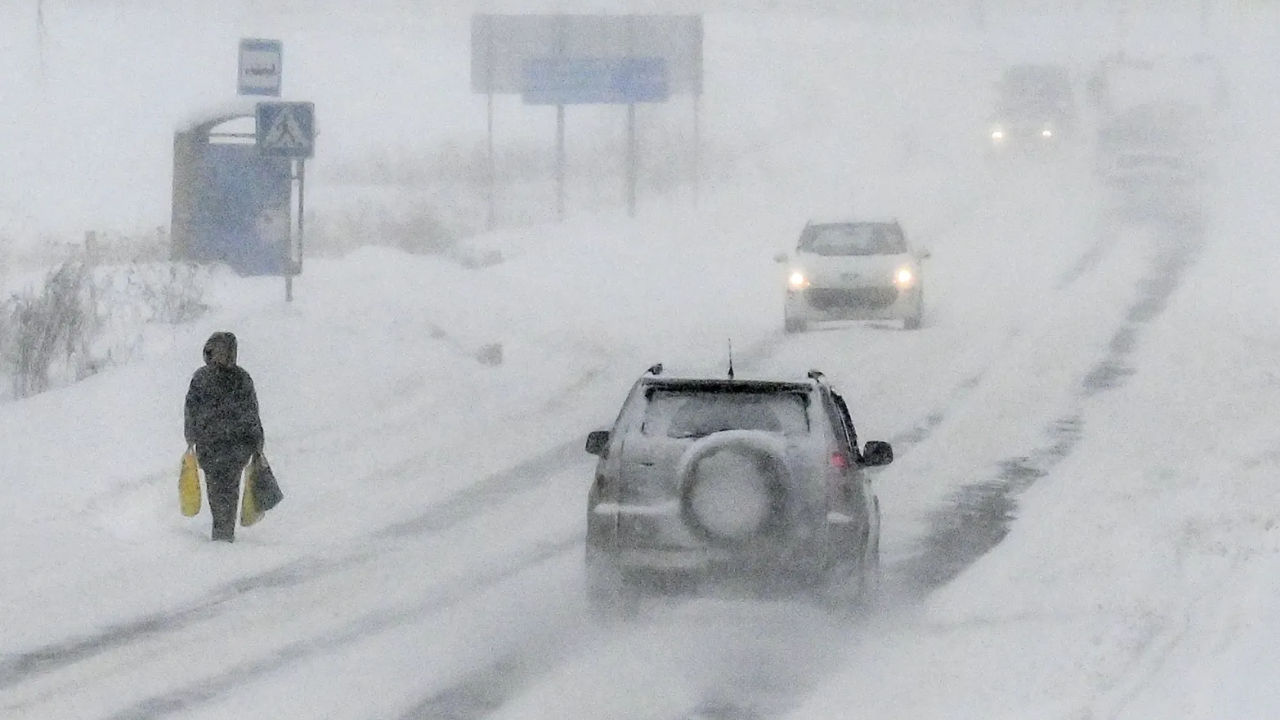
The early December storm sweeping across the United States began by dumping up to 17 inches of snow in Colorado’s Sangre de Cristo Mountains, quickly stranding travelers and turning normally clear roads into treacherous corridors of ice and blowing snow. By midweek, the National Weather Service was urging people to delay travel as snowplows struggled to keep up and visibility dropped to near zero in some mountain passes. What started as a powerful collision of Pacific moisture and cold inland air is now evolving into a broad weather system with impacts stretching from the central Rockies to New England.
Jet Stream Fuels a Widespread Winter System
Meteorologists say a strong early-winter jet stream is pulling moist air from the Pacific over a mass of colder continental air, a combination that favors heavy, prolonged snowfall. The storm is expected to linger for roughly 48 hours in many locations, with the heaviest accumulations in higher elevations of Colorado, Wyoming, and New Mexico, and later in parts of northern New England.
Snow totals in some mountain areas could reach 17 inches, accompanied by gusty winds and sharply reduced visibility. Forecasters warn that even short trips could become hazardous, particularly on routes that climb rapidly in elevation. The system’s broad circulation is also drawing in colder air behind the main front, extending icy conditions on roads and sidewalks long after the heaviest snow subsides.
Transportation Disruptions on Land and in the Air
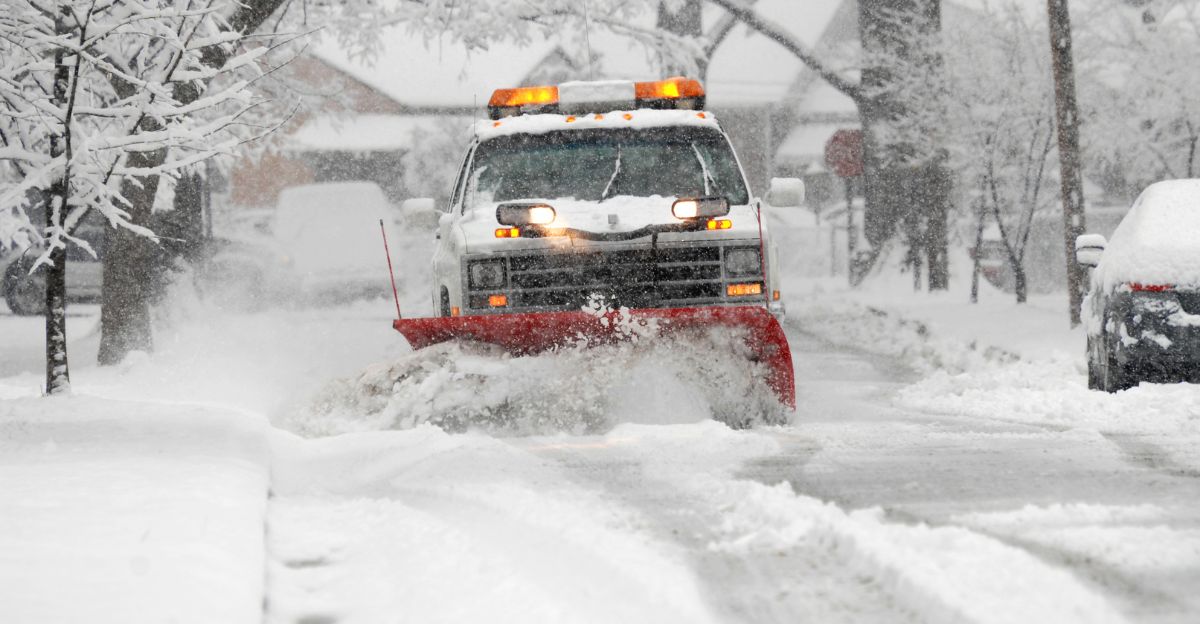
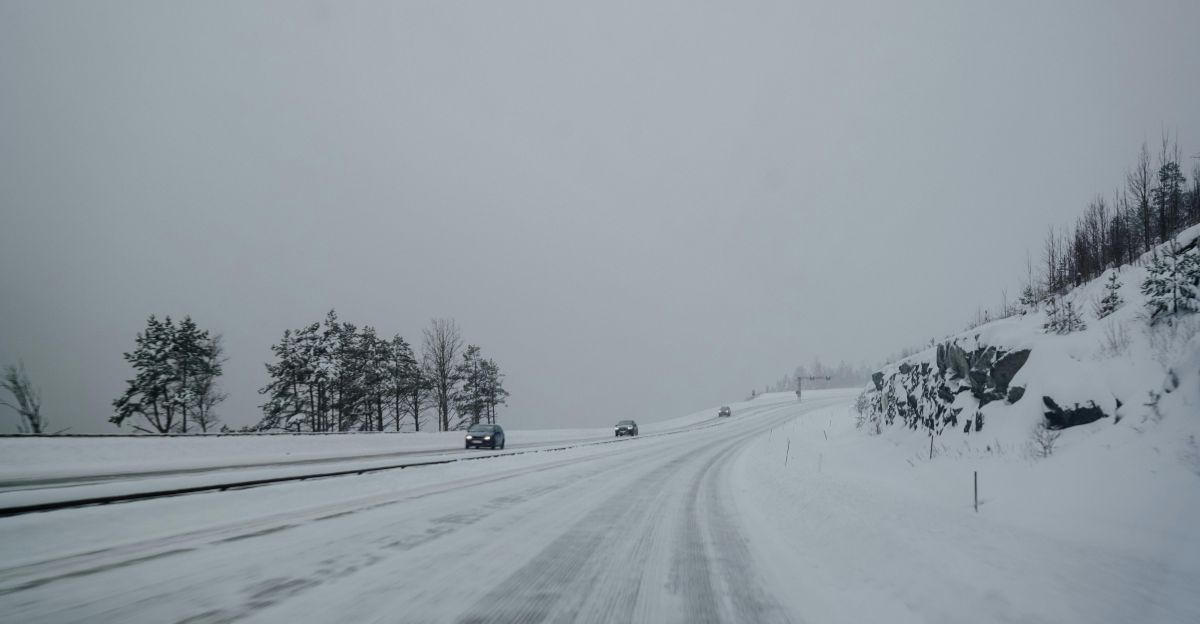
The National Weather Service is warning drivers to expect “very difficult to impossible” travel in the hardest-hit areas, particularly during peak weekend drive times. Mountain passes and backcountry roads are of greatest concern, where drifting snow and whiteouts can quickly trap vehicles and slow rescue efforts.
Air travel is also being squeezed. At major hubs like Denver International Airport, airlines are preparing for cascading delays and cancellations as visibility drops and crosswinds intensify. Runway operations become more complex when snow accumulates faster than crews can clear it, and aircraft de-icing can add significant time to each departure.
The transportation disruptions extend beyond passenger services. Truck routes through the Rockies and into northern New England are likely to experience slowdowns, affecting just-in-time deliveries and other time-sensitive freight. Denver’s role as a regional cargo hub means localized problems there can ripple outward, briefly complicating portions of the broader supply chain.
Communities Prepare, From Grocery Shelves to Emergency Rooms
As forecasts turned more urgent, residents in affected regions began stocking up on basic supplies. Grocery and hardware stores in Colorado, Maine, and other threatened areas have seen rising demand for food staples, heating fuel, road salt, and snow shovels. In many places, larger employers are moving quickly to remote work arrangements to keep commuters off dangerous roads.
Rural communities face particular vulnerabilities. Smaller stores may run low on essentials if resupply trucks are delayed, and any extended power outages would hit households with limited backup options. Public health agencies and hospitals are also on alert, anticipating more injuries from slips on ice, traffic collisions, and overexertion while shoveling heavy, wet snow. Older adults and people with heart or respiratory conditions are at particular risk during prolonged cold spells and demanding cleanup efforts.
On the ground, emergency responders and road crews are logging long shifts. In places like Montana’s Kings Hill Pass and other high-elevation routes, truckers are contending with accumulating snow and strong winds, while local fire, police, and medical teams prepare for an uptick in calls. State and local governments, including agencies in Colorado and Maine, have activated emergency protocols, prepositioning snowplows, tow trucks, and sanders along major corridors to respond quickly to breakdowns, jackknifed semis, and multi-vehicle crashes.
Storm Boosts Snowpack but Raises Avalanche and Energy Concerns
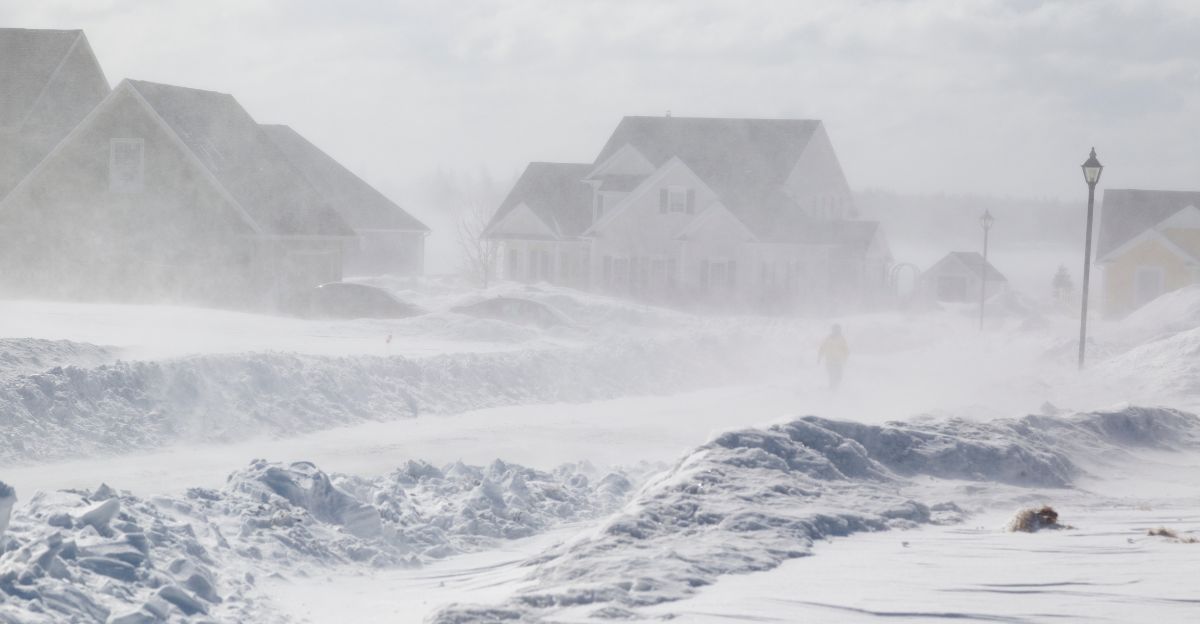
The storm’s heavy snowfall has a dual effect on the region. In the central and northern Rockies, the new snowpack is a welcome boost for water supplies, feeding reservoirs that depend on winter accumulation for spring and summer runoff. At the same time, the storm highlights how uneven early-season snow has been across the West, a pattern scientists continue to study as they assess how shifting climate conditions may reshape future winters.
Ski resorts in Colorado’s northern mountains stand to benefit from the added snow, which could significantly improve early-season conditions. However, rapid loading of slopes with dense new snow heightens the threat of avalanches and may force temporary closures of high-risk terrain. Access roads can also become bottlenecks, limiting the near-term advantage of the fresh powder for both ski areas and visitors.
In New England and the central Rockies, utility companies are preparing for a surge in energy demand as temperatures drop and homes rely more heavily on electric heating and other systems. Heavy, wet snow combined with strong winds can bring down tree limbs and power lines, triggering scattered outages. Energy providers are staging repair crews to respond quickly, but households are being urged to prepare for short-term interruptions and higher heating bills during the cold spell.
Looking Ahead: Economic Impacts and Winter’s Early Warning
Economists expect the storm’s financial effects to be felt in several ways, from overtime costs for snow removal and road maintenance to lost revenue from closed offices and canceled appointments, especially for small businesses in rural communities. At the same time, certain sectors—such as snow-removal services, some retailers, and parts of the winter recreation industry—may see a short-lived boost as residents and visitors adjust to the conditions.
For consumers, the practical guidance remains consistent: monitor local alerts, avoid nonessential travel, prepare for potential power outages, and carry emergency kits in vehicles if travel cannot be postponed. This early-season storm offers a preview of the logistical and safety challenges that may recur in the months ahead, testing infrastructure, emergency readiness, and the resilience of communities from the Rockies to New England as winter takes hold.
Sources
National Weather Service Winter Storm Warnings and Advisories; National Centers for Environmental Prediction meteorological analysis and forecasts
Colorado Division of Homeland Security and Emergency Management State Emergency Operations Center (SEOC) response protocols; Federal Aviation Administration daily air traffic reports and operational guidance
NOAA Climate Prediction Center seasonal winter outlook and snowfall forecasting; NRCS Snow Survey and Water Supply Forecasting Program snowpack analysis
NERC Winter Energy Reliability Assessment; Department of Transportation emergency operations methodology for extreme winter weather events