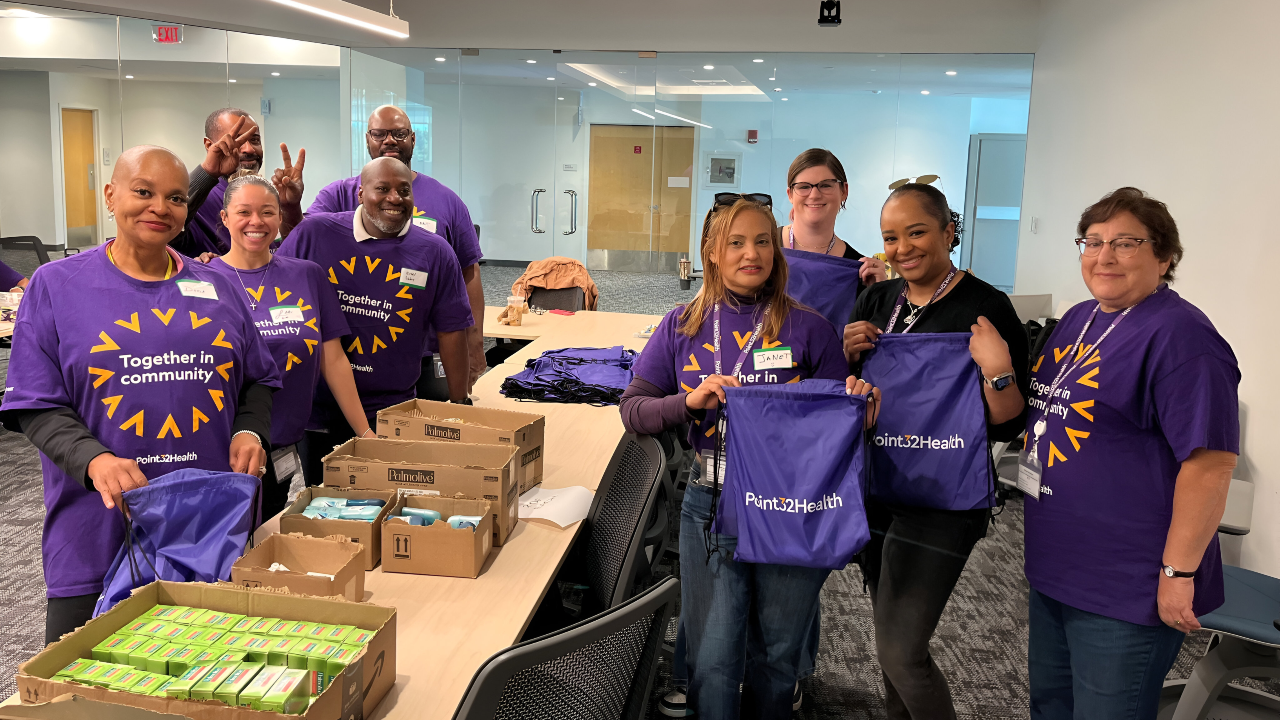
On October 21, 2025, Point32Health announced its second big round of job cuts in eight months. This time, 254 employees lost their positions, accounting for approximately 6.7% of the company’s total workforce.
The layoffs come on top of 110 jobs cut in March. Together, that means 364 employees gone in one year—a nearly 10% reduction for Massachusetts’ second-largest health insurer.
CEO Patrick Gilligan called the move “incredibly difficult,” acknowledging that the company had to eliminate “talented and dedicated colleagues,” but stated that financial realities left no other choice.
Financial Hemorrhage
Point32Health is facing a deep financial crisis.
For the first half of 2025, the company reported a loss of $96 million on nearly $5 billion in revenue, improving from its $155 million loss at the same time last year, but still a significant issue.
The root cause: medical costs and pharmacy bills have soared, outpacing the company’s revenue from premiums.
Even though Point32Health tried to help those laid off with severance packages and job assistance, the real story is a company scrambling to stop the financial bleeding before things get worse.
The GLP-1 Bombshell
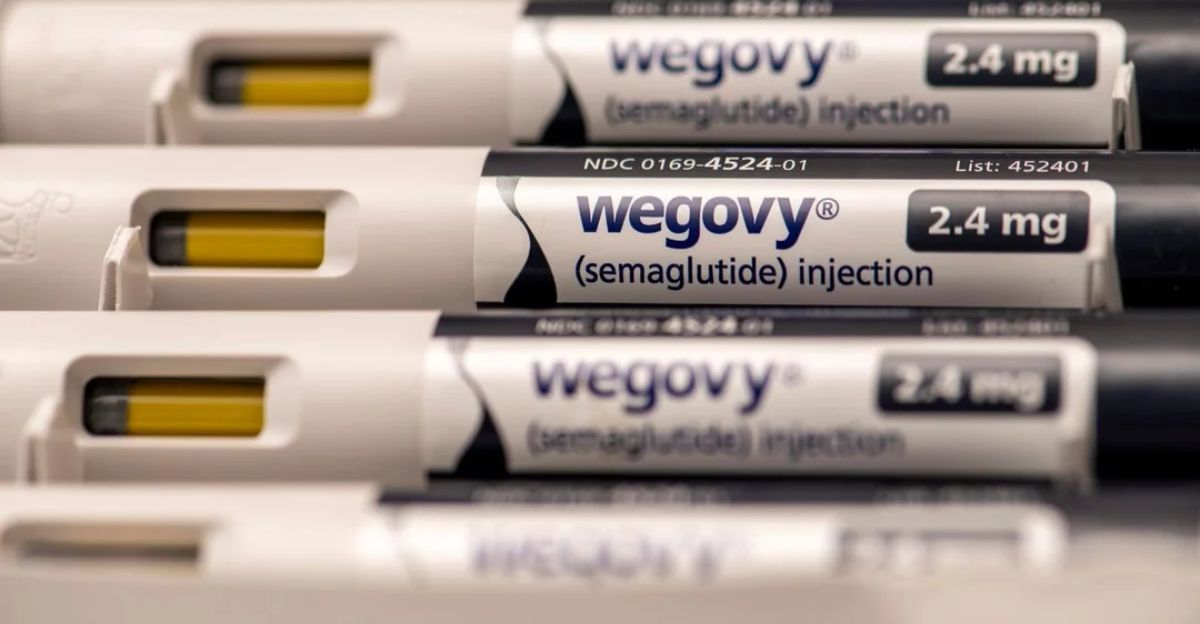
A significant part of Point32Health’s problem is the sudden surge in popularity of new, expensive weight-loss medications known as GLP-1 drugs—such as Ozempic, Wegovy, Zepbound, and Mounjaro.
In 2024 alone, Point32Health spent $70 million on GLP-1s prescribed for weight loss, and expects those costs to double in 2025. Each prescription typically costs over $1,300 per patient per month.
These drugs are now the company’s fastest-growing expense, and their explosive popularity caught the insurer by surprise—Point32Health didn’t budget for this surge when it set its 2025 plans—the result: a financial disaster arriving much faster than anyone predicted.
Industry Blindsided
Point32Health is not the only insurer caught off guard. Interim CFO Glenn MacFarlane admitted that “every major health company” misread how fast people would start taking GLP-1s.
Insurers usually raise premiums to keep pace with rising drug costs, but this time, companies set their rates too low to keep up with skyrocketing demand for weight-loss drugs.
Blue Cross Blue Shield of Massachusetts faced a similar problem, with GLP-1 drugs accounting for 20% of its pharmacy spending—over $300 million in 2024 alone.
For all these businesses, what happened was a major forecasting failure—not a sudden or unlucky accident, but a fundamental miscalculation.
Members Face Premium Spike

The fallout lands squarely on insurance customers.
To dig out of the hole, Point32Health is raising prices for 2026: Harvard Pilgrim Health Care plans will increase by 9.6%, and Tufts Health Public Plans will rise by 11.5%. Some merged market members may see their rates increase by over 13%.
These hikes are significantly larger than inflation or wage growth, putting real pressure on families, workers, and employers already struggling with Massachusetts’ high cost of living.
Coverage Restrictions
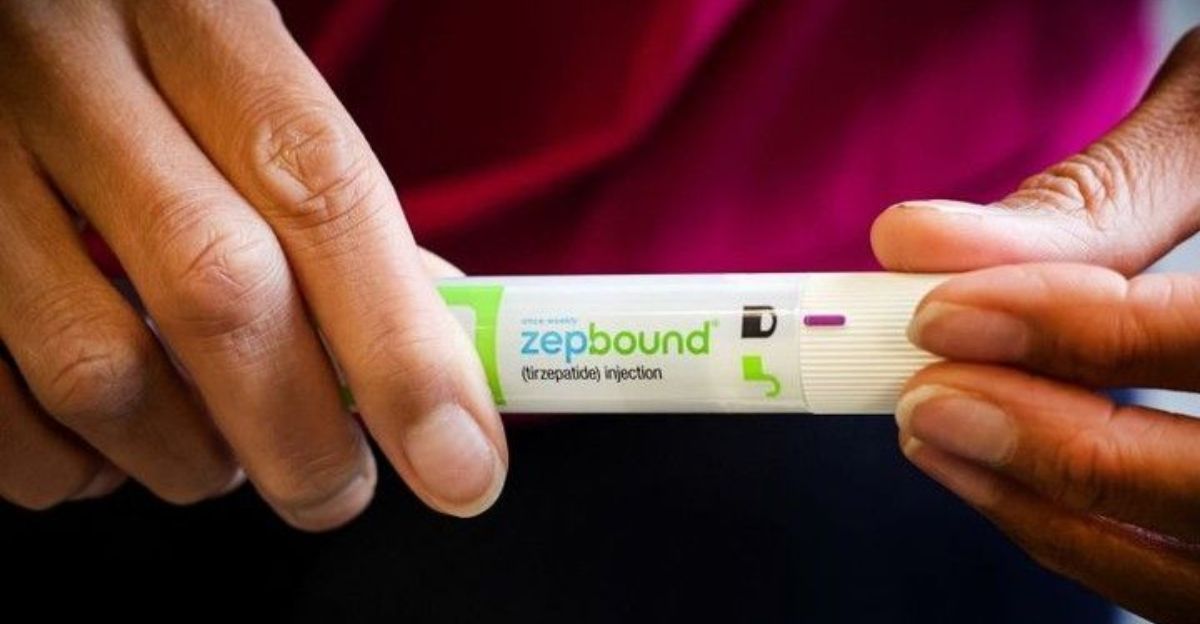
Premium increases aren’t the only thing members face. Starting January 1, 2026, Point32Health is slashing coverage for GLP-1 weight-loss drugs.
Big companies can choose to pay extra so that their employees still receive coverage, but most small employers and individuals buying insurance on their own will lose access entirely.
As of July 2025, Point32 designated Zepbound as its sole covered GLP-1 for the treatment of obesity, discontinuing coverage of other drugs.
For those losing coverage, paying out-of-pocket could mean spending more than $1,300 a month, making the medication unaffordable for most people who need it.
Service Capacity Concerns

Eliminating nearly 10% of staff raises questions about Point32Health’s ability to serve its 2 million members.
Because the company didn’t target specific departments in the layoffs, customers may soon face longer call wait times, slower claim processing, and less personalized help with complex coverage or appeals.
These cuts come as other primary healthcare providers in Massachusetts, such as Mass General Brigham, are also laying off workers, creating a ripple effect that could erode service quality across the state.
Blue Cross Follows
Point32Health isn’t the only Massachusetts insurer in crisis. Blue Cross Blue Shield of Massachusetts, the largest in the state, offered buyouts to around 750 employees (about 18% of its staff) in October.
CEO Sarah Iselin has admitted that more layoffs could happen. Blue Cross also dropped GLP-1 coverage for weight loss and reported a $400 million operating loss in 2024—again, primarily due to soaring prescription drug costs.
The issues at both companies demonstrate that this is no one-off event, but a deep, systemic industry problem.
Statewide Crisis
More than 70% of Massachusetts residents now rely on insurers under financial pressure as both Point32Health and Blue Cross Blue Shield struggle financially.
These two companies have cut hundreds of jobs, and other health organizations across the state have eliminated even more.
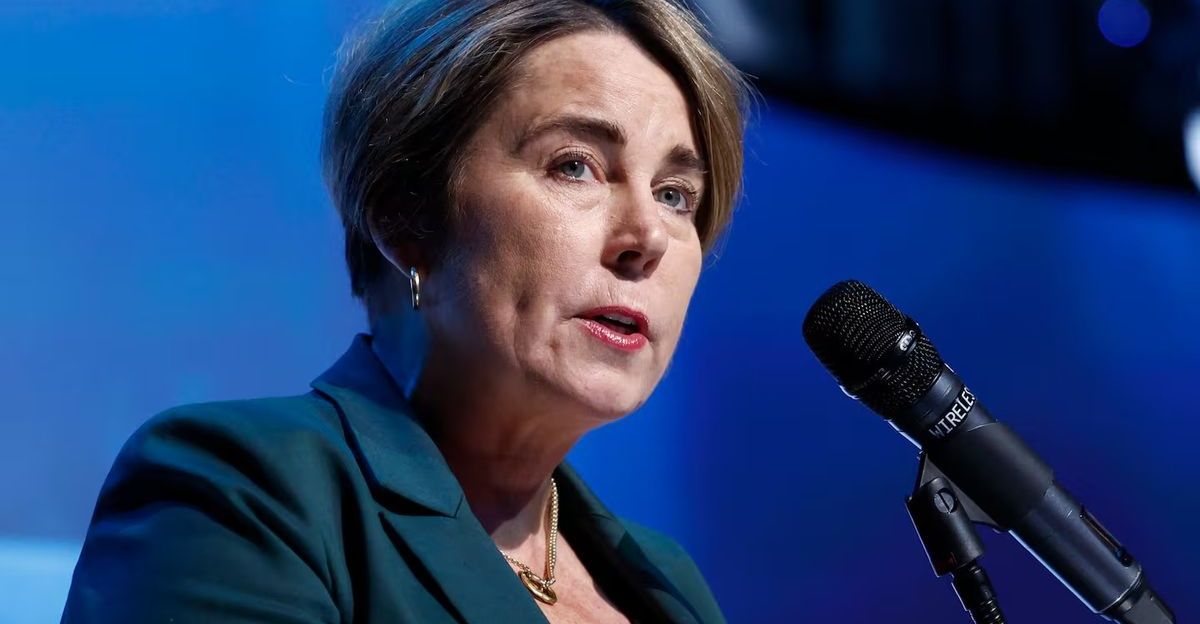
Governor Maura Healey has said that the prices insurers are charging “are simply unsustainable” and called on regulators to get tough on price hikes.
The big fear is that if this trend continues, both insurance costs and access to healthcare could spiral out of reach for ordinary people.
The Drug Cost Paradox

The cruel twist: GLP-1s are genuine medical breakthroughs that help treat obesity, diabetes, heart disease, and more. Trials have shown that these drugs save lives and improve health.
But at $15,000+ per patient, per year, the costs quickly outpace what insurance premiums can cover.
This situation forces insurers to choose between paying for life-changing treatments and risking bankruptcy or restricting access and denying patients the care they need.
As things stand, great science can still break the system if we don’t find a way to fund it.
Leadership Transition
All of this occurred while Point32Health’s leadership was changing. The previous CEO, Cain Hayes, left in September 2024, amid the company’s financial turmoil.
Patrick Gilligan, a longtime executive in the Massachusetts insurance industry, took over in June 2025. These layoffs were Gilligan’s first significant move as CEO—a tough but necessary belt-tightening while facing millions in losses.
An interim CFO, Glenn MacFarlane, is guiding financial decisions as the company seeks permanent leadership.
Merger’s Troubled Legacy
Harvard Pilgrim Health Care and Tufts Health Plan, two respected nonprofit insurers, merged in 2021 to form Point32Health.
The goal was to consolidate resources and become a stronger and more stable player in New England’s healthcare landscape. A damaging 2023 cyberattack, mounting financial losses, and subsequent workforce reductions have hindered this goal.
Instead of finding stability, the merger has so far delivered a string of crises.
2023’s Warning Signs

This year’s crisis didn’t come out of nowhere. For 2023, Point32Health reported a $176 million net loss—including a $264 million operating loss, only partly offset by investment gains.
In the prior year, 2022, the company was in the black (barely, with $13 million net income). Membership also dropped from 2.2 million to 2 million.
The company blamed a costly cyberattack and rapidly rising care costs, but optimism about its financial health last year proved misplaced as losses deepened in 2025.
Regulatory Scrutiny

Regulators in Massachusetts are now pushing back on premium hikes. Some insurance companies (though not yet Point32Health) had their proposed rate increases rejected in July 2025; the Division of Insurance compelled companies to revisit and justify their projections.
Yet even after scrutiny, many increases of 11-13% were allowed, about twice as high as what was typical just a couple of years ago.
Regulators are now walking a tightrope—balancing plans that are affordable and companies that are solvent at the same time.
Uncertain Future
Point32Health says it’s focusing on “operational excellence”—corporate-speak for further tightening belts, trimming jobs, and seeking new efficiencies.
Even with these changes, the company lost $96 million in just six months. For members, this means higher costs, less coverage, and possibly longer wait times. Employees who remain are stretched thinner.
If losses continue to rise, further cuts could be on the table in 2026.
The Shortage Resolution
Adding another twist: In February 2025, the FDA declared the end of GLP-1 drug shortages.
Makers like Novo Nordisk ramped up production, and supply finally caught up to demand, making these high-cost drugs more widely available—but also eliminating cheaper compounded versions made by local pharmacies.
Now, insurers must pay the full list price, further increasing costs.
The supply solution only deepened the financial crisis—now everyone who wants a GLP-1 can get one at full price, and insurers foot the bill.
National Insurance Layoffs

Point32Health’s cuts are part of a much larger story: U.S. health insurance firms are laying off tens of thousands of workers. UnitedHealthcare, the nation’s biggest insurer, offered buyouts to 30,000 staff this year.
Blue Cross/Blue Shield affiliates, from California to Michigan and North Carolina, are also making significant cuts. The causes are varied, but the result is the same: a rapidly downsizing health insurance sector.
Public Backlash

Massachusetts residents and local media responded to the news with shock and anger. Laid-off workers and frustrated customers are flooding social media with stories and complaints about skyrocketing premiums.
Healthcare workers describe morale “at an all-time low,” and coverage questions are piling up after support staff left. Some accused company leaders of mismanagement or questioned executive pay.
Others confused the cause, blaming the drugs themselves; health officials stressed the real culprit is not GLP-1 safety but bad financial planning in the insurance sector.
Systemic Cost Failure

Health insurance crises aren’t new in Massachusetts. In 2000, aggressive expansion and poor risk management nearly drove Harvard Pilgrim to bankruptcy, forcing the state to intervene.
Today, it’s mostly runaway drug costs and systemic pressure—not just mismanagement or over-competition.
Industry mergers aimed to address problems, but Point32Health’s ongoing instability shows that merging alone cannot fix the fundamental issues of pricing and cost control.
Healthcare Crisis Deepens

Point32Health’s recent layoffs highlight a fundamental problem: the American health insurance system can’t survive when breakthrough drugs cost more each year than regular premiums can cover.
Nearly 2 million people in Massachusetts are now seeing premiums rise, drug coverage disappear, and services stretched thin at their insurer.
The solution isn’t just cutting more jobs or trimming administrative fat; it will take a complete rethink, not just in Massachusetts, but nationwide.