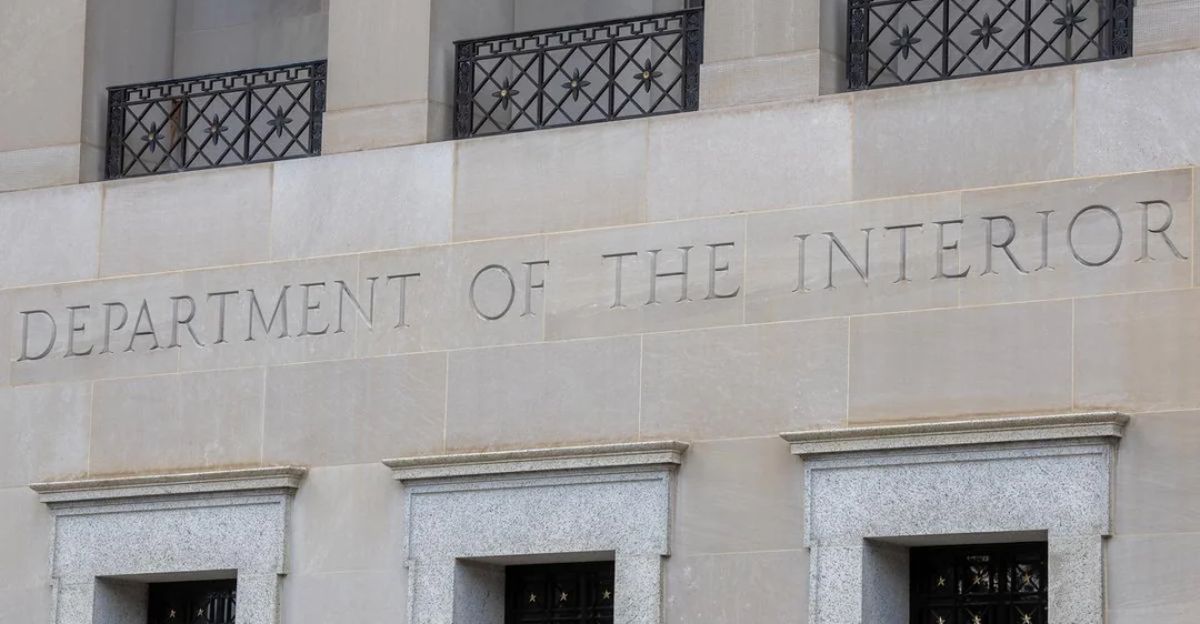
The U.S. Department of the Interior’s abrupt decision to eliminate over 2,000 federal jobs has sent shockwaves through government agencies and communities nationwide. Announced in a court filing on October 20, 2025, the move comes amid a protracted government shutdown, leaving employees, unions, and lawmakers grappling with uncertainty. As the nation’s public lands and resources face new challenges, the implications of these cuts are being felt far beyond the walls of federal offices.
Financial Pressures and Policy Shifts
The roots of the layoffs trace back to mounting financial strain and a broader push by the Trump administration to reduce the federal workforce. Even before the current shutdown, plans were underway to streamline operations and address budget deficits across the Department of the Interior (DOI). The shutdown, now stretching into its third month, has only intensified these pressures, forcing the DOI to take drastic action. Nearly 3% of the department’s 70,000 employees are at risk, while an estimated 750,000 federal workers across the country have already been furloughed.
Labor unions have responded forcefully, questioning the legality of the layoffs and warning of severe consequences for workers and the communities they serve. The suddenness of the announcement has left many scrambling for answers, with the future of essential public services hanging in the balance.
Agencies and Communities Brace for Change
The impact of the job cuts is being felt most acutely in key agencies such as the Bureau of Land Management (BLM), National Park Service (NPS), and U.S. Geological Survey (USGS). According to court documents, the BLM faces 474 job eliminations, the NPS 272, and the USGS 335. The Office of the Secretary is set to lose 770 positions, primarily in communications and IT. Leaders within these organizations are now racing to reorganize, striving to maintain core services with fewer resources.
For many federal employees, the layoffs bring not just professional uncertainty but personal hardship. Families are bracing for sudden income loss, and communities—especially those in rural areas where federal jobs are a major economic driver—are preparing for the ripple effects. Local economies that depend on federal salaries and services may face significant challenges, while businesses near national parks and federal lands are already exploring contingency plans in anticipation of reduced visitor services.
Economic and Industry Fallout
The economic ramifications of the layoffs extend well beyond the DOI workforce. The loss of staff in IT and communications threatens to disrupt technological upgrades, software management, and infrastructure projects. Delays or cancellations of service contracts with private companies could further destabilize local economies. The DOI’s role in supporting sectors such as energy, research, and environmental management means that reductions in staffing could hinder industry growth, affecting everything from oil and gas to insurance and transportation.
The USGS, in particular, plays a vital role in scientific research that underpins American energy, insurance, and transportation sectors. Layoffs at research facilities like the Great Lakes Science Center and Columbia Environmental Research Center may disrupt international collaborations and slow progress on global climate studies, resource management, and conservation efforts.
Legal Battles and Public Debate

The DOI’s decision has sparked a wave of legal challenges. Labor unions and former agency leaders argue that the layoffs violate federal labor laws, and a federal judge has temporarily blocked the cuts, citing significant legal concerns. Plaintiffs contend that the reductions disregard protections guaranteed to federal workers and threaten the delivery of public services such as land management, environmental protection, and scientific research.
Environmental advocates warn that the loss of conservation and research roles could have long-term consequences for ecosystems and public health. With fewer federal staff available to monitor and respond to wildfires, water shortages, and pollution, communities may face heightened risks. The debate has also reignited broader questions about the government’s role in managing public lands and natural resources, with some policymakers calling for leaner agencies and others emphasizing the need for robust public stewardship.
Looking Ahead: Uncertainty and High Stakes
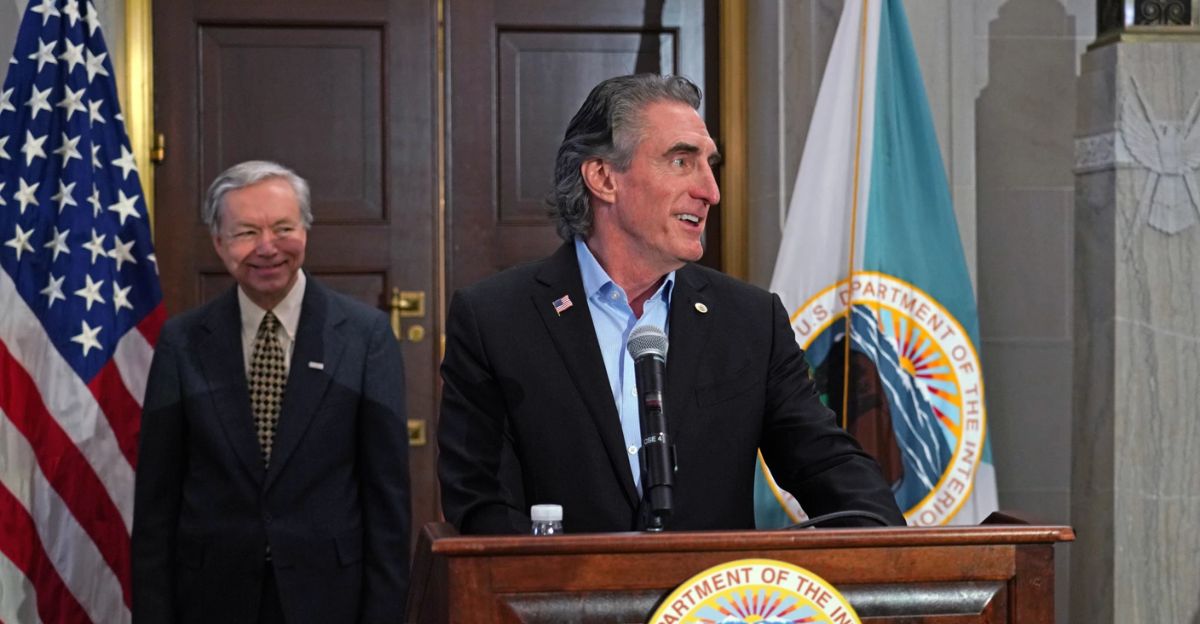
As the legal and political battles continue, the future of the DOI’s workforce—and the services it provides—remains uncertain. The court’s temporary block on the layoffs offers a brief reprieve, but DOI leaders are still reviewing operations, and unions are pressing for long-term solutions. The outcome will shape not only the livelihoods of thousands of federal workers but also the management of America’s public lands, scientific research, and the health of communities nationwide. As the nation watches, the stakes for public service, conservation, and economic stability have rarely been higher.