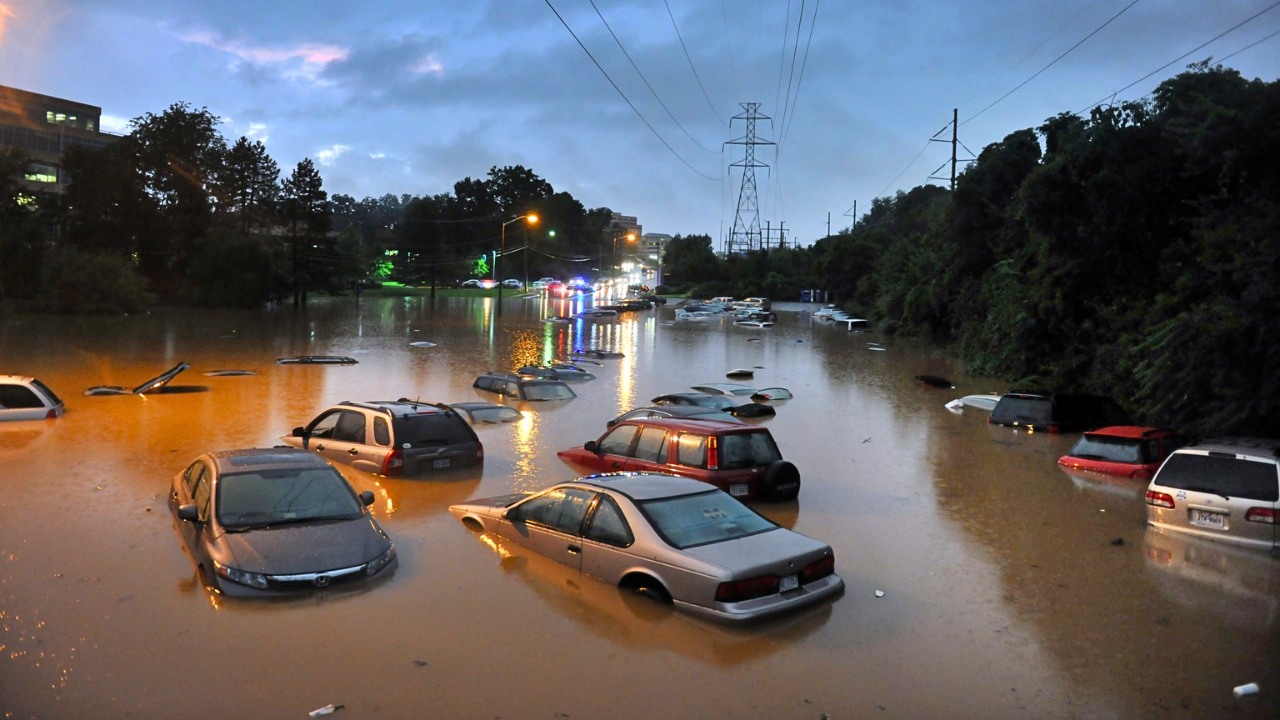
Meteorologists had long warned of an atmospheric river targeting the Pacific Northwest. By December 8, 2025, forecasts turned dire as Western Washington experienced record rainfall, with up to 10 inches falling within 72 hours. Mountain areas recorded over 20 inches of precipitation, causing significant rises in river levels.
As reservoirs quickly reached capacity, officials realized they would need to issue evacuation orders for an estimated 100,000 residents across the state of Washington. The gravity of this unfolding disaster was underscored by the National Weather Service, which predicted widespread devastation due to the unprecedented precipitation.
Cascading Levee Failures
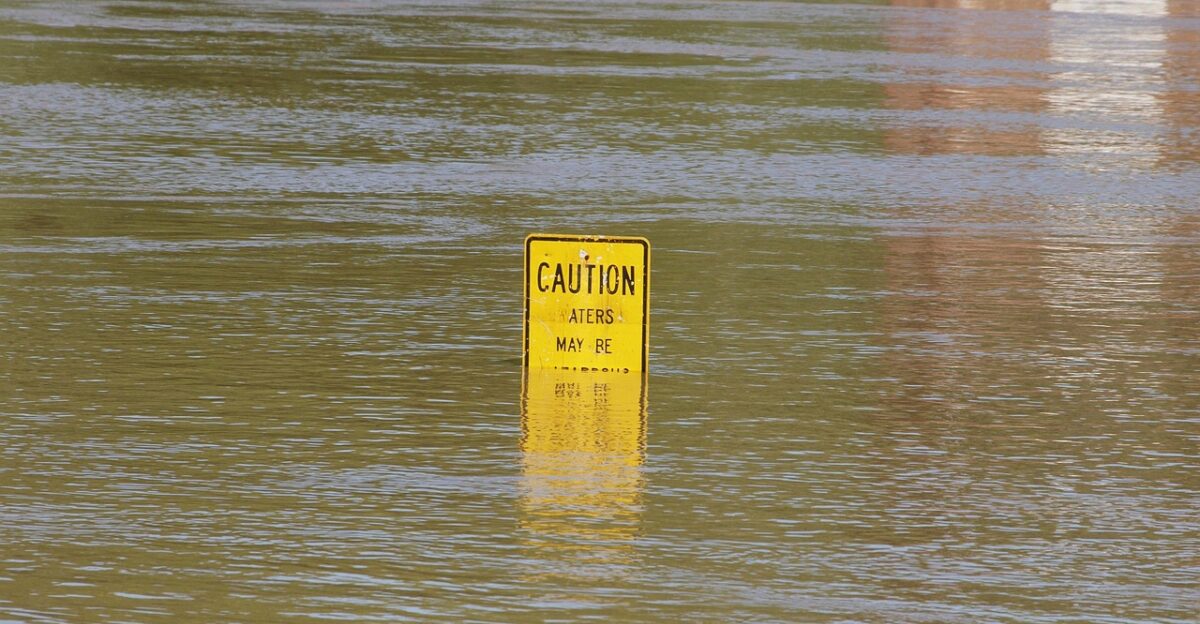
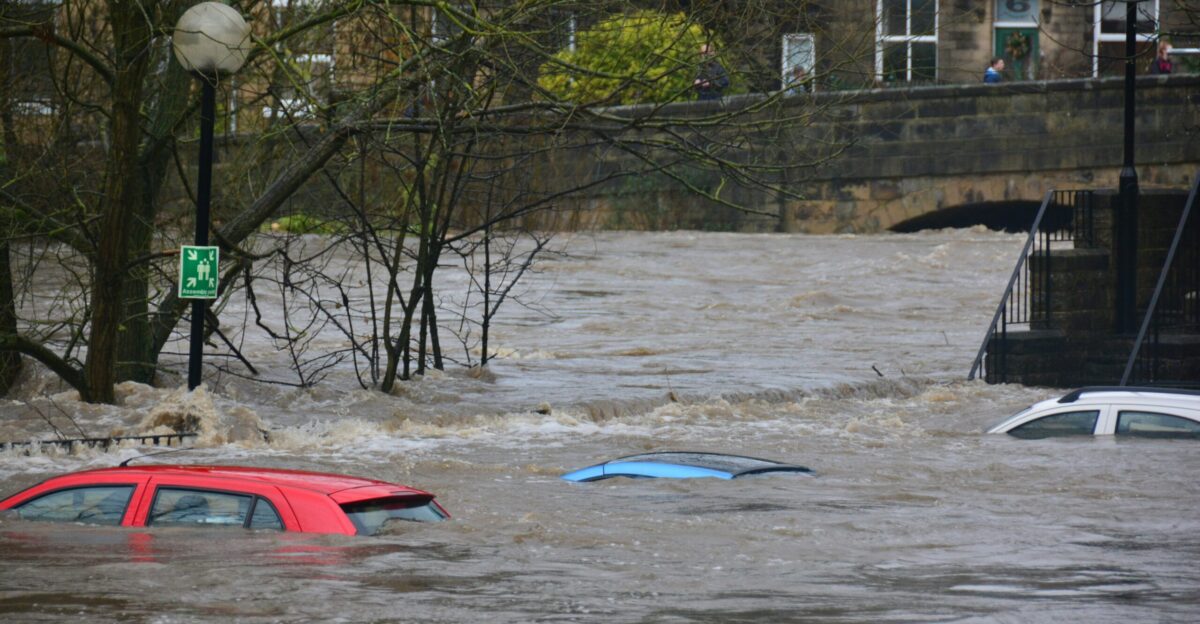
The floodwaters swept through vulnerable river valleys, leading to catastrophic levee failures. The first breach occurred at the Desimone levee on the Green River in Tukwila, Washington, on December 14, threatening approximately 46,000 residents downstream. Authorities initiated “GO NOW” evacuations, marking the urgency of the situation as they faced rising floodwaters.
Two days later, another levee along the White River failed, leading to immediate evacuations in Pacific. This time, residents had a mere few minutes to escape. Emergency services were stretched thin as multiple river systems surpassed their historical flood levels, indicating the severity of the crisis.
When 1990 Met Its Match
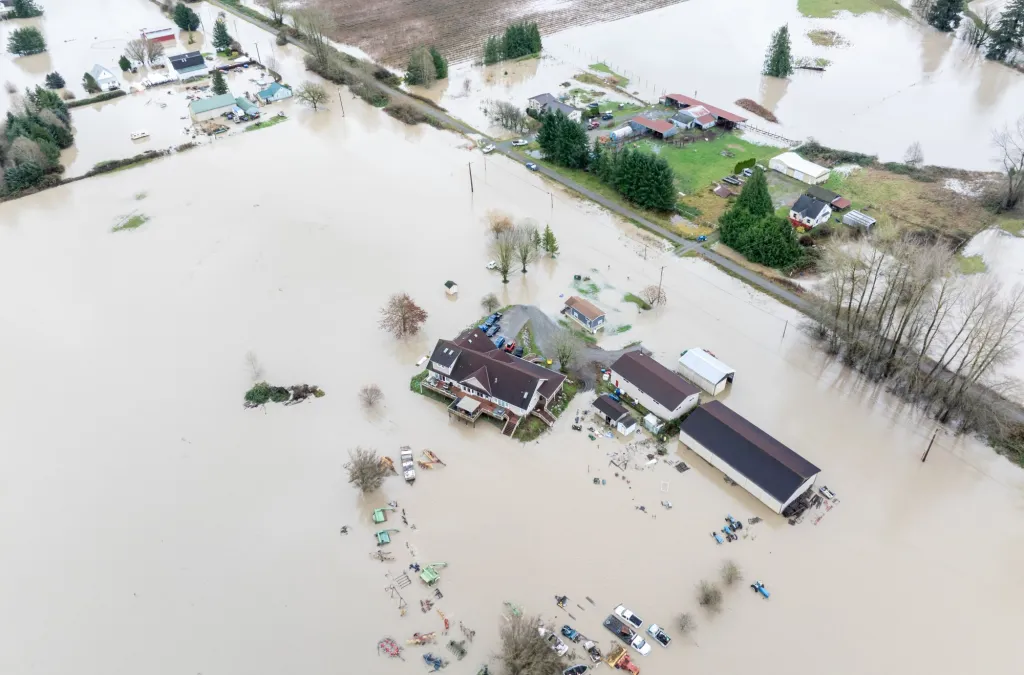
Washington’s last catastrophic flood occurred 35 years ago, setting critical benchmarks for risk assessment in the region. However, by December 2025, this history was shattered as four major rivers overflowed, breaking records set in 1990. The Skagit River exceeded its previous peak, surging to 37.62 feet, while the Snohomish River reached new heights as well.
Cedar River and Nooksack River also surpassed earlier records, signaling a total collapse of generations of planning assumptions within a mere 72 hours. The implications of this dramatic change would reverberate throughout the affected states for years to come.
The Human Cost Mounts

As teams worked tirelessly on infrastructure repairs, the human toll was apparent. First responders, including the King County Sheriff’s Marine Unit, conducted over 300 evacuations from the most heavily affected areas. Pierce County alone recorded 60 water rescues in one day as they rushed to save families trapped by rising floodwaters.
The Washington National Guard deployed over 300 troops to assist with evacuations, highlighting the extent of the crisis. Tragically, amidst these rescue efforts, a 33-year-old driver in Snohomish County lost his life after ignoring road closure signs and driving into floodwaters, underscoring the personal costs of the disaster.
The Evacuation Threshold
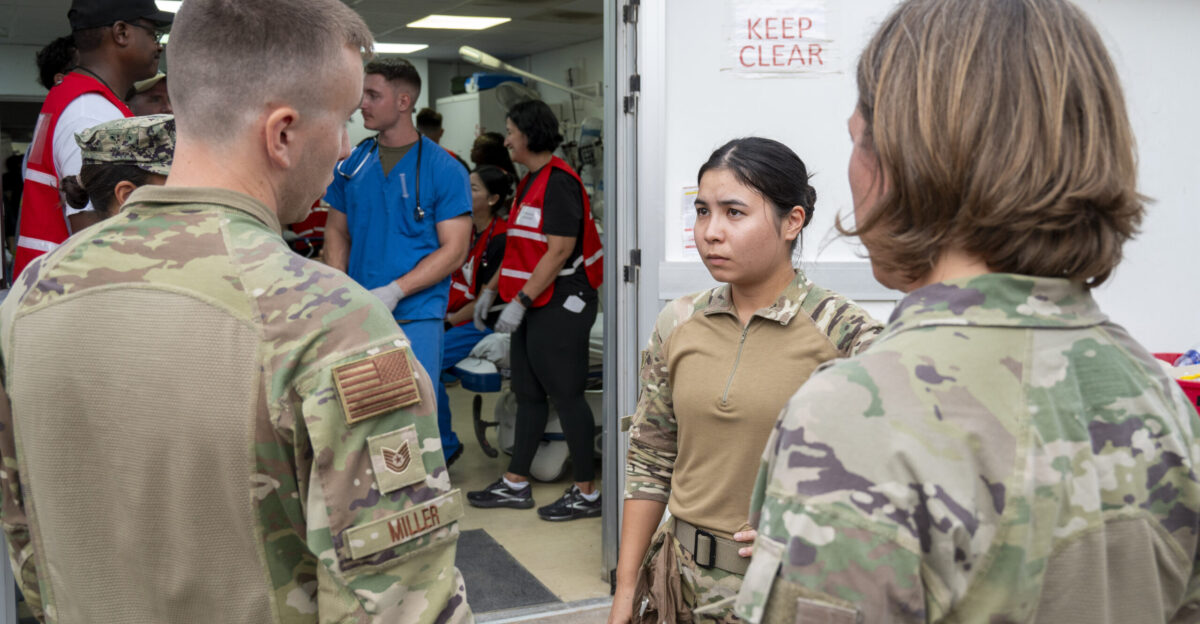
By December 11, the situation for displaced residents reached crisis levels. Over 100,000 people in Washington State faced evacuation orders or alerts spread across numerous counties. Skagit County alone reported 75,000 residents ordered to evacuate, reflecting the scale of the emergency.
Burlington’s residents were also directed to leave, while suburbs of Seattle, such as Tukwila and Pacific, issued immediate “GO NOW” orders. Neighboring British Columbia was not spared, with evacuation orders impacting 1,069 properties. This mass displacement rivaled the nation’s most significant natural disasters, clearly illustrating the catastrophic nature of these floods.
Sumas’ Third Tragedy in Five Years
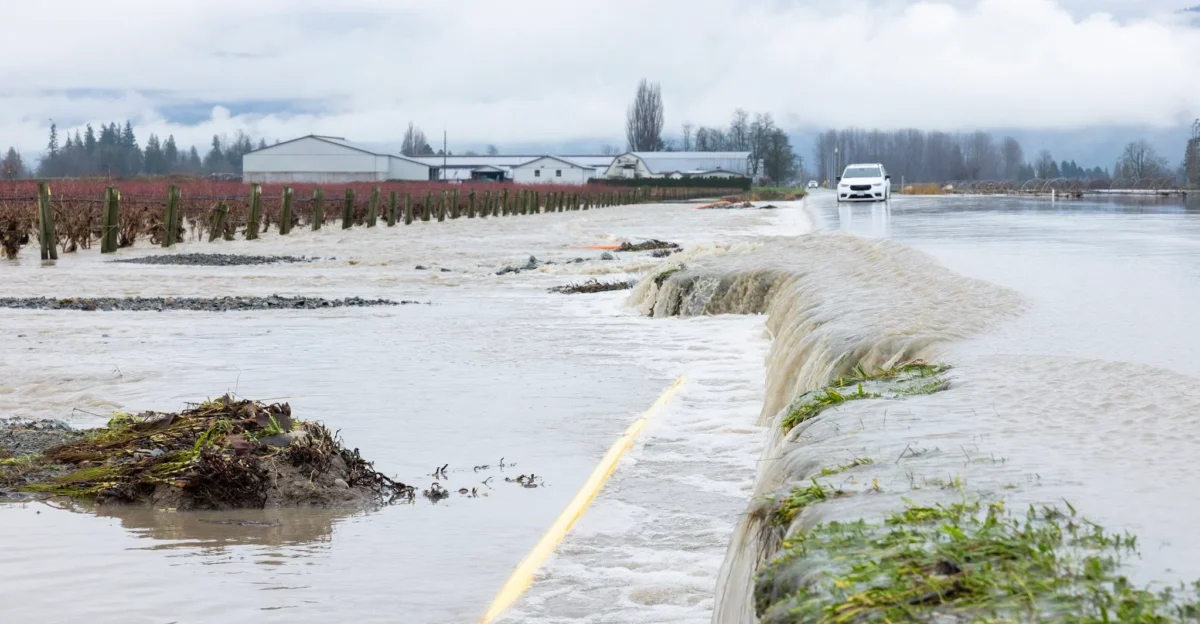
The town of Sumas encountered profound suffering as the Nooksack River overflowed, marking its third major flood event in just five years. Local farmers struggled to protect their livelihoods, as floodwaters damaged or destroyed countless crops.
Community members expressed deep concern about the repeated nature of these disasters, emphasizing the emotional toll these recurring events have taken on the agricultural community. The town, already grappling with previous flooding events, now faced a harsh reality of repeated loss. This pattern highlighted the urgent need for better flood management solutions moving forward.
Infrastructure Under Siege
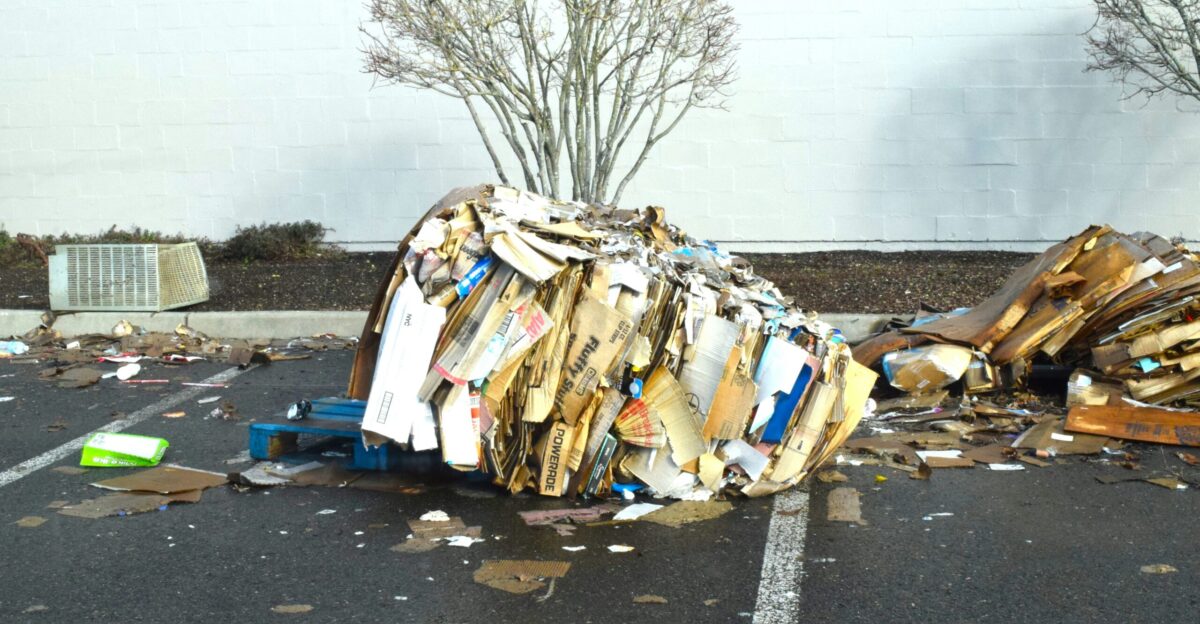
This disaster stretched existing infrastructure to its limits. Many roads became impassable, and emergency services faced operational challenges as they sought to respond to widespread flooding. According to state officials, multiple highways throughout the region were closed, with US Highway 2 facing particularly severe damage that would require months of repair work.
The inundated infrastructure caused significant delays in rescue operations, further worsening the crisis. State officials emphasized that the impacts were felt not only from the immediate destruction but also through long-term implications for public safety and preparedness. The dire conditions prompted calls for serious reevaluation of emergency response strategies in the wake of future climate events.
Community Resilience Tested

While statewide emergency operations unfolded, community resilience came to the forefront. Volunteer efforts surged as residents pulled together to support one another in the face of adversities. Donation drives sprouted across the region, aiming to gather supplies for those displaced.
Community organizers coordinated efforts to provide shelter, food, and emotional support as the flood’s human cost unfolded. Observers noted that such solidarity among residents is often a hallmark of recovery after traumatic events, although the road ahead remained long.
Long-Term Consequences Begin to Unfold
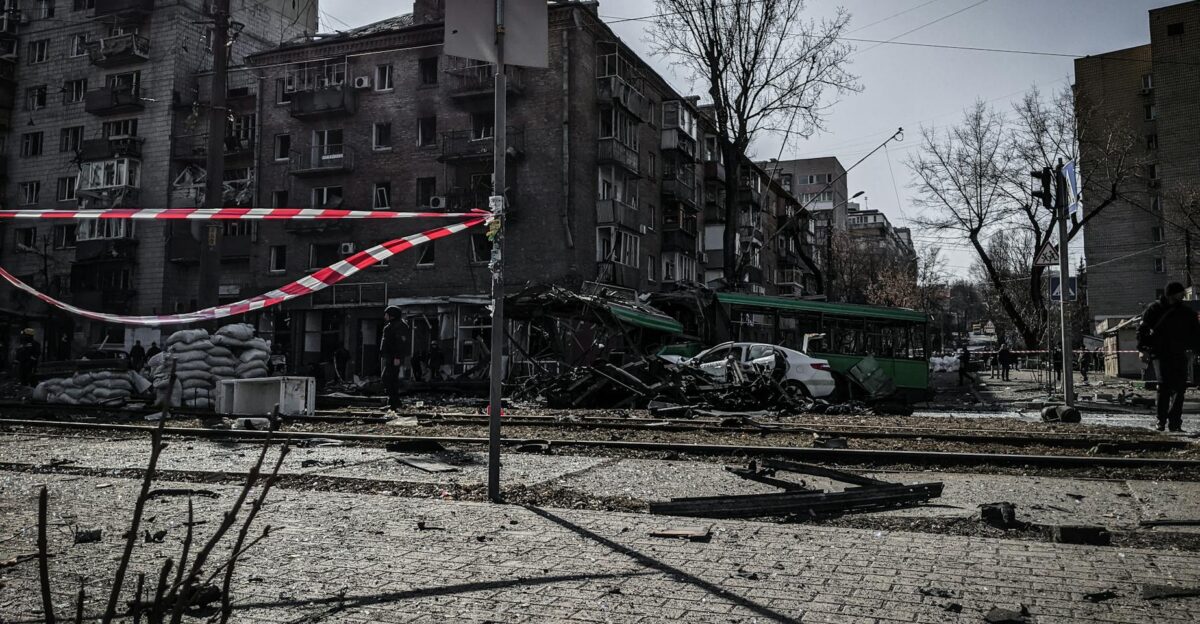
As floodwaters began to recede, the long-term effects of this disaster came into sharper focus. Infrastructure damages were estimated to reach $1 billion, leading to extensive rebuilding efforts that could take years. Local governments faced budget constraints while grappling with the immediate needs of recovery.
King County officials and state engineers acknowledged that current flood defense systems, designed based on 1990 flood records, would need comprehensive reevaluation to address modern climate conditions. The increased frequency of such events indicated a pressing need for adaptable strategies to protect vulnerable communities in the Pacific Northwest.
Future Preparedness Initiatives
Looking ahead, the focus shifted toward enhancing preparedness initiatives to prevent similar disasters from occurring. Emergency management liaison teams began recognizing the need for comprehensive flood management plans that incorporate climate change projections into long-term infrastructure strategies.
Public education on evacuation protocols and strengthening community ties became priority items. Investment in research and technology could fortify defenses and better equip local governments to tackle future challenges posed by extreme weather events.
Government Response and Aid

In response to the disaster, state and federal government agencies mobilized quickly to provide support. Emergency funds were allocated to aid affected communities and help restore critical infrastructure. Governor Bob Ferguson announced that the state would be seeking presidential disaster declarations to expedite recovery efforts.
“We will do everything in our power to support those in need,” he pledged, highlighting the government’s commitment to helping communities rebuild. As funding and resources became available, officials worked tirelessly to restore normalcy and begin addressing the long-lasting effects of the flood.
Lessons Learned from the Crisis
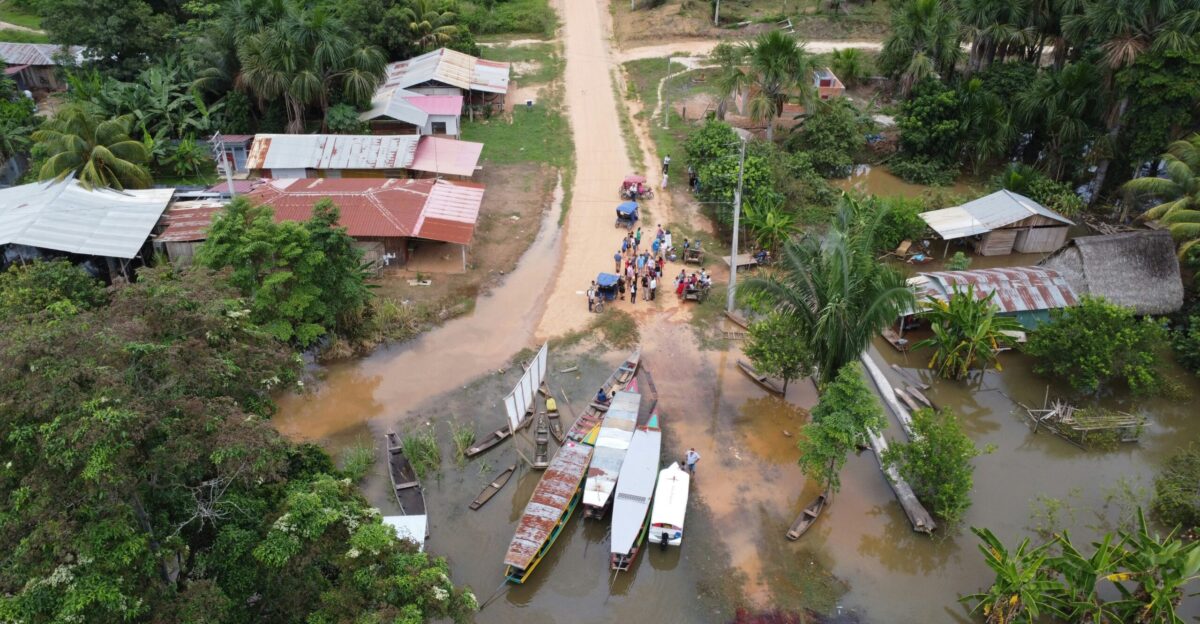
As the aftermath unfolded, critical lessons emerged from this devastating flood event. Community engagement and preemptive planning strategies became essential focal points for avoiding future disasters. Local authorities began emphasizing the importance of establishing clear communication protocols and enhancing community resilience.
The knowledge gained from this crisis would shape future policies and emergency response planning throughout the region, as stakeholders worked collaboratively to adapt and mitigate the risks associated with severe weather phenomena.
Rebuilding Together
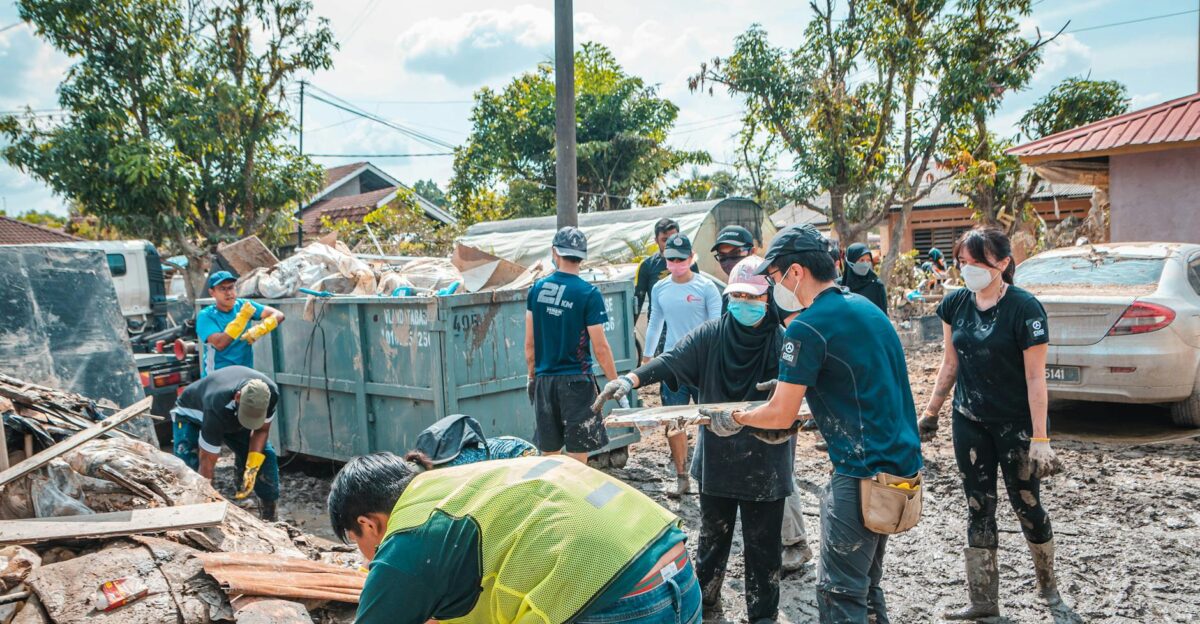
Communities began the arduous task of rebuilding together, focusing on collaboration and support. Donations poured in, allowing shelters and resource centers to operate effectively for those displaced.
Projects aimed at repairing homes, schools, and critical infrastructure commenced, as residents sought not just recovery, but also improvement. With focused efforts and a growing community spirit, the hope for future stability became a guiding light during this challenging recovery phase.
A Call to Action
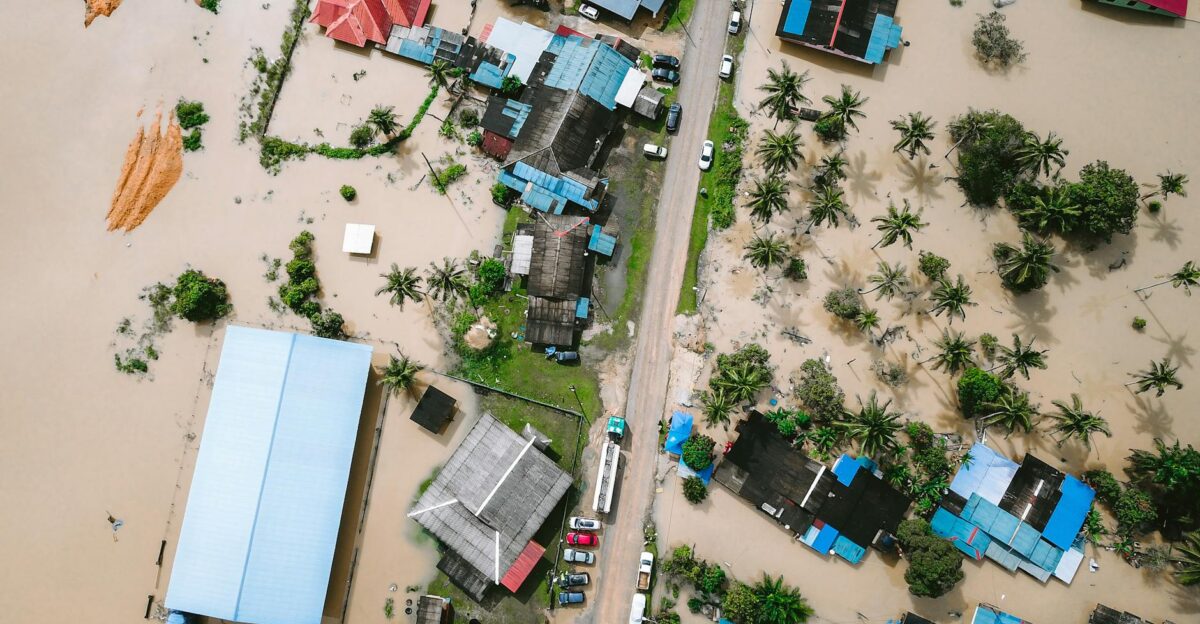
In light of these devastating floods, it’s crucial to take action and advocate for sustainable flood management policies that prioritize community safety.
This disaster highlights the increasing frequency and severity of such events, underscoring the need for urgent attention to climate resilience and infrastructure investment. Engaging the public in discussions around disaster preparedness ensures that lessons learned from this calamity will not be forgotten, but rather serve as a foundation for a safer future.
Sources:
Wikipedia – 2025 Pacific Northwest floods
National Weather Service Seattle – Weather forecasts and atmospheric river characterization
New York Times – 100,000 Ordered to Evacuate as Rivers Rise in Washington
Seattle Times – Levee failure prompts evacuation along White River in Pacific
NBC News – ‘Catastrophic’ Pacific Northwest floods leave 100,000 facing evacuation
Governor Bob Ferguson Official Statements – Washington State emergency declarations and recovery updates