
Maryland has experienced a significant decline in federal employment, losing 15,100 jobs since January 2025, the highest reduction among all states.
This remarkable decrease in the workforce has led to widespread economic repercussions, impacting families, businesses, and communities throughout the region, extending well beyond just government employment.
Trump Administration Drives Massive Federal Cuts
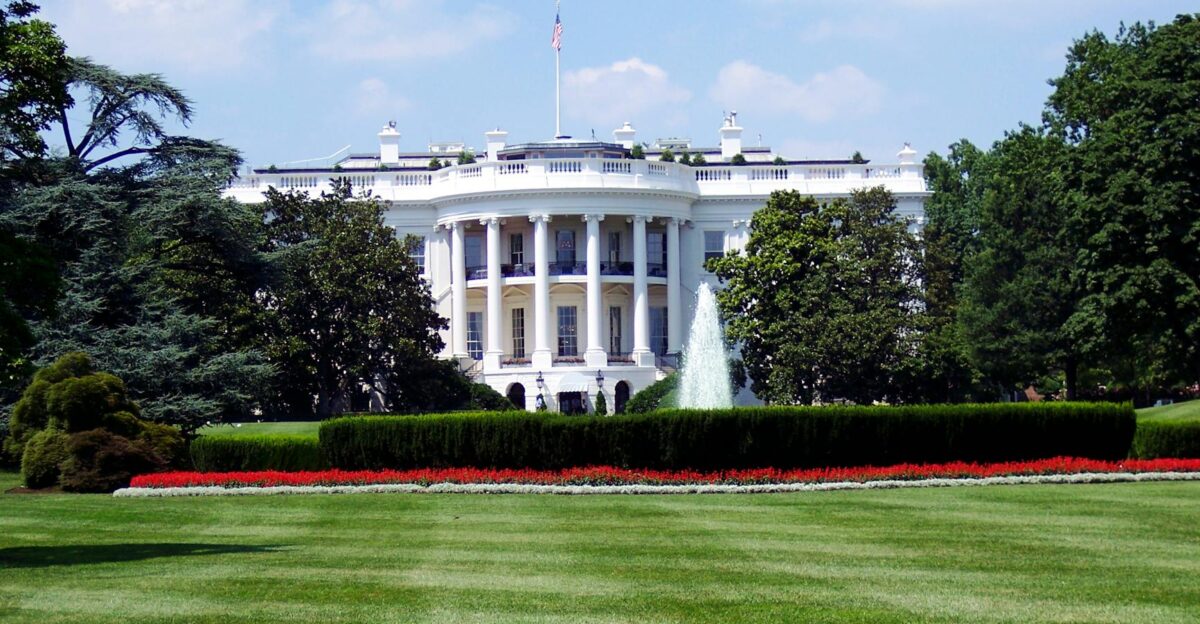
President Trump’s reinstatement led to significant cuts in federal employment, including reductions in force, reorganizations within agencies, and hiring freezes, all aimed at decreasing federal workforce expenditures.
As a result, Maryland was notably affected, experiencing a loss of nearly 10% of its federal workforce within a span of nine months.
Displaced Families Search for New Opportunities

In Maryland, a large number of families are experiencing unexpected unemployment, leading many to seek new job opportunities in different locations.
This wave of displacement has placed significant pressure on local job markets, resulting in even seasoned federal employees vying for a finite number of positions in the private sector.
Federal Contractors Face Widespread Layoffs

In Maryland, over 3,000 employees of contractor firms have received layoff notices as various agencies terminate contracts.
This situation has led to significant challenges for contractors in Montgomery County, Prince George’s County, and Baltimore City, who are facing the loss of agreements valued at millions of dollars in revenue.
Johns Hopkins Eliminates 2,200 Jobs After USAID Cuts
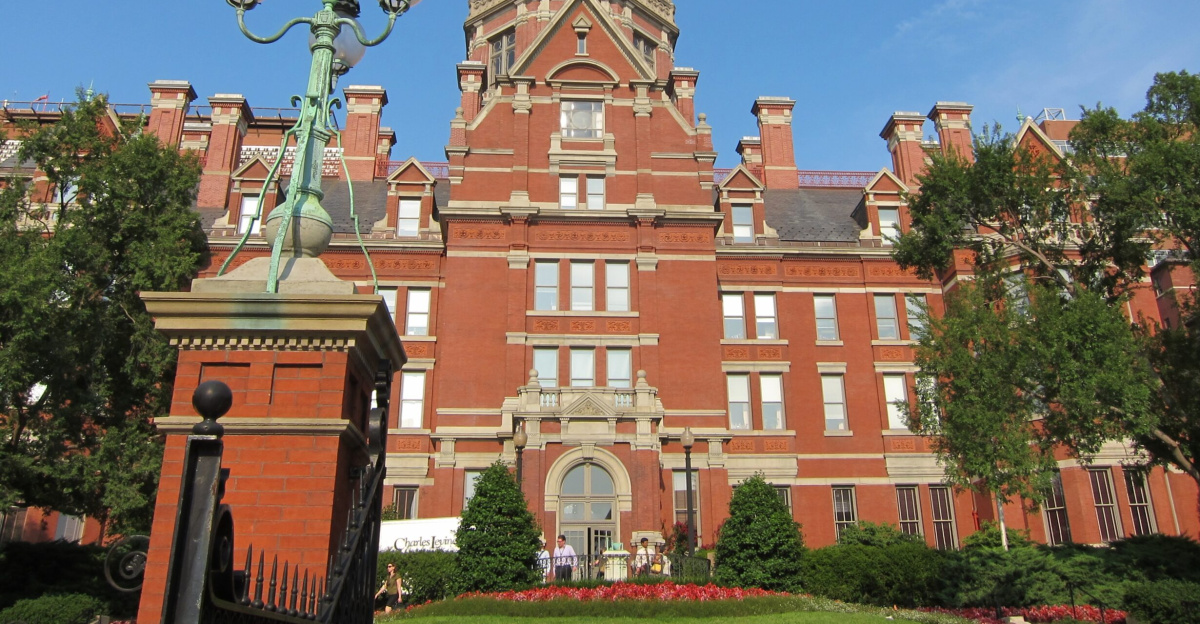
Recent reductions in funding from USAID have led to the cancellation of $800 million in grants at Johns Hopkins University, resulting in the loss of 2,200 jobs.
This situation marks one of the most significant instances of job losses within a single institution due to alterations in federal policy.
Private Sector Employers Report Secondary Job Losses

Recent reports indicate that educational services, construction, and information technology sectors are experiencing a decline in demand due to a reduction in federal spending.
These industries, which rely significantly on government contracts, are beginning to reduce their workforce as funding for projects diminishes.
Worker Advocacy Groups Sound Alarm
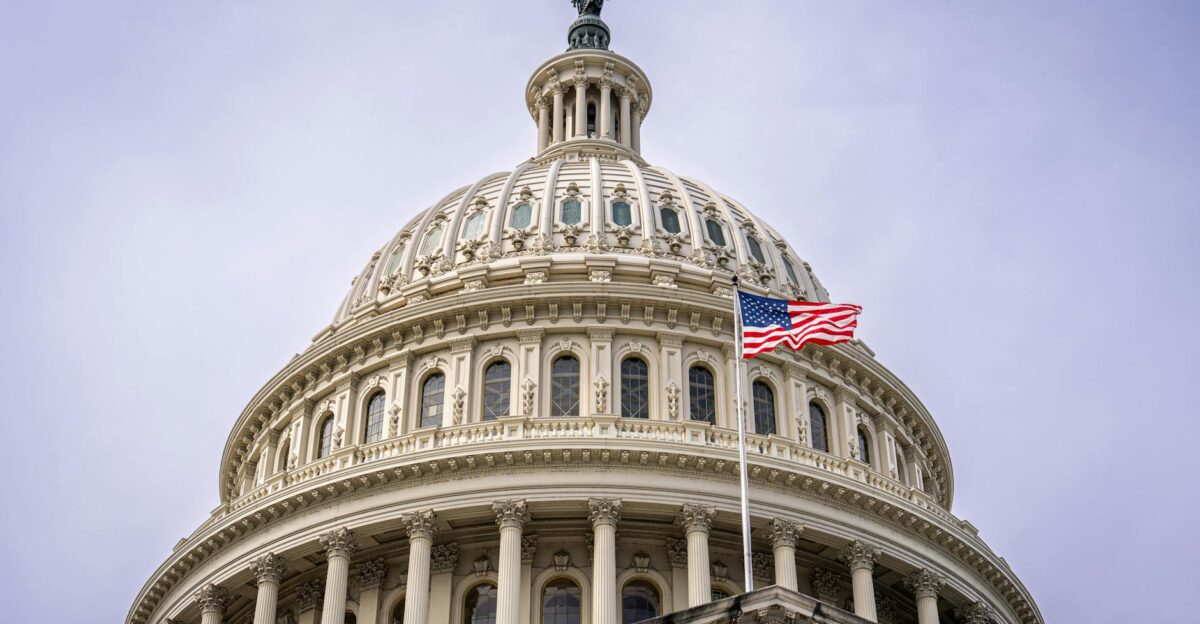
“If you get rid of all these federal employees…where are they going to go?” asks Jake Pannell of the National Federation of Federal Employees.
Union leaders warn that marginalized communities face disproportionate impacts from the cuts.
Governor Moore Launches Emergency Support Programs
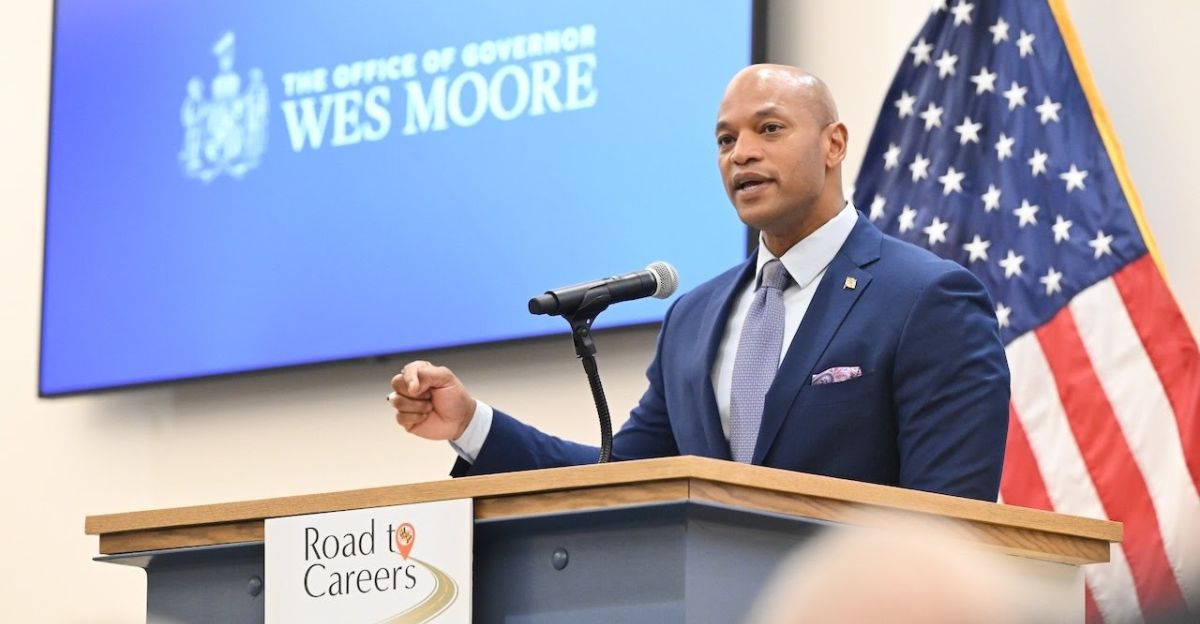
Governor Wes Moore and the Maryland Department of Labor have launched resources for federal workers, including a dedicated website and expanded unemployment benefits.
However, state officials acknowledge that demand for support exceeds available resources.
Unemployment Rate Climbs Despite National Trends

In August, Maryland experienced a rise in unemployment, increasing from 3.4% in July to 3.6%.
This shift contrasts with national employment trends, as federal job losses continue to impact household income and consumer spending in various regions.
Consumer Spending Patterns Shift Dramatically

Retailers are seeing reduced sales of non-essential goods due to income loss among federal workers.
To adapt, stores are increasing promotions and emphasizing value products as consumer confidence declines.
Hospitality Industry Reports Revenue Decline

Hotels and restaurants in federal employment centers like Bethesda and Baltimore see fewer customers and reduced business travel. Conference bookings have dropped as agencies and contractors slash spending on events and meetings.
Service Industries Experience Contract Reductions

Companies providing office supplies, IT support, and facility services to federal agencies face layoffs and contract cancellations.
The contraction is spreading to real estate, transportation, and other support industries.
International Programs Face Severe Disruption

USAID cuts have disrupted humanitarian aid and global health initiatives managed from Maryland.
International development projects are being scaled back, affecting communities worldwide that depend on U.S. assistance programs.
Health Insurance Coverage Drops for Affected Workers

Job losses are eliminating employer-sponsored health insurance for thousands of families.
Local health officials report rising stress-related medical issues and delayed medical care among displaced federal workers.
Some Industries Benefit from Federal Worker Displacement

Career transition services, online education platforms, and job placement agencies report increased demand.
However, these gains are vastly outweighed by losses in traditional federal-dependent sectors.
Real Estate Markets Face Pressure in Federal Hubs

Property values in areas with high federal employment concentrations are declining as demand weakens.
Real estate agents report an increase in listings and longer selling times in affected neighborhoods.
Maryland’s Economic Identity Under Scrutiny

The federal workforce has long defined Maryland’s economic character, particularly in suburban Washington regions.
Business leaders and economists debate whether the state can diversify quickly enough to offset its dependency on the federal government.
Workers Navigate Challenging Job Market Transition
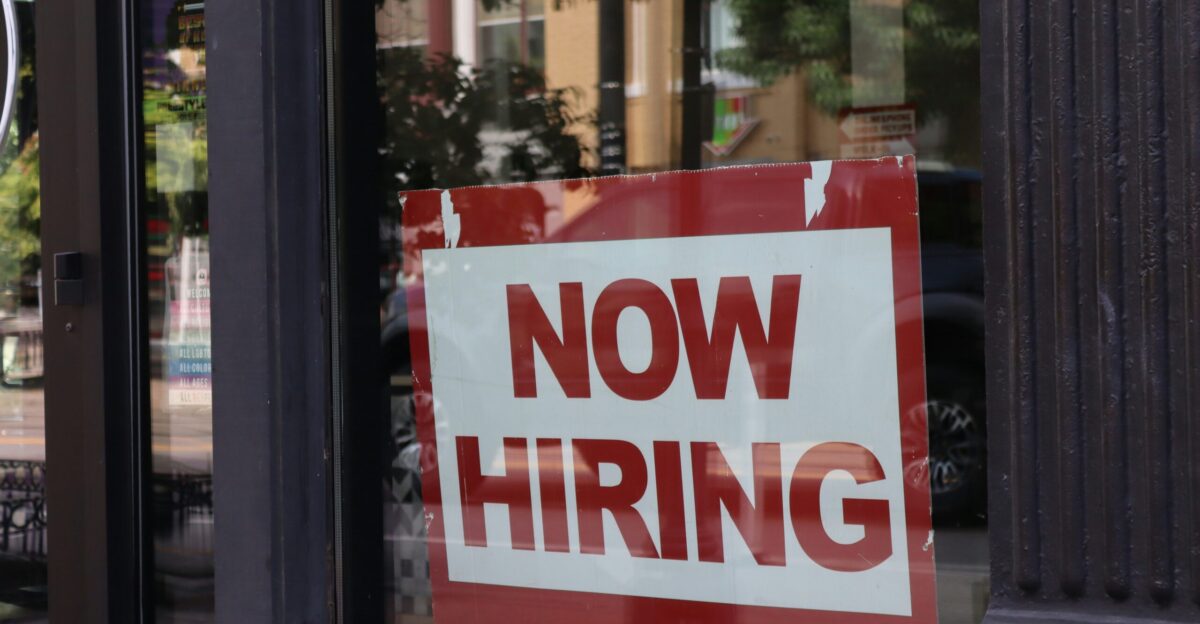
Displaced federal employees are accessing unemployment insurance, career counseling, and retraining programs.
Experts recommend networking, skill development, and exploring growing private sectors to improve employment prospects.
Other States Monitor Maryland’s Experience

Virginia and Washington, D.C., with large federal workforces, are closely watching Maryland’s situation.
Policymakers nationwide are preparing contingency plans as the risk of additional federal cuts remains high.
Unprecedented Changes Reshape Maryland’s Future

Maryland’s historic federal job losses are transforming the state’s economy, workforce, and regional identity.
The impacts extend from individual families to global aid programs, demonstrating the far-reaching consequences of federal employment policy decisions.