In June 2011, Swedish treasure hunters Peter Lindberg and Dennis Åsberg found something strange on the Baltic Sea floor.
Their sonar detected a circular object 60 meters in diameter, 90 meters underwater. The Ocean X Team was shocked by its perfectly round shape with straight edges—nothing like normal underwater rocks.
This discovery has been the culmination of over ten years of debate and scientific study, which continues to this day.
Technology Fails
When divers descended in 2012, their equipment malfunctioned. Diver Stefan Hogerborn said satellite phones and instruments shut off completely above the object.
Everything worked again once they moved 200 meters away. This happened every time they attempted to dive.
The electromagnetic interference became as mysterious as the object’s strange shape itself.
Millennium Falcon

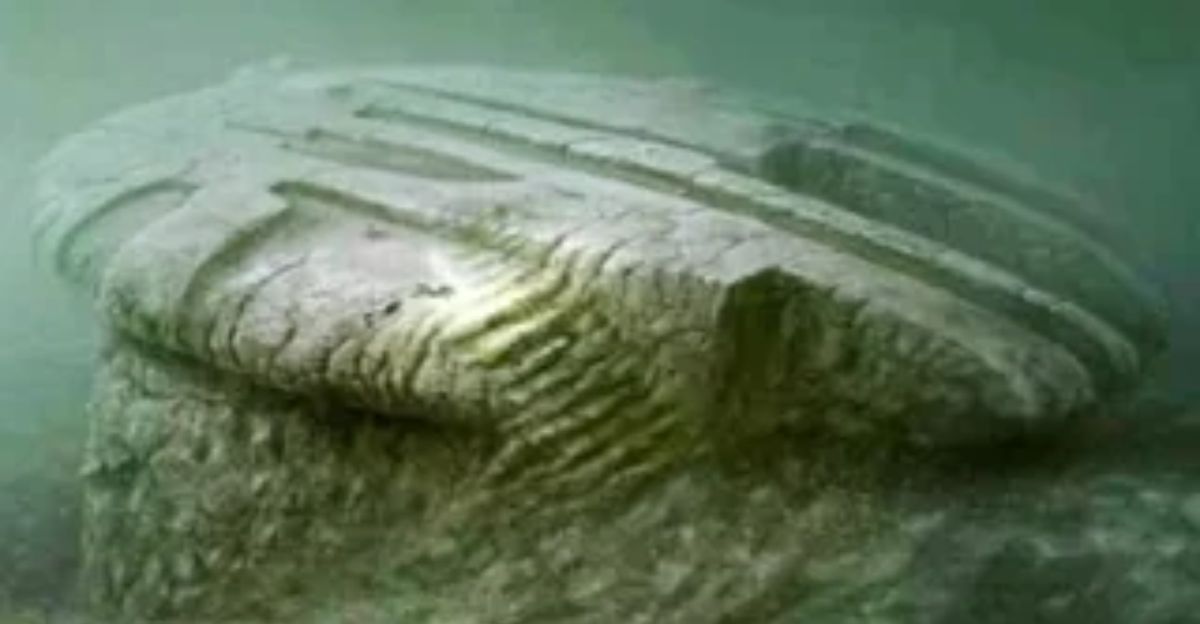
The sonar image went viral because it looked like the Millennium Falcon spaceship from Star Wars.
The disc had a raised section and a 300-meter trail behind it, like something had crashed. News outlets called it a possible “UFO crash site.”
The Ocean X Team suddenly gained worldwide fame, with people everywhere discussing the possibility of alien visitors.
Scientific Skepticism

Not everyone believed the UFO story. In August 2012, Stockholm University professor Volker Brüchert tested rock samples from the site.
He found granite, sandstone, and other rocks consistent with those found in glacial deposits. Brüchert said it was probably just rocks left by Ice Age glaciers.
But this didn’t explain the electromagnetic problems or the geometric shape.
AI Reveals Hidden Details
In 2025, artificial intelligence provided new insights into the anomaly. The Society for UAP Studies has announced an expedition utilizing AI and advanced sonar technology.
The AI found tiny patterns and grooves that old technology missed.
What looked smooth before now showed detailed ridges and angles. This discovery brought scientists back after years of silence.
Electromagnetic Mystery
The electromagnetic interference puzzles scientists the most. Different dive teams over many years reported the same thing: all electronics failed near the object.
Professional equipment, satellite systems, and navigation tools all ceased to function.
The consistent 200-meter distance suggests a real phenomenon, not random failures. Scientists can’t explain how glacial rocks would cause this.
Personal Conviction
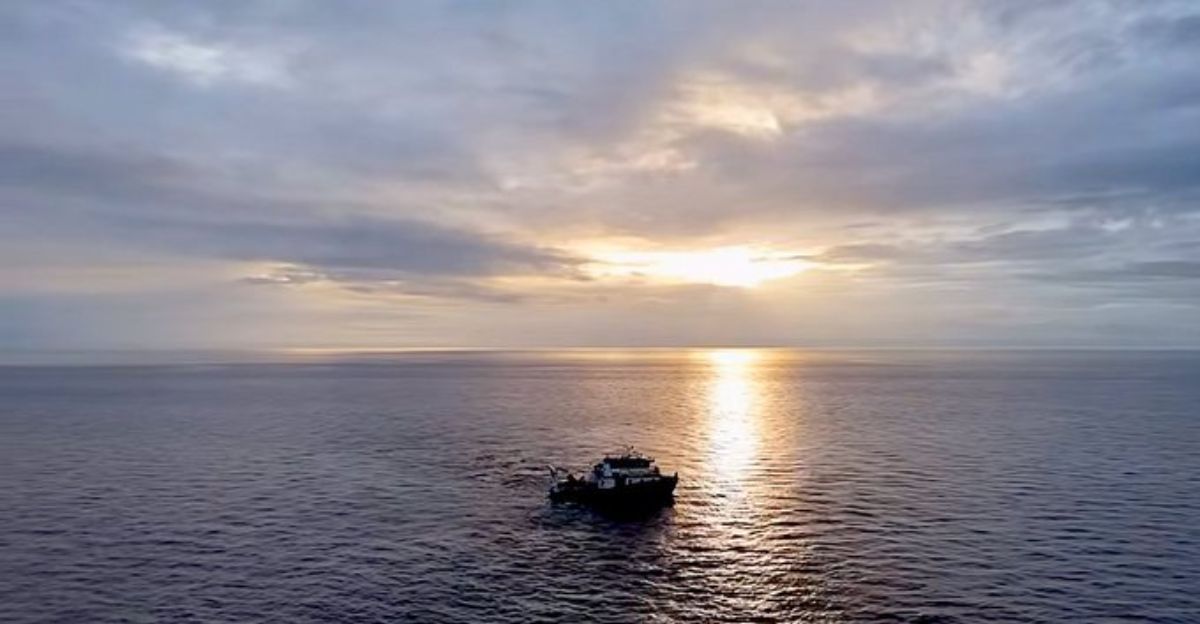
Dennis Åsberg has investigated the anomaly for 14 years. In 2014, he said, “Is it a UFO? Well, honestly, it has to be something.”
He won’t dismiss non-natural possibilities, despite the skepticism of skeptics.
In July 2025, he announced that he is working with astronomer Dr. Beatriz Villarroel on findings that are “incredibly big” and “hard to accept,” but he won’t share details yet.
The Drag Trail
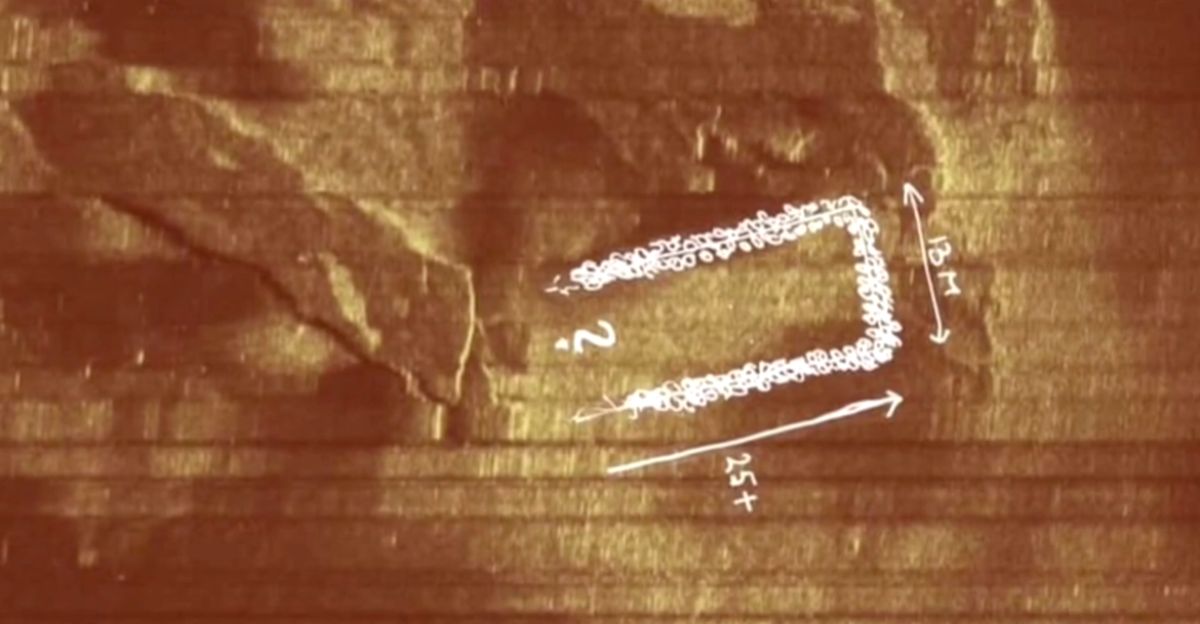
A 300-meter flat trail extends behind the structure, resembling a runway. This suggests the object either crashed hard or was dragged across the seafloor.
The trail’s length—three football fields—means a huge force if it were an impact. Glaciers can create drag marks, but usually not with this level of precision.
This feature makes natural explanations harder.
Dimensional Precision
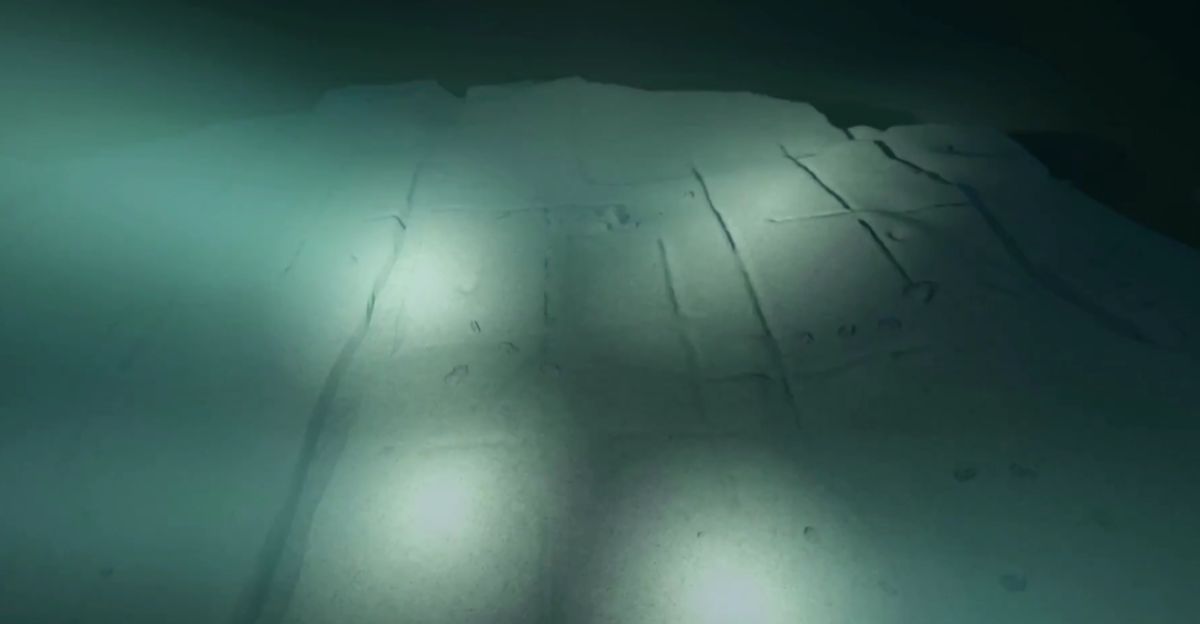
The structure measures 60 meters across—about 200 feet—roughly the size of a large building. Multiple sonar surveys confirm these measurements.
The perfect circularity and symmetry matter most. Natural rocks rarely form such regular shapes at this size.
It also features a dome on top and straight edges, characteristics more commonly found in built objects.
Astronomer Connection

In July 2025, Dennis Åsberg revealed he’s working with Dr. Beatriz Villarroel, an astronomer who searches for artificial objects in space.
Her VASCO project seeks out objects that appear or disappear in old sky photos. Her involvement in an underwater investigation suggests a connection between aerial and underwater mysteries.
Their upcoming paper may connect phenomena from the sky and the sea.
Funding Struggles
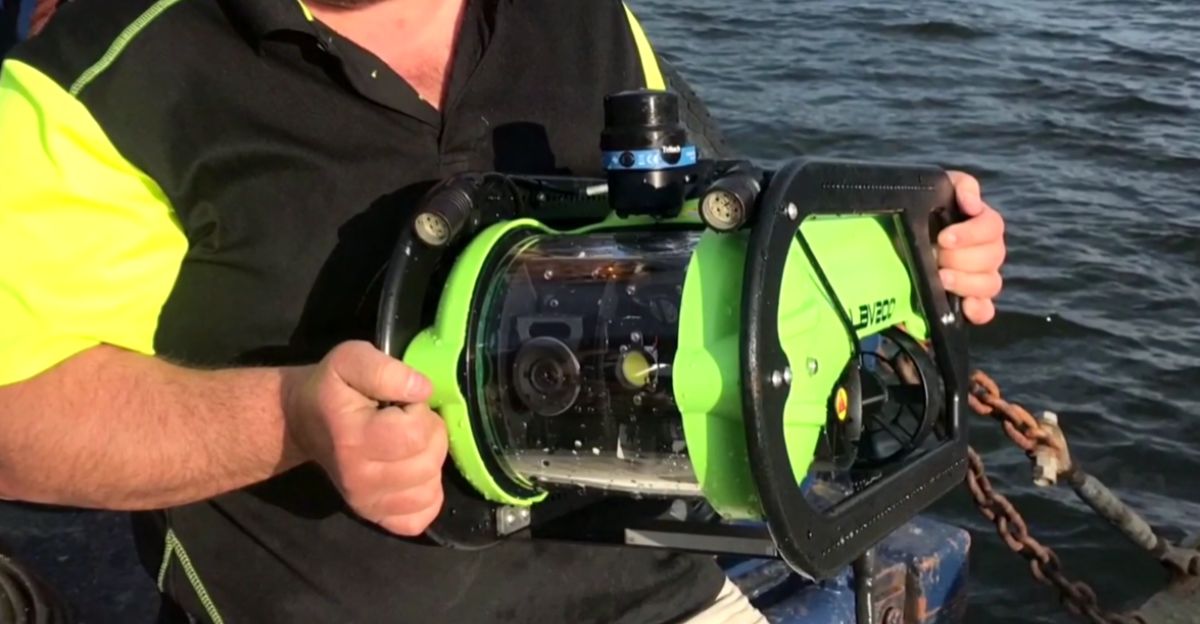
Ocean X Team struggled to fund research for 14 years. Deep-sea expeditions need expensive equipment and experts, costing hundreds of thousands of dollars.
Without proof of treasure, investors weren’t interested. The team utilized media deals and crowdfunding, but the excitement eventually faded.
The 2025 SUAPS partnership finally brought institutional support and proper resources.
Sonar Limitations
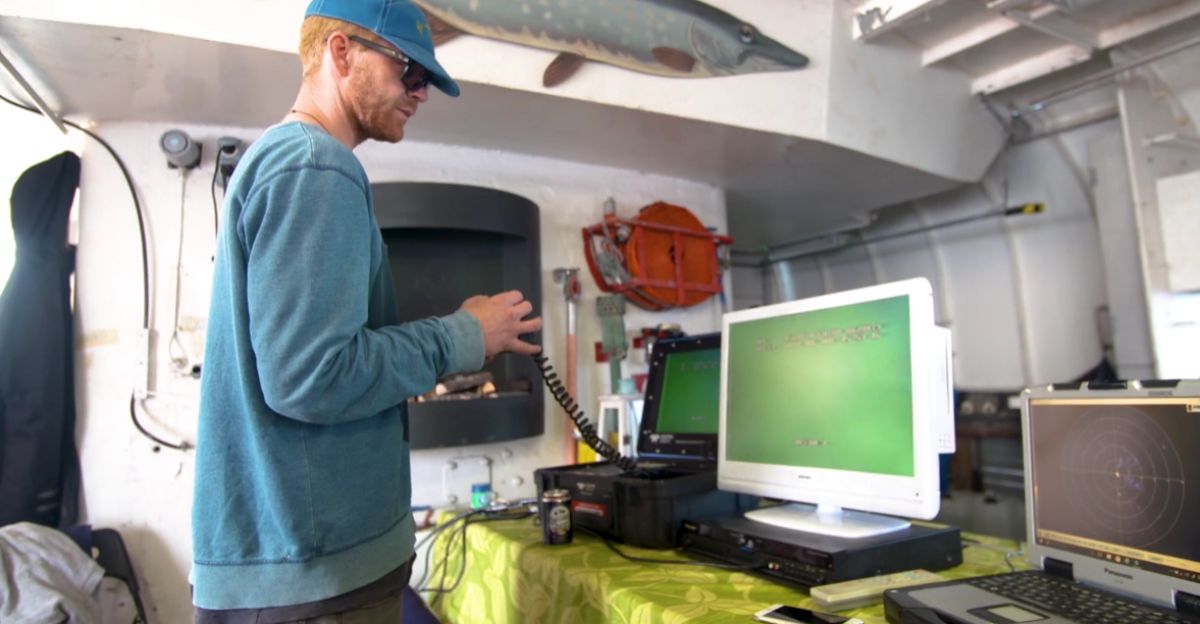
The 2011 sonar technology had poor resolution that might have caused mistakes. Woods Hole expert Hanumant Singh called the original images low-quality and misleading.
Sonar uses sound reflections, which can make features look geometric when they’re not.
The 2025 expedition utilizes significantly improved multibeam sonar and 3D modeling to distinguish between real structures and false images.
Geographic Context
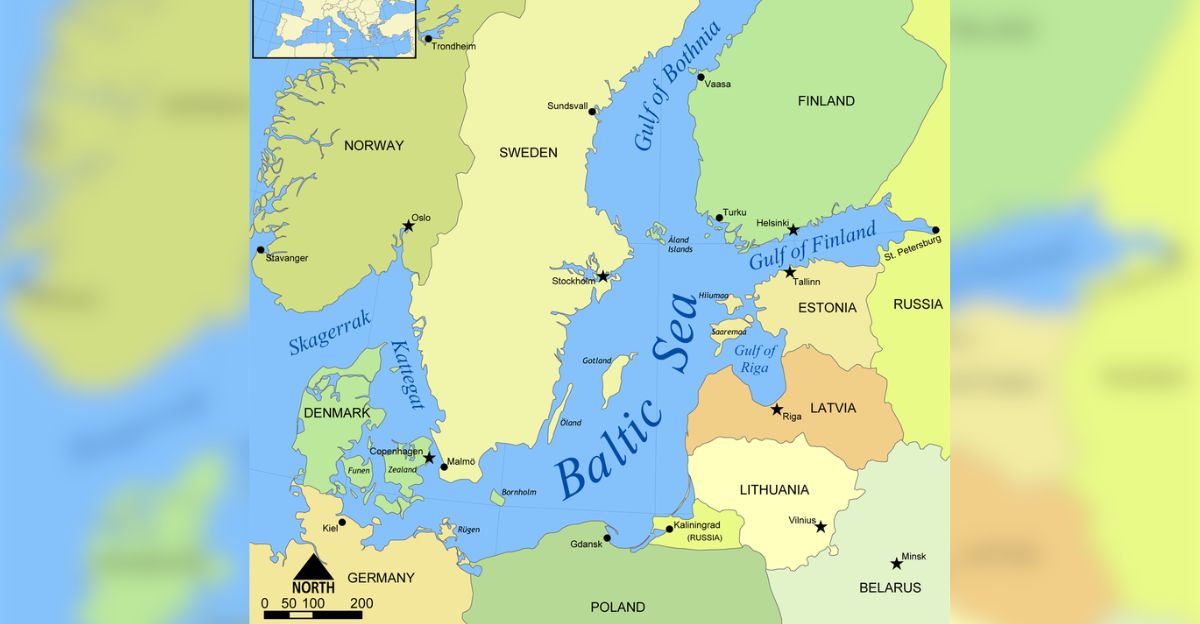
The anomaly lies in the Gulf of Bothnia, situated between Sweden and Finland, a deep region of the Baltic Sea.
Cold temperatures and low light preserve underwater structures well here. The Baltic holds World War II wreckage, old ships, and glacier rocks—making identification difficult.
The area’s military history raises questions: Could this be Cold War experimental technology?
Team Response
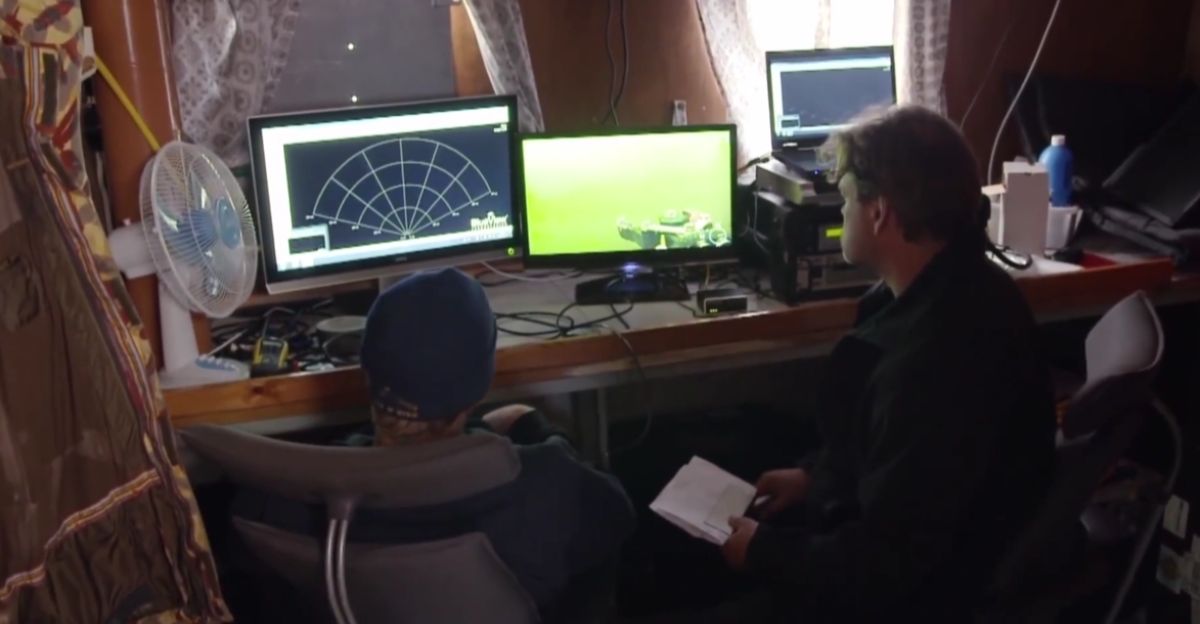
Ocean X Team kept detailed records despite criticism. They invited independent scientists, shared raw sonar data, and welcomed different researchers.
Peter Lindberg and Dennis Åsberg admit they’re not trained scientists but say they want truth, not specific theories.
Working with SUAPS and Dr. Villarroel shows they’ve evolved into legitimate scientific partners.
Future Investigation
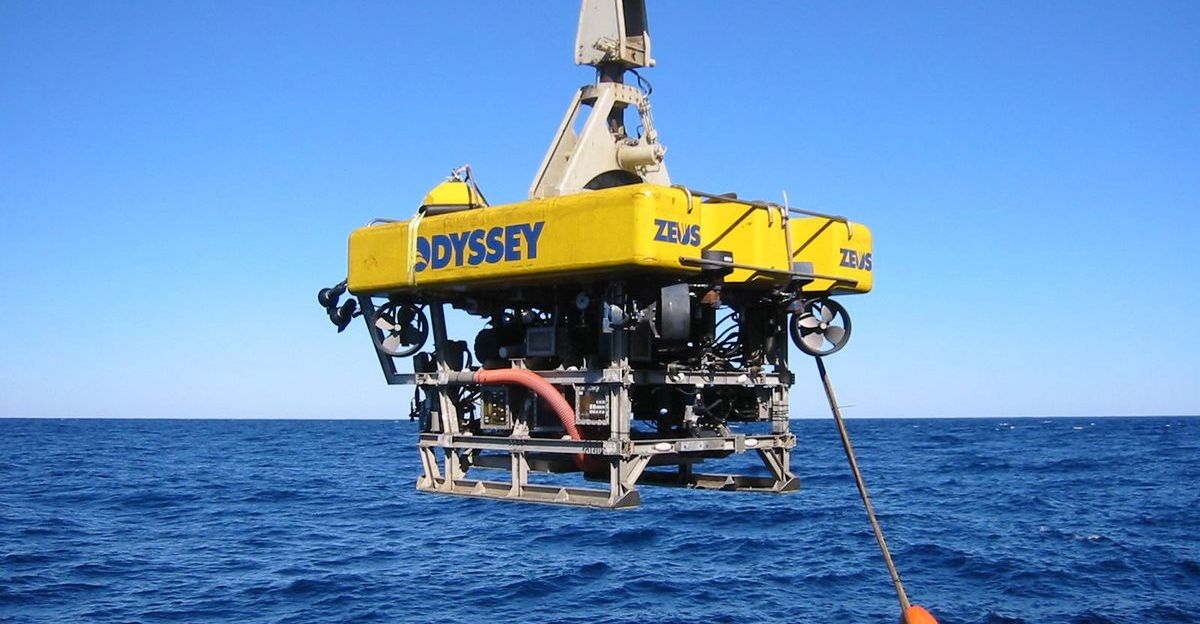
The 2025 SUAPS expedition will use underwater robots with high-tech cameras, magnetometers, and analysis tools.
These can detect unusual compositions, measure electromagnetic fields exactly, and create detailed 3D maps.
They’ll collect new rock samples for modern lab testing. Results are expected soon, which could finally answer what this thing is after 14 years.
Emerging Technologies
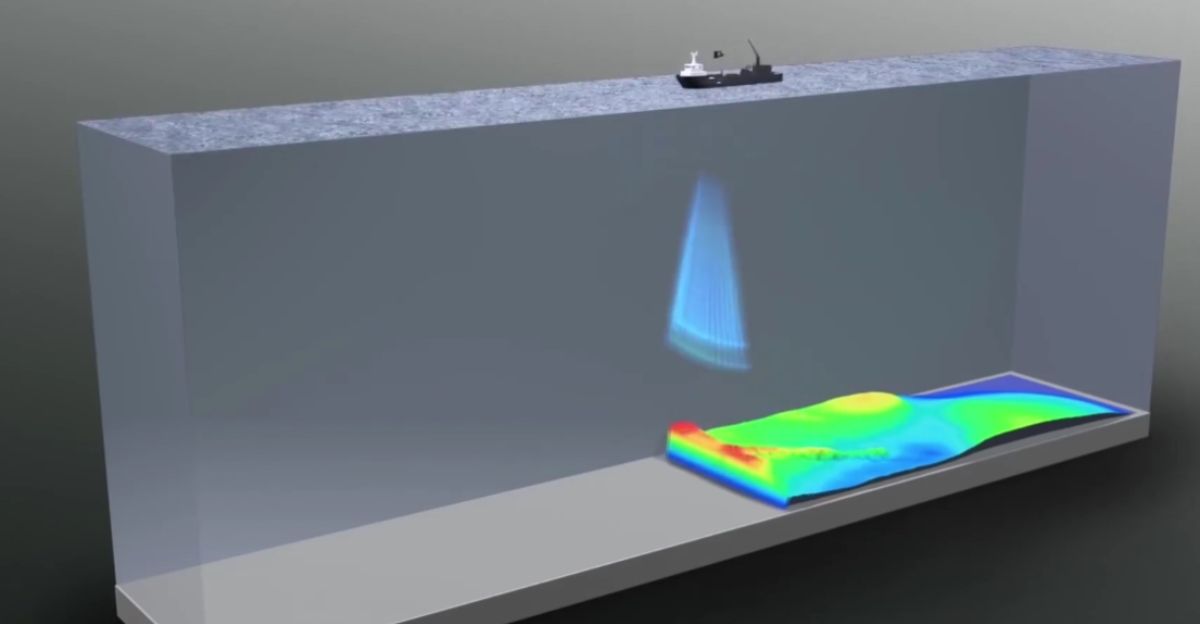
The Baltic Sea investigation demonstrates how AI is transforming underwater exploration.
Similar AI mapping has recently found Stone Age structures in the Baltic and ancient Mediterranean settlements. These technologies identify patterns that humans miss in vast sonar datasets.
Universities worldwide now teach AI for marine research. This case accelerates the use of these tools for seafloor mapping.
Defense Implications
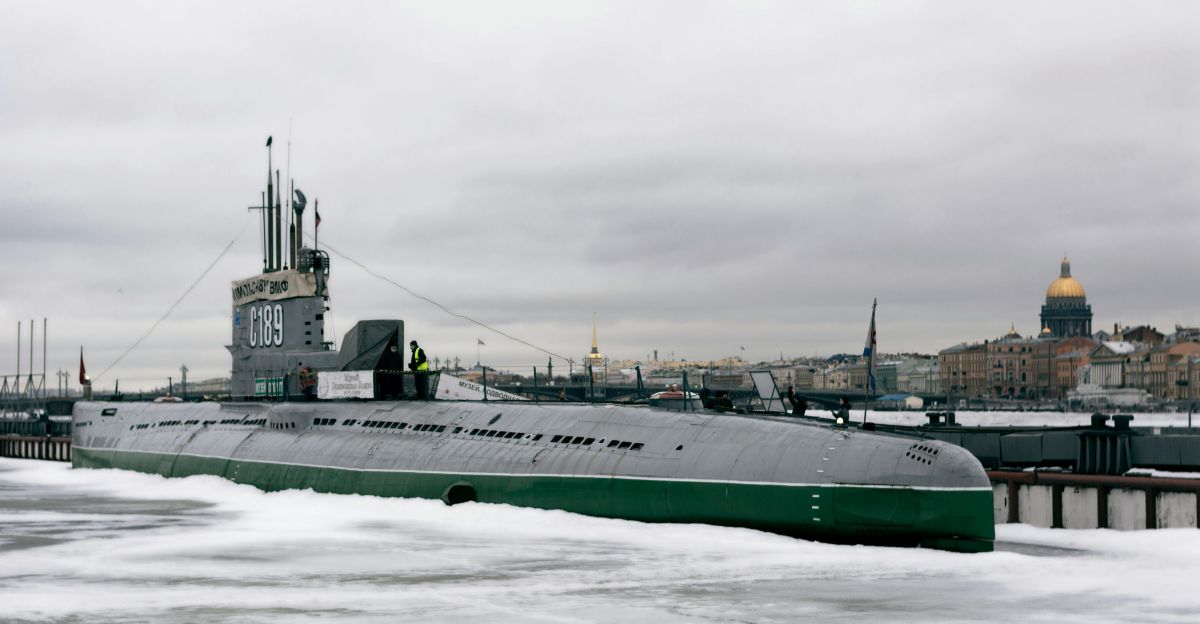
Electromagnetic interference affects naval defense sectors. If natural formations can disable military electronics, submarines face new vulnerabilities.
If it’s artificial technology, understanding how it works has strategic value.
Defense contractors reportedly consulted on the SUAPS expedition, although this has not been confirmed.
National security concerns drive classified research alongside public science.
Social Media Frenzy

The Baltic Sea Anomaly has active Reddit, Facebook, and YouTube communities debating wild theories. Some say it’s a crashed UFO, others claim Atlantean or Nazi technology.
Videos get millions of views, often mixing speculation with facts. Dr. Villarroel’s involvement excited UFO believers.
Fake photos and invented quotes spread fast. Scientists stress they seek evidence-based truth.
Historical Precedents
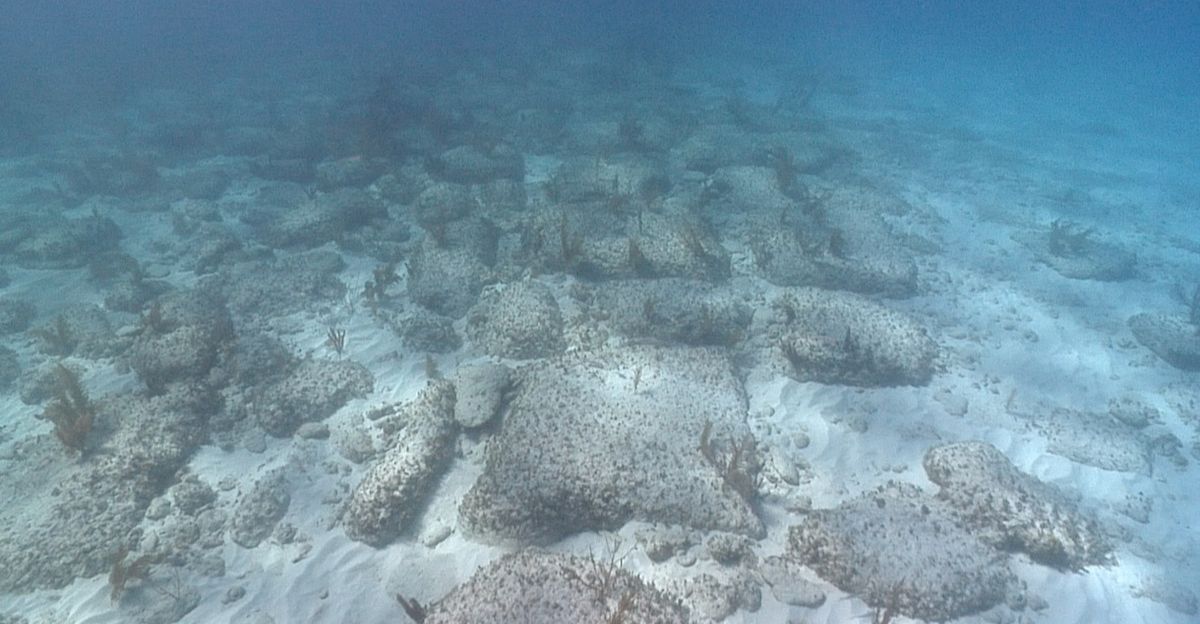
Similar underwater mysteries turned out to be natural. The Bimini Road off the Bahamas proved to be a fractured rock formation.
Japan’s Yonaguni Monument is now widely accepted as a natural formation, not the result of erosion. However, some discoveries were genuine: the ancient Antikythera mechanism seemed impossible until it was proven genuine.
The Baltic anomaly follows this pattern. History shows extraordinary claims need extraordinary evidence.
Bottom Line
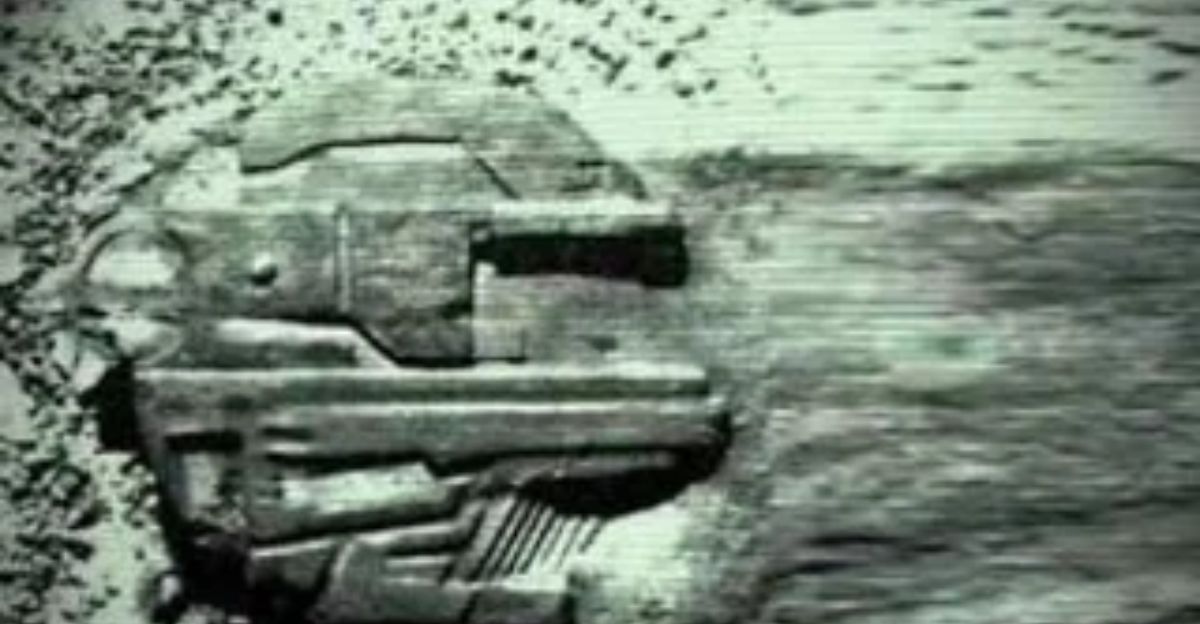
The Baltic Sea Anomaly remains unexplained 14 years later. The glacial theory explains some features, but not electromagnetic interference, geometric precision, or AI-detected patterns.
The 2025 expedition offers the best chance for answers. Whether natural, human-made, or something else, this shows how modern tools revisit old mysteries.
“It has to be something,” says Åsberg—the question is what.