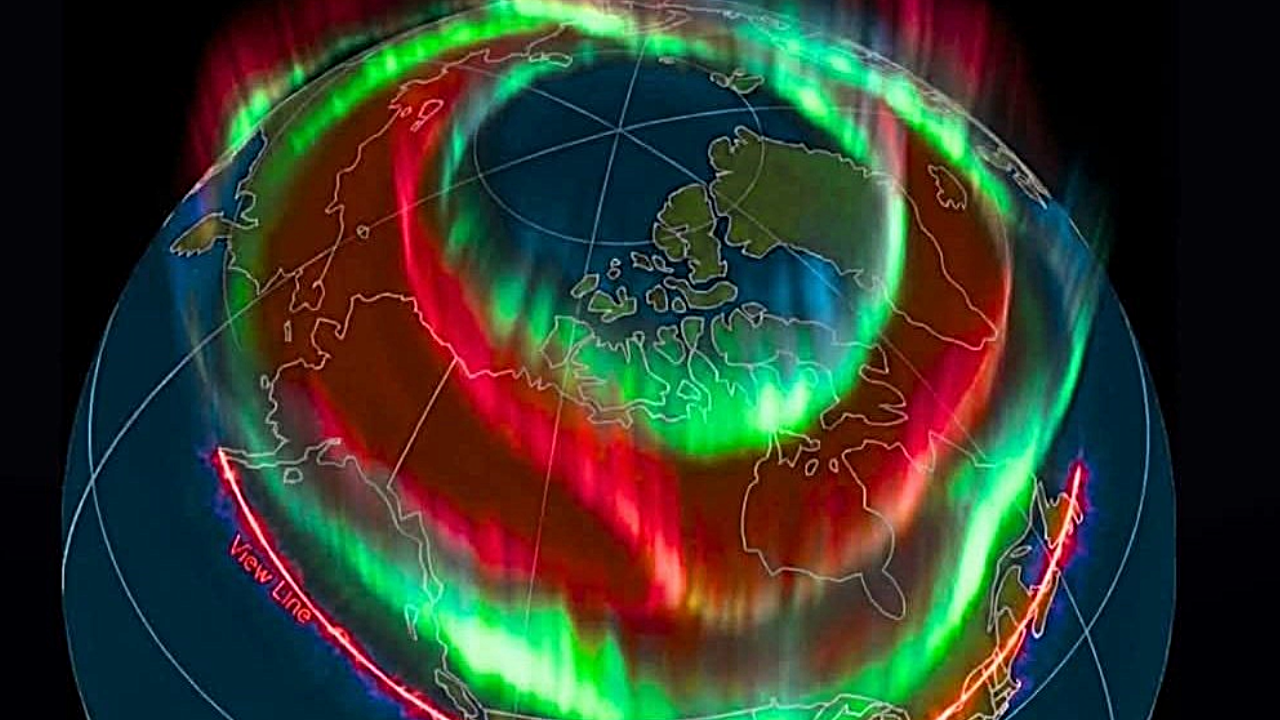
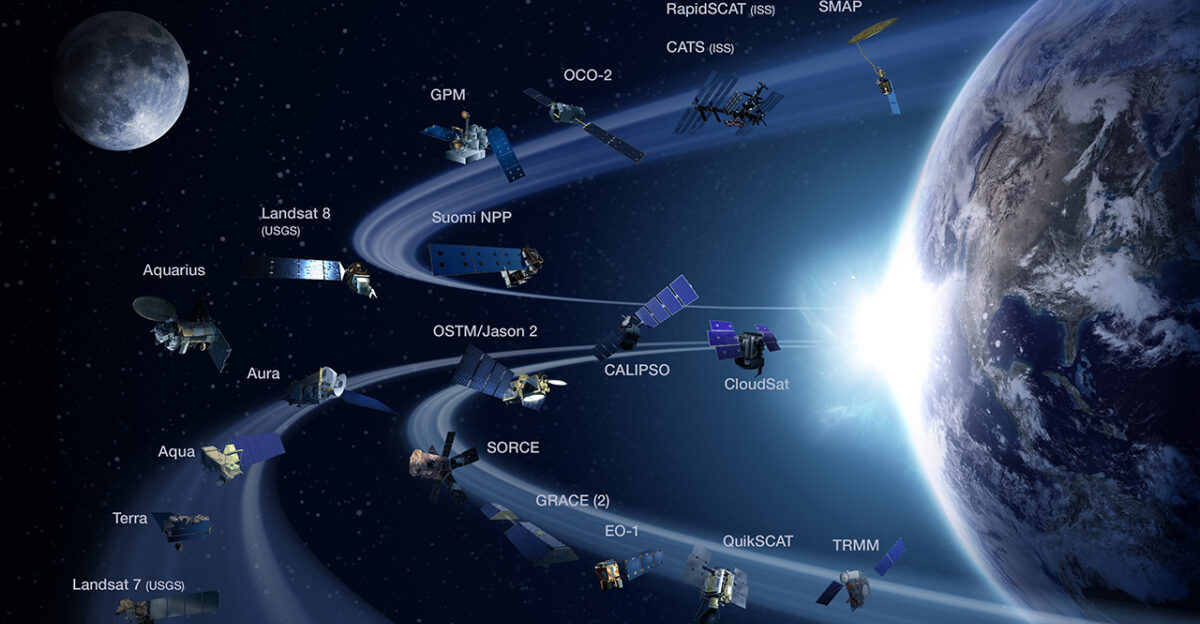
In mid-January 2026, the Sun released an unusually intense burst of activity that triggered a severe solar radiation storm, placing modern technological systems under rare stress. Thousands of operational satellites orbit Earth today, many vulnerable to elevated radiation and atmospheric drag.
As solar activity climbs toward the peak of Solar Cycle 25, the event highlighted how dependent global communications, navigation, and monitoring systems have become on stable space weather conditions.
Satellites in the Crosshairs
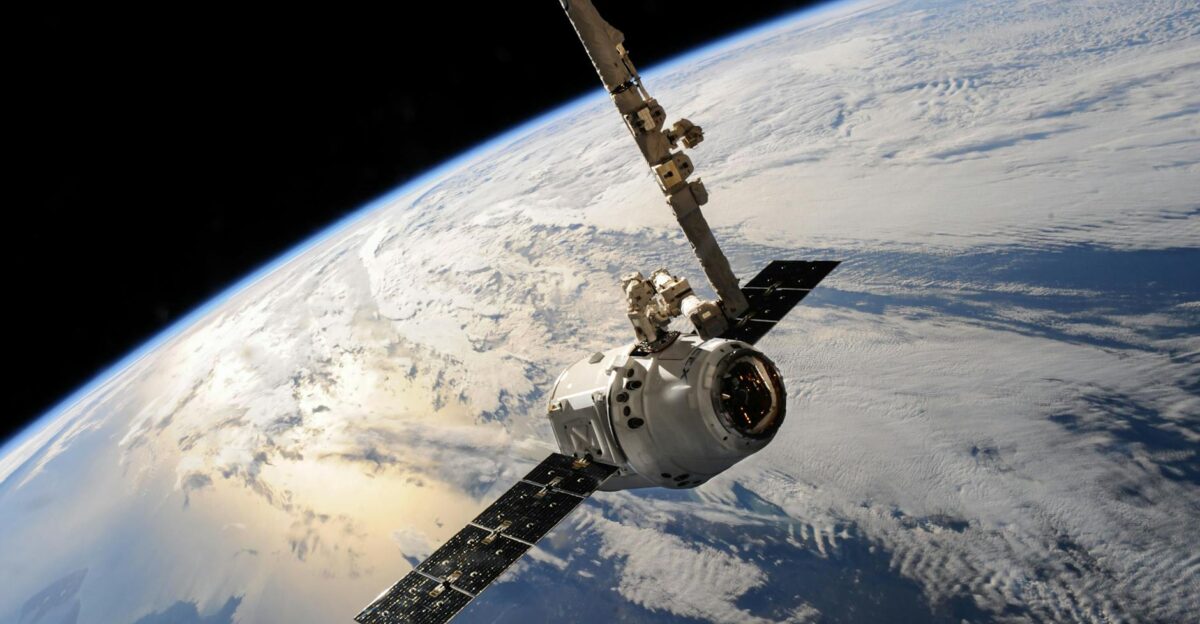
High-energy particles accelerated by solar eruptions pose serious risks to satellites, particularly large constellations in low Earth orbit. Radiation can damage electronics, disrupt onboard computers, and degrade solar panels.
At the same time, heating of Earth’s upper atmosphere increases drag, altering satellite orbits. Operators must carefully monitor spacecraft health during severe events, as even brief exposure can shorten satellite lifespans or cause temporary service interruptions.
Understanding the Solar Cycle
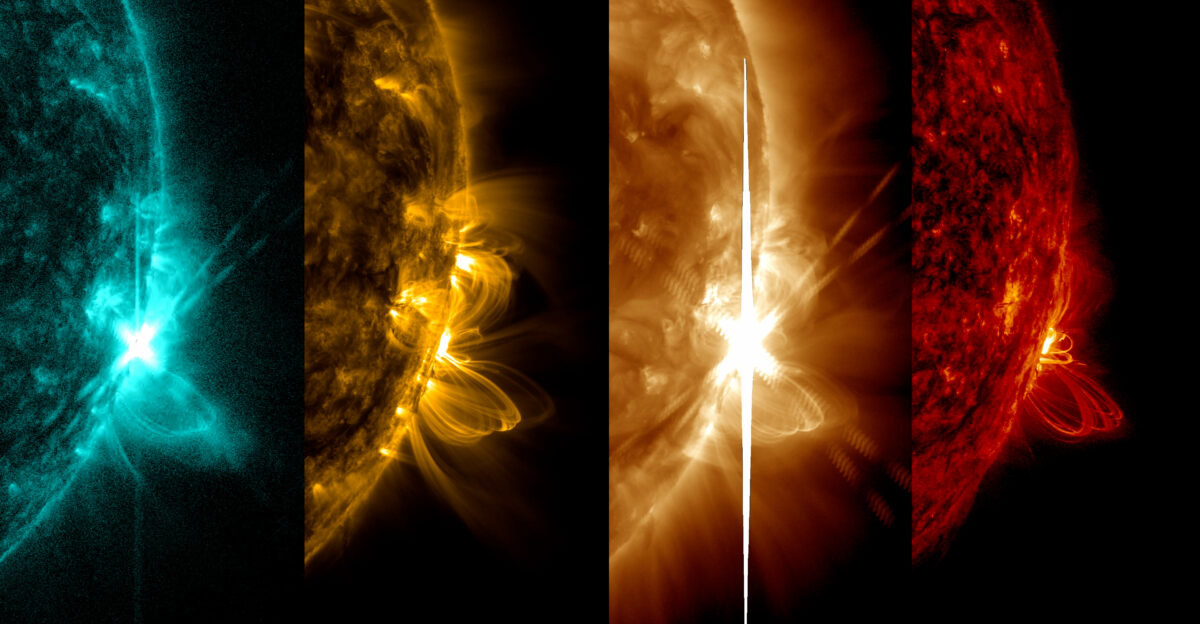
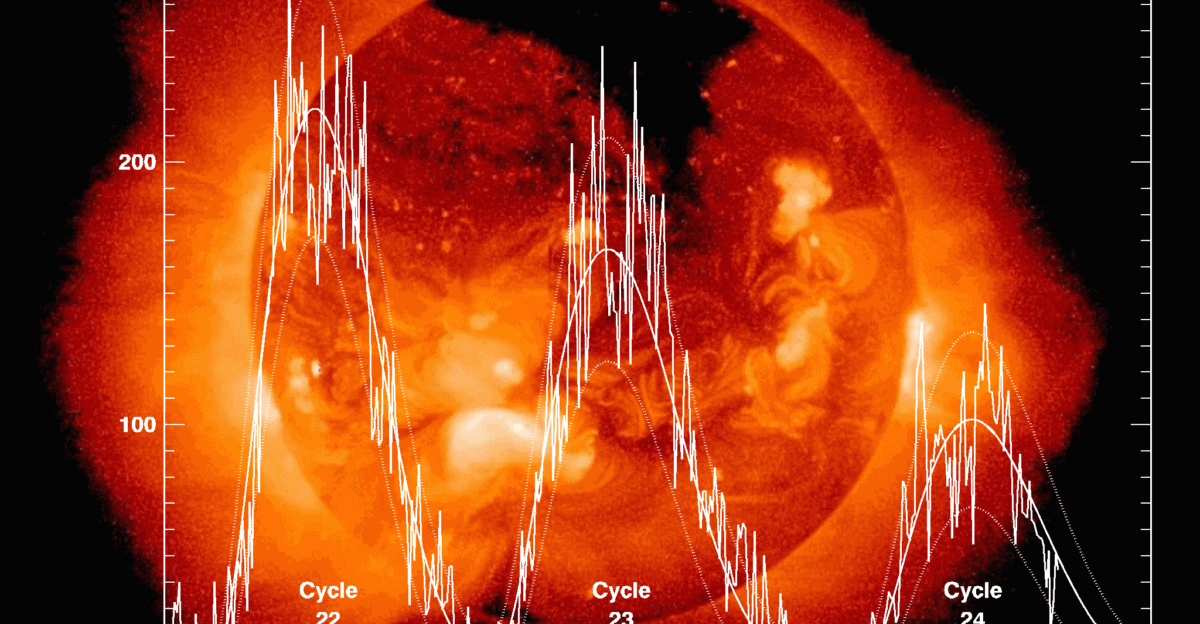
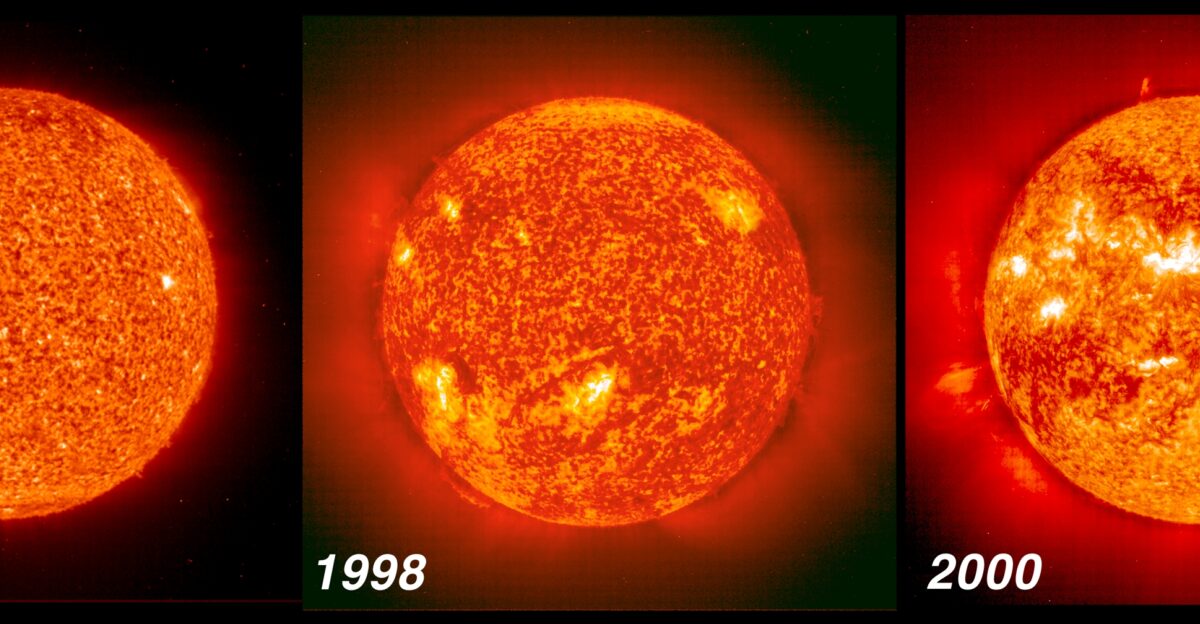
Solar activity follows an approximately 11-year cycle marked by rising and falling sunspot numbers. Solar Cycle 25 entered a highly active phase during 2025 and early 2026, increasing the likelihood of strong flares and radiation storms.
During solar maximum, the Sun’s magnetic field becomes more unstable, producing frequent eruptions that can affect Earth. Scientists track these cycles to anticipate periods of heightened space weather risk.
A Rare Class of Event
Severe solar radiation storms are classified from S1 to S5, with S4 events considered rare and potentially disruptive. Prior to January 2026, the last storm of comparable intensity occurred during the October 2003 “Halloween” solar events.
Those storms disrupted power systems and satellite operations worldwide. The rarity of S4 storms makes each occurrence a valuable data point—and a reminder that extreme solar activity remains a persistent natural hazard.
The S4 Threshold Reached
On January 19, 2026, forecasters confirmed that radiation levels had reached the S4 “severe” category. The storm followed a powerful solar flare and an associated release of energetic particles directed toward Earth.
Proton levels rose rapidly, posing elevated risks to spacecraft systems, astronauts, and high-latitude aviation routes. The classification placed the event among the strongest solar radiation storms observed in more than two decades.
Auroras Spread Southward
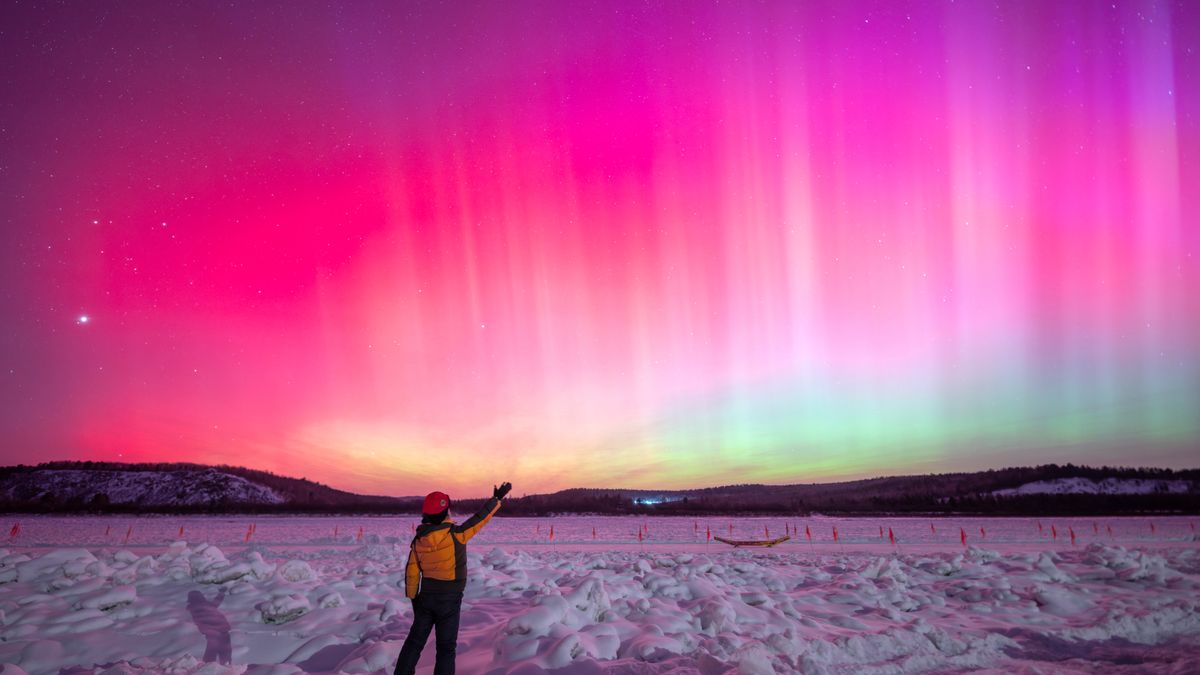
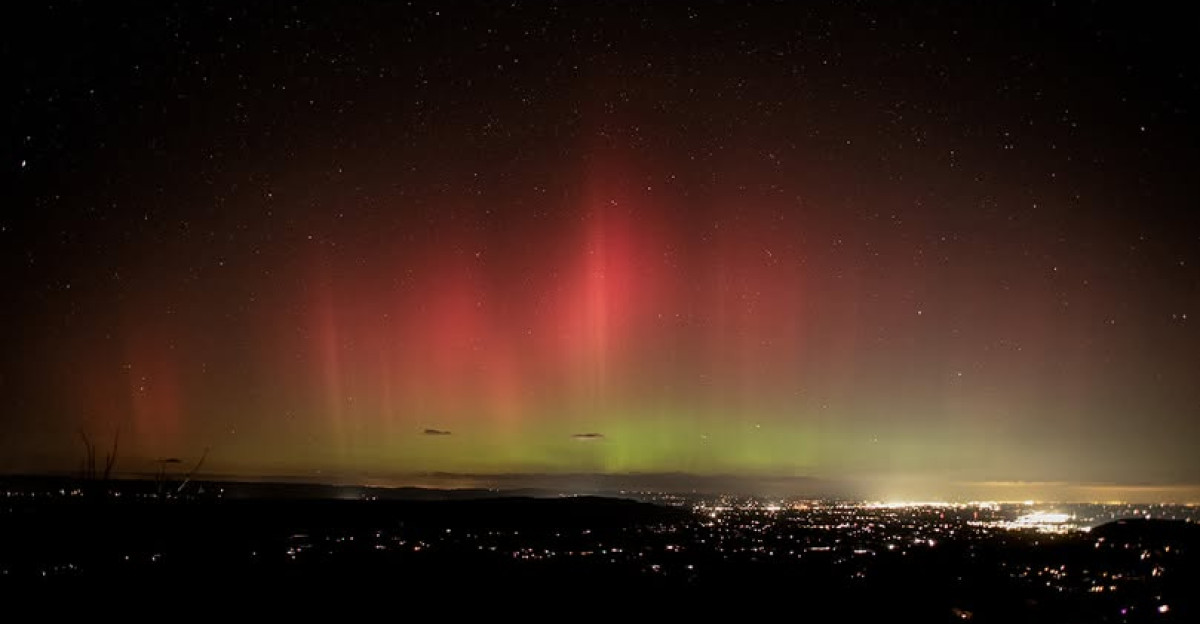
One visible consequence of the storm was an unusually widespread auroral display. Charged particles interacting with Earth’s magnetic field produced vivid northern lights across regions far beyond their usual range.
Reports came from much of the northern United States and parts of the southern tier, reflecting the strength of the geomagnetic disturbance. Such displays, while visually striking, often accompany conditions that stress power grids and satellite systems.
A Sky Millions Could See

Tens of millions of people across North America and other high-latitude regions witnessed the auroras during the storm. Social media and local reports documented shimmering curtains of light in areas where auroras are rarely visible.
While the displays inspired awe, experts emphasized that they also signaled elevated radiation levels in near-Earth space. For scientists, public visibility underscored the storm’s exceptional scale.
Satellite Operators on Alert
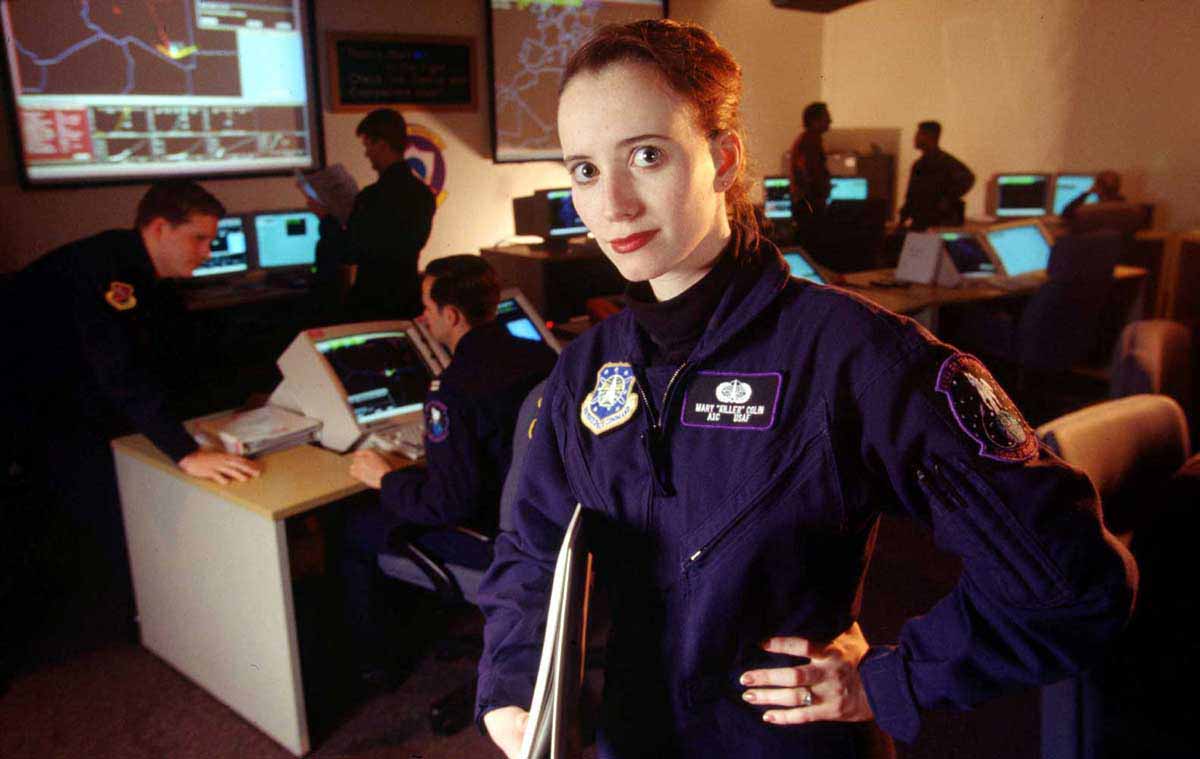
Satellite operators closely tracked conditions as radiation levels climbed and atmospheric density increased. Low-orbit spacecraft experienced additional drag, requiring careful orbit management to prevent altitude loss.
Operators placed some satellites into protective modes to reduce damage risk. Even well-shielded systems face cumulative stress during severe events, making real-time monitoring and rapid response essential during periods of heightened solar activity.
Lessons From Past Storms
Historical comparisons highlight why the January 2026 storm drew attention. The 2003 Halloween storms caused power outages, damaged transformers, and disrupted satellite operations worldwide.
Today’s space environment is far more crowded, with thousands more satellites and greater reliance on GPS, communications, and Earth-observation data. This expanded infrastructure increases both exposure and potential consequences when extreme solar events occur.
Measuring the Storm
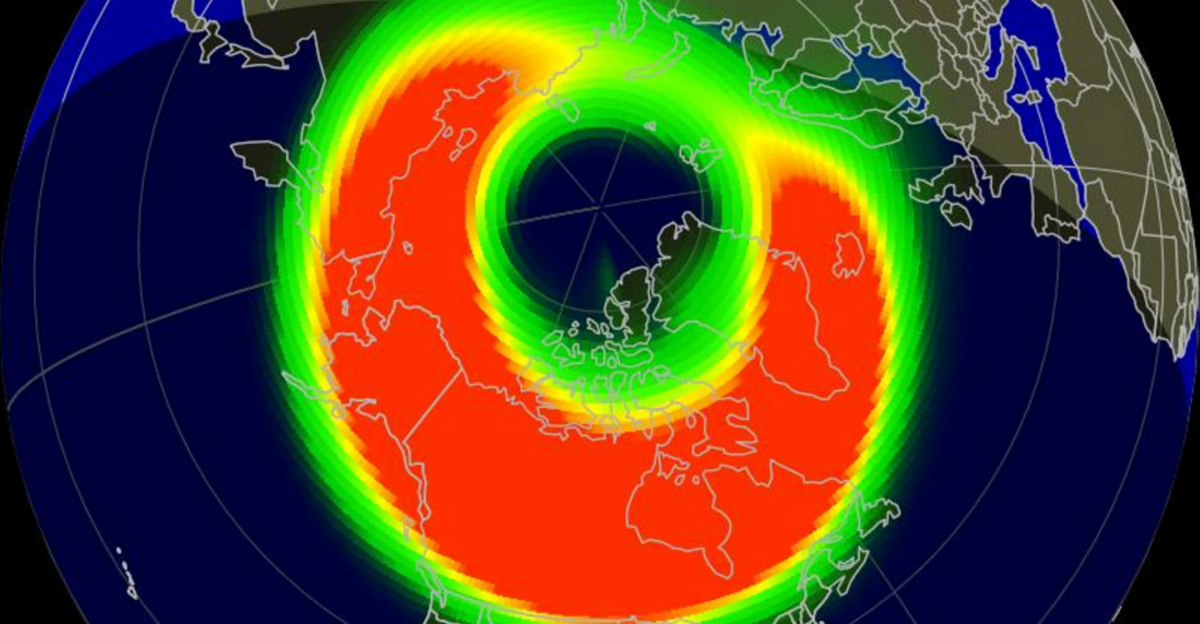
Modern monitoring satellites recorded elevated proton and radiation levels during the event, confirming its severity. Data indicated that the storm rivaled or exceeded radiation intensities measured during early-2000s benchmarks.
Astronauts aboard orbiting platforms followed established safety protocols, while high-frequency radio communications at polar latitudes experienced interruptions. These measurements help refine models used to forecast future space weather threats.
Aviation and Grid Precautions
Airlines adjusted operations on polar routes, where radiation exposure and communication disruptions are greatest during solar storms. Some flights were rerouted to lower latitudes as a precaution. Power grid operators, particularly in northern regions, monitored geomagnetic conditions that can induce harmful electrical currents.
While widespread outages were avoided, the event demonstrated how closely aviation and energy systems track space weather alerts.
Coordinated Response
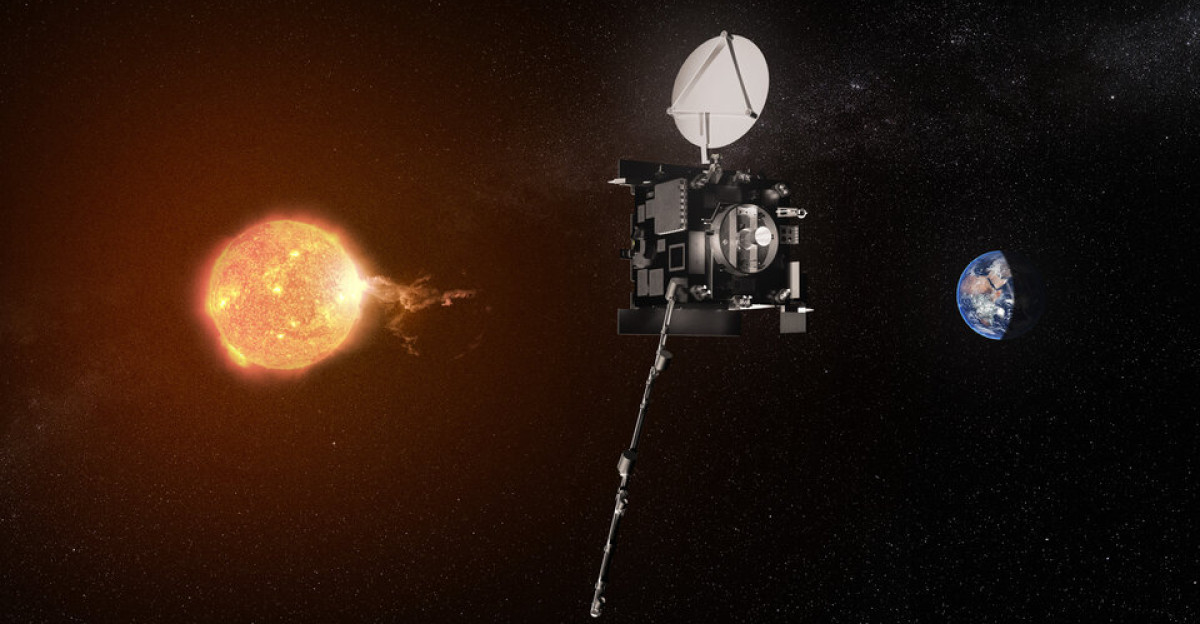
The storm triggered extensive coordination among space agencies, aviation authorities, and infrastructure operators. Real-time alerts allowed organizations to implement protective measures quickly.
This collaborative response reflected lessons learned from earlier solar storms and decades of preparedness planning. While the Sun’s behavior cannot be controlled, timely communication remains one of the most effective tools for limiting damage during severe space weather events.
Mitigation in Action
Protective steps taken during the storm proved largely effective. Satellites continued operating, power systems remained stable, and aviation disruptions were limited. Engineers used live data to adjust procedures as conditions evolved.
Although minor impacts occurred, the overall resilience of modern infrastructure suggested that investments in forecasting and mitigation have improved preparedness compared with earlier solar-maximum periods.
Experts Warn the Peak Isn’t Over
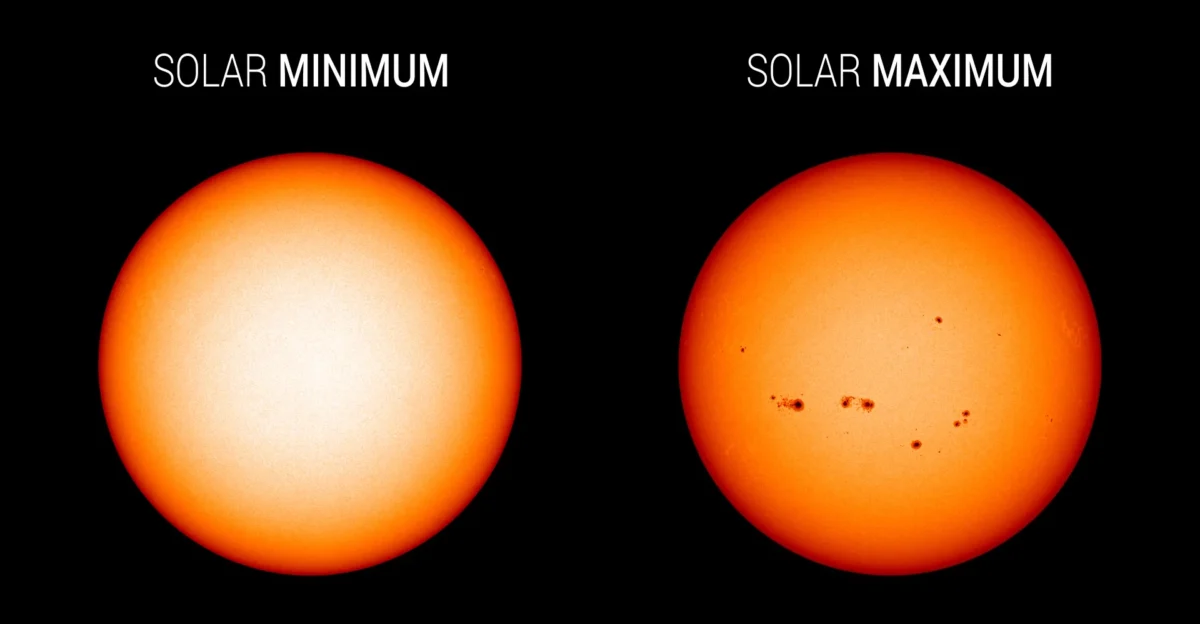
Scientists caution that solar activity remains elevated as Solar Cycle 25 approaches and passes its maximum.
Radiation and geomagnetic conditions declined after January 19, but additional strong eruptions remain possible. Experts emphasize that severe storms can occur with little warning during active phases, reinforcing the need for ongoing vigilance, improved modeling, and continued investment in space weather monitoring systems.
Future Missions at Risk
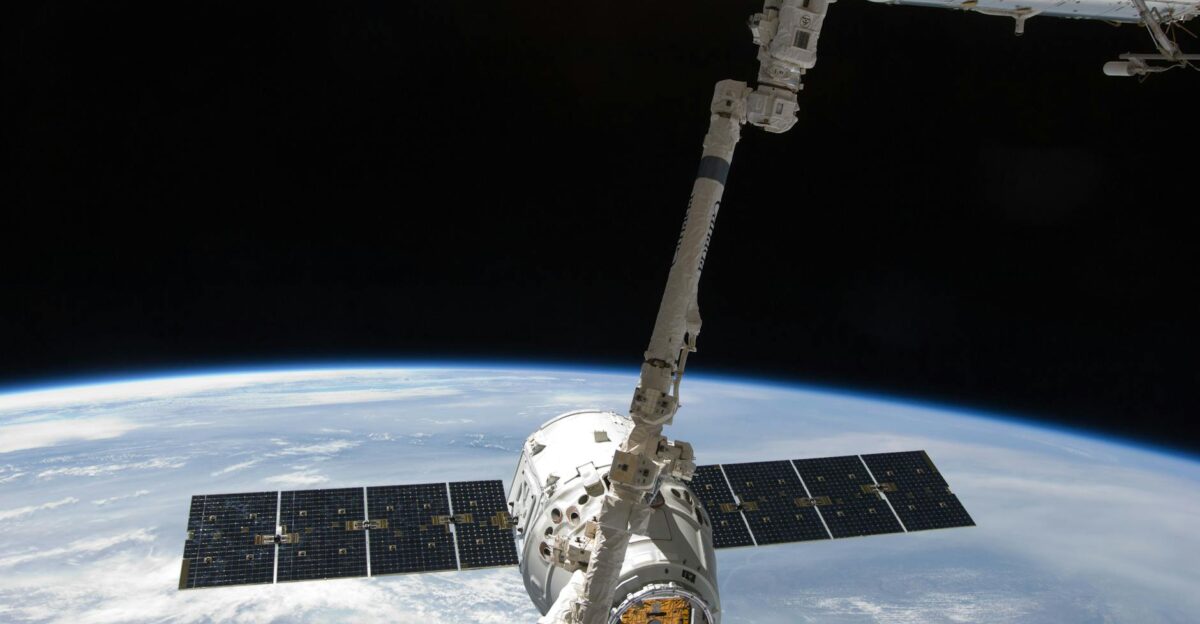
Human and robotic missions beyond Earth orbit face heightened radiation concerns during solar maximum. Lunar missions planned for the mid-2020s require careful timing and shielding strategies to reduce astronaut exposure.
Satellite operators are refining drag and radiation models to account for extreme conditions. The January 2026 storm serves as a real-world stress test for systems supporting exploration and commerce alike.
Policy and Preparedness
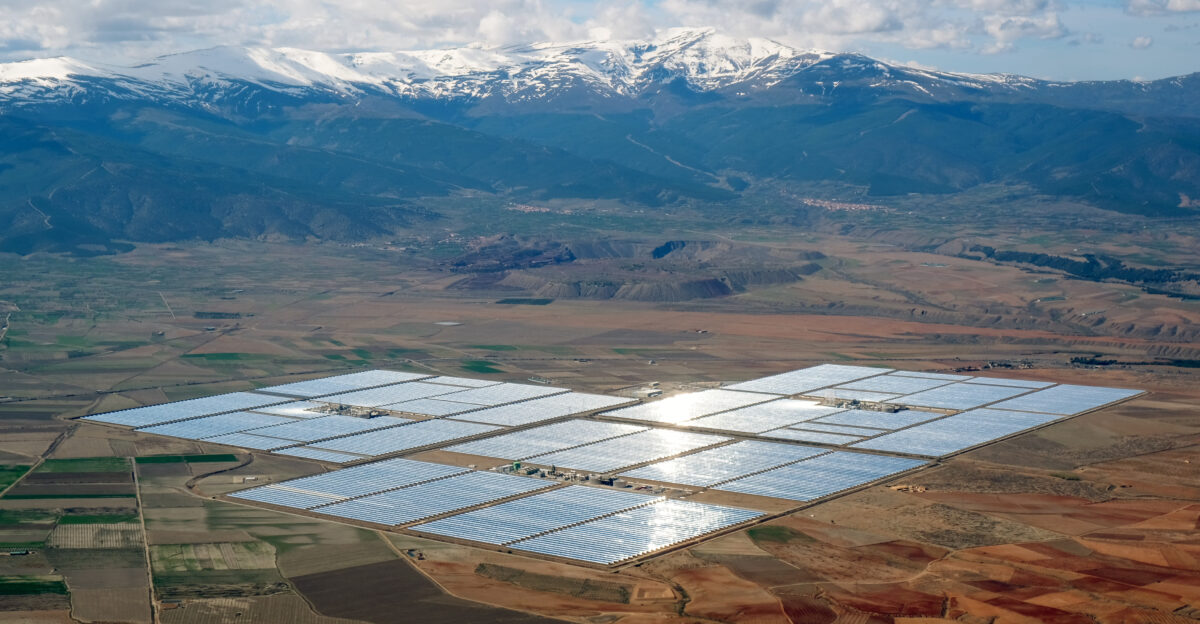
The event renewed policy discussions around national and international space weather preparedness. Governments continue reviewing protocols for grid protection, satellite resilience, and aviation safety. Enhanced forecasting capabilities and infrastructure hardening remain key priorities.
Severe solar storms are infrequent but inevitable, making long-term planning essential for minimizing future disruptions in an increasingly space-dependent world.
A Global Phenomenon
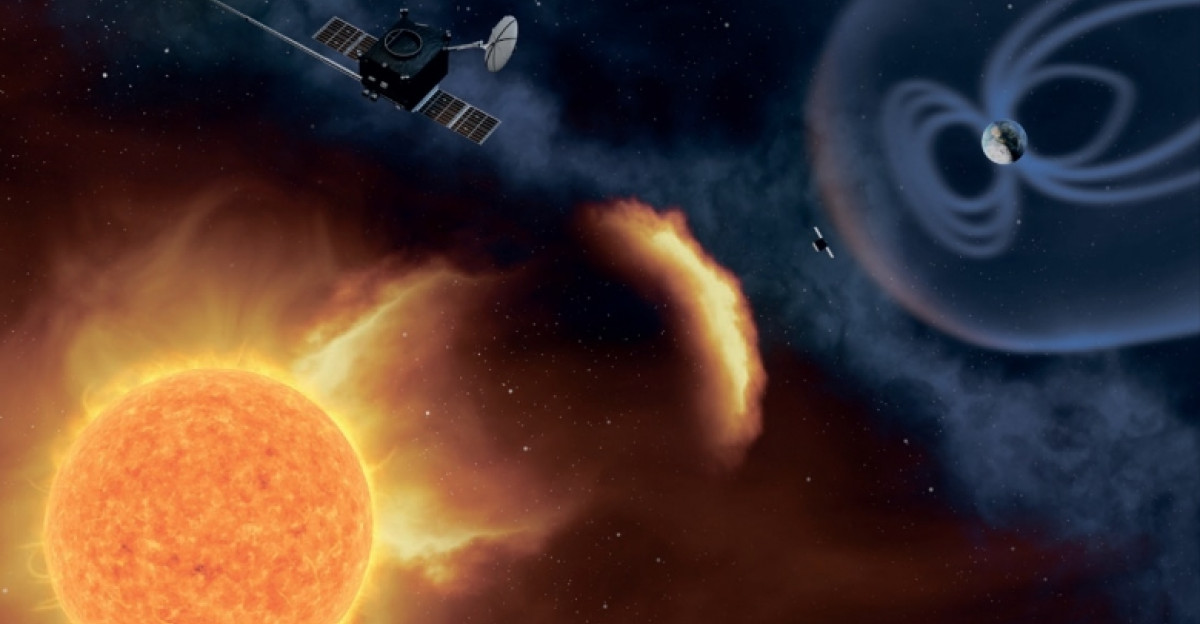
Solar storms do not respect borders. Agencies worldwide exchanged data and forecasts as the event unfolded, demonstrating the importance of international cooperation.
Auroras appeared across high-latitude regions in multiple countries, while satellites and stations globally monitored radiation levels. Shared information networks helped ensure consistent responses and reinforced the value of collaborative space weather monitoring efforts.
Economic and Operational Effects
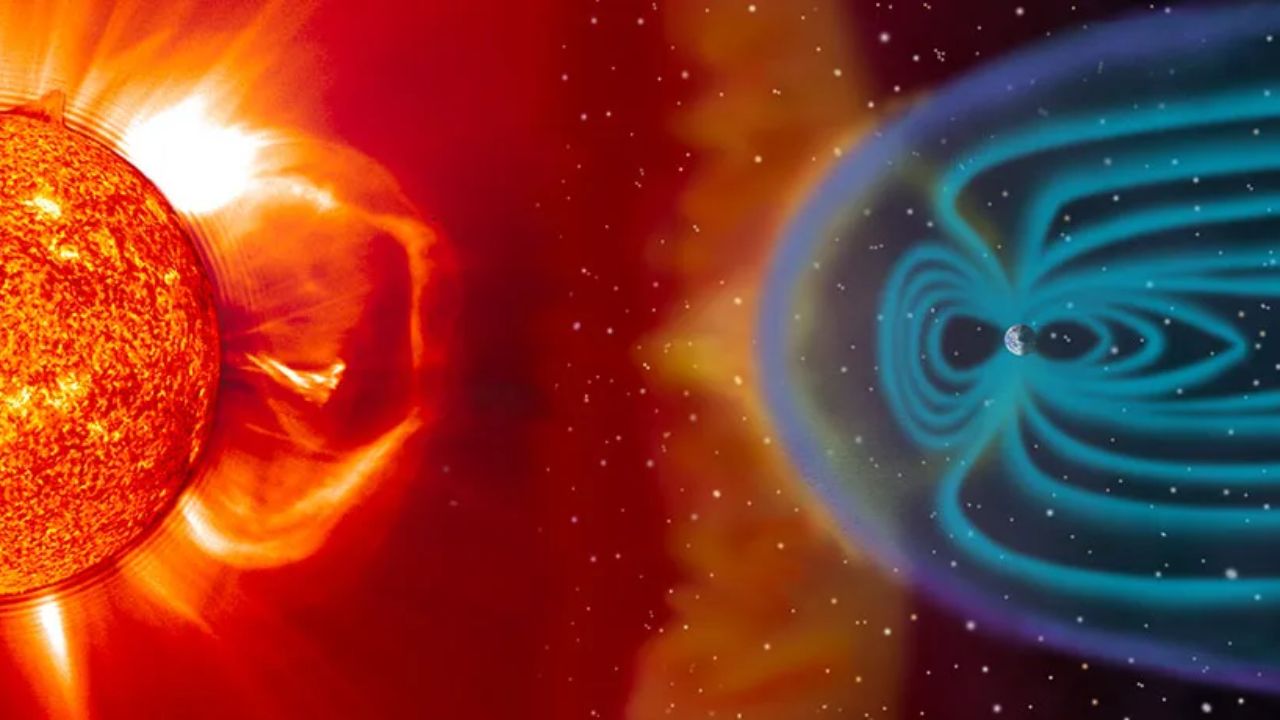
Beyond immediate technical concerns, severe solar storms carry economic implications. Satellite insurers, regulators, and operators evaluate exposure following each major event.
Even brief disruptions can ripple through navigation, communications, and timing services relied upon by financial and transportation systems. The January 2026 storm highlighted how deeply space-based infrastructure is woven into everyday economic activity.
Public Awareness Grows
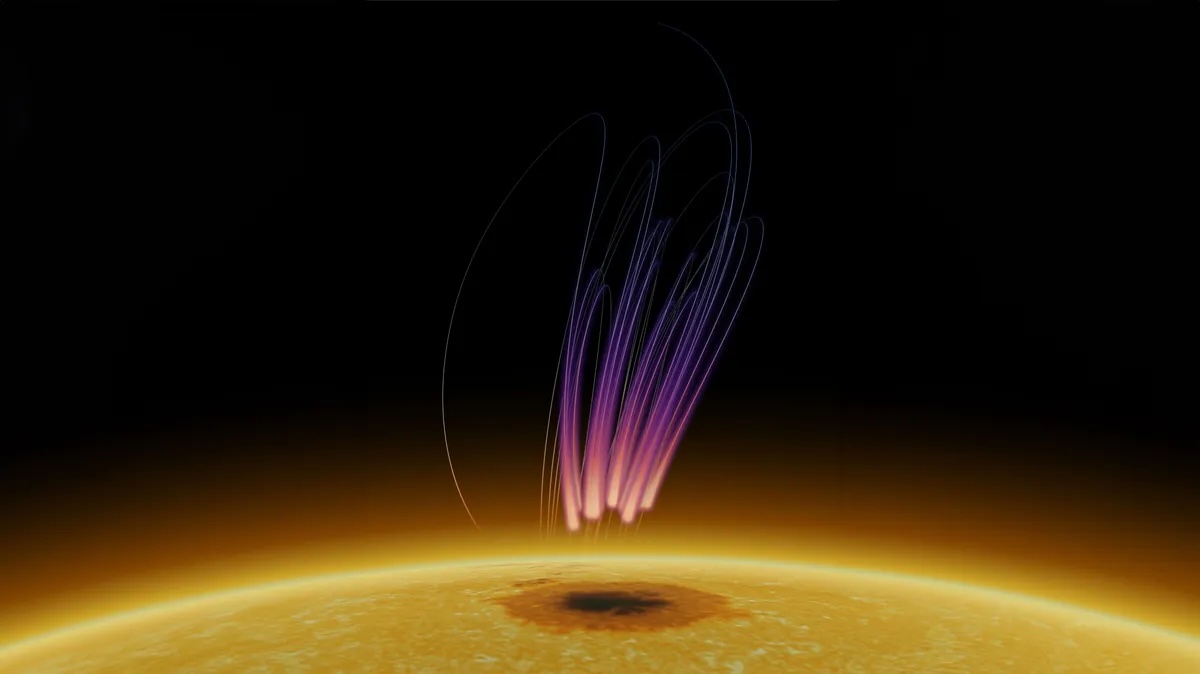
Widespread auroras sparked renewed public interest in solar science and space weather. Educational institutions and media outlets used the event to explain solar cycles, radiation storms, and technological vulnerabilities.
For many observers, the experience reframed auroras from a rare spectacle into a visible sign of powerful forces capable of influencing modern infrastructure on a global scale.
A Cosmic Wake-Up Call
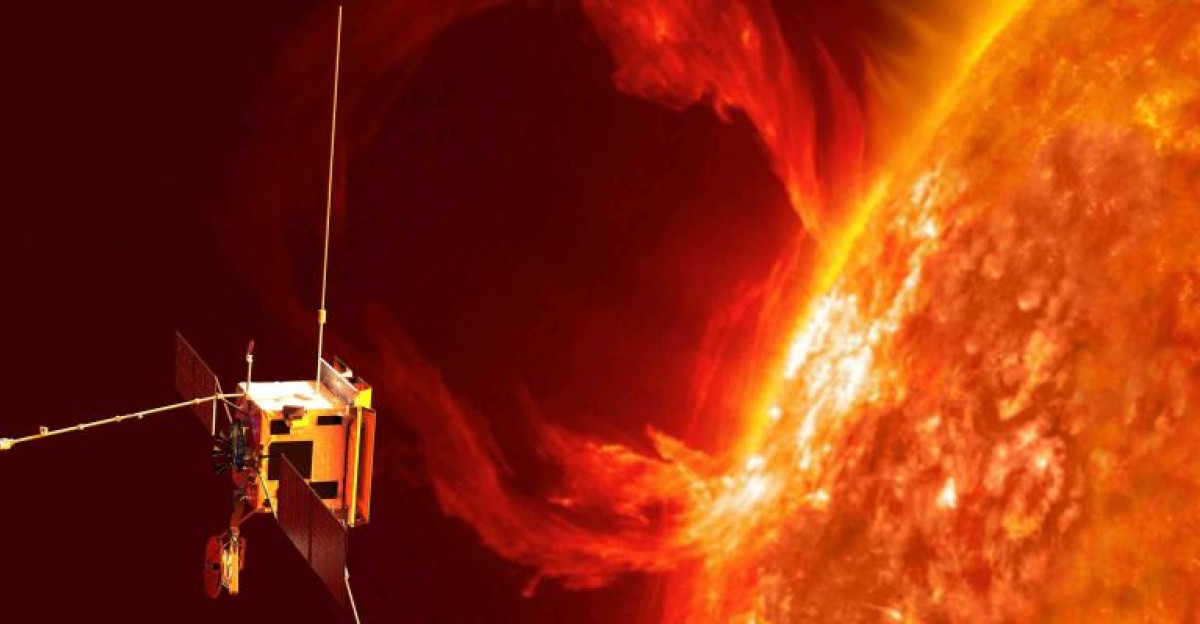
The January 2026 S4 solar radiation storm underscored a central reality of the modern age: advanced technology remains vulnerable to natural forces beyond Earth. As solar activity continues through the peak of Solar Cycle 25, resilience and preparedness become increasingly critical.
The storm served as both a warning and a demonstration of how coordinated planning can help society withstand the Sun’s most intense outbursts.
Sources:
CNN – Largest Solar Radiation Storm Auroras – 2026-01-19
Big Think – How a solar radiation storm created January 2026’s aurora – 2026
SWPC NOAA – S4 (Severe) Solar Radiation Storm in Progress, January 19th, 2026 – 2026-01-19
Time – What to Know About the Biggest Solar Storm in Over 20 Years – 2026
ESA – ESA monitoring January 2026 space weather event – 2026
NASA SDO – Strong Flare Erupts From Sun – 2026-01-20