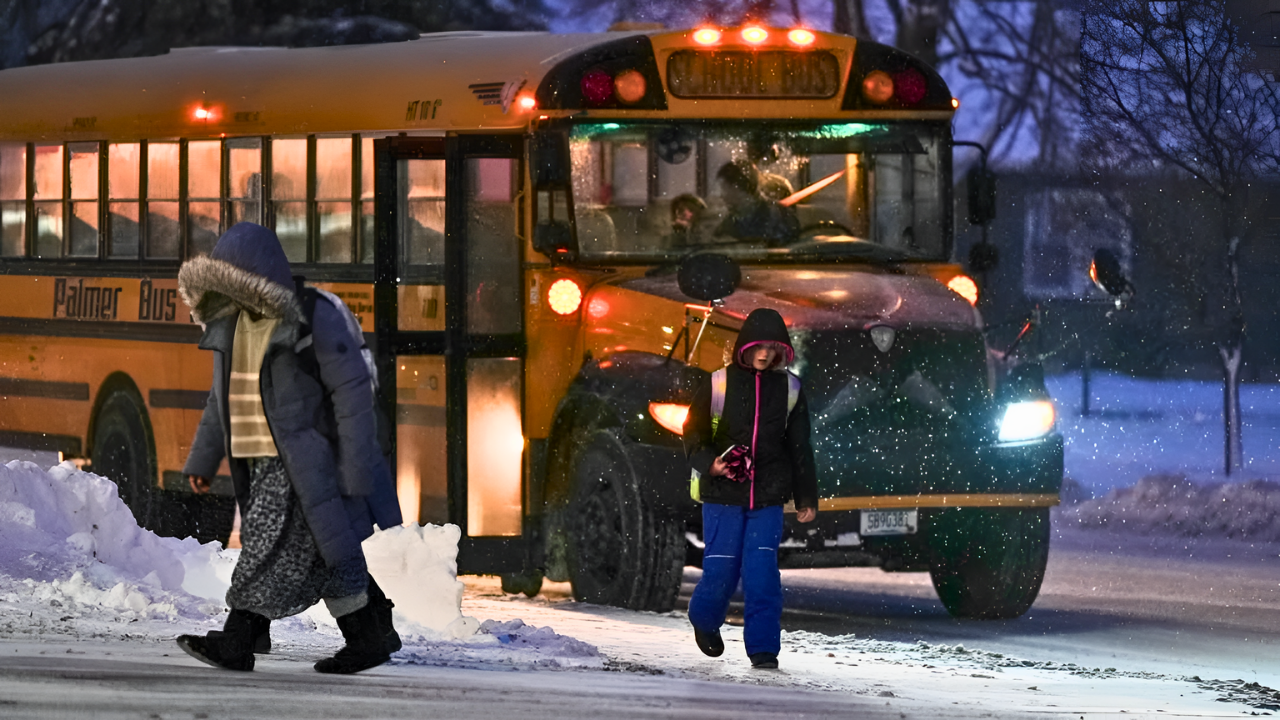
At 23°F in Western New York, children waited for school buses that didn’t arrive. One child stood outside for more than 35 minutes as wind swept across Lake Erie. Inside the district, parents say students rode electric buses without heat during long routes.
A grandmother recalls her grandson’s words plainly: “They can’t put the heat on because it drains the battery.” The complaints surfaced during the coldest days of December 2025, igniting alarm across the community.
Mandate Pressure
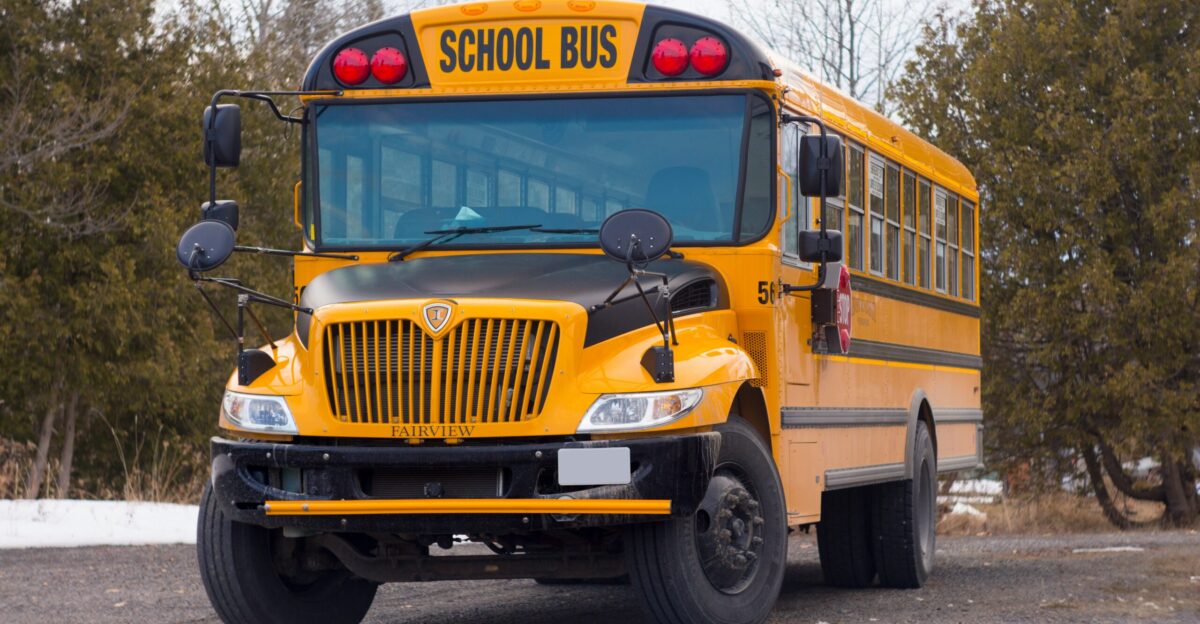
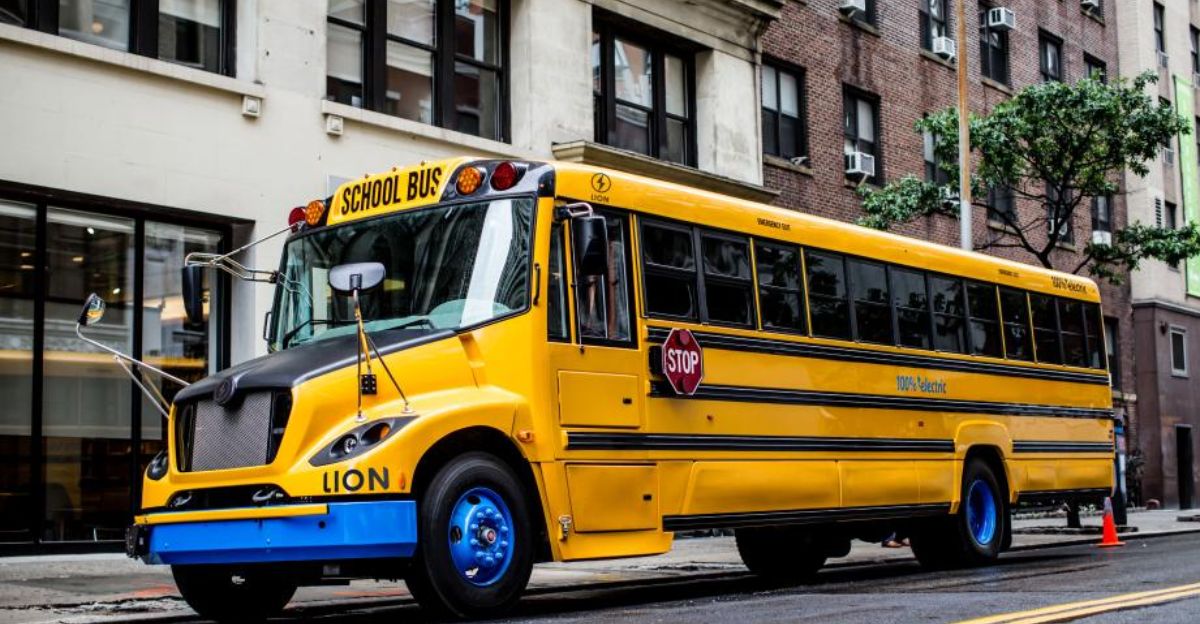
New York State law prohibits school districts from purchasing non-electric buses after 2027, with full zero-emission fleets required by 2035. Lake Shore Central School District moved early, acquiring 23 electric buses—nearly 45% of its 51-bus fleet.
While this positions the district ahead of schedule, the mandate creates intense pressure, particularly in cold-weather regions where electric buses face performance challenges and upfront costs nearly double those of diesel alternatives.
Policy Origin
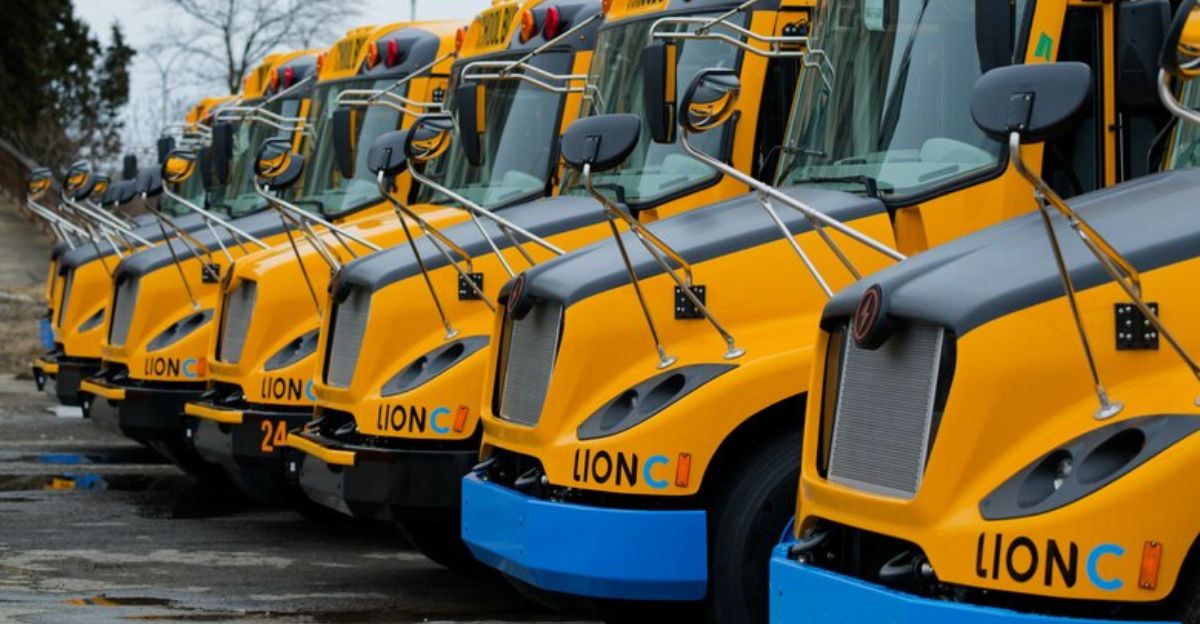
The electric school bus mandate was enacted in April 2022 as part of New York’s state budget under Governor Kathy Hochul. The goal: reduce emissions and lower childhood asthma rates. NYSERDA was tasked with administering incentives and promoting quieter, cleaner transportation.
Lake Shore Central secured a $7.9 million EPA grant to fund much of its fleet. But the winter of 2025 is now testing how well the policy translates to snow-belt districts.
Fleet Expansion
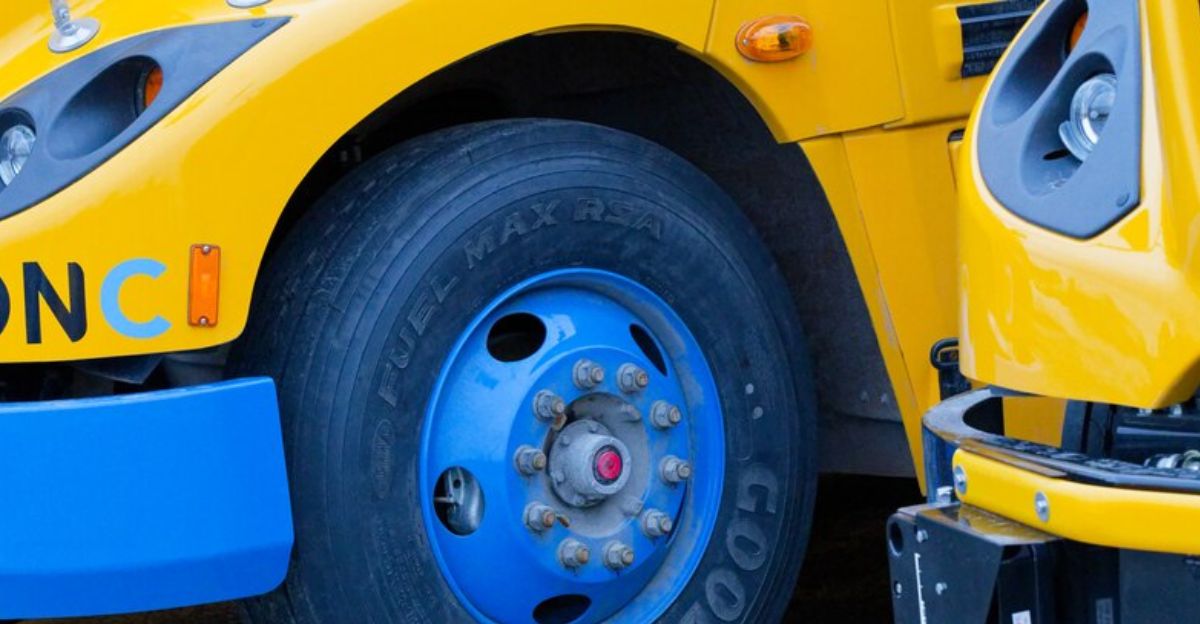
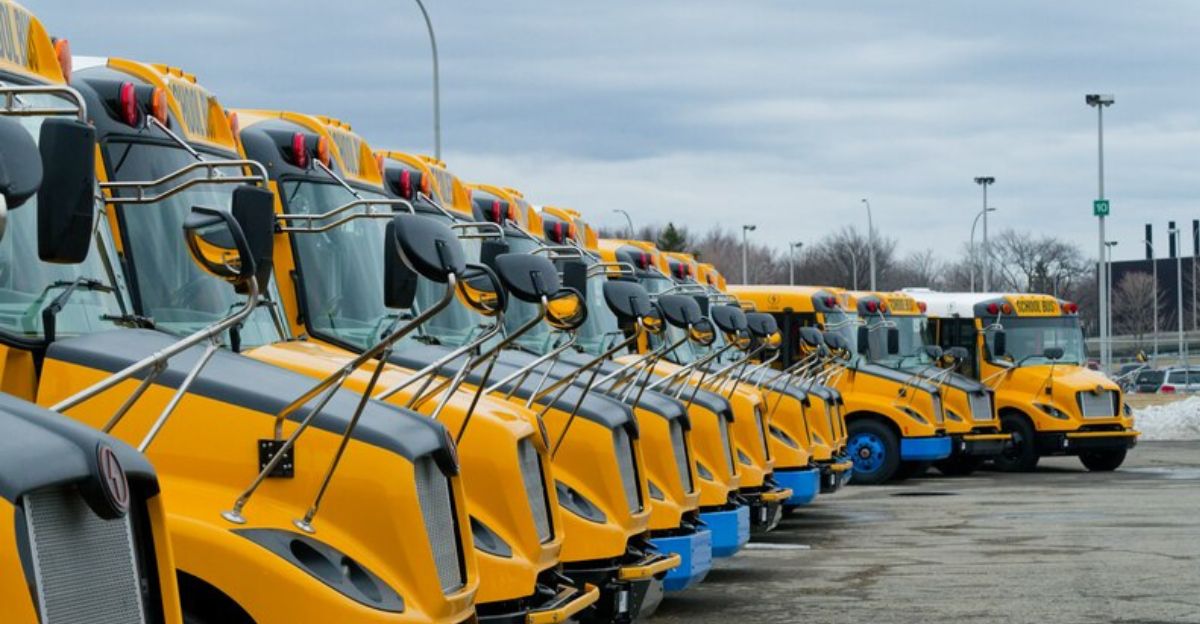
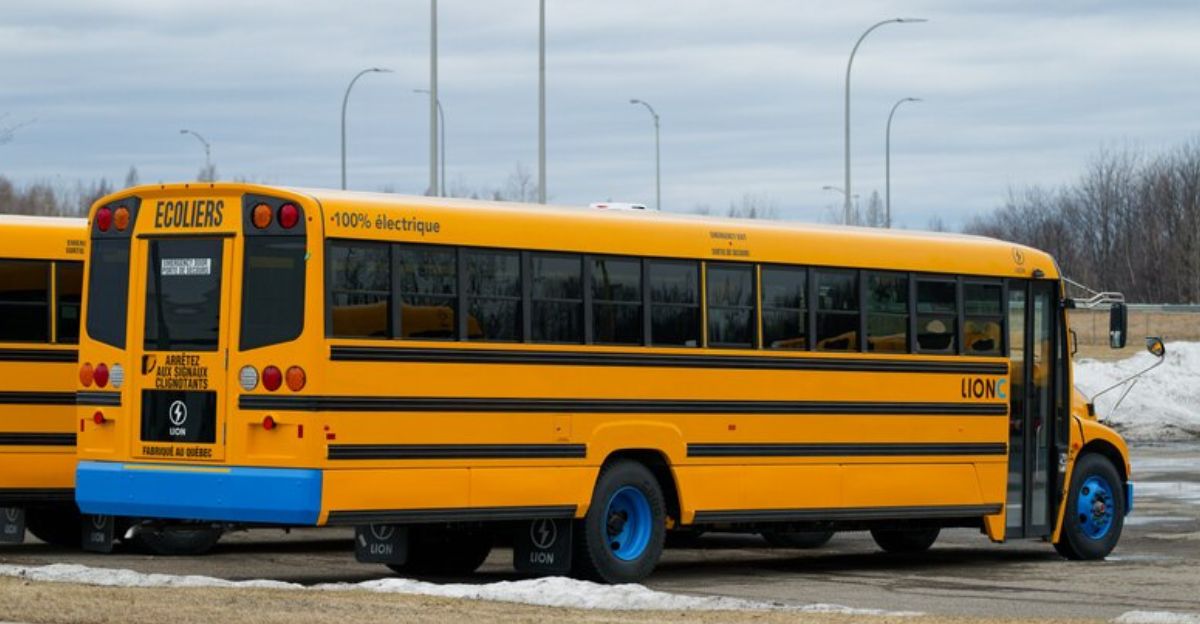
Located 15 miles southwest of Buffalo, Lake Shore Central unveiled its electric bus fleet in mid-2025. Nearly half of its traditional buses were replaced at no direct cost to taxpayers. The district now operates 23 electric, 24 gasoline, and four diesel buses.
Early feedback from drivers praised smoother rides and quieter cabins. However, as Lake Erie winter conditions set in, parent complaints have risen sharply, shifting focus from promise to performance.
Heat Fails vs. Protocols
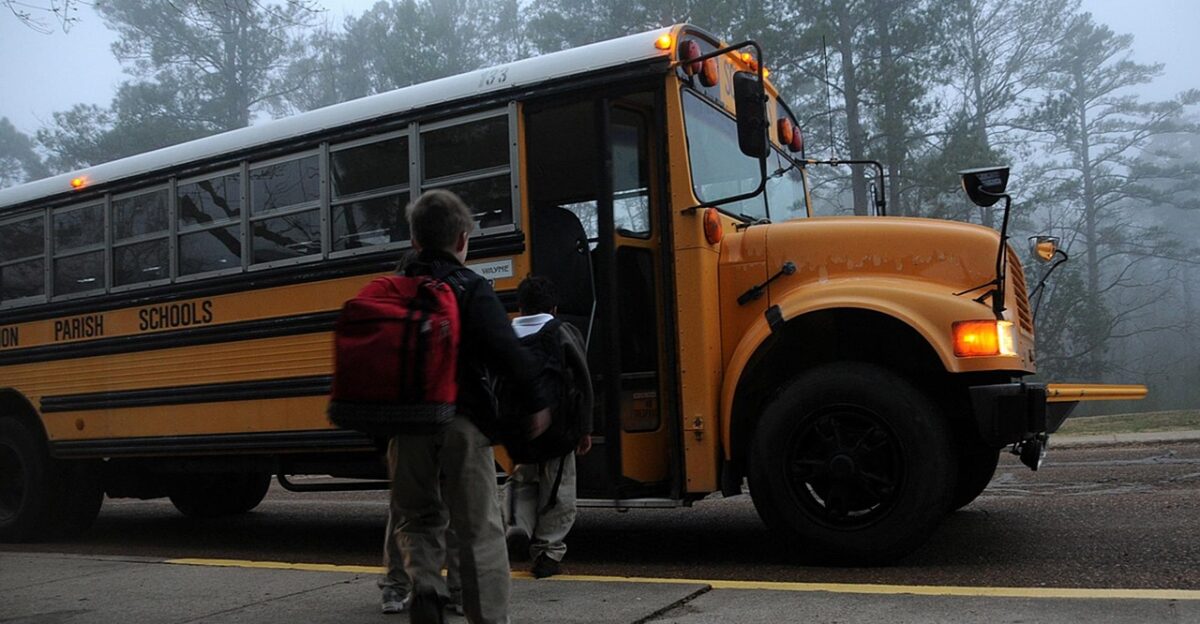
Parents report that electric buses were not running heat during sub-freezing conditions, allegedly to conserve battery life. One grandmother, Lynn Urbino, said her grandson was told directly that heat could not be used because it would drain the battery.
District officials dispute this claim, stating batteries are designed to handle both heating and route length. The disagreement suggests a potential gap between technical capability and on-the-ground operational enforcement.
Breakdown Chaos
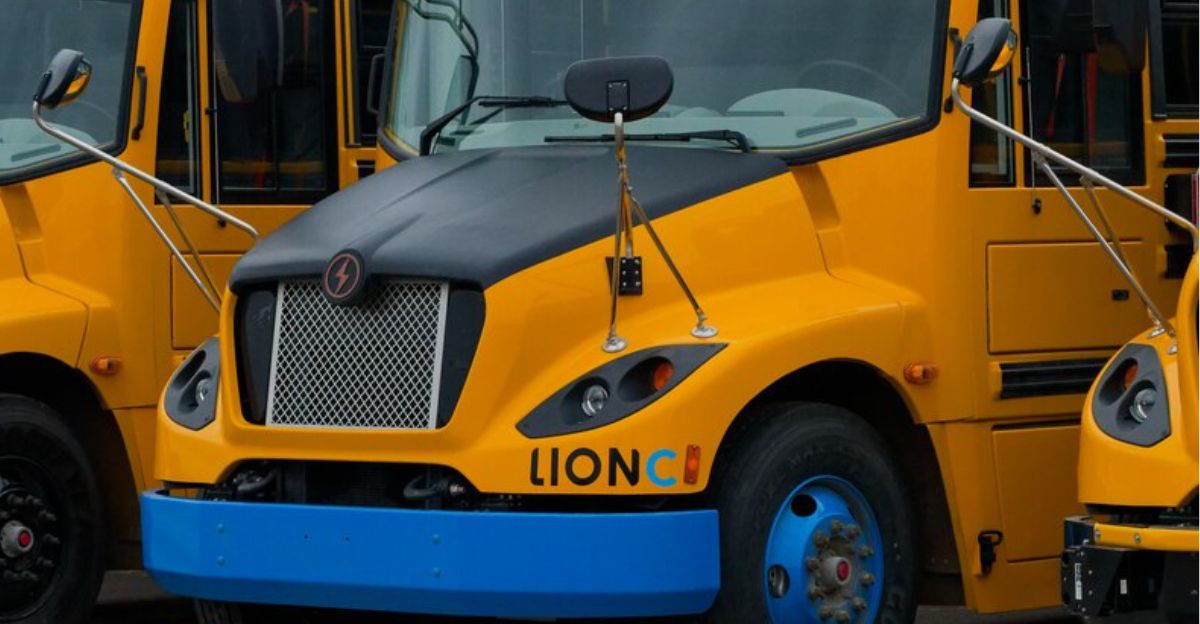
In December 2025, an electric bus reportedly broke down mid-route, triggering delays in extreme cold. A replacement bus took more than 30 minutes to arrive. One student waited outside for approximately 35 minutes in freezing temperatures.
The incident intensified concerns about reliability during winter weather. Lake Shore’s routes traverse terrain heavily influenced by Lake Erie snowfall, where mechanical resilience and rapid response are critical for student safety.
Parent Outrage
As complaints mounted, frustration spread among families. Parent Scott Ziobro echoed a common belief: that heaters and propulsion draw from the same battery, forcing drivers to choose between warmth and range.
Whether accurate or not, the perception has fueled distrust. Parents argue that even the possibility of cold cabins is unacceptable. Repeated reports of children returning home cold have intensified demands for immediate corrective action.
Regulatory Pushback
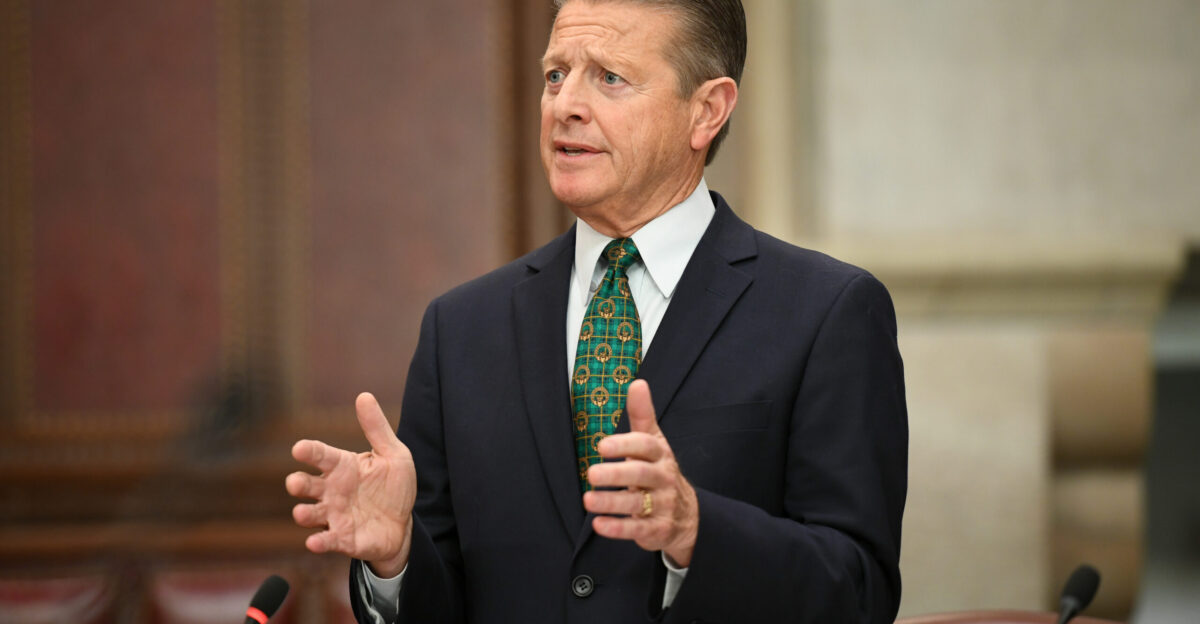
State Senator Patrick Gallivan has cited Lake Shore’s experience while co-sponsoring legislation to add flexibility to the 2027 mandate. Lawmakers from Western New York argue the policy does not sufficiently account for severe winter conditions.
While Lake Shore’s transition was supported by federal funding promoted by Senator Chuck Schumer, state officials are now weighing whether exemptions or delays are necessary to protect student safety.
Cost Explosion
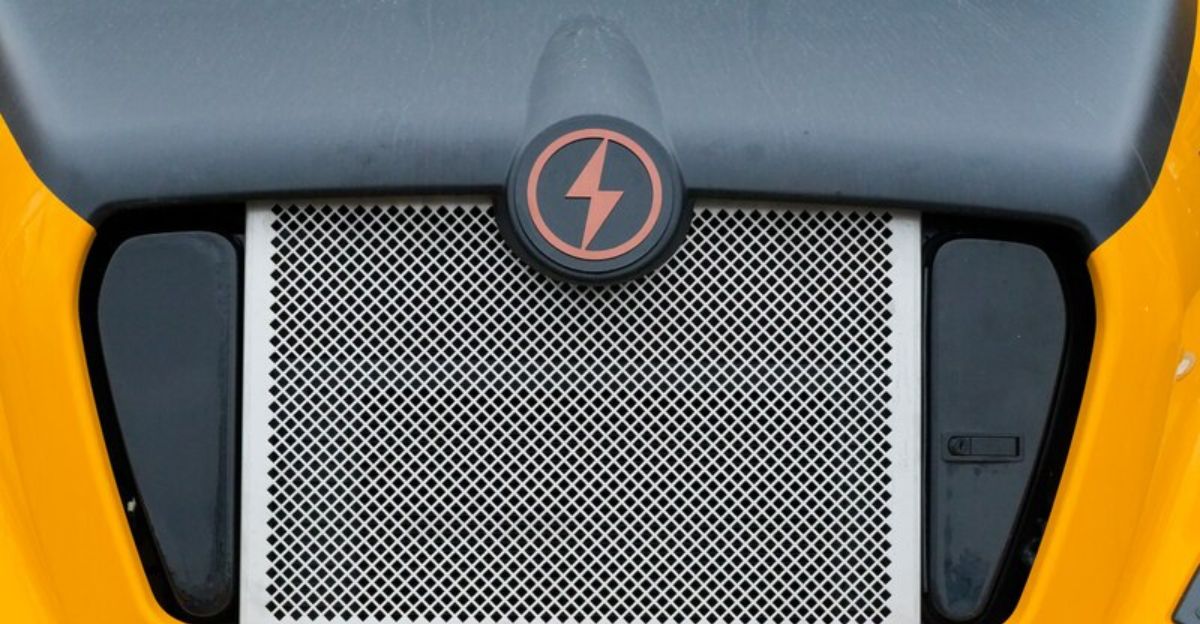
Electric school buses cost nearly twice as much as diesel models. Analysts at the Empire Center estimate a statewide excess cost exceeding $9 billion by 2035. While grants shielded Lake Shore from immediate financial strain, many districts lack similar access.
Beyond vehicles themselves, charging stations, electrical upgrades, and substations add millions more. Critics argue the mandate shifts long-term financial risk onto districts already facing tight budgets.
Grant Milestone
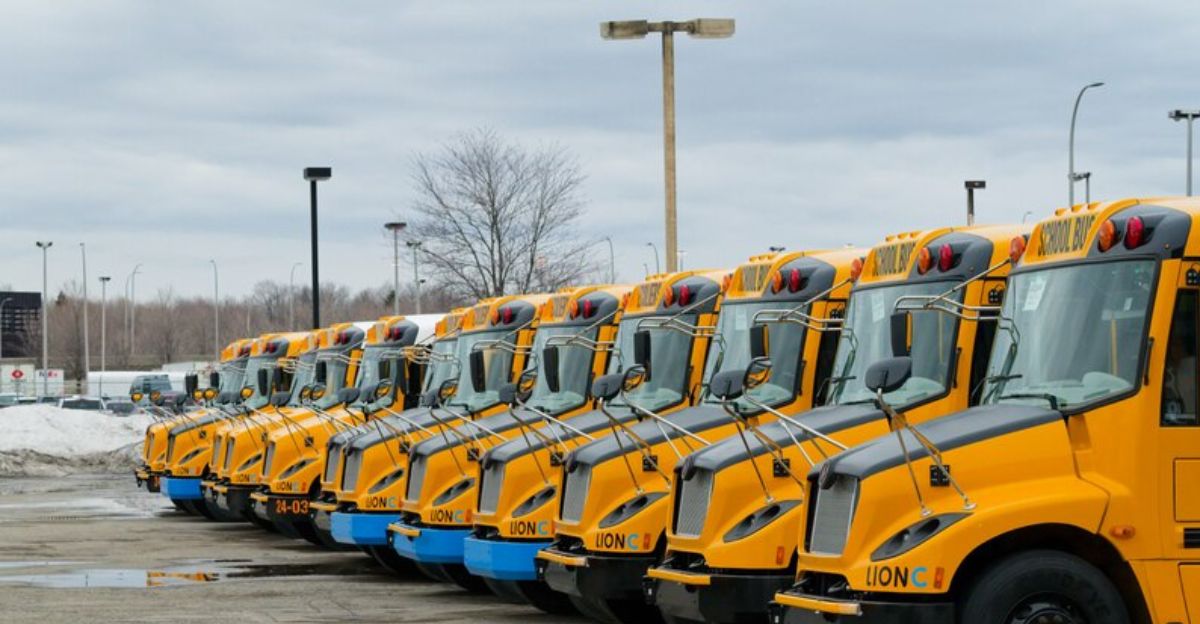
Lake Shore’s fleet was largely funded by a $7.9 million EPA grant through the Bipartisan Infrastructure Law—one of the largest single-district deployments in New York. NYSERDA acknowledges, however, that cold weather reduces battery range, a documented EV limitation.
As winter temperatures plunge, that reality is colliding with daily transportation demands, raising questions about whether grant-driven adoption outpaced real-world readiness.
District Response
Superintendent Phil Johnson maintains that electric buses are capable of safely operating with heat. He states that routes are designed so battery capacity exceeds requirements for both travel and continuous heating.
Johnson emphasizes ongoing staff training and adherence to state guidelines. Still, parents remain unconvinced, arguing that official assurances conflict with what children report experiencing on the buses during the coldest days.
Leadership Spotlight
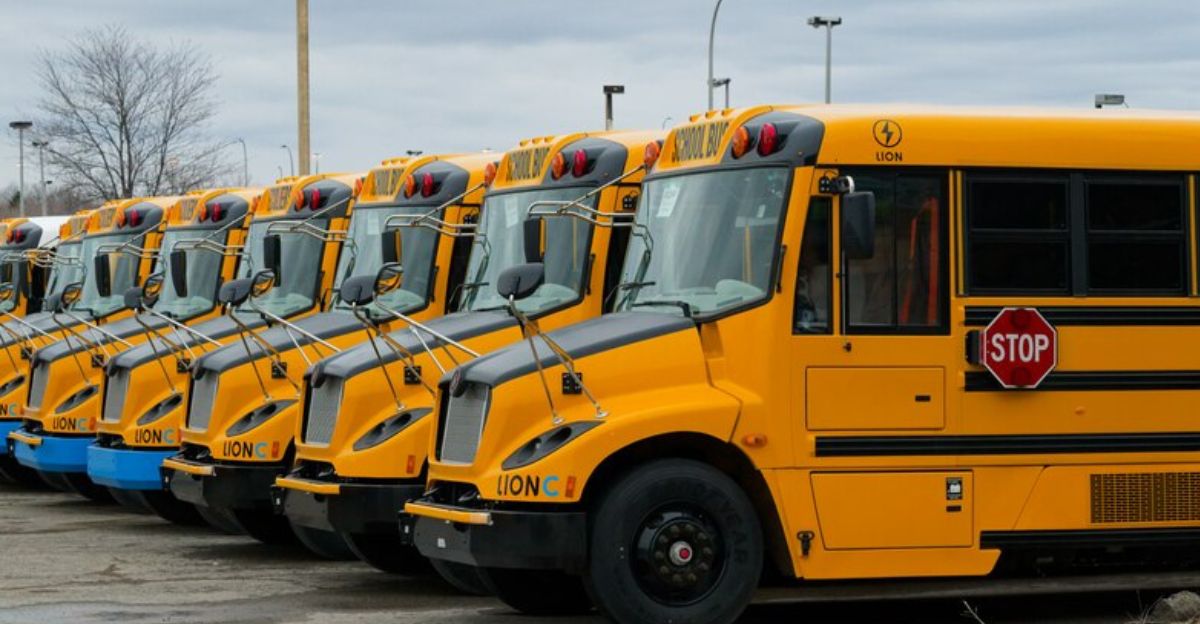
The transition spans two administrations. Former Superintendent Daniel Pacos promoted the fleet as fiscally responsible after securing federal funding. Current Superintendent Phil Johnson, who assumed the role in July 2025, now faces the operational fallout.
Despite growing friction, state partners like NYSERDA continue to highlight Lake Shore as a model district—an endorsement that contrasts sharply with parental concern during winter operations.
Incentive Strategy
To support the transition, Lake Shore leveraged NYSBIP incentives and utility programs to install Level 2 and Level 3 chargers. The district projected fuel savings of roughly $15,000 per bus annually.
It also launched a student EV maintenance program, enrolling 16 students in hands-on technical training. Supporters point to these investments as long-term benefits, even as critics question short-term safety tradeoffs.
Skeptic Warnings
Superintendents across Central New York have voiced caution. Westhill’s Steve Dunham stated: “I think the idea of moving away from a big fleet of diesel and gas buses makes a lot of sense, but I think what’s missing so far is really a way to do that in a really economically responsible manner.”
Solvay Superintendent Jay Tinklepaugh expressed concerns about “the uncertainty of the reliability of electric buses compared to gas and or diesel,” citing high costs and infrastructure challenges. Central Square School District reported that only about 28% of its bus routes would be viable with current electric bus technology due to terrain and grid capacity limitations.
These warnings suggest Lake Shore’s experience may not be an isolated case.
Waiver Outlook
The 2025 state budget allows districts to apply for up to two 24-month waivers if they demonstrate significant barriers. This could delay compliance until 2029 or even 2031.
The waiver provision is increasingly viewed as a critical safety valve. Districts watching Lake Shore’s winter challenges may turn to this option as cold-weather performance concerns persist.
Policy Clash
![<div class="description">
The original digital file had the following descriptive metadata embedded in its header: Name: 412_DSP_Transportation_236.jpg Date Picture Taken: 2/5/2009 5:33:41 PM [Original] Caption: Diesel Particulate Filter in exhaust stream of diesel school bus. City: Shady Grove State or Province: Maryland Byline: Eric Vance Byline Title: Chief Photographer, USEPA Keywords: Bus, Diesel, Exhuast, Particulate [Folder Topic: Transportation Cleaner Diesel]</div>](https://aws-wordpress-images.s3.amazonaws.com/ruckus/wp-content/uploads/2025/12/dsp-transportation-236-dpla-8e2f68db0aaf9e2c9b1909631c82e968-cropped.jpg)
New York’s clean-air ambitions are colliding with rural winter realities. While the governor’s administration accelerates approvals, lawmakers like Gallivan argue that safety must come first.
The legal mandate remains binding, but the recurring “heat versus range” controversy is forcing policymakers to confront whether timelines reflect current technological limits, especially in some of the coldest regions of the state.
National Echoes
New York has received more than $263 million through the EPA’s Clean School Bus Program. Other states are closely watching how these buses perform in harsh climates.
Lake Shore’s experience is becoming a case study in whether electric school buses can reliably handle Northeast winters. The outcome may influence how aggressively other states pursue similar mandates.
Grid and Legal Hurdles
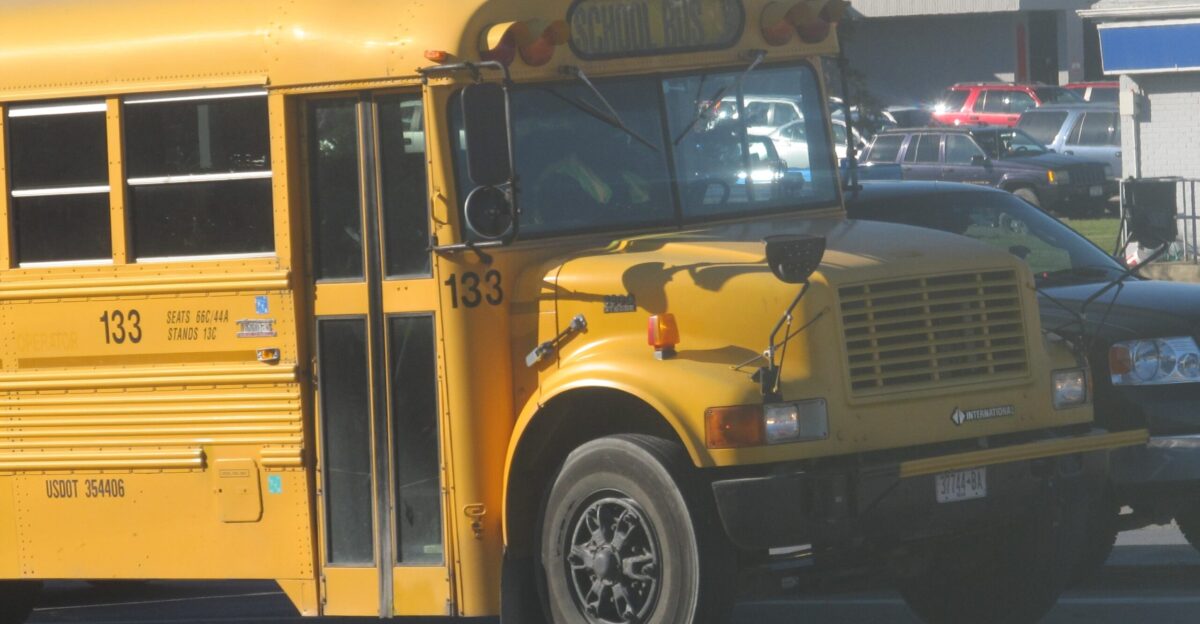
National Grid assisted Lake Shore with charging infrastructure but warns that widespread adoption will require major substation upgrades. At the same time, Department of Transportation regulations require heated bus cabins.
If electric buses cannot consistently maintain legal temperatures without risking breakdowns or stranded students, districts could face regulatory scrutiny alongside growing parental backlash.
Generational Shift
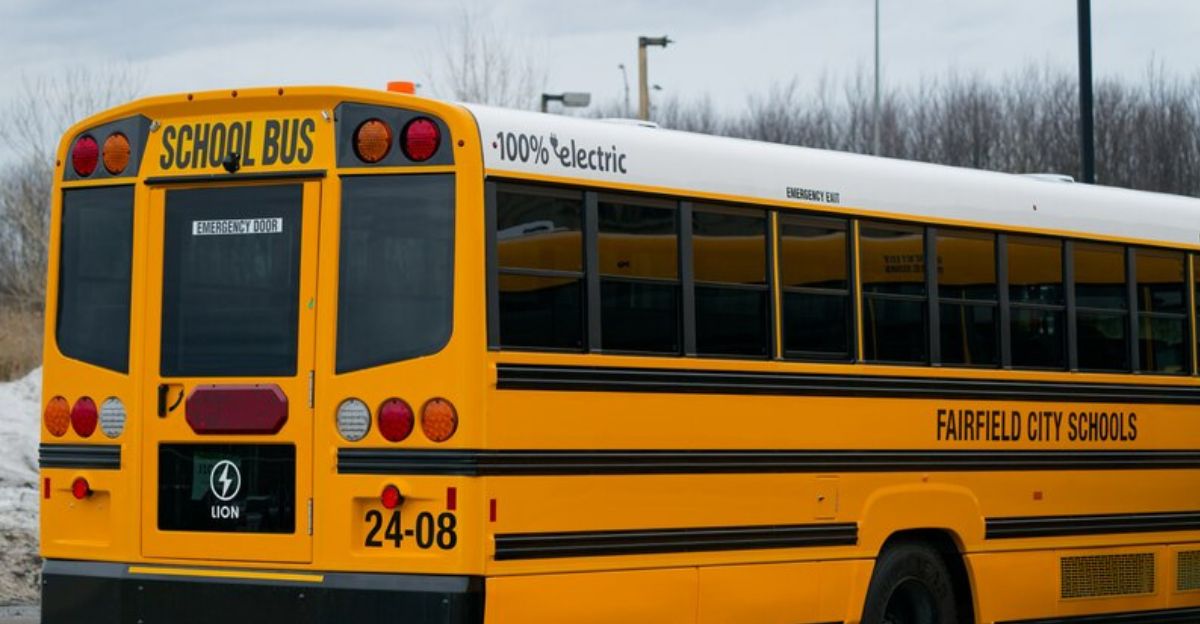
Students are experiencing quieter rides and new educational opportunities, including EV maintenance training for 16 enrolled students. Supporters argue these benefits prepare youth for a clean-energy economy.
Parents counter that long-term gains cannot justify immediate risks. For families watching children board buses in freezing weather, safety today outweighs promises of tomorrow.
Stakes Ahead
New York’s electric bus mandate represents one of the nation’s boldest climate policies. But Lake Shore’s freezing December has become a warning signal.
As the 2027 deadline approaches, the state faces a defining choice: press forward despite unresolved winter performance issues, or pause and recalibrate. The answer may determine whether green ambition and child safety can truly coexist.
Sources:
Fox Business: “Western New York parents say electric buses are too cold” – December 20, 2025
National Grid US: “Electric Bus Fleet Transition Complete in Angola, N.Y.” – June 30, 2025
CNY Central (WSTM-TV): “This is where CNY schools stand ahead of 2027 electric bus mandate” – May 4, 2025
Empire Center for Public Policy: “Push for electric school buses seems to be losing power” – June 19, 2025
New York State Senate: “NY State Senate Bill 2025-S3328” – January 23, 2025