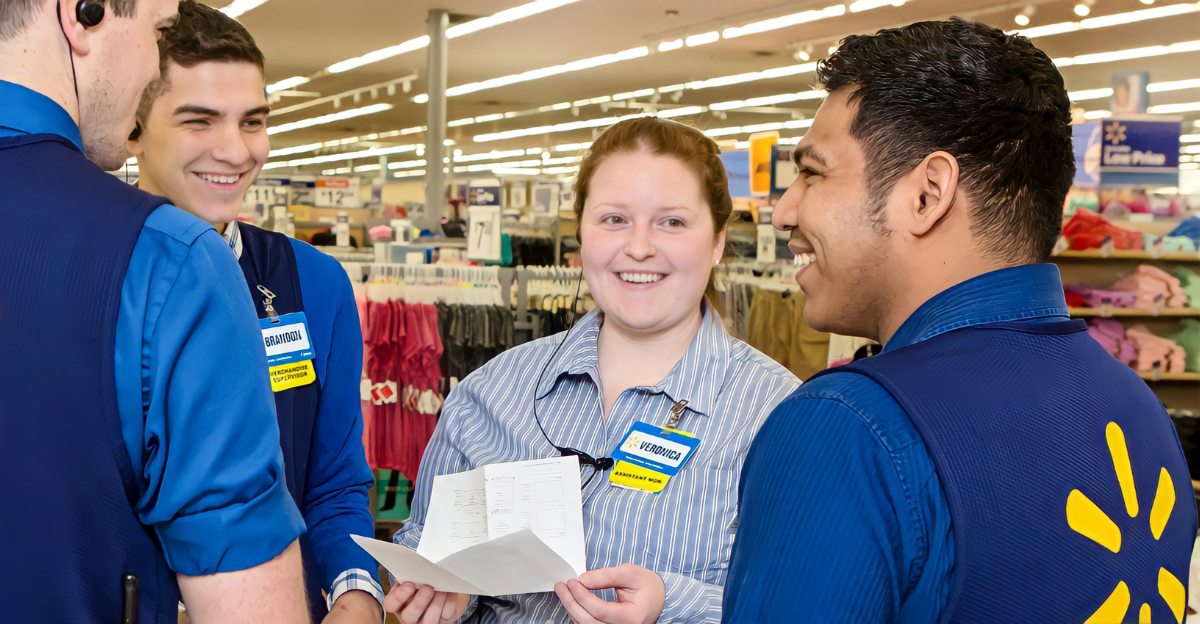
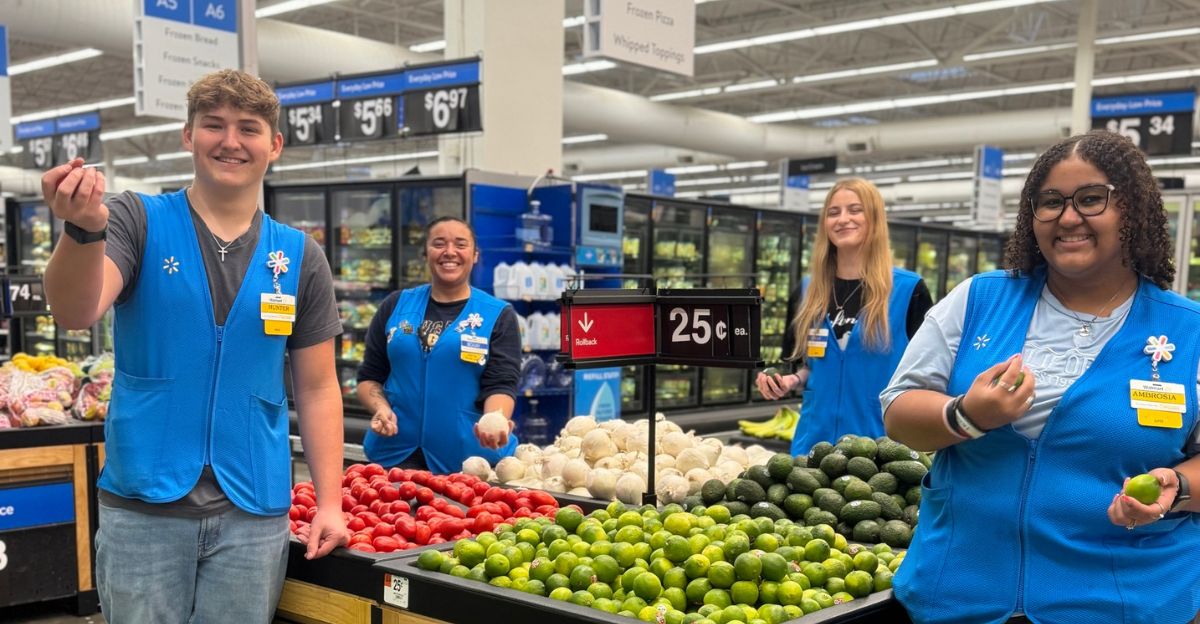
Walmart caught workers off guard by widening its 10% employee discount to cover nearly all grocery items in its stores. Announced on August 13, 2025, the change applies year-round and includes dairy, meat, and canned goods.
It comes as US food prices have been rising, so the savings will hit home for the chain’s 1.6 million employees.
Chief Operating Officer Kieran Shanahan and Chief People Officer Donna Morris framed this as big news – Shanahan noted that leadership “recognize[s] the significance of this discount,” and Morris confirmed it was one of the staff’s most-requested benefits.
High Stakes for Workers

Grocery bills are a huge burden for Walmart’s workforce. The average U.S. household spent roughly one-tenth of its income on food in recent years, and grocery inflation has often run ahead of modest wage growth for many retail workers.
For the typical Walmart associate – 65% of whom earn between $13 and $20 an hour – groceries can eat up a large portion of take-home pay.
With prices up about 3% in 2025 (and staples like eggs and meat climbing even fasterers.usda.gov), employees say the extra 10% off groceries will meaningfully relieve family budgets. “Groceries are expensive – every penny saved matters,” one cashier says, echoing the sentiment that this perk couldn’t come soon enough for many.
Decades of Discount Legacy
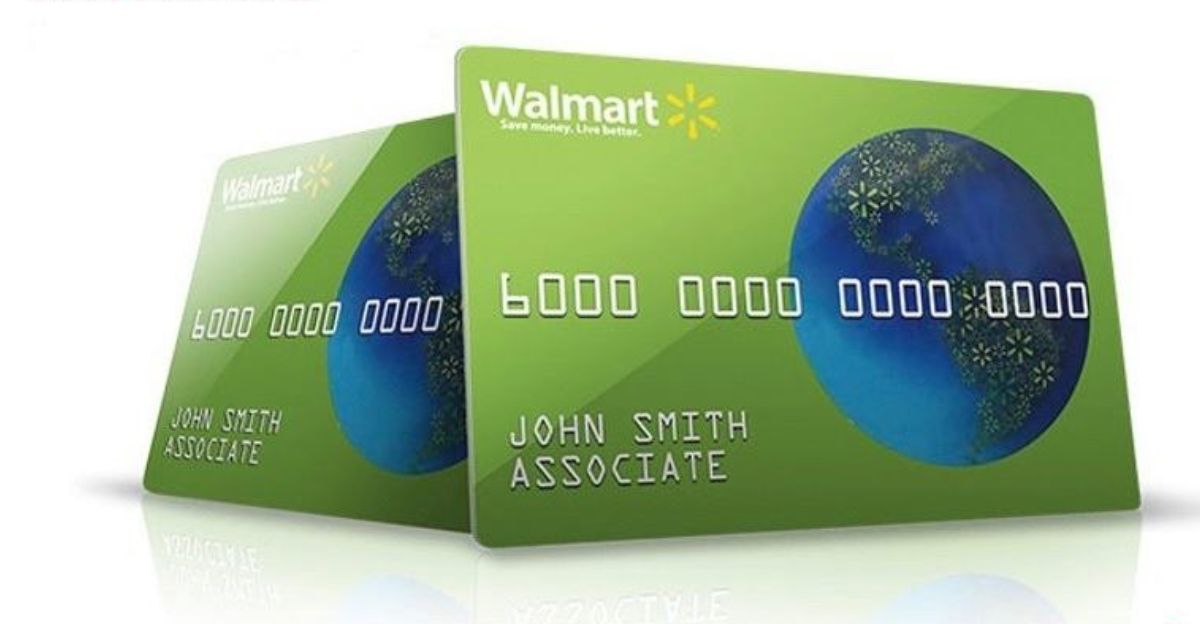
Walmart’s Discount Card dates back to founder Sam Walton over 50 years ago. Walton’s philosophy was to share profits with workers and treat them “as partners” in success.
Early on, that meant staff could buy produce and some general merchandise at 10% off.
The new expansion returns to Walton’s roots of broad-based sharing – only now for a wider range of goods.
Morris noted in her announcement that the card (first introduced over five decades ago) was “among [the company’s] most requested benefits”, underscoring the program’s long-held place in Walmart’s culture.
Rising Food Costs Hit Home

Food prices have been climbing nationwide, tightening household budgets. USDA data project U.S. grocery prices about 2.9% higher in 2025 than a year earlierers.usda.gov, despite some recent slowing.
But certain staples jumped far more: egg prices have been nearly 20% above last year’s levels, and coffee and beef have also seen double-digit gains.
For Walmart associates – many of whom are on tight budgets – the gap between sluggish wage growth and steady food inflation is felt deeply.
Store employees report cutting coupons, skipping treats and even working extra hours just to afford basics. The expanded discount directly addresses that pinch by lowering the cost of everyday groceries.
Walmart’s “Major Win”

August 13, 2025: Walmart’s Chief People Officer Donna Morris unveiled the perk: after 90 days on the job, every associate now gets a 10% discount on nearly all groceries, year-round.
That’s 95% of regularly-priced food items, up from just fresh produce under the old rules.
The change was cheered at a national managers meeting – one store manager said it would make a real difference for employees who often “struggle to cover their next meal”.
“I live paycheck to paycheck,” explained Maria, a store cashier in Ohio. “This discount means I can finally buy the milk and eggs my kids need without skimping on other bills.” Even executives framed it as a win.
Morris wrote in her staff memo, “We’ve heard your feedback that these savings make a real difference for you and your families”.
Discount Impact Across States

Walmart’s 4,700 stores span all 50 states, from rural Alabama to urban California. Now, regardless of region, every associate benefits. The card works in-store and online, covering groceries from the corner deli to the frozen aisles.
After just three months of service, an entry-level associate in any Walmart Supercenter can load up on staples (cereal, canned soup, fresh produce, you name it) at 10% off.
The expanded program removes previous geographic disparities: workers in expensive metro areas now save on the same items as those in low-cost regions.
This perk has gone truly nationwide – one of the broadest employee benefit rollouts in retail history.
Voices From the Floor

On the ground at Walmart stores, the mood is upbeat. “Groceries are expensive – every penny saved matters,” says Jamal, a cashier in Atlanta. His comment was echoed by colleagues nationwide when the news broke.
Employees at a Houston leadership conference gave an enthusiastic standing ovation when CEO John Furner and Morris announced the policy change. “I was in tears,” recalls one Nashville store associate.
“My family needed this. It shows management is listening.” Shoppers also took note. One mother in Denver texted her son, a new Walmart hire: “Get to the store, I want to see this discount!”
To workers like Jamal, the message is clear: the company is responding to real needs. Managers noted that employees frequently raised food costs in suggestion boxes; Morris’s message explicitly thanked staff for that input.
Competitors Raise the Bar
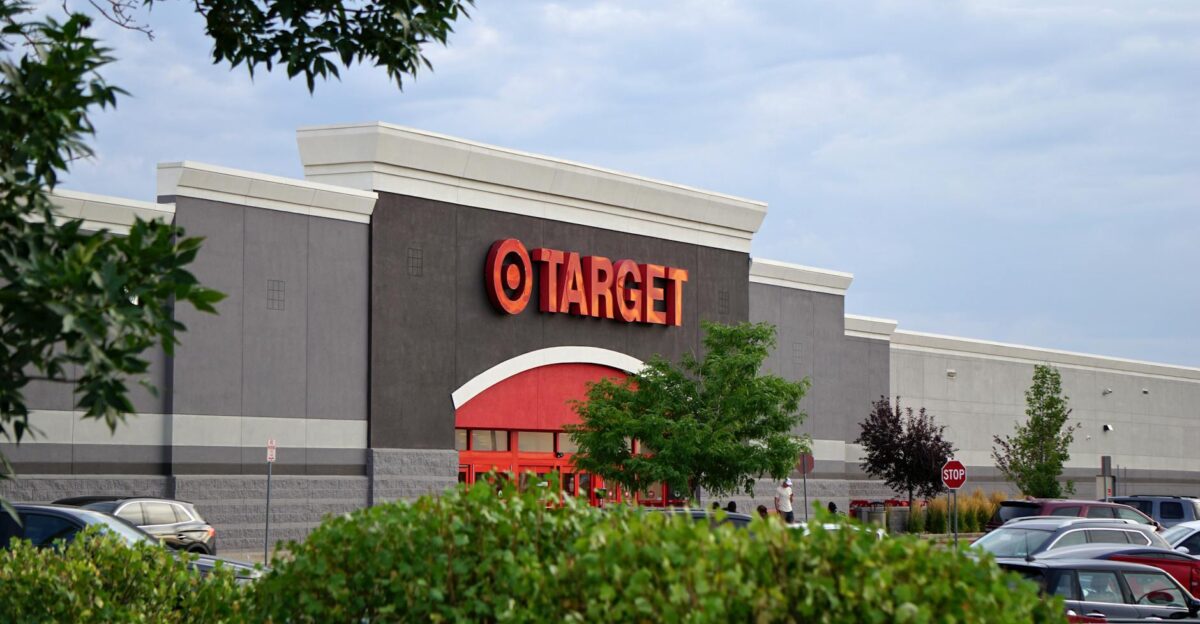
Walmart’s move catches up with industry peers. Target has long given its team 10% off most merchandise, plus 20% off wellness items and fresh food.
Grocery rivals are also generous: Amazon’s Whole Foods offers workers a flat 20% off almost everything, and even smaller chains like Trader Joe’s and Hy-Vee similarly discount employee shopping. (Trader Joe’s and Whole Foods are now cited at 20% off, for example.)
Even non-grocery retailers are stepping up perks – think CEO bonuses, education stipends or student loan help.
By covering so much of its own food aisles, Walmart is closing the gap. Its benefits now more closely match what a competing cashier or stock clerk at Target or Amazon enjoys.
Retail Worker Perks

This expanded grocery discount is part of a larger trend in retail: worker-first benefits. Post-pandemic labor shortages have forced chains to innovate to keep staff.
Many companies now compete on benefits like flexible scheduling, wellness stipends (e.g. monthly health or nutrition allowances), tuition or childcare assistance, and even rewards platforms.
According to industry research, offerings such as flexible work shifts and mental-health support are increasingly seen as essential, not optional.
A 2025 workforce survey found that well-being and work-life balance amenities can be more important than a pay bump to many employees. Walmart’s latest perk – a tangible cost-saving at the grocery counter – fits neatly into this new worker-centric playbook.
A Closer Look

In retail, turnover is extremely expensive. Studies show the typical cost to replace a worker is roughly one-fifth of their annual salary. (That cost can soar much higher for specialized roles – some analyses cite up to 213% of salary for executive-level positions – though the median clerk or salesperson is closer to 20%.)
Put simply, keeping an employee who already knows the job is far cheaper than hiring and training a new one.
Benefits like Walmart’s discount directly address that. As one HR director at a rival chain puts it: “Even $100 in monthly grocery savings is money employees won’t spend job-hunting.”
A Labor economist notes, “Anything that makes a worker think twice about quitting – even a discount card – can pay dividends for firms.” By boosting loyalty, Walmart aims to reduce churn, lower overtime on short-staffed shifts, and maintain smoother customer service.
Frustrations Pre-Change
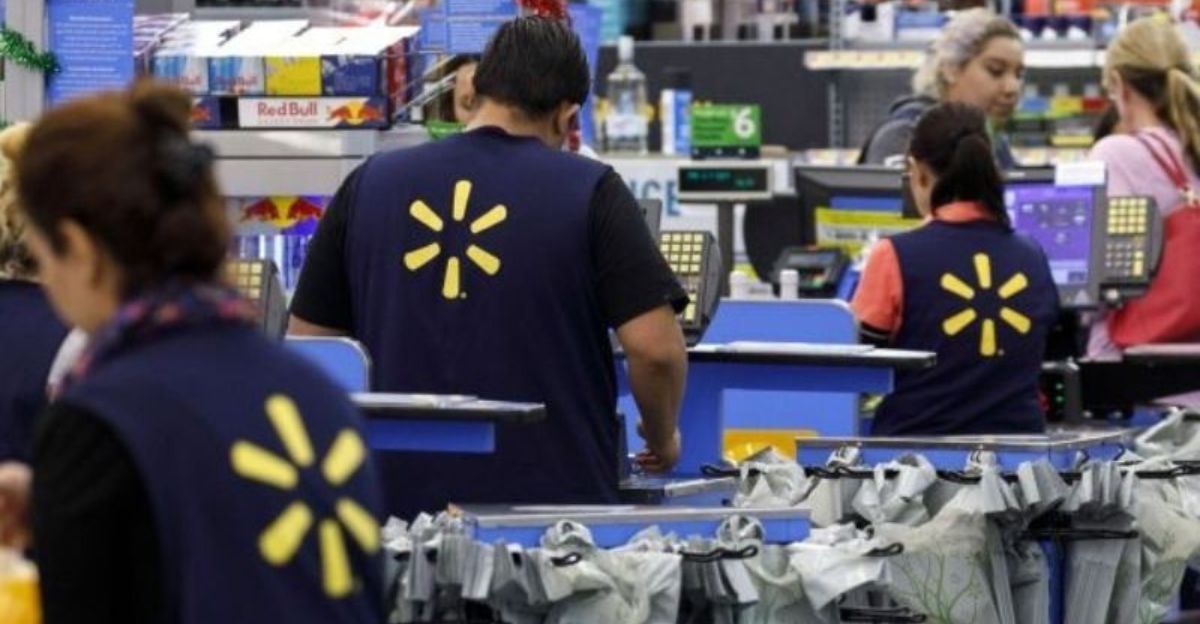
Before this reform, many associates had openly griped that the old discount didn’t help when food inflation hurt the most. Year-round discounts covered produce and general goods, but staples like milk, pasta, eggs and canned meat were excluded.
Worst, those exclusions happened just as shoppers often shopped more (and prices spiked) near the month’s end. Employees compared notes: one wrote online, “I buy my own groceries so I don’t have to use company money – it’s crazy we couldn’t get savings on the basics we need.” Labor advocates and bloggers had taken up their cause, and petitions circulated.
CPO Morris herself acknowledged the feedback: “one of our most requested benefits” was expanded food coverage.
Workers feel the change addresses a long-standing blind spot in Walmart’s benefits.
New Leadership, Old Philosophy

The initiative comes from the company’s new leadership team, but its spirit echoes Sam Walton. Donna Morris and COO Kieran Shanahan have made listening tours and employee surveys a priority.
Shanahan said Walmart held “listening sessions and holiday town halls” where staff asked for a simpler, more inclusive discount.
Morris framed the change as following employee input, writing in an internal memo that the decision stemmed from feedback. This bottom-up approach mirrors Walton’s ethos: he famously believed in sharing profits with associates and valuing their ideas.
Today’s leaders seem to channel that legacy. As Morris put it, Walmart wants to “continue to make Walmart a great place to work,” and this expanded grocery discount is a concrete step toward that goal.
Retention Focus
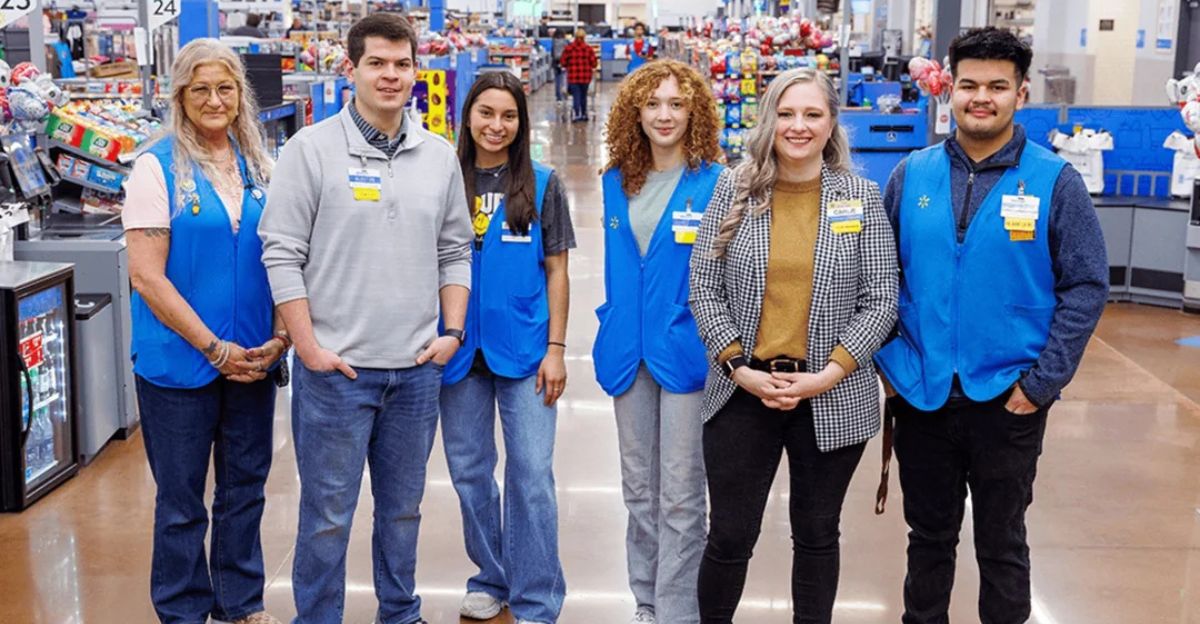
Walmart has been doubling down on efforts to keep staff. Over the past year it raised the minimum hourly wage, introduced new bonus opportunities, and expanded training programs for career advancement.
The broad grocery discount is the latest element of this strategy. Management openly says the benefit is meant to help employees with rising living costs and improve retention in a tight labor market.
Keeping experienced cashiers and stockers on the job means smoother stores and happier customers. One internal analysis notes that each retained worker saves the company thousands in hiring costs.
Walmart is using wage-like perks as a hedge against labor shortages. The bet: the money it “invests” in this discount today will reduce costly turnover (and even drive some employees to shop more at Walmart).
Expert Analyses Eye Outcomes
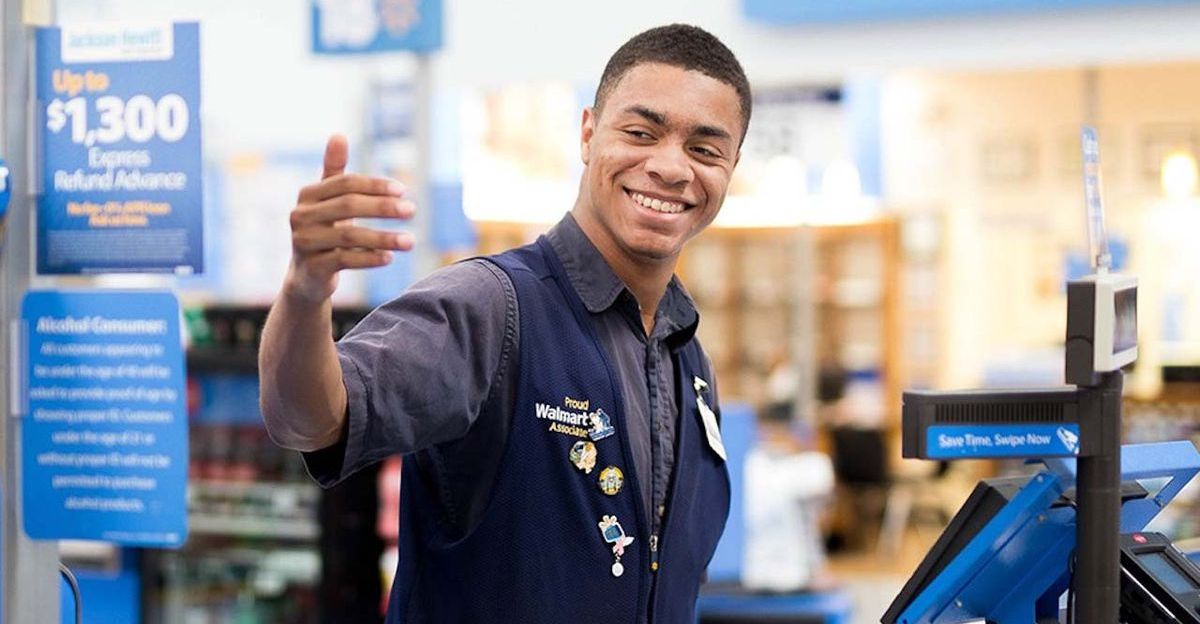
Industry analysts have largely praised Walmart’s move as a smart HR strategy. Labor experts say that meaningful perks boost morale and productivity – employees who feel valued tend to work harder and stay longer. “Benefits like this foster loyalty and enhance morale,” notes a retail sector analyst, especially in high-turnover jobs.
Some experts caution it shouldn’t replace competitive pay: a few point out that permanent wage gains are often still the best solution to living-cost strains. But most observers agree Walmart is following best practices by pairing pay raises with robust perks.
As one retail consultant put it, companies that ignore worker concerns on inflation risk losing staff – and none of its major competitors lag on this front.
Overall, analysts see Walmart’s discount as aligning it with the industry’s top performers on talent management.
What’s Ahead? Competitive Edge

Looking forward, the expanded discount could give Walmart an edge in the talent war. With the economy showing mixed signals (new tariffs loomed this summer, and some economists warn those could soon push grocery prices back up), the company wants a steadfast frontline workforce.
Analysts predict competition for entry-level workers will intensify: chains battling over cashiers and shelf stockers may offer more perks or higher pay. In that fight, retailers with broader benefits – like year-round food discounts – will be more attractive employers.
One hospitality analyst says we may see rival grocers match Walmart’s perk or face losing staff. Meanwhile, for Walmart itself, this fosters customer loyalty too: a happy associate is likelier to help a shopper find the right item.
By investing in its people now, Walmart is building goodwill that might translate into both lower turnover and stronger sales down the line.
Tariffs & Prices

The timing of the discount comes amid trade uncertainty. The Biden administration and Congress have been negotiating to roll back U.S. tariffs on billions of dollars of imports – but trade experts warn that food costs could stay volatile.
In recent weeks, some Republican leaders pressed the White House to extend or add tariffs, which would directly raise grocery prices.
Walmart’s management has hinted that this benefit is a proactive buffer: in staff communications they suggested it would help protect employees if pantry staples suddenly jump in price. Observers say that by shielding its own workforce, Walmart also sets an example – other big retailers might consider similar cuts as tariffs bite consumers.
The perk acts partly as an insurance policy, not just for families but for Walmart’s brand image during economic headwinds.
Global Lessons in Employee Perks
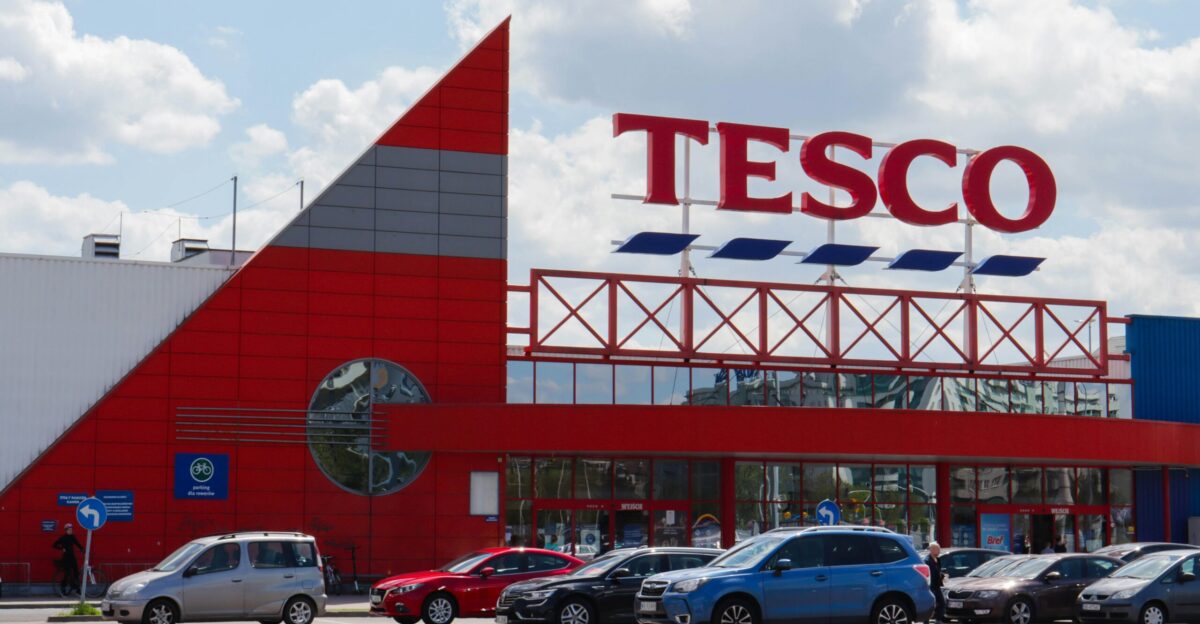
Walmart’s move doesn’t happen in isolation. Globally, inflationary pressures have led companies to respond – though often with pay hikes or bonuses rather than discounts.
For example, in the UK, Tesco recently boosted hourly wages by about 8% and let workers access pay early, and France’s Carrefour agreed roughly an 8% raise plus a one-time bonus.
In Europe and beyond, many firms are debating how much employers should cover living costs. With costs rising worldwide, some big retailers in Asia, Latin America and elsewhere are eyeing U.S. examples.
The idea of broad employee discounts – once niche – is now in corporate boardrooms from Canada to Australia. In effect, Walmart’s policy is helping ignite a larger conversation: to what extent should companies directly help workers manage inflation?
Legal and HR Implications

So far, Walmart’s discount has sidestepped legal hurdles because it’s fully voluntary and uniform: it applies equally to all eligible employees and doesn’t cut wages or hours. HR experts note it doesn’t conflict with labor laws (it’s not a substitute for minimum wage or health benefits), but it could influence policy discussions.
If more employers give big perks, regulators might wonder whether voluntary benefits should count toward living standards.
For instance, some lawmakers are watching whether high-end fringe benefits might lull companies into arguing they don’t need to raise wages or expand healthcare.
Human-resources attorneys say this move will mostly just pressure other retailers: in a tight job market, chains with weaker perks risk falling behind. For now, the change is seen as compliant and positive – but it adds a new angle to the perennial policy debate over fair pay vs. optional perks.
Worker Expectations
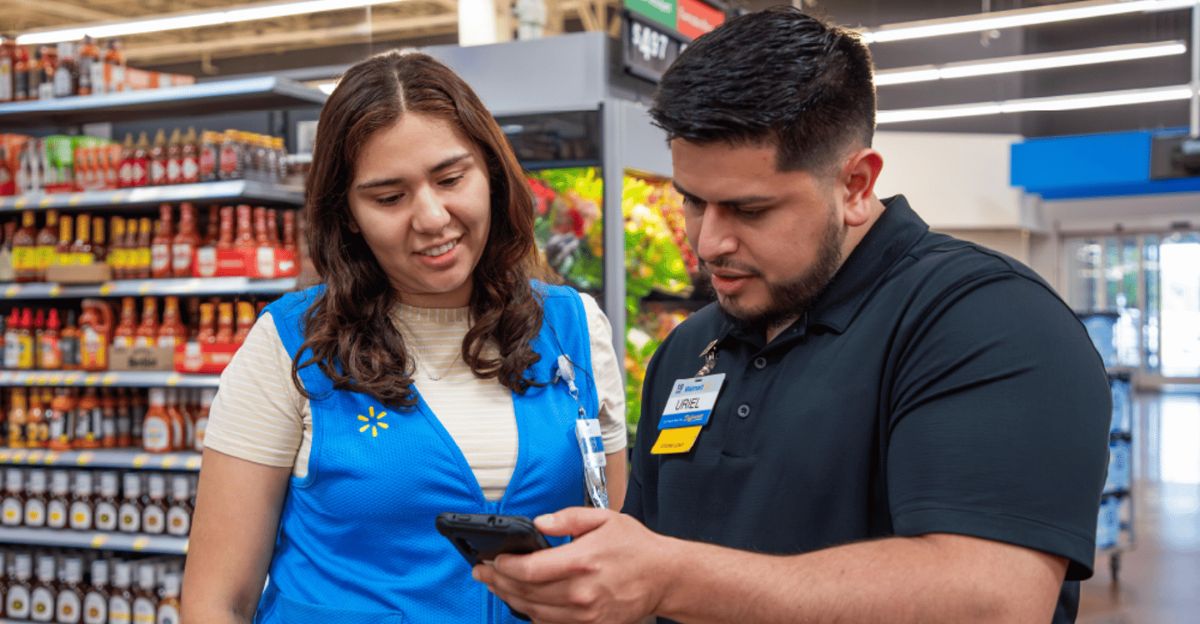
For younger workers, generous benefits are a baseline expectation. Recent surveys show that a large majority of Millennial and Gen Z job-seekers rank benefits (like healthcare, flexible scheduling and discounts) as important decision factors—often as important as salary.
Many cite values alignment and quality-of-life perks when choosing an employer. For example, a 2025 labor study found that over 80% of candidates considered a strong benefits package a must-have in a new job.
This generational shift is pushing all employers to innovate their offerings. Walmart’s expanded grocery discount is a clear signal that it’s trying to meet these new norms.
The move may also improve the company’s image among younger consumers, who often say they support brands that treat workers well.
Why It Matters Now
Walmart’s broad new grocery discount marks a turning point for the company and for retail employment policy. It shows that in an inflationary era, frontline worker perks can’t be afterthoughts – they’re strategic imperatives.
As food costs bite and tariff uncertainties loom, Walmart’s associate-first approach sets a precedent. Retailers across the U.S. are already eyeing this example: we could see similar benefit fights break out even in other industries.
Analysts note that every big retailer is “joining the fight for low-cost groceries,” whether by cutting prices for shoppers or cutting costs for staff.
Walmart’s decision could be a cultural tipping point, signaling that sustaining America’s essential retail workforce requires more than slogans – it demands real, everyday relief. The expanded discount isn’t just a giveaway; it’s a statement about the future of work in retail.