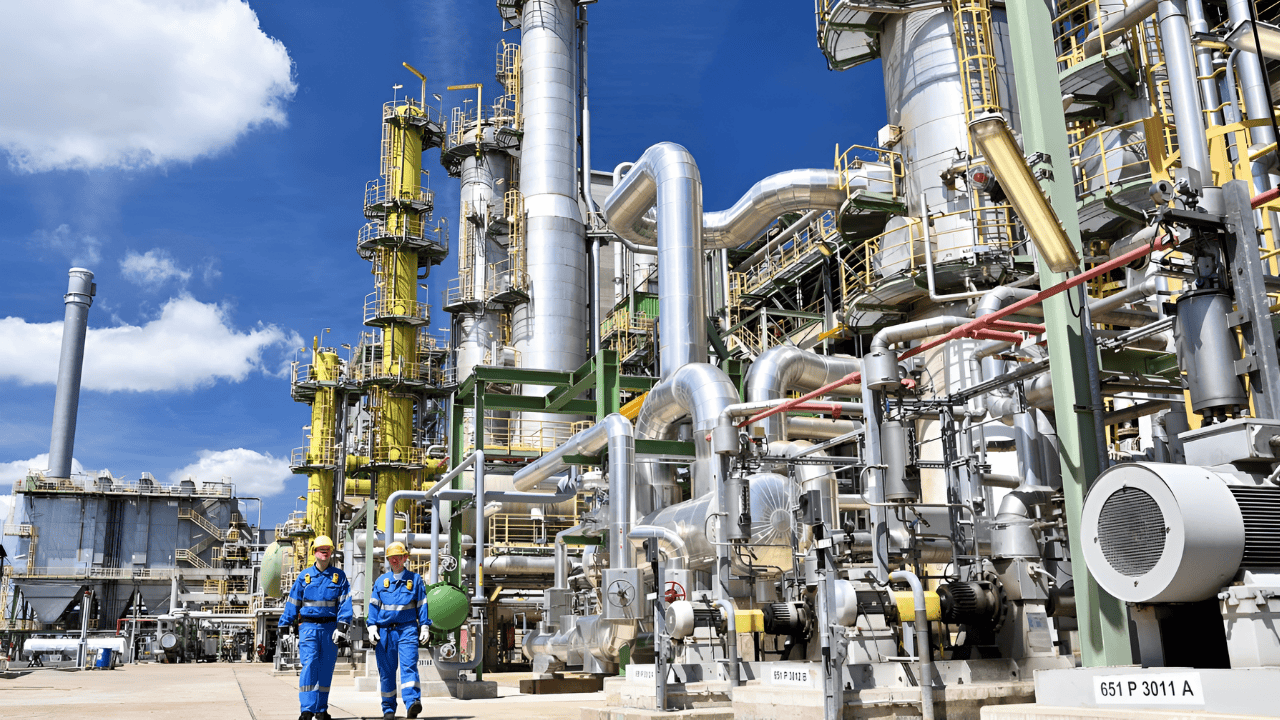
Westlake’s $415 million charge in the final quarter of 2025 reveals tough times for North America’s chemical industry. The company plans to close several production lines in the southern United States. These closures will eliminate billions of pounds of capacity and hundreds of jobs by the end of the year. This decision highlights a larger trend of global oversupply and weakening demand that forces companies to shut down unprofitable operations.
The $415 Million Charge
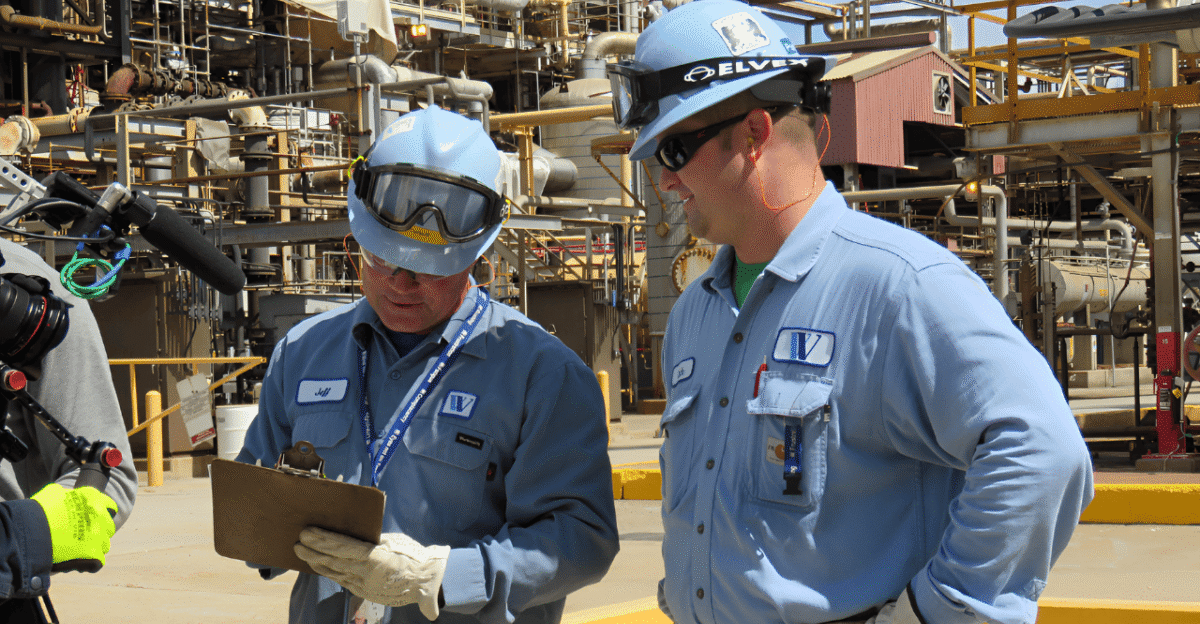
Westlake announced a $415 million pre-tax charge for the fourth quarter of 2025. This figure covers permanent plant closures. It includes $357 million in non-cash write-downs for assets, $25 million in severance payments, and $33 million for shutdown expenses. Such a large, focused hit shows how quickly conditions have worsened for struggling facilities.
The charge leaves little wiggle room for underperforming plants. Westlake’s move reflects the harsh financial pressures building across the sector. Companies can no longer afford to keep money-losing operations running amid shrinking profits.
Industry-Wide Pressures
North American chemical producers once benefited from low-cost natural gas, a skilled workforce, and close access to markets. Those edges have eroded as state-supported companies in China and the Middle East ramped up production. They have flooded global markets with low-priced commodity chemicals like plastics and resins.
Demand for these materials has also softened since the pandemic. Sectors such as construction, packaging, and auto parts no longer drive growth as they once did. This shift has turned short-term slumps into long-term problems.
Credit agencies like Fitch Ratings point to overcapacity and trade disputes in their gloomy forecasts for the industry. Plant utilization rates have fallen from nearly 90% to 70-75% in major markets. Lower output spreads fixed costs thinner, hitting older plants the hardest.
Shutdown Details
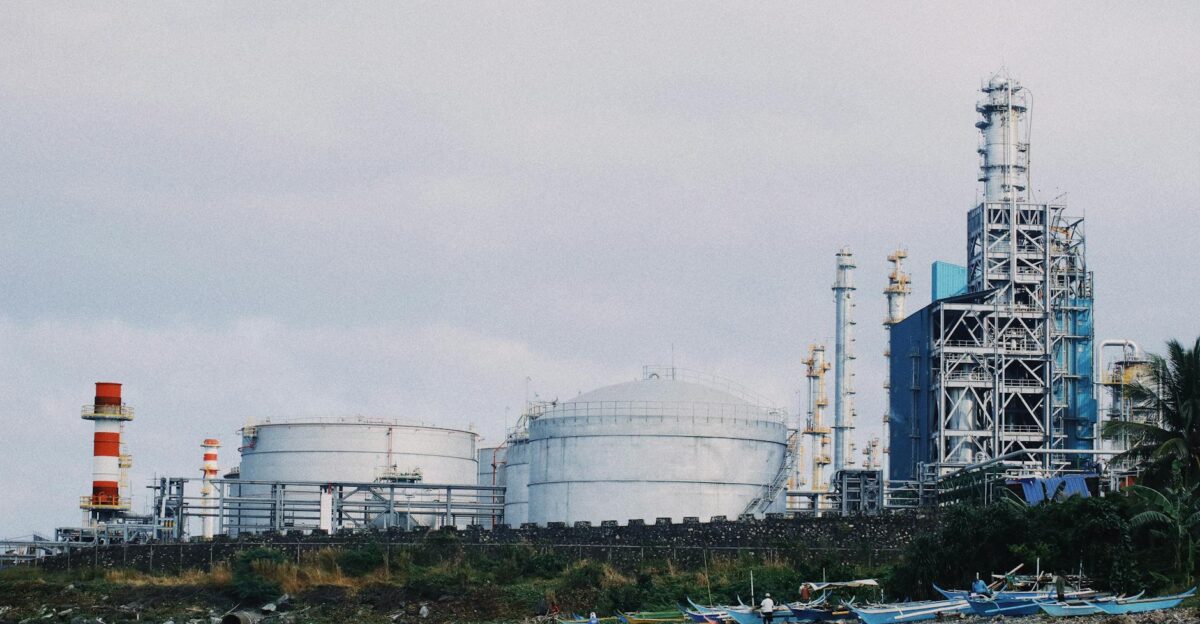
On December 15, 2025, Westlake detailed the closures of three chlorovinyl units and one styrene plant in North America. These moves will cut 295 jobs and remove 4.2 billion pounds of annual production capacity. The affected sites span Mississippi and Louisiana.
In Aberdeen, Mississippi, a PVC plant will shut down, ending output of 1 billion pounds of suspension PVC resin each year and eliminating 99 jobs. In Lake Charles, Louisiana, a vinyl chloride monomer (VCM) plant will close, along with a diaphragm chlor-alkali unit at the same complex; these produced 910 million pounds of VCM annually and displaced 196 workers in total. A nearby styrene facility rounds out the list.
The Lake Charles locations alone handled 3.2 billion pounds of production. Workers there now face immediate job losses in a key industrial area.
Regional and Supply Chain Impacts
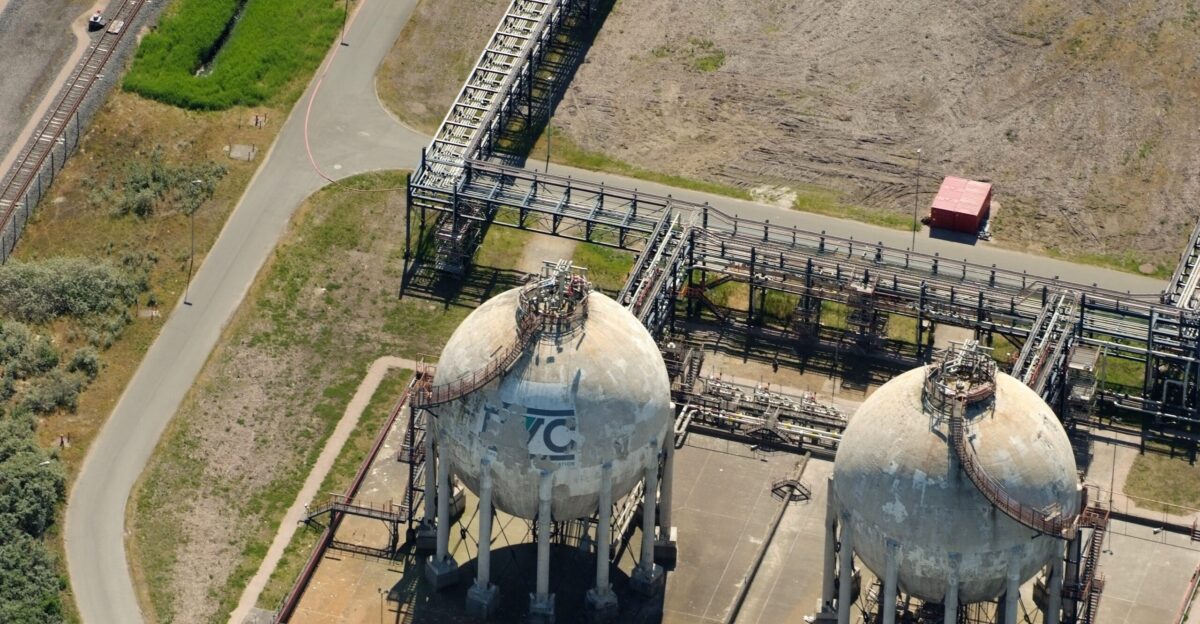
Rural Aberdeen, Mississippi, relies heavily on its PVC plant for economic stability. The closure threatens local tax revenue that funds schools and roads. The town’s population has already been shrinking, and this loss could deepen community challenges.
Lake Charles sits in Louisiana’s Chemical Corridor, a hub packed with plants. The triple shutdowns add to strains from industry mergers, stricter environmental rules, and hurricane risks. Displaced workers will compete for limited jobs in the area.
Westlake’s cuts reduce its global suspension PVC capacity from 6.52 billion to 5.52 billion pounds per year. North American PVC drops from 5.9 billion to 4.9 billion pounds, with VCM capacity down by 910 million pounds. Rivals like LyondellBasell, Huntsman, and Celanese have made similar changes, but few on this scale in one quarter.
Downstream buyers of PVC, VCM, and styrene, such as makers of pipes, packaging, and insulation, will see tighter supplies from Westlake’s remaining seven U.S. sites. This could mean longer wait times or higher prices, affecting construction, autos, and infrastructure projects.
CEO Jean-Marc Gilson described the closures as necessary due to “persistent, challenging market conditions.” The company aims to focus on profitable, high-value products and efficient plants to compete with subsidized foreign rivals. Analysts warn of uncertainties in costs, labor negotiations, and market swings. Global oversupply still hovers at 15-20% in some areas.
Severance packages help some workers, but details on retraining or relocation remain limited, especially for veterans with niche skills. Local leaders worry about the fast timeline and slim job options in rural spots and industrial corridors. These shutdowns mark a turning point for southern manufacturing regions that depend on chemical plants for jobs and supply chains. Whether this leads to a stronger, leaner industry or further decline will shape local economies for years.
Sources:
“Westlake to Rationalize Certain North American Chlorovinyl and Styrene Assets.” Westlake Corporation (Business Wire), December 14, 2025.
“Fitch Ratings Maintains Deteriorating Outlook for Global Chemicals on Overcapacity and Trade Risks.” Fitch Ratings Global Chemicals Outlook 2026, December 2025.
“The State of the Chemicals Industry: Time for Bold Action and Innovation.” McKinsey & Company, December 2024.
“Global Chemical Industry Trends.” Deloitte 2025 Chemical Industry Outlook, November 2025.